Bitwise tests institutional appetite for non-custodial DeFi yield with Morpho vault launch

ambcrypto發佈於 2026-01-26更新於 2026-01-26

文章摘要

Bitwise Asset Management launched non-custodial yield vaults on Morpho on January 26, marking its first direct participation in DeFi strategy curation. The vaults target up to 6% annualised yield through overcollateralised lending pools, with Bitwise managing strategy while users retain asset control. This structure avoids custody and reduces regulatory exposure, addressing key institutional concerns. However, risks include variable yields, smart-contract vulnerabilities, and market-dependent liquidation mechanisms. Bitwise has not disclosed vault size or whether access is limited to institutional investors. The launch tests whether professionally curated non-custodial DeFi products can attract sustained institutional interest.

Crypto asset manager Bitwise announced the launch of non-custodial yield strategies as a curator on Morpho on 26 January. This launch marks a measured step into decentralised finance as institutional interest in onchain yield continues to build.

The move represents Bitwise’s first direct participation in DeFi vault curation, positioning the firm as an active strategy manager rather than a custodial intermediary.

Vault structure targets overcollateralised lending yield

The new offering allows users to allocate assets to Bitwise-curated vaults on Morpho that target an annualised yield of up to 6% through overcollateralised lending pools.

The vaults are non-custodial, meaning users retain control of their assets while Bitwise defines allocation parameters and risk controls.

The firm has not disclosed initial deposits, vault size, or minimum allocation requirements.

Bitwise curator model avoids custody and regulatory exposure

By acting as a curator rather than a custodian, Bitwise avoids taking direct control of client assets — a design choice that addresses long-standing institutional concerns around custody, operational risk, and regulatory exposure in decentralised finance.

The structure reflects a broader trend among asset managers exploring modular DeFi components, where strategy selection and risk management are layered on top of transparent onchain infrastructure rather than bundled into vertically integrated platforms.

Risks remain despite professional management

Despite the involvement of an established asset manager, the strategy remains exposed to protocol-level and market risks inherent to decentralised lending.

Yields are variable and depend on borrowing demand, collateral quality, and broader market conditions, while smart-contract risk and liquidation dynamics remain structural features of onchain lending markets.

Bitwise has not indicated whether the vaults are open to retail users or restricted to sophisticated or institutional participants, leaving questions around accessibility and regulatory positioning unresolved.

A test case for institutional DeFi participation

The launch is best viewed as an early test of whether professionally curated, non-custodial vaults can attract sustained interest from institutions and sophisticated investors.

Broader adoption may depend on performance across market cycles and on vault structures’ ability to deliver consistent, risk-adjusted returns without operational disruptions.


Final Thoughts

  • Bitwise’s Morpho vault launch reflects growing institutional interest in non-custodial, onchain yield structures rather than custodial DeFi products.
  • The initiative serves as a test case for whether professional curation can make decentralised lending more accessible to sophisticated investors.


相關問答

QWhat is the significance of Bitwise launching non-custodial yield strategies on Morpho?

AIt marks Bitwise's first direct participation in DeFi vault curation and represents a measured step into decentralized finance, testing institutional appetite for non-custodial onchain yield products.

QHow does Bitwise's role as a curator, rather than a custodian, address institutional concerns?

AIt avoids Bitwise taking direct control of client assets, thereby addressing concerns around custody, operational risk, and regulatory exposure in DeFi.

QWhat type of yield do the Bitwise-curated vaults on Morpho target, and how is it generated?

AThey target an annualized yield of up to 6% through overcollateralized lending pools on the Morpho protocol.

QWhat are the main risks associated with these vaults despite Bitwise's professional management?

AThe strategy remains exposed to protocol-level risks, market risks, variable yields dependent on borrowing demand, collateral quality, smart-contract risk, and liquidation dynamics.

QWhat does the launch of these vaults represent in the broader context of institutional DeFi adoption?

AIt serves as an early test case for whether professionally curated, non-custodial vaults can attract sustained interest from institutions and sophisticated investors, with broader adoption depending on performance across market cycles.

你可能也喜歡

曾经大热的Web3,进入裁员潮

2026年上半年,美国科技行业裁员近14万人,超过半数裁员事件将AI、自动化或机器学习列为理由。Web3行业作为科技与金融交叉领域,裁员潮尤为剧烈,头部交易平台及中小平台纷纷进行人员裁撤与业务收缩。 裁员过程往往突然而冷酷。有员工在毫无预警的情况下被关闭系统权限,仅通过邮箱收到裁员通知;有的交易平台每个季度裁员约10%,全年累计达40%;Coinbase印度办公室据称约90%员工被裁。许多公司选择在财年节点集中裁员,以美化财务报表。裁员补偿常不尽如人意,公司可能通过监控员工行为、设置苛刻KPI或强制考试等方式,将裁员包装成绩效淘汰,以避免支付补偿。 留任员工也承受巨大压力,工作氛围变得消极、惶恐,考核加剧,会议频繁,但产品方向模糊。管理层权术斗争激烈,底层员工成为牺牲品。公司文化往往苛刻,缺乏工作与生活平衡。 行业面临深层危机:交易平台依赖的手续费与上币收入模式难以为继,项目上币成本高昂但质量下降,散户流失,交易量萎缩。同时,链上衍生品平台兴起,进一步挤压中心化交易平台利润。去年10月的全行业大规模爆仓事件严重打击了市场信心,流动性枯竭,VC投资大幅收缩,项目方生存艰难。 被裁员工多转向AI行业,但传统金融甚至部分AI公司对Web3背景存在歧视,视其为“蟑螂旅馆”。行业内部竞争依然恶劣,有平台甚至将高薪挖角竞对员工作为KPI,数月后再裁掉,进行消耗战。 此次寒冬并非单纯周期或AI冲击所致,更源于行业自身模式弊端:高昂的上币费消耗生态、不透明的管理消耗员工信任、在寒冬中忙于内耗而非创新。Web3行业的衰败,更多是自身积累的问题爆发。

marsbit47 分鐘前

曾经大热的Web3,进入裁员潮

marsbit47 分鐘前

销量跌26%反而涨价?小米的两难

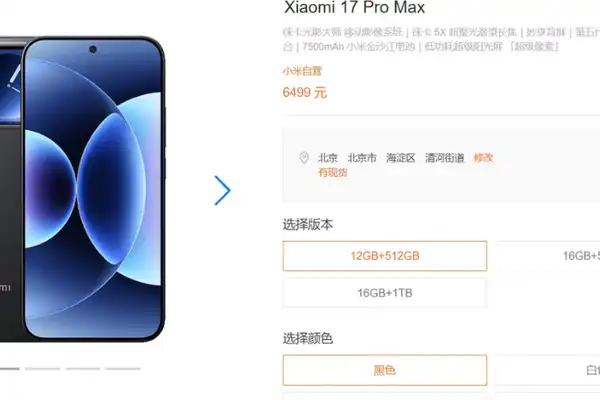
手机行业正面临“晚买享折扣”铁律失效的困境。8月2日,小米商城对小米17系列、Redmi K90系列等9款机型同步上调售价,旗舰机型涨幅达400-500元。这已是小米年内第三轮调价,反映了存储成本压力正从入门机型逐步传导至旗舰产品。 与此同时,小米手机销量出现显著下滑。2026年第二季度,小米全球出货量同比下滑26.3%,在前五大厂商中跌幅最大;中国市场份额排名第五,同比下滑21%。这一方面源于提价抑制了消费需求,另一方面也与小米主动缩减入门机型、升级产品结构的策略有关。 此轮涨价的直接推手是存储芯片成本飙升。由于AI算力需求爆发,存储大厂将产能转向利润更高的HBM内存,导致消费级DRAM与NAND供给紧张、价格暴涨。小米总裁卢伟冰透露,同版本内存价格较去年初飙升近4倍,单台手机存储成本上涨约1500元。他预计,内存涨价趋势至少将持续到2027年底。 面对成本上涨与销量下滑的双重压力,小米正通过加码自研芯片、优化产品存储配置等方式对冲风险。此外,行业涨价已成普遍现象,OPPO、vivo、荣耀乃至苹果均已上调部分产品售价。业内人士预计,下半年主流品牌可能迎来第二轮调价。全行业的涨价周期已然开启,厂商策略与消费者决策都需重新适应这一变化。

marsbit58 分鐘前

销量跌26%反而涨价?小米的两难

marsbit58 分鐘前

交易

現貨
活动图片