Polygon Launches Mobile Burning And Token ListsPolygon Launches Mobile Burning And Token Lists

cryptodaily發佈於 2022-03-26更新於 2022-03-26

文章摘要

According to Polygon, the new features for its wallet suite were "inspired by feedback and suggestions" from its community.
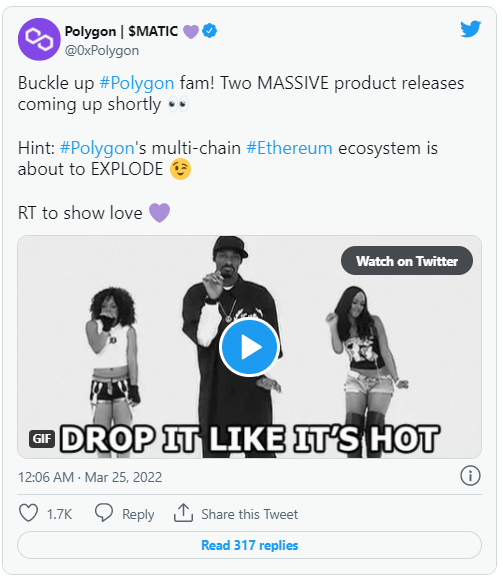
After releasing a teaser tweet, Polygon has launched two new features for its platform: mobile burning capabilities for $MATIC tokens, and a brand new Polygon Token Lists service.
According to Polygon, the new features for its wallet suite were "inspired by feedback and suggestions" from its community.

Right after this teaser tweet, Polygon promptly launched an integrated build of the MATIC burn console for its mobile app. The MATIC burn console was launched a couple of weeks beforehand, and will now be available for Polygon's mobile wallet suite, complete with a fresh interface that is aimed at providing a seamless and intuitive experience to its users.
"Burning MATIC tokens is an amazing way to help contribute to the MATIC ecosystem, and by our estimates we may burn around 0.27% of total supply per year," explains Polygon.
The deflationary characteristics of Polygon's MATIC tokens will induce more burning for yet more tokens, and will provide an ecosystem-wide balance for the protocol. This will also result in better predictions in terms of gas prices, because token burns and smart contract implementations for executing it are in place to ensure that the gas prices do not fluctuate above a specific, viable level.
According to Polygon, validators and delegators will also receive better offerings because of the deflationary character of MATIC, which would mean more accrued value over time for tokens offered to them in exchange of their services.
Polygon users may now use the Polygon Token Lists to check out investment opportunities with legitimate tokens, while also providing token creators with a platform to be visible to the crypto market they are aiming to serve. Users simply need to use Polygon Bridge and click on the "Manage Token Lists" option and select their desired tokens.
Previously, Polygon has gone on to explain at length how the EIP-1559 proposal also brought about the burning function for MATIC tokens. Polygon has also outlined how Polygon Hermez and Polygon Miden will help bolster its protocol towards new heights of scalability.
With this latest set of updates, Polygon is also giving users the ability to see their deposits and withdrawals on the Polygon Bridge, which is currently ranked as the third most used decentralized application on the Ethereum blockchain.


你可能也喜歡

AI中转站引发知乎热议:便宜Token背后,用户真正担心什么?

知乎上关于“AI中转站与便宜Token”的讨论引发广泛关注,焦点从单纯的工具选择转向了深层的成本与信任问题。 用户首要担忧的是模型真实性。AI中转站被类比为“AI版黄牛”,技术门槛不高,但上游来源常不透明,存在“模型掉包”风险。由于大模型输出具有随机性,普通用户难以辨别自己是否真的在使用所付费的旗舰模型,这本质上是一种信息不对称交易。 其次,便宜Token的性价比需要理性看待。其“低价感”常源于与官方API按量价的对比,若与官方订阅套餐、国产模型或免费额度相比,未必总是最优。讨论强调用户应先明确自身需求——是偶尔使用还是高频调用,再选择合适渠道。 便宜Token的来源复杂,既可能有批量采购、缓存优化等合法路径,也可能涉及订阅拆分、地区价差套利甚至更灰色的渠道。这种混合供给导致服务稳定性和余额风险难以评估。真正的成本计算需涵盖模型真实性、服务稳定性和数据安全。 数据安全成为核心关切,尤其在AI编程、Agent和企业应用场景中。经过中转站的prompt、代码、业务文档和密钥可能面临泄露风险。对于企业,这还涉及商业秘密、数据合规与供应商审查等治理问题。 讨论形成的普遍共识是:AI中转站可用于低敏感、可替代的任务(如公开资料总结、简单测试),但不建议作为默认入口,尤其不能用于处理敏感数据或接入生产环境。实用建议包括:避免大额充值、分散风险、定期测试模型、做好数据脱敏。 这场讨论揭示,当AI能力按Token计价时,用户为节省调用费用,可能潜在地牺牲了信任与安全。随着AI更深度融入工作流,明晰请求路径、模型来源与数据流向变得至关重要。

marsbit3 分鐘前

AI中转站引发知乎热议:便宜Token背后,用户真正担心什么?

marsbit3 分鐘前

封了自家元宝,微信AI亲自下场

微信AI智能体即将以原生形态嵌入微信,预计最快本月启动合规审批。其交互入口拟定为微信主界面右滑,定位不止是聊天机器人,更能通过调用小程序完成挂号、点餐等实际任务,实现从“信息输出”到“服务执行”的闭环。 这一战略转向源于内部竞争与外部压力。腾讯此前推出的独立AI应用“元宝”增长乏力,月活远落后于字节的“豆包”和阿里的“千问”。更关键的是,元宝在今年春节的营销活动因“诱导分享”被微信自身封杀,暴露出腾讯对AI落地路径的内部犹疑。此事件促使共识形成:腾讯的AI能力应植根于微信生态,而非另起炉灶。 微信的核心优势在于其独一无二的生态:14亿月活用户、成熟的微信支付体系以及覆盖数百万商户的标准化小程序接口。这使得微信AI智能体能高效、精准地调用服务,无需像竞品那样模拟屏幕操作。腾讯总裁刘炽平指出,微信平台是承载AI智能体的“理想助手”。 然而,挑战依然存在:混元大模型的性能需持续追赶;海量用户带来的算力成本高昂;AI智能体“一步直达”服务可能压缩小程序开发者的流量与广告收益,需重新设计激励机制。此外,阿里、字节等巨头也在构建自己的AI服务闭环,意图控制用户需求的入口。 本质上,微信推出AI智能体是一场防御性升级,旨在将用户对服务的需求尽可能留在微信体系内完成,从而巩固其作为核心入口的地位。这并非简单的产品迭代,而是在存量竞争时代,对人与服务连接方式的重新定义。

marsbit1 小時前

封了自家元宝,微信AI亲自下场

marsbit1 小時前

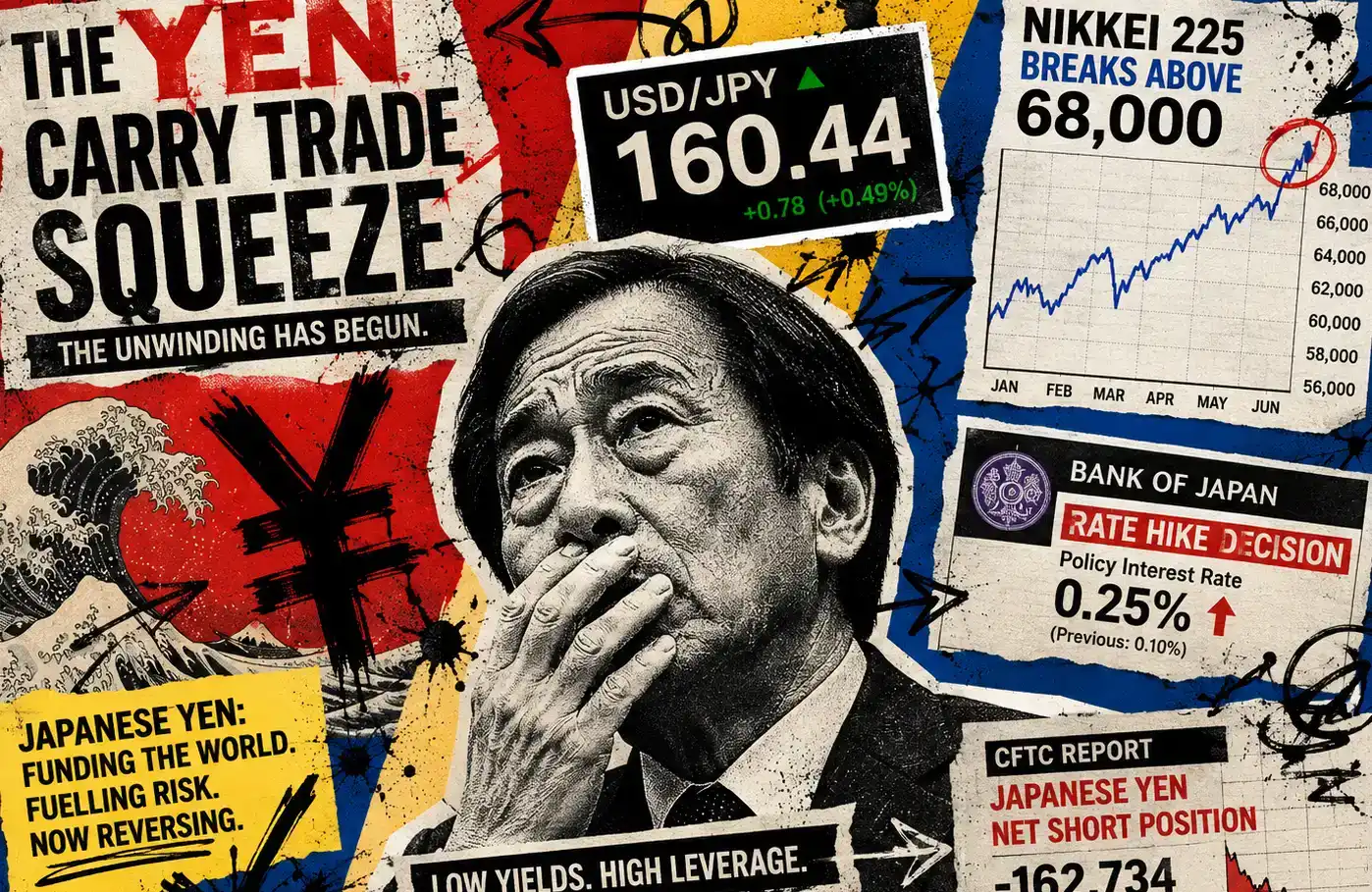
华尔街新操作:日元空头仍在加码,但日股靠的不是Carry Trade平仓

2026年6月初,美元兑日元汇率重返160关口附近,日经225指数则突破68000点创历史新高。市场出现对“套利交易(carry trade)崩盘”的担忧,但数据揭示了更复杂的情况。 首先,投机资金并未撤离日元空头,反而在加码。CFTC持仓数据显示,截至5月26日当周,日元期货净空头头寸增至约11.5万张合约,接近历史高位。这意味着若日本央行转向鹰派或美国经济走弱,可能引发类似2024年8月的被动平仓风险。 其次,日本财务省在4月底至5月底实施了规模创纪录的外汇干预(约11.7万亿日元),但仍未能阻止日元汇率跌破160。这显示单边干预效果有限。 关键点在于,推动日股上涨的动力并非来自套利交易平仓后的资金回流。外资正连续数周大幅净买入日股,2026年内累计净买入额已达去年同期的近16倍。资金集中流向AI与半导体相关股票(如软银、Socionext),是追逐全球AI产业趋势的主动投资行为,与2024年因套利交易瓦解引发的被动抛售有本质不同。 此外,日股在日本央行加息周期中依然走强,表明当前外资行情对利率敏感度较低。但若未来日本央行进一步加息(例如至1.0%)叠加美元转弱,可能导致套利交易成本骤升,届时股市与汇市的关系可能重新紧密联动。 综上,当前市场并存三个事实:日元空头仓位拥挤、干预未能守住关键汇率、日股受AI主题外资驱动创新高。它们并不矛盾,共同构成了市场的复杂图景。

marsbit1 小時前

华尔街新操作:日元空头仍在加码,但日股靠的不是Carry Trade平仓

marsbit1 小時前

交易

現貨
合約
活动图片