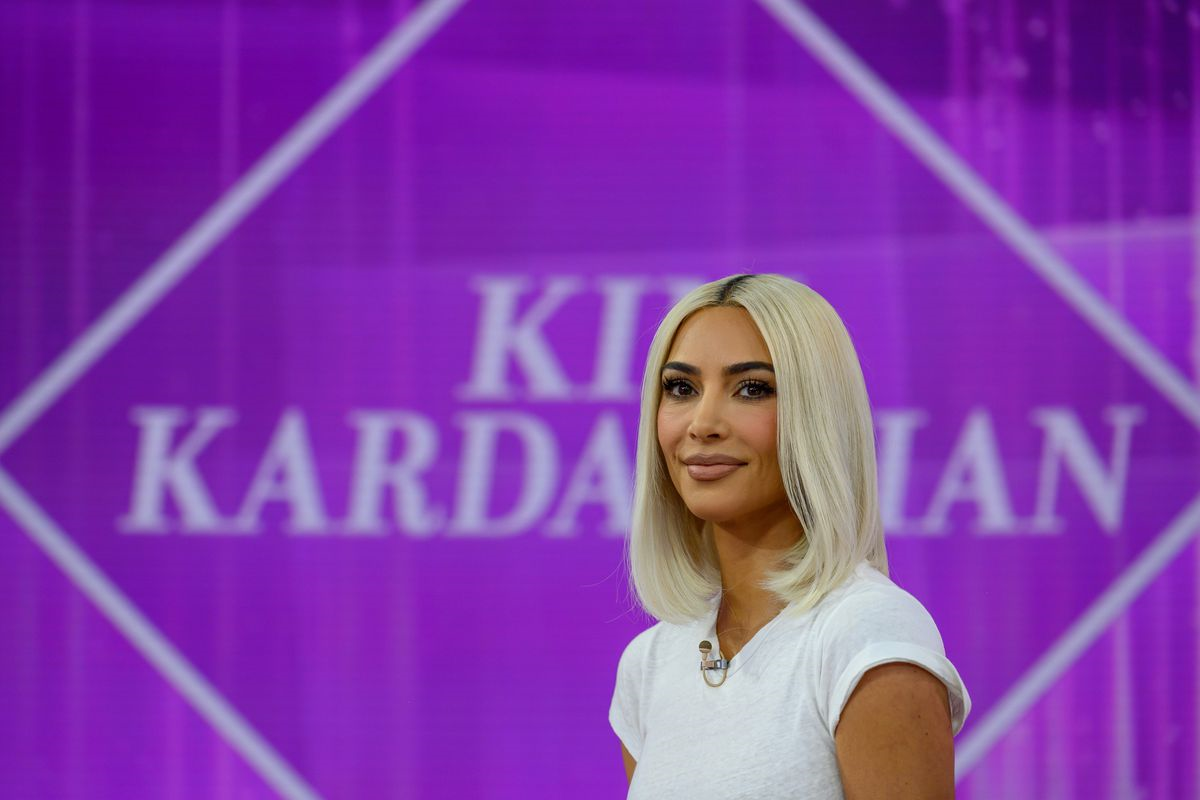
Kim Kardashian agreed to pay a $1.26 million fine to the Securities and Exchange Commission to settle civil charges after the reality TV star touted a crypto asset, EthereumMax, on Instagram.
The SEC charged Kardashian with failure to disclose that she was paid $250,000 to publish her Instagram post. In addition to paying the fine, she agreed to cooperate with the SEC’s ongoing investigation.
“This case is a reminder that, when celebrities or influencers endorse investment opportunities, including crypto asset securities, it doesn’t mean that those investment products are right for all investors,” said SEC Chair Gary Gensler. “We encourage investors to consider an investment’s potential risks and opportunities in light of their own financial goals.”
Kardashian also agreed to not promote any crypto securities for three years.
“Ms. Kardashian is pleased to have resolved this matter with the SEC,” said a statement from her attorneys. “Kardashian fully cooperated with the SEC from the very beginning and she remains willing to do whatever she can to assist the SEC in this matter. She wanted to get this matter behind her to avoid a protracted dispute. The agreement she reached with the SEC allows her to do that so that she can move forward with her many different business pursuits.”
`
The SEC found that Kardashian violated the anti-touting provision of federal securities laws. Kardashian agreed to the order without admitting or denying the SEC’s findings.
The settlement includes a $1 million fine and forfeiting the $250,000 payment she received, plus interest.
Gensler tweeted that “any celebrity or influencer’s incentives aren’t necessarily aligned with yours.” He said the investing public shouldn’t confuse the skills of celebrities “with the very different skills needed to offer appropriate investment advice.”
The SEC may have targeted Kardashian as a way to send a message to other influencers who might be promoting crypto currencies or other investment assets, said Charles Whitehead, professor at Cornell Law School. He called it a “shot across the bow” for celebrity crypto endorsers.
`
“It’s a way to signal to other influencers: if you’re thinking about dealing with crypto, think twice,” said Whitehead. “The SEC is also using her as an influencer – but to boost compliance with securities laws. [It’s a] smart way to bring attention to the matter so others won’t do it.”
Kardashian isn’t the first celebrity to pay an SEC fine for using their influence to push crypto currencies. In 2018 boxer Floyd Mayweather Jr. and music producer DJ Khaled each paid fines for pushing cryptos. Mayweather, who had been compensated $300,000, paid a bit more than $600,000 in penalties, while Khaled, who had been paid $50,000, was hit with penalties topping $150,000. In addition actor Steven Segal paid more than $300,000 in penalties for doing the same thing in 2020.
`
In a June 13, 2021 Instagram post Kardashian wrote, “Are you guys into crypto? This is not financial advice but sharing what my friends told me about the ethereum max token!” She added different hashtags, including #ad, along with #emax and #disrupthistory, among others.
The SEC said she had 225 million Instagram followers at the time of the post.
The #ad is not sufficient to comply with SEC laws in regards to touting investments, Gensler said in an interview on CNBC Monday.
“If you’re advertising perfume, or you’re advertising vacation homes or anything else on the internet, there are various laws related to that. But these are the securities laws,” he said.
Kardashian’s net worth is estimated at $1.8 billion according to Forbes. So a $1.26 million fine is the equivalent of a fine of less than $100 for a typical US family, which has a net worth of about $122,000 according to the most recent estimates by the Federal Reserve.