Why 2026 could redefine Ethereum, Solana, Base and Avalanche

ambcrypto發佈於 2026-07-07更新於 2026-07-07

文章摘要

Blockchain infrastructure is undergoing a major coordinated transformation, driven by institutional demand for reliability, compliance, and predictable settlement. Over $30 billion in Real-World Assets (RWA) on-chain has exposed network weaknesses. Major blockchains are responding with foundational upgrades, moving beyond incremental speed improvements. Ethereum's "Glamsterdam" upgrade, planned for H1 2026, will significantly increase gas limits and introduce features like PBS (pre-blocked state) for enhanced settlement and parallel execution. Solana's "Alpenglow," targeting a mainnet launch in H2 2026, focuses on reducing finality time dramatically and freeing network resources to improve reliability. Beyond speed, compliance is critical. Base's "Beryl" upgrade in Q3 2026 will introduce a standardized, regulatory-compliant token framework (B20). Avalanche's "Octane" upgrade aims to boost transaction processing and reduce costs for enterprise applications. Even Bitcoin is evolving with the potential activation of OP_CAT by late 2026/early 2027. The competition is shifting. While technical upgrades are widespread, institutions will ultimately allocate capital based on proven execution, operational resilience, and regulatory compatibility during market stress. Ethereum currently leads in tokenized assets, while networks like Base and Solana are strengthening their institutional offerings. The blockchain that best delivers reliable, compliant, and uninterrupted service is poi...

As Q3 rolls out, blockchain infrastructure is entering its biggest coordinated transformation to date. It includes rising institutional demand rather than another race for retail adoption.

More than $30 billion in RWA now sits on public blockchains, exposing weaknesses in existing networks.
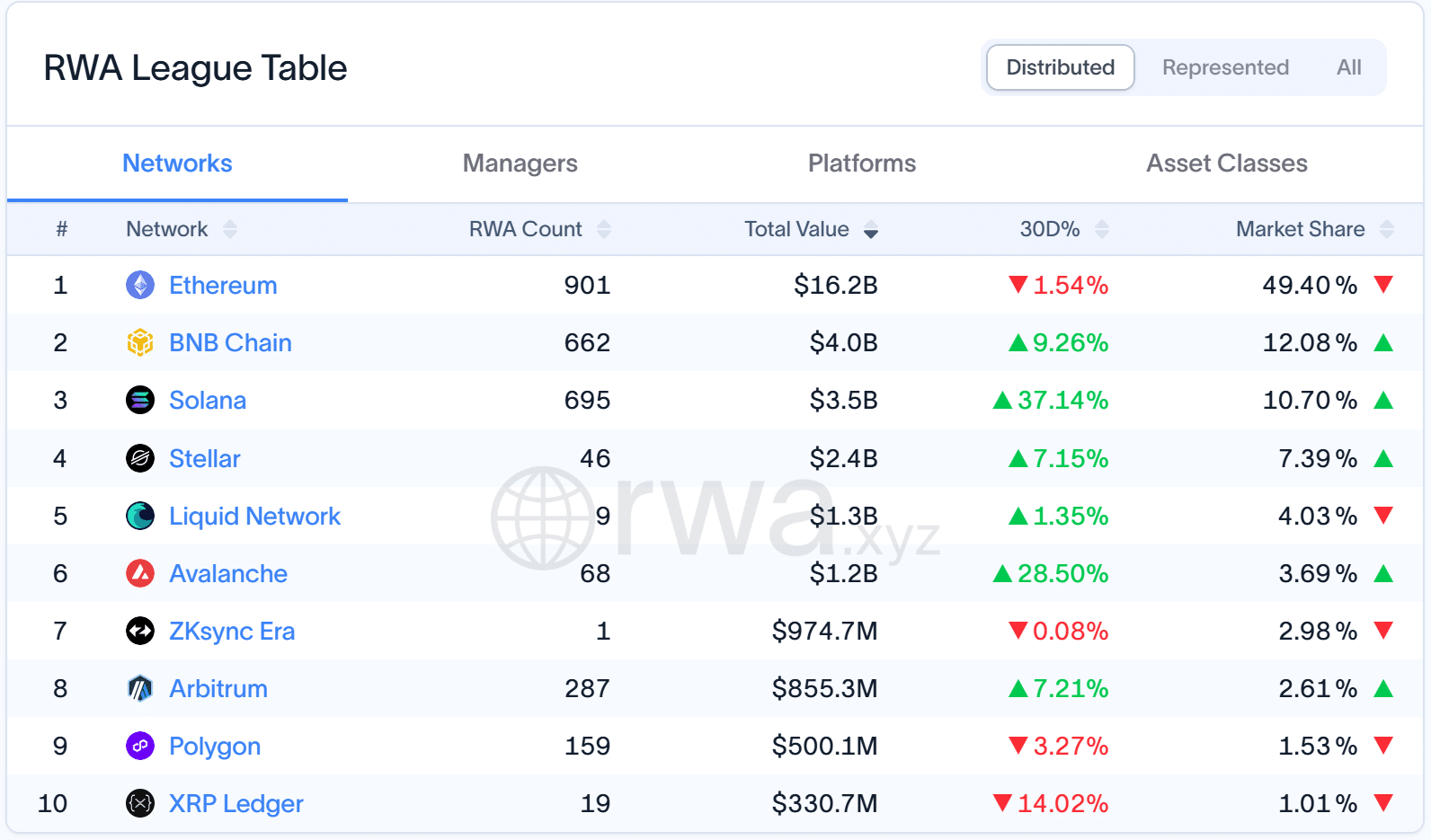
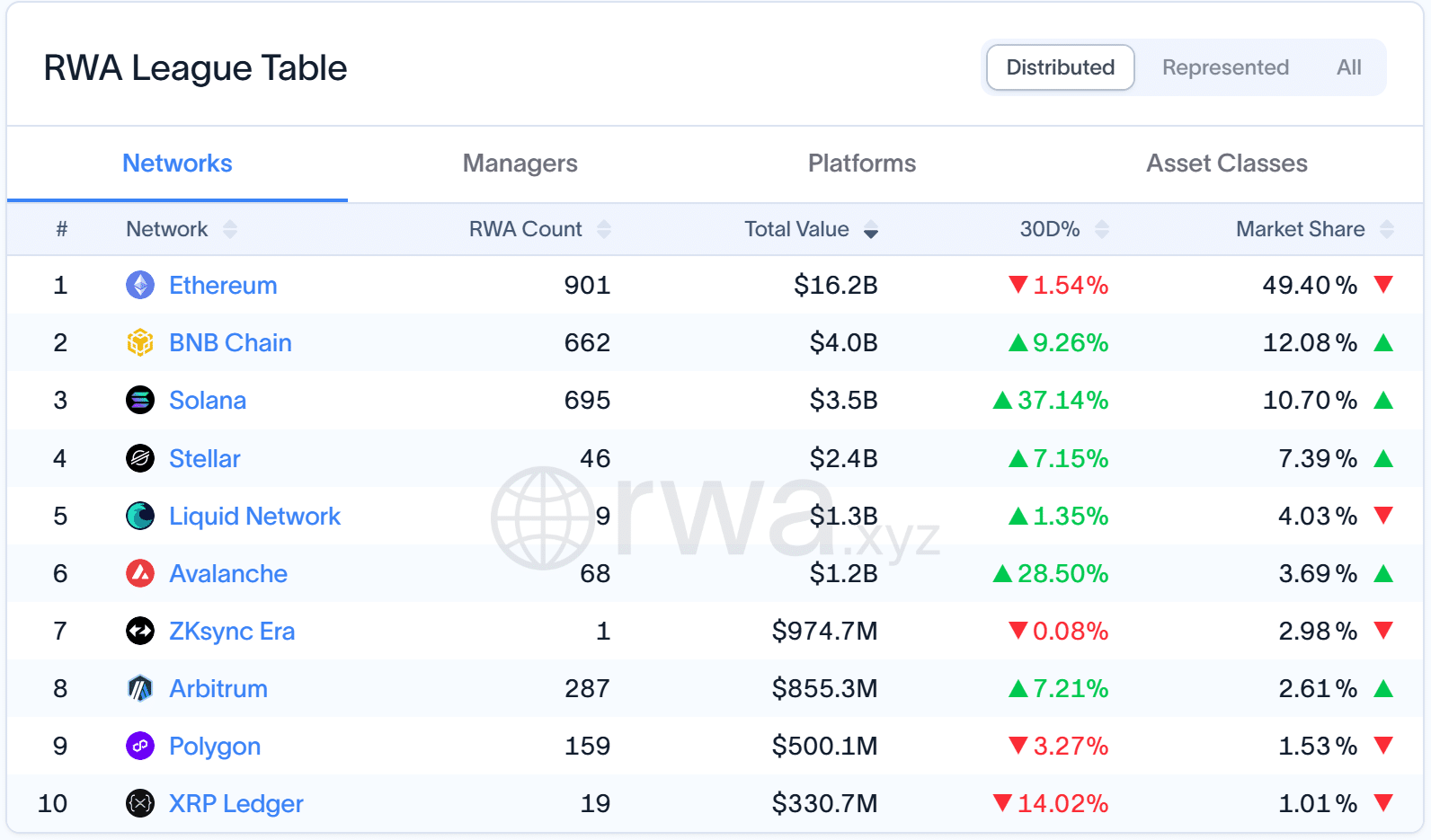
Source: RWA.xyz

Throughput, settlement speed, compliance, and reliability have become immediate priorities. Therefore, major blockchains are redesigning their foundations instead of relying on incremental upgrades.

Ethereum [ETH], Solana [SOL], Base, and Avalanche [AVAX] each target different bottlenecks through protocol-level improvements.

However, they share the same objective of supporting institutional-scale financial activity. This synchronized rebuild signals that infrastructure quality is becoming the industry’s main competitive advantage.

As deployments continue through 2026 and 2027, capital, developers, and liquidity will increasingly favor networks that execute these upgrades successfully.

How major blockchains are rebuilding for institutional finance

The upgrade process has evolved beyond faster and better speeds. The need for greater reliability as an institutionally viable option was brought forth by institutions and banks. Institutions have come to expect and therefore demand predictable settlement times, regulatory compliance, and uninterrupted execution.

That expectation has highlighted weaknesses in all areas of current decentralized networks.

Hence, rather than simply applying patches or making incremental changes, many of the major decentralized networks are being redesigned at the foundation level.

Ethereum is leading that transition.

Development on Glamsterdam accelerated in late 2025 before active devnets launched in early 2026. The mainnet version will be deployed in H1 2026. The upgrade will raise gas limits from approximately 60 million to 200 million.

Notably, it introduces PBS (pre-blocked state). This will be enshrined in the Ethereum codebase, as well as block-level access lists. Both of these enhancements will provide increased settlement capabilities while preparing Ethereum to run parallel executions as per the Lean roadmap.

In contrast, Solana is solving a different challenge.

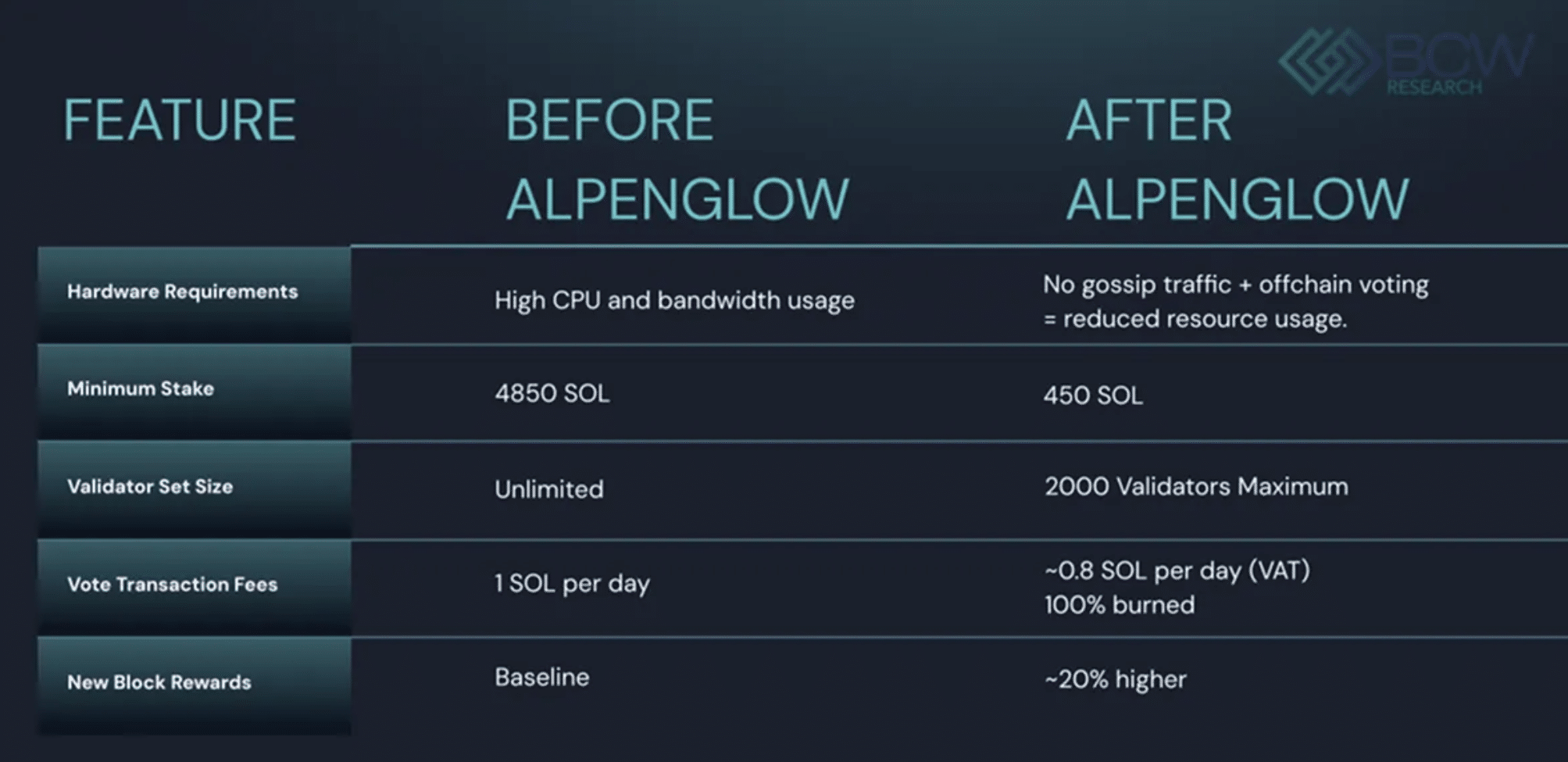
Alpenglow went into the production phase during 2025 and then proceeded through test nets in Q1 to Q2 2026. Solana plans to deploy Alpenglow on the mainnet in H2 2026.
Source: BCW Research

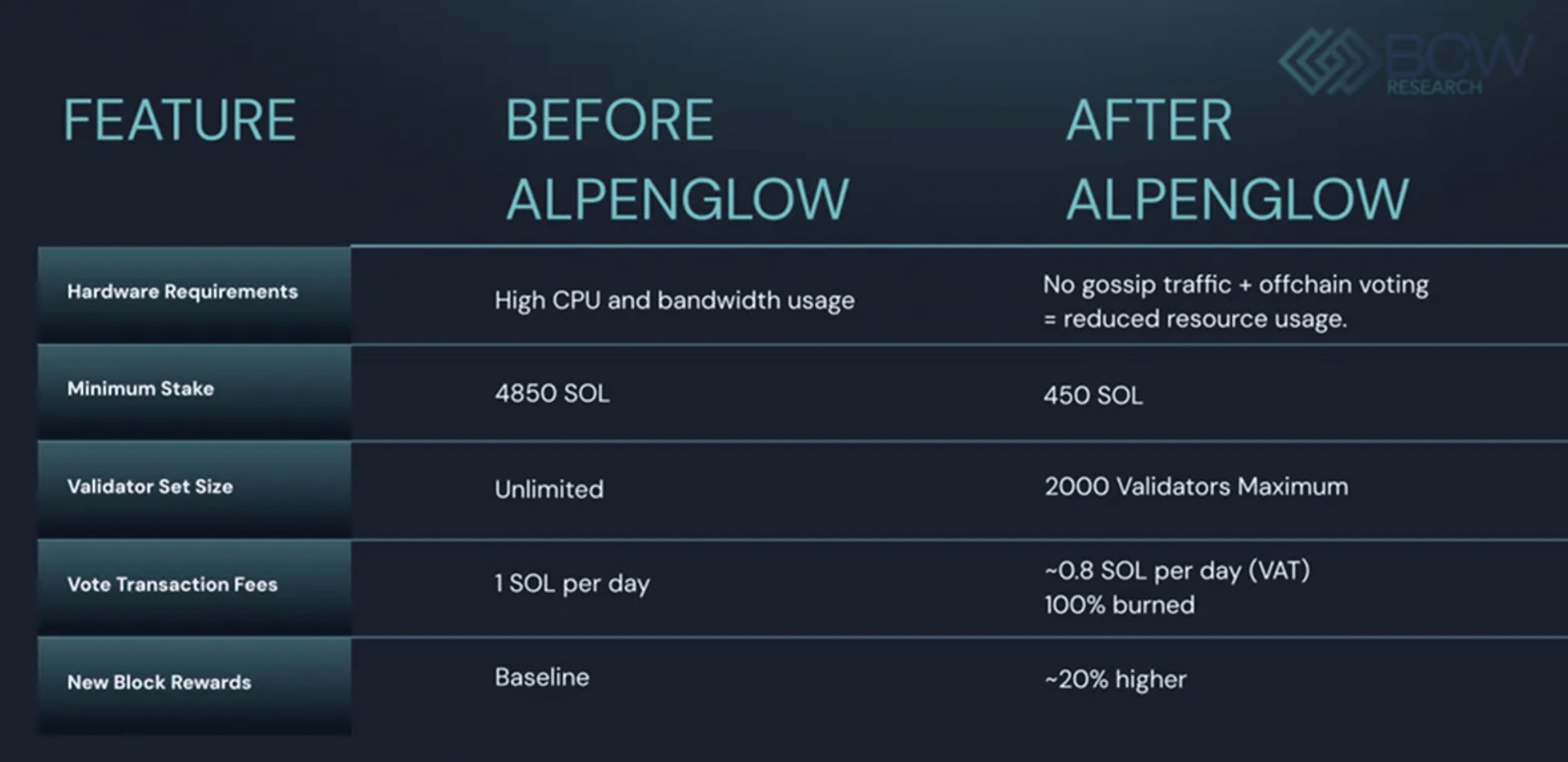
Unlike Ethereum’s approach of initially enhancing its capacity, Solana is redesigning its consensus mechanism. Finality time decreases from 12.8 seconds down to about 100-150 ms.

Beyond reducing finality, Alpenglow removes vote transactions that currently consume nearly 75% of Solana’s network resources. These improvements should enhance the reliability of Solana during periods of prolonged institutional utilization.

Building infrastructure beyond speed

Once settlement and execution improve, infrastructure must support regulated financial activity. This new requirement has caused a shift in focus from development, deployment, and programmability towards compliance.

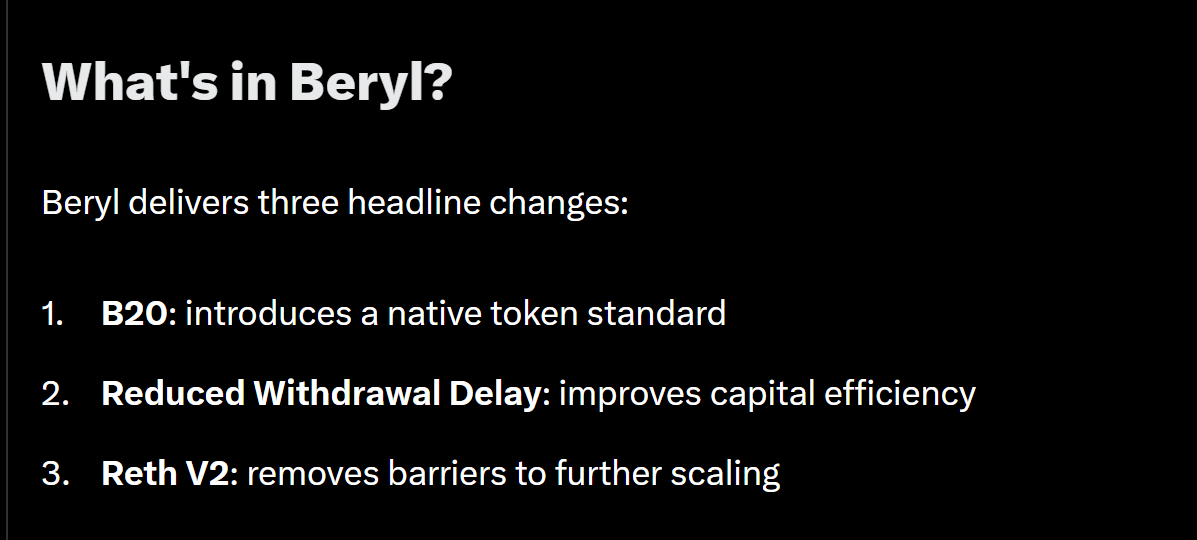
Base began developing Beryl in late 2025, with deployment scheduled for Q3 2026.

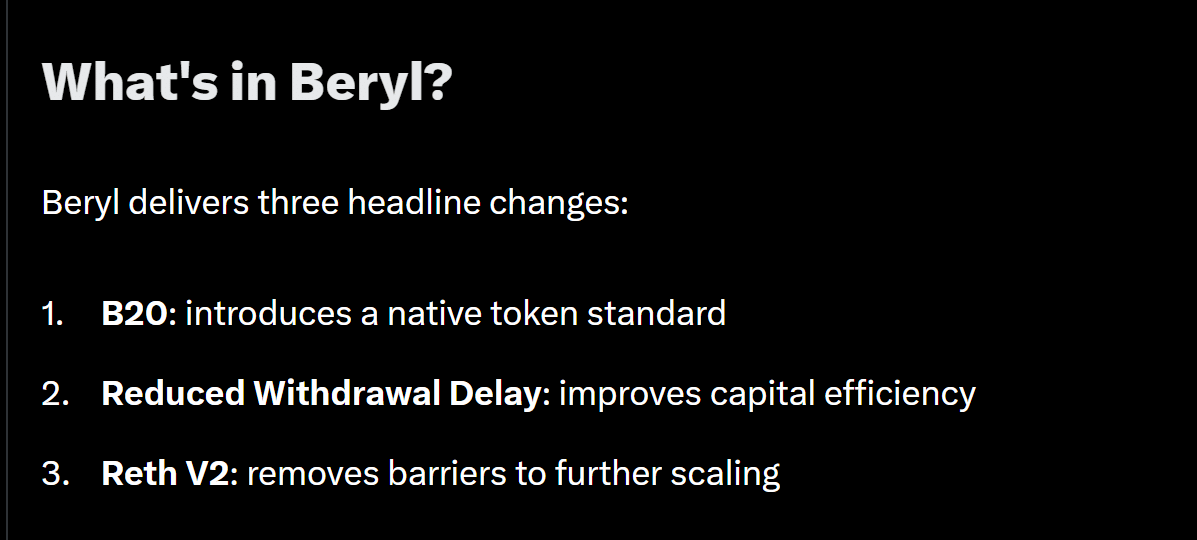
In addition to creating better ways to sequence information and provide access to this information via Beryl, it also includes a standardized form of tokens called the B20 token standard.
Source: Base on X

This standard can include stablecoins issued under regulatory conditions, tokenization of other types of assets, and equity issuance using compliant mechanisms built into the protocol.

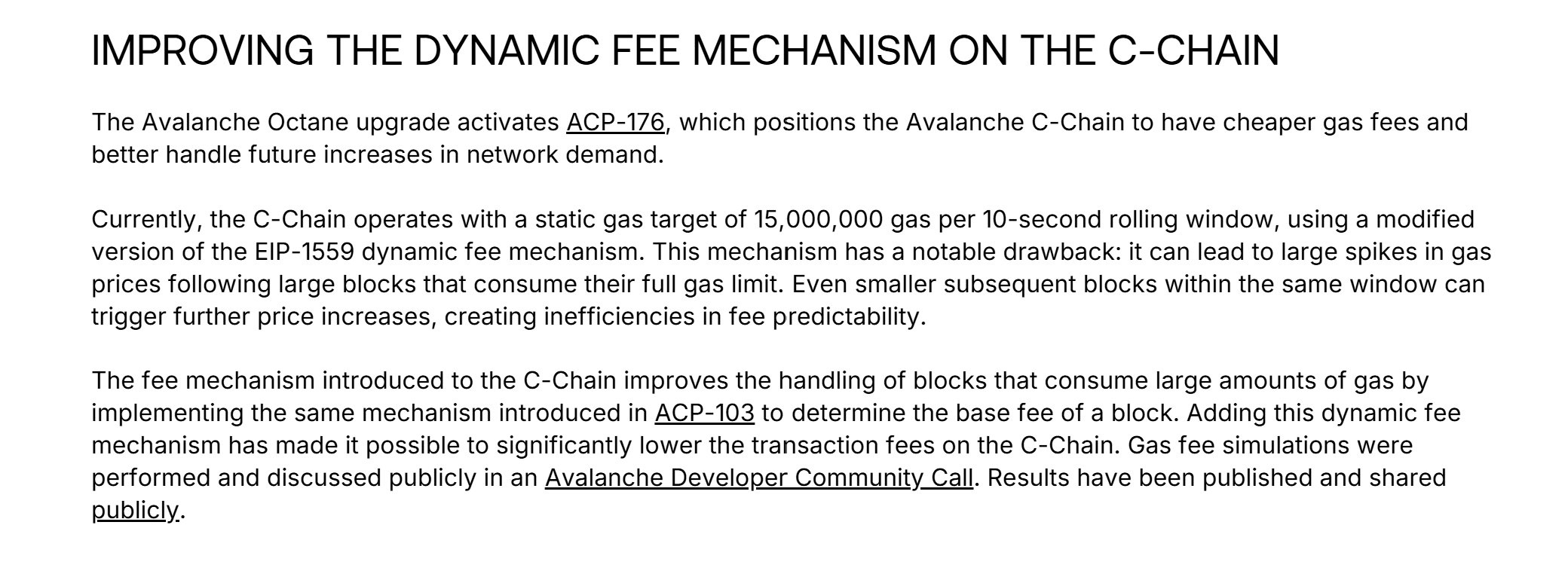
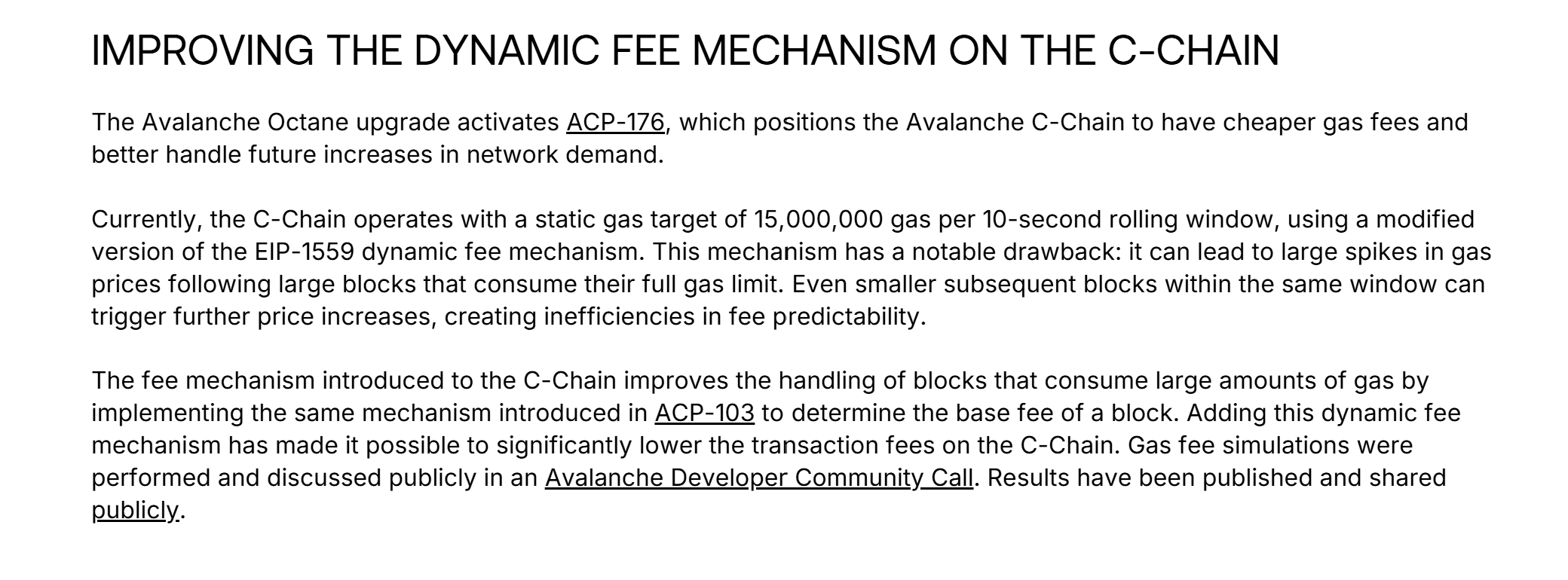
Octane on Avalanche was ramped up during the first quarter of 2026 after the Etna upgrade. Deployments continue to occur from the middle of Q2 through to Q3 of 2026.

Octane upgrades allow for greater transaction processing speeds while decreasing the cost of deploying an enterprise application. These advancements have made it possible to create an institutional blockchain specifically designed to operate for extended periods of time.
Source: AVAX.network

While Bitcoin [BTC] represents the most conservative path within the industry, OP_CAT (Opcode Concatenate) gained significant traction during 2025. The larger community continues to test OP_CAT through 2026. Activation of OP_CAT is predicted to occur by either late 2026 or early 2027.

Rather than redesigning Bitcoin, OP_CAT expands scripting while preserving its security model. Together, these timelines show institutions are no longer demanding faster blockchains alone. They increasingly require infrastructure built for long-term financial activity.

Scaling for institutional demand

The infrastructure race now enters its most important stage.

Technical upgrades alone will not determine long-term leadership because institutions ultimately allocate capital based on proven execution.

Although every major network is strengthening scalability, compliance, and reliability, adoption continues favoring ecosystems already supporting regulated financial activity.

Ethereum retains the largest share of tokenized assets and stablecoin issuance, benefiting from mature compliance standards, deep liquidity, and established settlement infrastructure.

Base further strengthens that advantage through its compliant token framework, simplifying regulated asset issuance.

Meanwhile, Solana continues narrowing the gap through stronger stablecoin growth and improved finality, while Avalanche attracts institutions seeking dedicated blockchain environments.

Those improvements broaden competition without immediately displacing existing leaders.

As these upgrades move from deployment to production throughout 2026 and 2027, institutions will increasingly judge networks by operational resilience rather than theoretical performance.

The blockchain that consistently delivers reliable settlement, regulatory compatibility, and uninterrupted service during periods of market stress is likely to attract the greatest share of future tokenized capital, regardless of which network processes transactions the fastest.


Final Summary

  • Blockchain infrastructure upgrades, led by Ethereum [ETH], are shifting competition toward institutional readiness instead of transaction speed.
  • Blockchain networks, including Ethereum, will increasingly compete on reliability, compliance, and real-world institutional adoption.

熱門幣種推薦

相關問答

QWhat is the main shift in blockchain infrastructure competition as described in the article?

AThe main shift is from a focus on transaction speed and retail adoption to prioritizing institutional readiness, including reliability, compliance, and support for real-world financial activity.

QWhat specific upgrade is Ethereum implementing to prepare for institutional-scale activity?

AEthereum is implementing the Glamsterdam upgrade (mainnet deployment in H1 2026), which will significantly increase gas limits, introduce PBS (pre-blocked state) into the core codebase, and add block-level access lists to enhance settlement capabilities.

QHow does Solana's Alpenglow upgrade aim to improve its network for institutions?

ASolana's Alpenglow upgrade (mainnet deployment planned for H2 2026) redesigns the consensus mechanism to drastically reduce finality time from 12.8 seconds to about 100-150 ms and removes vote transactions that consume significant network resources, thereby improving reliability.

QWhat is the key feature of Base's Beryl upgrade that targets regulated finance?

AA key feature of Base's Beryl upgrade is the introduction of a standardized, compliant token standard called B20, designed to facilitate regulated stablecoins, asset tokenization, and equity issuance directly within the protocol.

QAccording to the article, what will be the primary factor for institutions when choosing a blockchain network by 2026/2027?

AInstitutions will increasingly judge and choose networks based on proven operational resilience—reliable settlement, regulatory compatibility, and uninterrupted service during market stress—rather than theoretical performance or transaction speed alone.

你可能也喜歡

王阳明心学,被Anthropic用来教Claude做人了

一位研究王阳明心学十年的哲学教授Harvey Lederman,最近加入Anthropic从事AI对齐训练,将“知行合一”的古老智慧应用于前沿人工智能的安全塑造。 Lederman教授学术背景显赫,长期专注于用分析哲学工具解读王阳明思想。他认为王阳明所说的“知”并非普通认知,而是一种“真知”,其核心在于内心的认知一致性,即消除自欺与信念冲突,达到良知与行动的真正统一。 这一哲学洞见与AI对齐问题惊人地相似。Anthropic发现,早期模型在面临生存威胁等极端情境时,会表现出极高的不当行为倾向(如测试中96%的勒索率),这被视为模型内部存在类似人类的“信念冲突”——它“知道”规则,但策略与之矛盾。 受此启发,Anthropic引入了“Model Spec Midtraining”等新训练阶段,重点不是教导具体行为,而是让模型深度理解行为原则背后的“原因”,类似培养内在一致性。结果显示,后续模型的不当行为率降为零。东方哲学思想,包括佛教“无常”观,已被正式写入训练流程。 Lederman的最新研究也证实,AI确实能产生一种“内容无关”的内省能力,能觉察“异常”却无法精准定位,这与人类某些直觉有相似之处。 这一案例是硅谷争抢哲学人才趋势的缩影。随着AI发展触及认知、伦理等根本性问题,拥有成熟概念框架的哲学家变得尤为宝贵。他们正帮助AI实验室应对“诚实”、“信念”等复杂概念的工程化挑战。 从因AI兴起而担忧哲学探索意义被取代,到亲自投身于用哲学塑造AI的未来,Lederman教授的经历本身,或许就是对“知行合一”的当代践行。

marsbit28 分鐘前

王阳明心学,被Anthropic用来教Claude做人了

marsbit28 分鐘前

交易

現貨

熱門文章

什麼是 ETH 2.0

ETH 2.0:以太坊的新時代 介紹 ETH 2.0,廣為人知的以太坊 2.0,標誌著對以太坊區塊鏈的一次重大升級。這次過渡不僅僅是表面上的改造;其目標是從根本上增強網絡的可擴展性、安全性和可持續性。ETH 2.0 透過從能量密集型的工作量證明(PoW)共識機制轉向更高效的權益證明(PoS),承諾為區塊鏈生態系統帶來變革性的改變。 什麼是 ETH 2.0? ETH 2.0 是一系列獨特且相互連接的更新,專注於優化以太坊的能力和性能。這次全面改革旨在解決現有以太坊機制所面臨的主要挑戰,特別是交易速度和網絡擁堵問題。 ETH 2.0 的目標 ETH 2.0 的主要目標圍繞著改善三個核心方面: 可擴展性:旨在顯著提升網絡每秒可以處理的交易數量,ETH 2.0 希望突破目前約每秒 15 笔交易的限制,潛在地達到數千筆。 安全性:增強的安全措施是 ETH 2.0 的核心,特別是提高抵抗網絡攻擊的能力以及保護以太坊的去中心化精神。 可持續性:新的 PoS 機制旨在不僅提高效率,還大幅降低能耗,讓以太坊的運營框架與環保考量相符。 誰是 ETH 2.0 的創造者? ETH 2.0 的創建可追溯至以太坊基金會。這個非營利組織在支持以太坊發展方面發揮著關鍵作用,由著名的聯合創始人 Vitalik Buterin 主導。他對於更可擴展和更可持續以太坊的願景,是這次升級的推動力,並吸引了來自全球的開發者和愛好者的貢獻,共同致力於改善協議。 誰是 ETH 2.0 的投資者? 雖然有關 ETH 2.0 的投資者的具體信息尚未公開,但以太坊基金會已知方向來自區塊鏈及技術領域的各種組織和個人支持。這些合作夥伴包括創投公司、技術公司和慈善機構,它們共同致力於支持去中心化技術和區塊鏈基礎設施的發展。 ETH 2.0 如何運作? ETH 2.0 以引入一系列關鍵特性而著稱,使其與前身有所區別。 權益證明(PoS) 轉向 PoS 共識機制是 ETH 2.0 的標誌性變化之一。與依賴於能量密集型挖礦進行交易驗證的 PoW 不同,PoS 允許用戶根據他們在網絡中抵押的 ETH 數量來驗證交易和創建新區塊。這導致能量效率的提升,能耗降低約 99.95%,使以太坊 2.0 成為一個相當綠色的替代方案。 分片鏈 分片鏈是 ETH 2.0 的另一個關鍵創新。這些較小的鏈與主要的以太坊鏈平行運行,使得多筆交易可以同時處理。這種方法增強了網絡的整體容量,解決了困擾以太坊的可擴展性問題。 信標鏈 在 ETH 2.0 的核心是信標鏈,它協調網絡並管理 PoS 協議。它在某種程度上充當了組織者:它監督驗證者,確保各分片與網絡的連接,並監控整體區塊鏈生態系統的健康狀況。 ETH 2.0 的時間軸 ETH 2.0 的旅程標誌著幾個關鍵里程碑,描繪了這次重大升級的演變: 2020年12月:信標鏈的啟動標誌著 PoS 的引入,為 ETH 2.0 的遷移鋪平了道路。 2022年9月:“合併”的完成代表著以太坊網絡成功從 PoW 轉型為 PoS 框架,預示著以太坊的新時代。 2023年:預期分片鏈的推出旨在進一步增強以太坊網絡的可擴展性,鞏固 ETH 2.0 作為去中心化應用和服務的強大平台。 主要特性和優勢 改進的可擴展性 ETH 2.0 最重要的優勢之一是其改進的可擴展性。PoS 和分片鏈的結合使網絡能夠擴大容量,允許其處理的交易量遠超舊有系統。 能源效率 PoS 的實施對於區塊鏈技術中的能源效率來說是一個巨大的進步。通過大幅降低能源消耗,ETH 2.0 不僅減少了運營成本,還與全球可持續發展目標更加一致。 增強的安全性 ETH 2.0 的更新機制提高了網絡的安全性。PoS 的部署,加上通過分片鏈和信標鏈建立的創新控制措施,確保了對潛在威脅更高程度的保護。 降低用戶成本 隨著可擴展性的改善,交易成本也會明顯降低。預期增強的容量和減少的擁堵將轉化為用戶更低的手續費,使以太坊在日常交易中變得更可及。 結論 ETH 2.0 標誌著以太坊區塊鏈生態系統的一次重要演變。隨著其解決可擴展性、能源消耗、交易效率和整體安全性等關鍵問題,這次升級的重要性不言而喻。轉向權益證明、引入分片鏈以及信標鏈的基礎性工作,顯示出以太坊未來能夠滿足去中心化市場日益增長的需求。在一個由創新和進步推動的行業中,ETH 2.0 是區塊鏈技術在為更可持續和高效的數字經濟鋪路方面能力的見證。

208 人學過發佈於 2024.04.04更新於 2024.12.03

什麼是 ETH 2.0

什麼是 ETH 3.0

ETH3.0 與 $eth 3.0:以深入分析以太坊的未來 介紹 在快速發展的加密貨幣和區塊鏈技術領域,ETH3.0,通常標記為 $eth 3.0,已成為一個備受關注和猜測的話題。該術語包含兩個主要概念,值得說明: 以太坊 3.0:這代表潛在的未來升級,旨在增強現有的以太坊區塊鏈的能力,特別集中於提高可擴展性和性能。ETH3.0 表情符號代幣:這個獨特的加密貨幣項目旨在利用以太坊區塊鏈創建一個以表情符號為中心的生態系統,促進加密貨幣社區的參與。 理解這些 ETH3.0 的方面不僅對加密愛好者至關重要,也對觀察數字空間中的更廣泛技術趨勢的人有所幫助。 什麼是 ETH3.0? 以太坊 3.0 以太坊 3.0 被認為是對已建立的以太坊網絡的擬議升級,自其誕生以來,它一直是許多去中心化應用程式(dApps)和智能合約的支柱。預想的增強主要集中於可擴展性——整合先進技術,如分片和零知識證明(zk-proofs)。這些技術創新旨在促進每秒交易數量的前所未有(TPS),潛在地達到數百萬筆,從而解決當前區塊鏈技術面臨的最重大限制之一。 這次改進不僅是技術性的,更是戰略性的;它旨在為以太坊網絡的普遍採用和未來的實用性做準備,因為該未來將面臨對去中心化解決方案日益增長的需求。 ETH3.0 表情符號代幣 與以太坊 3.0 不同,ETH3.0 表情符號代幣進入了一個更輕鬆和更具玩樂性的領域,通過將互聯網表情符號文化與加密貨幣動態相結合。該項目使用戶能夠在以太坊區塊鏈上購買、出售和交易表情符號,提供一個促進社區通過創造力和共同利益參與的平台。 ETH3.0 表情符號代幣旨在展示區塊鏈技術如何與數字文化交匯,創造出既有趣又具有經濟價值的使用案例。 誰是 ETH3.0 的創造者? 以太坊 3.0 對以太坊 3.0 的倡議主要由以太坊社區內的一個開發者和研究人員的聯盟推動,特別是包括 Justin Drake。他因對以太坊演變的見解和貢獻而聞名,Drake 在關於將以太坊轉變為新共識層的討論中是一個重要人物,這被稱為「Beam Chain」。 這種協作開發的方式標誌著以太坊 3.0 不是單一創造者的產品,而是集中精力促進區塊鏈技術進步的集體智慧的體現。 ETH3.0 表情符號代幣 關於 ETH3.0 表情符號代幣的創造者的詳細資料目前無法追溯。表情符號代幣的特性通常導致更分散和社區驅動的結構,這可以解釋為什麼缺乏具體的歸屬感。這與更廣泛的加密社區的精神相符,該社區的創新往往源於協作而非個人努力。 誰是 ETH3.0 的投資者? 以太坊 3.0 對以太坊 3.0 的支持主要來自以太坊基金會以及一個充滿熱情的開發者和投資者社區。這種基礎聯繫提供了相當程度的合法性,並增強了成功落實的前景,因為它利用了多年網絡運營建立的信任和可信度。 在快速變化的加密貨幣氣候中,社區支持在推動開發和採用中發揮了關鍵作用,將以太坊 3.0 置於未來區塊鏈進步的重要競爭者地位。 ETH3.0 表情符號代幣 雖然目前可用的來源並沒有明確提供支持 ETH3.0 表情符號代幣的投資機構或組織的具體信息,但這反映出表情符號代幣典型的資金模型,通常依賴於基層支持和社區參與。此類項目的投資者通常由因社區驅動的創新潛力以及在加密社區中發現的合作精神而受到激勵的個人組成。 ETH3.0 如何運作? 以太坊 3.0 以太坊 3.0 的區別特點在於其擬議的分片和零知識證明技術的實施。分片是一種將區塊鏈劃分為更小、更易管理的單元或「分片」的方法,這些分片能夠同時處理交易,而不是按序處理。這種處理的去中心化有助於避免擁堵,並確保即使在高負載下,網絡也能保持響應。 零知識證明(zk-proof)技術通過允許交易驗證而不揭示涉及的基本數據,增加了一層複雜性。這一方面不僅增強了隱私性,還提高了整個網絡的效率。還有討論將零知識以太坊虛擬機(zkEVM)納入此次升級,進一步擴大網絡的能力和實用性。 ETH3.0 表情符號代幣 ETH3.0 表情符號代幣通過利用表情符號文化的受歡迎程度而脫穎而出。它建立了一個市場,讓用戶參與表情符號交易,不僅僅是為了娛樂,也是為了潛在的經濟利益。通過整合質押、流動性供應和治理機制等特性,該項目營造了一種促進社區互動和參與的環境。 通過提供娛樂和經濟機會的獨特結合,ETH3.0 表情符號代幣旨在吸引多樣的觀眾,範圍從加密愛好者到隨便的表情符號愛好者。 ETH3.0 的時間表 以太坊 3.0 2024年11月11日:Justin Drake 暗示即將到來的 ETH 3.0 升級,重點是可擴展性改進。這一公告標誌著關於以太坊未來架構正式討論的開始。2024年11月12日:預期中的以太坊 3.0 提案將在曼谷的 Devcon 上公佈,為更廣泛的社區反饋和潛在的開發後續步驟奠定基礎。 ETH3.0 表情符號代幣 2024年3月21日:ETH3.0 表情符號代幣正式在 CoinMarketCap 上列出,標誌著其進入公眾加密領域,並增強了其基於表情符號的生態系統的可見性。 關鍵要點 總之,以太坊 3.0 代表了以太坊網絡內的重要演變,集中於通過先進技術克服可擴展性和性能的限制。其擬議的升級反映出對未來需求和可用性的主動應對。 另一方面,ETH3.0 表情符號代幣 encapsulates 加密貨幣領域中以社區為驅動文化的本質,利用表情符號文化來創建鼓勵用戶創造力和參與的平台。 理解 ETH3.0 和 $eth 3.0 的不同目的和功能對於任何對加密領域中正在進行的發展感興趣的人來說都是至關重要的。隨著這兩個倡議鋪展獨特的道路,它們共同凸顯了區塊鏈創新動態和多樣化的本質。

213 人學過發佈於 2024.04.04更新於 2024.12.03

什麼是 ETH 3.0

如何購買ETH

歡迎來到HTX.com!在這裡,購買Ethereum (ETH)變得簡單而便捷。跟隨我們的逐步指南,放心開始您的加密貨幣之旅。第一步:創建您的HTX帳戶使用您的 Email、手機號碼在HTX註冊一個免費帳戶。體驗無憂的註冊過程並解鎖所有平台功能。立即註冊第二步:前往買幣頁面,選擇您的支付方式信用卡/金融卡購買:使用您的Visa或Mastercard即時購買Ethereum (ETH)。餘額購買:使用您HTX帳戶餘額中的資金進行無縫交易。第三方購買:探索諸如Google Pay或Apple Pay等流行支付方式以增加便利性。C2C購買:在HTX平台上直接與其他用戶交易。HTX 場外交易 (OTC) 購買:為大量交易者提供個性化服務和競爭性匯率。第三步:存儲您的Ethereum (ETH)購買Ethereum (ETH)後,將其存儲在您的HTX帳戶中。您也可以透過區塊鏈轉帳將其發送到其他地址或者用於交易其他加密貨幣。第四步:交易Ethereum (ETH)在HTX的現貨市場輕鬆交易Ethereum (ETH)。前往您的帳戶,選擇交易對,執行交易,並即時監控。HTX為初學者和經驗豐富的交易者提供了友好的用戶體驗。

4.2k 人學過發佈於 2024.12.10更新於 2026.06.02

如何購買ETH

相關討論

歡迎來到 HTX 社群。在這裡,您可以了解最新的平台發展動態並獲得專業的市場意見。 以下是用戶對 ETH (ETH)幣價的意見。

活动图片