Goldman Sachs XRP Trust Filing Shows How Wall Street Is Testing Crypto Exposure

bitcoinist發佈於 2026-06-30更新於 2026-06-30

文章摘要

Goldman Sachs's SEC filings reveal exposure to XRP through regulated trust-style investment vehicles, not direct token holdings. This highlights how Wall Street institutions test exposure to crypto assets like XRP using familiar financial structures such as trusts, funds, and equities, rather than holding the underlying tokens directly. While backward-looking Form 13F data shows the bank later rotated capital into other crypto-linked equities, the filing is significant. It demonstrates that XRP is part of the menu of crypto exposures accessible to large institutions through regulated pathways, contributing to its visibility in professional investment channels beyond the retail community.

TL;DR

  • Goldman Sachs filings show exposure to XRP through regulated trust-style investment vehicles.
  • The key distinction is that this is not the same as Goldman holding direct XRP on its corporate balance sheet.
  • The filing still matters because it shows how Wall Street can test altcoin exposure without touching tokens directly.

XRP has picked up another institutional talking point, but the detail matters. SEC filings for Goldman Sachs show that the Wall Street bank had exposure tied to XRP trust vehicles, including Grayscale-style products, before rotating capital into other crypto-linked equities.

The relevant filings can be reviewed through the SEC EDGAR page for Goldman Sachs Group Inc.. That is the source to focus on here, because the story is not really about a flashy “bank buys XRP” headline. It is about how regulated institutions get exposure to crypto assets while staying inside familiar reporting and custody structures.

Trust Exposure Is Not The Same As Holding Tokens

This distinction is important enough to put near the top. A filing showing exposure to an XRP trust is not the same thing as Goldman Sachs announcing direct XRP holdings on its balance sheet. Trust products give institutions a way to gain price exposure through securities, with reporting, custody, and operational processes that fit traditional finance.

That may sound less dramatic, but it is arguably more relevant. Wall Street often does not adopt new assets by jumping straight into raw token custody. It starts through wrappers, funds, trusts, futures, ETFs, or equities linked to the sector. Those products let firms manage compliance, risk controls, and internal mandates before deciding whether deeper exposure makes sense.

For XRP, the filing adds to a broader story. The asset has a large retail community, a long-running institutional payments narrative, and a complicated regulatory history. Seeing a major bank appear in trust-related filings does not settle every debate around XRP’s utility, but it does show that the asset remains visible inside professional investment channels.

Why XRP Traders Care About 13F Clues

Form 13F filings are backward-looking, so traders should not treat them as a live buy signal. They tell the market what large managers held at the end of a reporting period, not what they are buying this morning. By the time a filing becomes public, the position may have changed.

Still, 13F data can shape sentiment because it reveals which crypto-linked assets are making it into institutional portfolios at all. For XRP, that matters because one of the long-running questions has been whether interest outside the retail community is broadening. Trust exposure through a large bank does not answer that completely, but it gives the market a concrete data point.

The reported rotation away from XRP trust exposure into crypto-linked equities also says something about how institutions manage the sector. Rather than treating every crypto asset as a simple long-only bet, firms may move between token proxies, miners, exchanges, software companies, funds, and trusts depending on liquidity, valuation, and risk appetite.

That is a more mature market structure, even if it can be frustrating for token holders who want a cleaner bullish headline. The real story is not that Goldman Sachs “became an XRP whale” in the retail sense. It is that XRP is now part of the menu of crypto exposures that large institutions can rotate through using regulated vehicles.

For Bitcoinist readers, that is still meaningful. XRP does not need every institution to hold the token directly for Wall Street interest to matter. It only needs credible pathways for exposure, and SEC filings show those pathways are already being used.

This article was written by the News Desk and edited by Samuel Rae.

This report is based on information from SEC. at SEC

熱門幣種推薦

相關問答

QAccording to the article, what is the key distinction between Goldman Sachs' exposure to XRP through trust vehicles and direct holdings on its balance sheet?

AThe key distinction is that exposure through trust vehicles is not the same as Goldman Sachs holding XRP tokens directly on its corporate balance sheet. Trust products provide price exposure through securities, which fit within traditional finance's reporting, custody, and operational processes.

QHow does the article explain Wall Street's typical approach to gaining exposure to new asset classes like crypto?

AThe article explains that Wall Street often does not adopt new assets by directly holding raw tokens. Instead, it starts by using familiar financial structures like wrappers, funds, trusts, futures, ETFs, or equities linked to the sector. These products allow firms to manage compliance, risk controls, and internal mandates before considering deeper, more direct exposure.

QWhat does the article say is the significance of Form 13F filings for XRP traders, and what is their main limitation?

AThe significance is that Form 13F filings reveal which crypto-linked assets, like XRP trusts, are entering institutional portfolios, providing a concrete data point on broadening interest. Their main limitation is that they are backward-looking, showing holdings at the end of a past reporting period, not current trading activity, so they should not be treated as a live buy signal.

QWhat broader point about the crypto market structure does the article make from the reported rotation away from XRP trust exposure into crypto-linked equities?

AThe broader point is that it shows a more mature market structure. Rather than taking simple long-only bets on tokens, institutions actively manage their sector exposure by rotating between various vehicles like token proxies, miners, exchanges, software companies, funds, and trusts based on liquidity, valuation, and risk appetite.

QWhat is the article's conclusion regarding the importance of Goldman Sachs' XRP trust filing for XRP's institutional relevance?

AThe article concludes that the filing is meaningful because it shows XRP is part of the menu of crypto exposures that large institutions can access through regulated vehicles. XRP does not need direct token holdings from every institution; it only needs credible pathways for exposure, and SEC filings demonstrate these pathways are already in use.

你可能也喜歡

特朗普,最会炒股的美国总统

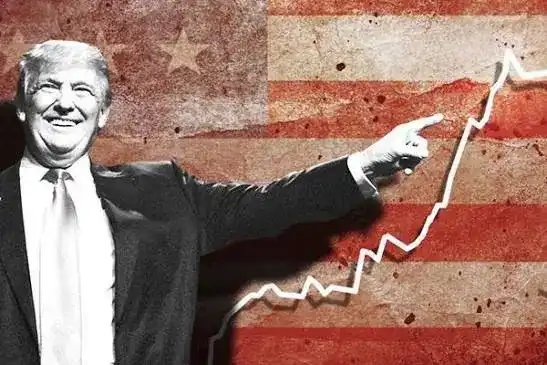
美国联邦政府道德办公室公布的文件显示,特朗普2025年个人收入超22亿美元,创总统任内年收入纪录,远超奥巴马与拜登的净资产。其收入主要来自加密货币(约14亿美元)和房地产(约5.75亿美元),两者合计占比近90%。 加密货币收入中,特朗普推出的个人模因币$TRUMP带来超6亿美元授权费,其家族成立的World Liberty Financial代币销售及股权出售亦贡献巨额收益。房地产方面,其经常光顾的海湖庄园等度假村和高尔夫俱乐部收入显著增长,海湖庄园年收入超7700万美元,飙升50%。 2025年,特朗普进行了超2.2万笔股票交易,平均每日87笔,远高于其首任任期及拜登的交易频率。媒体报道指出,其交易时机多次与重大政策出台前后吻合,引发关于利益冲突的质疑。白宫解释称交易由信托团队执行,但该信托由家族管理,并非独立盲信托。 舆论批评特朗普将总统影响力转化为商业收益,例如从批评加密货币转为大力支持并从中获利,其家族也从相关项目获利至少23亿美元;海湖庄园会员费因“与特朗普交流机会”飙升至百万美元级别;其股票持仓中包含英伟达等受政策影响的公司,并在公开场合频繁提及。 支持者视之为商业成功,批评者则认为这模糊了公共权力与私人商业的界限,凸显现有道德准则的不足。特朗普集团则称这份财务披露体现了高度透明。关于其财富积累是否合法的争议,可能推动美国政治道德规范的新讨论。

marsbit1 小時前

特朗普,最会炒股的美国总统

marsbit1 小時前

交易

現貨

熱門文章

什麼是 XRP 2.0

XRP 2.0:加密貨幣領域的新前沿 XRP 2.0 簡介 在瞬息萬變的加密貨幣領域中,不斷有新項目出現,爭取關注和採用。其中一個有前景的倡議是 XRP 2.0,這是一個新穎的加密貨幣項目,旨在利用先進的區塊鏈技術和強健的加密方法。雖然這個名字與 Ripple 的 XRP 有所關聯,但重要的是要注意 XRP 2.0 獨立運作,專注於增強交易安全性、隱私和擴展性。隨著數字金融領域越來越多地接受去中心化解決方案,XRP 2.0 旨在對 web3 及整體的加密項目擴展做出有意義的貢獻。 XRP 2.0 是什麼? XRP 2.0 本質上是一個加密貨幣項目,旨在創建一個安全和去中心化的數字貨幣生態系統。其基本技術將複雜的區塊鏈原則與尖端的加密技術集成在一起。XRP 2.0 的總體目標是建立自己作為一個可靠和高效的平台,能夠快速執行交易,同時優先考慮為用戶提供增強的隱私保護。 該項目被宣傳為解決現有加密貨幣所面臨的諸多限制的解決方案,提出一個能夠以更高速度和隱私處理更大交易量的系統。這種多功能性使 XRP 2.0 成為數字貨幣市場的重要競爭者。 XRP 2.0 的創建者是誰? XRP 2.0 的創建者身份被標示為「Wilbur」。然而,關於 Wilbur 或其相關實體的詳細資訊仍然難以捉摸。許多加密貨幣創建者的匿名性在行業中並不罕見,通常是為了保持一定程度的隱私和安全。 XRP 2.0 的投資者是誰? 截至目前,與支持 XRP 2.0 的投資基礎或組織有關的具體信息並未公開。在加密貨幣領域,由知名投資者的支持可以顯著影響項目的可信度和成功,但對於 XRP 2.0 的財務支持者的透明度尚未建立。 XRP 2.0 如何運作? XRP 2.0 的特色在於採用了區塊鏈技術和先進的加密算法的組合,以確保安全和去中心化的交易。其創新結構包括設計獨特的功能,旨在促進用戶參與並擴展超出傳統加密貨幣交易的功能。 在這些功能中,XRP 2.0 結合了 AI 驅動的能力,如文本到圖像和文本到語音功能。這些附加功能旨在增強用戶的互動體驗,促進在各個領域的廣泛應用。通過將技術進步與以用戶為中心的設計相結合,XRP 2.0 旨在吸引各種個人和企業,希望將加密貨幣解決方案整合到其運營框架中。 XRP 2.0 的時間線 理解 XRP 2.0 需要檢視至今定義其旅程的一些重要里程碑: 2023 年 7 月 23 日:XRP 2.0 被介紹為一個新穎的加密貨幣項目,旨在革新區塊鏈領域中的安全和去中心化交易能力。 2023 年 9 月 8 日:另一個項目 XRP20 上線,標誌著一個與 XRP 2.0 無關的以太坊區塊鏈上的 ERC-20 代幣的出現。 2023 年 11 月 13 日:XRP 總帳進行重大更新,發布 rippled 服務器軟件版本 2.0.0。值得注意的是,這一發展與 XRP 2.0 加密貨幣項目無關。 XRP 2.0 的要點 為了提煉 XRP 2.0 的本質,有幾個關鍵因素浮現: 獨特特徵:包括 AI 驅動的文本到圖像和文本到語音等功能進一步擴展了 XRP 2.0 的潛在應用。 區塊鏈技術:該框架利用先進的區塊鏈機制和加密協議,確保交易的安全和去中心化環境。 擴展性和隱私性:XRP 2.0 在交易過程中優先考慮增強隱私保護以及滿足不斷增長用戶基礎所需的擴展性。 與 Ripple 無關:重要的是,儘管其名稱如此,XRP 2.0 與 Ripple 的 XRP 沒有任何關聯或合作,顯著區分其在加密貨幣生態系統中的運營框架和目標。 結論 XRP 2.0 代表著在加密貨幣領域的一項雄心勃勃的冒險,旨在提供安全、隱私和高效的數字交易組合。通過整合複雜的技術和用戶友好的功能,該項目旨在擴大加密貨幣在當今數字經濟中所能實現的視野。 儘管其創建者的匿名性和缺乏公布的投資者可能會讓一些人產生疑問,但 XRP 2.0 對先進功能和去中心化的專注提升了其在日益擁擠的加密市場中的吸引力。隨著加密貨幣領域的持續演變,XRP 2.0 可能成為安全和可擴展區塊鏈解決方案擴展中的關鍵角色。

328 人學過發佈於 2024.04.05更新於 2024.12.03

什麼是 XRP 2.0

如何購買XRP

歡迎來到HTX.com!在這裡,購買XRP (XRP)變得簡單而便捷。跟隨我們的逐步指南,放心開始您的加密貨幣之旅。第一步:創建您的HTX帳戶使用您的 Email、手機號碼在HTX註冊一個免費帳戶。體驗無憂的註冊過程並解鎖所有平台功能。立即註冊第二步:前往買幣頁面,選擇您的支付方式信用卡/金融卡購買:使用您的Visa或Mastercard即時購買XRP (XRP)。餘額購買:使用您HTX帳戶餘額中的資金進行無縫交易。第三方購買:探索諸如Google Pay或Apple Pay等流行支付方式以增加便利性。C2C購買:在HTX平台上直接與其他用戶交易。HTX 場外交易 (OTC) 購買:為大量交易者提供個性化服務和競爭性匯率。第三步:存儲您的XRP (XRP)購買XRP (XRP)後,將其存儲在您的HTX帳戶中。您也可以透過區塊鏈轉帳將其發送到其他地址或者用於交易其他加密貨幣。第四步:交易XRP (XRP)在HTX的現貨市場輕鬆交易XRP (XRP)。前往您的帳戶,選擇交易對,執行交易,並即時監控。HTX為初學者和經驗豐富的交易者提供了友好的用戶體驗。

2.3k 人學過發佈於 2024.12.10更新於 2026.06.02

如何購買XRP

相關討論

歡迎來到 HTX 社群。在這裡,您可以了解最新的平台發展動態並獲得專業的市場意見。 以下是用戶對 XRP (XRP)幣價的意見。

活动图片