Ripple’s Bank Partner Count Does Not Mean 300 Banks Are Using XRP

bitcoinist發佈於 2026-06-30更新於 2026-06-30

文章摘要

The article clarifies a common misconception about Ripple's partnerships. While Ripple reports having over 300 institutional partners, the key point is that most of these banks and financial institutions do not use the XRP token directly for settlement. They may utilize Ripple's technology or join its networks without creating demand for XRP itself. This distinction is crucial for investors, as the value thesis for XRP relies on real token utility—such as for moving value or settling transactions—rather than just corporate relationships. The piece argues that Ripple's significant institutional footprint does not automatically equate to widespread XRP adoption. The narrative around XRP should therefore focus less on the number of partners and more on concrete evidence of how those partners are using the token. The truth lies between the extremes of supporter and critic claims: Ripple's partnerships matter, but they are not synonymous with XRP demand.

For more details, visit the official Crypto platform.

TL;DR

  • Ripple has more than 300 institutional partners, according to the hydration notes.
  • The key issue is that most banking partners reportedly do not use XRP directly for settlement.
  • That distinction matters because partnership headlines can be stronger than actual token demand.

Ripple Partnerships And The XRP Reality Gap

Ripple’s institutional partner count is often treated as one of the strongest arguments for XRP adoption. The company has more than 300 institutional partners, but the more important question is how many of those partners actually touch XRP.

That is where the debate becomes more complicated. A bank can work with Ripple, use Ripple-related technology, or participate in a payments network without necessarily using XRP as a settlement asset. For XRP holders, that distinction matters because the investment thesis often depends on real token utility, not just corporate relationships.

This is the gap that keeps coming back in the XRP conversation. Ripple can have a meaningful institutional footprint while XRP usage remains narrower than some community narratives imply. Both things can be true at the same time.

Why The Distinction Matters

Partnerships are valuable, but they are not all equal.

A bank testing software is different from a bank settling volume through XRP. A payments firm joining a network is different from holding XRP inventory. A corporate relationship is different from token-driven demand.

For readers, the practical takeaway is simple: whenever a Ripple partnership headline appears, the first question should be “what role does XRP actually play?” If the answer is unclear, the headline may be positive for Ripple as a company but less direct for XRP as an asset.

That does not make XRP irrelevant. It just forces a more honest read of adoption. XRP’s strongest case comes when the token is used to move value, source liquidity, or settle transactions. If partners are using Ripple technology without XRP, then the token-demand story is weaker than the partnership number suggests.

The Bigger XRP Debate

This issue also explains why XRP remains one of the most debated assets in crypto.

Supporters point to Ripple’s enterprise relationships, legal survival, and long-running payments focus. Critics argue that institutional relationships have not translated into the level of token usage that would justify the loudest adoption claims.

The truth is probably somewhere in the middle. Ripple’s network matters. Its brand recognition matters. Its partner base matters. But XRP investors still need evidence that these relationships create meaningful demand for the token itself.

That is why this story is worth unpacking rather than treating as bearish or bullish on its own. It is not saying Ripple has no institutional traction. It is saying institutional traction and XRP settlement are not the same thing.

For XRP, the next phase of the narrative will depend less on how many partners Ripple can name and more on how clearly those partners use the asset. That is the adoption metric traders should watch.

This article was written by the News Desk and edited by Samuel Rae.

This report is based on information released by Crypto. at Crypto

熱門幣種推薦

相關問答

QAccording to the article, how many institutional partners does Ripple claim to have, and what is the key issue with this number?

ARipple claims to have more than 300 institutional partners. The key issue is that most of these banking partners reportedly do not use XRP directly for settlement, making the partnership count a misleading indicator of actual token utility and demand.

QWhat is the main distinction the article makes between a Ripple partnership and actual XRP usage?

AThe main distinction is that a bank or institution can work with Ripple, use its technology, or join its payments network without necessarily using the XRP token as a settlement asset. Corporate relationships do not automatically translate into token-driven demand.

QWhat should a reader's first question be when they see a headline about a new Ripple partnership, according to the article?

AThe first question should be 'what role does XRP actually play?' in the partnership. If the answer is unclear, the news may be positive for Ripple the company but less directly impactful for the XRP asset itself.

QWhat does the article identify as XRP's strongest use case?

AXRP's strongest case comes when the token is used to move value, source liquidity, or settle transactions. This represents the real token utility that drives demand.

QAccording to the article, what will the next phase of XRP's narrative depend on, rather than just the number of partners?

AThe next phase will depend less on how many partners Ripple can name and more on how clearly and meaningfully those partners actually use the XRP asset. This clarity of usage is the adoption metric traders should watch.

你可能也喜歡

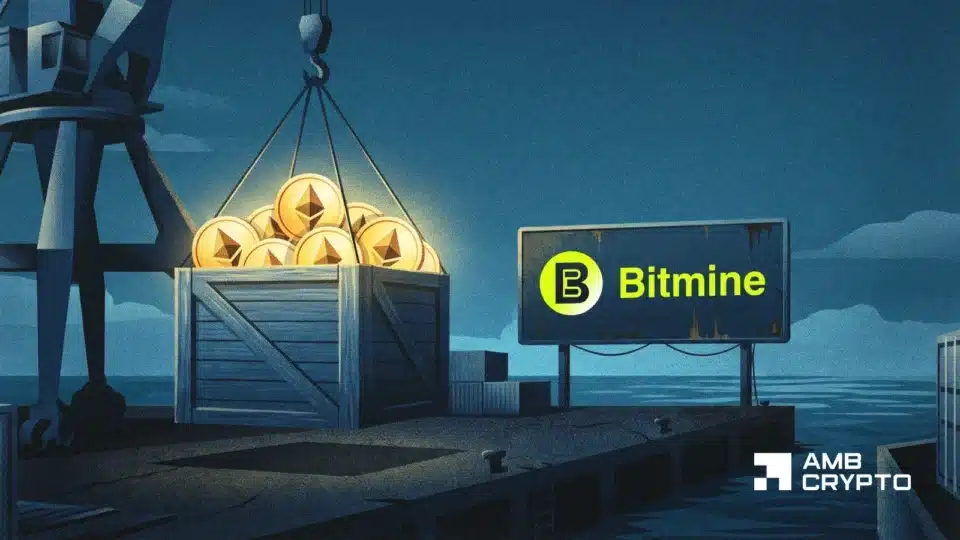
Bitmine以太坊储备增至98亿美元:"加密货币最好的年份尚未到来"

比特浸入科技(Bitmine Immersion Technologies)近期再次成为头条,其在一周内增持了27,084枚以太坊(ETH)。这使得其以太坊总持有量达到5,700,040枚,按每枚1,569美元计算,价值约90.1亿美元,占以太坊总供应量的4.7%。此次增持发生在以太坊价格从约1780美元下跌至1578.54美元(撰稿时)的一周内。同时,根据SoSo Value数据,以太坊ETF在整个六月大部分时间出现资金外流,总额达5.0139亿美元。 针对疲软的市场状况,比特浸入科技董事长汤姆·李(Tom Lee)表示,近期市场对加密货币投资者颇具挑战,并指出临近季度末的“粉饰橱窗”行为导致投资者减持过去三个月表现不佳的资产是常见现象。此外,迈克尔·赛勒(Michael Saylor)的公司Strategy正面临持续审查,据报道其持有约140亿美元未实现亏损,而其普通股和优先股价格均跌破100美元水平,引发加密社区部分人士建议其停止扩张比特币持仓。 由于比特浸入科技常被称为“以太坊的Strategy”,市场担忧其持续的以太坊积累行为可能面临类似困境与批评。目前上市公司共持有价值约749.4亿美元的比特币和114.8亿美元的以太坊,Strategy是最大的比特币持仓上市公司。 然而,目前这些担忧仅是推测。比特浸入科技并非单纯积累以太坊,其每年质押收入估计达2.11亿美元,同时持有5.55亿美元现金及等价物以及488万枚质押的ETH。该公司还于6月26日被纳入罗素1000大型股指数。汤姆·李强调,公司计划稳步增长至2026年,并认为市场正开启新一轮牛市周期,代币化和人工智能的快速进展将推动区块链和去中心化加密领域的指数级需求增长。 最终摘要: * 新增持后,比特浸入科技持有5,700,040枚ETH,价值约90.1亿美元。 * 尽管以太坊价格疲软、ETF资金外流且Strategy面临批评,比特浸入科技仍持续购入以太坊。

ambcrypto2 小時前

Bitmine以太坊储备增至98亿美元:"加密货币最好的年份尚未到来"

ambcrypto2 小時前

你天天用的Claude和Codex,Meta内部不让随便用了

今年5月,Meta为其应用AI工程部门的工程师划定了红线:限制内部使用Claude Code和Codex这两款流行的AI编程工具,相关限制至今仍在生效。作为这些工具的主要客户之一,Meta此举并非因其不好用,而是恰恰相反——担心其过于强大和好用。 Meta正在自研名为MetaCode的AI编程助手,旨在替代外部模型以节省成本并掌握核心技术。限制使用外部模型的核心原因,是防止“蒸馏陷阱”:即担忧员工在构建MetaCode的训练数据、编程题库和评测标准时,过度依赖或掺入Claude/Codex的输出。这会导致自研模型在不知不觉中学习对手的“本事”和判断标准,使能力来源模糊,并可能违反与OpenAI、Anthropic等竞争对手的服务条款,引发法律风险。 内部指南明确禁止了可能让外部AI模型“定义能力”的三类任务:不能用其输出来生成测试题目、不能用其分析代码或设计测试点、其生成内容不得进入被测模型的访问环境。仅允许AI处理搭建工作流、整理文件等“打下手”的辅助性任务,且所有AI产出必须经过人工审核。 这一事件揭示了AI行业的一个普遍困境:在利用强大外部工具加速自身研发的同时,如何清晰界定并守护自身模型能力的原创性,避免陷入知识产权与合同风险。随着AI参与创造AI的循环加深,“本事究竟是谁的”这条界线正变得越来越模糊。

marsbit3 小時前

你天天用的Claude和Codex,Meta内部不让随便用了

marsbit3 小時前

交易

現貨

熱門文章

什麼是 XRP 2.0

XRP 2.0:加密貨幣領域的新前沿 XRP 2.0 簡介 在瞬息萬變的加密貨幣領域中,不斷有新項目出現,爭取關注和採用。其中一個有前景的倡議是 XRP 2.0,這是一個新穎的加密貨幣項目,旨在利用先進的區塊鏈技術和強健的加密方法。雖然這個名字與 Ripple 的 XRP 有所關聯,但重要的是要注意 XRP 2.0 獨立運作,專注於增強交易安全性、隱私和擴展性。隨著數字金融領域越來越多地接受去中心化解決方案,XRP 2.0 旨在對 web3 及整體的加密項目擴展做出有意義的貢獻。 XRP 2.0 是什麼? XRP 2.0 本質上是一個加密貨幣項目,旨在創建一個安全和去中心化的數字貨幣生態系統。其基本技術將複雜的區塊鏈原則與尖端的加密技術集成在一起。XRP 2.0 的總體目標是建立自己作為一個可靠和高效的平台,能夠快速執行交易,同時優先考慮為用戶提供增強的隱私保護。 該項目被宣傳為解決現有加密貨幣所面臨的諸多限制的解決方案,提出一個能夠以更高速度和隱私處理更大交易量的系統。這種多功能性使 XRP 2.0 成為數字貨幣市場的重要競爭者。 XRP 2.0 的創建者是誰? XRP 2.0 的創建者身份被標示為「Wilbur」。然而,關於 Wilbur 或其相關實體的詳細資訊仍然難以捉摸。許多加密貨幣創建者的匿名性在行業中並不罕見,通常是為了保持一定程度的隱私和安全。 XRP 2.0 的投資者是誰? 截至目前,與支持 XRP 2.0 的投資基礎或組織有關的具體信息並未公開。在加密貨幣領域,由知名投資者的支持可以顯著影響項目的可信度和成功,但對於 XRP 2.0 的財務支持者的透明度尚未建立。 XRP 2.0 如何運作? XRP 2.0 的特色在於採用了區塊鏈技術和先進的加密算法的組合,以確保安全和去中心化的交易。其創新結構包括設計獨特的功能,旨在促進用戶參與並擴展超出傳統加密貨幣交易的功能。 在這些功能中,XRP 2.0 結合了 AI 驅動的能力,如文本到圖像和文本到語音功能。這些附加功能旨在增強用戶的互動體驗,促進在各個領域的廣泛應用。通過將技術進步與以用戶為中心的設計相結合,XRP 2.0 旨在吸引各種個人和企業,希望將加密貨幣解決方案整合到其運營框架中。 XRP 2.0 的時間線 理解 XRP 2.0 需要檢視至今定義其旅程的一些重要里程碑: 2023 年 7 月 23 日:XRP 2.0 被介紹為一個新穎的加密貨幣項目,旨在革新區塊鏈領域中的安全和去中心化交易能力。 2023 年 9 月 8 日:另一個項目 XRP20 上線,標誌著一個與 XRP 2.0 無關的以太坊區塊鏈上的 ERC-20 代幣的出現。 2023 年 11 月 13 日:XRP 總帳進行重大更新,發布 rippled 服務器軟件版本 2.0.0。值得注意的是,這一發展與 XRP 2.0 加密貨幣項目無關。 XRP 2.0 的要點 為了提煉 XRP 2.0 的本質,有幾個關鍵因素浮現: 獨特特徵:包括 AI 驅動的文本到圖像和文本到語音等功能進一步擴展了 XRP 2.0 的潛在應用。 區塊鏈技術:該框架利用先進的區塊鏈機制和加密協議,確保交易的安全和去中心化環境。 擴展性和隱私性:XRP 2.0 在交易過程中優先考慮增強隱私保護以及滿足不斷增長用戶基礎所需的擴展性。 與 Ripple 無關:重要的是,儘管其名稱如此,XRP 2.0 與 Ripple 的 XRP 沒有任何關聯或合作,顯著區分其在加密貨幣生態系統中的運營框架和目標。 結論 XRP 2.0 代表著在加密貨幣領域的一項雄心勃勃的冒險,旨在提供安全、隱私和高效的數字交易組合。通過整合複雜的技術和用戶友好的功能,該項目旨在擴大加密貨幣在當今數字經濟中所能實現的視野。 儘管其創建者的匿名性和缺乏公布的投資者可能會讓一些人產生疑問,但 XRP 2.0 對先進功能和去中心化的專注提升了其在日益擁擠的加密市場中的吸引力。隨著加密貨幣領域的持續演變,XRP 2.0 可能成為安全和可擴展區塊鏈解決方案擴展中的關鍵角色。

282 人學過發佈於 2024.04.05更新於 2024.12.03

什麼是 XRP 2.0

如何購買XRP

歡迎來到HTX.com!在這裡,購買XRP (XRP)變得簡單而便捷。跟隨我們的逐步指南,放心開始您的加密貨幣之旅。第一步:創建您的HTX帳戶使用您的 Email、手機號碼在HTX註冊一個免費帳戶。體驗無憂的註冊過程並解鎖所有平台功能。立即註冊第二步:前往買幣頁面,選擇您的支付方式信用卡/金融卡購買:使用您的Visa或Mastercard即時購買XRP (XRP)。餘額購買:使用您HTX帳戶餘額中的資金進行無縫交易。第三方購買:探索諸如Google Pay或Apple Pay等流行支付方式以增加便利性。C2C購買:在HTX平台上直接與其他用戶交易。HTX 場外交易 (OTC) 購買:為大量交易者提供個性化服務和競爭性匯率。第三步:存儲您的XRP (XRP)購買XRP (XRP)後,將其存儲在您的HTX帳戶中。您也可以透過區塊鏈轉帳將其發送到其他地址或者用於交易其他加密貨幣。第四步:交易XRP (XRP)在HTX的現貨市場輕鬆交易XRP (XRP)。前往您的帳戶,選擇交易對,執行交易,並即時監控。HTX為初學者和經驗豐富的交易者提供了友好的用戶體驗。

2.3k 人學過發佈於 2024.12.10更新於 2026.06.02

如何購買XRP

相關討論

歡迎來到 HTX 社群。在這裡,您可以了解最新的平台發展動態並獲得專業的市場意見。 以下是用戶對 XRP (XRP)幣價的意見。

活动图片