Bank Of England Open To Review Stablecoin Ownership Cap Proposal Following Backlash

bitcoinist发布于2026-03-13更新于2026-03-13

文章摘要

The Bank of England (BoE) has indicated it is open to revising its proposed regulations for systemic pound-pegged stablecoins following significant backlash from lawmakers and industry leaders. Deputy Governor Sarah Breeden stated the central bank is considering alternatives to its controversial proposals, which include temporary ownership caps of £10,000-£20,000 for individuals and £10 million for businesses, and a requirement for issuers to hold at least 40% of reserves as deposits at the BoE. Industry figures argued the caps are too restrictive and administratively burdensome, potentially damaging the UK's ambition to be a digital asset hub. The BoE plans to release draft rules for consultation in June and finalize them by year-end.

The Bank of England (BoE) has signaled openness to softening its regulatory approach to systemic pound-pegged stablecoins after facing backlash from lawmakers and industry leaders over certain proposed policies.

BoE To Revise Stablecoin Regulation Proposal

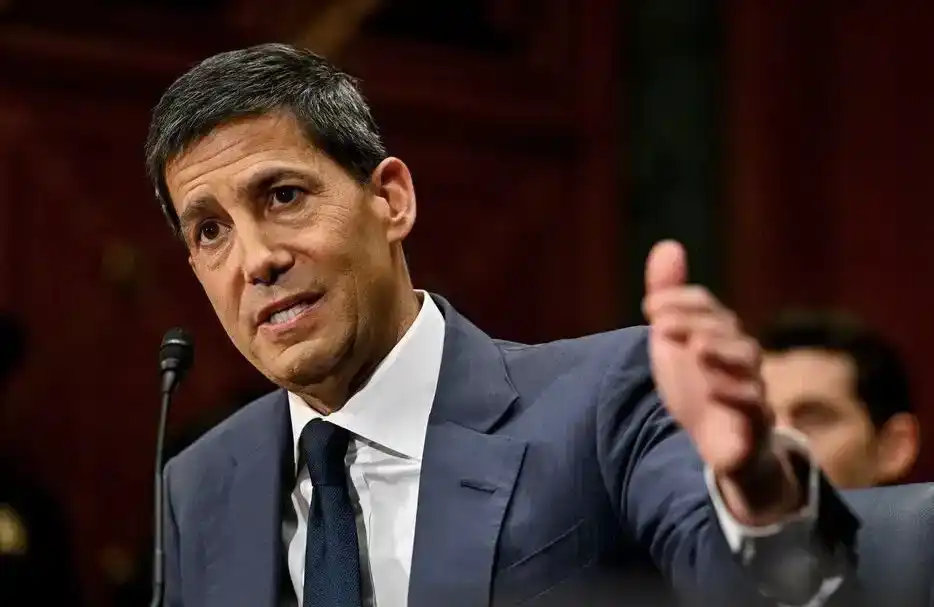
On Wednesday, Bank of England Deputy Governor Sarah Breeden affirmed that the financial authority was “genuinely open” to revising its stablecoin proposals, including an ownership cap and a 60:40 split of asset backing, published for public consultation in late 2025.

For context, the financial regulator has proposed to temporarily cap stablecoin ownership to “mitigate financial stability risks stemming from large and rapid outflows of deposits from the banking sector.”

According to the November consultation paper, the restriction would set limits of £10,000 to £20,000 for individuals and £10 million for businesses, mirroring its proposed approach to the digital pound.

In addition, the BoE suggested that systemic stablecoin issuers are required to hold at least 40% of reserves backing a stablecoin as unremunerated deposits at the central bank, aiming to ensure “robust redemption and public confidence, even under stress.”

During a meeting with the House of Lords Financial Services Regulation Committee, Breeden said the BoE remained receptive to alternative approaches that could achieve its financial stability objective without relying on its controversial proposals.

According to recent reports, the central bank “proposed holding limits as a way of managing that risk.” Breeden told the House of Lords Committee that they “are open to feedback on other ways of achieving it.”

She also revealed that the BoE would review whether the 60:40 asset allocation supporting stablecoins is “excessively conservative.” However, she argued that the structure aligns broadly with measures proposed in the United States and has already been adopted in the European Union (EU).

Industry Pressure Is ‘Very Real’

Breeden reportedly recognized the technical difficulties with imposing the stablecoin caps but defended the central bank’s proposed rules, arguing that the caps “are there to support an orderly transition as the shape of the system changes.”

Benoit Marzouk, CEO of Tokenised GBP, the issuer of one of the few pound-pegged stablecoins currently available, told Bloomberg that there’s a “really small” window to get policy right. “It could be really damaging for the UK if we had this limit for both retail and companies,” he affirmed, adding, “As a business, you can’t do anything with £10 million.”

Meanwhile, Tom Rhodes, CLO at Agant, a company planning to issue a pound-denominated stablecoin, stated that tracking who’s holding the tokens would be “a massive administrative burden” for issuers.

The Deputy Governor also acknowledged the industry’s backlash, affirming that the pressure is “very real.” Although she asserted that the central bank has not received yet “the constructive engagement on a different way to solve the problem that I might have hoped for.”

As reported by Bitcoinist, a coalition of UK lawmakers opposed the BoE’s stablecoin policies, which could undermine the government’s efforts to position the UK as a leading nation in the digital assets industry.

In a letter to Chancellor Rachel Reeves, members of the House of Lords, the House of Commons, and peers argued that the financial regulator’s proposal to cap stablecoin ownership could prevent the UK from fully capitalizing on opportunities, drive innovation offshore, and lead investors to USD-pegged alternatives, while potentially positioning the UK “as a global outlier.”

Similarly, local crypto industry groups affirmed that the stablecoin cap proposal was a “step in the wrong direction” and urged the Bank of England to scrap it last year.

Breeden announced that the central bank would release draft rules for public consultation in June. The bank aims to finalize the regulations by the end of the year to align with global regulatory standards.
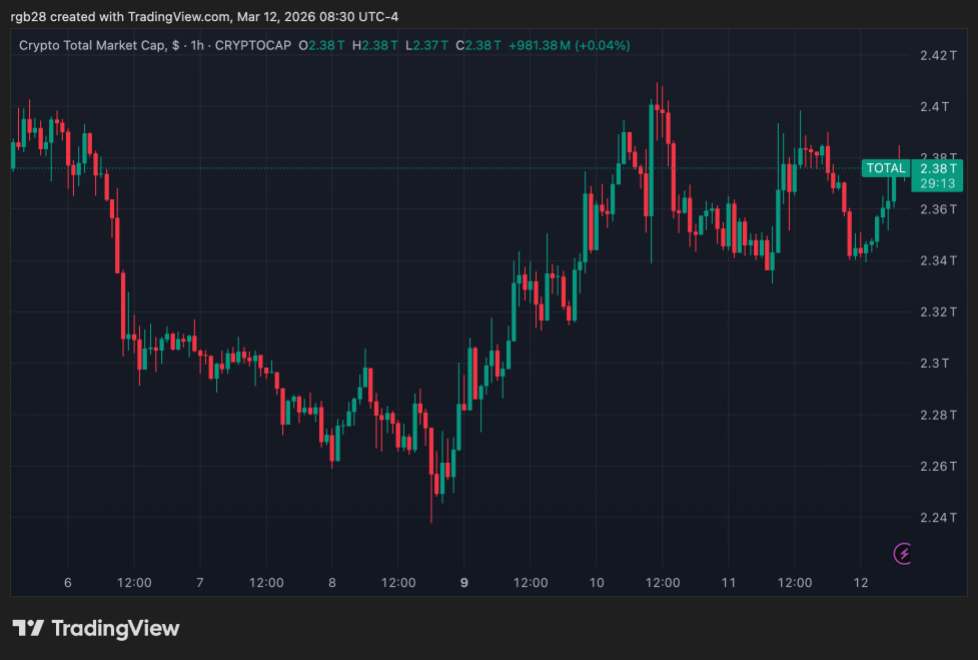
The total crypto market capitalization sits at $2.38 trillion on the one-week chart. Source: TOTAL on TradingView


相关问答

QWhat specific policy proposals from the Bank of England regarding stablecoins are facing backlash?

AThe Bank of England's proposals facing backlash include a temporary ownership cap of £10,000 to £20,000 for individuals and £10 million for businesses, and a requirement for systemic stablecoin issuers to hold at least 40% of reserves as unremunerated deposits at the central bank.

QWhy did the Bank of England propose an ownership cap for stablecoins?

AThe Bank of England proposed the ownership cap to mitigate financial stability risks stemming from large and rapid outflows of deposits from the banking sector.

QWhat did Deputy Governor Sarah Breeden say about the 60:40 asset allocation proposal?

ASarah Breeden stated that the Bank of England would review whether the 60:40 asset allocation is 'excessively conservative,' but argued that it aligns broadly with measures proposed in the United States and has been adopted in the European Union.

QWhat were two main criticisms from industry leaders regarding the proposed stablecoin cap?

AIndustry leaders criticized the cap, stating that £10 million is too low for businesses to operate effectively and that tracking token ownership would impose a 'massive administrative burden' on issuers.

QWhat was the concern raised by UK lawmakers in their letter to Chancellor Rachel Reeves?

ALawmakers argued that the ownership cap could prevent the UK from capitalizing on digital asset opportunities, drive innovation offshore, lead investors to USD-pegged alternatives, and position the UK 'as a global outlier.'

你可能也喜欢

交易

现货
合约

热门文章

什么是 $BANK

银行人工智能:银行业未来的革命性一步 介绍 在科技迅速发展的时代,银行人工智能站在人工智能(AI)和银行服务的交汇点。这个创新项目旨在重新定义金融格局,通过人工智能的力量提升运营效率、安全措施和客户体验。在我们开始探讨银行人工智能的过程中,我们将深入了解该项目的内容、运营动态、历史背景和重要里程碑。 什么是银行人工智能? 从本质上讲,银行人工智能代表了一项变革性倡议,旨在将人工智能融入各种银行运营中。该项目利用人工智能的能力自动化流程、改善风险管理协议并通过个性化服务增强客户互动。 银行人工智能的主要目标包括: 银行功能自动化:通过利用人工智能技术,银行人工智能旨在自动化日常任务,减轻人力资源的负担并提升效率。 增强风险管理:该项目利用人工智能算法预测和识别风险,从而加强对欺诈和其他威胁的安全措施。 个性化银行服务:银行人工智能专注于通过分析客户数据和行为提供量身定制的金融产品和服务。 改善客户体验:实施人工智能驱动的解决方案,如聊天机器人和虚拟助手,旨在为用户提供更人性化的互动,彻底改变客户与银行的互动方式。 凭借这些目标,银行人工智能将自己定位为一个重要参与者,使银行服务更加高效、安全和以用户为中心。 银行人工智能的创造者是谁? 关于银行人工智能创造者的详细信息仍然未知。因此,在现有信息中没有确定的个人或组织。有关项目创立的匿名性引发了各种问题,但并不削弱其雄心勃勃的愿景和目标。 银行人工智能的投资者是谁? 与项目的创造者类似,银行人工智能的投资者或支持组织的具体信息尚未披露。没有这些信息,很难概述可能推动该项目前进的资金支持和机构保障。尽管如此,拥有坚实的投资基础对于在如此创新的领域维持发展至关重要。 银行人工智能如何运作? 银行人工智能在多个创新领域运作,专注于使其与传统银行框架区分开来的独特因素。以下是关键运营特点: 自动化:通过应用机器学习算法,银行人工智能自动化银行内的各种手动流程。这降低了运营成本,使人类员工能够将精力转向更具战略性的活动。 先进的风险管理:将人工智能整合到风险管理实践中,使银行具备准确预测潜在威胁如欺诈的工具,从而确保客户信息和资产的安全。 量身定制的财务建议:通过持续学习客户互动,人工智能系统对用户需求形成细致了解,使其能够在财务决策上提供量身定制的建议。 增强客户互动:利用由人工智能驱动的聊天机器人和虚拟助手,银行人工智能使客户体验更加生动,让用户能够快速解决问题,从而减少等待时间,提高满意度。 这些运营特点共同将银行人工智能定位为银行业的先锋,为服务交付和运营卓越建立新的基准。 银行人工智能的时间线 了解银行人工智能的轨迹需要查看其历史背景。以下是突显重要里程碑和发展的时间线: 2010年代初:人工智能与银行服务的整合构思开始受到关注,银行机构认识到潜在的好处。 2018年:当银行开始使用聊天机器人等人工智能工具进行基本客户服务和风险管理系统以提高安全性时,人工智能技术的实施显著增加。 2023年:人工智能的复杂性继续提高,生成式人工智能被引入用于更复杂的任务,如文档处理和实时投资分析。今年标志着人工智能技术为银行提供的能力的重大飞跃。 2024年至今:截至今年,银行人工智能处于上升轨迹,持续的研究和开发正在进一步提升银行运营的能力。对人工智能应用的持续探索暗示着即将出现的激动人心的发展。 关于银行人工智能的关键点 人工智能在银行业的整合:银行人工智能专注于采用人工智能来简化银行流程并改善用户体验。 自动化和风险管理重点:该项目在这些领域有很强的强调,旨在减轻日常任务的负担,同时通过预测分析增强安全框架。 个性化银行解决方案:通过利用客户数据,银行人工智能能够提供符合个人用户需求的量身定制的银行服务。 对发展的承诺:银行人工智能承诺持续进行研究和开发,确保其适应性和持续的相关性,随着技术的不断发展而演变。 结论 总之,银行人工智能体现了银行业向前迈出的重要一步,通过运用人工智能来重塑操作范式、增强安全性并促进客户满意度。尽管关于创造者和投资者的信息缺如,银行人工智能清晰的目标和功能机制为其持续演变提供了坚实的基础。随着人工智能技术的不断进步并与银行业结合,银行人工智能在未来的金融服务中将对我们理解和互动银行的方式产生重大影响。

125人学过发布于 2024.04.06更新于 2024.12.03

什么是 $BANK

如何购买BANK

欢迎来到HTX.com!我们已经让购买Lorenzo Protocol(BANK)变得简单而便捷。跟随我们的逐步指南,放心开始您的加密货币之旅。第一步:创建您的HTX账户使用您的电子邮件、手机号码注册一个免费账户在HTX上。体验无忧的注册过程并解锁所有平台功能。立即注册第二步:前往买币页面,选择您的支付方式信用卡/借记卡购买:使用您的Visa或Mastercard即时购买Lorenzo Protocol(BANK)。余额购买:使用您HTX账户余额中的资金进行无缝交易。第三方购买:探索诸如Google Pay或Apple Pay等流行支付方法以增加便利性。C2C购买:在HTX平台上直接与其他用户交易。HTX场外交易台(OTC)购买:为大量交易者提供个性化服务和竞争性汇率。第三步:存储您的Lorenzo Protocol(BANK)购买完您的Lorenzo Protocol(BANK)后,将其存储在您的HTX账户钱包中。您也可以通过区块链转账将其发送到其他地方或者用于交易其他加密货币。第四步:交易Lorenzo Protocol(BANK)在HTX的现货市场轻松交易Lorenzo Protocol(BANK)。访问您的账户,选择您的交易对,执行您的交易,并实时监控。HTX为初学者和经验丰富的交易者提供了友好的用户体验。

1.1k人学过发布于 2025.05.09更新于 2025.05.09

如何购买BANK

相关讨论

欢迎来到HTX社区。在这里,您可以了解最新的平台发展动态并获得专业的市场意见。以下是用户对BANK(BANK)币价的意见。

活动图片