Xianyu, the OpenClaw More Suited for Chinese Users

marsbitXuất bản vào 2026-04-07Cập nhật gần nhất vào 2026-04-07

Tóm tắt

The article "Xianyu: The OpenClaw More Suited for Chinese Users" argues that while OpenClaw (a hypothetical AI agent) has generated significant buzz for enabling AI to perform digital tasks, the Chinese second-hand marketplace Xianyu serves as a more practical and "localized" alternative for many. The author contrasts OpenClaw's high computational costs (token consumption) and complex setup with Xianyu's extremely low-cost, human-powered services. On Xianyu, users can find people to perform a vast array of tasks—from booking hotels and buying tickets to AI subscriptions, hiring help, and even matchmaking—often at a fraction of the cost of using an AI. The platform is portrayed as a massive, flexible ecosystem where unconventional supply meets niche demand, creating a parallel economy with over 200 million monthly active users. The piece draws parallels between the two platforms: OpenClaw acts as a leverage tool using AI and tokens, while Xianyu leverages cheap and abundant human labor. Both systems facilitate a form of arbitrage—OpenClaw with digital tokens, and Xianyu through bilateral transactions between buyers and sellers. Ultimately, the article suggests that for China, with its specific socio-economic context and different attitude towards privacy, Xianyu's human-network-based model is a more effective and accessible "agent" platform than an AI-driven solution like OpenClaw.

Original | Odaily Planet Daily (@OdailyChina)

Author | Wenser (@wenser2010)
The "Lobster Craze" sparked by OpenClaw has slightly subsided on major social media platforms. A couple of days ago, Anthropic, the developer of Claude, directly issued a statement prohibiting "OpenClaw subscription-based free riding," leading some to exclaim, "Has OpenClaw already cooled down?"

In my opinion, against the backdrop where over 90% of the global population of 8 billion has yet to use AI applications, OpenClaw is already a phenomenal AI product. Its popularity lasting a full three months is enough to demonstrate its sensational impact. On the other hand, for the majority of people in China, perhaps compared to OpenClaw, which consumes massive amounts of Tokens, has complex configuration processes, excessively high update frequencies, and unclear security risks, Xianyu might be the "more localized OpenClaw."

Some readers might be confused seeing this: Xianyu? That second-hand trading platform? What does that have to do with OpenClaw, the current hottest topic in AI?

Let me explain in detail.

Before OpenClaw Gave AI Hands and Feet, Xianyu Had Already Become the Transaction Engine for the Physical World

"If previous Chatbots gave AI a brain; then the value of OpenClaw lies in giving AI hands and feet for the first time."

This statement emphasizes that OpenClaw enables AI Agents to possess various operational and execution capabilities, performing various tasks in the digital world on behalf of humans, and even to some extent, acting upon the physical world in reverse.

However, the more realistic problem facing everyone is that compared to Chatbots whose Token consumption per conversation remained in the tens of thousands or hundreds of thousands, OpenClaw has skyrocketed the scale of API calls and Token usage for AI Agents to millions, tens of millions, or even hundreds of millions. Many have bluntly stated that after the emergence of OpenClaw, to ensure effectiveness, the Token cost of using high-quality models like Claude, GPT, and Gemini can reach hundreds of dollars a day.

Yet the same task, placed as an order on Xianyu, might cost less than one percent. Yes, you read that correctly. Entering the "summer of the 21st century," the cost of human labor on the Xianyu platform has been compressed to the extreme. The time of the "poor" has also gained its own unit of measurement and pricing system—an economic system operating on RMB and Xianyu Coins.
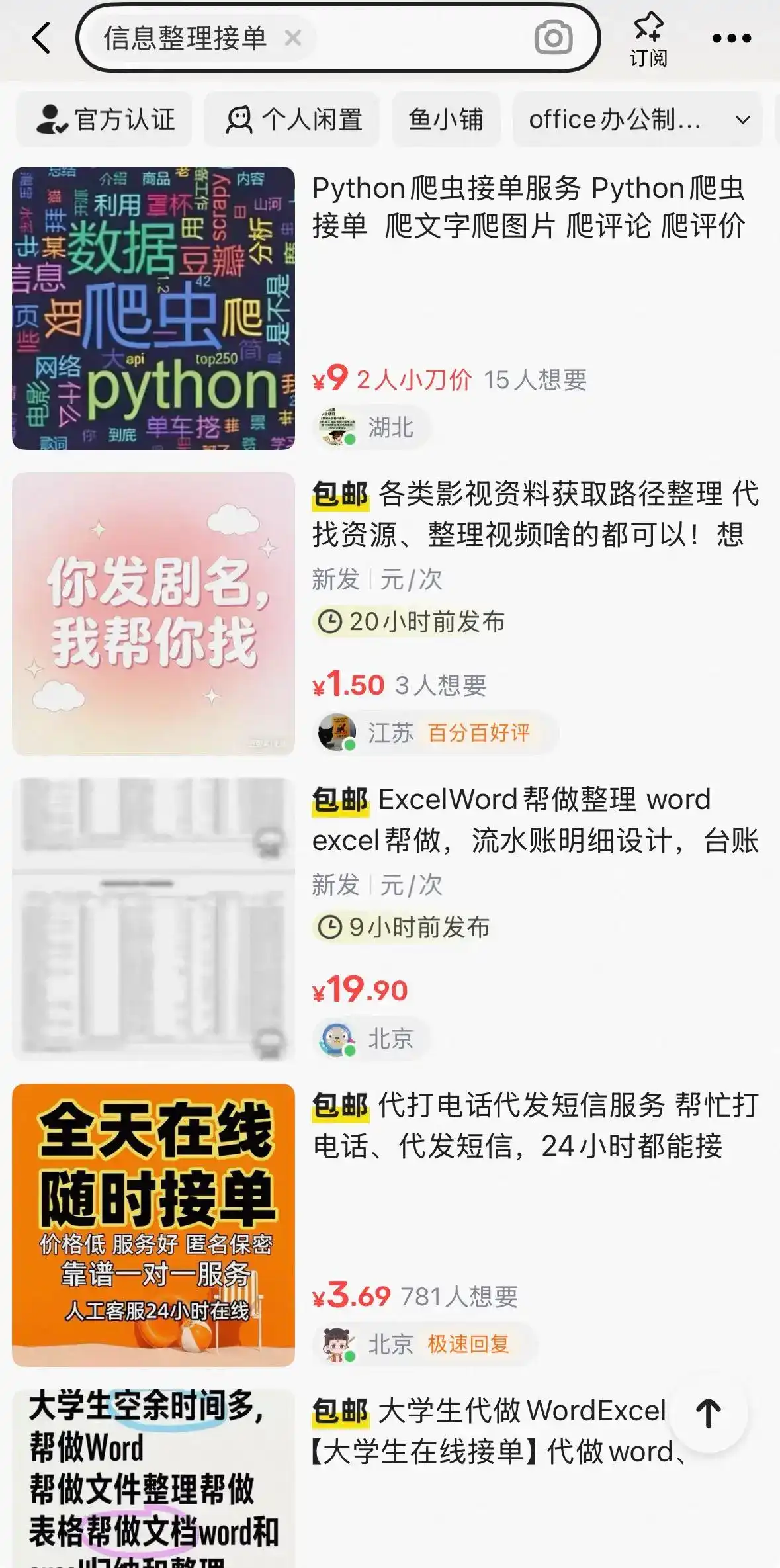
All Trades and Professions Produce Their Topmost Masters: Travel, AI, Sales, Recruitment, Matchmaking

Xianyu frequently sparks waves of discussion. People jokingly call the omnipotent Xianyu platform the "Chinese Dark Web"—on Xianyu, there's nothing you can't think of that it can't do.
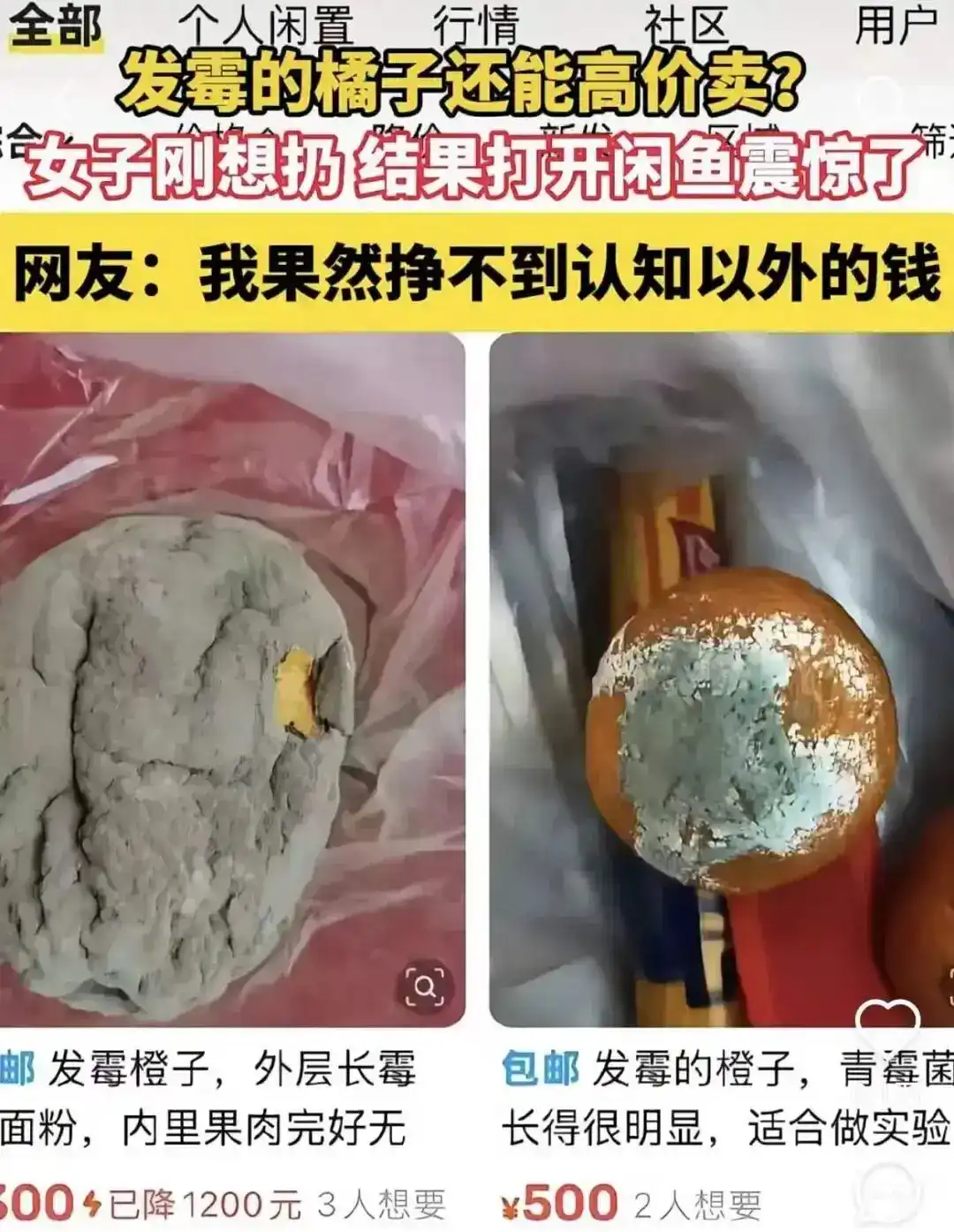
Some sell moldy oranges on Xianyu, which are spotted by biology and medical students who say they want to extract the mold for scientific research, buying them back at high prices ranging from hundreds to thousands of yuan;

Some "low-price" sell rare famous dogs on Xianyu—Belgian Wood Dogs, described as "spayed female dogs";
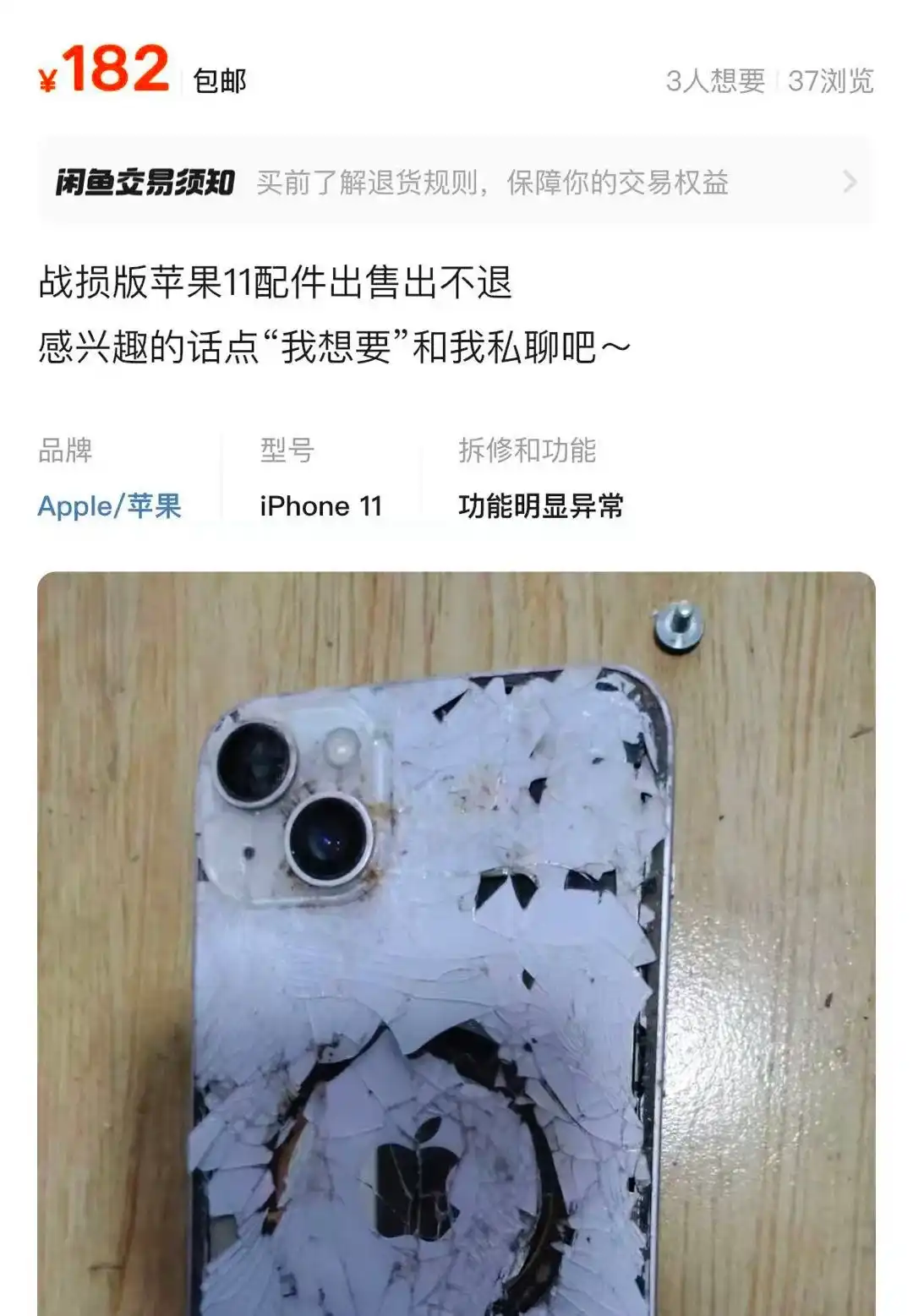
Battle-damaged second-hand Apple phones are considered a relatively normal "small case" on Xianyu.

As for using Xianyu to book hotels, buy tickets, purchase low-cost AI subscription memberships, find helpers, recruit people, and even for matchmaking, these are also part of the platform's "daily business."
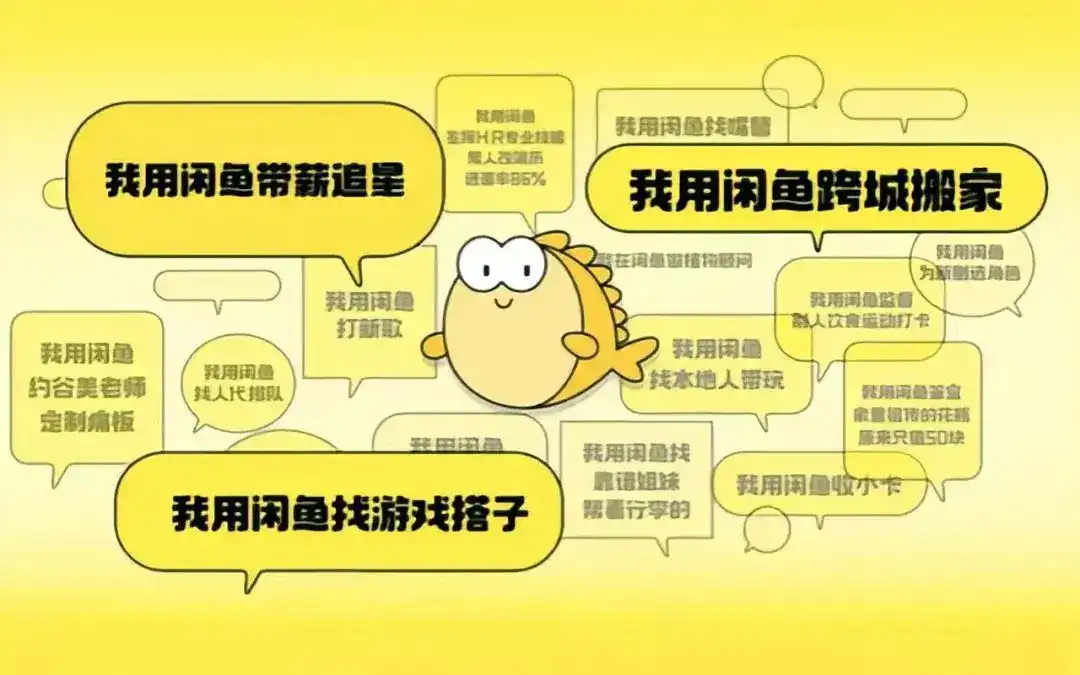
With the unconventional creativity of Xianyu sellers, the "sources of goods" are also quite unconventional:

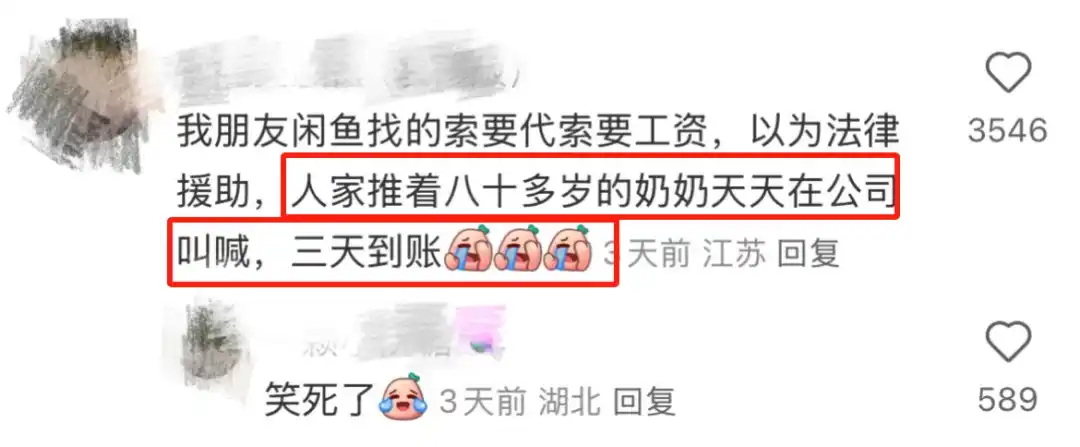
There are those who help others collect拖欠工资 (withheld wages), deploying an 80-year-old grandmother in a wheelchair to the front lines—
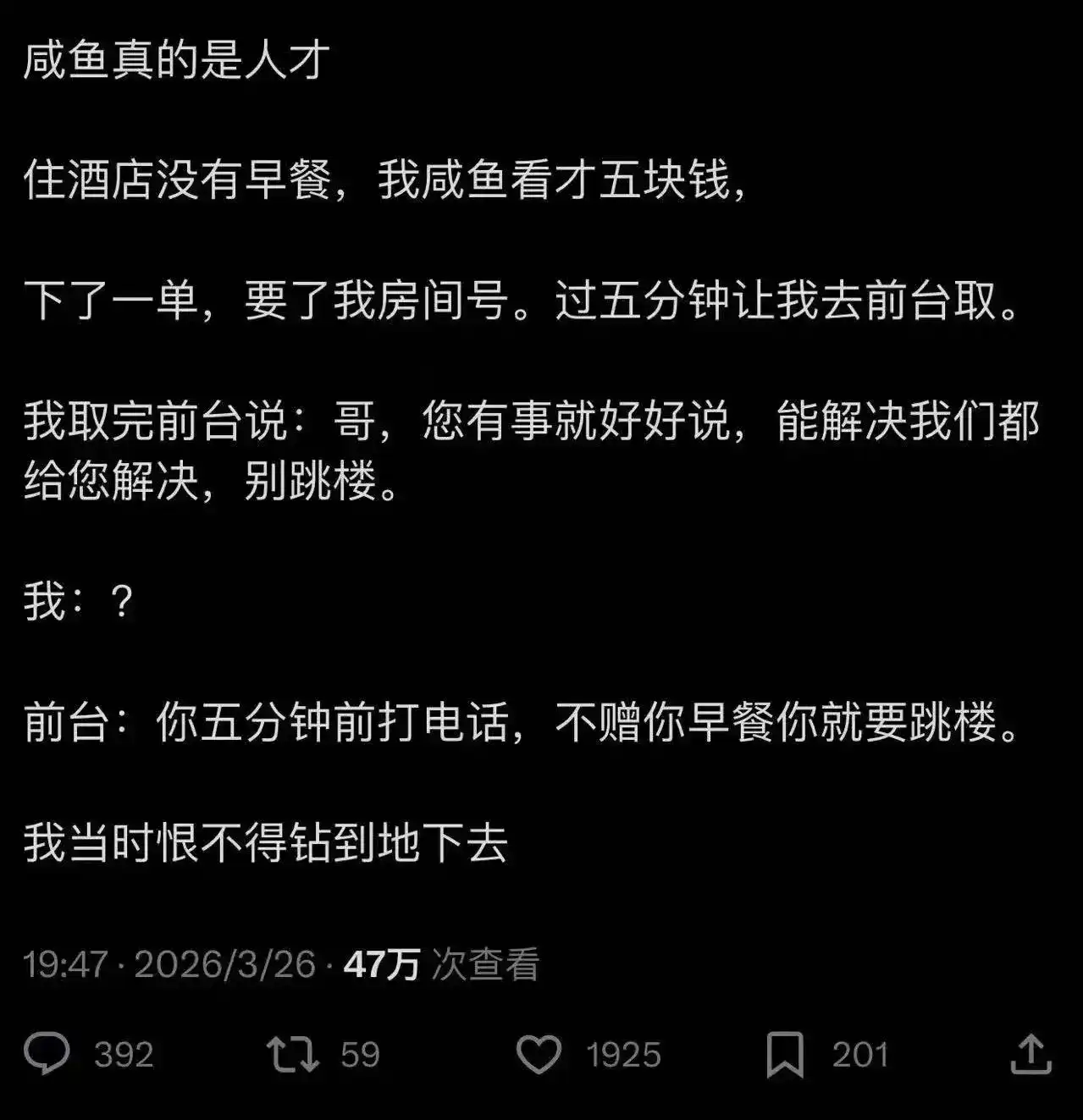
Finding someone to help book hotel breakfast, costing as low as 5 yuan, only to later find out it was obtained by threatening to jump off a building—
Wanting to go to a music festival but didn't get a ticket, you think the scalper has connections to get you in, but instead he leads you through a dog hole—

The once famous "Xianyu Air Ticket Refund Service" also sparked much discussion on social media platforms, with the behind-the-scenes trick being "applying for a user death certificate"—

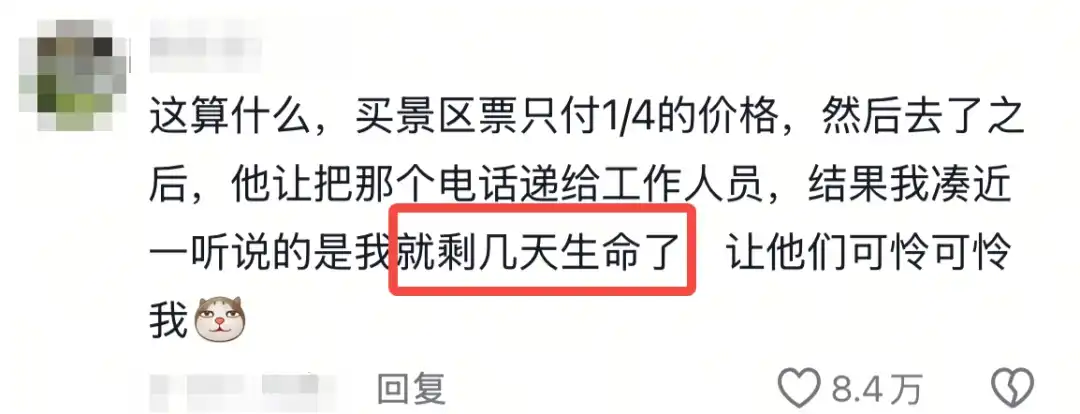
Want to buy low-price scenic spot tickets? The Xianyu seller's external trick is a phone call telling the scenic spot staff "this person is almost gone"—
On this second-hand trading platform with over 200 million monthly active users, various marginal market demands hidden in the capillaries of the domestic internet market and a diverse array of flexible supplies coexist. Thus, a consumer market parallel to mainstream e-commerce platforms and even offline shopping channels has, in less than 13 years, gradually膨胀 (expanded) into today's多元 (diverse) transaction universe, recording 217 million MAU in March, even surpassing Xiaohongshu (Little Red Book).

As early as the beginning of 2024, its daily GMV (Gross Merchandise Volume) had already exceeded 1 billion yuan. Now, thanks to the "AI Camera Function" launched in early March, new products on Xianyu surged by over 50 million items, with more than 12 million users participating in the experience. Furthermore, industry predictions indicate that the scale of the domestic second-hand交易 (transaction) market is expected to exceed 3.1 trillion yuan by 2026, with Xianyu playing a significant role.

The Premium Economics and Free Power Theory Behind Xianyu: Leverage, Arbitrage, Collaboration, and Productivity

The unique survival rules, distinct from other e-commerce platforms, have allowed Xianyu to rise meteorically and find its comfort zone while the domestic internet user market is陷入 (mired in)存量 (stock) competition.

Behind this现状 (status quo), there is a remarkable similarity to the rapidly developing AI in recent years and OpenClaw, which topped the GitHub star chart this year. It contains its own set of premium economics and free power theory.

Last month, Justin Sun, founder of TRON, discussed this phenomenon:
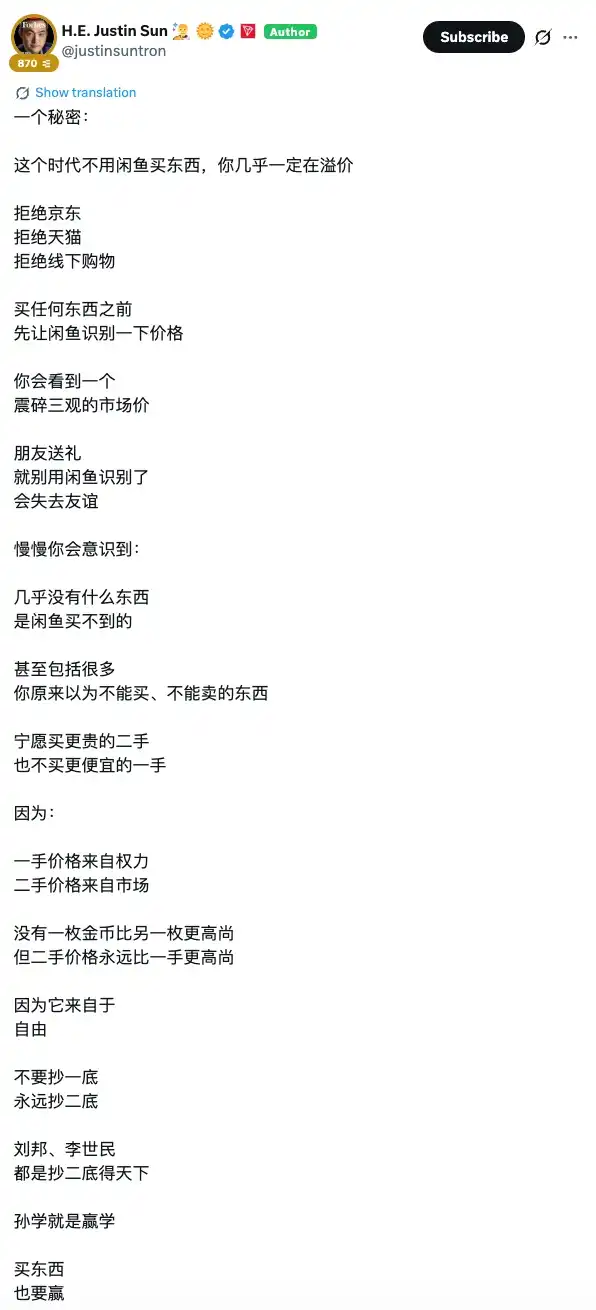
Although some wording is quite extreme, the "premium theory" and "power theory" therein indeed reveal the unique value and market pricing system of Xianyu as a second-hand trading platform. Behind these words, we can glimpse more reasons why Xianyu can be called the "Chinese Localized OpenClaw":

1. AI Limbs vs. Human and Material Leverage

If OpenClaw gave AI independent operational execution capabilities for the first time, then the value of Xianyu lies in enabling the flow, circulation, and value production of human and material resources with an extremely low threshold.

As the joke about学历贬值 (devaluation of academic qualifications) goes: "For 3000 yuan, you can't even buy a 5090 graphics card; but you can hire a college student to work for you."

Whether it's second-hand goods or cheap labor, the Xianyu platform has subjected them to full market pricing and value quantification. In a双边市场 (two-sided market) where supply far exceeds demand, the human and material resources on Xianyu are even more abundant than the AI models and Token resources required by OpenClaw.

2. Token Arbitrage vs. Bilateral Arbitrage

For countless human users, OpenClaw, which responds 24/7 and allows随意添加 (arbitrary addition of) Skill configuration files to expand capability boundaries, is undoubtedly a "Token arbitrage tool"—input the cheapest possible Token raw materials into the machine, and then produce specific content production materials according to one's指令 (instructions). Although this has led to large-scale, exponential Token usage consumption problems, it still allows countless people to experience the thrill of "mastering AI production materials" and becoming "AI capitalists" for the first time.

The commodity resources and market demand on the Xianyu platform, however, represent a form of bilateral arbitrage based on buyers and sellers—leveraging low entry costs, low handling fees (Odaily Planet Daily Note: In June 2024, the Xianyu platform announced that starting September 1 of that year, it would charge all sellers a 0.6% basic software service fee, with a maximum of 60 yuan per transaction, including individual merchants) and the platform's aggregated large-scale idle human resources to do platform business.

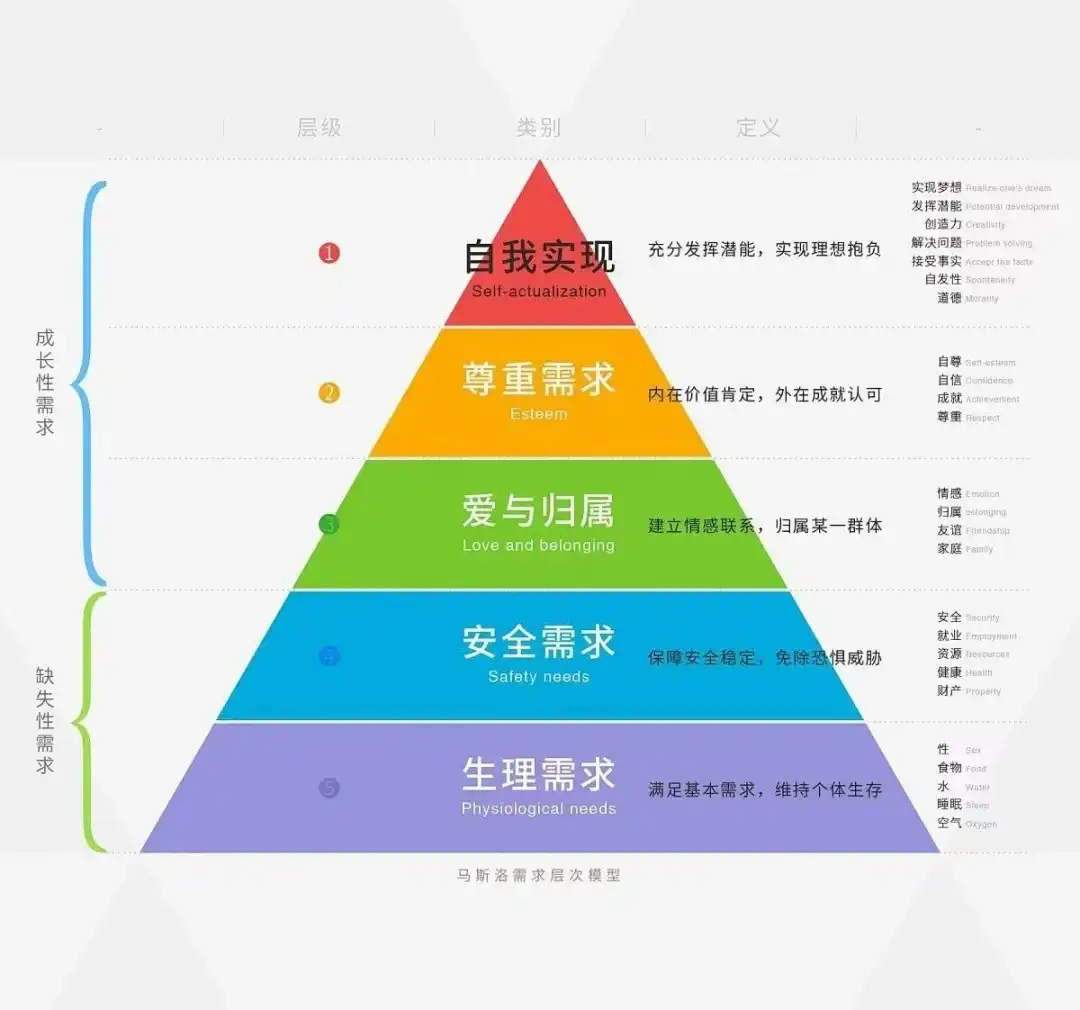
Moreover, similar to OpenClaw catering to both Token providers and consumer users, Xianyu also satisfies the bilateral needs of product/service providers and market demanders, and corresponds with Maslow's hierarchy of needs.
3. Lobster Collaboration vs. Human Collaboration

In terms of team collaboration, compared to OpenClaw's "Lobster Corps" or "AI Agent teams," Xianyu also has its merits, which is筛选 (screening for) professional "mercenaries" that meet different requirements, possess different abilities, and play various roles.

Like the intelligent driving in the new energy vehicle sector, the intent engine highly praised in the cryptocurrency market, and the self-driving, self-evolving, self-developing large language models in the AI field, Xianyu can also be seen as a "screening platform" for finding collaborative members.

In essence, the puzzles formed by the technologies and personnel involved above are all the same thing. The ultimate goal of the users is所思即所求 (what you think is what you want),所言即所用 (what you say is what you use),所见即所得 (what you see is what you get).

4. Information Productivity vs. Information Gap Productivity

Strictly speaking, AI does not originally create information. Large language models and various AI Agents merely follow reasoning rules, combine, match, and call upon various information raw materials (including text, images, videos, and other multimodal content), and finally output information products in different forms.

In contrast, humans can not only absorb information and learn from it but also produce various types of information, and can create information gaps through various types of information to create value accordingly. The various service providers on Xianyu have their own subjective judgment abilities, self-screening abilities, and self-driving abilities.

For overseas countries where labor costs remain high and population aging is accelerating, AI Agent applications represented by OpenClaw and embodied intelligent robots may open a new "window of productivity development" for them;而对于 (for) the domestic internet population enjoying past demographic dividends, resource dividends, and even manufacturing dividends, perhaps an internet labor and commodity service provision platform like Xianyu is a better solution. Just as Robin Li, founder of Baidu, once revealed the赤裸裸的真相 (naked truth)—in exchanging privacy for convenience, Chinese people have always been utterly uninhibited. In front of Xianyu, which efficiently convinces users to主动交出 (actively hand over) personal information for convenience, OpenClaw with its potential security risks can only be considered a small巫 (witch)见大巫 (seeing a great witch - meaning pale in comparison).

Facing the declining热度 (heat) of AI Agents and OpenClaw, looking from another perspective, the biggest reason might be—

Xianyu, the OpenClaw more suited for Chinese users.

References:

Has OpenClaw Cooled Down?

Haven't Been on Xianyu for 3 Days, How Did It Become the Chinese Dark Web?!

The Chinese Version of the Dark Web Really Knows What Young People Want

Xianyu Doesn't Want to Compare with Xiaohongshu Either, But It Really Has No Choice

600 Million People Are Looking for Services on It, The Worse the Economy, The Hotter the "Chinese Dark Web"?


Câu hỏi Liên quan

QWhat is the main argument of the article regarding Xianyu and OpenClaw?

AThe article argues that for most Chinese users, the second-hand trading platform Xianyu is a more practical and 'localized' alternative to OpenClaw. It highlights that Xianyu provides a vast, low-cost human labor and service marketplace, which is often cheaper and more accessible than using an AI agent that consumes expensive computational resources (Tokens).

QAccording to the article, why is Xianyu sometimes jokingly called the 'Chinese dark web'?

AXianyu is called the 'Chinese dark web' because it hosts an incredibly diverse and unconventional range of services and goods for sale. Users can find everything from rare moldy oranges for scientific study to unconventional services like help retrieving unpaid wages or obtaining event tickets through unusual means, creating a parallel, often bizarre, online marketplace.

QHow does the cost of completing a task on Xianyu compare to using OpenClaw, as stated in the article?

AThe article states that completing the same task on Xianyu can cost less than one percent of the cost of using OpenClaw. This is because the human labor and services available on Xianyu are priced extremely low within its RMB and Xianyu Coin-based economic system, whereas OpenClaw requires massive and expensive Token consumption.

QWhat are the four key reasons the article gives for comparing Xianyu to OpenClaw?

AThe four key reasons are: 1. Leverage of Human and Material Resources: Xianyu allows for the low-threshold flow and utilization of cheap labor and goods. 2. Bilateral Arbitrage: Like OpenClaw's token arbitrage, Xianyu facilitates arbitrage between service providers and buyers. 3. Human Collaboration: Xianyu acts as a screening platform to find specialized 'mercenaries' for various roles, similar to OpenClaw's AI agent teams. 4. Information Gap Productivity: Humans on Xianyu can use information asymmetry to create value, whereas AI primarily recombines existing information.

QWhat does the article suggest is a major reason for the declining hype around AI Agents like OpenClaw in China?

AThe article suggests that a major reason for the declining hype around AI Agents like OpenClaw is the existence of Xianyu, which is presented as a more suitable and effective solution for Chinese users. It offers a massive, readily available, and extremely cheap human-based service ecosystem that already fulfills many tasks one might use an AI for, making the complex and costly AI alternative less appealing.

Nội dung Liên quan

Đỉnh bong bóng lịch sử cách đỉnh của đợt tăng giá chứng khoán Mỹ lần này bao xa?

Theo đánh giá mới nhất từ Chiến lược gia trưởng về cổ phiếu Mỹ tại Goldman Sachs, mức độ hưng phấn của thị trường hiện tại đã lên đến phân vị thứ 86 trong lịch sử, đang tiếp cận nhưng chưa chạm mức cực đoan của đỉnh bong bóng dot-com năm 2000 và đỉnh bò năm 2021. Chỉ số S&P 500 đã tăng 15% trong khoảng hai tháng, một trong những đợt tăng mạnh nhất khi điều chỉnh theo biến động trong 50 năm qua, chủ yếu được thúc đẩy bởi chủ đề AI và có sự hỗ trợ từ việc điều chỉnh tăng kỳ vọng lợi nhuận gần đây. Một khung đánh giá tổng hợp gồm 9 chỉ số cho thấy mức độ hưng phấn hiện tại (phân vị thứ 86) vẫn thấp hơn đáng kể so với đỉnh năm 2000 (phân vị 100) và năm 2021 (phân vị 95). Bốn tín hiệu rủi ro lịch sử dẫn đến kết thúc các đợt thị trường tăng giá bao gồm: cơn sốt đầu cơ, triển vọng tăng trưởng xấu đi, khối lượng phát hành cổ phiếu cực lớn và chính sách thắt chặt của Fed. Hiện tại, không điều kiện nào trong số này được thỏa mãn hoàn toàn, nhưng mỗi điều kiện đều tiến gần hơn đến ngưỡng cảnh báo so với vài tháng trước. Báo cáo kết luận rằng thị trường tăng giá vẫn còn không gian, nhưng rủi ro đang tích lũy. Sự sụt giảm có thể xảy ra mà không cần đợi đến lúc nhà đầu tư cực kỳ hưng phấn, và các mô hình lịch sử có thể không lặp lại trong chu kỳ này. Cửa sổ cơ hội vẫn mở, nhưng đang dần thu hẹp lại.

marsbit5 phút trước

Đỉnh bong bóng lịch sử cách đỉnh của đợt tăng giá chứng khoán Mỹ lần này bao xa?

marsbit5 phút trước

Ca sĩ rap Afroman: Không hiểu Bitcoin, nhưng trở thành chiến sĩ tự do mới nổi trong cộng đồng tiền điện tử

Nghệ sĩ nhạc rap Afroman (tên thật Joseph Edgar Foreman), nổi tiếng với ca khúc "Because I Got High", đã bất ngờ trở thành biểu tượng đấu tranh cho tự do cá nhân trong cộng đồng tiền mã hóa sau một vụ kiện liên quan đến cảnh sát. Năm 2022, nhà của ông ở Ohio bị khám xét trái phép. Dù không tìm thấy bằng chứng phạm tội, Foreman đã sáng tác nhiều bài hát châm biếm các sĩ quan liên quan và sử dụng cảnh quay từ camera an ninh trong các video âm nhạc. Ông thắng kiện và được bồi thường, biến cố này đã giúp lượng nghe nhạc của ông tăng vọt. Sự kiện này đã đưa ông đến với Hội nghị Bitcoin 2025 tại Las Vegas, nơi ông được mời biểu diễn. Cộng đồng tiền mã hóa xem ông như một "chiến sĩ tự do" vì đã đấu tranh cho quyền tự do ngôn luận và chống lại sự xâm phạm của chính quyền - những giá trị cốt lõi mà họ tin rằng Bitcoin đại diện. Mặc dù Foreman thừa nhận không hiểu biết nhiều về Bitcoin và không sở hữu bất kỳ đồng nào, thông điệp đấu tranh của ông lại có sức hút mạnh mẽ. Trong hội nghị, một số vật dụng cá nhân của Foreman như bộ đồ in cờ Mỹ mà ông mặc tại tòa đã được đấu giá bằng Bitcoin. Ông cũng tham gia các buổi phỏng vấn, chia sẻ về trải nghiệm và quan điểm của mình. Kết thúc buổi biểu diễn trên sân khấu chính, Afroman đã tuyên bố sẽ tham gia tranh cử Tổng thống Mỹ vào năm 2028, thu hút sự ủng hộ từ một bộ phận khán giả có mặt.

Foresight News11 phút trước

Ca sĩ rap Afroman: Không hiểu Bitcoin, nhưng trở thành chiến sĩ tự do mới nổi trong cộng đồng tiền điện tử

Foresight News11 phút trước

Làm Thanh toán Mã hóa, Việc đầu tiên là Giấy phép, Việc thứ hai là gì?

Làm thanh toán bằng tiền mã hóa, việc đầu tiên là giấy phép, nhưng việc thứ hai mới thực sự quyết định dự án có thể vận hành được không. Nhiều dự án mắc sai lầm khi nghĩ rằng giấy phép có thể giải quyết mọi thứ. Giấy phép chỉ là "tấm vé vào cửa", trao cho bạn tư cách pháp lý, nhưng không tự động giải quyết được việc kinh doanh cụ thể có thể chạy được hay không. Nguy hiểm nhất là có một giấy phép rồi lại nghĩ mình có thể làm mọi thứ. Vậy, việc quan trọng thứ hai không phải là tìm ngân hàng hay kết nối kênh thanh toán ngay, mà là **thiết kế một vòng khép kín nghiệp vụ (business闭环) có thể được ngân hàng, đối tác, cơ quan quản lý và chính đội ngũ nội bộ cùng hiểu và thực thi**. Vòng khép kín này cần làm rõ ít nhất 5 tầng liên kết: 1. **Liên kết khách hàng:** Phục vụ ai? Đến từ đâu? Thuộc ngành nào? 2. **Liên kết dòng tiền pháp định:** Tiền pháp định đi đâu, qua tài khoản của ai? Có hình thành nhóm tiền không? 3. **Liên kết dòng tiền mã hóa:** Stablecoin từ đâu đến? Nền tảng có báo giá, ký gửi hay kiểm soát khóa riêng không? 4. **Liên kết thanh toán:** Người bán cuối cùng nhận được gì (tiền pháp định hay stablecoin)? Ai chịu trách nhiệm chuyển đổi, tỷ giá và phí? 5. **Liên kết trách nhiệm:** Khi xảy ra vấn đề (đóng băng tài khoản, giao dịch rủi ro, yêu cầu từ cơ quan quản lý), ai sẽ xử lý? Nhiều dự án thất bại không phải vì không có giấy phép, mà vì không thể trả lời rõ ràng những câu hỏi cụ thể từ ngân hàng và đối tác trong quá trình thẩm định. Họ cần thấy một mô hình nghiệp vụ minh bạch, rủi ro có thể kiểm soát và trách nhiệm được phân định rõ ràng. Tóm lại, sức cạnh tranh thực sự của một dự án thanh toán tiền mã hóa không nằm ở việc có giấy phép giá rẻ hay nhanh chóng, mà ở việc xây dựng được một hệ thống vận hành khép kín, bền vững, kết hợp nhuần nhuyễn giấy phép, ngân hàng, kênh thanh toán, quản lý rủi ro trên chuỗi, kiểm soát khách hàng và trách nhiệm hợp đồng.

marsbit43 phút trước

Làm Thanh toán Mã hóa, Việc đầu tiên là Giấy phép, Việc thứ hai là gì?

marsbit43 phút trước

Arthur Hayes nhận định: Bong bóng AI sắp vỡ, thị trường tiền mã hóa chịu áp lực ngắn hạn

**Tóm tắt bài viết của Arthur Hayes: Bong bóng AI sắp vỡ, thị trường tiền mã hóa chịu áp lực ngắn hạn** Arthur Hayes đưa ra phân tích về nguy cơ vỡ bong bóng AI và tác động kéo theo lên thị trường tiền mã hóa. **Luận điểm chính:** Thị trường hiện tại giống như một ảo mộng, được thúc đẩy bởi dòng tiền lớn đổ vào AI, bất chấp các yếu tố cơ bản. Sự bùng nổ AI sắp đối mặt với ba đòn giáng: 1. **Chi phí năng lượng tăng:** Xung đột Mỹ-Iran đẩy giá dầu lên cao, làm tăng chi phí vận hành cho các trung tâm dữ liệu AI, giảm lợi nhuận doanh nghiệp. 2. **Đợt IPO khổng lồ sắp tới:** Các đợt chào bán công khai của SpaceX, Anthropic và OpenAI với định giá cao ngất sẽ tạo ra áp lực bán khổng lồ, có thể vượt quá khả năng hấp thụ của thị trường. 3. **Rủi ro chính sách từ Trump:** Để giành phiếu bầu giữa lúc lạm phát gia tăng, Trump có thể công khai chỉ trích và đe dọa siết thuế, điều chỉnh ngành AI, làm suy yếu tâm lý nhà đầu tư. **Tác động đến tiền mã hóa:** Hayes lập luận rằng dòng tiền mới (1.5 nghìn tỷ USD tăng trong M2) đã chảy gần như toàn bộ vào AI, khiến Bitcoin không nhận được thanh khoản và thể hiện kém hơn dù thanh khoản toàn cầu dồi dào. Khi bong bóng AI vỡ, nó sẽ kéo theo sự suy giảm mạnh của tất cả tài sản rủi ro, bao gồm tiền mã hóa, do hoảng loạn và thắt chặt tín dụng từ các ngân hàng. **Dự báo và chiến lược:** Hayes dự đoán thị trường sẽ lao dốc trong ngắn hạn. Bitcoin chỉ có thể phục hồi mạnh sau khi thị trường chạm đáy và các ngân hàng trung ương lại nới lỏng tiền tệ để cứu vãn nền kinh tế. Vì vậy, quỹ Maelstrom của ông đã: * **Mua vào** cổ phiếu các công ty sản xuất năng lượng. * **Thoát toàn bộ** khỏi cổ phiếu liên quan đến AI. * **Cắt giảm** hầu hết các altcoin, chỉ giữ Bitcoin và Ethereum. * Sẵn sàng **bán khống** trong ngắn hạn để tận dụng đợt điều chỉnh. Tóm lại, bài viết cảnh báo về một cơn bão hoàn hảo từ địa chính trị, chính sách và cung cấp vốn có thể châm ngòi cho đợt sụt giảm lớn, và kêu gọi các nhà đầu tư bảo toàn vốn trong giai đoạn sắp tới.

Foresight News56 phút trước

Arthur Hayes nhận định: Bong bóng AI sắp vỡ, thị trường tiền mã hóa chịu áp lực ngắn hạn

Foresight News56 phút trước

To C, To B và tiếp theo là To A - Hướng gió mới

Bài viết thảo luận về sự xuất hiện của xu hướng "To A" (phục vụ AI Agent) như một mô hình kinh doanh mới, sau "To C" (phục vụ người tiêu dùng) và "To B" (phục vụ doanh nghiệp). Wang Xing, CEO Meituan, tuyên bố trong cuộc gọi thu nhập rằng phục vụ AI Agent ngày càng quan trọng, xem Agent là khách hàng chứ không chỉ là công cụ. Điều này đánh dấu sự thay đổi trong logic phân phối internet. Các gã khổng lồ công nghệ như Meituan, Tencent, JD.com, OpenAI và các nhà sản xuất điện thoại như Huawei đang nhanh chóng liên minh để chiếm vị trí trong hệ sinh thái To A. Họ nhận ra rằng khi Agent trở thành cổng chính cho người dùng yêu cầu dịch vụ (như đặt đồ ăn, mua sắm), các ứng dụng độc lập có thể bị bỏ qua. Các liên minh này nhằm đảm bảo dịch vụ của họ vẫn được Agent gọi đến. Bài viết nêu ba hướng tiếp cận To A chính: 1) Siêu cổng như Tencent Yuanbao hoặc ChatGPT tích hợp nhiều dịch vụ; 2) Ứng dụng (Meituan, JD.com) đóng gói dịch vụ để Agent gọi; 3) Nhà sản xuất điện thoại (Huawei, Xiaomi) phát triển Agent cấp hệ thống. Alibaba chọn cách tích hợp nội bộ các dịch vụ của mình trước. Tuy nhiên, các liên minh này tiềm ẩn mâu thuẫn lợi ích. Các nền tảng cổng có thể cố gắng bỏ qua trung gian (như Meituan) để kết nối trực tiếp với nhà cung cấp. Các vấn đề khác như Agent có trở thành xếp hạng trả phí mới không, hay ai chịu trách nhiệm khi đề xuất sai, vẫn chưa có lời giải. Cuộc chiến To A mới chỉ bắt đầu, và việc không tham gia có thể là rủi ro lớn nhất.

marsbit1 giờ trước

To C, To B và tiếp theo là To A - Hướng gió mới

marsbit1 giờ trước

Giao dịch

Giao ngay
Hợp đồng Tương lai
活动图片




