
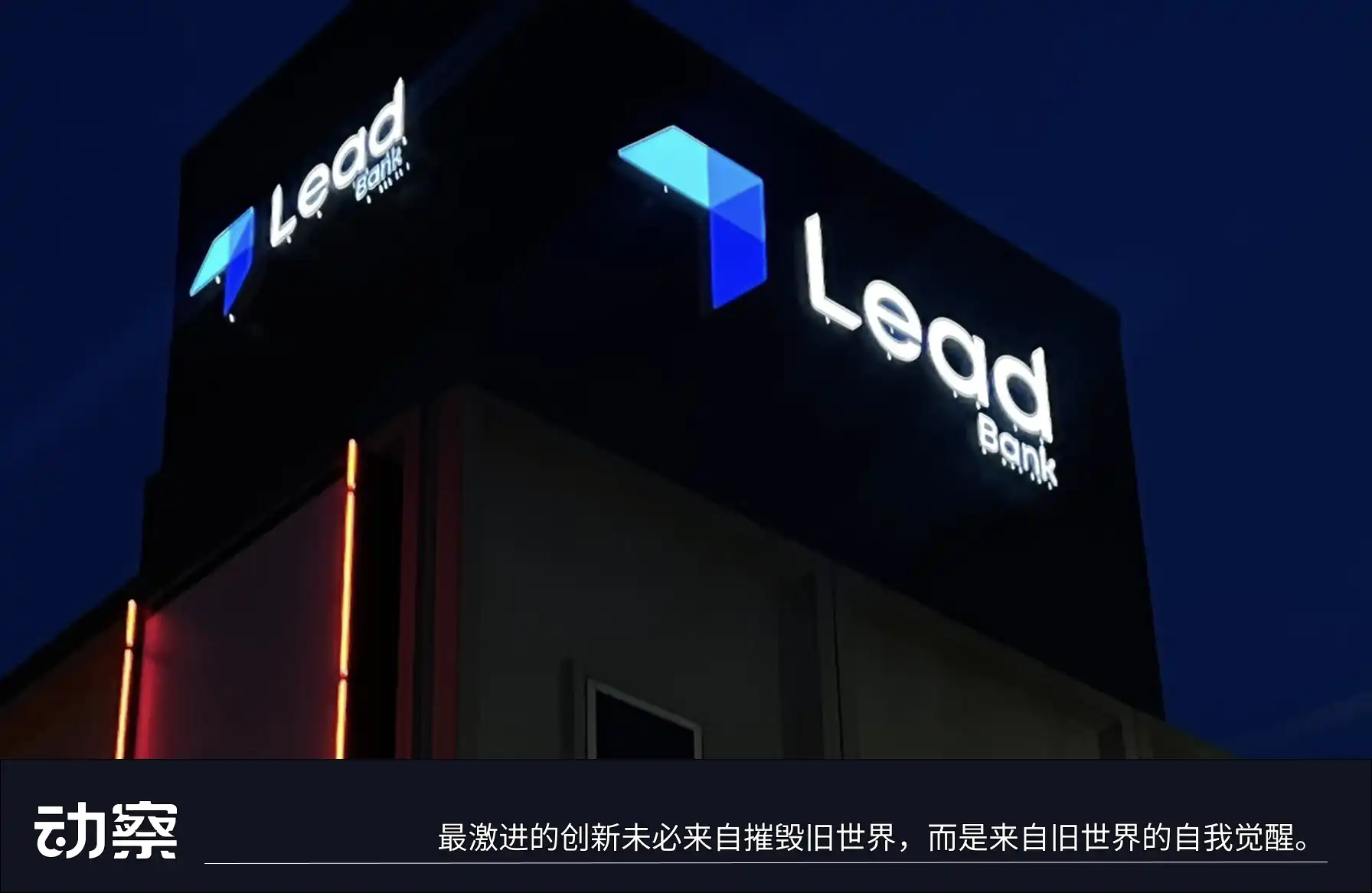
The Wall Street Maverick, Vance's Aide, and a Century-Old Bank: Lead Bank

marsbitXuất bản vào 2026-01-14Cập nhật gần nhất vào 2026-01-14

Tóm tắt

Lead Bank, a century-old community bank from Missouri, has transformed into a fintech and crypto-friendly banking leader under the leadership of Wall Street veteran Jackie Reses. After acquiring the bank in 2022, Reses and her team rebuilt its core systems in-house, avoiding reliance on third-party middleware—a key vulnerability that caused industry-wide disruptions following the collapse of firms like Synapse. Lead Bank serves major fintech clients like Revolut and Ramp and is one of the first banks to support Visa’s USDC settlement on Solana. Its strategy focuses on low-cost transactional deposits from fintech and crypto firms, generating revenue primarily through fees rather than interest margins. With strong regulatory connections, including ties to the White House via Reses’s brother, the bank has navigated compliance challenges while positioning itself at the intersection of traditional banking and digital asset innovation. As of 2025, Lead Bank’s assets have doubled to $1.97 billion, driven by its tech-native approach and emphasis on real-time API-based banking services.

At the end of last year, JPMorgan Chase froze the accounts of two YC-backed stablecoin payment startups, BlindPay and Kontigo, which focused on the Latin American market. Their operations touched high-risk jurisdictions like Venezuela, triggering the bank's sanctions and compliance red lines.

Similarly, Lead Bank, another bank long considered crypto-friendly, recently tightened its cooperative services with some stablecoin payment companies, adding new customer identity verifications. Transaction settlement times and account opening processes have both been extended.

With compliance becoming mandatory, many entrepreneurs in the payment industry and stablecoin sector have realized that they are often not dealing with the banking system as a whole, but rather with a very small number of banks willing to open their doors—and capable of keeping them open.

But Lead Bank and JPMorgan Chase are fundamentally different. As one of the first two banks to participate in Visa's USDC settlement on the Solana blockchain, Lead Bank did not choose to categorically cut off banking services for startups. Instead, this bank aims to achieve a breakthrough by providing native support for crypto businesses.

The Century-Long Vicissitudes of Garden City Bank

To understand Lead Bank's present, one must first return to its past.

In 1928, before the gloom of the Great Depression enveloped the United States, a small institution named Garden City Bank was established in Cass County, Missouri.

It was an era reliant on handshake deals and credit as collateral. As a typical community bank, its fate was closely tied to the surrounding farmland, livestock, and small family businesses. Over the subsequent decades, it witnessed the prosperity and decline of the American agricultural economy and survived the Great Depression of the 1930s. This was a significant achievement, as thousands of similar institutions across the nation closed during that time.

For the next 77 years, this bank, like the small town of Garden City it was named after, quietly made its living there.

In 2005, Garden City Bank迎来了 its first turning point.

Landon H. Rowland, a business legend from Kansas City 80 kilometers away, and his wife Sarah, decided to buy Garden City Bank after retirement. Landon Rowland was no ordinary banker; he was the former Chairman and CEO of Kansas City Southern Industries. During his tenure, he expanded the railroad company into Mexico and oversaw the spin-offs of two financial giants, Janus Capital and DST Systems.

Landon bought this dormant rural bank out of a old-school business idealism. He deeply understood the power of infrastructure; whether railroad tracks or capital channels, they were essentially for connection and circulation.

In 2010, the Rowland family renamed the bank Lead Bank. The name itself hinted at ambition—no longer limited geographically to Garden City, but aiming to be a leader in the industry.
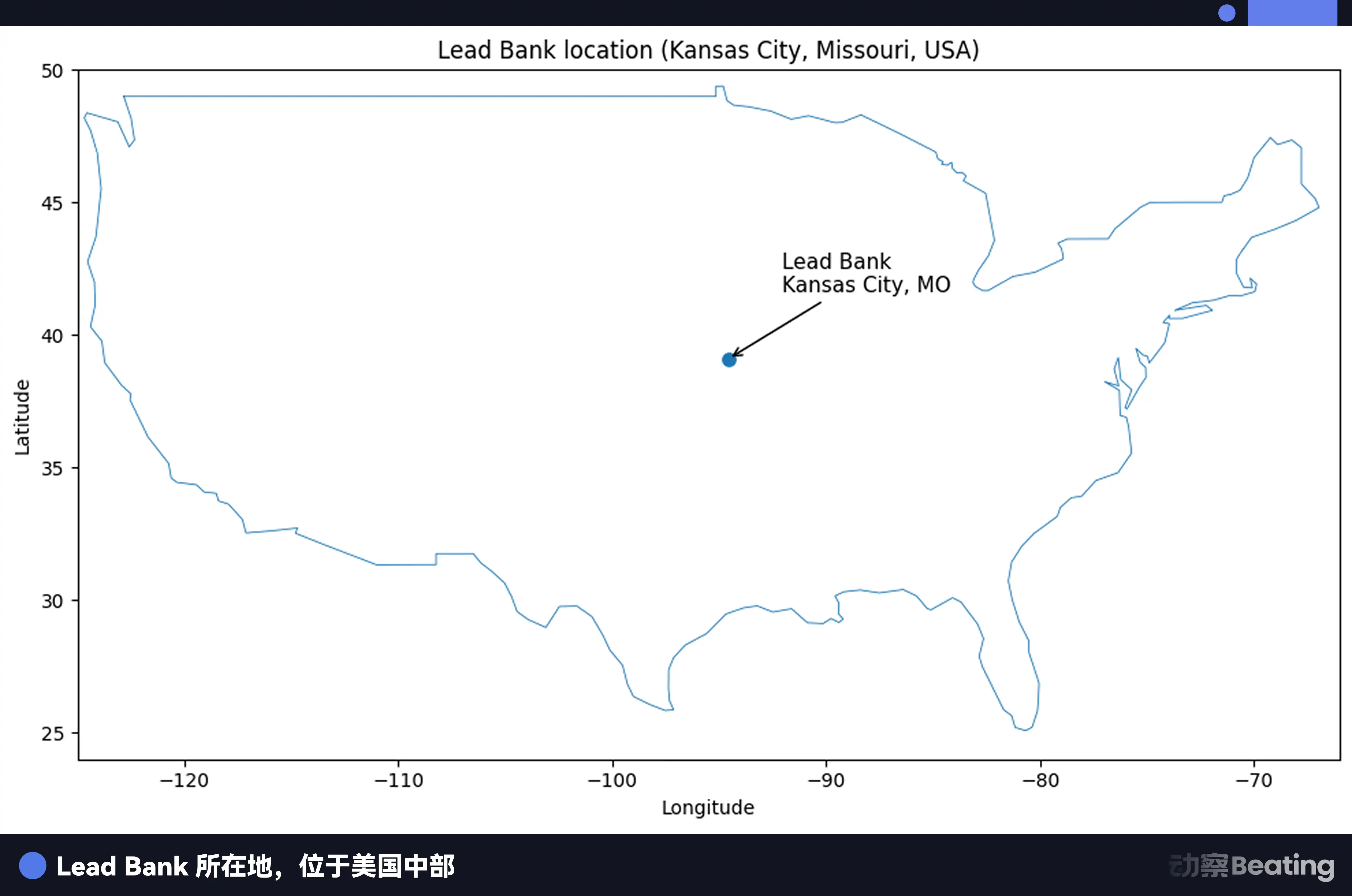
Subsequently, Landon's son, Josh Rowland, took over as CEO. Josh was a banker with a legal background, deeply influenced by humanism. He was tired of the cold, counter-style design of traditional banks, wondering why banks couldn't be like Starbucks or public libraries, serving as a community's third space.

To achieve this vision, Josh realized the bank had to leave its comfortable rural setting and enter the heart of economic activity. In 2015, Lead Bank made a bold decision to move its headquarters to the Crossroads Arts District in downtown Kansas City.

The Crossroads Arts District was once a dilapidated industrial warehouse area but was revitalized in the early 2000s by artists, galleries, and tech startups, becoming the innovative heart of Kansas City. Lead Bank created an unconventional space in this avant-garde neighborhood.
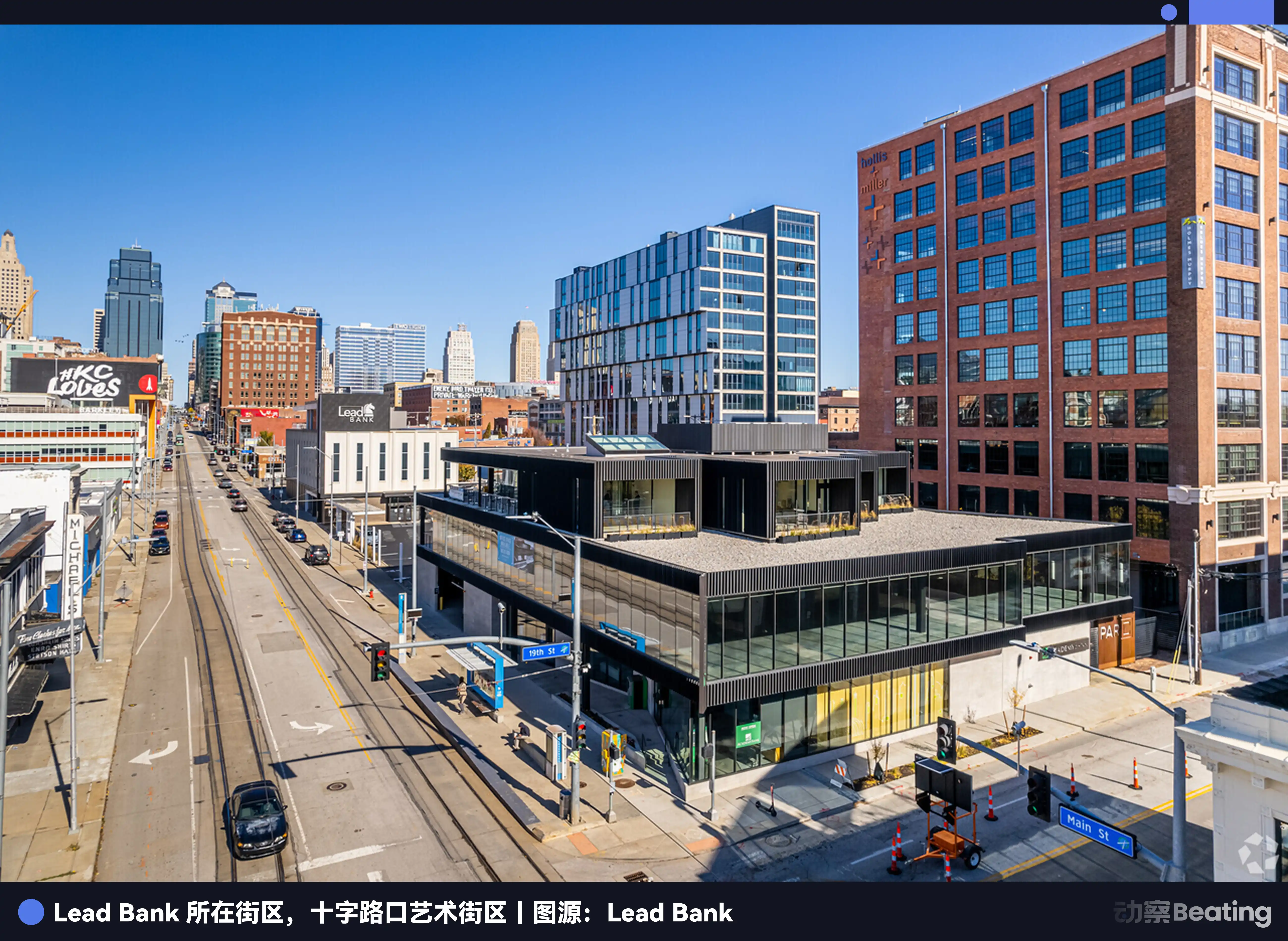
No bulletproof glass, no queue ropes. Josh even commissioned students from the Kansas City Art Institute to hold painting exhibitions in the bank lobby and designed a rooftop terrace for yoga classes and cocktail parties.

During this period, Lead Bank, though fashionable in appearance, remained a traditional community bank at its core. It served local small business owners, surviving on a network of warm, local relationships.

The Woman from Silicon Valley

While the Rowland family was reshaping Lead Bank's physical form, a powerful woman in finance named Jackie Reses was experiencing deep frustration.

Jackie Reses's career was a textbook on capital efficiency. She spent seven years at Goldman Sachs, deeply involved in mergers and acquisitions and private equity investments, honing a top-tier deal sense.

Reses then joined Yahoo, leading the management of its most important and complex asset—Yahoo's stake in Alibaba. Through extremely complex negotiations and structural design, Reses ultimately unlocked over $50 billion in value for Yahoo, a campaign that established her as a top dealmaker.

In 2015, Twitter founder Jack Dorsey recruited her to the payment processing company Square to lead Square Capital, a small business lending division that was only 18 months old. This division aimed to use merchant transaction data to provide loans to millions of small and micro enterprises. It should have been a perfect business闭环, but the U.S. regulatory system firmly blocked tech companies from the banking industry.

Thus, to comply with lending regulations, Square had to adopt a license-renting model, partnering with industrial banks like Celtic Bank in Utah, where the bank名义上 issued loans, which Square then purchased.

In an interview, Reses said working with traditional banks was very difficult. For example, traditional banks often had almost no software engineers, only a rigid, patched-together legacy system, making it hard for Fintech companies, known for user experience, to customize how they transact with customers as needed. Every new product launch involved a lengthy tug-of-war between the bank's compliance and technology departments.
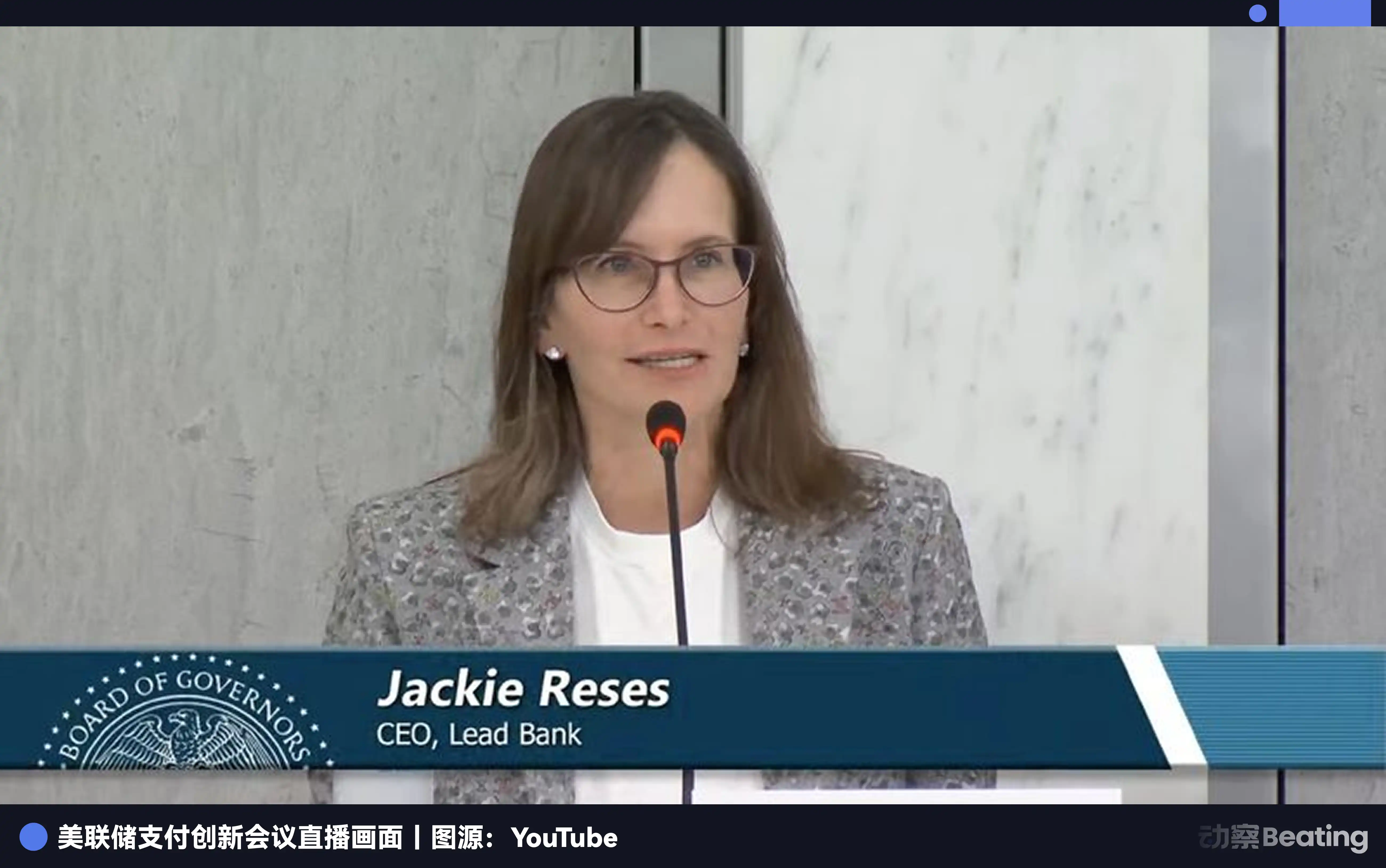
This life under someone else's roof was extremely painful. After leaving Square in 2020, Jackie Reses was determined to own her own bank. When choosing an acquisition target, her gaze avoided crowded California and New York and fell upon Lead Bank in Kansas City.

Thanks to the Rowland family's steady management, Lead Bank had a clean balance sheet and an innovative management team. More importantly, she didn't want to spend all day mixing with CEOs; she wanted to be close to real small and medium-sized business owners, which was Lead Bank's core clientele.

On August 1, 2022, the acquisition was officially completed. It was a rare transaction that received rapid approval from regulators including the Federal Reserve and the Missouri Division of Finance, largely due to Reses's good regulatory relationships.

It is also worth noting that Reses's younger brother, Jacob Reses, a rising political star, served as Chief of Staff to JD Vance in the Senate. With JD Vance assuming the role of U.S. Vice President in early 2025, Jacob Reses continued to serve as a key aide, becoming a crucial figure in White House policy formulation.

This隐秘 pipeline to the center of power in Washington, while not a get-out-of-jail-free card, provided Lead Bank with extremely low misunderstanding costs and smooth communication mechanisms under the high regulatory pressure of Chokepoint 2.0, enabling it to dare to touch innovative areas other banks avoided.

Reses's vision for Lead Bank was to overlay a fintech layer on top of the existing community bank in Kansas City—a set of banking infrastructure that could be sold to other fintech companies.

At that time, Lead Bank attracted well-known Fintech clients like Affirm and also began engaging with crypto industry clients. Despite the fintech industry still being in a winter, Lead Bank's growth began to accelerate. In the third quarter of 2023, revenue increased by 9% compared to the second quarter, reaching $37 million; net profit jumped 50% to $5 million. Total assets reached $951 million, an increase of over $100 million from a year earlier.

After the BaaS Industry Earthquake

Jackie Reses brought more to Lead Bank than just Wall Street capital and Washington's attention; she almost directly brought over a core team from Square.

This included CTO Ronak Vyas, Chief Legal Officer Erica Khalili, and Chief Product Officer Homam Maalouf, plus former Meta Design Director Albert Song. This team covered the complete闭环 from underlying code development and compliance risk management to front-end user experience design, giving Lead Bank the core capability to build financial products independently without relying on external suppliers.

When Vyas first examined the core systems of traditional banks, he felt a sense of震撼 from a bygone era. Most U.S. banks still run on mainframes from the 1970s based on the COBOL language. These systems use batch processing; the card you swipe today, the bank only knows the balance change tomorrow after running a program overnight. For Fintech companies追求毫秒级响应, this was practically prehistoric.

After taking office, Vyas made an extremely hardcore decision: don't buy off-the-shelf, build everything in-house. This self-developed system was built directly on AWS cloud services and Snowflake database, serving as a parallel ledger and risk control orchestration layer, reducing reliance on traditional middle-layer black boxes and achieving true real-time accounting.

While other banks were still buying middleware software to patch their old systems, Lead Bank had transformed itself into a tech company disguised as a bank. Although this heavy model was once嘲笑ed as inefficient, time quickly proved the foresight of Reses and Vyas.

In 2024, the famous middleware service provider Synapse declared bankruptcy, triggering a chain collapse in the BaaS industry.

As mentioned earlier, many Fintech companies neither have banking licenses nor the ability to interface with the bank's aging mainframe systems. Synapse acted as an intermediary, providing Fintech with easy-to-use interfaces on one end and managing the complex underlying accounting for the banks on the other. Before the暴雷, Synapse supported over 100 Fintech companies, indirectly managing accounts for 18 million end users, with an annual transaction volume of $76 billion.

Its collapse revealed a terrifying black box: the sub-ledgers recorded by the middleware often did not match the general ledger of funds actually held by the bank. Tens of millions of dollars vanished into thin air, and成千上万的储户 were unable to withdraw their money. Subsequently, BaaS banks like Evolve Bank and Blue Ridge Bank, which had expanded aggressively, received severe consent orders from regulators and were forced to suspend new business.

The entire industry was thrown into panic. Fintech founders were horrified to discover that their seemingly rock-solid banking partners were actually founded on quicksand.

This was the moment Reses had been waiting for. Because it insisted on not using middleware and building its own core, Lead Bank emerged unscathed from this storm.

Those panicked unicorn companies began looking for a safe haven. Revolut, one of the world's largest digital banks, fully migrated its U.S. business to Lead Bank. The corporate spending management giant Ramp also abandoned its old partners and embraced Lead Bank.

More importantly, this hardcore technology plus full-license model received狂热追捧 from the capital markets. In September 2025, Lead Bank completed a $70 million Series B funding round led by ICONIQ and Greycroft, with follow-on investments from top venture capital firms like a16z and Ribbit Capital. At this point, Lead Bank's valuation had soared to $1.47 billion, becoming a rare banking unicorn.

The Crypto-Friendly Bank of the New Cycle

If one only sees Lead Bank as a partner for Fintech, that underestimates Jackie Reses's ambition. This bank is quietly becoming a key valve between the crypto economy and the fiat world.

After the collapse of Silvergate and Signature Bank, the crypto industry lost two major pillars for dollar settlement. Lead Bank敏锐地 filled this vacuum, but its approach is smarter and more discreet than its predecessors.

At the end of 2025, Visa announced the launch of USDC stablecoin settlement functionality on the Solana blockchain, and one of the two首发 banks supporting this function behind the scenes was Lead Bank. This means that when you use your Visa card somewhere in the world, the underlying fund flow may no longer go through the slow SWIFT system but could be settled in seconds via USDC through a Lead Bank account.

Lead Bank doesn't just help crypto companies store money; it also maps fiat accounts to on-chain addresses. Through its API, compliant crypto businesses can achieve 7x24 real-time fiat currency inflows and outflows.

Looking at Lead Bank's financial statements, one finds its growth logic is completely different from that of traditional community banks.

As of the third quarter of 2025, Lead Bank's total assets had soared to $1.97 billion, more than double pre-acquisition levels. The key here lies in the reshaping of its deposit structure. Traditional banks beg individuals for time deposits, paying 4%-5% interest.

By serving Fintech and crypto clients, Lead Bank obtains a large amount of commercial demand deposits. This money typically stays in accounts for payment settlement purposes, is insensitive to interest rates, meaning Lead Bank has extremely low funding costs on the liability side.

On the asset side, this is where Lead Bank is most restrained. It did not, like Silicon Valley Bank, use customers' short-term deposits to buy long-term government bonds, nor did it extensively issue high-risk commercial loans. Instead, it allocated大量资金 to highly liquid short-term assets or, through its Fintech partners, engaged in very fast-turnaround short-term credit投放.

2024 data showed that its main non-interest revenue—coming from payment processing fees, API call fees, card issuance commissions, etc.—grew by 39%, far exceeding the growth rate of traditional interest income.

This creates a flywheel: low-cost settlement funds come in, earning risk-free手续费, funds流转 quickly. This is more like a transaction-based revenue model than a traditional bank's interest spread model.

Reading this, you understand that in the current turbulent transition period for the金融 and crypto industries, the language of regulation, the language of banks, and the language of tech companies have never been consistent. And every inconsistency can one day turn into a rectification order.

Lead Bank has proven that in the age of AI and blockchain, the most radical innovation may not come from destroying the old world, but from the old world's own awakening. By融合百年银行信誉、硅谷工程能力和现代艺术的人文关怀于一炉, Lead Bank has not only survived but has defined what a 21st-century bank is.


Câu hỏi Liên quan

QWhat is Lead Bank and how does it positioning itself in the financial industry?

ALead Bank is a century-old community bank originally known as Garden City Bank, which has been transformed into a modern financial institution that combines traditional banking credibility with Silicon Valley engineering capabilities. It positions itself as a key enabler for fintech and crypto companies by providing native banking support, real-time API-driven services, and infrastructure without relying on middleware. It aims to be a leader in connecting traditional finance with innovative sectors like stablecoin payments and blockchain settlement.

QWho is Jackie Reses and what role did she play in Lead Bank's transformation?

AJackie Reses is a Wall Street veteran with a background at Goldman Sachs, Yahoo, and Square. She acquired Lead Bank in 2022 and led its transformation by bringing in a tech-focused team, self-building modern core banking systems on AWS, and shifting the bank's focus to serving fintech and crypto clients. Her vision was to overlay a fintech layer on top of the traditional community bank, making it a technology company in banking clothing.

QHow did Lead Bank avoid the BaaS (Banking-as-a-Service) industry collapse in 2024?

ALead Bank avoided the BaaS industry collapse by insisting on self-building its core banking systems without relying on third-party middleware. When middleware provider Synapse went bankrupt in 2024, exposing mismanagement and financial discrepancies at other banks, Lead Bank's in-house, real-time accounting system remained secure and reliable. This allowed it to attract major fintech clients like Revolut and Ramp seeking stability.

QWhat is Lead Bank's role in the crypto and stablecoin ecosystem?

ALead Bank serves as a critical bridge between the crypto economy and traditional fiat systems. It was one of the two launch banks supporting Visa's USDC stablecoin settlement on the Solana blockchain, enabling faster, cheaper cross-border transactions. It also provides API-driven services for compliant crypto businesses, allowing 24/7 real-time fiat-to-crypto transactions and serving as a secure banking partner in the post-Silvergate/Signature Bank landscape.

QHow does Lead Bank's business model differ from traditional banks in terms of revenue and growth?

ALead Bank's business model relies heavily on low-cost commercial demand deposits from fintech and crypto clients, which are less interest-sensitive, reducing funding costs. Instead of depending on traditional interest income, it generates significant revenue from non-interest sources like payment processing fees, API call charges, and card issuance fees. This creates a high-velocity, transaction-based revenue flywheel, contrasting with the slower, interest-dependent models of conventional banks.

Nội dung Liên quan

Polymarket Bị Kẹt: Bài Kiểm Tra Thực Sự Sau Khi Vượt Qua Giai Đoạn Lưu Lượng Tăng Đột Biến

Polymarket, nền tảng dự đoán thị trường hàng đầu, đang đối mặt với thách thức lớn khi trải nghiệm giao dịch xuống cấp do hạ tầng không theo kịp đà tăng trưởng. Phó chủ tịch kỹ thuật Josh Stevens thừa nhận vấn đề và công bố kế hoạch cải tổ toàn diện, bao gồm: giảm độ trễ dữ liệu, sửa lỗi hủy lệnh, xây dựng lại hệ thống order book (CLOB), nâng cao hiệu suất website, và quan trọng nhất là di chuyển chain (chain migration). Nguyên nhân sâu xa nằm ở việc Polymarket không còn là ứng dụng dự đoán đơn thuần mà đã phát triển thành một nền tảng giao dịch tần suất cao. Polygon, từng là lựa chọn chi phí thấp hoàn hảo, giờ đây trở thành rào cản kỹ thuật. Động thái này ngay lập tức thu hút sự quan tâm của các blockchain khác như Solana, Sui, Algorand... trong khi Polygon nỗ lực giữ chân ứng dụng quan trọng này - nguồn đóng góp phí giao dịch đáng kể cho hệ sinh thái của họ. Bài kiểm tra thực sự của Polymarket không chỉ là chọn chain mới, mà là xây dựng một hệ thống giao dịch đủ mạnh và ổn định để giữ chân người dùng trong giai đoạn tăng trưởng mới, nơi độ tin cậy quan trọng hơn bao giờ hết.

Odaily星球日报04/27 03:21

Polymarket Bị Kẹt: Bài Kiểm Tra Thực Sự Sau Khi Vượt Qua Giai Đoạn Lưu Lượng Tăng Đột Biến

Odaily星球日报04/27 03:21

Điều chỉnh kỳ vọng giảm cho chu kỳ tăng giá tiếp theo của BTC

Tác giả Alex Xu, một nhà đầu tư Bitcoin lâu năm, đã chia sẻ quyết định giảm dần tỷ trọng BTC trong danh mục đầu tư của mình, từ vị thế lớn nhất xuống còn khoảng 30%, và giải thích lý do cho việc điều chỉnh kỳ vọng về đỉnh giá trong chu kỳ bull market tiếp theo. Các lý do chính bao gồm: 1. **Năng lượng tăng trưởng tiềm năng giảm:** Các chu kỳ trước được thúc đẩy bởi việc mở rộng đối tượng đầu tư theo cấp số nhân (từ cá nhân đến tổ chức). Chu kỳ tới cần sự chấp nhận từ các quỹ đầu tư quốc gia hoặc ngân hàng trung ương, điều này khó xảy ra trong 2-3 năm tới. 2. **Chi phí cơ hội cá nhân:** Tìm thấy nhiều cơ hội đầu tư hấp dẫn khác (cổ phiếu công ty) với mức giá hợp lý. 3. **Tác động tiêu cực từ sự thu hẹp của ngành crypto:** Nhiều mô hình Web3 (SocialFi, GameFi...) không thành công, dẫn đến sự thu hẹp của toàn ngành và làm chậm tốc độ tăng trưởng số người nắm giữ BTC. 4. **Áp lực từ nhà mua lớn nhất (MicroStrategy):** Chi phí huy động vốn của MicroStrategy tiếp tục tăng cao (lãi suất 11.5%), có thể làm giảm tốc độ mua vào và gây áp lực bán. 5. **Sự cạnh tranh từ Vàng được token hóa:** Sản phẩm vàng token hóa (tokenized gold) đã thu hẹp khoảng cách về tính dễ chia nhỏ, dễ mang theo và dễ xác minh so với BTC. 6. **Vấn đề ngân sách bảo mật:** Phần thưởng khối giảm sau mỗi lần halving làm trầm trọng thêm vấn đề ngân sách cho bảo mật mạng lưới. Tác giả vẫn giữ một phần BTC đáng kể và sẵn sàng mua lại nếu các lý kiến trên được giải quyết hoặc xuất hiện các yếu tố tích cực mới, với điều kiện giá cả phù hợp.

marsbit04/27 02:46

Điều chỉnh kỳ vọng giảm cho chu kỳ tăng giá tiếp theo của BTC

marsbit04/27 02:46

Giao dịch

Giao ngay
Hợp đồng Tương lai

Bài viết Nổi bật

AGENT S là gì

Agent S: Tương Lai của Tương Tác Tự Động trong Web3 Giới thiệu Trong bối cảnh không ngừng phát triển của Web3 và tiền điện tử, các đổi mới đang liên tục định nghĩa lại cách mà cá nhân tương tác với các nền tảng kỹ thuật số. Một dự án tiên phong như vậy, Agent S, hứa hẹn sẽ cách mạng hóa tương tác giữa con người và máy tính thông qua khung tác nhân mở của nó. Bằng cách mở đường cho các tương tác tự động, Agent S nhằm đơn giản hóa các nhiệm vụ phức tạp, cung cấp các ứng dụng chuyển đổi trong trí tuệ nhân tạo (AI). Cuộc khám phá chi tiết này sẽ đi sâu vào những phức tạp của dự án, các tính năng độc đáo của nó và những tác động đối với lĩnh vực tiền điện tử. Agent S là gì? Agent S đứng vững như một khung tác nhân mở đột phá, được thiết kế đặc biệt để giải quyết ba thách thức cơ bản trong việc tự động hóa các nhiệm vụ máy tính: Thu thập Kiến thức Cụ thể theo Miền: Khung này học một cách thông minh từ nhiều nguồn kiến thức bên ngoài và kinh nghiệm nội bộ. Cách tiếp cận kép này giúp nó xây dựng một kho lưu trữ phong phú về kiến thức cụ thể theo miền, nâng cao hiệu suất của nó trong việc thực hiện nhiệm vụ. Lập Kế Hoạch Qua Các Tầm Nhìn Nhiệm Vụ Dài Hạn: Agent S sử dụng lập kế hoạch phân cấp tăng cường kinh nghiệm, một cách tiếp cận chiến lược giúp phân chia và thực hiện các nhiệm vụ phức tạp một cách hiệu quả. Tính năng này nâng cao đáng kể khả năng quản lý nhiều nhiệm vụ con một cách hiệu quả và hiệu suất. Xử Lý Các Giao Diện Động, Không Đều: Dự án giới thiệu Giao Diện Tác Nhân-Máy Tính (ACI), một giải pháp đổi mới giúp nâng cao tương tác giữa các tác nhân và người dùng. Sử dụng các Mô Hình Ngôn Ngữ Lớn Đa Phương Thức (MLLMs), Agent S có thể điều hướng và thao tác các giao diện người dùng đồ họa đa dạng một cách liền mạch. Thông qua những tính năng tiên phong này, Agent S cung cấp một khung vững chắc giải quyết các phức tạp liên quan đến việc tự động hóa tương tác giữa con người với máy móc, mở ra nhiều ứng dụng trong AI và hơn thế nữa. Ai là Người Tạo ra Agent S? Mặc dù khái niệm về Agent S là hoàn toàn đổi mới, thông tin cụ thể về người sáng lập vẫn còn mơ hồ. Người sáng lập hiện vẫn chưa được biết đến, điều này làm nổi bật giai đoạn sơ khai của dự án hoặc sự lựa chọn chiến lược để giữ kín các thành viên sáng lập. Bất chấp sự ẩn danh, sự chú ý vẫn tập trung vào khả năng và tiềm năng của khung này. Ai là Các Nhà Đầu Tư của Agent S? Vì Agent S còn tương đối mới trong hệ sinh thái mã hóa, thông tin chi tiết về các nhà đầu tư và những người tài trợ tài chính của nó không được ghi chép rõ ràng. Sự thiếu vắng thông tin công khai về các nền tảng đầu tư hoặc tổ chức hỗ trợ dự án dấy lên câu hỏi về cấu trúc tài trợ và lộ trình phát triển của nó. Hiểu biết về sự hỗ trợ là rất quan trọng để đánh giá tính bền vững và tác động tiềm năng của dự án. Agent S Hoạt Động Như Thế Nào? Tại cốt lõi của Agent S là công nghệ tiên tiến cho phép nó hoạt động hiệu quả trong nhiều bối cảnh khác nhau. Mô hình hoạt động của nó được xây dựng xung quanh một số tính năng chính: Tương Tác Giống Như Con Người: Khung này cung cấp lập kế hoạch AI tiên tiến, cố gắng làm cho các tương tác với máy tính trở nên trực quan hơn. Bằng cách bắt chước hành vi của con người trong việc thực hiện nhiệm vụ, nó hứa hẹn nâng cao trải nghiệm người dùng. Ký Ức Tường Thuật: Được sử dụng để tận dụng các trải nghiệm cấp cao, Agent S sử dụng ký ức tường thuật để theo dõi lịch sử nhiệm vụ, từ đó nâng cao quy trình ra quyết định của nó. Ký Ức Tình Huống: Tính năng này cung cấp cho người dùng hướng dẫn từng bước, cho phép khung này cung cấp hỗ trợ theo ngữ cảnh khi các nhiệm vụ diễn ra. Hỗ Trợ OpenACI: Với khả năng chạy cục bộ, Agent S cho phép người dùng duy trì quyền kiểm soát đối với các tương tác và quy trình làm việc của họ, phù hợp với tinh thần phi tập trung của Web3. Tích Hợp Dễ Dàng với Các API Bên Ngoài: Tính linh hoạt và khả năng tương thích với nhiều nền tảng AI khác nhau đảm bảo rằng Agent S có thể hòa nhập liền mạch vào các hệ sinh thái công nghệ hiện có, làm cho nó trở thành lựa chọn hấp dẫn cho các nhà phát triển và tổ chức. Những chức năng này cùng nhau góp phần vào vị trí độc đáo của Agent S trong không gian tiền điện tử, khi nó tự động hóa các nhiệm vụ phức tạp, nhiều bước với sự can thiệp tối thiểu của con người. Khi dự án phát triển, các ứng dụng tiềm năng của nó trong Web3 có thể định nghĩa lại cách mà các tương tác kỹ thuật số diễn ra. Thời Gian Phát Triển của Agent S Sự phát triển và các cột mốc của Agent S có thể được tóm tắt trong một dòng thời gian nêu bật các sự kiện quan trọng của nó: 27 tháng 9, 2024: Khái niệm về Agent S được ra mắt trong một bài nghiên cứu toàn diện mang tên “Một Khung Tác Nhân Mở Sử Dụng Máy Tính Như Một Con Người,” trình bày nền tảng cho dự án. 10 tháng 10, 2024: Bài nghiên cứu được công bố công khai trên arXiv, cung cấp một cái nhìn sâu sắc về khung và đánh giá hiệu suất của nó dựa trên tiêu chuẩn OSWorld. 12 tháng 10, 2024: Một video trình bày được phát hành, cung cấp cái nhìn trực quan về khả năng và tính năng của Agent S, thu hút thêm sự quan tâm từ người dùng và nhà đầu tư tiềm năng. Những dấu mốc trong dòng thời gian không chỉ minh họa sự tiến bộ của Agent S mà còn chỉ ra cam kết của nó đối với sự minh bạch và sự tham gia của cộng đồng. Những Điểm Chính Về Agent S Khi khung Agent S tiếp tục phát triển, một số thuộc tính chính nổi bật, nhấn mạnh tính đổi mới và tiềm năng của nó: Khung Đổi Mới: Được thiết kế để cung cấp cách sử dụng máy tính trực quan giống như tương tác của con người, Agent S mang đến một cách tiếp cận mới cho việc tự động hóa nhiệm vụ. Tương Tác Tự Động: Khả năng tương tác tự động với máy tính thông qua GUI đánh dấu một bước tiến tới các giải pháp tính toán thông minh và hiệu quả hơn. Tự Động Hóa Nhiệm Vụ Phức Tạp: Với phương pháp mạnh mẽ của nó, nó có thể tự động hóa các nhiệm vụ phức tạp, nhiều bước, làm cho các quy trình nhanh hơn và ít sai sót hơn. Cải Tiến Liên Tục: Các cơ chế học tập cho phép Agent S cải thiện từ các trải nghiệm trước đó, liên tục nâng cao hiệu suất và hiệu quả của nó. Tính Linh Hoạt: Khả năng thích ứng của nó trên các môi trường hoạt động khác nhau như OSWorld và WindowsAgentArena đảm bảo rằng nó có thể phục vụ một loạt các ứng dụng rộng rãi. Khi Agent S định vị mình trong bối cảnh Web3 và tiền điện tử, tiềm năng của nó để nâng cao khả năng tương tác và tự động hóa quy trình đánh dấu một bước tiến quan trọng trong công nghệ AI. Thông qua khung đổi mới của mình, Agent S minh họa cho tương lai của các tương tác kỹ thuật số, hứa hẹn một trải nghiệm liền mạch và hiệu quả hơn cho người dùng trên nhiều ngành công nghiệp khác nhau. Kết luận Agent S đại diện cho một bước nhảy vọt táo bạo trong sự kết hợp giữa AI và Web3, với khả năng định nghĩa lại cách chúng ta tương tác với công nghệ. Mặc dù vẫn còn ở giai đoạn đầu, những khả năng cho ứng dụng của nó là rộng lớn và hấp dẫn. Thông qua khung toàn diện của mình giải quyết các thách thức quan trọng, Agent S nhằm đưa các tương tác tự động lên hàng đầu trong trải nghiệm kỹ thuật số. Khi chúng ta tiến sâu hơn vào các lĩnh vực tiền điện tử và phi tập trung, các dự án như Agent S chắc chắn sẽ đóng một vai trò quan trọng trong việc định hình tương lai của công nghệ và sự hợp tác giữa con người với máy tính.

Tổng lượt xem 700Xuất bản vào 2025.01.14Cập nhật vào 2025.01.14

AGENT S là gì

Làm thế nào để Mua S

Chào mừng bạn đến với HTX.com! Chúng tôi đã làm cho mua Sonic (S) trở nên đơn giản và thuận tiện. Làm theo hướng dẫn từng bước của chúng tôi để bắt đầu hành trình tiền kỹ thuật số của bạn.Bước 1: Tạo Tài khoản HTX của BạnSử dụng email hoặc số điện thoại của bạn để đăng ký tài khoản miễn phí trên HTX. Trải nghiệm hành trình đăng ký không rắc rối và mở khóa tất cả tính năng. Nhận Tài khoản của tôiBước 2: Truy cập Mua Crypto và Chọn Phương thức Thanh toán của BạnThẻ Tín dụng/Ghi nợ: Sử dụng Visa hoặc Mastercard của bạn để mua Sonic (S) ngay lập tức.Số dư: Sử dụng tiền từ số dư tài khoản HTX của bạn để giao dịch liền mạch.Bên thứ ba: Chúng tôi đã thêm những phương thức thanh toán phổ biến như Google Pay và Apple Pay để nâng cao sự tiện lợi.P2P: Giao dịch trực tiếp với người dùng khác trên HTX.Thị trường mua bán phi tập trung (OTC): Chúng tôi cung cấp những dịch vụ được thiết kế riêng và tỷ giá hối đoái cạnh tranh cho nhà giao dịch.Bước 3: Lưu trữ Sonic (S) của BạnSau khi mua Sonic (S), lưu trữ trong tài khoản HTX của bạn. Ngoài ra, bạn có thể gửi đi nơi khác qua chuyển khoản blockchain hoặc sử dụng để giao dịch những tiền kỹ thuật số khác.Bước 4: Giao dịch Sonic (S)Giao dịch Sonic (S) dễ dàng trên thị trường giao ngay của HTX. Chỉ cần truy cập vào tài khoản của bạn, chọn cặp giao dịch, thực hiện giao dịch và theo dõi trong thời gian thực. Chúng tôi cung cấp trải nghiệm thân thiện với người dùng cho cả người mới bắt đầu và người giao dịch dày dạn kinh nghiệm.

Tổng lượt xem 1.4kXuất bản vào 2025.01.15Cập nhật vào 2025.03.21

Làm thế nào để Mua S

Thảo luận

Chào mừng đến với Cộng đồng HTX. Tại đây, bạn có thể được thông báo về những phát triển nền tảng mới nhất và có quyền truy cập vào thông tin chuyên sâu về thị trường. Ý kiến ​​của người dùng về giá của S (S) được trình bày dưới đây.

活动图片