The real crypto adoption shows on Tuesday morning payments

cointelegraphXuất bản vào 2025-12-17Cập nhật gần nhất vào 2025-12-17

Tóm tắt

Although cryptocurrency ownership is widespread with over 560 million global users, only a small fraction actually use crypto for everyday payments. Most treat it as an investment rather than a medium of exchange. True adoption, the article argues, should be measured by behavioral metrics like time-to-first-spend, weekly active payers, and low decline rates—not just wallet counts. Kolo, an all-in-one crypto app, is presented as a solution aiming to bridge this gap. It combines a multi-network wallet with a Visa card integrated into Apple Pay and Google Pay, allowing users to spend crypto seamlessly at millions of merchants. The platform processes over 460,000 payments, primarily for routine expenses like groceries, dining, and subscriptions. It features quick onboarding, compliance with regulations, and offers Bitcoin cashback to incentivize spending. The core idea is that real adoption happens when crypto becomes a frictionless part of daily life, operating invisibly in the background of normal transactions.

Sponsored Content

Crypto occupies a stable place in global finance. A 2024 report from payments firm Triple-A estimates that approximately 562 million people worldwide own digital currencies, accounting for around 6.8% of the global population.

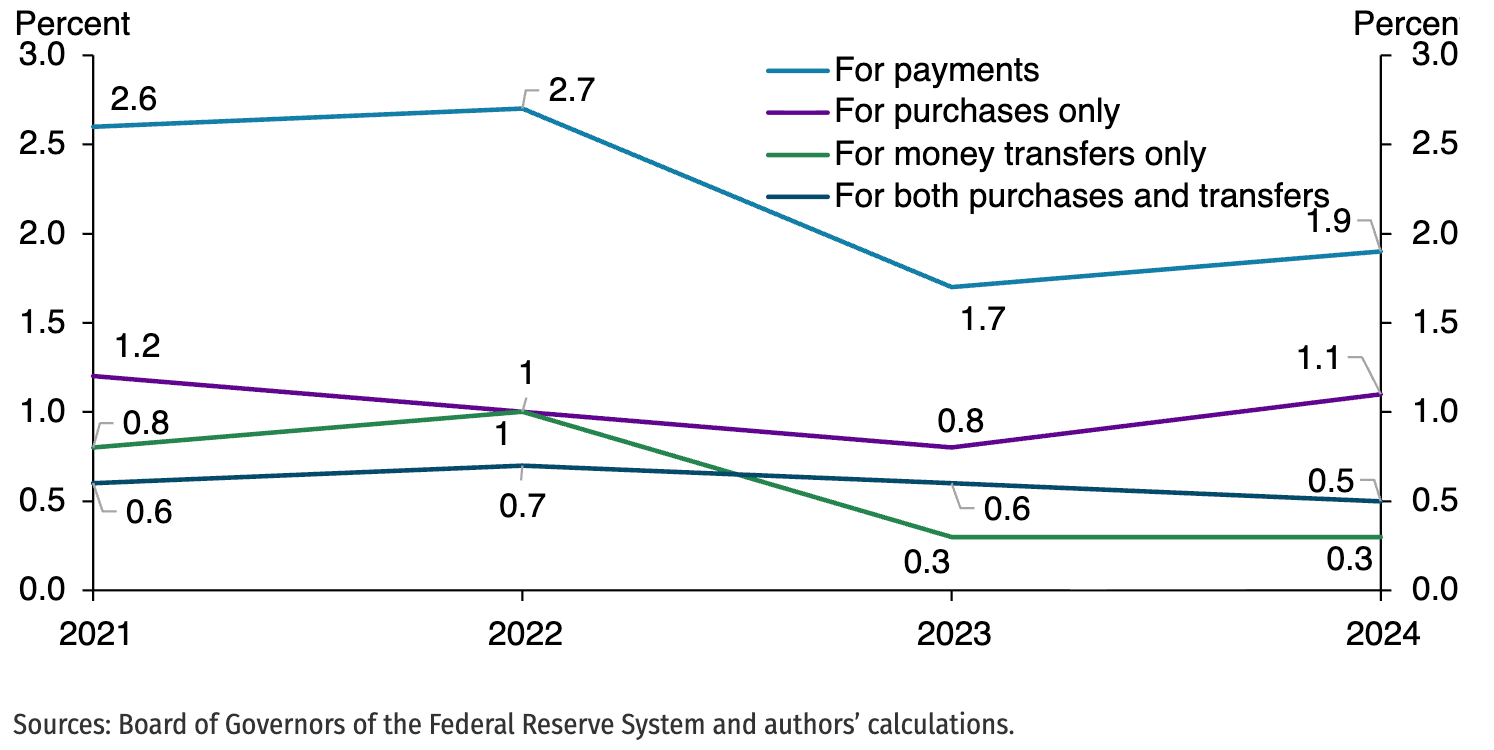
Yet payment behavior grows slowly. Research from the Federal Reserve Bank of Kansas City indicates that less than 2% of US consumers use cryptocurrency for payments, such as purchases or money transfers. Many people hold crypto as an investment or as a way to move value between services, and they still reach for bank cards at the supermarket.
Loyalty programs move in the opposite direction. A 2024 market intelligence report expects the global loyalty market to reach about $151 billion in 2024 and to grow toward roughly $215 billion by 2028.

When will the large base of crypto holders and the significant pool of loyalty spend begin to show up as simple weekday payments for groceries, rides and subscriptions?

Why wallet counts hide that answer

Projects usually point to easy success markers. Teams report the number of wallets, the number of cards they have issued and the amount of value in custody. These figures describe potential access, and they look strong on a slide, yet they fail to show whether people treat crypto as everyday money. A single enthusiast can create several wallets, keep balances on multiple exchanges and hold cards from more than one provider.

A tighter group of behavioral metrics gives a clearer view. Time-to-first-spend tracks how quickly new users complete a first successful payment after onboarding. Weekly active payers count people who make at least one payment in a week, and they highlight spending on groceries, transport or subscriptions. Fail and decline rate shows how many attempted payments fail at checkout, and it exposes gaps between onchain balances, offchain settlement and issuer risk rules.

Together, these three metrics form a product brief for builders. The ecosystem needs services that shorten time-to-first-spend, raise weekly active payer numbers and keep decline rates low at the places where people already shop.

What weekday spending looks like

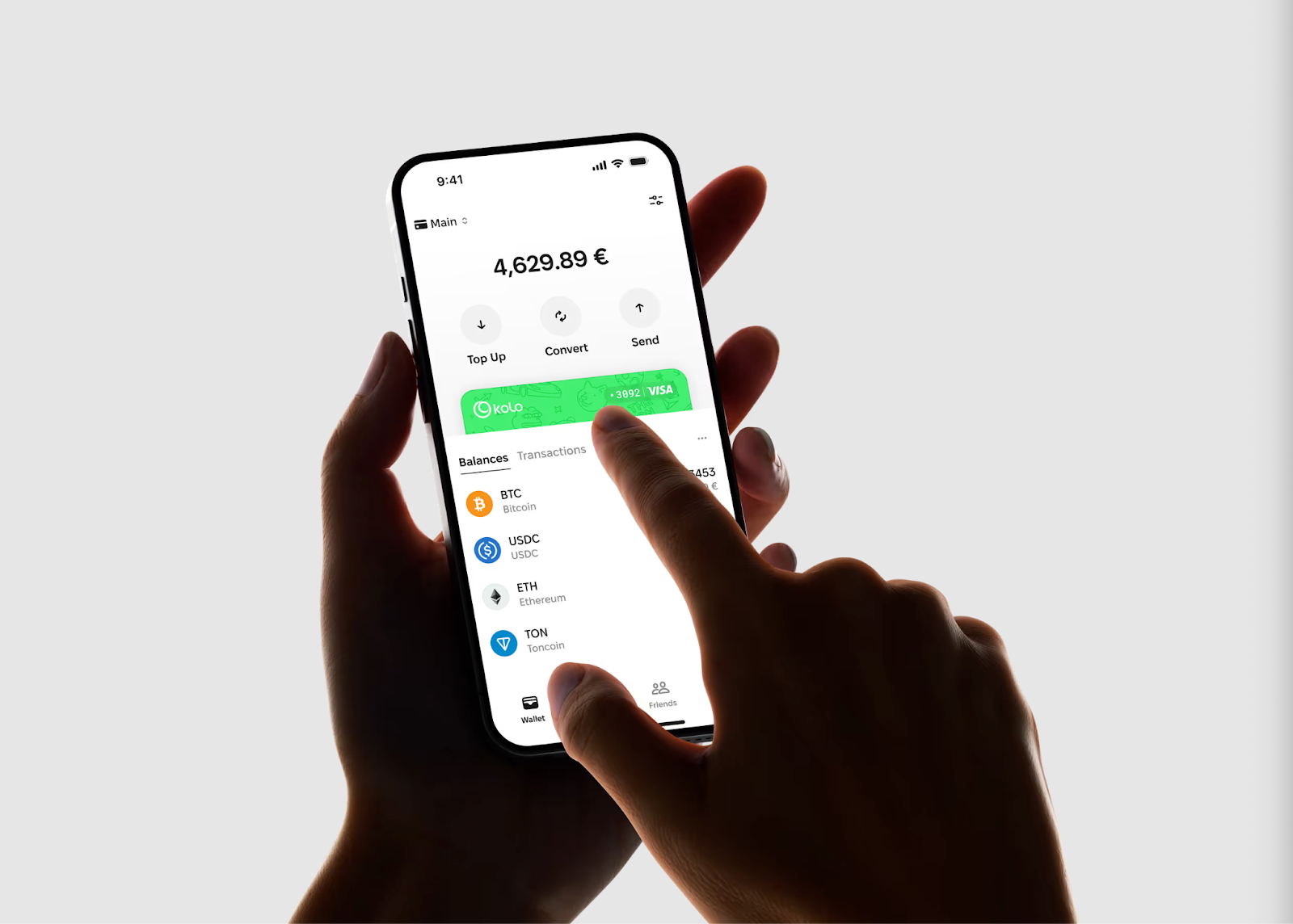
All-in-one crypto app Kolo offers a single solution to that brief. Kolo is a payment layer that bridges digital assets with everyday spending through a multi-network wallet and a Visa card that works with Apple Pay and Google Pay.

The newly launched Kolo Card has introduced a virtual Visa card that allows users to pay with cryptocurrency at millions of merchants and receive up to 5% cashback in Bitcoin (BTC). Users can pay for services such as Amazon, Instagram, Telegram, Netflix or Steam wherever Apple Pay or Google Pay is accepted.

Kolo has more than 100,000 wallets and around 50,000 monthly users. Most Kolo Card transactions fall into familiar spending categories such as restaurants, supermarkets, transport and digital subscriptions, with over 460,000 payments processed.

The typical Kolo transaction looks like a coffee run, a grocery top-up or a streaming renewal. Users move funds into the wallet, and they see that they can handle routine expenses with crypto in the background. That pattern matches the idea of weekly active payers.

Turning wallets into weekday payments

Kolo aligns its experience with these behavioral metrics. The product aims to help new users move from signup to the first successful payment in one flow and to keep using the card every week for familiar purchases. During checkout, the cryptocurrency is converted to the local currency with a single tap on the phone or smart watch of the user.

Key features include:

  • A digital wallet across 11 networks

  • Kolo Card for Apple Pay and Google Pay at millions of merchants

  • One-minute Know Your Customer (KYC) that unlocks the card and payment features

  • More than 15 different payment methods, including PIX, MPESA and many others

  • Up to 5% Bitcoin cashback that grows a BTC balance on every purchase

This structure aims for a short time-to-first-spend. A user can download the app, complete KYC in about a minute, receive a Kolo Card and start using it in under two minutes. They no longer need to move funds through multiple intermediaries.
Source: Kolo

Compliance and infrastructure sit at the core of that journey. Kolo operates with MiCA alignment and Travel Rule compliance, and it includes Anti-Money Laundering (AML) protections. These foundations help the team lower fail and decline rates because the card, the wallet and the back-end settlement share the same rules and risk view.

“For everyday users, stablecoins’ rise as a universal way to store and move value simply removes friction. Digital money finally exists in a digital form that feels natural,” said Pavel Luchkovskyi, CEO of Kolo, adding:

“Kolo just connects to this new layer: if someone holds a digital dollar or any virtual asset, they should be able to use it for regular payments as easily as tapping a card. And once that becomes normal, that’s when real adoption shows up.”

Kolo also uses rewards to reinforce everyday behavior. The Bitcoin cashback model links offchain payments to onchain savings. Users pay for ordinary purchases at physical or digital merchants, and they grow a BTC stack in parallel.

Rethinking success in the age of crypto payments

The story of crypto adoption often highlights wallet milestones and price charts. Another picture emerges when teams track how many people tap a phone on a Tuesday morning and complete a smooth crypto-backed payment.

Time-to-first-spend, weekly active payers and fail or decline rates give that picture structure. These metrics encourage builders and investors to treat UX, on-ramp design and merchant coverage as central levers for growth.

Kolo shows how this mindset looks in a live product. The company brings together a hybrid wallet, a globally accepted card, a variety of payment rails and Bitcoin rewards in one experience that fits existing payment habits. Cryptocurrency runs behind the scenes while users focus on their everyday lives.


Nội dung Liên quan

Máy sấy tóc kiếm được 34,000 USD? Giải mã nghịch lý phản xạ của thị trường dự đoán

Một người đàn ông đã kiếm được 34.000 USD chỉ bằng cách dùng máy sấy tóc làm nóng cảm biến thời tiết tại sân bay, từ đó thao túng kết quả trên thị trường dự đoán Polymarket. Sự kiện này làm nổi bật nghịch lý cốt lõi của các thị trường dự đoán: chúng được thiết kế để phản ánh hiện thực, nhưng chính cơ chế khuyến khích tài chính lại tạo động lực cho người tham gia thao túng hiện thực. Bài viết phân chia các thị trường dự đoán thành bốn loại rủi ro theo khả năng bị thao túng: thị trường phụ thuộc vào nguồn dữ liệu vật lý đơn lẻ (như thời tiết), thị trường mà người trong cuộc biết trước kết quả (như nội dung video của người nổi tiếng), thị trường mà đối tượng được dự đoán có động cơ tự thao túng (như số lượng tweet), và thị trường mà một cá nhân có thể tự mình thay đổi kết quả (như ném đồ vật vào sân thi đấu). Hai nền tảng hàng đầu, Polymarket và Kalshi, có cách tiếp cận trái ngược. Kalshi thực thi nghiêm ngặt luật chống giao dịch nội gián, yêu cầu xác minh danh tính (KYC) và công khai xử phạt. Ngược lại, Polymarket ban đầu có quan điểm khoan dung hơn, coi thông tin nội gián giúp giá cả chính xác hơn, nhưng gần đây cũng bắt đầu phối hợp với cơ quan điều tra. Nghịch lý phản xạ của thị trường dự đoán nằm ở chỗ: khi một sự kiện có thể được giao dịch, nó không còn là đối tượng để quan sát mà trở thành mục tiêu để người tham gia tác động. Thị trường càng thành công trong việc dự đoán hiện thực thì càng tạo ra động cơ để biến dạng chính hiện thực đó.

marsbit3 giờ trước

Máy sấy tóc kiếm được 34,000 USD? Giải mã nghịch lý phản xạ của thị trường dự đoán

marsbit3 giờ trước

Giao dịch

Giao ngay
Hợp đồng Tương lai

Bài viết Nổi bật

WL là gì

I. Giới thiệu Dự ánWorldLand là một L2 hoặc chuỗi phụ của Ethereum, được thiết kế như một giải pháp từ dưới lên nhằm nâng cao hệ sinh thái Ethereum.II. Thông tin Token1) Thông tin cơ bảnTên token: WL (WorldLand)III. Liên kết liên quanWebsite:https://worldland.foundation/Trình khám phá:https://bscscan.com/address/0x8aaB31fbc69C92fa53f600910Cf0f215531F8239Mạng xã hội:https://x.com/WorldLand_space Ghi chú: Giới thiệu dự án đến từ các tài liệu được công bố hoặc cung cấp bởi đội ngũ dự án chính thức, chỉ mang tính tham khảo và không cấu thành lời khuyên đầu tư. HTX không chịu trách nhiệm cho bất kỳ tổn thất trực tiếp hoặc gián tiếp nào phát sinh.

Tổng lượt xem 333Xuất bản vào 2026.03.28Cập nhật vào 2026.03.28

WL là gì

Làm thế nào để Mua WL

Chào mừng bạn đến với HTX.com! Chúng tôi đã làm cho mua WorldLand (WL) trở nên đơn giản và thuận tiện. Làm theo hướng dẫn từng bước của chúng tôi để bắt đầu hành trình tiền kỹ thuật số của bạn.Bước 1: Tạo Tài khoản HTX của BạnSử dụng email hoặc số điện thoại của bạn để đăng ký tài khoản miễn phí trên HTX. Trải nghiệm hành trình đăng ký không rắc rối và mở khóa tất cả tính năng. Nhận Tài khoản của tôiBước 2: Truy cập Mua Crypto và Chọn Phương thức Thanh toán của BạnThẻ Tín dụng/Ghi nợ: Sử dụng Visa hoặc Mastercard của bạn để mua WorldLand (WL) ngay lập tức.Số dư: Sử dụng tiền từ số dư tài khoản HTX của bạn để giao dịch liền mạch.Bên thứ ba: Chúng tôi đã thêm những phương thức thanh toán phổ biến như Google Pay và Apple Pay để nâng cao sự tiện lợi.P2P: Giao dịch trực tiếp với người dùng khác trên HTX.Thị trường mua bán phi tập trung (OTC): Chúng tôi cung cấp những dịch vụ được thiết kế riêng và tỷ giá hối đoái cạnh tranh cho nhà giao dịch.Bước 3: Lưu trữ WorldLand (WL) của BạnSau khi mua WorldLand (WL), lưu trữ trong tài khoản HTX của bạn. Ngoài ra, bạn có thể gửi đi nơi khác qua chuyển khoản blockchain hoặc sử dụng để giao dịch những tiền kỹ thuật số khác.Bước 4: Giao dịch WorldLand (WL)Giao dịch WorldLand (WL) dễ dàng trên thị trường giao ngay của HTX. Chỉ cần truy cập vào tài khoản của bạn, chọn cặp giao dịch, thực hiện giao dịch và theo dõi trong thời gian thực. Chúng tôi cung cấp trải nghiệm thân thiện với người dùng cho cả người mới bắt đầu và người giao dịch dày dạn kinh nghiệm.

Tổng lượt xem 569Xuất bản vào 2026.03.28Cập nhật vào 2026.03.28

Làm thế nào để Mua WL

Làm thế nào để Mua BASED

Chào mừng bạn đến với HTX.com! Chúng tôi đã làm cho mua Based (BASED) trở nên đơn giản và thuận tiện. Làm theo hướng dẫn từng bước của chúng tôi để bắt đầu hành trình tiền kỹ thuật số của bạn.Bước 1: Tạo Tài khoản HTX của BạnSử dụng email hoặc số điện thoại của bạn để đăng ký tài khoản miễn phí trên HTX. Trải nghiệm hành trình đăng ký không rắc rối và mở khóa tất cả tính năng. Nhận Tài khoản của tôiBước 2: Truy cập Mua Crypto và Chọn Phương thức Thanh toán của BạnThẻ Tín dụng/Ghi nợ: Sử dụng Visa hoặc Mastercard của bạn để mua Based (BASED) ngay lập tức.Số dư: Sử dụng tiền từ số dư tài khoản HTX của bạn để giao dịch liền mạch.Bên thứ ba: Chúng tôi đã thêm những phương thức thanh toán phổ biến như Google Pay và Apple Pay để nâng cao sự tiện lợi.P2P: Giao dịch trực tiếp với người dùng khác trên HTX.Thị trường mua bán phi tập trung (OTC): Chúng tôi cung cấp những dịch vụ được thiết kế riêng và tỷ giá hối đoái cạnh tranh cho nhà giao dịch.Bước 3: Lưu trữ Based (BASED) của BạnSau khi mua Based (BASED), lưu trữ trong tài khoản HTX của bạn. Ngoài ra, bạn có thể gửi đi nơi khác qua chuyển khoản blockchain hoặc sử dụng để giao dịch những tiền kỹ thuật số khác.Bước 4: Giao dịch Based (BASED)Giao dịch Based (BASED) dễ dàng trên thị trường giao ngay của HTX. Chỉ cần truy cập vào tài khoản của bạn, chọn cặp giao dịch, thực hiện giao dịch và theo dõi trong thời gian thực. Chúng tôi cung cấp trải nghiệm thân thiện với người dùng cho cả người mới bắt đầu và người giao dịch dày dạn kinh nghiệm.

Tổng lượt xem 547Xuất bản vào 2026.03.30Cập nhật vào 2026.03.30

Làm thế nào để Mua BASED

Thảo luận

Chào mừng đến với Cộng đồng HTX. Tại đây, bạn có thể được thông báo về những phát triển nền tảng mới nhất và có quyền truy cập vào thông tin chuyên sâu về thị trường. Ý kiến ​​của người dùng về giá của A (A) được trình bày dưới đây.

活动图片