Tether's Acquisition of Juventus: The European Class Struggle Behind It

比推Xuất bản vào 2025-12-15Cập nhật gần nhất vào 2025-12-15

Tóm tắt

Tether, the world's largest stablecoin issuer, has made a cash offer to acquire a controlling 65.4% stake in the historic Italian football club Juventus from the Exor Group, controlled by the Agnelli family. The offer, representing a 20.74% premium, was swiftly rejected. Tether's CEO, Italian-born Paolo Ardoino, a lifelong Juventus supporter, sees this as an attempt to save his childhood club, which is mired in financial crisis following years of losses and a major accounting scandal. However, the old-money Agnelli family, which has owned the club for over a century, views the offer from the crypto giant with suspicion and as a threat to its legacy and traditional industrial prestige. The clash represents a broader cultural and economic conflict between established European "old money" and the emerging wealth of the "new money" crypto industry. Despite the club's financial struggles, Exor has so far refused to sell, prioritizing heritage and control over a significant capital injection.

Author: Sleepy.txt

Original Title: Crypto Printing Press Wants to Buy Juventus: The Offensive and Defensive Battle Between Europe's Old and New Money


Tether, the world's largest stablecoin giant, is preparing to buy Italy's most iconic football powerhouse, Juventus.

On December 12, Tether submitted a takeover offer to the Italian Stock Exchange, proposing to acquire the 65.4% stake in Juventus held by the Exor Group at a price of 2.66 euros per share, a 20.74% premium over the market price. If the deal is successful, Tether will also inject an additional 1 billion euros into the club.

This is an all-cash offer. No bets, no conditions, just a simple "cash on delivery." In the world of capital, this is the most brutal form of sincerity, and Tether gave the Exor Group only 10-day window to consider.

However, the Exor Group, controlled by the Agnelli family, quickly issued a statement: "There are currently no negotiations regarding the sale of Juventus shares."

The implication is clear: Not for sale.

Within 24 hours, renowned Italian journalist Eleonora Trotta reported that Tether was preparing to double its offer, directly valuing Juventus at 2 billion euros.

At the center of the storm is a man named Paolo Ardoino.

In 1984, Paolo was born in an ordinary small town in Italy. His parents were civil servants, and his grandparents tended a traditional olive grove. It was a typical Italian childhood; the black-and-white striped jerseys, the cheers at the Allianz Stadium in Turin, and the glory of the Agnelli family formed the spiritual totems of his growing memories.
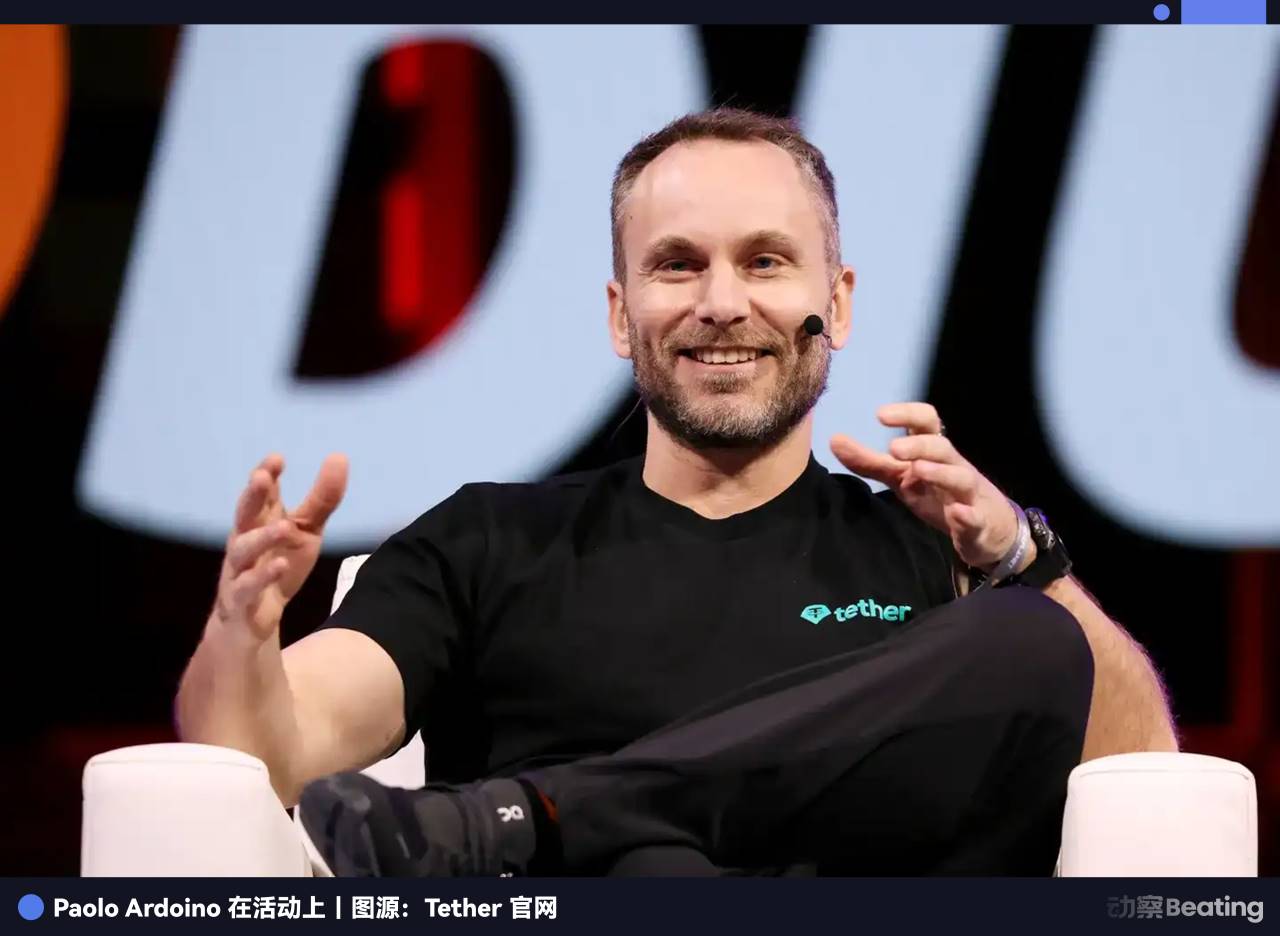
Thirty-two years later, the boy from under the olive trees grew into the Caesar of the cryptocurrency world, managing Tether, a super printing press with an annual profit of $13 billion. Now he has returned home in glory, trying to buy the dream of his childhood and give back to the black-and-white faith flowing in his blood.

But reality taught sentimentality a lesson.

When Paolo enthusiastically knocked on the door of Juventus, he was greeted not with flowers or applause. What awaited him was nine months of exclusion and humiliation from the old world.

The 9 Months of Exclusion

The honeymoon period began in a way that was almost like unrequited love.

In February 2025, Tether announced it had acquired an 8.2% stake in Juventus, becoming the second-largest shareholder after the Exor Group. In the official statement, Paolo shed his business acumen and rarely showed his soft side: "For me, Juventus has always been a part of my life."

Paolo thought it was a mutually beneficial deal: I have money, you need money, let's make a deal. However, in Italy, some doors cannot be opened with money alone.

Two months later, Juventus announced a capital increase plan of up to 110 million euros. At this critical moment when blood transfusion was urgently needed, Paolo, as the second-largest shareholder, was deliberately "forgotten." No phone calls, no emails, not a word of explanation. The Exor Group didn't even bother to send him a consolation prize.

Paolo typed a message full of grievance on social media: "We hoped to increase our stake in Juventus through a possible capital increase by the club, but this wish was ignored."

Paolo had probably never felt so wronged in his life. A financial titan managing an annual profit of $13 billion had to use social media to "remind" Juventus: I want to participate in the capital increase, I want to invest more, but I'm being ignored.

Some sympathized with Paolo, believing he was a true Juventus fan; others questioned his motives, thinking he just wanted to use Juventus to whitewash Tether's image.

Whether the outside world sympathized or doubted, in the eyes of the Agnelli family, Paolo was still an "outsider." The relationship between the two sides was not one of cooperation from the beginning but of "defense."

Since sentimentality couldn't buy respect, he would use money instead.

From April to October, Tether increased its stake from 8.2% to 10.7% through the open market. According to Italian law, a stake exceeding 10% grants the right to nominate board members.

On November 7, Turin, Juventus Annual General Meeting. The atmosphere became treacherous due to Tether's disruption.
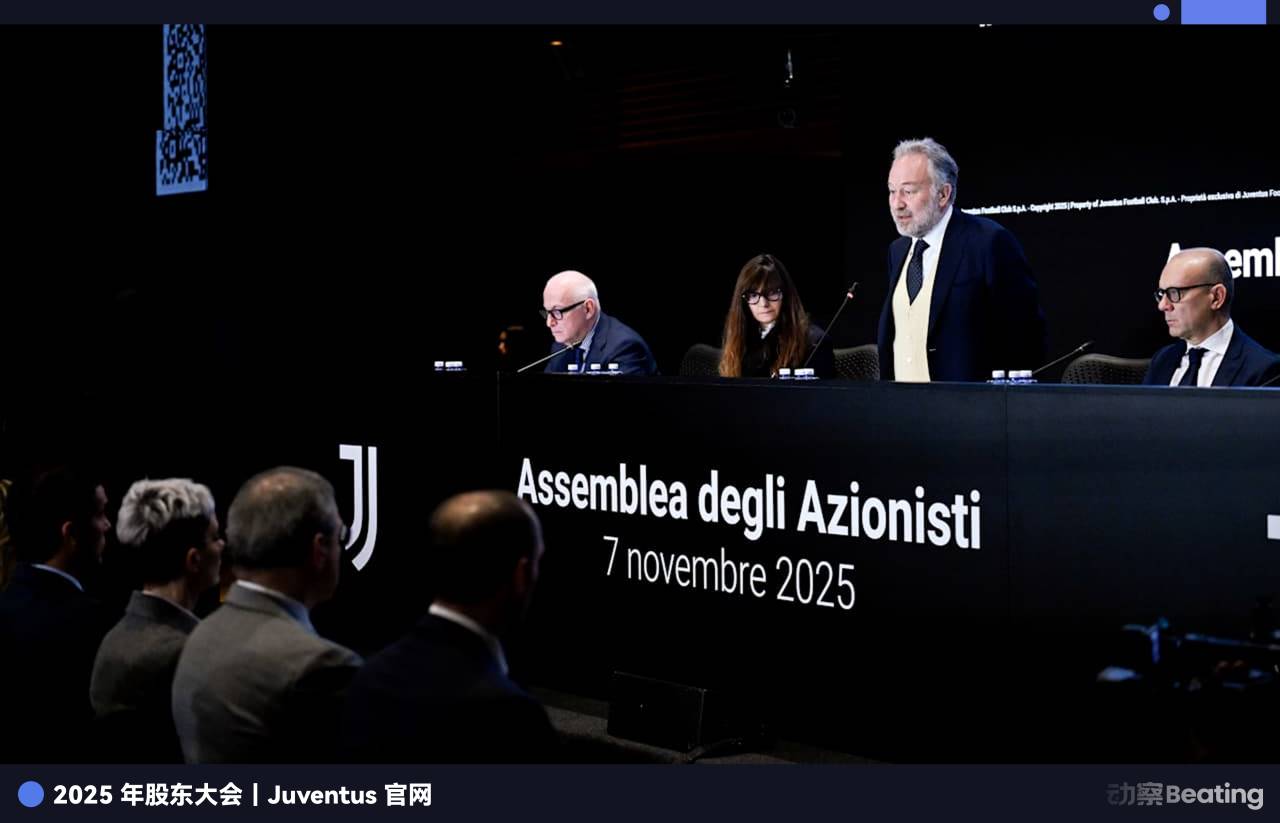
Tether nominated Francesco Garino as a board candidate. He is a well-known local doctor from Turin and a lifelong Juventus fan. Paolo tried to tell everyone: We are not barbarians; we are sons of Turin, bound by blood.

The shrewd Exor Group counterattacked with a trump card: Giorgio Chiellini. This legendary captain, who played for Juventus for 17 years and won 9 Serie A titles, was pushed to the forefront.

This was Exor's strategy: use a club legend to fight capital, use sentiment to fight money.

In the end, Tether barely won a seat on the board. But in a board where the Agnelli family holds absolute control, one seat means you can listen, you can suggest, but you cannot touch the steering wheel.

John Elkann, the fifth-generation leader of the Agnelli family, concluded: "We are proud to have been shareholders of Juventus for over a century. We have no intention of selling our shares, but we are open to constructive ideas from all stakeholders."

To put it more bluntly: This is not just business; this is our family's territory. You can come in for tea, but don't expect to be the master here.

The Arrogance and Prejudice of Old Money

John's words carry the weight of 102 years of family pride and arrogance.

On July 24, 1923, 31-year-old Edoardo Agnelli took up the mantle of President of Juventus. From that day on, the fate of the Agnelli family and Juventus were tightly bound together. The family's Fiat auto empire was, for most of the 20th century, Italy's largest private enterprise, employing countless workers and supporting millions of families.

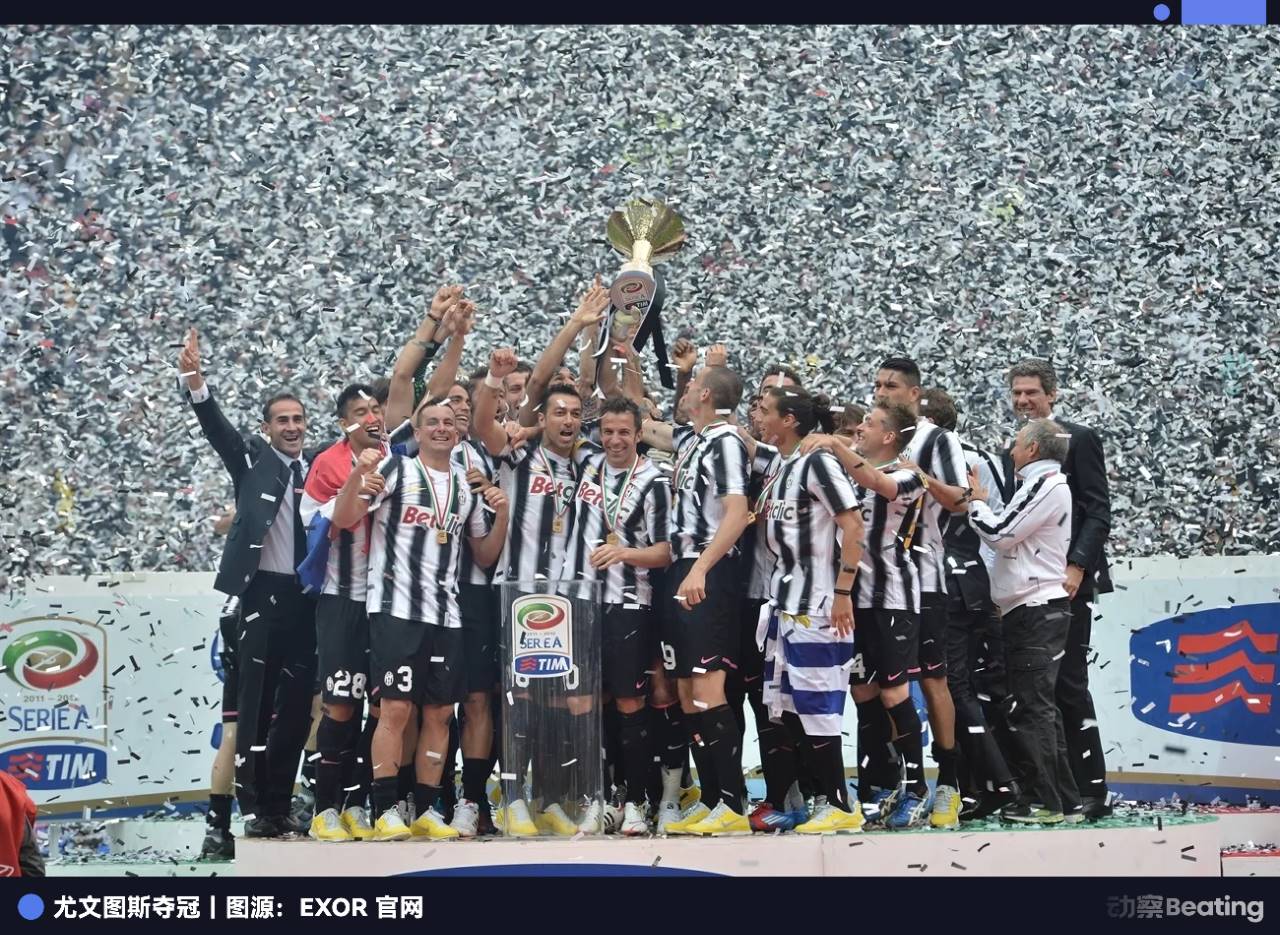
And Juventus is another symbol of this family's power. With 36 Serie A titles, 2 Champions League titles, and 14 Coppa Italia titles, Juventus is the most successful club in Italian football history and a source of national pride for Italians.
However, the history of the Agnelli family's inheritance is filled with bloodshed and fractures.

In 2000, Agnelli family heir Edoardo Agnelli jumped from a viaduct, ending his battle with depression. Three years later, family patriarch Gianni Agnelli passed away. The baton of power had to be passed to his grandson, John Elkann.

John was born in New York and grew up in Paris. He speaks English, French, and Italian, but his Italian has a noticeable foreign accent. In the eyes of many old-school Italians, he is just a proxy who gained power through bloodline.

It took John a full 20 years to prove himself worthy of the Agnelli name.

He restructured Fiat, swallowed Chrysler, and created Stellantis, the world's fourth-largest automotive group; he took Ferrari to the capital markets, doubling its market value; he bought The Economist, extending the Agnelli family's influence from Italy to the globe.

Unfortunately, the cracks within the family are becoming public. In September 2025, John Elkann's mother, Margherita, submitted a "will" from 1998 to the Turin court, claiming that the inheritance left to her by her father, Gianni, had been misappropriated by John. Mother and son faced off in court, a huge scandal in Italy, where family honor is highly valued.
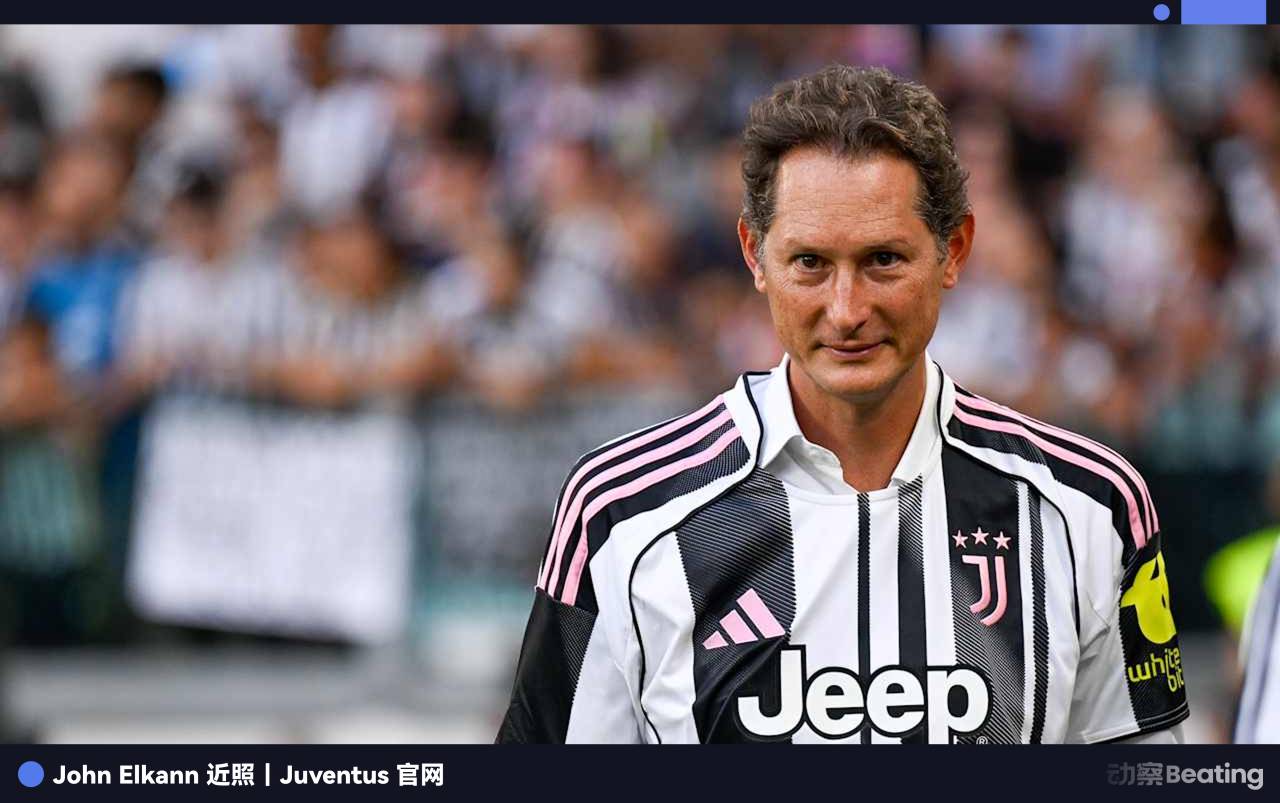
In this context, selling Juventus would be equivalent to admitting the end of the family's glory, admitting that he is inferior to his ancestors.

To keep Juventus, John is frantically selling off other family assets.

Just days before Tether made its offer, the Exor Group was busy selling its GEDI media group to the Greek media group Antenna Group for 140 million euros. GEDI owns two major media outlets, La Repubblica and La Stampa, whose status in Italy is no less than that of Juventus in Italian football.

The news caused an uproar in Italy. The Italian government even invoked the "Golden Power" law, requiring Exor to protect jobs and editorial independence during the sale.

Newspapers losing money are liabilities and must be cut; Juventus losing money is a totem and must be kept.

This choice exposes the plight of the old aristocracy. They can no longer maintain their former empire and can only strive to retain the one that best represents the family's glory.

Therefore, despite Paolo's offer carrying a high 20% market premium, John Elkann still sees it as a threat.

In the value system of European old money, the quality of wealth has a hierarchy.

Every penny of the Agnelli family is steeped in the smell of engine oil. It is an industrial monument forged from steel, rubber, the roar of engines, and the sweat of millions of workers. This kind of wealth is visible and tangible; it represents order, control, and a social contract spanning a century.

Paolo's money, however, comes from cryptocurrency, from an industry that has grown wildly and controversially over the past decade.

Precedents are still fresh.

Just a few years ago, the blockchain company DigitalBit signed sponsorship deals worth 85 million euros with two Serie A giants, Inter Milan and Roma. But DigitalBits defaulted on its payments due to a broken capital chain, forcing both clubs to terminate the contracts, leaving a mess behind.

Not to mention the chain of collapses in the cryptocurrency industry in 2022. Back then, Luna's logo was plastered on the Washington Nationals' stadium, and FTX's name still adorned the Miami Heat's arena. In the eyes of the Agnelli family, the cryptocurrency industry is full of speculation and bubbles.

In the Agnelli family's eyes, Paolo will always be an "outsider." Not because of his origins, but because of his money.

A Totem in Need of Saving

But the problem is, Juventus really needs money.

Today's Juventus is deeply mired in trouble, all stemming from July 10, 2018, when Juventus announced the signing of 33-year-old Cristiano Ronaldo. A 100 million euro transfer fee, a net annual salary of 30 million euros, for a four-year contract.
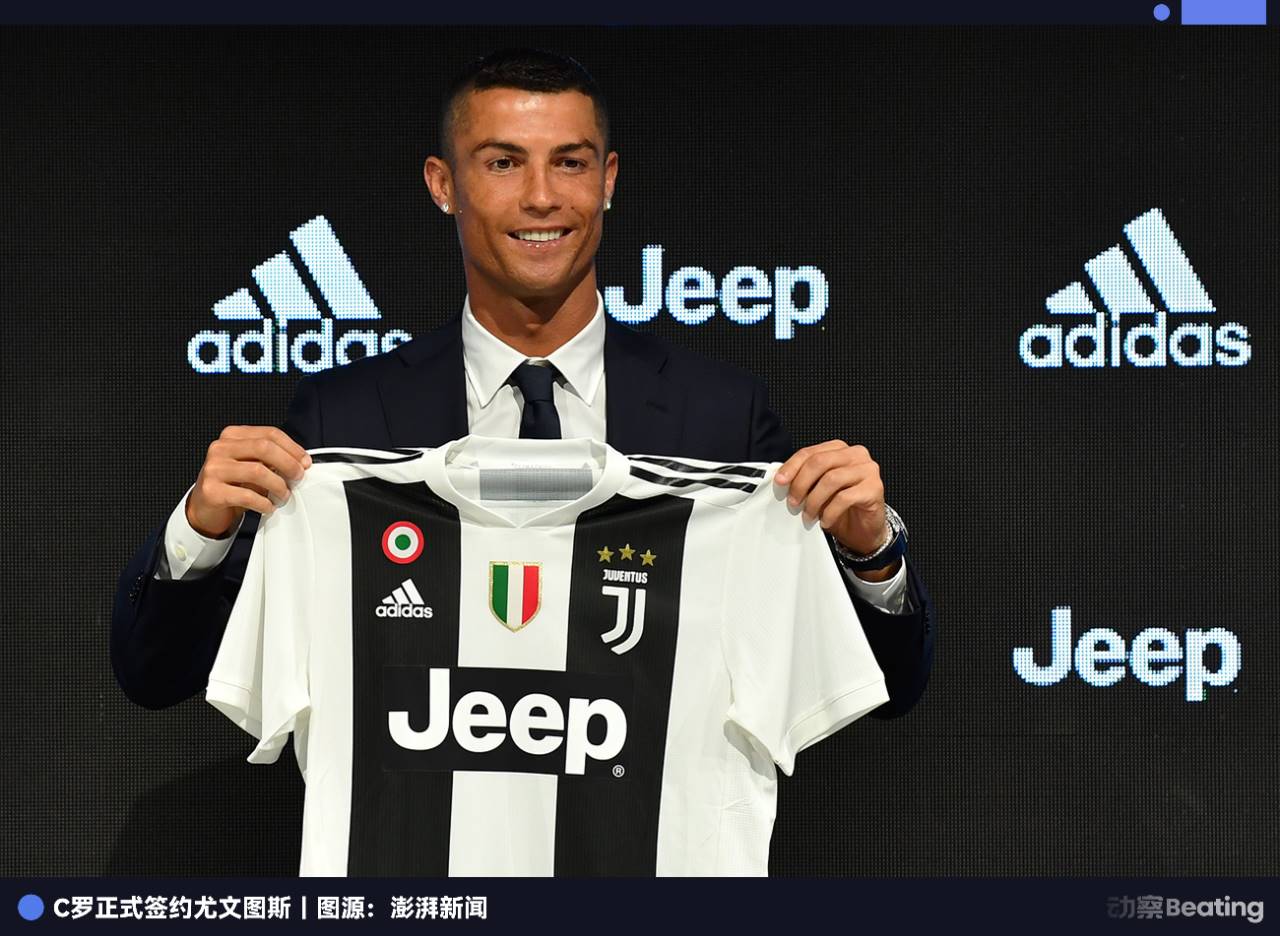
This was the largest transfer in Serie A history and the highest salary in Serie A history. Then-Juventus President Andrea Agnelli, the fourth-generation leader of the Agnelli family, said excitedly at the shareholders' meeting: "This is the most important signing in Juventus history. We will win the Champions League with Ronaldo."

The city of Turin was ecstatic. Fans flocked to the Juventus store to buy jerseys with Ronaldo's name. In just 24 hours after the signing, the club sold over 520,000 jerseys, setting a record in football history. Everyone believed Ronaldo would lead Juventus to the top of Europe.

But Juventus did not win the Champions League. In 2019, they were eliminated by Ajax; in 2020, by Lyon; in 2021, by Porto. In August 2021, Ronaldo suddenly left the team and moved to Manchester United. Juventus not only failed to recoup their investment but fell into deeper financial quagmire.

Accountants later calculated the total cost: including transfer fees, salaries, and taxes, signing Ronaldo cost a total of 340 million euros. In his three years at Juventus, he scored 101 goals, with each goal costing an average of 2.8 million euros.

For a club of Juventus's size, the Champions League is not just an honor; it's a cash flow switch: broadcasting revenue, matchday income, bonus clauses in sponsorship deals—many are tied to the Champions League. Once they lose the Champions League, the books immediately thin, and the team is forced to use accounting methods to fill the gap.

Juventus sold Miralem Pjanić to Spanish giants Barcelona for 60 million euros while buying Arthur from Barcelona for 72 million euros. Both transactions were officially claimed to be unrelated, but everyone knew it was a carefully designed swap. Juventus only needed to pay a 12 million euro cash difference but could record tens of millions of euros in "capital gains" on the books.

This kind of accounting is not uncommon in football, but Juventus overdid it.

The prosecutor's investigation found that over three years, the club had inflated profits by 282 million euros through 42 similar suspicious transactions. After the scandal was exposed, the entire board, including President Andrea Agnelli, resigned collectively.

What followed were punishments for the team: deducted league points, exclusion from the Champions League, long-term bans for executives. This led to an even more terrible vicious cycle: poor team performance led to sharp revenue declines, which led to an inability to sign new talent, which led to worse performance.

Starting with a loss of 39.6 million euros in the 2018-19 season, Juventus's financial situation continued to deteriorate. By the 2022-23 season, the loss had reached 123.7 million euros. From the peak of nine consecutive Serie A titles to years of huge losses, in November 2025, the Exor Group had to inject nearly 100 million euros into Juventus again.

This was the third time in two years that the Exor Group had to bail out Juventus. The Exor Group also owns assets such as Ferrari, the Stellantis automotive group, and The Economist magazine. Juventus's continuous losses are eroding the group's overall profits. In the 2024 financial report, the Exor Group's net profit fell by 12%. Analysts pointed out that Juventus has become a drag on the group's performance.

John Elkann is in a dilemma, unsure how to decide.

And Paolo, with his $13 billion in annual profits, is knocking on the door. He has money, he has patience, he has love for Juventus.

This should have been a perfect deal, if not for the mountain called "class" standing in between.

The Dream Under the Olive Trees

Paolo's knocking received no response, so he made his choice.

On December 12, Paolo bypassed all private roundtable discussions and made the offer public directly through the Italian Stock Exchange. Paolo backed John Elkann into a corner, forcing him to answer this question in front of all of Italy: Do you want money, or do you want family face?

The news caused Juventus's stock price to soar, as the market expressed its desire for "new money." Both La Gazzetta dello Sport and Tuttosport reported it on their front pages. The entire Apennine Peninsula is waiting for the Agnelli family's decision.

The Agnelli family's refusal was expected, yet unreasonable.

Expected, because the Agnelli family's pride does not allow them to bow to new money. Unreasonable, because given their current financial situation, rejecting such a huge sum requires an almost tragic stubbornness.

For Paolo, he wants to use the money he earned to save the idol of his childhood. Companies ultimately have a nationality. Although Tether is a digitally nomadic enterprise with global operations, its CEO is Italian, and its heart is in Italy.

From the Agnelli family's perspective, what they are guarding is not just a club but 102 years of family glory and a symbol of Italy's industrial era.

This is no longer a game of business logic; it is a collision of two beliefs.

In John Elkann's eyes, that bronze door must remain closed because outside stands a speculator trying to whitewash his identity; but in Paolo's eyes, that door should be opened because outside stands a child of Italian blood who can save this team.

However, the times are not on the side of the old aristocracy.
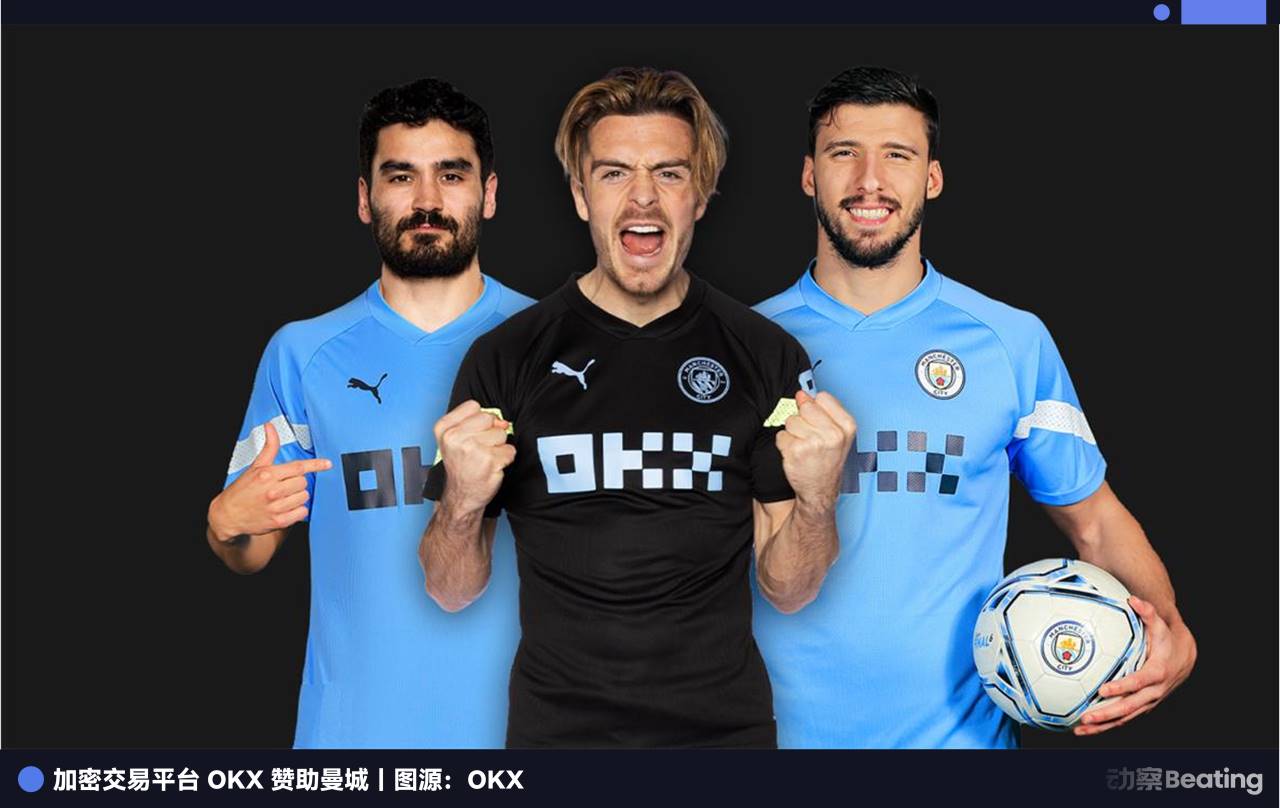
In the same week that Exor rejected Tether, Premier League champions Manchester City announced a renewal of their partnership with the crypto trading platform OKX, with the chest advertisement worth over 100 million. European giants like Paris Saint-Germain, Barcelona, and AC Milan have already established deep cooperation with crypto companies. In Asia, South Korea's K League and Japan's J League have also begun accepting cryptocurrency sponsorships.

New money entering traditional industries controlled by old money is no longer a question of "if" but "in what way." Football is just one battlefield. In the art auction field, Sotheby's and Christie's have begun accepting cryptocurrency payments; in real estate, luxury home transactions in cities like Dubai and Miami can already be completed with Bitcoin. Similar conflicts are playing out all over the world.

Paolo's charge, whether successful or not, is testing the boundaries of this era: When a generation creates huge wealth in new ways, do they deserve a seat at the old world's table controlled by old money?

At the end of the story, the picture freezes on that olive grove in the suburbs.

Thirty-two years ago, a dark-haired boy sat there, accompanied by the sounds of his grandparents working, cheering at the black-and-white figures on the TV. He would never have imagined that one day he would stand outside that door, waiting for an answer.

That tightly closed bronze door remains cold and majestic. Behind it lies a century of Agnelli family glory and the last afterglow of the old industrial era.

It has not opened for new money now, but this time, the person knocking will not back down. Because he knows that pushing this door open is only a matter of time.


Twitter:https://twitter.com/BitpushNewsCN

Bitpush TG Discussion Group:https://t.me/BitPushCommunity

Bitpush TG Subscription: https://t.me/bitpush

Original link:https://www.bitpush.news/articles/7595816

Tiền kỹ thuật số thịnh hành

Câu hỏi Liên quan

QWhat is the main reason behind the Agnelli family's resistance to Tether's acquisition of Juventus?

AThe Agnelli family views Juventus as a century-old symbol of their industrial legacy and family honor, and they are reluctant to sell to a cryptocurrency company, which they perceive as 'new money' with a controversial and speculative background, threatening their traditional values and control.

QHow did Tether initially attempt to increase its stake in Juventus before the public takeover bid?

ATether first acquired 8.2% of Juventus shares in February 2025, becoming the second-largest shareholder. They then increased their stake to 10.7% through open market purchases from April to October 2025, which allowed them to nominate a board member under Italian law.

QWhat financial challenges is Juventus currently facing that make Tether's offer attractive?

AJuventus is struggling with massive financial losses, reaching €123.7 million in the 2022-23 season, due to failed investments like the signing of Cristiano Ronaldo, accounting scandals, penalties from authorities, and exclusion from Champions League revenue, forcing Exor to repeatedly inject capital.

QWho is Paolo Ardoino and what is his personal connection to Juventus?

APaolo Ardoino is the CEO of Tether, born in Italy, and a lifelong Juventus fan. He grew up idolizing the club and sees the acquisition as a way to save his childhood team, reflecting a personal passion beyond business interests.

QWhat broader trend does the Tether-Juventus situation represent in global business?

AIt symbolizes the clash between 'old money' from traditional industries and 'new money' from disruptive sectors like cryptocurrency, testing whether wealth generated through new avenues can gain acceptance in established, legacy-controlled industries such as sports, real estate, and art.

Nội dung Liên quan

Làm thế nào để khiến bản thân trở nên không thể bị thay thế bởi trí tuệ nhân tạo

**Tóm tắt: Làm thế nào để trở nên không thể bị thay thế bởi AI** Bài viết phản đối việc than vãn về AI và thay vào đó đề xuất một giải pháp căn cơ: trở thành một "siêu cá nhân" không thể bị thuê mướn. Mối đe dọa thực sự không phải là AI, mà là tình trạng "nô lệ lương thưởng" – phụ thuộc hoàn toàn vào người khác để sinh tồn, làm công việc nhàm chán mà không có mục đích. Để thoát khỏi vòng luẩn quẩn này và phát triển mạnh trong kỷ nguyên AI, bạn cần trau dồi 5 yếu tố then chốt: 1. **Tính tự chủ:** Khả năng hành động mà không cần chờ chỉ thị. 2. **Khiếu thẩm mỹ:** Khả năng nhận biết điều gì thực sự có giá trị. 3. **Khả năng thuyết phục:** Thu hút sự chú ý và sự công nhận. 4. **Sự kiên trì:** Không sợ thất bại, xem đó là bài học. 5. **Khả năng lặp:** Điều chỉnh dựa trên phản hồi để tiến tới mục tiêu. Giải pháp là đầu tư vào sự nghiệp của chính mình. Trong khi AI giỏi tạo ra "tài sản" (nội dung, code), nó không thể thay thế được khả năng phân biệt thứ gì đáng để tạo ra, làm cho mọi người quan tâm và kiên trì theo đuổi. Trong hai kỹ năng đòn bẩy mạnh mẽ là **Code (Lập trình)** và **Media (Nội dung)**, bài viết nhấn mạnh **Nội dung** quan trọng hơn. Giá trị của nội dung là chủ quan và đòi hỏi sự am hiểu, trải nghiệm mà AI khó có được, tạo không gian cho các cá nhân sáng tạo thực sự. **Cách bắt đầu (Bài tập 15 phút):** 1. **Khai thác nguyên liệu thô của bạn:** Xác định chủ đề bạn am hiểu sâu, vấn đề bạn tự giải quyết được, hay sở thích đặc biệt từ nhỏ. 2. **Xác định "trục phản biện" của bạn:** Tìm ra quan điểm độc đáo của bạn – những điều bạn tin là đúng nhưng số đông lại sai trong lĩnh vực của mình. 3. **Xuất bản ý tưởng đầu tiên:** Kết hợp câu trả lời từ bước 1 và 2, tạo ra một nội dung (bài đăng, video) và đăng nó lên. Hành động này mang lại phản hồi thực tế, bắt đầu quá trình học hỏi, lặp lại và phát triển kỹ năng thuyết phục. Bằng cách xây dựng một sự nghiệp xoay quanh con người thật, trải nghiệm thật và góc nhìn độc đáo của mình thông qua nội dung, bạn có thể tạo ra giá trị mà AI không thể sao chép, từ đó trở nên không thể thay thế.

marsbit1 giờ trước

Làm thế nào để khiến bản thân trở nên không thể bị thay thế bởi trí tuệ nhân tạo

marsbit1 giờ trước

Nhờ việc tung xúc xắc, chìa khóa Bitcoin được lưu trữ offline, nhưng không phải ai cũng muốn làm điều này

Cảm biến từ cuộc tranh cãi gần đây xung quanh lỗ hổng trong ví phần cứng Coldcard, bài viết thảo luận về phương pháp tạo seed (cụm từ khôi phục) cho ví Bitcoin bằng cách xúc xắc vật lý. Mỗi lần xúc xắc công bằng cung cấp khoảng 2,6 bit entropy (thước đo tính ngẫu nhiên). Để đạt mức entropy an toàn cho một seed 12 từ (128 bit), cần khoảng 50 lần xúc xắc; Coldcard khuyến nghị 99 lần để đạt mức bảo mật cao hơn. Lợi thế chính của phương pháp này là tách biệt hoàn toàn với bất kỳ lỗi phần cứng hoặc phần mềm nào trong trình tạo số ngẫu nhiên của thiết bị, từ đó bảo vệ seed chính của ví. Tuy nhiên, bài viết cảnh báo rằng trong sự cố Coldcard, các chức năng phụ khác của thiết bị (như tạo ví giấy, khóa đa chữ ký, mật mã phiên USB) vẫn có thể bị ảnh hưởng nếu chúng dựa vào trình tạo số lỗi, ngay cả khi seed chính được tạo an toàn bằng xúc xắc. Nhược điểm lớn của việc dùng xúc xắc là quá trình thủ công, dễ xảy ra sai sót, tốn thời gian và không thực tế cho đa số người dùng mới. Người dùng có thể ghi chép sai, sử dụng xúc xắc gian lận, hoặc để lộ chuỗi kết quả. Do đó, mặc dù có nền tảng toán học vững chắc, phương pháp này đòi hỏi sự tỉ mỉ cao và không phải là giải pháp khả thi cho việc áp dụng Bitcoin rộng rãi. Bài viết kết luận rằng mục tiêu dài hạn vẫn là phát triển phần cứng/phần mềm tạo số ngẫu nhiên mạnh mẽ và đáng tin cậy, trong khi vẫn giữ phương pháp thủ công như một tùy chọn cho người dùng có kinh nghiệm. Cuối cùng, bài viết đưa ra khuyến nghị cho chủ sở hữu Coldcard: cập nhật firmware, kiểm tra các chức năng phụ đã sử dụng và xem xét các biện pháp bảo mật bổ sung như ví đa chữ ký kết hợp nhiều nhà sản xuất để giảm thiểu rủi ro từ một điểm yếu đơn lẻ.

cryptonews.ru4 giờ trước

Nhờ việc tung xúc xắc, chìa khóa Bitcoin được lưu trữ offline, nhưng không phải ai cũng muốn làm điều này

cryptonews.ru4 giờ trước

Michael Saylor tuyên bố, bản cập nhật Bitcoin mà ông phản đối đã không thể được thông qua!

Michael Saylor tuyên bố rằng về mặt toán học, BIP-110 không thể đạt ngưỡng hỗ trợ 55% từ các tình nguyện viên trong chu kỳ điều chỉnh độ khó khai thác Bitcoin hiện tại. Dữ liệu của ông cho thấy, trong tổng số 946 khối được tạo ra tính đến khối 960.561, chỉ 24 khối chứa tín hiệu ủng hộ BIP-110 trong trường phiên bản tiêu đề khối. Tất cả các tín hiệu này đều đến từ thợ đào DATUM chia sẻ phần thưởng thông qua nhóm khai thác OCEAN, và không có tín hiệu nào từ các thợ đào bên ngoài OCEAN. Saylor nhấn mạnh rằng trong tình huống này, BIP-110 sẽ không đạt được mức hỗ trợ tự nguyện 55% trong chu kỳ xem xét, và các tín hiệu hiện tại không thể được coi là sự đồng thuận chung của các thợ đào. BIP-110 là một đề xuất nhằm gây khó khăn cho việc thêm ảnh, văn bản hoặc các loại dữ liệu lớn khác vào mạng Bitcoin, ngoài giao dịch chuyển tiền. Người ủng hộ cho rằng Bitcoin chỉ nên được dùng để chuyển tiền và không nên làm tắc nghẽn mạng bằng dữ liệu không cần thiết. Tuy nhiên, Michael Saylor phản đối BIP-110. Ông lập luận rằng mạng Bitcoin không nên quyết định giao dịch nào là cần thiết, luật lệ không nên thay đổi theo ý muốn của một số ít người, và tỷ lệ hỗ trợ cao có thể không phản ánh đúng sự ủng hộ thực sự của thợ đào do một phần mềm tự động hóa quá trình báo hiệu.

cryptonews.ru5 giờ trước

Michael Saylor tuyên bố, bản cập nhật Bitcoin mà ông phản đối đã không thể được thông qua!

cryptonews.ru5 giờ trước

Số lượng bình luận tiêu cực về Bitcoin đạt mức cao nhất lịch sử: Điều này có nghĩa là gì?

Công ty phân tích tiền mã hóa Santiment thông báo rằng tình cảm tiêu cực đối với Bitcoin trên mạng xã hội đã đạt mức cao kỷ lục. Tỷ lệ bình luận tích cực/tiêu cực về Bitcoin trên các nền tảng như X, Reddit, Telegram đã giảm xuống mức thấp nhất kể từ khi công ty triển khai hệ thống giám sát hiện đại. Một lỗ hổng bảo mật trong phần sụn của ví cứng Coldcard được xác định là nguyên nhân chính gây lo ngại, làm dấy lên nghi ngờ về tính an toàn của phương pháp lưu trữ lạnh vốn được coi là an toàn nhất. Santiment lưu ý rằng, khác với các cuộc khủng hoảng lớn trước đây như sự sụp đổ của FTX hay Mt. Gox, cuộc thảo luận lần này tập trung vào rủi ro bảo mật phần cứng và ví lạnh nói chung, thay vì chỉ trích các sàn giao dịch tập trung. Theo dữ liệu, hiện chỉ có 0,58 bình luận tích cực cho mỗi bình luận tiêu cực về Bitcoin, cho thấy "nỗi sợ hãi" đang áp đảo "lòng tham" ở mức đáng kể. Mặc dù dữ liệu chỉ trong một ngày, mức độ hoảng loạn hiện tại được đánh giá là cao hơn cả đỉnh lo ngại về chiến tranh đầu năm và các cuộc khủng hoảng tiền mã hóa lớn trong quá khứ.

cryptonews.ru6 giờ trước

Số lượng bình luận tiêu cực về Bitcoin đạt mức cao nhất lịch sử: Điều này có nghĩa là gì?

cryptonews.ru6 giờ trước

Giao dịch

Giao ngay

Bài viết Nổi bật

AGENT S là gì

Agent S: Tương Lai của Tương Tác Tự Động trong Web3 Giới thiệu Trong bối cảnh không ngừng phát triển của Web3 và tiền điện tử, các đổi mới đang liên tục định nghĩa lại cách mà cá nhân tương tác với các nền tảng kỹ thuật số. Một dự án tiên phong như vậy, Agent S, hứa hẹn sẽ cách mạng hóa tương tác giữa con người và máy tính thông qua khung tác nhân mở của nó. Bằng cách mở đường cho các tương tác tự động, Agent S nhằm đơn giản hóa các nhiệm vụ phức tạp, cung cấp các ứng dụng chuyển đổi trong trí tuệ nhân tạo (AI). Cuộc khám phá chi tiết này sẽ đi sâu vào những phức tạp của dự án, các tính năng độc đáo của nó và những tác động đối với lĩnh vực tiền điện tử. Agent S là gì? Agent S đứng vững như một khung tác nhân mở đột phá, được thiết kế đặc biệt để giải quyết ba thách thức cơ bản trong việc tự động hóa các nhiệm vụ máy tính: Thu thập Kiến thức Cụ thể theo Miền: Khung này học một cách thông minh từ nhiều nguồn kiến thức bên ngoài và kinh nghiệm nội bộ. Cách tiếp cận kép này giúp nó xây dựng một kho lưu trữ phong phú về kiến thức cụ thể theo miền, nâng cao hiệu suất của nó trong việc thực hiện nhiệm vụ. Lập Kế Hoạch Qua Các Tầm Nhìn Nhiệm Vụ Dài Hạn: Agent S sử dụng lập kế hoạch phân cấp tăng cường kinh nghiệm, một cách tiếp cận chiến lược giúp phân chia và thực hiện các nhiệm vụ phức tạp một cách hiệu quả. Tính năng này nâng cao đáng kể khả năng quản lý nhiều nhiệm vụ con một cách hiệu quả và hiệu suất. Xử Lý Các Giao Diện Động, Không Đều: Dự án giới thiệu Giao Diện Tác Nhân-Máy Tính (ACI), một giải pháp đổi mới giúp nâng cao tương tác giữa các tác nhân và người dùng. Sử dụng các Mô Hình Ngôn Ngữ Lớn Đa Phương Thức (MLLMs), Agent S có thể điều hướng và thao tác các giao diện người dùng đồ họa đa dạng một cách liền mạch. Thông qua những tính năng tiên phong này, Agent S cung cấp một khung vững chắc giải quyết các phức tạp liên quan đến việc tự động hóa tương tác giữa con người với máy móc, mở ra nhiều ứng dụng trong AI và hơn thế nữa. Ai là Người Tạo ra Agent S? Mặc dù khái niệm về Agent S là hoàn toàn đổi mới, thông tin cụ thể về người sáng lập vẫn còn mơ hồ. Người sáng lập hiện vẫn chưa được biết đến, điều này làm nổi bật giai đoạn sơ khai của dự án hoặc sự lựa chọn chiến lược để giữ kín các thành viên sáng lập. Bất chấp sự ẩn danh, sự chú ý vẫn tập trung vào khả năng và tiềm năng của khung này. Ai là Các Nhà Đầu Tư của Agent S? Vì Agent S còn tương đối mới trong hệ sinh thái mã hóa, thông tin chi tiết về các nhà đầu tư và những người tài trợ tài chính của nó không được ghi chép rõ ràng. Sự thiếu vắng thông tin công khai về các nền tảng đầu tư hoặc tổ chức hỗ trợ dự án dấy lên câu hỏi về cấu trúc tài trợ và lộ trình phát triển của nó. Hiểu biết về sự hỗ trợ là rất quan trọng để đánh giá tính bền vững và tác động tiềm năng của dự án. Agent S Hoạt Động Như Thế Nào? Tại cốt lõi của Agent S là công nghệ tiên tiến cho phép nó hoạt động hiệu quả trong nhiều bối cảnh khác nhau. Mô hình hoạt động của nó được xây dựng xung quanh một số tính năng chính: Tương Tác Giống Như Con Người: Khung này cung cấp lập kế hoạch AI tiên tiến, cố gắng làm cho các tương tác với máy tính trở nên trực quan hơn. Bằng cách bắt chước hành vi của con người trong việc thực hiện nhiệm vụ, nó hứa hẹn nâng cao trải nghiệm người dùng. Ký Ức Tường Thuật: Được sử dụng để tận dụng các trải nghiệm cấp cao, Agent S sử dụng ký ức tường thuật để theo dõi lịch sử nhiệm vụ, từ đó nâng cao quy trình ra quyết định của nó. Ký Ức Tình Huống: Tính năng này cung cấp cho người dùng hướng dẫn từng bước, cho phép khung này cung cấp hỗ trợ theo ngữ cảnh khi các nhiệm vụ diễn ra. Hỗ Trợ OpenACI: Với khả năng chạy cục bộ, Agent S cho phép người dùng duy trì quyền kiểm soát đối với các tương tác và quy trình làm việc của họ, phù hợp với tinh thần phi tập trung của Web3. Tích Hợp Dễ Dàng với Các API Bên Ngoài: Tính linh hoạt và khả năng tương thích với nhiều nền tảng AI khác nhau đảm bảo rằng Agent S có thể hòa nhập liền mạch vào các hệ sinh thái công nghệ hiện có, làm cho nó trở thành lựa chọn hấp dẫn cho các nhà phát triển và tổ chức. Những chức năng này cùng nhau góp phần vào vị trí độc đáo của Agent S trong không gian tiền điện tử, khi nó tự động hóa các nhiệm vụ phức tạp, nhiều bước với sự can thiệp tối thiểu của con người. Khi dự án phát triển, các ứng dụng tiềm năng của nó trong Web3 có thể định nghĩa lại cách mà các tương tác kỹ thuật số diễn ra. Thời Gian Phát Triển của Agent S Sự phát triển và các cột mốc của Agent S có thể được tóm tắt trong một dòng thời gian nêu bật các sự kiện quan trọng của nó: 27 tháng 9, 2024: Khái niệm về Agent S được ra mắt trong một bài nghiên cứu toàn diện mang tên “Một Khung Tác Nhân Mở Sử Dụng Máy Tính Như Một Con Người,” trình bày nền tảng cho dự án. 10 tháng 10, 2024: Bài nghiên cứu được công bố công khai trên arXiv, cung cấp một cái nhìn sâu sắc về khung và đánh giá hiệu suất của nó dựa trên tiêu chuẩn OSWorld. 12 tháng 10, 2024: Một video trình bày được phát hành, cung cấp cái nhìn trực quan về khả năng và tính năng của Agent S, thu hút thêm sự quan tâm từ người dùng và nhà đầu tư tiềm năng. Những dấu mốc trong dòng thời gian không chỉ minh họa sự tiến bộ của Agent S mà còn chỉ ra cam kết của nó đối với sự minh bạch và sự tham gia của cộng đồng. Những Điểm Chính Về Agent S Khi khung Agent S tiếp tục phát triển, một số thuộc tính chính nổi bật, nhấn mạnh tính đổi mới và tiềm năng của nó: Khung Đổi Mới: Được thiết kế để cung cấp cách sử dụng máy tính trực quan giống như tương tác của con người, Agent S mang đến một cách tiếp cận mới cho việc tự động hóa nhiệm vụ. Tương Tác Tự Động: Khả năng tương tác tự động với máy tính thông qua GUI đánh dấu một bước tiến tới các giải pháp tính toán thông minh và hiệu quả hơn. Tự Động Hóa Nhiệm Vụ Phức Tạp: Với phương pháp mạnh mẽ của nó, nó có thể tự động hóa các nhiệm vụ phức tạp, nhiều bước, làm cho các quy trình nhanh hơn và ít sai sót hơn. Cải Tiến Liên Tục: Các cơ chế học tập cho phép Agent S cải thiện từ các trải nghiệm trước đó, liên tục nâng cao hiệu suất và hiệu quả của nó. Tính Linh Hoạt: Khả năng thích ứng của nó trên các môi trường hoạt động khác nhau như OSWorld và WindowsAgentArena đảm bảo rằng nó có thể phục vụ một loạt các ứng dụng rộng rãi. Khi Agent S định vị mình trong bối cảnh Web3 và tiền điện tử, tiềm năng của nó để nâng cao khả năng tương tác và tự động hóa quy trình đánh dấu một bước tiến quan trọng trong công nghệ AI. Thông qua khung đổi mới của mình, Agent S minh họa cho tương lai của các tương tác kỹ thuật số, hứa hẹn một trải nghiệm liền mạch và hiệu quả hơn cho người dùng trên nhiều ngành công nghiệp khác nhau. Kết luận Agent S đại diện cho một bước nhảy vọt táo bạo trong sự kết hợp giữa AI và Web3, với khả năng định nghĩa lại cách chúng ta tương tác với công nghệ. Mặc dù vẫn còn ở giai đoạn đầu, những khả năng cho ứng dụng của nó là rộng lớn và hấp dẫn. Thông qua khung toàn diện của mình giải quyết các thách thức quan trọng, Agent S nhằm đưa các tương tác tự động lên hàng đầu trong trải nghiệm kỹ thuật số. Khi chúng ta tiến sâu hơn vào các lĩnh vực tiền điện tử và phi tập trung, các dự án như Agent S chắc chắn sẽ đóng một vai trò quan trọng trong việc định hình tương lai của công nghệ và sự hợp tác giữa con người với máy tính.

Tổng lượt xem 1.1kXuất bản vào 2025.01.14Cập nhật vào 2025.01.14

AGENT S là gì

Làm thế nào để Mua S

Chào mừng bạn đến với HTX.com! Chúng tôi đã làm cho mua Sonic (S) trở nên đơn giản và thuận tiện. Làm theo hướng dẫn từng bước của chúng tôi để bắt đầu hành trình tiền kỹ thuật số của bạn.Bước 1: Tạo Tài khoản HTX của BạnSử dụng email hoặc số điện thoại của bạn để đăng ký tài khoản miễn phí trên HTX. Trải nghiệm hành trình đăng ký không rắc rối và mở khóa tất cả tính năng. Nhận Tài khoản của tôiBước 2: Truy cập Mua Crypto và Chọn Phương thức Thanh toán của BạnThẻ Tín dụng/Ghi nợ: Sử dụng Visa hoặc Mastercard của bạn để mua Sonic (S) ngay lập tức.Số dư: Sử dụng tiền từ số dư tài khoản HTX của bạn để giao dịch liền mạch.Bên thứ ba: Chúng tôi đã thêm những phương thức thanh toán phổ biến như Google Pay và Apple Pay để nâng cao sự tiện lợi.P2P: Giao dịch trực tiếp với người dùng khác trên HTX.Thị trường mua bán phi tập trung (OTC): Chúng tôi cung cấp những dịch vụ được thiết kế riêng và tỷ giá hối đoái cạnh tranh cho nhà giao dịch.Bước 3: Lưu trữ Sonic (S) của BạnSau khi mua Sonic (S), lưu trữ trong tài khoản HTX của bạn. Ngoài ra, bạn có thể gửi đi nơi khác qua chuyển khoản blockchain hoặc sử dụng để giao dịch những tiền kỹ thuật số khác.Bước 4: Giao dịch Sonic (S)Giao dịch Sonic (S) dễ dàng trên thị trường giao ngay của HTX. Chỉ cần truy cập vào tài khoản của bạn, chọn cặp giao dịch, thực hiện giao dịch và theo dõi trong thời gian thực. Chúng tôi cung cấp trải nghiệm thân thiện với người dùng cho cả người mới bắt đầu và người giao dịch dày dạn kinh nghiệm.

Tổng lượt xem 2.1kXuất bản vào 2025.01.15Cập nhật vào 2026.06.02

Làm thế nào để Mua S

Thảo luận

Chào mừng đến với Cộng đồng HTX. Tại đây, bạn có thể được thông báo về những phát triển nền tảng mới nhất và có quyền truy cập vào thông tin chuyên sâu về thị trường. Ý kiến ​​của người dùng về giá của S (S) được trình bày dưới đây.

活动图片