
Author: TT3 Labs
Preface
Before delving into this observational report, let's take a moment to calibrate the coordinate system for this observation.
As a remote job opportunity platform focused on the Chinese-speaking market, TT3Labs' perspective is inevitably limited. We cannot see the full picture of the Web3 world, nor can we cover the recruitment ecosystem of English-speaking communities. The data in this report comes solely from our internal platform's operational data starting from Q4 2025 to February 1, 2026, supplemented by community interviews and cross-verification with public information. We are aware of certain biases due to sample size limitations, but micro-level experiential data can occasionally yield some insights. If possible, we hope it can serve as a small signpost on the long journey of practitioners.
Chapter 1: Increased Push Factors and Barriers, When "Big Tech Aura" Meets "Degree Deflation"
"Web3 is becoming more and more like the Web2 we tried to escape."
1.1 Why are so many people suddenly crowding in here?
The structural overspill from the Web2 job market is not an emotional judgment but a dual squeeze formed by physical headcount reduction and industry directional adjustments. Mature platforms, represented by Alibaba, have completed physical headcount reductions on a scale of tens of thousands through organizational flattening. In the 2024 fiscal year earnings disclosure, the total number of employees at the end of the fiscal year was 204,891, a reduction of over 15,000 compared to the 2023 fiscal year. On the other hand, companies with relatively stable total employees, such as Baidu and ByteDance, are also undergoing intense "cage changing" internally—phasing out traditional operations, functions, and mature businesses in maintenance phases, and replacing them with AI algorithm and global expansion talent. This re-allocation of business focus has led to a passive overspill of a large number of mid-level managers and technical veterans with deep internet experience but outside the logic of the new business systems.
For many mid-level managers and engineers with traditional tech stacks, Alibaba's headcount reduction means disappearing positions; the reshuffling at Baidu and ByteDance means their experience is becoming obsolete. This net outflow of talent and the change in employment structure have a significant impact on the talent market.
Backend operational data shows a continuous increase in the proportion of applicants from traditional internet backgrounds, with a noticeable rise in the proportion of candidates with a GAP of 6 months or more. Simultaneously, more people view Web3 as a "defensive transition" rather than an "interest-based entry." In preparing this article, we interviewed several job seekers who expressed a desire to find an outlet in Web3 to counter the anxiety of turning 35 and workplace involution.
1.2 The economic calculus behind "Degree Deflation"
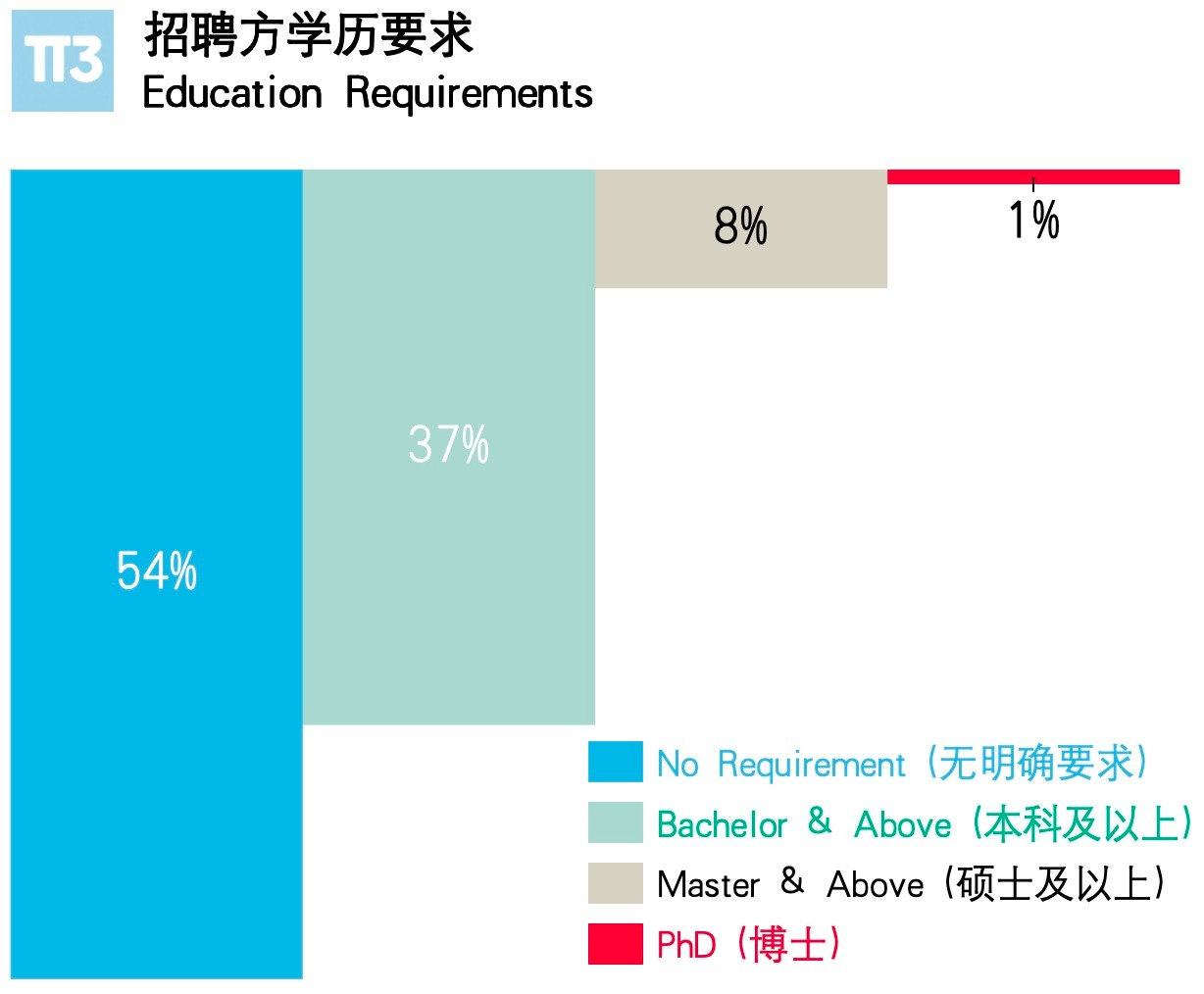
However, the threshold for finding this new outlet is rising. In the TT3Labs system, we define companies with a headcount of 0-50 as "startup teams." Even for these "small and beautiful" teams, the hiring bar is quietly being raised.
* Data source: TT3Labs, internal operational data as of February 1, 2026.
Among the new startup positions added from Q4 2025 to February 1, 2026, besides approximately 46% requiring a bachelor's degree or higher, over 3% of positions clearly stated a preference for "985/211" or "Top XX QS" as a clear academic threshold. When a startup Web3 company offers an annual salary of roughly 350,000 - 450,000 RMB, in the current domestic job market, this budget is sufficient to hire a graduate from a prestigious university with over three years of experience.
This elite screening, aligning with traditional industries, also signifies that Web3 recruitment has moved from its early days of不问出处 (not asking about origins) to a more stringent filtering phase.
1.3 The invalidation of big company endorsements and the invisible barriers of TOP CEXs
Compared to the straightforward academic requirements of startup teams, TOP 10 mainstream exchanges (CEXs) are more cautious in their job description wording, generally avoiding explicit age or degree limitations. However, the invisible industry barriers have become even more difficult to surmount.
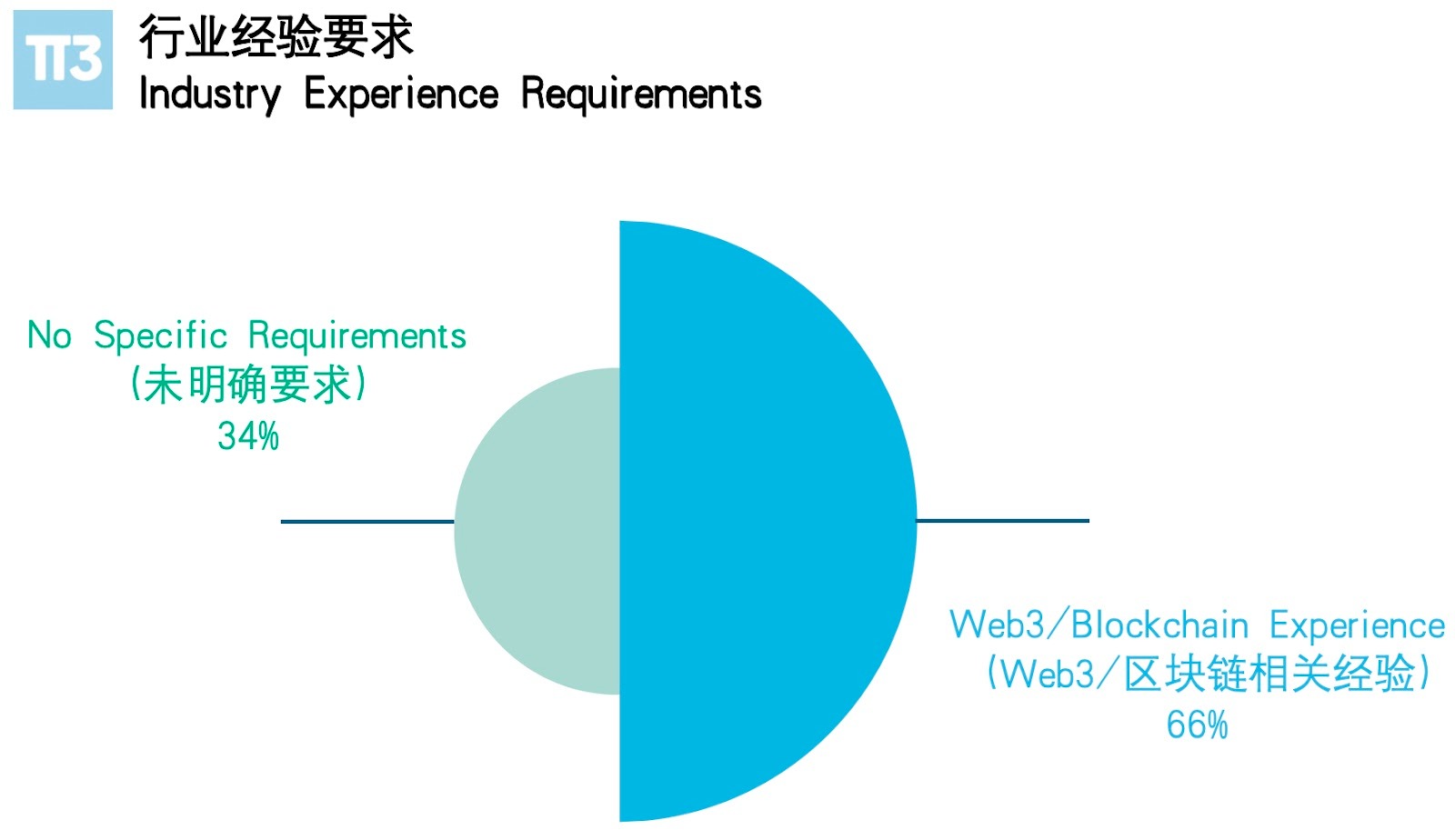
Based on an analysis of candidate initial screening pass rates, when choosing between a general technical expert from a big company without industry experience and a candidate with 2 years of industry experience, most HR departments at these platforms毫不犹豫地 (hesitated not at all) chose the latter.
* Data source: TT3Labs, internal operational data as of February 1, 2026.
This is not because the technical skills of those leaving big companies are weak, but is determined by the nature of CEX business. The core narrative of Chinese internet giants is built around traffic, while CEXs, as major employers in the Chinese-speaking Web3 space, are closer to fintech and asset risk control.
For a CEX, someone with trading experience, an understanding of blockchain logic, and familiarity with terms like "perpetual contracts" and "on-chain transactions" can significantly reduce communication costs. Therefore, the weight of industry knowledge (Know-how) far outweighs that of general skills at this stage. Nearly seventy percent of positions are not friendly to candidates with zero experience, leaving a large pool of potential entrants to compete for the remaining one-third of opportunities.
1.4 The absurdity and practicality of "downgrading to level up"
The soft barrier of industry experience has given rise to a pragmatic job-seeking strategy. In our community discussions, experienced individuals often offer this "practical advice" to newcomers: to obtain that key to the inner circle, software engineers who graduated years ago are recommended to become interns or "volunteers" at small DEXs (decentralized exchanges) or early-stage project teams. Employers are also happy to accept such mature candidates for these "internships." Job seekers work for a few hundred dollars a month or even zero pay, just to add an "on-chain" project experience to their resume, compensating for the failure of big company prestige in the face of industry barriers. This is a clear form of employment exploitation, yet a large number of candidates in the job market endorse this approach, hoping to gain a competitive edge through it, which also reflects the charm of this industry.
Chapter 2: Mismatch and Employers, What are the mainstream employers actually looking for in the talent market?
"The mismatch between talent supply and demand is not scary; practitioners' cognitive偏差 (bias/deviation) about the industry is even scarier."
2.1 The unavoidable largest employer: CEXs
* Data source: TT3Labs, internal operational data as of February 1, 2026.
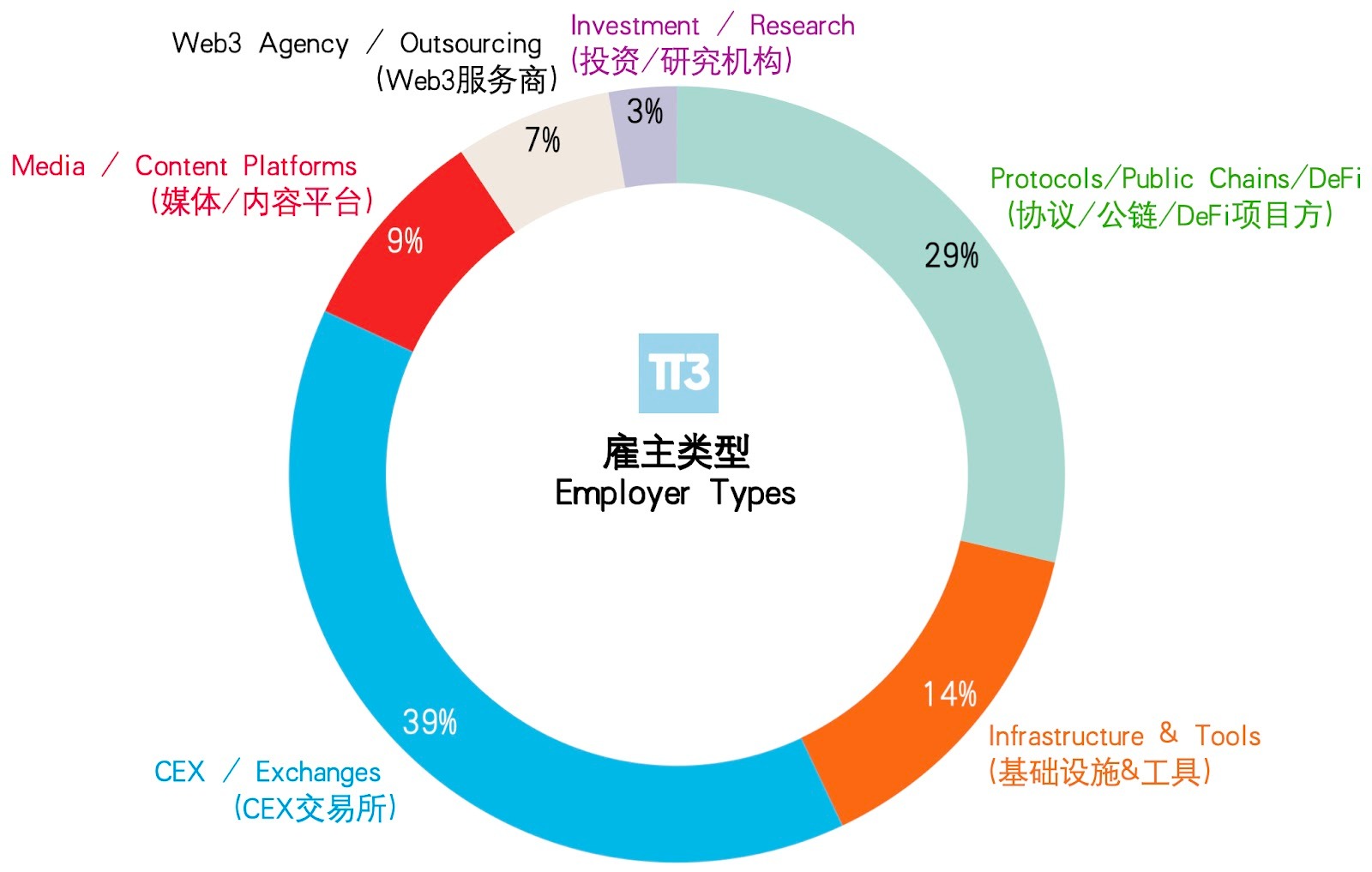
Although the decentralization narrative (DeFi/DAO) is the spiritual totem of the industry, in the current Chinese-speaking job market, CEXs (centralized exchanges) and their ecosystem companies remain the absolute largest providers of positions, at least on our platform. Compared to often unstable project teams, CEXs have more public information, a more stable brand image, and higher discussion heat on social media, which directly translates into more transparent employer reputation—and trust is the most precious commodity in this industry.
In this environment, many potential candidates who have not yet entered the field often equate CEXs with Web3. While CEXs are the first stop for many entering this space, a centralized organization cannot fully represent the future of the decentralization narrative. Since CEXs are essentially financial infrastructure for trade matching and asset custody, profiting from transaction fees and market betting behavior, these employers have stricter requirements for risk control and human efficiency during market volatility.
In a public interview during Binance Blockchain Week in December 2025, Binance Co-CEO He Yi cited 'insufficient talent density' as the organization's biggest current challenge. Through platform data analysis and interviews, we learned that new positions posted by TOP5 CEXs can easily receive over a hundred resumes through various channels like Telegram, websites, and internal referrals within a day. However, the average closing time for positions on our platform is as high as 25 days. On one hand, the daily active users on our platform still have room for significant growth; on the other hand, this also indicates that even leading companies find it difficult to find ideal employees. The so-called ideal employee can be broken down into two parts: the candidate needs to meet the employer's ideal expectations for the employee profile, and the employee themselves needs to have ideals and expectations for the industry, not just cognitive偏差 (bias/deviation) about the industry and a desire to make a quick buck.
2.2 The disappearing middle layer: The truth behind the "downgrade" from team management to execution
We tracked dozens of senior candidates seeking jobs through TT3 and found a clear "title squeeze" phenomenon:
Candidates whose resumes show non-Web3 team management experience are not uncommon to see their new titles change to Senior Developer or Senior Analyst after taking up new positions. Managers returning to execution roles. Besides the difficulty of converting experience as an industry newcomer, the logic behind this has several possibilities:
* Data source: TT3Labs, internal operational data as of February 1, 2026.
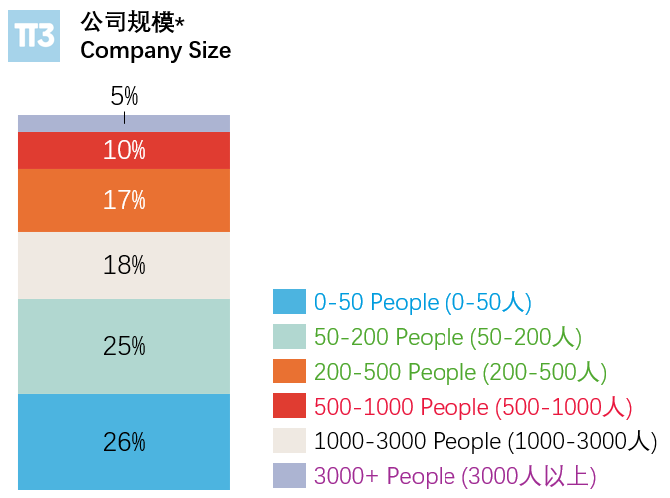
1. Scale Limitations: Even though people on social media often compare mainstream exchanges to first-tier internet companies like ByteDance and Tencent, aside from a very few top CEXs with thousands of employees, the vast majority of Web3 project teams have only a few hundred or a few dozen people.
2. Flat organizational structure due to单一 (single) business focus: Due to the still limited business scenarios of mainstream CEXs, with various new tokenization businesses being incubated and explored, the relatively单一 (single) fee-based business model of CEXs, compared to the various BGs/BUs of internet companies, makes it difficult to support a large mid-level management group.
Whether it's token-issuing project teams, U-card organizations, or various exchanges, the company's新增业绩 (new incremental performance) largely depends on market conditions or is heavily reliant on the performance of external KOLs and part-time BDs. This leads to普遍 (widespread) long-term anxiety among employers about performance, resulting in extremely sensitive hiring strategies. Once performance declines, a收缩 (contraction) strategy in human resource investment is highly likely.
This sense of drifting makes many people realize they are on a plank, leading more practitioners to prefer hitting one target and then moving to the next, or even working for several employers simultaneously. This results in a lack of employee belonging and identification with the company. A抽样调查 (sampling survey) of backend established data shows that the average tenure of existing users in each Web3 job is only 8.6 months. The fact that large numbers of employees只想赚笔快钱 (just want to make quick money) has become an industry consensus, just like getting paid in U.
Chapter 3: Salary Payment and Disillusionment, The cost lies in the unseen places
"When 'paying in U' is not just an industry consensus, but a societal-level recognition, its risks and rewards begin to be seriously calculated."
3.1 Shift from "scam prevention" to "safeguards": The转移 (shift) in focus
Friends who followed the "TT3在哪里" (Where is TT3) social media account early on might remember a post we published in Q3 2025 that sparked heated discussion: "The Moment I Got the Web3 Offer, I Hesitated." The comments were filled with questions and doubts about "Is paying in U reliable?" and "Will companies I haven't been to run away?". The concerns netizens expressed at that time represented the "high-risk perception" of some potential practitioners.
Just two quarters later, with compliant stablecoin announcements coming one after another, such as the implementation of Hong Kong's "Stablecoins Ordinance" on August 1, 2025, bringing fiat-pegged stablecoin issuance into a licensing regulatory framework, news appeared in mainstream media. Questions and inquiries about "payment security" in the community have significantly decreased. Everyone's focus has shifted to more practical issues:常规性 (routine) labor concerns like social security, housing fund, and tax compliance. "U-based compensation" has gradually been destigmatized, but some common sense labor issues still困扰 (trouble) those waiting to enter the industry, thus affecting their decision to enter. We look forward to the improving compliance of business entities also promoting the standardization of employers in hiring practices, leading to the gradual improvement of labor protections in the future.
3.2 Salary distribution: The收敛 (convergence) of explicit premiums
* Data source: TT3Labs, internal operational data as of February 1, 2026.
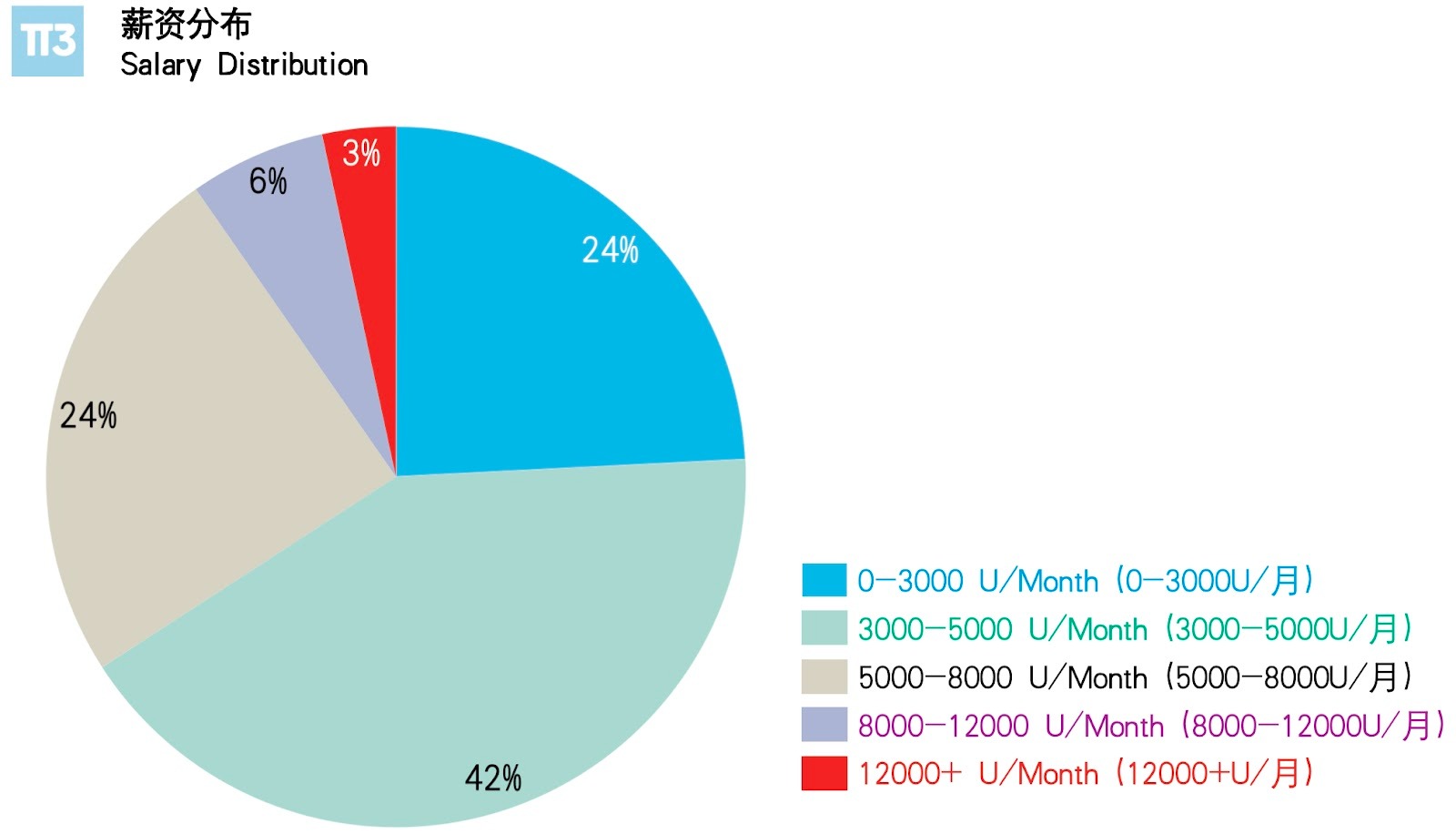
We see that the mainstream salary on the TT3 platform is $3000-$5000 USD. Considering the proportion of "take-home pay," the industry still offers decent returns. For常规 (regular) technical/operational positions, the median salary offered by Web3 overlaps somewhat with the traditional internet industry.
High-salary positions exceeding $8000 USD are mostly concentrated in a very few core protocol roles and resource roles that can bring significant growth to the company. For most常规 (regular) positions, the premium has收敛 (converged). More and more customer service and operational positions with monthly salaries below $3000 USD are being listed. Web3 is no longer an era where everyone can get a high salary. Job seekers are using the "lack of social security," "career instability," and other "policy risks" rarely involved in traditional industries as huge hidden costs to exchange for the理想中的 (idealized) "geographical freedom."
But this comparison is inherently unfair. Often, people compare the salaries of top internet companies with positions at second or third-tier companies in the Web3 industry, using a田忌赛马 (Tian Ji's horse racing strategy - matching strengths strategically) approach to deduce the conclusion that "this industry or a certain company/position is not worth it." In fact, top-quality positions in any industry are scarce and highly competitive, and there are huge differences in salary payment capabilities between the头部 (top tiers) of different industries due to industry variations.
Chapter 4: Besieged City, Identity Anxiety and "Dual Migration"
"As the compliance grid tightens, the middle ground left for digital nomads is being constantly compressed."
4.1 Starting with Singapore's "Visa Anxiety"
Starting from Q4 2025, we明显感觉到 (clearly felt) in our communication with candidates: Talent based in Singapore began to focus集中 (intensely) on "visa" issues. Due to Singapore tightening牌照 (licenses) and clarifying business scopes in 2025, a large number of organizations were forced to migrate anew. As compliance red lines tightened, those who had hoped to solve identity issues through Web3, under the pressure of hopeless work pass (EP/SP) renewals, were forced to seek new出路 (ways out). Over the past eight years, many companies have migrated constantly in a nomadic manner. Companies can settle down by obtaining compliant licenses, while more overseas practitioners, before resolving their overseas身份 (status), are like herders who have lost contact with their tribe.
4.2 Job mobility and the出海 (going abroad) of digital nomads
Simultaneously, compliance on the job side is also tightening. We observe that an increasing number of sensitive positions, especially those involving user data, human resources, visa management, payroll management, and fund operations, have a higher proportion of 'work authorization / nationality preference' type constraints. There are even extreme descriptions like "Non-CN preferred." The candidate's location has become one of the employer's main considerations.
* Data source: TT3Labs, internal operational data as of February 1, 2026.
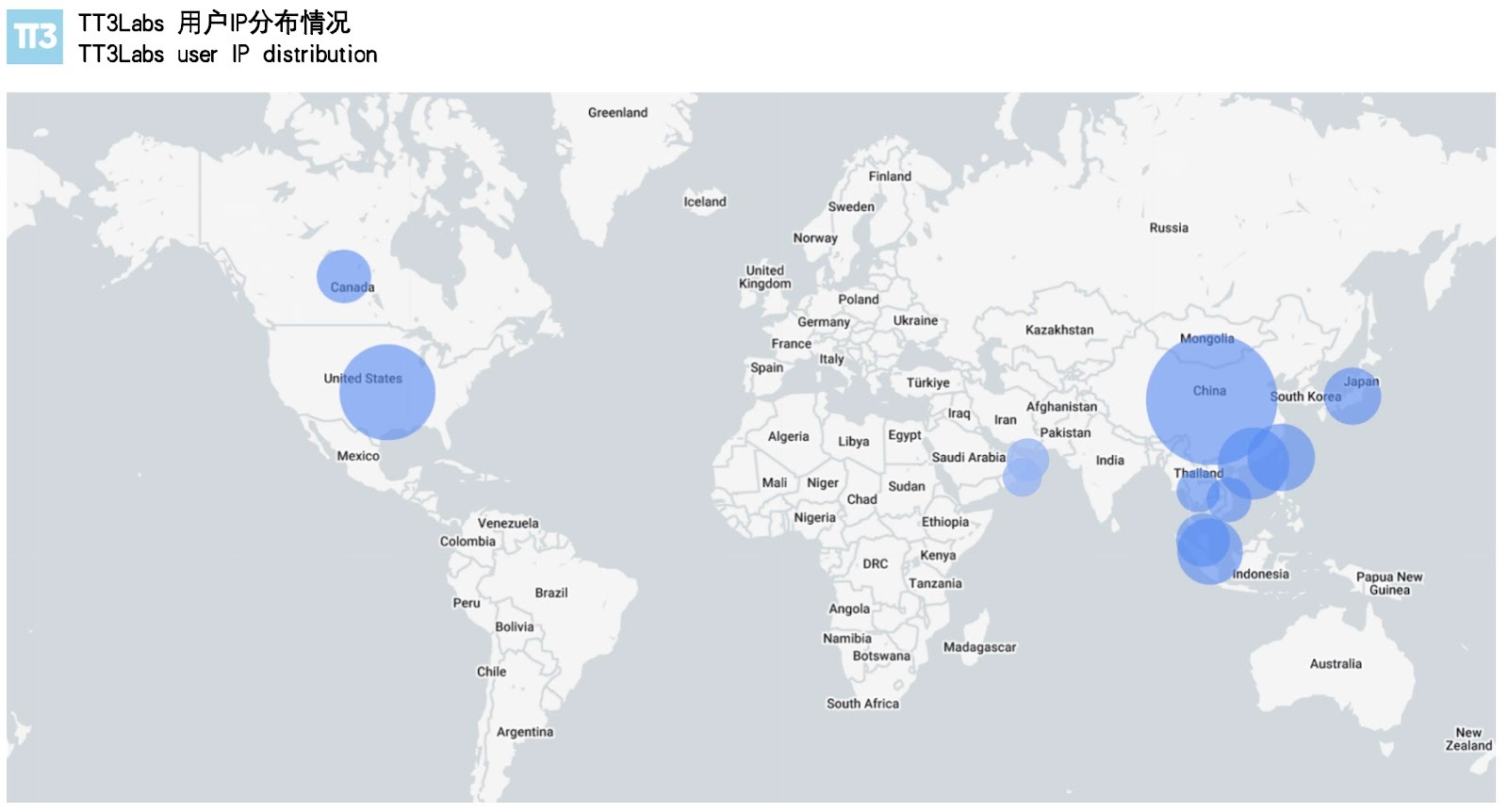
This situation is prompting a new round of migration. TT3's user IP map shows持续上升 (continuous rise) in IP activity in Southeast Asia. On one hand, Southeast Asia本身就拥有 (inherently possesses) a large pool of multilingual talent. Moreover, a significant amount of Chinese-speaking talent is engaging in geographical arbitrage, earning globally competitive salaries while living in low-cost areas to enjoy a high quality of life.
At the same time, some operational positions targeting the Chinese-speaking market are shifting from Chinese nationals to Malaysian, Thai Chinese, or foreign nationals proficient in Chinese. They possess language advantages and have no compliance burdens, becoming the new宠 (new favorites) in the Web3 Chinese-speaking job market.
Conclusion
The Web3 job market in Q1 2026 is experiencing the阵痛 (growing pains) of a return to common sense. Stories of "getting rich overnight" will always be repeated in the X and Instagram feeds of KOLs, but rumors of ordinary practitioners getting rich overnight are becoming fewer and fewer. As the entire industry's employment environment becomes clearer and more transparent, it also means that leapfrog opportunities are decreasing.
Just like the phrase at the footer of our website: "Start your new remote workplace adventure." Every new day is a new adventure for us. The end of 2025 to the beginning of spring 2026 was a difficult winter to endure. The vision of踏马迎春 (stepping into spring on horseback - welcoming spring optimistically) was not as beautiful as imagined. Some people got off the bus, some got on. The candlestick charts do not hide the lamp that illuminates your path forward; your信念 (belief) is that lamp.