Self-Directed Insider Trading: How He Manipulated Prediction Markets to Pay for His Bugatti?

比推Xuất bản vào 2026-03-11Cập nhật gần nhất vào 2026-03-11

Tóm tắt

A prominent X user, @Euanker, has accused former kickboxing champion Andrew Tate of orchestrating an elaborate insider trading scheme on the prediction market platform Polymarket. The allegations claim that Tate controlled at least seven accounts to profit from markets predicting his own weekly tweet activity, earning a total of $52,286. On-chain evidence reveals a consistent funding path: deposits from exchanges like Duelbits and Bybit were bridged via a specific address, then used to place bets on Polymarket. Profits were ultimately funneled to a Gnosis Safe wallet controlled by Tate, which holds over $1.3 million in assets. The betting patterns closely aligned with Tate’s actual tweet activity, indicating manipulation. Andrew Tate, a controversial influencer known for his luxury lifestyle and previous involvement in meme coin promotions, is alleged to have used this scheme to fund expenses like his rented Bugatti. The incident highlights significant regulatory gaps in prediction markets, where outcomes controlled by a single individual create inherent insider risks. Polymarket, which approves all markets on its platform, faces scrutiny over its lack of safeguards against such manipulation.

Author: Ma He, Foresight News

Original Title: Funding a Bugatti with Polymarket? Someone is Playing 'Self-Directed' Insider Trading


On March 10, X user @Euanker posted an exposé alleging that renowned combat sports champion Andrew Tate was involved in insider trading on Polymarket, profiting by manipulating markets related to the quantity of his personal tweets. Euanker pointed out that Tate created and controlled at least 7 Polymarket accounts, accumulating profits of $52,286 across six 'Weekly Tweet Count Prediction' markets. These markets essentially depend on Tate's own actions, with the exposé bluntly stating his aim was to 'raise funds for a rented Bugatti sports car.'
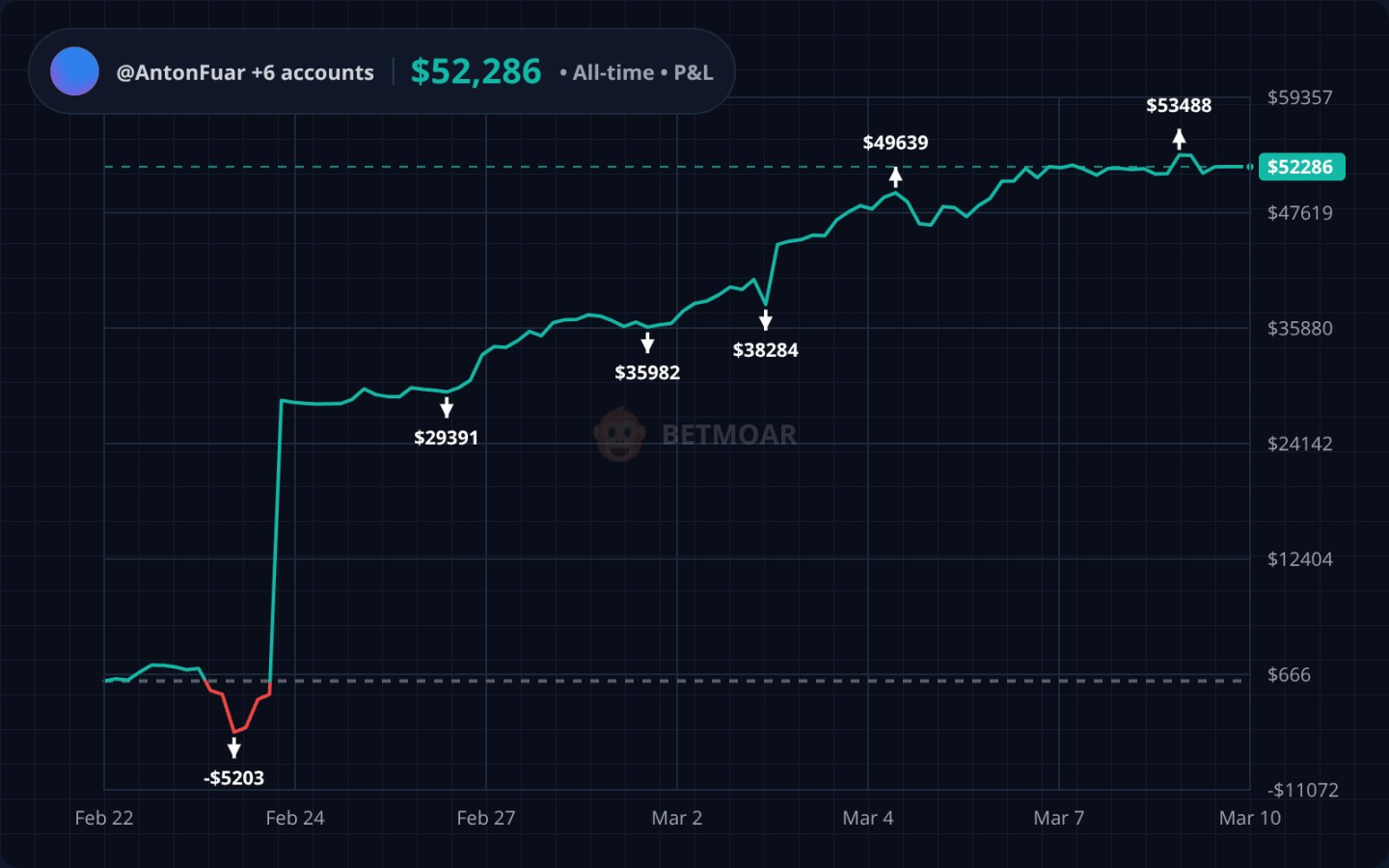
Interestingly, this exposé included detailed on-chain evidence and profit charts, allowing us a glimpse into the specifics of this insider trading.

Detailed Explanation of On-Chain Address Records: Identical Deposit Paths

The evidence provided by Euanker shows that the 7 Polymarket accounts (@Tornados, @eterboh5, @Mellisacars, @AntonFuar, @wondernot, @Lindayko, @Counteryeg) were highly consistent in their deposit exchanges, fund paths, and betting habits. The first 5 accounts have been fully linked through on-chain transactions, with the subsequent 2 also showing the same pattern.

The core tracking starts with the @Counteryeg account.
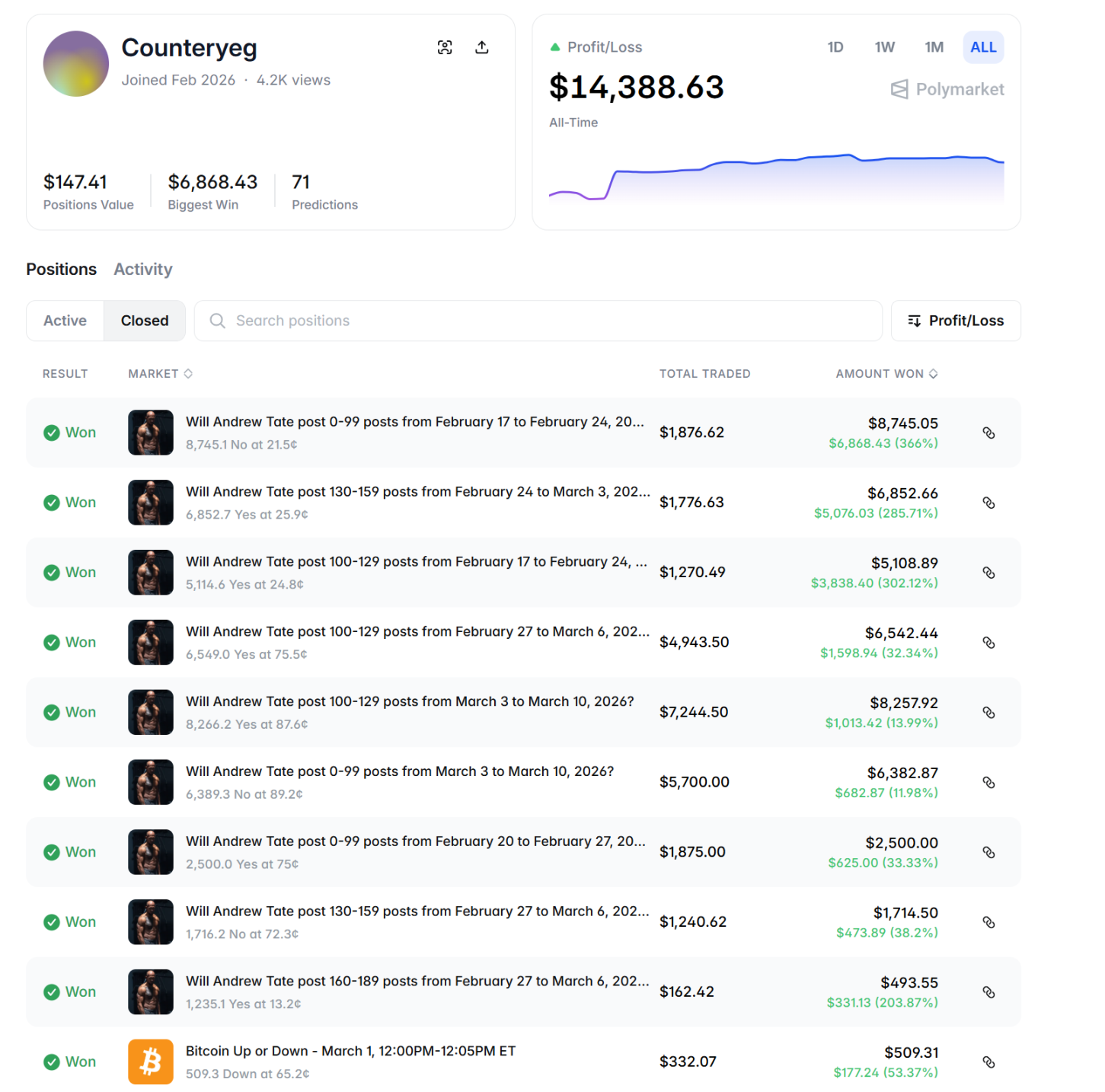

Its fund flow points to the bridging address 0xdae2844d5b3070aafb3638b80fa17e562d840dde. This address frequently conducted cross-chain transfers of USDC and USDC.e in the past week, primarily involving the Polygon and Ethereum networks. These funds were then transferred to the intermediary address 0x9D950Fb9D5F37a128bA0d4B82844DE96697fD83d.

Data from Arkham Intelligence for this address shows that in the past week, it received large USDC deposits from exchanges like Duelbits (a gambling platform), Changelly, and Bybit, accounting for 20%, 42%, and 26% respectively. Typical transactions include a 4000 USDC deposit from Duelbits, a 5700 USDC bridge withdrawal, and multiple transfers of 2500~6000 USDC to the upstream bridging address. The cumulative transaction volume of the address shows that the stablecoin flow rhythm highly coincides with Polymarket betting windows, presenting a unified pattern of 'large deposit first, precise betting second, profit aggregation after'.
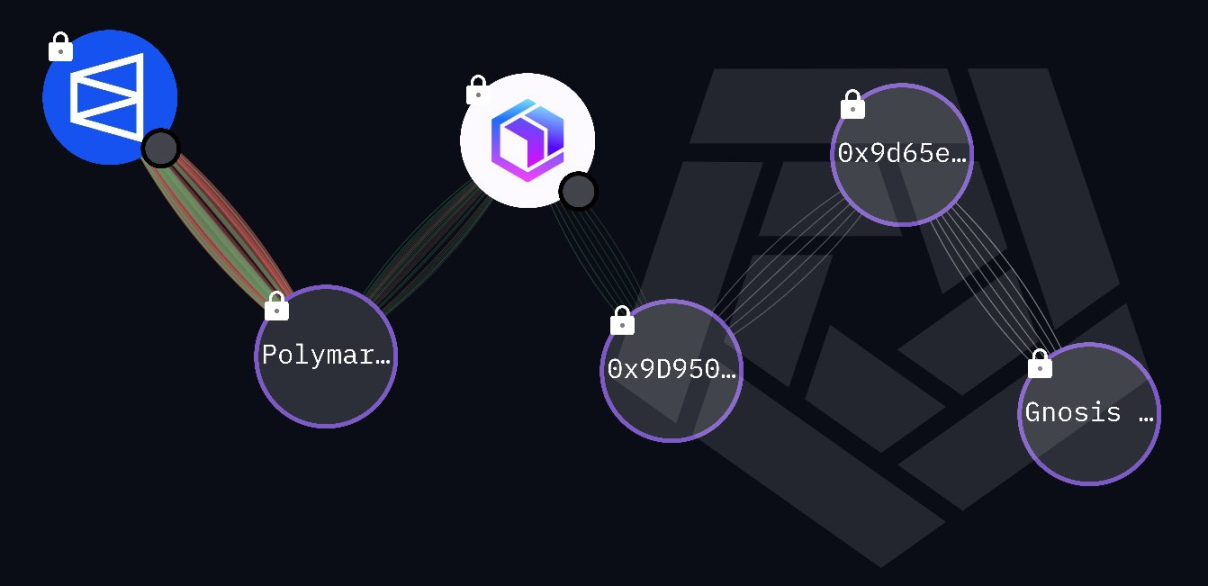
The final fund chain points to a Gnosis Safe multi-signature address (confirmed by the exposé and transaction graph as belonging to Tate). Arkham records show this Safe holds over $1.3 million in assets, with recent large USDT/USDC withdrawal operations.

The entire chain forms a closed loop: exchange deposit → bridging address transfer → Polymarket betting → profit aggregation to Tate's controlled Gnosis Safe.

The fund flow chart attached by Euanker clearly marks the Polymarket icon and the Gnosis Safe endpoint. A profit chart of the 7 accounts further corroborates, showing a rapid climb from an initial loss of $5,203 on February 22 to a cumulative peak of $52,286 on March 10, with multiple instances synchronized with Tate's public tweet timings. This level of consistency far exceeds coincidence. The identical combination of exchanges, same USDC bridging scale, and operational patterns precisely matching market settlement times constitute the core on-chain basis for the exposé's insider trading allegations.

From Luxury Cars and Mansions to Meme Coins, Fans Become Tools for Monetizing Influence

Andrew Tate (full name Emory Andrew Tate III), born in 1986, is a public figure, businessman, and former professional fighter with dual US and UK citizenship. Tate began his professional kickboxing career in 2005, winning multiple championships in the late 2000s to early 2010s, including the ISKA British Full-Contact Cruiserweight Championship (2009) and the ISKA World Championship (2011), claiming to be a four-time world champion. He is about 1.91 meters tall, with the nicknames 'Cobra Tate' or 'Top G'.

Andrew Tate has long presented a luxurious lifestyle; his名下 (owned) or rented multiple Bugatti sports cars and numerous mansions have long been the core of his personal brand. The term 'rented Bugatti' in the exposé恰好吻合 (perfectly matches) Tate's publicly flaunted pattern of luxury consumption.

He has repeatedly showcased high-end assets on social platforms, using this to reinforce his 'alpha male' persona and attract young male fans globally. After retiring, he shifted to online business and content creation, launching paid course platforms (like Hustler's University and War Room), teaching topics like wealth building, entrepreneurship, and mindset training, primarily attracting young male audiences.

Starting in 2022, he and his brother Tristan were arrested in Romania, facing charges of human trafficking, rape, and forming a criminal organization (related to recruiting women using the 'loverboy' method to produce adult content); the case is still ongoing. After the Romanian travel ban was lifted in late 2025, the two returned to the US. Currently, he also faces a UK civil lawsuit (four women alleging sexual violence and coercion), which has been moved up to Summer 2026. He denies all criminal and civil charges, calling them a political witch hunt against him.

Upon entering the crypto space, Tate further monetized his influence. He has issued multiple meme coins, the most representative being the DADDY series directly tied to his personal IP, achieving rapid monetization through fan-driven hype. Bubblemaps exposed that he had promoted over 10 shitcoins within 24 hours; after Bubblemaps revealed the insider information about DADDY token supply, Andrew subsequently blocked Bubblemaps.

These operations form a complete闭环 (closed loop) with this Polymarket incident: first, gather traffic with controversial statements and lifestyle, then directly extract funds from fans' wallets through prediction markets or meme coins. Whether it's luxury cars and mansions or meme coin issuance, the essence is the same monetization logic—converting personal fame into quantifiable cash flow.

This exposé once again reminds the crypto industry that prediction markets and the meme coin ecosystem under celebrity influence still have significant governance gaps. This incident points directly to structural deficiencies in Polymarket's market creation review process. For example, markets like 'Andrew Tate's Weekly Tweet Count' are created without effective门槛 (thresholds) to verify whether the market has objectivity or is susceptible to manipulation risk. The core value of prediction markets lies in aggregating分散 (dispersed) information for price discovery, but when the subject is entirely controlled by a single entity, information asymmetry is放大至极端 (amplified to an extreme). Tate could simply adjust his tweet frequency to influence market outcomes, while retail investors bet based on public information, unaware of the internal manipulation.
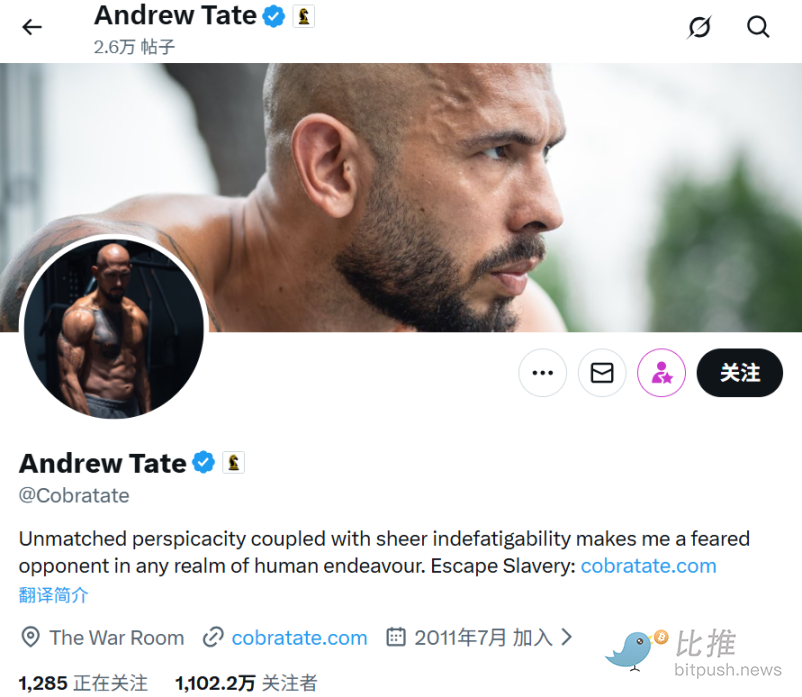
Previously, the author wrote an article titled 'He Made $300,000 Counting Musk's Tweets'. The prediction market tracked Elon Musk's tweet count; Musk himself is the world's richest man, a hard tech entrepreneur with no motive to profit from insider trading, while Andrew Tate might not be. Polymarket currently does not allow any individual user to directly create prediction markets. All markets are ultimately created by Polymarket's market team. If Polymarket does not strengthen market审查 (review), similar allegations are likely to continue to发酵 (ferment).


Twitter:https://twitter.com/BitpushNewsCN

Bitpush TG Discussion Group:https://t.me/BitPushCommunity

Bitpush TG Subscription: https://t.me/bitpush

Original article link:https://www.bitpush.news/articles/7618832

Câu hỏi Liên quan

QWhat is Andrew Tate accused of doing on Polymarket according to the article?

AAndrew Tate is accused of engaging in insider trading on Polymarket by manipulating prediction markets related to the number of his own tweets. He allegedly controlled at least 7 Polymarket accounts to profit from these markets, earning a total of $52,286.

QHow did the exposé by user @Euanker provide evidence of Tate's alleged manipulation?

A@Euanker provided detailed on-chain evidence and profit charts showing that the 7 Polymarket accounts had identical deposit paths, funding sources from exchanges like Duelbits and Bybit, and a unified pattern of fund flow that ultimately led to a Gnosis Safe wallet controlled by Tate.

QWhat is the significance of the 'weekly tweet count prediction' markets in this case?

AThe 'weekly tweet count prediction' markets were significant because they were based entirely on Andrew Tate's own behavior, allowing him to manipulate the outcome by controlling the number of tweets he posted, thus creating an unfair advantage and profiting from insider knowledge.

QHow does this incident highlight a potential issue with Polymarket's governance?

AThe incident exposes a structural weakness in Polymarket's market creation and review process, as markets dependent on a single individual's actions lack objectivity and are susceptible to manipulation, undermining the platform's core purpose of price discovery through dispersed information.

QWhat other methods has Andrew Tate used to monetize his influence, as mentioned in the article?

AAndrew Tate has monetized his influence through luxury lifestyle branding, paid online courses like Hustler's University, and by promoting and issuing meme coins such as the DADDY series, leveraging his fan base for financial gain.

Nội dung Liên quan

Robot 'Teletubbies' Đến Nhà Làm Vệ Sinh, 200 Nghìn Đồng/Giờ, Trí Tuệ Nhân Tạo 'Thuần Khiết'

Ở San Francisco, một công ty khởi nghiệp robot có tên Tau Robotics đã ra mắt dịch vụ dọn dẹp nhà cửa bằng robot hình người với giá 30 USD/giờ. Tuy nhiên, điểm đáng chú ý là các robot này hiện hoạt động dựa trên điều khiển từ xa (teleoperation) hơn là trí tuệ nhân tạo tự chủ hoàn toàn. Công ty, thành lập năm 2024 với khoảng 10 nhân viên, giới thiệu ba robot "nhân viên": Chelsea chuyên dọn dẹp nhà bếp và phòng tắm, Elon phụ trách dọn dẹp định kỳ và ghi nhớ vị trí đồ đạc, và Tony tập trung vào việc vệ sinh chuyên sâu. Lý do chọn thiết kế hình người, theo bài viết, là để tạo điều kiện thuận lợi cho việc điều khiển từ xa, vì người vận hành có thể ánh xạ trực quan các cử động của mình lên robot. Cách tiếp cận "gian lận thông minh" này nhằm mục đích thu thập dữ liệu từ môi trường thực tế để huấn luyện AI trong tương lai, tương tự mô hình "chế độ bóng" trong xe tự lái. Bài viết so sánh với thị trường Trung Quốc, nơi trọng tâm chính của robot hình người vẫn là trong môi trường công nghiệp có kiểm soát, và đề cập đến một công ty Mỹ khác là 1X Neo cũng theo đuổi hướng đi tương tự. Mặc dù hiệu quả về mặt kỹ thuật, nhưng việc người tiêu dùng có sẵn sàng trả tiền cho một robot được điều khiển từ xa với camera trong nhà mình hay không vẫn là một câu hỏi mở. Dịch vụ của Tau Robotics hiện đang trong chế độ mời thử nghiệm tại San Francisco.

marsbit5 phút trước

Robot 'Teletubbies' Đến Nhà Làm Vệ Sinh, 200 Nghìn Đồng/Giờ, Trí Tuệ Nhân Tạo 'Thuần Khiết'

marsbit5 phút trước

Từ Hàn Quốc đến Mỹ: Nhờ AI, Lao Động Chân Tay Ngày Càng 'Lên Ngôi'

Trí tuệ nhân tạo (AI) đang định hình lại thị trường lao động. Bằng đại học 4 năm không còn là "tấm vé an toàn", trong khi các nghề kỹ thuật như thợ điện, thợ hàn, thợ sửa ống nước đang có nhu cầu cao và mức lương hấp dẫn chưa từng thấy. Thanh niên từ Mỹ đến Hàn Quốc đang thay đổi quan điểm về giáo dục và nghề nghiệp. Số liệu cho thấy sự chuyển dịch rõ rệt: doanh thu trường dạy nghề ở Mỹ tăng mạnh 11.4%, trong khi các đợt sa thải nhân viên văn phòng do AI cũng lên mức cao kỷ lục. Áp lực AI thay thế lao động trí thức, cộng với nhu cầu mở rộng cơ sở hạ tầng và trung tâm dữ liệu, đang đẩy cung-cầu nghiêng về lao động kỹ thuật. Khảo sát cho thấy 60% thế hệ Z có kế hoạch làm nghề lao động kỹ thuật vào năm 2026, vì tin rằng những nghề này có tính an toàn nghề nghiệp cao hơn trước AI. Nhiều nghề kỹ thuật hiện có mức lương trung bình ngang bằng hoặc vượt các nghề yêu cầu bằng đại học. Mô hình học việc "vừa học vừa làm" hấp dẫn, và công việc này khó bị AI thay thế hoặc gia công ra nước ngoài. Tại Hàn Quốc, học sinh tốt nghiệp trung học bán dẫn có tỷ lệ có việc làm ngay lên tới 96.4%. Tuy nhiên, ngành này đang đối mặt với khoảng trống kép: làn sóng nghỉ hưu ồ ạt và nhu cầu mở rộng cơ sở hạ tầng. Dự báo Mỹ sẽ thiếu hụt hàng triệu lao động có kỹ năng. Nhiều tập đoàn lớn như Meta, Lowe's đã đầu tư hàng trăm triệu USD vào các chương trình đào tạo. Dù nhu cầu thị trường rõ ràng, định kiến xã hội coi trọng bằng đại học hơn học nghề vẫn tồn tại. Các chuyên gia nhấn mạnh cần có những nỗ lực chủ động từ ngành công nghiệp để thu hẹp khoảng cách nhận thức này, thông qua các chương trình trải nghiệm thực tế cho giới trẻ, nhằm giải quyết tận gốc tình trạng thiếu hụt lao động kỹ thuật.

marsbit49 phút trước

Từ Hàn Quốc đến Mỹ: Nhờ AI, Lao Động Chân Tay Ngày Càng 'Lên Ngôi'

marsbit49 phút trước

Từ TPU đến Agent Tự Tiến Hóa: Jeff Dean Nhìn Nhận Bước Tiếp Theo của AI Như Thế Nào?

Trong buổi phỏng vấn tại YC Startup School 2026, Jeff Dean chia sẻ tầm nhìn về tương lai của AI. Ông nhấn mạnh rằng cuộc cạnh tranh AI không còn là ai có mô hình lớn hơn, mà là ai có thể tổ chức trí thông minh hiệu quả hơn. Điểm then chốt là sự chuyển dịch từ việc huấn luyện các mô hình đơn thuần sang xây dựng các hệ thống "Agent" có khả năng làm việc lâu dài, tự động thử nghiệm, xác minh và tích lũy kinh nghiệm. Các Agent này cần được trang bị công cụ, bộ nhớ, môi trường thực thi và cơ chế phản hồi rõ ràng. Jeff Dean cho rằng cơ hội cho các startup nằm ở những lĩnh vực chuyên biệt nơi các mô hình phổ thông hiện có tỷ lệ thành công rất thấp (gần 0-1%), nhờ vào dữ liệu độc quyền, công cụ đánh giá chuyên môn hoặc mô hình chuyên sâu. Ông cũng dự đoán phần cứng chuyên dụng cho suy luận (inference) với độ trễ thấp và tiêu thụ năng lượng thấp sẽ là chìa khóa. Khi chi phí tạo mã trở nên rẻ hơn, giá trị thực sự sẽ nằm ở khả năng xác định vấn đề đáng giải quyết, thiết kế thông số kỹ thuật rõ ràng và có "khiếu" thẩm định. Tương lai của AI là xây dựng các hệ thống có thể tự động hóa phương pháp khoa học, chạy các vòng lặp thử nghiệm với tốc độ cao để khám phá và cải tiến không ngừng.

marsbit51 phút trước

Từ TPU đến Agent Tự Tiến Hóa: Jeff Dean Nhìn Nhận Bước Tiếp Theo của AI Như Thế Nào?

marsbit51 phút trước

Qualcomm: Cơn sốt AI dịu dần, khi nào điện thoại mới thoát khỏi 'bóng mây'?

Qualcomm (QCOM.O) công bố báo cáo tài chính quý III năm tài chính 2026 (kết thúc tháng 6/2026) với doanh thu 9,95 tỷ USD, giảm 4% so với cùng kỳ, vượt kỳ vọng thị trường. Tuy nhiên, lợi nhuận gộp giảm 2,5 điểm phần trăm xuống 53,1% do chi phí sản xuất và lưu trữ tăng. Mảng kinh doanh bán dẫn (QCT) chịu ảnh hưởng nặng từ smartphone, doanh thu giảm 19,6% xuống 5,09 tỷ USD. Nguyên nhân do sản lượng điện thoại Android (trừ Apple) giảm 11% và xu hướng các hãng sử dụng nền tảng cũ để tiết kiệm chi phí. Trong khi đó, mảng ô tô tăng trưởng mạnh 61% lên 1,59 tỷ USD nhờ Snapdragon Digital Chassis, và IoT tăng 9% lên 1,83 tỷ USD. Lợi nhuận hoạt động cốt lõi giảm 41% do áp lực biên lợi nhuận và chi phí hoạt động tăng. Dự báo quý tới, doanh thu dự kiến 9,7-10,5 tỷ USD, phù hợp với kỳ vọng, nhưng EPS (Non-GAAP) dự báo thấp hơn. Trong bối cảnh thị trường điện thoại trì trệ, Qualcomm đang tìm kiếm tăng trưởng từ AI, bao gồm AI trên thiết bị (AI Phone, AI PC) và đặc biệt là trung tâm dữ liệu AI với bốn hướng: bộ tăng tốc AI, CPU thương mại, chip tùy chỉnh và sản phẩm kết nối. Công ty đặt mục tiêu doanh thu 15 tỷ USD cho mảng trung tâm dữ liệu vào năm tài chính 2029, nhưng hiện tại thị trường vẫn đang thận trọng. Giá cổ phiếu đã giảm từ đỉnh 250 USD xuống dưới 160 USD, phản ánh lo ngại về chi tiêu AI và hiệu suất cơ bản hiện tại.

marsbit53 phút trước

Qualcomm: Cơn sốt AI dịu dần, khi nào điện thoại mới thoát khỏi 'bóng mây'?

marsbit53 phút trước

Sự cố Coldcard kích hoạt làn sóng Bitcoin, củng cố tiền điện tử 'tăng giá': Hodler's Digest, 2 tháng 8

Sự kiện khai thác lỗ hổng trên ví cứng Coldcard đã dẫn đến việc mất khoảng 90 triệu USD Bitcoin, khiến nhiều nhà đầu tư nhỏ chuyển tiền gấp sang các sàn tập trung. Dữ liệu cho thấy khối lượng giao dịch Bitcoin dưới 1 BTC đạt mức cao nhất hàng ngày kể từ năm 2022. Trong bối cảnh đó, ngành công nghiệp tiền mã hóa được cho là đang bước vào giai đoạn củng cố lớn nhất, với doanh thu ngày càng tập trung vào một số ít giao thức hàng đầu như Hyperliquid và Pump.fun. Nhà phân tích Lorenzo Valente của ARK Invest nhận định xu hướng này là "cực kỳ tích cực" cho không gian crypto, dù nó có thể đi kèm với nhiều vụ sáp nhập, phá sản và đóng cửa dự án. Mặt khác, báo cáo thu nhập quý II của các công ty lớn như Coinbase và MicroStrategy cho thấy kết quả ảm đạm, với thua lỗ gia tăng. Đồng thời, những bất ổn về mặt pháp lý vẫn tiếp diễn, như sự bế tắc của Dự luật Clarity Act tại Mỹ hay các cáo buộc nhắm vào nhà sáng lập Telegram Pavel Durov từ Nga và Australia. Cuối tuần, thị trường chung đi xuống, với Bitcoin giảm 3%. Grayscale đưa ra dự báo lạc quan rằng Bitcoin có thể đã chạm đáy sớm hơn chu kỳ truyền thống, mặc dù nhiều tín hiệu tương tự trước đó vẫn chưa ứng nghiệm.

cointelegraph1 giờ trước

Sự cố Coldcard kích hoạt làn sóng Bitcoin, củng cố tiền điện tử 'tăng giá': Hodler's Digest, 2 tháng 8

cointelegraph1 giờ trước

Giao dịch

Giao ngay
活动图片





