Raising $82.5 Million: What is Superstate, Built by Compound Founder?

marsbitXuất bản vào 2026-01-23Cập nhật gần nhất vào 2026-01-23

Tóm tắt

Superstate, founded by Compound's Robert Leshner, has raised $82.5 million in a Series B round led by Bain Capital Crypto and Distributed Global. The real-world asset (RWA) tokenization platform plans to expand from tokenized treasury products to a full on-chain equity issuance layer on Ethereum and Solana. Launched in 2023, Superstate initially focused on tokenized short-term U.S. government bond funds. It has since introduced additional products, including a crypto carry fund, and registered a digital transfer agent with the SEC. Its “Opening Bell” platform enables compliant, native issuance of tokenized stocks on blockchain networks, with companies like Galaxy and Exodus already participating. Superstate’s AUM now exceeds $1.2 billion. The company aims to bridge traditional finance with on-chain infrastructure, improving settlement speed, liquidity, and capital efficiency. While early adoption is largely institutional, tokenized assets are increasingly integrated into DeFi for collateral and lending, signaling broader functional use in digital finance ecosystems.

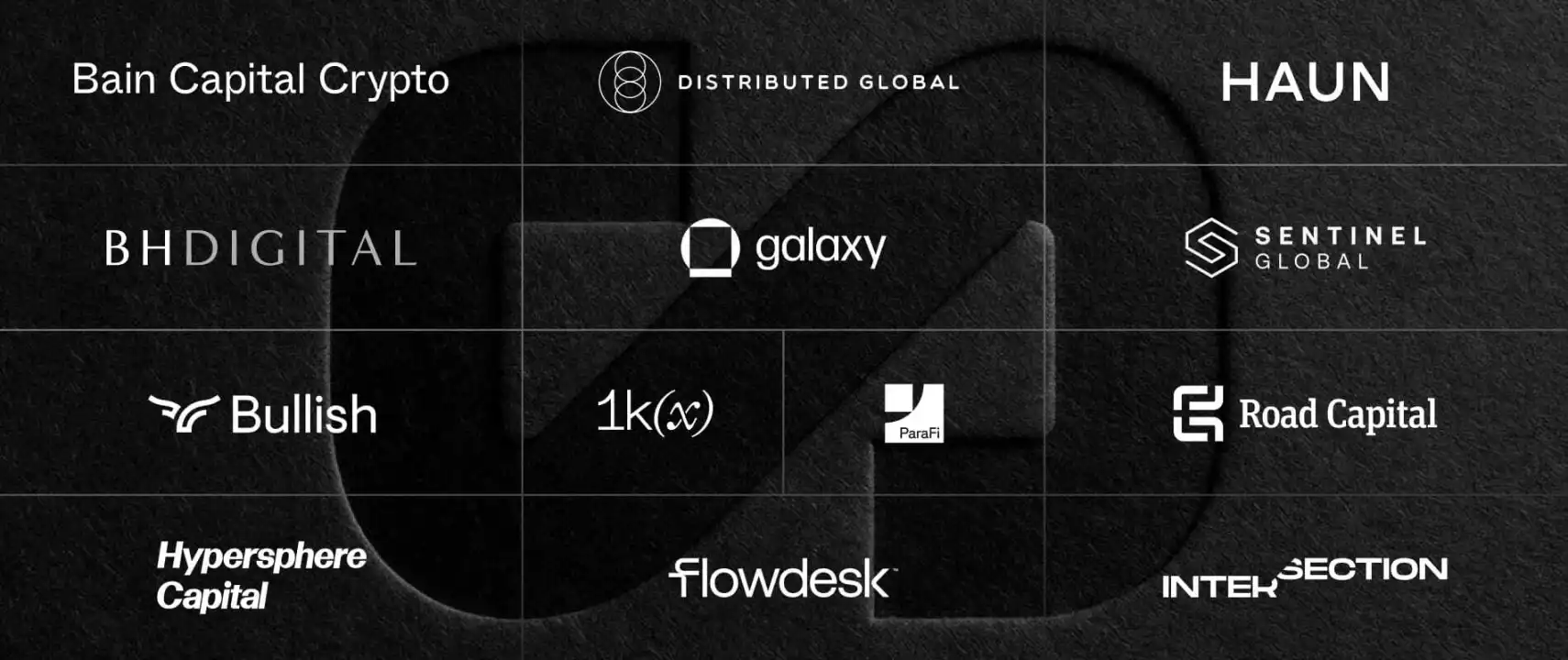
On January 22, Superstate, an RWA tokenized asset management platform founded by Compound creator Robert Leshner, announced the completion of an $82.5 million Series B funding round. The round was led by Bain Capital Crypto and Distributed Global, with participation from Haun Ventures, Brevan Howard Digital, Galaxy Digital, Sentinel Global, Bullish, Hypersphere Capital, Flowdesk, Intersection, and existing investors 1kx, ParaFi, and Road Capital.

Officials stated that this round of funding will be used to expand its business from tokenized treasury products to a fully on-chain stock issuance layer on Ethereum and Solana. Additionally, the company will continue to invest in regulated market infrastructure, including compliant issuance, settlement, and shareholder record-keeping systems, and expand its Opening Bell platform and transfer agent infrastructure to support more issuers and distribution channels.
What is Superstate?

In 2023, Compound founder Robert Leshner filed documents with the U.S. Securities and Exchange Commission (SEC) for his new company "Superstate," which would use Ethereum as an auxiliary record-keeping tool to create a short-term government bond fund. Superstate's fund would invest in "ultra-short-term government securities," including U.S. Treasuries, government agency securities, and other government-backed instruments, and would rely on traditional Wall Street "transfer agents" to maintain ownership records of fund holders.

In June, Superstate announced the completion of a $4 million seed funding round led by ParaFi, Cumberland, and 1kx.

In November of the same year, Superstate completed the first close of its Series A funding round, raising $14 million. The round was co-led by Distributed Global and CoinFund, with participation from Breyer Capital, Galaxy, Arrington Capital, Road Capital, CMT Digital, Folius Ventures, Nascent, Hack VC, Modular Capital, and Department of XYZ.

In February 2024, it launched a tokenized fund holding short-term U.S. Treasuries. In July, Superstate launched a new tokenized fund, the Superstate Crypto Carry Fund (USCC). This fund will use a "cash and carry" investment strategy to generate yield by purchasing spot Bitcoin and Ethereum and holding equivalent short positions or selling BTC and ETH futures to generate returns for holders. The spot assets are held by custody partner Anchorage Digital.

Superstate's Tokenization Development

In March 2025, Superstate announced that its digital transfer agent company, Superstate Services LLC, had registered with the SEC, a move aimed at connecting tokenized assets with the existing financial regulatory framework.

After this, benefiting from the U.S. push for RWA tokenization, Superstate's progress accelerated rapidly. The company first launched the Opening Bell platform, allowing SEC-registered public stocks to be issued and traded directly on blockchain networks, initially supporting Solana. Opening Bell supports the native issuance of compliant, regulated stocks that can interact directly with crypto wallets, DeFi protocols, and on-chain markets.

Subsequently, several companies chose to issue tokenized stocks on Superstate, including Galaxy's tokenized stock GLXY; U.S.-listed self-custody wallet company Exodus also plans to partner with Superstate to create common stock tokens, digitally representing Exodus' Class A shares; Solana treasury company Forward Industries (FORD) intends to tokenize its holdings of Forward Industries common shares. It also plans to partner with Drift, Kamino, and Jupiter Lend (three of the largest lending protocols on Solana) to use the tokenized FORD shares as eligible collateral; Ethereum treasury company SharpLink Gaming partnered with Superstate to issue tokenized stock SBET directly on the Ethereum blockchain.

In late 2025, Superstate launched a new blockchain-based service for conducting issuance programs directly on Ethereum and Solana. This service will enable companies to raise capital by issuing on-chain securities, including tokenized versions of their existing SEC-registered shares or new share classes. The first issuers are expected to go live in 2026. Investors will pay in stablecoins and receive tokenized assets.

The Series B funding round at the beginning of 2026 brings Superstate's total funding to over $100 million. According to its website, its Assets Under Management (AUM) now exceed $1.2 billion.

The Tokenization Process in 2026

The main theme of capital market infrastructure in 2026 is clear: faster settlement, higher liquidity, greater transparency, and lower capital requirements. Tokenization is moving from concept to practice at this time because the on-chain track is pulling issuance, distribution, custody, settlement, and asset reuse into the same set of programmable data and processes, with participants beginning to make decisions based on efficiency and verifiable results.

Incremental on-chain channels will emerge first on the financing side. In the short term, a dual-track model with traditional markets and on-chain markets operating in parallel will be more common. Traditional trading platforms handle deep liquidity, while on-chain markets provide more direct reach, faster distribution and settlement, and more flexible issuance structures. As compliant modules mature, this type of on-chain financing will expand from a few pilot projects to more scenarios like IPOs, additional issuances, and secondary offerings.

The key change on the asset side is the realization of functionality. Truly tokenized stocks and funds will not remain merely holding certificates but will gradually enter the DeFi ecosystem of collateral, lending, and composable strategies, moving traditional assets from isolated account structures to a composable on-chain capital market, thereby improving capital efficiency. However, this will also raise the requirements for compliance, risk control, clearing responsibilities, and technical security.

Stablecoins will become the engine driving demand for tokenized funds. As the scale of stablecoins expands, issuers and holders will have a stronger need for highly liquid, auditable, risk-controlled, and yield-generating on-chain assets. Therefore, tokenized short-duration treasury funds and money market-like products are more likely to become standard components for on-chain cash management and collateral. On the institutional side, custodial DeFi treasuries will become the main entry point, packaging multi-chain, multi-protocol, and 24/7 risk control into usable strategy interfaces, reducing operational and management costs for institutions.

The distribution end will continue to concentrate around super-apps. Wallets and trading platforms integrate payments, trading, yield, investment, and custody into a single product interface, with tokenized assets acting as connectors, helping users manage cash and long-term investments within the same system. For issuers and asset managers, the change in the distribution landscape is more critical. Those who can adapt early to the tokenized form, compliant transfer logic, and on-chain usability will more easily enter the supply pools of these super-apps and capture new growth.

Companies like Superstate may be among the first to reap significant rewards from the U.S. push for RWA tokenization. However, it seems the connection with ordinary investors will remain relatively weak in the short term, as early products are mostly targeted at institutions and accredited investors. Ordinary users primarily access them indirectly through wallets, trading platforms, and other entry points, and what they actually perceive is often not tokenization itself.


Câu hỏi Liên quan

QWhat is the founder of Superstate and what is his previous notable project?

AThe founder of Superstate is Robert Leshner, who is also the founder of the well-known DeFi lending protocol, Compound.

QWhat was the total amount raised in Superstate's Series B funding round and who were the lead investors?

ASuperstate raised $82.5 million in its Series B funding round, which was co-led by Bain Capital Crypto and Distributed Global.

QWhat is the primary business focus of Superstate as an RWA tokenization platform?

ASuperstate is a real-world asset (RWA) tokenization platform that focuses on creating tokenized funds, initially for short-term government securities like U.S. Treasuries, and has expanded to an on-chain equity issuance layer for stocks on Ethereum and Solana.

QWhat significant regulatory milestone did Superstate achieve in March 2025?

AIn March 2025, Superstate's digital transfer agent company, Superstate Services LLC, successfully registered with the U.S. Securities and Exchange Commission (SEC).

QWhat is the name of the platform Superstate launched for issuing and trading SEC-registered public stocks directly on a blockchain?

ASuperstate launched the 'Opening Bell' platform, which allows for the direct issuance and trading of SEC-registered public stocks on blockchain networks, with initial support for Solana.

Nội dung Liên quan

Crypto.com Ra Mắt OTC Options Được Tài Trợ Đầy Đủ Cho Nhà Giao Dịch Tổ Chức

Chúng tôi vui mừng thông báo ra mắt dịch vụ Quyền chọn OTC Được Tài trợ Toàn phần trên sàn Crypto.com, một bổ sung tinh vi cho các dịch vụ thể chế của chúng tôi. Lần đầu tiên, các tổ chức và khách hàng VIP có thể giao dịch quyền chọn kiểu châu Âu cơ bản một cách trực tiếp và an toàn ngoài sổ lệnh thông qua đội ngũ giao dịch viên kinh nghiệm. **Lợi thế OTC:** Giải pháp này khắc phục tình trạng trượt giá và rò rỉ thông tin thường gặp khi giao dịch khối lượng lớn trên sổ lệnh công khai, bằng cách cung cấp một diễn đàn riêng tư để thực hiện các hợp đồng tùy chỉnh phù hợp với nhu cầu và chiến lược đầu tư. **Quyền chọn OTC Được Tài trợ Toàn phần là gì?** Đây là các hợp đồng quyền chọn kiểu châu Âu cơ bản, được thanh toán bằng tài sản thực khi đáo hạn. * **Kỳ hạn Tùy chỉnh:** Điều chỉnh ngày đáo hạn lên đến ba tháng. * **Đảm bảo 100%:** Bên bán phải khóa trước tài sản cơ sở hoặc tiền để thanh toán, nhằm giảm thiểu rủi ro thanh lý. * **Thanh toán Vật chất:** Tài sản được chuyển giao trực tiếp khi vị thế có lãnh khi đáo hạn. **Tính năng nổi bật:** * **Quyền chọn USD:** Lý tưởng cho các tổ chức muốn bán quyền chọn mua có bảo đảm để tạo thu nhập từ tài sản nắm giữ. * **Báo giá Đơn giản:** Nhận báo giá tức thì qua các kênh giao dịch độc quyền trên Telegram và Slack. * **Đặt chỗ Tùy chỉnh:** Nhân viên của chúng tôi hỗ trợ đặt và xác nhận lệnh thủ công thông qua Cổng thông tin Bán hàng được bảo vệ. * **Thanh toán Minh bạch:** Tính toán tự động trạng thái có lãi/không có lãi dựa trên chỉ số giá từ sàn giao dịch.

TheNewsCrypto41 phút trước

Crypto.com Ra Mắt OTC Options Được Tài Trợ Đầy Đủ Cho Nhà Giao Dịch Tổ Chức

TheNewsCrypto41 phút trước

Agent tiếp quản quyền phân phối lưu lượng, Tencent, Byte, Alibaba đang tranh giành điều gì?

Bài viết phân tích cuộc cạnh tranh khốc liệt của ba gã khổng lồ công nghệ Trung Quốc - Alibaba, ByteDance và Tencent - trong việc giành quyền kiểm soát "cửa ngõ" thời đại AI, chính là các Agent thông minh. **Alibaba:** Chiến lược "song tử" với Ứng dụng Qianwen và Quark. Qianwen hướng tới trở thành một "siêu Agent" có khả năng điều phối nhiều dịch vụ trong hệ sinh thái Alibaba và mở rộng kết nối với các thương hiệu bên ngoài (như Luckin Coffee, KFC). Trong khi đó, Quark tập trung vào tra cứu thông minh cho giới trẻ. Alibaba cũng ra mắt nền tảng Agent doanh nghiệp "Wukong". **ByteDance:** Theo đuổi chiến lược "mọi lúc mọi nơi" với Doubao. Với 300 triệu người dùng hàng tháng, Doubao App là cửa ngõ AI phổ biến. Nền tảng phát triển Agent "Kouzi" đóng vai trò là "nhà máy lắp ráp" phía sau, hỗ trợ tạo và phối hợp nhiều Agent. ByteDance còn tích cực mở rộng sang phần cứng như điện thoại AI và kính thông minh để nhúng Doubao vào mọi thiết bị. **Tencent:** Sở hữu "lá bài tẩy" tiềm ẩn trong WeChat. Thay vì tạo một ứng dụng AI mới, Tencent đang phát triển một Agent thông minh được tích hợp sâu vào WeChat, cho phép người dùng trượt sang phải để gọi và ra lệnh. Agent này có thể hiểu yêu cầu và tự động gọi hàng triệu mini-program trên WeChat để thực thi nhiệm vụ (như đặt đồ uống, đặt vé), biến WeChat thành một "hệ điều hành dịch vụ". Đây là lợi thế khổng lồ với 1.4 tỷ người dùng. **Lõi cuộc chiến:** Cuộc cạnh tranh này không chỉ là về sản phẩm, mà là về sự thay đổi căn bản trong phân phối lưu lượng và quyền lực kinh doanh. Trong tương lai, quyền quyết định tiếp cận dịch vụ sẽ dần chuyển từ việc người dùng tự nhấp chuột sang việc Agent đại diện ra quyết định dựa trên "ý định" của người dùng. Công ty nào kiểm soát được điểm tiếp xúc đầu tiên với ý định người dùng và trở thành "lớp thực thi" mặc định, sẽ nắm giữ quyền lực phân phối lưu lượng Token và định hình lại toàn bộ hệ sinh thái thương mại. Thách thức với Tencent nằm ở năng lực hạ tầng máy tính để phục vụ số người dùng khổng lồ. Tóm lại, đây là thời điểm tái phân phối quyền lực, khi hình thái cửa ngõ chuyển từ Web (PC) sang App (di động) và giờ là Agent (AI). Cuộc đua đang diễn ra quyết liệt để định nghĩa lại cách người dùng kết nối với thế giới số.

marsbit56 phút trước

Agent tiếp quản quyền phân phối lưu lượng, Tencent, Byte, Alibaba đang tranh giành điều gì?

marsbit56 phút trước

Sàn Nasdaq Một Đêm Sụt 4%, 1.3 Nghìn Tỷ USD Bốc Hơi, Chứng Khoán Mỹ Đối Mặt Với Ba Đòn Chí Tử

**Sự Sụt Giảm Mạnh Trên Nasdaq: 4%, 1.3 Nghìn Tỷ USD Bốc Hơi, Chứng Khoán Mỹ Hứng Chịu "Ba Đòn Chí Tử"** Ngày 5 tháng 6 đánh dấu một phiên giao dịch tồi tệ nhất kể từ khủng hoảng thuế quan tháng 4/2025. Chỉ số Nasdaq lao dốc 4.18%, S&P 500 mất 2.64% và Dow Jones giảm 695 điểm. Ba nguyên nhân chính đồng thời gây ra sự sụp đổ: 1. **Báo cáo của Broadcom làm rạn nứt câu chuyện AI:** Dù doanh thu chip AI của Broadcom tăng 143%, dự báo cho quý tới thấp hơn kỳ vọng, gợi ý về tốc độ tăng trưởng có thể chậm lại. Điều này kích hoạt làn sóng bán tháo trên toàn ngành bán dẫn, với chỉ số Philadelphia Semiconductor giảm 10.26% và tổng vốn hóa các công ty chip Mỹ bốc hơi khoảng 1.3 nghìn tỷ USD. 2. **Dữ liệu việc làm mạnh bất ngờ trở thành "thuốc độc":** Báo cáo phi nông nghiệp tháng 5 cho thấy 172,000 việc làm mới, gấp đôi dự báo, cùng với việc điều chỉnh tăng số liệu các tháng trước. Trong bối cảnh giá dầu cao do chiến tranh Iran, dữ liệu này làm dấy lên lo ngại Cục Dự trữ Liên bang (Fed) không những không giảm lãi suất mà còn có thể tăng lãi. Kỳ vọng lãi suất tăng gây áp lực nén định giá lên cổ phiếu công nghệ và kích thích luân chuyển vốn sang tài sản an toàn hơn. 3. **Bóng ma lạm phát từ chiến tranh Iran:** Giá dầu duy trì trên 90 USD/thùng do tình trạng bất ổn ở eo biển Hormuz tiếp tục gây áp lực lạm phát, khiến Fed rơi vào tình thế khó xử và hạn chế không gian chính sách. Ba yếu tố này cùng lúc tấn công vào các trụ cột niềm tin thị trường: câu chuyện tăng trưởng vô hạn của AI, kỳ vọng Fed nới lỏng tiền tệ và nhận định lạm phát đã được kiểm soát. Sự sụt giảm lan rộng ra toàn cầu, ảnh hưởng đến chứng khoán châu Á, châu Âu và cả thị trường tiền mã hóa. Đây có thể là một đợt "định giá lại" cần thiết hơn là sự kết thúc của câu chuyện AI. Nhu cầu chip AI vẫn thực tế và mạnh mẽ, nhưng thị trường đang điều chỉnh kỳ vọng về tốc độ tăng trưởng và mức định giá phù hợp. Hướng đi tiếp theo của thị trường sẽ phụ thuộc vào cuộc họp sắp tới của Fed, các báo cáo từ các công ty AI khác và diễn biến của tình hình Iran.

marsbit1 giờ trước

Sàn Nasdaq Một Đêm Sụt 4%, 1.3 Nghìn Tỷ USD Bốc Hơi, Chứng Khoán Mỹ Đối Mặt Với Ba Đòn Chí Tử

marsbit1 giờ trước

Solana Có Thể Là Thị Trường Giao Dịch Spot Tốt Nhất Toàn Cầu? Một Chuyên Gia Crypto Nghĩ Vậy

Dù giá Solana (SOL) đang chịu áp lực giảm, giao dịch quanh mốc 64 USD, một chuyên gia tiền mã hóa vẫn bày tỏ quan điểm lạc quan mạnh mẽ về tiềm năng của mạng lưới này. Chase, một nhân sự tại Solana Mobile, sau khi đánh giá cấu trúc thị trường, đã đưa ra nhận định táo bạo rằng Solana có cơ sở hạ tầng để trở thành thị trường giao dịch giao ngay (spot) tốt nhất toàn cầu và có khả năng tạo ra nhiều doanh thu hơn bất kỳ blockchain nào. Ông nhấn mạnh Solana đã định vị là trung tâm cho việc hình thành vốn và giao dịch, với đầy đủ tài sản, tính thanh khoản, nhưng nhiều người vẫn chưa nhận ra đó là nơi tốt nhất để giao dịch spot. Việc thu hút thêm người dùng retail và trader lên chuỗi được xem là chìa khóa cho sự tăng trưởng. Báo cáo từ Zensei củng cố sức mạnh hệ sinh thái, cho thấy Tổng Vốn Huy Động (TCG) hàng tuần trên Solana đạt mức cao kỷ lục 73,6 triệu USD. Hơn nữa, Solana đã vượt Ethereum để trở thành blockchain dẫn đầu về vốn hóa thị trường cổ phiếu được mã hóa (tokenized stocks), với mức tăng hơn 54% lên 724,1 triệu USD trong tuần qua, chứng tỏ sự thu hút vốn mạnh mẽ vào mạng lưới.

bitcoinist1 giờ trước

Solana Có Thể Là Thị Trường Giao Dịch Spot Tốt Nhất Toàn Cầu? Một Chuyên Gia Crypto Nghĩ Vậy

bitcoinist1 giờ trước

Từ ‘cấm cửa’ Doubao đến ‘ôm lấy’ Honor: Tại sao WeChat bất ngờ thay đổi thái độ?

Từ chặn Doubao đến bắt tay Honor: Tại sao WeChat đột nhiên “thay đổi thái độ”? Bài viết phân tích về việc WeChat của Tencent, sau một thời gian dài phong tỏa các trợ lý AI của hãng điện thoại, đã đột ngột hợp tác với các nhà sản xuất như Huawei, Honor, Xiaomi, OPPO, vivo để phát triển khả năng trợ lý A2A (Agent-to-Agent). Động thái này diễn ra trong bối cảnh Tencent đang chịu áp lực cạnh tranh lớn về AI so với các đối thủ như ByteDance và Alibaba. Trước đây, WeChat kiên quyết chống lại các phương pháp như GUI Agent (AI mô phỏng thao tác màn hình) mà Doubao của ByteDance sử dụng, coi đó là sự “xâm phạm”. Giờ đây, Tencent chọn giải pháp A2A, trong đó trợ lý AI hệ thống điện thoại phân tích ý định người dùng và gửi lệnh được ủy quyền tới WeChat để thực thi nội bộ. Cách tiếp cận này cho phép WeChat duy trì quyền kiểm soát hệ sinh thái và bảo mật dữ liệu trong khi vẫn mở rộng tiếp cận thông qua cổng vào AI cấp hệ thống. Các hãng điện thoại, dẫn đầu là Honor, nhiệt tình tham gia vì con đường GUI đã bị chứng minh là không khả thi. Hợp tác A2A mang lại cho họ sự ổn định, tuân thủ và cơ hội tập trung phát triển các khả năng AI độc lập khác. Cơ chế ủy quyền kép (người dùng + ứng dụng) được nhấn mạnh để đảm bảo quyền riêng tư và an ninh. Bài viết kết luận rằng đây là một liên minh chiến lược tạm thời. Tencent muốn biến WeChat thành “hệ điều hành dịch vụ” trong kỷ nguyên AI, trong khi các nhà sản xuất điện thoại muốn củng cố vị thế là trung tâm hệ sinh thái AI của riêng họ. Cuộc chiến giành cổng vào AI thời đại mới chỉ vừa bắt đầu.

marsbit2 giờ trước

Từ ‘cấm cửa’ Doubao đến ‘ôm lấy’ Honor: Tại sao WeChat bất ngờ thay đổi thái độ?

marsbit2 giờ trước

Giao dịch

Giao ngay
Hợp đồng Tương lai
活动图片