HTX Research Latest Report | Deciphering the Pre-Market Trading Ecosystem: How a Ten-Billion-Dollar Market is Reshaping the Starting Line of Web3 Assets?

深潮Xuất bản vào 2025-12-18Cập nhật gần nhất vào 2025-12-18

Tóm tắt

HTX Research's latest report, "Pre-Market Trading Ecosystem: How a Ten-Billion-Dollar Market is Reshaping the Starting Line for Web3 Assets," analyzes the emergence of a "1.5-level market" bridging primary and secondary crypto markets. Driven by tightened funding and prolonged token generation event (TGE) cycles, this pre-market allows the trading of future token value, points, and convertible rights (like NFTs or whitelist spots) before official listing. Key structures include OTC trades, spot trading, and innovative pre-listing perpetual contracts, exemplified by HTX's launch for WLFI. While growing into a multi-billion-dollar sector, the pre-market faces challenges like thin liquidity and information asymmetry. The report concludes it is a structural shift, not a short-term trend, fundamentally altering project launches, exchange listing strategies, and early user participation.

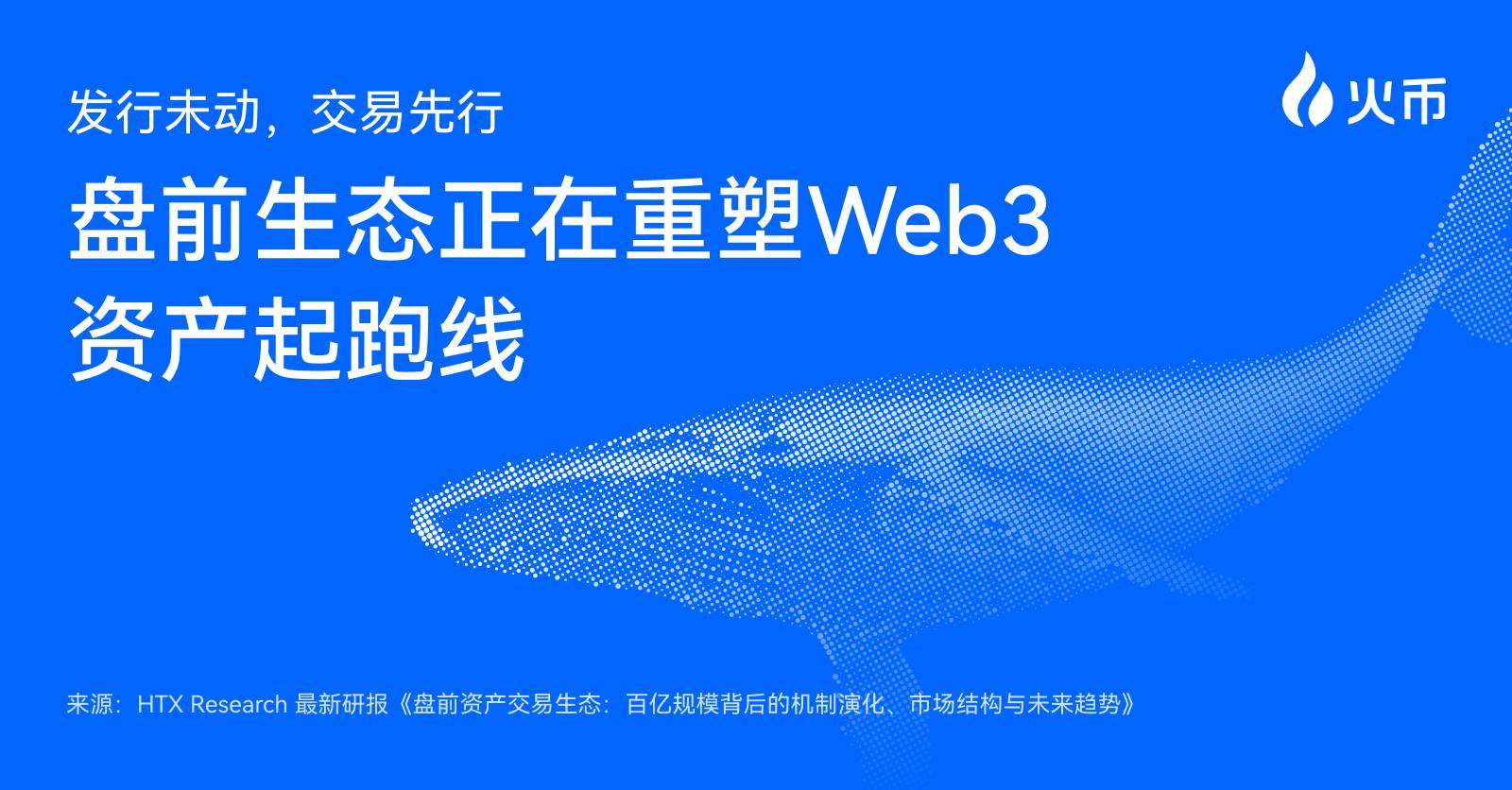
Recently, HTX Research, the exclusive research department under Huobi HTX, released its latest report titled "Pre-Market Asset Trading Ecosystem: Mechanism Evolution, Market Structure, and Future Trends Behind a Ten-Billion Scale." This report systematically studies the formation background, asset structure, typical models, and profound impact on project issuance and exchange systems of the pre-market trading ecosystem in the crypto market.

The report focuses on a rapidly emerging trend: against the backdrop of tightening financing environments and extended token issuance cycles, pre-TGE (Token Generation Event) trading activities are evolving from scattered attempts into a "1.5-level market" connecting primary and secondary markets, gradually becoming an independent market segment that cannot be ignored in the crypto industry.

From the "Pre-Token Vacuum" to the Pre-Market: A New Structure Between Primary and Secondary Markets

HTX Research points out that the rise of the pre-market trading ecosystem is not accidental. As primary fundraising contracts and project issuance cycles are passively extended, project teams are maintaining community activity through points, airdrop expectations, test qualifications, etc., while users continue to invest time and funds before TGE. In this process, previously non-tradable "early contributions" and "future expectations" gradually become assetizable.

At the same time, with lower barriers to token issuance and a surge in the number of projects, attention has become a scarce resource. Mechanisms for pre-market trading around attention, expectations, and future rights have naturally emerged, collectively forming an intermediate market that previously existed only within VCs and exchanges. This is an emerging 1.5-level market (Pre-Market), whose role is no longer just a speculative tool but a key structure reshaping project launch methods and early liquidity.

Three Asset Structures Comprising the Pre-Market Trading Ecosystem

From the perspective of "how future value is anchored," HTX Research categorizes pre-market assets into three structures:

The first category revolves around future token value, with trading models mainly including pre-market OTC, pre-market spot, and pre-market perpetual contracts. These assets are most directly linked to future spot prices and bear the most concentrated price discovery function in the pre-market stage.

The second category centers on points systems, i.e., user behavior points and their financialized derivatives, which have gradually formed a standardized points OTC market. Points, which carry user contribution and incentive expectations in airdrop economics, are incorporated into market pricing in advance through trading and profit-splitting mechanisms.

The third category revolves around future redeemable rights, appearing in forms such as NFTs, qualification certificates, or BuildKeys, converting non-standard rights like whitelists, Early Access, and token allocations into tradable assets.

These three structures collectively cover the complete chain from "user contribution—market expectation—rights confirmation—final settlement," making the pre-market no longer a single-point tool but a multi-layered pre-trading system.

Huobi HTX's Practical Exploration with Pre-Market Perpetual Contracts

As market demand expands and the ecosystem matures, pre-market trading is extending from OTC and spot forms to derivative structures. Pre-market perpetual contracts, as an innovative derivative design, allow users to engage in leveraged speculation around future spot prices before the token is officially listed, further advancing the possibility of price discovery. Currently, pre-market perpetual contracts have become one of the trading modes with the largest volume in pre-market trading.

In this direction, Huobi HTX previously took the lead in launching WLFI (World Liberty Financial) pre-market perpetual contracts before the official listing of the highly anticipated project, providing users with tools for early participation in price speculation and risk management before TGE. This practice also reflects the trend indicated in the report: the role of exchanges is extending from "listing nodes" to the "pre-issuance stage," and pre-market trading is becoming an important part of exchange product systems.

The Scale Potential and Structural Challenges of the Pre-Market

Pre-market trading already has a clear scale foundation. Leading projects often generate trading demand worth hundreds of millions of US dollars in the pre-market stage. The cumulative pre-market trading scale of projects like WLFI and Monad can even exceed one billion US dollars, making pre-market trading a ten-billion-dollar market with potential for further expansion.

However, the pre-market also exposes clear structural risks: liquidity is naturally thin, and prices are easily manipulated by large funds; settlement highly depends on project teams, and information asymmetry persists long-term; different asset forms lack unified standards in rules, performance, and risk allocation. These issues determine that the further expansion of the pre-market depends on whether it can transition from an "opportunistic market" to a more institutionalized and collaboratively governed structure.

Conclusion

HTX Research believes that pre-market trading is not a short-term gimmick but a structural trend driven by changes in the financing environment, the evolution of user participation methods, and the extension of trading platform products. It is reshaping project issuance paths, exchange listing logic, and how users participate in early markets.

In this process, pre-market trading is gradually evolving from a "gray area before issuance" into a key foundational layer connecting primary and secondary markets. Its final form may become a long-term, increasingly institutionalized core market structure in the crypto market.

About HTX Research

HTX Research is the exclusive research department under Huobi HTX, responsible for in-depth analysis of a wide range of areas including cryptocurrency, blockchain technology, and emerging market trends, writing comprehensive reports, and providing professional evaluations. HTX Research is committed to providing data-driven insights and strategic foresight, playing a key role in shaping industry perspectives and supporting informed decision-making in the digital asset field. With rigorous research methods and cutting-edge data analysis, HTX Research is always at the forefront of innovation, leading the development of industry thought, and promoting a deeper understanding of the ever-changing market dynamics. Visit us.

If you wish to communicate, please contact [email protected]

Câu hỏi Liên quan

QWhat is the main focus of the latest HTX Research report on the pre-market trading ecosystem?

AThe report systematically studies the formation background, asset structure, typical models, and the profound impact of the pre-market trading ecosystem on project issuance and exchange systems in the crypto market.

QAccording to the report, what are the three main asset structures that constitute the pre-market trading ecosystem?

AThe three structures are: 1) Assets tied to future token value (pre-market OTC, spot, and perpetual contracts), 2) Assets centered around points systems and their financialized derivatives, and 3) Assets representing future exchangeable rights (e.g., NFTs, qualification certificates, BuildKey).

QWhat role did HTX play in the development of pre-market perpetual contracts, as mentioned in the report?

AHTX pioneered the practice by launching pre-market perpetual contracts for the WLFI (World Liberty Financial) project before its TGE, providing users with tools for early price speculation and risk management.

QWhat is the estimated scale of the pre-market trading ecosystem, and what are its main challenges?

AThe pre-market trading ecosystem is a multi-billion dollar market, with top projects generating hundreds of millions to billions of dollars in trading demand. Its main challenges include thin liquidity, price susceptibility to large funds, high dependency on project issuers for settlement, information asymmetry, and a lack of unified standards.

QHow does HTX Research view the long-term significance of pre-market trading?

AHTX Research believes pre-market trading is not a short-term trend but a structural shift driven by changes in financing environments, user participation models, and exchange product evolution. It is reshaping project launch paths, exchange listing logic, and how users engage with early markets, potentially becoming a core, institutionalized market structure in crypto.

Nội dung Liên quan

Polymarket Bị Kẹt: Bài Kiểm Tra Thực Sự Sau Khi Vượt Qua Giai Đoạn Lưu Lượng Tăng Đột Biến

Polymarket, nền tảng dự đoán thị trường hàng đầu, đang đối mặt với thách thức lớn khi trải nghiệm giao dịch xuống cấp do hạ tầng không theo kịp đà tăng trưởng. Phó chủ tịch kỹ thuật Josh Stevens thừa nhận vấn đề và công bố kế hoạch cải tổ toàn diện, bao gồm: giảm độ trễ dữ liệu, sửa lỗi hủy lệnh, xây dựng lại hệ thống order book (CLOB), nâng cao hiệu suất website, và quan trọng nhất là di chuyển chain (chain migration). Nguyên nhân sâu xa nằm ở việc Polymarket không còn là ứng dụng dự đoán đơn thuần mà đã phát triển thành một nền tảng giao dịch tần suất cao. Polygon, từng là lựa chọn chi phí thấp hoàn hảo, giờ đây trở thành rào cản kỹ thuật. Động thái này ngay lập tức thu hút sự quan tâm của các blockchain khác như Solana, Sui, Algorand... trong khi Polygon nỗ lực giữ chân ứng dụng quan trọng này - nguồn đóng góp phí giao dịch đáng kể cho hệ sinh thái của họ. Bài kiểm tra thực sự của Polymarket không chỉ là chọn chain mới, mà là xây dựng một hệ thống giao dịch đủ mạnh và ổn định để giữ chân người dùng trong giai đoạn tăng trưởng mới, nơi độ tin cậy quan trọng hơn bao giờ hết.

Odaily星球日报04/27 03:21

Polymarket Bị Kẹt: Bài Kiểm Tra Thực Sự Sau Khi Vượt Qua Giai Đoạn Lưu Lượng Tăng Đột Biến

Odaily星球日报04/27 03:21

Điều chỉnh kỳ vọng giảm cho chu kỳ tăng giá tiếp theo của BTC

Tác giả Alex Xu, một nhà đầu tư Bitcoin lâu năm, đã chia sẻ quyết định giảm dần tỷ trọng BTC trong danh mục đầu tư của mình, từ vị thế lớn nhất xuống còn khoảng 30%, và giải thích lý do cho việc điều chỉnh kỳ vọng về đỉnh giá trong chu kỳ bull market tiếp theo. Các lý do chính bao gồm: 1. **Năng lượng tăng trưởng tiềm năng giảm:** Các chu kỳ trước được thúc đẩy bởi việc mở rộng đối tượng đầu tư theo cấp số nhân (từ cá nhân đến tổ chức). Chu kỳ tới cần sự chấp nhận từ các quỹ đầu tư quốc gia hoặc ngân hàng trung ương, điều này khó xảy ra trong 2-3 năm tới. 2. **Chi phí cơ hội cá nhân:** Tìm thấy nhiều cơ hội đầu tư hấp dẫn khác (cổ phiếu công ty) với mức giá hợp lý. 3. **Tác động tiêu cực từ sự thu hẹp của ngành crypto:** Nhiều mô hình Web3 (SocialFi, GameFi...) không thành công, dẫn đến sự thu hẹp của toàn ngành và làm chậm tốc độ tăng trưởng số người nắm giữ BTC. 4. **Áp lực từ nhà mua lớn nhất (MicroStrategy):** Chi phí huy động vốn của MicroStrategy tiếp tục tăng cao (lãi suất 11.5%), có thể làm giảm tốc độ mua vào và gây áp lực bán. 5. **Sự cạnh tranh từ Vàng được token hóa:** Sản phẩm vàng token hóa (tokenized gold) đã thu hẹp khoảng cách về tính dễ chia nhỏ, dễ mang theo và dễ xác minh so với BTC. 6. **Vấn đề ngân sách bảo mật:** Phần thưởng khối giảm sau mỗi lần halving làm trầm trọng thêm vấn đề ngân sách cho bảo mật mạng lưới. Tác giả vẫn giữ một phần BTC đáng kể và sẵn sàng mua lại nếu các lý kiến trên được giải quyết hoặc xuất hiện các yếu tố tích cực mới, với điều kiện giá cả phù hợp.

marsbit04/27 02:46

Điều chỉnh kỳ vọng giảm cho chu kỳ tăng giá tiếp theo của BTC

marsbit04/27 02:46

Giao dịch

Giao ngay
Hợp đồng Tương lai

Bài viết Nổi bật

Làm thế nào để Mua OPG

Chào mừng bạn đến với HTX.com! Chúng tôi đã làm cho mua OpenGradient (OPG) trở nên đơn giản và thuận tiện. Làm theo hướng dẫn từng bước của chúng tôi để bắt đầu hành trình tiền kỹ thuật số của bạn.Bước 1: Tạo Tài khoản HTX của BạnSử dụng email hoặc số điện thoại của bạn để đăng ký tài khoản miễn phí trên HTX. Trải nghiệm hành trình đăng ký không rắc rối và mở khóa tất cả tính năng. Nhận Tài khoản của tôiBước 2: Truy cập Mua Crypto và Chọn Phương thức Thanh toán của BạnThẻ Tín dụng/Ghi nợ: Sử dụng Visa hoặc Mastercard của bạn để mua OpenGradient (OPG) ngay lập tức.Số dư: Sử dụng tiền từ số dư tài khoản HTX của bạn để giao dịch liền mạch.Bên thứ ba: Chúng tôi đã thêm những phương thức thanh toán phổ biến như Google Pay và Apple Pay để nâng cao sự tiện lợi.P2P: Giao dịch trực tiếp với người dùng khác trên HTX.Thị trường mua bán phi tập trung (OTC): Chúng tôi cung cấp những dịch vụ được thiết kế riêng và tỷ giá hối đoái cạnh tranh cho nhà giao dịch.Bước 3: Lưu trữ OpenGradient (OPG) của BạnSau khi mua OpenGradient (OPG), lưu trữ trong tài khoản HTX của bạn. Ngoài ra, bạn có thể gửi đi nơi khác qua chuyển khoản blockchain hoặc sử dụng để giao dịch những tiền kỹ thuật số khác.Bước 4: Giao dịch OpenGradient (OPG)Giao dịch OpenGradient (OPG) dễ dàng trên thị trường giao ngay của HTX. Chỉ cần truy cập vào tài khoản của bạn, chọn cặp giao dịch, thực hiện giao dịch và theo dõi trong thời gian thực. Chúng tôi cung cấp trải nghiệm thân thiện với người dùng cho cả người mới bắt đầu và người giao dịch dày dạn kinh nghiệm.

Tổng lượt xem 149Xuất bản vào 2026.04.20Cập nhật vào 2026.04.20

Làm thế nào để Mua OPG

Làm thế nào để Mua CHIP

Chào mừng bạn đến với HTX.com! Chúng tôi đã làm cho mua USD.AI (CHIP) trở nên đơn giản và thuận tiện. Làm theo hướng dẫn từng bước của chúng tôi để bắt đầu hành trình tiền kỹ thuật số của bạn.Bước 1: Tạo Tài khoản HTX của BạnSử dụng email hoặc số điện thoại của bạn để đăng ký tài khoản miễn phí trên HTX. Trải nghiệm hành trình đăng ký không rắc rối và mở khóa tất cả tính năng. Nhận Tài khoản của tôiBước 2: Truy cập Mua Crypto và Chọn Phương thức Thanh toán của BạnThẻ Tín dụng/Ghi nợ: Sử dụng Visa hoặc Mastercard của bạn để mua USD.AI (CHIP) ngay lập tức.Số dư: Sử dụng tiền từ số dư tài khoản HTX của bạn để giao dịch liền mạch.Bên thứ ba: Chúng tôi đã thêm những phương thức thanh toán phổ biến như Google Pay và Apple Pay để nâng cao sự tiện lợi.P2P: Giao dịch trực tiếp với người dùng khác trên HTX.Thị trường mua bán phi tập trung (OTC): Chúng tôi cung cấp những dịch vụ được thiết kế riêng và tỷ giá hối đoái cạnh tranh cho nhà giao dịch.Bước 3: Lưu trữ USD.AI (CHIP) của BạnSau khi mua USD.AI (CHIP), lưu trữ trong tài khoản HTX của bạn. Ngoài ra, bạn có thể gửi đi nơi khác qua chuyển khoản blockchain hoặc sử dụng để giao dịch những tiền kỹ thuật số khác.Bước 4: Giao dịch USD.AI (CHIP)Giao dịch USD.AI (CHIP) dễ dàng trên thị trường giao ngay của HTX. Chỉ cần truy cập vào tài khoản của bạn, chọn cặp giao dịch, thực hiện giao dịch và theo dõi trong thời gian thực. Chúng tôi cung cấp trải nghiệm thân thiện với người dùng cho cả người mới bắt đầu và người giao dịch dày dạn kinh nghiệm.

Tổng lượt xem 196Xuất bản vào 2026.04.21Cập nhật vào 2026.04.21

Làm thế nào để Mua CHIP

Làm thế nào để Mua CC

Chào mừng bạn đến với HTX.com! Chúng tôi đã làm cho mua CC(Canton) (CC) trở nên đơn giản và thuận tiện. Làm theo hướng dẫn từng bước của chúng tôi để bắt đầu hành trình tiền kỹ thuật số của bạn.Bước 1: Tạo Tài khoản HTX của BạnSử dụng email hoặc số điện thoại của bạn để đăng ký tài khoản miễn phí trên HTX. Trải nghiệm hành trình đăng ký không rắc rối và mở khóa tất cả tính năng. Nhận Tài khoản của tôiBước 2: Truy cập Mua Crypto và Chọn Phương thức Thanh toán của BạnThẻ Tín dụng/Ghi nợ: Sử dụng Visa hoặc Mastercard của bạn để mua CC(Canton) (CC) ngay lập tức.Số dư: Sử dụng tiền từ số dư tài khoản HTX của bạn để giao dịch liền mạch.Bên thứ ba: Chúng tôi đã thêm những phương thức thanh toán phổ biến như Google Pay và Apple Pay để nâng cao sự tiện lợi.P2P: Giao dịch trực tiếp với người dùng khác trên HTX.Thị trường mua bán phi tập trung (OTC): Chúng tôi cung cấp những dịch vụ được thiết kế riêng và tỷ giá hối đoái cạnh tranh cho nhà giao dịch.Bước 3: Lưu trữ CC(Canton) (CC) của BạnSau khi mua CC(Canton) (CC), lưu trữ trong tài khoản HTX của bạn. Ngoài ra, bạn có thể gửi đi nơi khác qua chuyển khoản blockchain hoặc sử dụng để giao dịch những tiền kỹ thuật số khác.Bước 4: Giao dịch CC(Canton) (CC)Giao dịch CC(Canton) (CC) dễ dàng trên thị trường giao ngay của HTX. Chỉ cần truy cập vào tài khoản của bạn, chọn cặp giao dịch, thực hiện giao dịch và theo dõi trong thời gian thực. Chúng tôi cung cấp trải nghiệm thân thiện với người dùng cho cả người mới bắt đầu và người giao dịch dày dạn kinh nghiệm.

Tổng lượt xem 112Xuất bản vào 2026.04.21Cập nhật vào 2026.04.21

Làm thế nào để Mua CC

Thảo luận

Chào mừng đến với Cộng đồng HTX. Tại đây, bạn có thể được thông báo về những phát triển nền tảng mới nhất và có quyền truy cập vào thông tin chuyên sâu về thị trường. Ý kiến ​​của người dùng về giá của A (A) được trình bày dưới đây.

活动图片