Farewell to 'Super Connector': Hong Kong's 'Global Hub' Ambition, What Is It Competing with Singapore and New York For?

marsbitXuất bản vào 2025-12-19Cập nhật gần nhất vào 2025-12-19

Tóm tắt

Hong Kong is re-evaluating its role as a "super-connector" between China and global markets, facing intense competition from rivals like Singapore and New York. Despite strong market data—including a 120% surge in average daily turnover and a 709% jump in IPO fundraising in early 2025—a strategic shift is underway. The Hong Kong Financial Development Council’s report advocates transitioning from a passive gateway to an active "global capital hub," emphasizing a new "4Is" framework: Issuers, Investors, Intermediaries, and Instruments. Key challenges include diversifying issuers beyond China, attracting long-term "patient capital," deepening bond and derivatives markets, and accelerating digital infrastructure upgrades like T+1 settlement and tokenization. The report highlights the need for regulatory reforms, such as easing dual-class share rules, to compete for next-gen tech listings. However, Hong Kong must navigate geopolitical tensions, market liquidity issues, and balancing innovation with stability to succeed in this transformation.

In early 2025, the global capital market witnessed a dramatic 'choice'. Southeast Asian tech giant Grab ultimately chose to conduct its primary listing in its home base, Singapore, rather than in nearby Hong Kong. Almost simultaneously, the market buzzed with news that Saudi Aramco was actively considering spinning off its massive trading business, potentially establishing an international energy trading center in Hong Kong or Singapore. These developments served as a mirror, reflecting the subtle yet real competitive pressures facing Hong Kong as an Asian financial center—it not only needs to accommodate the return of China-concept stocks but must also proactively compete for the next generation of 'anchor' assets from around the world, particularly emerging markets.

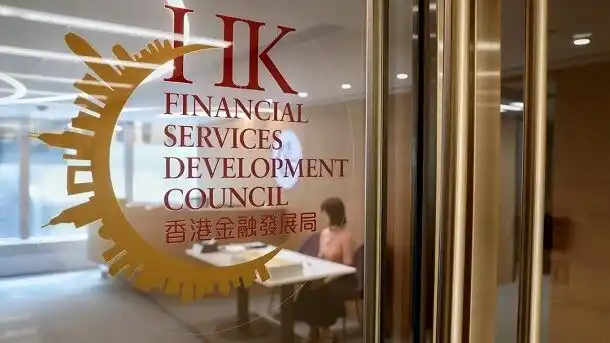
Surface data remains impressive. According to market data released by HKEX, in the first five months of 2025, the average daily turnover of Hong Kong stocks surged by 120% year-on-year, and IPO fundraising skyrocketed by 709%. The Global Financial Centres Index from the UK's Z/Yen Group shows Hong Kong firmly maintaining its position among the top three globally. Yet, beneath this prosperity, a deep strategic anxiety permeates Hong Kong's financial policymakers. In December 2025, the Hong Kong Financial Services Development Council (FSDC) released its Concept Paper No. 72, "The Way Forward for Hong Kong’s Capital Markets: The Super Connector – A Global Capital Hub in the Digital Age." This report is a concentrated manifestation of this anxiety and resolve. Its value far exceeds that of an ordinary industry plan; it is essentially a public act of strategic "self-diagnosis" and "route reconstruction." Its core proposition is: Can Hong Kong, and how can it, transcend its traditional role as a "super connector" and transform into an autonomous "global capital hub"?
I. Strategic Upgrade: The Inevitable Shift from 'Conduit' Logic to a 'Hub' Ecosystem

The report's vision is stated upfront: building a digital global capital ecosystem with near-seamless flows of funds, assets, and information. This is not a description of the status quo but a fundamental reshaping of the development paradigm. For decades, Hong Kong's success was built on a unique "conduit" logic: backed by Mainland China, facing the global market, acting as a "super connector" for capital flowing in and out of the mainland. This model achieved its glory, with global IPO fundraising often ranking at the top.

However, the FSDC report soberly points out that the world has changed. Geopolitics has led to a "systemic restructuring and rerouting" of capital flows. The core of global financial center competition has shifted to "the level of digitalization and technological benchmarks, the degree of trust in market institutions, and the ability to practically meet the actual needs of the new generation of issuers and investors." The "conduit" model, which relies solely on geographical advantages, is increasingly revealing its fragility—flow can plummet due to policy or external environmental changes, and its functions can be partially replaced by other emerging connectivity mechanisms.

Therefore, the new positioning of a "global capital hub" proposed in the report represents a profound strategic upgrade. Its connotation is reflected in three dimensions: Functionally, shifting from a passive "fund transmission pipeline" to an active "capital formation, pricing, and allocation platform"; Geographically, expanding from focusing on "north-south" (connecting China and the West) to building "east-west capital channels" spanning Asia, the Middle East, and Europe; In terms of development drivers, moving from relying on "location红利 (dividends)" to building core competitiveness through "institutional innovation" and "technological infrastructure."

To support this shift, the report systematically proposes a "4Is" strategic framework, aiming to comprehensively upgrade four key pillars: Issuers, Investors, Intermediaries, and Instruments. These four pillars are interconnected, designed to form a positive feedback loop ecosystem: attracting diversified, high-quality issuers brings rich financial instruments; rich instruments and active trading attract global, diversified long-term investors; the deep participation and complex needs of investors, in turn, drive intermediaries to enhance service capabilities and financial innovation. The operating efficiency of this loop ultimately depends on the support of digitalization and market infrastructure. This is fundamentally different from the past emphasis on the single function of financing through IPOs, marking a systematic, ecological turn in Hong Kong's capital market development strategy.

II. Tackling the '4Is': Upgrade Paths, Challenges, and Digital Enablement for the Four Pillars

The "4Is" framework in the report is the core of strategy implementation, but upgrading each pillar faces specific and profound challenges, requiring dual enablement from both systems and technology.

Issuers: The Challenge of Expanding from 'Gateway to China' to 'Global Stage'

The report's goal is to enrich the issuer structure, moving beyond reliance on Mainland Chinese companies. The short-term strategy is to optimize the listing system (e.g., relaxing rules on weighted voting rights) to attract more international companies for primary or secondary listings. The medium-term hope is to expand the "Connect" schemes to derivative instruments and alternative assets.

The core challenge lies in persuading international companies. For mature欧美 (European and American) companies, the valuation and liquidity of the Hong Kong market may not match their home markets; for Southeast Asian and Middle Eastern companies, barriers exist in Hong Kong's legal and accounting environments and investor recognition. The "phased access" model proposed in the report—starting with a secondary listing, then transitioning to a dual primary listing and inclusion in Stock Connect upon meeting criteria—is a pragmatic design, but its attractiveness depends on the pace of Mainland capital account liberalization and the determination to expand Stock Connect. Furthermore, traditional investment banks and law firms face tests in their pricing power, sales networks, and compliance experience when serving these new, diverse types of issuers.

Investors: The Product and Channel Dilemma in Attracting 'Patient Capital'

Attracting long-term capital like pension and insurance funds is a top priority of the report. This requires Hong Kong to provide assets that match their long-term liabilities, seek stable returns, and can hedge risks.

The core challenge is that Hong Kong lacks sufficient long-term, high-rated, HKD-denominated fixed-income products. The report proposes developing green bonds, infrastructure bonds, and private credit. However, the green bond market is still dominated by issuance rather than active secondary trading; infrastructure project investment is complex and long-cycle; private credit lacks standardization and transparency, making it difficult to include in the常规 (regular) allocation range of large institutions. Technological enablement is particularly crucial here. For example, through asset tokenization, large infrastructure projects or private credit assets can be "sliced," lowering investment thresholds, enhancing liquidity, and enabling near-real-time收益分配 (income distribution), thereby increasing their appeal to "patient capital." The HKMA's digital bond and the EvergreenHub knowledge platform mentioned in the report are attempts in this direction.

Intermediaries: Pressure for Capability Reshaping and Ecosystem Synergy

Intermediaries are the blood vessels connecting issuers and investors. The report calls on banks, brokerages, and market makers to enhance their capabilities to support complex markets like fixed income, derivatives, and digital assets.

The core challenge is capability mismatch and lack of incentives. Hong Kong's investment banking ecosystem has long served equity IPOs; its professional depth and talent pool in areas like complex debt structuring, interest rate derivatives market making, and digital asset custody lag behind New York and London. Simultaneously, in thin bond markets, market makers lack sufficient incentive to maintain two-way quotes. The report implicitly calls for regulatory reform and incentives, such as optimizing trading systems, providing liquidity support for market-making activities, or tax benefits. Digitization reshapes intermediaries from another dimension: smart contracts can automatically execute corporate actions like bond coupon payments, reducing manual errors and operational risks; blockchain platforms can improve the transparency and efficiency of post-trade processes, lowering the operational costs for intermediaries.

Instruments: The Difficult Leap from 'Equity-Dominated' to 'Multi-Asset Driven'

Enriching financial instruments is the foundation for increasing market depth and attracting diverse investors. The report lists developing derivatives, commodities, sustainable finance products, and alternative investment tools.

The core challenge is the liquidity dilemma and regulatory complexity. The success of a new financial product market requires network effects formed jointly by issuers, market makers, and investors. Examples of Hong Kong launching new products that subsequently suffered from thin trading are not uncommon. For instance, while it has one of Asia's most active equity derivatives markets, it still lags far behind in complex derivatives like interest rate and credit. Developing these products requires a highly mature institutional investor base, sophisticated risk management systems, and a matching regulatory framework. The report's proposed "pilot innovative products" approach is cautious but requires a precise balance between the scale, speed, and risk tolerance of the pilots. Digitization offers new possibilities: blockchain-based derivative contracts can enable automated collateral management and settlement, reducing counterparty risk and thus encouraging more participants to enter.

III. The Key Battle: Reshaping the Listing Regime, Competing for the Pricing Power of 'Future Assets'

Within the "4Is" framework, attracting quality issuers is the logical starting point, and the competitiveness of the listing regime is the primary battlefield. The report spares nearly ten pages to deeply analyze and recommend optimizations for the Weighted Voting Rights (WVR) structure, hitting the nail on the head.

From its introduction in 2018 to mid-2025, over seven years, only 31 companies listed in Hong Kong using this structure, accounting for about 4% of total IPOs in the same period. This number stands in stark contrast to the Silicon Valley and global tech startup wave. For example, research by University of Florida finance professor Jay Ritter shows that since 2020, over 40% of tech IPOs in the US have used dual-class share structures. Hong Kong's caution and the widespread acceptance in the US form a clear gap.

Appendix IV of the report provides a detailed comparison of regimes in major global jurisdictions, revealing Hong Kong's "conservatism." Compared to the US, which has no hard cap on voting rights ratios, and the UK, which post-2024 reform removed the market capitalization threshold retaining only a "three-year operational track record" requirement, Hong Kong's framework sets a double high bar: Qualitatively, the issuer must be an "Innovative Company" as recognized by HKEX; Quantitatively, the market cap must reach HK$40 billion, or "HK$10 billion market cap + HK$1 billion revenue." These two thresholds may shut out a large number of "hard tech" companies in high-growth phases that are not yet profitable or haven't reached giant规模 (scale).

A deeper constraint lies in the limitations of the "Qualifying Exchange" list. Currently, only companies primarily listed on the New York Stock Exchange, Nasdaq, or London (Premium Listing) can retain their WVR structure when conducting a secondary listing in Hong Kong. This means that a large number of excellent companies listed on Euronext, the SIX Exchange, or other quality markets in Asia cannot easily use Hong Kong as their Asian financing and liquidity management platform. This无形中 (invisibly) limits the international diversification of Hong Kong's listing resources.

The FSDC report essentially sends a clear signal: in the fierce global competition to attract listings from the next generation of tech companies (e.g., AI, biotech, clean energy), Hong Kong's current institutional flexibility is insufficient. If it cannot provide founders with control guarantees like New York or reduce listing costs and complexity like London, Hong Kong will face continued passivity in attracting "future assets." This is not just about modifying a few rules; it is a battle for "pricing power" concerning the future vitality and valuation benchmarks of Hong Kong's capital market.

IV. The Infrastructure Battle: The 'Race Against Time' of Digitalization and the Efficiency Revolution

The implementation of all strategies relies on efficient, robust, and future-oriented market infrastructure. The report warns at great length that this is an "efficiency revolution" concerning survival, and Hong Kong can no longer afford to lose.

Global post-trade systems are iterating at an astonishing speed. The US fully transitioned to T+1 settlement in May 2024, Europe plans to follow in 2027, and India has even begun T+0 pilots. Although HKEX has initiated a T+1 consultation, the report clearly states that the transition involves complex upgrades across the entire value chain of brokers, custodians, and settlement, and is "a multi-year transition project." Efficiency is competitiveness;滞后 (lag) in clearing and settlement directly means higher capital occupancy costs and counterparty risk. In the eyes of institutional investors, this is a hard indicator for assessing market attractiveness.

Simultaneously, digital financial infrastructure represented by blockchain and tokenization is reshaping the market形态 (landscape). Hong Kong shows前瞻性 (forward-looking)布局 (positioning) in this race. From the HKMA leading the issuance of the world's first tokenized green bond in 2023, to the CMU system supporting multi-currency digital bond issuance, to continued participation in the BIS "mBridge" cross-border CBDC project, Hong Kong is attempting to integrate Distributed Ledger Technology (DLT) into the mainstream financial system. The goal of these explorations is not to replace traditional finance but to significantly enhance market efficiency and create new product forms (e.g., tokenized real estate, private fund shares) by achieving near-real-time asset settlement, programmable financial contracts, and broader asset accessibility. This requires regulation and innovation to proceed in parallel, clarifying virtual asset licensing and stablecoin regulatory frameworks while encouraging fintech innovation that meets regulatory requirements.

V. Challenges and Games: Three Deep-Seated Contradictions in the Transformation

This ambitious report does not shy away from the difficulties ahead. It actually reveals three deep-seated contradictions that Hong Kong must directly face and resolve on its path to becoming a "global capital hub."

First Contradiction: Mismatch between short-term market structure and long-term strategic goals. Although the report outlines a blueprint for a multi-asset hub, the现状 (status quo) of Hong Kong's "strong equities, weak bonds" and lack of liquidity in small and mid-cap stocks is deeply entrenched. The report even discusses the feasibility of providing "stamp duty宽减 (concessions)" for stocks with chronically low liquidity, which反而衬托出 (instead highlights) the棘手性 (intractability) of the problem. Attracting long-term capital requires a deep bond market, and the deepening of the bond market requires the participation of more long-term capital—this is a "chicken and egg" cycle. Breaking it requires the government to持续 (continuously) issue long-term bonds to build the yield curve and design incentives to guide private sector issuance.

Second Contradiction: The 'Double-Edged Sword' effect of geopolitics and path dependency risk. The report views the return of China-concept stocks as an important opportunity, which is indeed Hong Kong's unique advantage. However, over-reliance on a single source of issuers may bind the market cycle more deeply to the policy risks of a specific region. At the same time, attracting mature欧美 (European and American) companies to list in Hong Kong faces substantive obstacles: for example, the EU's MiFID II requires traders to prioritize routing EU equity orders to "equivalent" third-country markets, and Hong Kong has not yet obtained this recognition. This limits the benefit to本土 (home market) liquidity for European companies listing in Hong Kong. Turning to Middle Eastern and Southeast Asian markets requires overcoming a series of non-institutional barriers such as legal, accounting, and cultural认知 (perception).

Third, and most core, Contradiction: The inherent tension in regulatory philosophy. Reading through the report, phrases like "worthy of further study" and "subject to further study by regulators and the market" appear frequently. This accurately reflects the eternal trade-off Hong Kong regulators face between "enhancing market competitiveness" and "maintaining market stability and investor protection." Any major institutional breakthrough, such as relaxing WVR thresholds or introducing new digital asset products, requires regulators to make precise and timely judgments in a rapidly changing market. Being too conservative may miss opportunities; being too aggressive may引发 (trigger) risks. This report points the direction, but how to grasp this "度" (degree) will be the biggest test for the SFC and HKMA in the coming years.

A Self-Revolution Concerning the Future

The FSDC's Concept Paper No. 72 is less of a development plan and more of a manifesto of strategic awakening. It marks a fundamental shift in the mainstream narrative of Hong Kong's capital market: from enjoying the conduit红利 (dividends) of the "super connector" to致力于 (committing to) building an autonomous "global capital hub" with its own ecological capabilities. This shift is an active response to the new form of globalization and the new landscape of capital competition.

The success of the report lies in its systematic diagnosis and coherent logic. It outlines a clear upgrade path by协同发力 (coordinated efforts) across four dimensions: institutions, products, capital, and infrastructure. However, the true value of the report will depend on its "execution conversion rate."

Hong Kong's competitive landscape has quietly changed. It is no longer just a ranking competition within Asia, but a top-tier race to participate in defining the rules of the future financial system against the backdrop of the dual revolutions of global capital and technology. Hong Kong needs to prove that it can become a "trusted neutral platform" that transcends geopolitical fluctuations and exists based on institutional credibility, market efficiency, and technological enablement.

The road ahead is注定 (destined) to be uneven, filled with the博弈 (games) and compromise of the aforementioned three contradictions. But this report at least clearly points the direction: The future of Hong Kong's capital market does not depend on past glory, but on the courage, wisdom, and execution power of its self-revolution. This profound restructuring has already begun. Its success or failure will determine Hong Kong's place on the global financial map for the next decade.

Partial source materials:

· "HKEX Disclosure: Average Daily Turnover in First Five Months of Year Up 120% YoY"

· "The Way Forward for Hong Kong’s Capital Markets: The Super Connector – A Global Capital Hub in the Digital Age"

· "HKEX Releases H1 2025 Market Highlights Data, Strong Secondary Market Performance"

Author: Liang Yu Edited and Reviewed by: Zhao Yidan

Tiền kỹ thuật số thịnh hành

Câu hỏi Liên quan

QWhat is the core strategic shift proposed for Hong Kong's financial market in the HKFSD Concept Paper No. 72?

AThe core strategic shift is to transform Hong Kong from a traditional 'super-connector' or gateway role into an autonomous 'global capital hub'. This involves moving from a passive 'conduit' logic for capital flow to actively building a digital global capital ecosystem with seamless movement of funds, assets, and information.

QWhat are the '4Is' strategic framework pillars outlined in the report to support Hong Kong's new positioning?

AThe '4Is' strategic framework consists of upgrading four key pillars: Issuers (diversifying beyond mainland Chinese companies), Investors (attracting long-term 'patient capital'), Intermediaries (enhancing capabilities of banks and market makers), and Instruments (developing a wider range of financial products beyond equities).

QWhat specific challenge does Hong Kong face in attracting international companies to list, particularly regarding its 'Weighted Voting Rights' (WVR) regime?

AHong Kong's WVR regime is considered conservative with high barriers. It requires companies to be 'innovative' and meet high market capitalization thresholds (HKD 40 billion, or HKD 10 billion + HKD 1 billion revenue), potentially excluding many high-growth tech firms. Furthermore, its 'Qualifying Exchange' list for secondary listings is limited, hindering diversification.

QHow is digital infrastructure and technology, like blockchain, seen as crucial for Hong Kong's competitiveness according to the report?

ADigital infrastructure is vital for an 'efficiency revolution'. It's key for implementing T+1 settlement to keep pace with global markets (like the US) and for leveraging technologies like blockchain and tokenization. This can enhance market efficiency, create new products (e.g., tokenized assets), and make the market more attractive to long-term investors by improving liquidity and transparency.

QWhat are the three deep-seated challenges or contradictions Hong Kong must resolve in its transformation into a global capital hub?

AThe three core challenges are: 1) The mismatch between its short-term market structure (equity-heavy, illiquid small-cap stocks) and long-term strategic goals (a deep, multi-asset hub). 2) The double-edged sword of geopolitics and path dependency (balancing reliance on Chinese listings with attracting truly global issuers facing regulatory hurdles). 3) The inherent tension in regulatory philosophy between enhancing market competitiveness and maintaining market stability and investor protection.

Nội dung Liên quan

AI Cắt Giảm Chi Phí và Tăng Hiệu Quả, Khiến VC Ngày Càng Đốt Nhiều Tiền Hơn

Tác giả: Zen, PANews AI đang giảm chi phí khởi nghiệp nhưng đồng thời đẩy giá cổ phần trong các công ty AI tiềm năng lên cao, khiến thị trường vốn mạo hiểm (VC) ngày càng "đắt đỏ". Công cụ AI cho phép các startup phát triển sản phẩm với đội ngũ nhỏ hơn và ít vốn hơn. Tuy nhiên, thị trường đầu tư đang phân cực mạnh. Trong khi nhiều công ty nhẹ gọi vốn ít hơn, một nhóm nhỏ các startup AI xuất sắc, đặc biệt là những người sáng lập từ các phòng lab hàng đầu như OpenAI hay Google DeepMind, đang huy động được những khoản đầu tư Seed và Series A khổng lồ với định giá hàng trăm triệu, thậm chí hàng tỷ USD ngay từ giai đoạn rất sớm, dù sản phẩm có thể chưa hoàn thiện. Điều này tạo ra nghịch lý: chi phí thành lập công ty giảm, nhưng chi phí để các quỹ VC sở hữu cổ phần chất lượng lại tăng mạnh. Định giá cao khiến các quỹ phải bỏ ra nhiều tiền hơn để có được tỷ lệ sở hữu tương đương. Để theo kịp, các quỹ lớn như Accel, a16z đang gây quỹ với quy mô kỷ lục (Accel huy động 8.5 tỷ USD chỉ trong 4 tháng) để vừa tham gia sớm, vừa có đủ vốn duy trì tỷ lệ sở hữu qua các vòng gọi vòng sau. Vốn ngày càng tập trung vào một số ít dự án AI hàng đầu. Hai công ty OpenAI và Anthropic đã hút tới 43% tổng số vốn đầu tư toàn cầu vào startup trong nửa đầu năm 2026. Động thái này củng cố vị thế của các quỹ lớn, trong khi các quỹ nhỏ hơn khó tham gia vào các thương vụ "nóng". Rủi ro nằm ở chỗ định giá cao hiện tại đã phản ánh kỳ vọng tăng trưởng lớn trong tương lai. Để mang lại lợi nhuận mong đợi, các công ty này phải phát triển thành những gã khổng lồ nghìn tỷ USD. Nếu không, định giá cao sẽ nén biên lợi nhuận của nhà đầu tư. Tuy nhiên, với các quỹ VC lớn, ưu tiên hàng đầu hiện nay không phải là chờ định giá hợp lý, mà là không bỏ lỡ những "kẻ chiến thắng" tiềm năng trong làn sóng siêu chu kỳ AI này.

marsbit26 phút trước

AI Cắt Giảm Chi Phí và Tăng Hiệu Quả, Khiến VC Ngày Càng Đốt Nhiều Tiền Hơn

marsbit26 phút trước

Tám năm đầu tư, đột ngột rẽ ngoặt: Tại sao Ethereum đột nhiên từ bỏ Poseidon?

Ngày 13/8, nhà nghiên cứu Justin Drake của Ethereum thông báo quyết định từ bỏ thuật toán băm thân thiện SNARK Poseidon ở lớp L1, chuyển sang sử dụng các hàm băm truyền thống như SHA2 hoặc BLAKE2. Đây là sự điều chỉnh lớn trong lộ trình mật mã hậu lượng tử, sau 8 năm nghiên cứu với đầu tư hàng chục triệu USD. Poseidon, ra mắt năm 2019, từng được coi là lựa chọn lý tưởng cho các ứng dụng như zkRollup và zkVM nhờ hiệu quả cao trong mạch SNARK. Tuy nhiên, khi an ninh hậu lượng tử trở thành yêu cầu bắt buộc, những hạn chế của Poseidon bắt đầu lộ rõ. Bước ngoặt đến từ những tiến bộ đột phá trong thiết kế SNARK thông qua phương pháp vận hành trên "trường nhị phân". Cách tiếp cận này cho phép các hàm băm truyền thống đạt hiệu suất tương đương Poseidon trong mạch SNARK, với khả năng xác minh khoảng 1 triệu lần gọi hàm băm mỗi giây trên một máy tính xách tay. Một lý do quan trọng khác cho sự thay đổi là lộ trình an ninh hậu lượng tử đang được đẩy nhanh. Các báo cáo cảnh báo "Ngày Q" (Q-Day) - khi máy tính lượng tử có thể phá vỡ mật mã hiện tại - có thể xảy ra trong khoảng 2030-2033, đe dọa hàng nghìn tỷ USD tài sản trên chuỗi. Quỹ Ethereum đang đặt cược vào các giải pháp dựa trên hàm băm, vốn được đánh giá có khả năng kháng cự mạnh hơn trước các cuộc tấn công lượng tử. Lộ trình hậu lượng tử của Ethereum nhắm đến việc triển khai leanVM cấp sản xuất vào năm 2027, tiếp theo là triển khai trên lớp đồng thuận, lớp thực thi và lớp khả dụng dữ liệu vào năm 2028. Việc chuyển đổi sang SHA2/BLAKE2 - những hàm băm có lịch sử phân tích lâu dài và chín muồi hơn - phản ánh sự lựa chọn hướng tới các nguyên thủy mật mã được kiểm chứng rộng rãi cho kỷ nguyên hậu lượng tử. Các blockchain lớn khác như Solana và Starknet cũng đang tích cực chuẩn bị với các lộ trình và lựa chọn giải pháp hậu lượng tử riêng.

marsbit1 giờ trước

Tám năm đầu tư, đột ngột rẽ ngoặt: Tại sao Ethereum đột nhiên từ bỏ Poseidon?

marsbit1 giờ trước

Lập trình viên toàn cầu đang 'tặng tiền' cho Anthropic! Phía chính thức cuối cùng cũng không thể tiếp tục im lặng.

Vừa qua, Anthropic đã xuất bản một bài blog chính thức với thông điệp rõ ràng: các lập trình viên đang lãng phí rất nhiều token khi sử dụng Claude Code và cần sử dụng hợp lý hơn để tiết kiệm chi phí. Dưới đây là những phương pháp chính được đề xuất: 1. **/clear sau mỗi nhiệm vụ:** Kết thúc một task (như sửa lỗi), hãy xóa lịch sử hội thoại hiện tại để tránh các file và kết quả lệnh không liên quan làm đầy ngữ cảnh cho task tiếp theo. 2. **Cố định mô hình và cường độ suy luận (effort level) ngay từ đầu:** Việc chuyển đổi giữa các mô hình (như từ Sonnet sang Opus) hoặc thay đổi effort level sẽ khiến bộ nhớ đệm (cache) bị mất hiệu lực, buộc toàn bộ lịch sử hội thoại phải được tính toán lại với mức giá đầy đủ. 3. **Sử dụng @ để tham chiếu file:** Thay vì nhập đường dẫn thủ công, hãy đính kèm trực tiếp file vào tin nhắn bằng ký hiệu @. Điều này giúp Claude đọc file trực tiếp, tránh các thao tác tìm kiếm thử nghiệm tốn token. 4. **Thêm tham số "yên lặng" (quiet flag) cho các lệnh có đầu ra dài:** Cấu hình trong CLAUDE.md để các lệnh như chạy test chỉ xuất ra bản tóm tắt ngắn, giảm đáng kể độ dài văn bản được thêm vào ngữ cảnh. 5. **Sử dụng /compact khi bộ nhớ cache còn "nóng":** Nén hội thoại khi dữ liệu vẫn còn trong cache sẽ chỉ tốn ~1/10 chi phí so với việc thực hiện sau khi cache đã hết hạn. 6. **Giao nhiệm vụ đầu ra lớn cho Subagent:** Subagent chạy trong một cửa sổ ngữ cảnh độc lập, chỉ trả về kết luận cuối cùng, giữ cho quá trình trung gian (đọc file, chạy lệnh) không làm nặng hội thoại chính. **Giải thích về chi phí Token:** - **Token đầu vào (prefill)** được xử lý song song, rẻ hơn. - **Token đầu ra (decode)** được tạo tuần tự, đắt hơn gấp **5 lần** token đầu ra. - **Bộ nhớ đệm (Cache)** là công cụ tiết kiệm mạnh mẽ nhất: nếu phần đầu của yêu cầu hiện tại giống hệt lần trước, chi phí đọc lại chỉ bằng **10%** giá gốc. Tuy nhiên, cache dễ mất do thay đổi mô hình, effort level, hoặc hết thời gian timeout. **Quản lý sự "phình to" của hội thoại:** Mỗi file được đọc hay kết quả lệnh được thực thi đều được thêm vào lịch sử, khiến các lượt hội thoại sau phải gửi lại toàn bộ nội dung tích lũy trước đó, làm chi phí tăng theo cấp số nhân. Ngoài các mẹo trên, có thể dùng **/rewind** để cắt bỏ các lượt hội thoại đi lệch mà không làm hỏng cache. **Kết luận:** Việc quản lý hiệu quả token - từ chọn mô hình, bảo toàn cache đến kiểm soát độ dài ngữ cảnh - đang trở thành một kỹ năng thiết yếu của lập trình viên trong thời đại AI. Nó không chỉ giúp tiết kiệm chi phí (chênh lệch có thể lên tới 10 lần cho cùng một task), mà còn tối đa hóa giá trị làm việc với ngân sách có sẵn.

marsbit3 giờ trước

Lập trình viên toàn cầu đang 'tặng tiền' cho Anthropic! Phía chính thức cuối cùng cũng không thể tiếp tục im lặng.

marsbit3 giờ trước

Pax Silica đối đầu WAICO: Mỹ muốn cấm châu Âu sử dụng trí tuệ nhân tạo của Trung Quốc

Hoa Kỳ dự kiến yêu cầu các đối tác châu Âu và các nước khác từ bỏ các sáng kiến trí tuệ nhân tạo (AI) của Trung Quốc, nếu không sẽ bị loại khỏi liên minh công nghệ Pax Silica do Mỹ dẫn đầu. Thông tin này dựa trên một dự thảo tài liệu nội bộ của Bộ Ngoại giao Mỹ, được Reuters công bố. Văn bản nhắm tới 35 quốc gia đã ký Tuyên bố Cơ hội AI vào tháng 6/2026, trong đó có nhiều nước châu Âu. Lập trường của Mỹ rõ ràng: thành viên Pax Silica không thể đồng thời tham gia các dự án trùng lặp có mục tiêu trái ngược. Pax Silica, được Mỹ khởi xướng từ cuối năm 2025, là chiến lược nhằm duy trì vị thế thống lĩnh trong lĩnh vực AI và bán dẫn. Sự mở rộng thành viên của khối này, đặc biệt là khi EU và một số nước châu Âu gia nhập vào giữa năm 2026, đã củng cố khối phương Tây. Tuy nhiên, tối hậu thư từ Washington đặt các quốc gia này trước một lựa chọn khó khăn: gắn kết với hệ sinh thái công nghệ phương Tây hay theo đuổi hợp tác đa dạng, bao gồm cả với Trung Quốc. Song song đó, vào tháng 7/2026, Trung Quốc, Nga và 27 nước khác đã thành lập Tổ chức Hợp tác Trí tuệ Nhân tạo Thế giới (WAICO) với trụ sở tại Thượng Hải. WAICO được định vị là một nền tảng liên chính phủ độc lập, thúc đẩy hợp tác toàn cầu về AI. Sự tồn tại của hai cấu trúc song song này làm dấy lên nguy cơ phân mảnh không gian công nghệ toàn cầu, buộc các công ty và quốc gia phải đối mặt với các bộ tiêu chuẩn và yêu cầu khác nhau. Tình hình này đánh dấu sự chuyển dịch từ cạnh tranh thị trường sang đối đầu địa chính trị, nơi công nghệ trở thành công cụ ảnh hưởng chính. Việc các nước châu Âu và các đối tác khác lựa chọn đứng về phía Pax Silica hay WAICO sẽ định hình cấu trúc nền kinh tế số toàn cầu trong nhiều thập kỷ tới. Sự phân cực này có thể dẫn đến việc nghiên cứu và phát triển bị khép kín trong từng khối, làm tăng chi phí và cản trở đổi mới sáng tạo toàn cầu.

cryptonews.ru5 giờ trước

Pax Silica đối đầu WAICO: Mỹ muốn cấm châu Âu sử dụng trí tuệ nhân tạo của Trung Quốc

cryptonews.ru5 giờ trước

Khoản đầu tư của Paul Tudor Jones vào ETF Bitcoin của Blackrock đạt 22,9 triệu USD

Tudor Investment Corp, một quỹ phòng hộ vĩ mô ở Connecticut do Paul Tudor Jones thành lập, đã công bố sở hữu 688.529 cổ phiếu của Quỹ Blackrock iShares Bitcoin Trust (IBIT) trong báo cáo 13F mới nhất. Giá trị của vị thế này tính đến ngày 30/6 là 22,9 triệu USD, tăng 18,9% so với quý trước. Điều này cho thấy xu hướng tăng dần trong việc nắm giữ Bitcoin thông qua ETF của các nhà quản lý tài sản truyền thống, thay vì nắm giữ trực tiếp. Paul Tudor Jones từ lâu đã là người ủng hộ Bitcoin, coi đây là công cụ phòng ngừa lạm phát. Ông công khai nắm giữ Bitcoin và vàng như một phần chiến lược đầu tư, trong khi tránh các tài sản có thu nhập cố định. Từ một vị thế tương lai nhỏ vào năm 2020, khoản đầu tư của ông đã phát triển thành việc nắm giữ trực tiếp và ngày càng tăng thông qua ETF hợp pháp. IBIT của Blackrock vẫn là công cụ ưa thích của các nhà đầu tư tổ chức, chiếm khoảng 49% tổng tài sản của các ETF Bitcoin tại Mỹ. Mặc dù khoản đầu tư 22,9 triệu USD chỉ chiếm phần nhỏ trong danh mục 106 tỷ USD của Tudor, nó đánh dấu sự chuyển hướng rõ ràng của thị trường. Việc tăng dần vị thế qua các quý cho thấy Bitcoin đã trở thành một phần cố định trong danh mục của Jones. Thị trường sẽ tiếp tục theo dõi động thái này qua báo cáo 13F của quý III vào giữa tháng 11.

cryptonews.ru7 giờ trước

Khoản đầu tư của Paul Tudor Jones vào ETF Bitcoin của Blackrock đạt 22,9 triệu USD

cryptonews.ru7 giờ trước

Giao dịch

Giao ngay

Bài viết Nổi bật

AGENT S là gì

Agent S: Tương Lai của Tương Tác Tự Động trong Web3 Giới thiệu Trong bối cảnh không ngừng phát triển của Web3 và tiền điện tử, các đổi mới đang liên tục định nghĩa lại cách mà cá nhân tương tác với các nền tảng kỹ thuật số. Một dự án tiên phong như vậy, Agent S, hứa hẹn sẽ cách mạng hóa tương tác giữa con người và máy tính thông qua khung tác nhân mở của nó. Bằng cách mở đường cho các tương tác tự động, Agent S nhằm đơn giản hóa các nhiệm vụ phức tạp, cung cấp các ứng dụng chuyển đổi trong trí tuệ nhân tạo (AI). Cuộc khám phá chi tiết này sẽ đi sâu vào những phức tạp của dự án, các tính năng độc đáo của nó và những tác động đối với lĩnh vực tiền điện tử. Agent S là gì? Agent S đứng vững như một khung tác nhân mở đột phá, được thiết kế đặc biệt để giải quyết ba thách thức cơ bản trong việc tự động hóa các nhiệm vụ máy tính: Thu thập Kiến thức Cụ thể theo Miền: Khung này học một cách thông minh từ nhiều nguồn kiến thức bên ngoài và kinh nghiệm nội bộ. Cách tiếp cận kép này giúp nó xây dựng một kho lưu trữ phong phú về kiến thức cụ thể theo miền, nâng cao hiệu suất của nó trong việc thực hiện nhiệm vụ. Lập Kế Hoạch Qua Các Tầm Nhìn Nhiệm Vụ Dài Hạn: Agent S sử dụng lập kế hoạch phân cấp tăng cường kinh nghiệm, một cách tiếp cận chiến lược giúp phân chia và thực hiện các nhiệm vụ phức tạp một cách hiệu quả. Tính năng này nâng cao đáng kể khả năng quản lý nhiều nhiệm vụ con một cách hiệu quả và hiệu suất. Xử Lý Các Giao Diện Động, Không Đều: Dự án giới thiệu Giao Diện Tác Nhân-Máy Tính (ACI), một giải pháp đổi mới giúp nâng cao tương tác giữa các tác nhân và người dùng. Sử dụng các Mô Hình Ngôn Ngữ Lớn Đa Phương Thức (MLLMs), Agent S có thể điều hướng và thao tác các giao diện người dùng đồ họa đa dạng một cách liền mạch. Thông qua những tính năng tiên phong này, Agent S cung cấp một khung vững chắc giải quyết các phức tạp liên quan đến việc tự động hóa tương tác giữa con người với máy móc, mở ra nhiều ứng dụng trong AI và hơn thế nữa. Ai là Người Tạo ra Agent S? Mặc dù khái niệm về Agent S là hoàn toàn đổi mới, thông tin cụ thể về người sáng lập vẫn còn mơ hồ. Người sáng lập hiện vẫn chưa được biết đến, điều này làm nổi bật giai đoạn sơ khai của dự án hoặc sự lựa chọn chiến lược để giữ kín các thành viên sáng lập. Bất chấp sự ẩn danh, sự chú ý vẫn tập trung vào khả năng và tiềm năng của khung này. Ai là Các Nhà Đầu Tư của Agent S? Vì Agent S còn tương đối mới trong hệ sinh thái mã hóa, thông tin chi tiết về các nhà đầu tư và những người tài trợ tài chính của nó không được ghi chép rõ ràng. Sự thiếu vắng thông tin công khai về các nền tảng đầu tư hoặc tổ chức hỗ trợ dự án dấy lên câu hỏi về cấu trúc tài trợ và lộ trình phát triển của nó. Hiểu biết về sự hỗ trợ là rất quan trọng để đánh giá tính bền vững và tác động tiềm năng của dự án. Agent S Hoạt Động Như Thế Nào? Tại cốt lõi của Agent S là công nghệ tiên tiến cho phép nó hoạt động hiệu quả trong nhiều bối cảnh khác nhau. Mô hình hoạt động của nó được xây dựng xung quanh một số tính năng chính: Tương Tác Giống Như Con Người: Khung này cung cấp lập kế hoạch AI tiên tiến, cố gắng làm cho các tương tác với máy tính trở nên trực quan hơn. Bằng cách bắt chước hành vi của con người trong việc thực hiện nhiệm vụ, nó hứa hẹn nâng cao trải nghiệm người dùng. Ký Ức Tường Thuật: Được sử dụng để tận dụng các trải nghiệm cấp cao, Agent S sử dụng ký ức tường thuật để theo dõi lịch sử nhiệm vụ, từ đó nâng cao quy trình ra quyết định của nó. Ký Ức Tình Huống: Tính năng này cung cấp cho người dùng hướng dẫn từng bước, cho phép khung này cung cấp hỗ trợ theo ngữ cảnh khi các nhiệm vụ diễn ra. Hỗ Trợ OpenACI: Với khả năng chạy cục bộ, Agent S cho phép người dùng duy trì quyền kiểm soát đối với các tương tác và quy trình làm việc của họ, phù hợp với tinh thần phi tập trung của Web3. Tích Hợp Dễ Dàng với Các API Bên Ngoài: Tính linh hoạt và khả năng tương thích với nhiều nền tảng AI khác nhau đảm bảo rằng Agent S có thể hòa nhập liền mạch vào các hệ sinh thái công nghệ hiện có, làm cho nó trở thành lựa chọn hấp dẫn cho các nhà phát triển và tổ chức. Những chức năng này cùng nhau góp phần vào vị trí độc đáo của Agent S trong không gian tiền điện tử, khi nó tự động hóa các nhiệm vụ phức tạp, nhiều bước với sự can thiệp tối thiểu của con người. Khi dự án phát triển, các ứng dụng tiềm năng của nó trong Web3 có thể định nghĩa lại cách mà các tương tác kỹ thuật số diễn ra. Thời Gian Phát Triển của Agent S Sự phát triển và các cột mốc của Agent S có thể được tóm tắt trong một dòng thời gian nêu bật các sự kiện quan trọng của nó: 27 tháng 9, 2024: Khái niệm về Agent S được ra mắt trong một bài nghiên cứu toàn diện mang tên “Một Khung Tác Nhân Mở Sử Dụng Máy Tính Như Một Con Người,” trình bày nền tảng cho dự án. 10 tháng 10, 2024: Bài nghiên cứu được công bố công khai trên arXiv, cung cấp một cái nhìn sâu sắc về khung và đánh giá hiệu suất của nó dựa trên tiêu chuẩn OSWorld. 12 tháng 10, 2024: Một video trình bày được phát hành, cung cấp cái nhìn trực quan về khả năng và tính năng của Agent S, thu hút thêm sự quan tâm từ người dùng và nhà đầu tư tiềm năng. Những dấu mốc trong dòng thời gian không chỉ minh họa sự tiến bộ của Agent S mà còn chỉ ra cam kết của nó đối với sự minh bạch và sự tham gia của cộng đồng. Những Điểm Chính Về Agent S Khi khung Agent S tiếp tục phát triển, một số thuộc tính chính nổi bật, nhấn mạnh tính đổi mới và tiềm năng của nó: Khung Đổi Mới: Được thiết kế để cung cấp cách sử dụng máy tính trực quan giống như tương tác của con người, Agent S mang đến một cách tiếp cận mới cho việc tự động hóa nhiệm vụ. Tương Tác Tự Động: Khả năng tương tác tự động với máy tính thông qua GUI đánh dấu một bước tiến tới các giải pháp tính toán thông minh và hiệu quả hơn. Tự Động Hóa Nhiệm Vụ Phức Tạp: Với phương pháp mạnh mẽ của nó, nó có thể tự động hóa các nhiệm vụ phức tạp, nhiều bước, làm cho các quy trình nhanh hơn và ít sai sót hơn. Cải Tiến Liên Tục: Các cơ chế học tập cho phép Agent S cải thiện từ các trải nghiệm trước đó, liên tục nâng cao hiệu suất và hiệu quả của nó. Tính Linh Hoạt: Khả năng thích ứng của nó trên các môi trường hoạt động khác nhau như OSWorld và WindowsAgentArena đảm bảo rằng nó có thể phục vụ một loạt các ứng dụng rộng rãi. Khi Agent S định vị mình trong bối cảnh Web3 và tiền điện tử, tiềm năng của nó để nâng cao khả năng tương tác và tự động hóa quy trình đánh dấu một bước tiến quan trọng trong công nghệ AI. Thông qua khung đổi mới của mình, Agent S minh họa cho tương lai của các tương tác kỹ thuật số, hứa hẹn một trải nghiệm liền mạch và hiệu quả hơn cho người dùng trên nhiều ngành công nghiệp khác nhau. Kết luận Agent S đại diện cho một bước nhảy vọt táo bạo trong sự kết hợp giữa AI và Web3, với khả năng định nghĩa lại cách chúng ta tương tác với công nghệ. Mặc dù vẫn còn ở giai đoạn đầu, những khả năng cho ứng dụng của nó là rộng lớn và hấp dẫn. Thông qua khung toàn diện của mình giải quyết các thách thức quan trọng, Agent S nhằm đưa các tương tác tự động lên hàng đầu trong trải nghiệm kỹ thuật số. Khi chúng ta tiến sâu hơn vào các lĩnh vực tiền điện tử và phi tập trung, các dự án như Agent S chắc chắn sẽ đóng một vai trò quan trọng trong việc định hình tương lai của công nghệ và sự hợp tác giữa con người với máy tính.

Tổng lượt xem 1.3kXuất bản vào 2025.01.14Cập nhật vào 2025.01.14

AGENT S là gì

Làm thế nào để Mua S

Chào mừng bạn đến với HTX.com! Chúng tôi đã làm cho mua Sonic (S) trở nên đơn giản và thuận tiện. Làm theo hướng dẫn từng bước của chúng tôi để bắt đầu hành trình tiền kỹ thuật số của bạn.Bước 1: Tạo Tài khoản HTX của BạnSử dụng email hoặc số điện thoại của bạn để đăng ký tài khoản miễn phí trên HTX. Trải nghiệm hành trình đăng ký không rắc rối và mở khóa tất cả tính năng. Nhận Tài khoản của tôiBước 2: Truy cập Mua Crypto và Chọn Phương thức Thanh toán của BạnThẻ Tín dụng/Ghi nợ: Sử dụng Visa hoặc Mastercard của bạn để mua Sonic (S) ngay lập tức.Số dư: Sử dụng tiền từ số dư tài khoản HTX của bạn để giao dịch liền mạch.Bên thứ ba: Chúng tôi đã thêm những phương thức thanh toán phổ biến như Google Pay và Apple Pay để nâng cao sự tiện lợi.P2P: Giao dịch trực tiếp với người dùng khác trên HTX.Thị trường mua bán phi tập trung (OTC): Chúng tôi cung cấp những dịch vụ được thiết kế riêng và tỷ giá hối đoái cạnh tranh cho nhà giao dịch.Bước 3: Lưu trữ Sonic (S) của BạnSau khi mua Sonic (S), lưu trữ trong tài khoản HTX của bạn. Ngoài ra, bạn có thể gửi đi nơi khác qua chuyển khoản blockchain hoặc sử dụng để giao dịch những tiền kỹ thuật số khác.Bước 4: Giao dịch Sonic (S)Giao dịch Sonic (S) dễ dàng trên thị trường giao ngay của HTX. Chỉ cần truy cập vào tài khoản của bạn, chọn cặp giao dịch, thực hiện giao dịch và theo dõi trong thời gian thực. Chúng tôi cung cấp trải nghiệm thân thiện với người dùng cho cả người mới bắt đầu và người giao dịch dày dạn kinh nghiệm.

Tổng lượt xem 2.5kXuất bản vào 2025.01.15Cập nhật vào 2026.06.02

Làm thế nào để Mua S

Thảo luận

Chào mừng đến với Cộng đồng HTX. Tại đây, bạn có thể được thông báo về những phát triển nền tảng mới nhất và có quyền truy cập vào thông tin chuyên sâu về thị trường. Ý kiến ​​của người dùng về giá của S (S) được trình bày dưới đây.

活动图片