[Featured Research]How Is Polygon Doing It?

BanklessXuất bản vào 2023-01-20Cập nhật gần nhất vào 2023-01-20

Tóm tắt

Over the course of 2022, they’ve onboarded some of the world’s largest brands – Starbucks, Reddit, and Meta – into the land of crypto and brought to life a new (albeit somewhat controversial) NFT format designed for non-crypto natives in the process, known as collectibles.

Polygon has been punching above its weight as of late.

Over the course of 2022, they’ve onboarded some of the world’s largest brands – Starbucks, Reddit, and Meta – into the land of crypto and brought to life a new (albeit somewhat controversial) NFT format designed for non-crypto natives in the process, known as collectibles.

Decrypt calls that Polygon’s “secret sauce.”
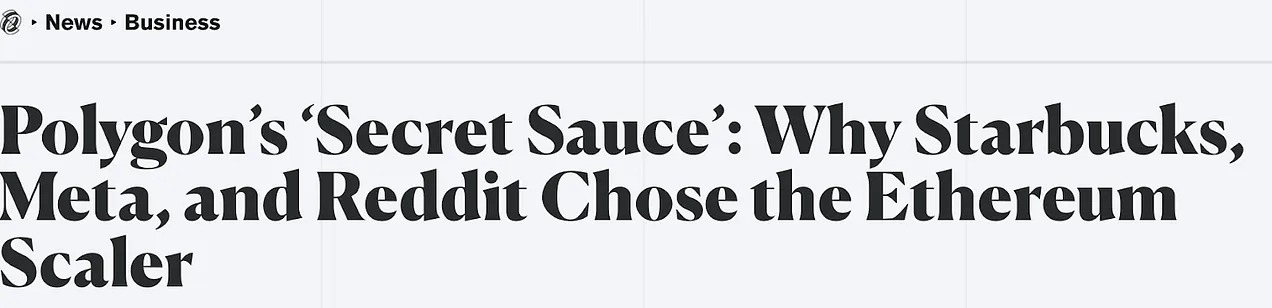
Source: Decrypt

How are the Web3 giga chads in the Polygon business development (BD) team bringing all of this real world crypto adoption?

What’s Polygon’s Deal?

Growing a decentralized network is no easy task. Beyond the most nascent of all crypto projects, few (if any) have obtained scale without financially supporting evangelists for the chain.

Ethereum has the Ethereum Foundation.
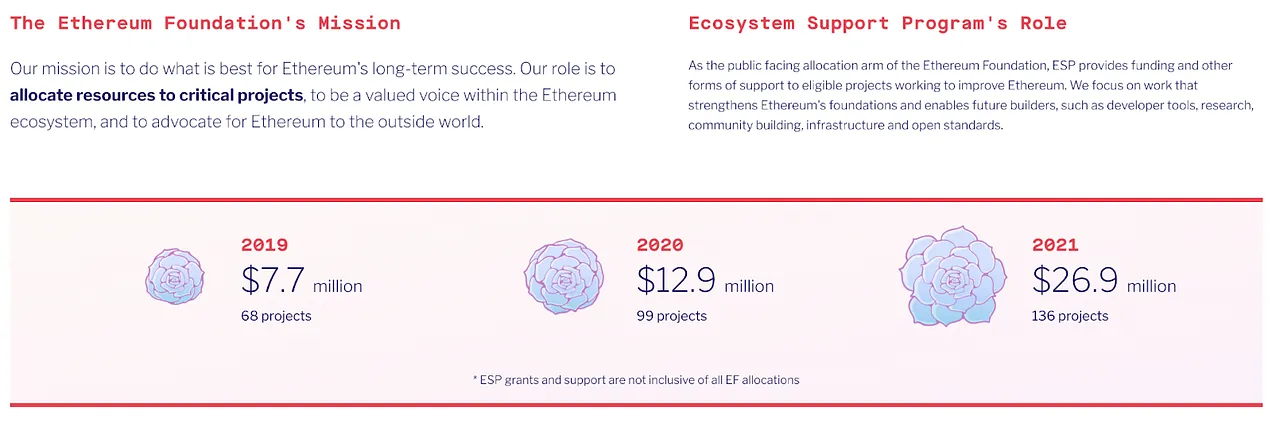
Source: Ethereum Foundation

Solana has Solana Ventures (and formerly had an army of VCs bankrolling projects building on and migrating to the chain).
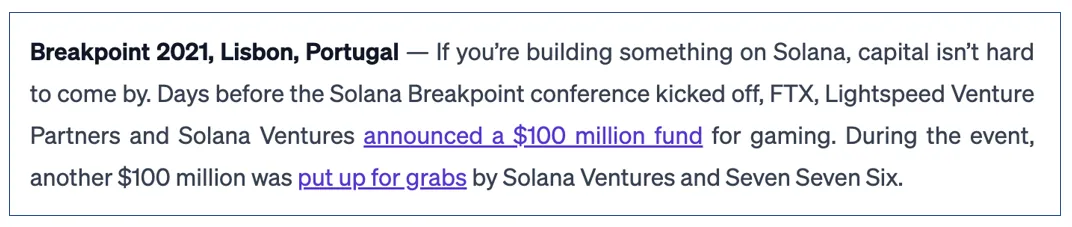
Source: Blockworks

In the same vein, Polygon has Polygon Labs; the BD team is one of the groups within this organization.

Much like the BD teams of traditional Web2 firms, Polygon BD finds new use cases and partnership opportunities for the chain and works with promising projects to onboard them into the community, providing technical assistance along the way.

Polygon’s impending upgrade to a zkEVM is a highly complex and drastic core protocol change which invites technical questions and concerns from developers. Polygon Labs is there to showcase protocol development and future roadmap items to assuage transition-related unease.

Polygon’s Progress

While crypto users went into retreat during 2022’s brutal bear market, USD-denominated DeFi TVL across all chains plummeted 75% off December 2021 highs.

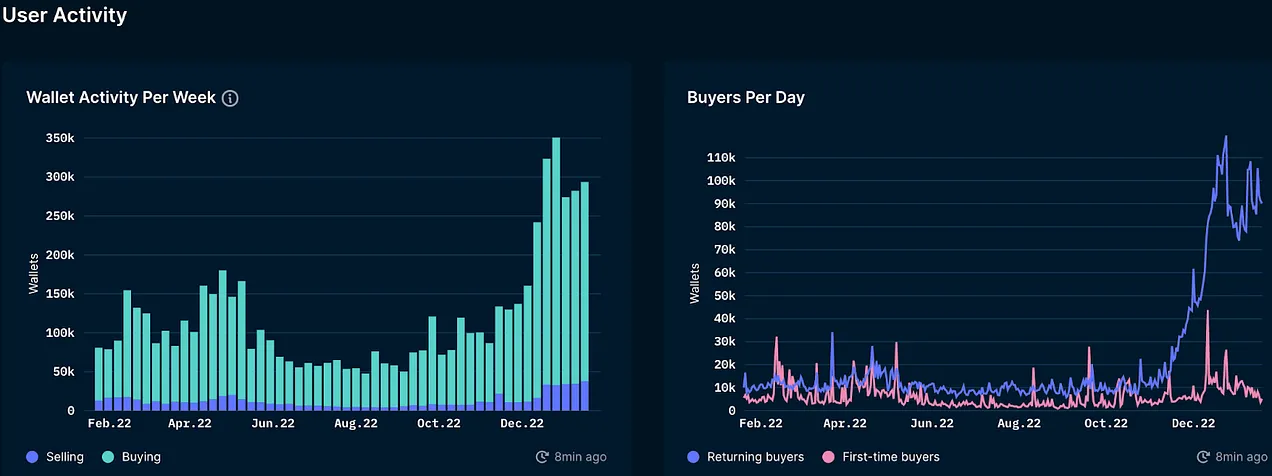
Yet, NFT user activity on Polygon proved to be a highlight for the chain in late 2022 as the BD team’s carefully crafted relations bore fruit and their partners’ projects gained adoption.
Source: Nansen

FTX drama in November proved to be no hurdle for Polygon NFT user adoption, which saw exponential increases throughout the month and into December.

Data Source: Nansen

First-time purchasing activity declined dramatically off of its highs while returning buyer activity held strong into the New Year, indicating that the number of new deployments has declined while existing projects have been successful at retaining users.

How do Polygon’s BD relations fit into the story?

Arguably, the most compelling adoption story for Polygon comes from its NFT collectibles partnership with Reddit.

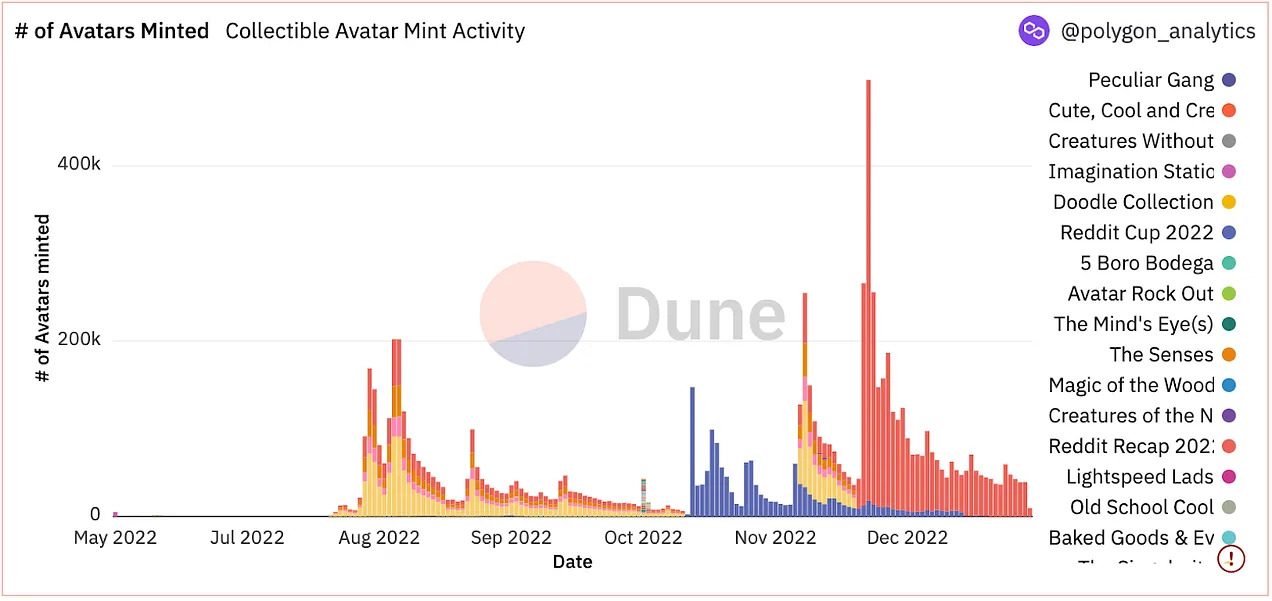
According to Dune Analytics, more than 6M unique user addresses hold Reddit collectibles, with over 8.4M avatars minted since the project’s launch and nearly every subsequent release achieving higher mint volumes than preceding drops, displaying clear user adoption.

Reddit users minted nearly 500k avatar collectibles on December 16th alone!
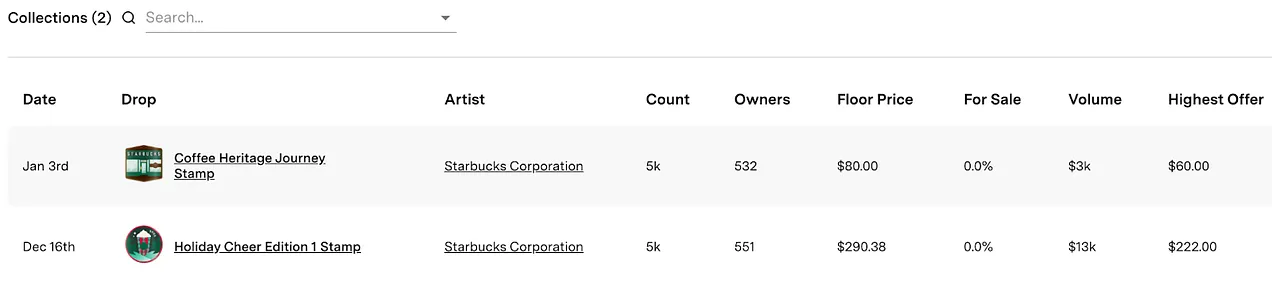
While Starbucks’ collectibles remain in the beta testing phase, a spokesperson for the company stated that they have seen “unprecedented interest in [the] Starbucks Odyssey” in combination with “overwhelming” customer responses and a massive beta tester waitlist.

Despite its limited release, Starbucks’ Odyssey has done nearly $16k in trading volume, with a $290 floor price for the Project’s first “stamp.”
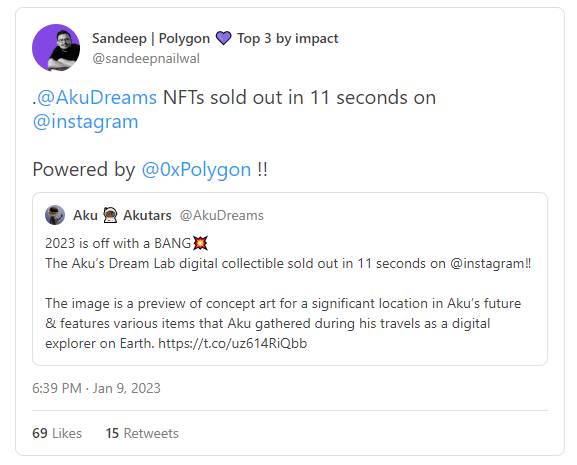
As Terra’s implosion sent investors fleeing from crypto in May, Meta doubled down, announcing its pilot NFT program that would enable select creators to share their Ethereum and Polygon digital artwork with Instagram’s 1.28B users.

On November 2, Meta stated it would provide creators with an end-to-end toolkit (launching natively with Polygon), empowering the creation, showcasing, and sale of their artwork.

Despite hefty 15% to 30% platform fees, Instagram has proven successful in bridging the gap between Web2 platforms and Web3 technology, allowing users to purchase digital assets with fiat currencies.
The triumphs don’t end with collectibles either.

Native Polygon support for Coinbase and Robinhood’s non-custodial wallet products is a direct result of Polygon Labs’ BD relations, and the team remains closely engaged with the exchanges to help unlock the powers of Polygon DeFi features to further enhance their product offerings.

In CBDC land (commence audible Bankless reader groan), Polygon’s BD team has also made significant inroads.

Project Guardian is the brainchild of Singapore’s central bank, the Monetary Authority of Singapore, and involved participation of JP Morgan Chase, Singapore-based DBS Bank, and Tokyo-based SBI Digital Asset Holdings, leveraging the support of Polygon Labs.

The pilot program explored potential DeFi applications in wholesale funding markets, utilizing permissioned Aave pools to conduct Forex and government bond transactions against liquidity pools consisting of tokenized Singapore Government Securities Bonds, Japanese Government Bonds, Japanese Yen, and Singapore Dollars.

JP Morgan issued Tokenized Singapore Dollars in the process, a general liability for the firm and the first instance of tokenized deposit issuance by a bank.
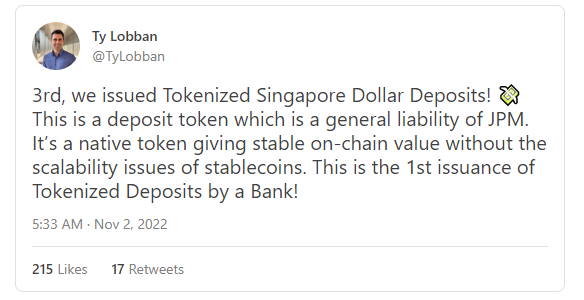
According to Polygon's business development team, Project Guardian represented a significant milestone for Polygon Labs and is just one aspect of their burgeoning CBDC strategy, with several other projects looking to launch on Polygon.

An Unnecessary Expenditure?

Polygon Labs is funded via subsidies from the Polygon community treasury and does not create products or generate revenue on its own.

Despite successful project implementations, CT has some outstanding questions regarding the group's methods to attract collaborators.
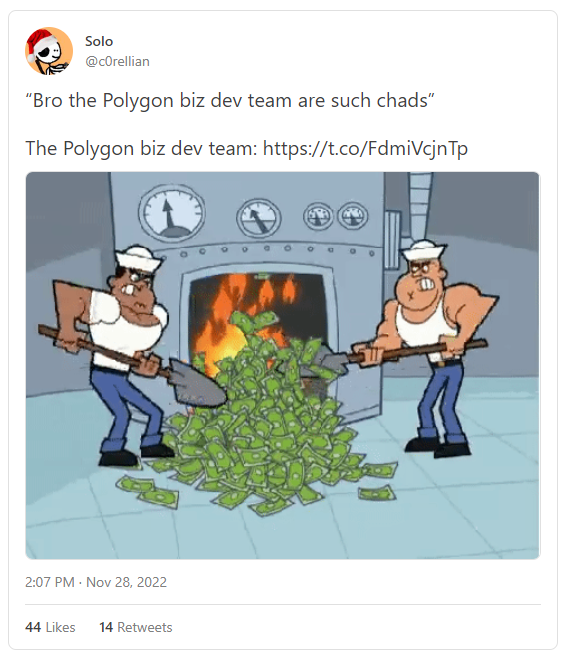
Like HR in a traditional corporation, Polygon Labs is a cost center.

Simply because a group does not generate profits, however, does not mean that it is worthless. Running an Amazon-sized company without an HR department would be impossible!
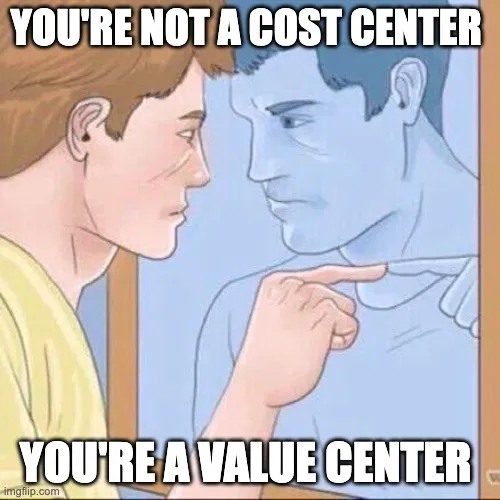
Cost centers provide value beyond profitability by facilitating operations for the broader organization.

The question is does Polygon Labs provide enough value back to MATIC hodlers to justify the expense?

Phrased alternatively: béchamel or steak sauce?

Sauce It Up

Béchamel sauce: a silky cream sauce that can be used either on its own or as the base for countless other sauces. One of five French “mother sauces” and key to some absolutely b*tchin’ Mac n’ Cheese.

Steak sauce: Tang, but for meat. A great way to insult your host and/or ruin a good steak.

So is the Polygon biz dev more béchamel or steak sauce?

Do they improve the community by seeking out novel partnerships and use-cases? Or is their only function to drain the Polygon treasury, harming the chain’s competitiveness against alt L1s and substitute L2s?

I am certainly not here to attest that every single dollar Polygon Labs has shelled out has been put to its best and highest use. For example, providing a $3M grant to get y00ts to migrate from Solana may not have been an optimal use of capital…

Then again, I never was really into Soylana NFTs.

What really excites me about Polygon’s BD is their ability to attract non-crypto native corporations and build real world partnerships.

There is no second best. End of Tweet.
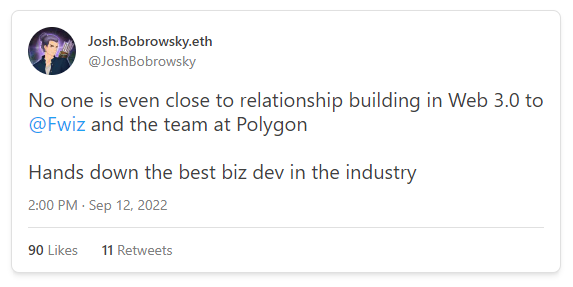
Not bullish on partnering with real world companies and onboarding normies into crypto, anon? First, please remember that every “crypto native” was once a “normie” too.
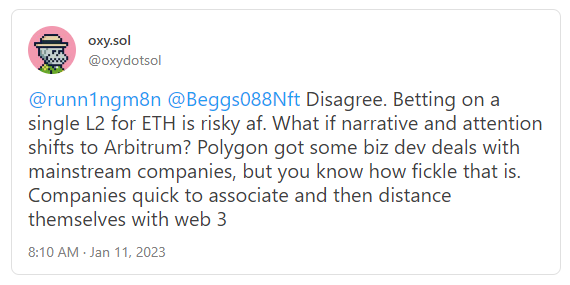
Sure, companies are quick to associate and disassociate their brand image with Web3 when all Joe Schmo sees is an industry filled with con artists and crypto grifters searching for their next quick buck. But these companies never truly associate themselves with Web3 in the first place!

Instead, they distance themselves with snazzy marketing terms like “collectibles”, simply applying crypto’s tech and obfuscating the backend, packaging it in a user friendly format intended for the masses.

It is the DeFi mullet thesis playing out in front of your eyes, just in a different form.
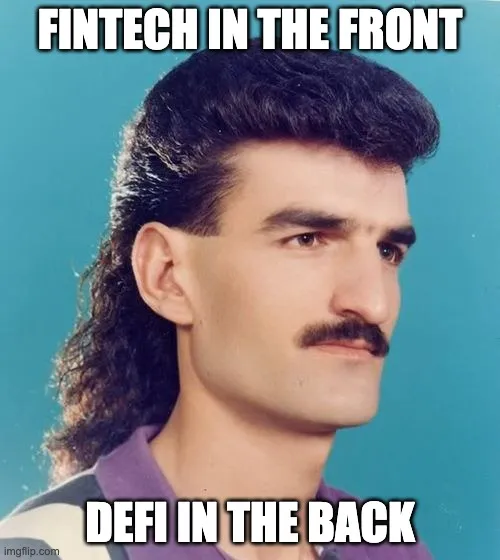
Yes, the DeFi mullet is back.

Blockchain tech provides novel property rights structures, faster settlement speeds, composability of protocols, and so much more that companies and central banks can co-opt into their business models — using them to design new products and build much deeper connections with their customers.

What results is a highly symbiotic relationship between the Polygon chain and the trad firms building on it, with Polygon Labs providing the technical support needed for mega corporations to feel comfortable building on the chain.

Yes, it is just a silly little collectible NFT for a coffee rewards program.

But then it opens the door to so much more.

To whom does Starbucks or Nike turn when they decide to implement in-store crypto payments? Where does DraftKings decide to build an on-chain sports book? On what chain do I receive my tickets to an NFL game or Disney cruise?

All of these companies are Polygon partners and would more likely first approach the team they have crafted a long-standing relationship with and trust to provide the technical guidance required to secure billions of dollars in transactions and endless streams of user data.

Relationships and trust are everything when it comes to doing business in traditional markets and take a very long time to build, especially when you come from an industry viewed by the mainstream as seedy and you are asking multi-billion dollar companies to commit resources, time, and money to building on your chain.

If you wait to seek out partners in the bull market or when the use cases finally emerge, you will be too late!

Idle USDC sitting in a treasury wallet doesn’t do anyone any favors and while not every BD expenditure can be guaranteed to be 100% necessary or prudent, that is simply the nature of crypto: you do not know what will prove profitable, forcing a spray-and-pray approach.

Tech startups are frequently unprofitable. For Polygon, the decision to spend money today to build network effects tomorrow could translate to outsized success years down the road.

In this writer’s opinion, Polygon Labs appears to be béchamel sauce quality ✅

Nội dung Liên quan

Vụ Bê Bối Gian Lận Nghiêm Trọng Của Kỳ Lân Mã Hóa Blockstream: Toàn Bộ Cốt Truyện

Từ đầu năm, Blockstream - công ty do Bitcoin tiên phong Adam Back đồng sáng lập - liên tục đối mặt với tranh cãi. Gần đây, tài khoản điều tra NatInfoSec đưa ra cáo buộc nghiêm trọng rằng các ghi chú khai thác Bitcoin (BMN) của Blockstream có dấu hiệu lừa đảo hình xoắn ốc (Ponzi). Cáo buộc tập trung vào bốn điểm chính: 1. **Năng lực khai thác và thanh toán bị nghi ngờ:** NatInfoSec tính toán để đáp ứng nghĩa vụ BMN, Blockstream cần vận hành công suất khai thác (hashrate) từ 20-45 EH/s, nhưng bảng điều khiển của họ chỉ hiển thị 15 EH/s. Không có bằng chứng công khai nào (hồ sơ lưới điện, dữ liệu hải quan, chia sẻ từ mining pool) xác nhận công suất khai thác đủ lớn như vậy. Điều khoản "Substitute Performance BTC" trong hợp đồng cho phép Blockstream sử dụng BTC từ bất kỳ nguồn nào để thanh toán, làm dấy lên lo ngại về tính minh bạch của nguồn tiền. 2. **Lợi suất cao bất thường:** Các ghi chú BMN được phát hành thông qua nền tảng STOKR với lợi suất cố định lên tới gần 20%/năm, một mức rất cao và khó duy trì trong ngành khai thác Bitcoin vốn biến động mạnh. 3. **Tiền sử pháp lý của lãnh đạo và vấn đề công bố thông tin:** Christopher William Cook, cựu lãnh đạo quan trọng trong mảng khai thác của Blockstream và hiện là CEO của Exacore (công ty được tách ra từ hoạt động khai thác), có tiền án lừa đảo qua thư từ năm 2008. Thông tin này không được tiết lộ trong các tài liệu phát hành BMN. Hồ sơ của Cook tại NASA trong tài liệu marketing cũng bị thổi phồng. 4. **Liên hệ đến BSTR và việc phát hành SPAC:** Có lo ngại rủi ro từ BMN có thể ảnh hưởng đến Bitcoin Standard Treasury Company (BSTR) - một công ty liên quan đến Adam Back đang chuẩn bị niêm yết qua SPAC. Tuy nhiên, BitMEX Research chỉ ra rằng về mặt pháp lý, các rủi ro này có thể được tách biệt nếu không có điều khoản bảo lãnh tập đoàn. Phản ứng từ cộng đồng và BitMEX: BitMEX Research thừa nhận tiền án của Cook là có thật và bày tỏ lo ngại về lợi suất cao, nhưng cho rằng nhiều cáo buộc khác thiếu bằng chứng hoặc gây hiểu nhầm, đặc biệt là về mối liên hệ pháp lý giữa BMN và BSTR. Samson Mow, cựu CSO của Blockstream, bảo vệ hoạt động khai thác là có thật. Tuy nhiên, các nhà phê bình như Matthew R. Kratter và Chris Guida tiếp tục đặt câu hỏi về khả năng xác minh độc lập công suất khai thác và nguồn thanh toán thực tế. Tóm lại, mặc dù chưa có bằng chứng kết luận về hành vi lừa đảo, sản phẩm BMN của Blockstream vẫn còn nhiều câu hỏi cần làm rõ về quy mô thực tế, năng lực khai thác đủ để chi trả, nguồn gốc của lợi suất cao cố định, tính minh bạch trong thanh toán và mức độ ảnh hưởng của cá nhân có tiền án. Blockstream chưa có phản hồi chính thức toàn diện về các cáo buộc này.

marsbit1 giờ trước

Vụ Bê Bối Gian Lận Nghiêm Trọng Của Kỳ Lân Mã Hóa Blockstream: Toàn Bộ Cốt Truyện

marsbit1 giờ trước

Nhóm Reddit từng gây 'ép buộc mua vào' phố Wall, đã tìm ra GME tiếp theo?

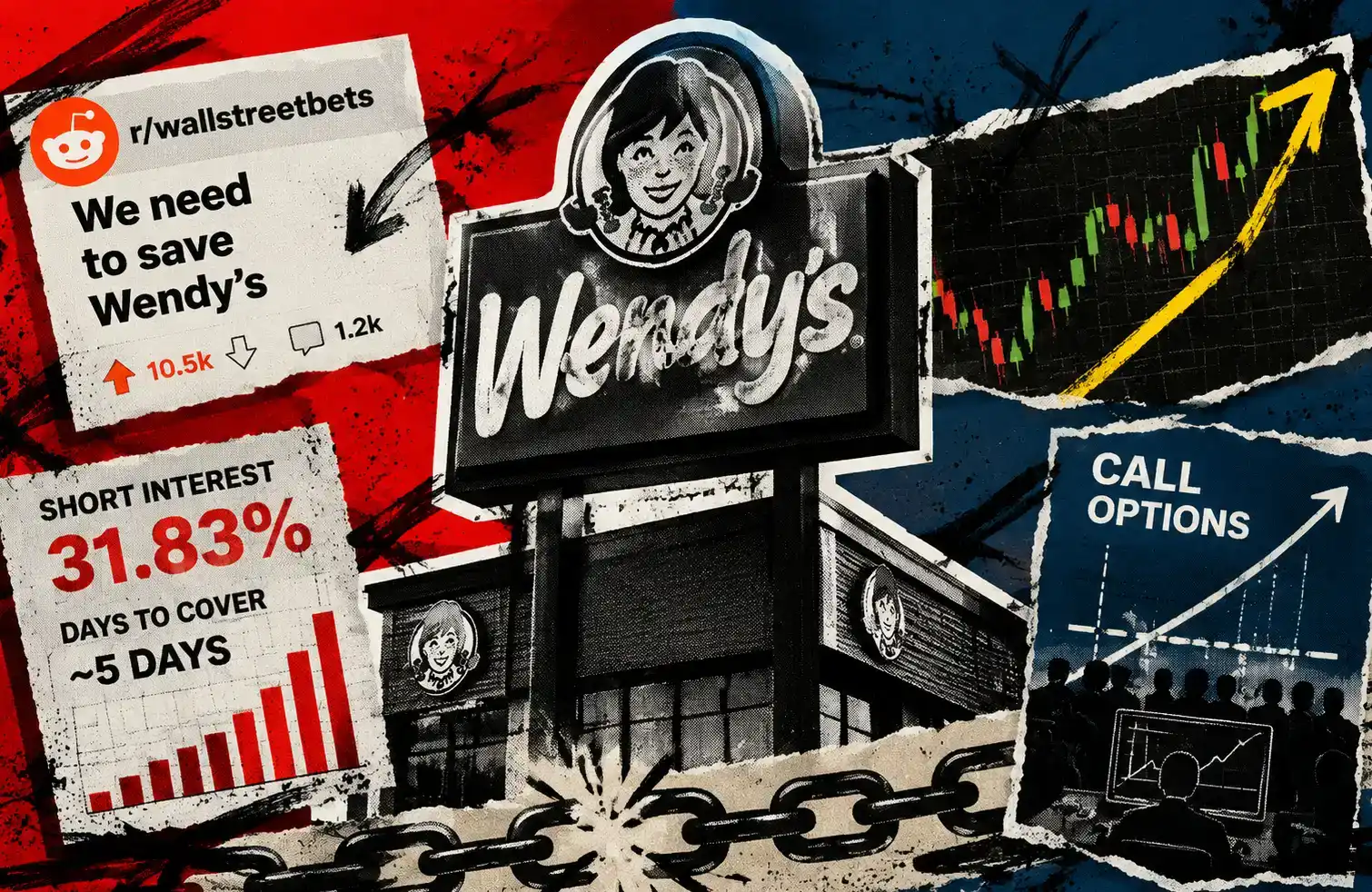
Tóm tắt: Vào ngày 24/6, cổ phiếu Wendy's (WEN) đã tăng mạnh sau khi một bài đăng trên cộng đồng Reddit r/wallstreetbets với tiêu đề "We need to save Wendy's" thu hút sự chú ý và được thảo luận như một ứng cử viên "meme squeeze" mới. Bài đăng khai thác một meme văn hóa lâu năm trong WSB về việc làm tại Wendy's sau khi thua lỗ. WEN hiển thị một số đặc điểm bề ngoài của cổ phiếu meme: giá gần mức thấp nhất trong năm, tỷ lệ bán khống công khai khá cao ở mức 31.83%, và khối lượng giao dịch tăng đột biến. Tuy nhiên, phân tích cho thấy cấu trúc hiện tại khác xa so với đợt bức ép bán khống (short squeeze) có hệ thống như GameStop (GME) năm 2021. Mặc dù tỷ lệ bán khống đủ cao để tạo ra một đợt bức ép nhẹ, nó không ở mức cực đoan như GME trước đây. Yếu tố then chốt để biến động giá kéo dài - một vòng xoáy gamma squeeze từ việc các nhà tạo lập thị trường phải mua cổ phiếu để phòng ngừa rủi ro khi nhà đầu tư bán lẻ mua ồ ạt quyền chọn mua - vẫn chưa có đủ bằng chứng chắc chắn. Lịch sử cho thấy Wendy's từng là chủ đề meme trước đây nhưng không duy trì được đà tăng. Sức hấp dẫn của câu chuyện "cứu Wendy's" có thể dễ lan truyền, nhưng khả năng biến thành hành động nắm giữ kỷ luật lâu dài của cộng đồng vẫn chưa rõ. Về cơ bản, không có dấu hiệu công ty gần phá sản. Kết luận, đợt biến động này chứng minh sức ảnh hưởng của dòng tiền nhà đầu tư bán lẻ vẫn có thể kích hoạt biến động giá ngắn hạn cho cổ phiếu có thanh khoản trung bình. Tuy nhiên, WEN hiện giống một đợt tăng giá meme (meme pop) nhanh chóng được thúc đẩy bởi sự chú ý hơn là một đợt bức ép bán khống bền vững. Câu trả lời cuối cùng sẽ phụ thuộc vào việc khối lượng giao dịch cao và sự nhiệt tình trên diễn đàn có được duy trì trong những ngày tới hay không, và liệu hoạt động trên thị trường quyền chọn có tạo ra hiệu ứng gamma mạnh mẽ hay không.

marsbit1 giờ trước

Nhóm Reddit từng gây 'ép buộc mua vào' phố Wall, đã tìm ra GME tiếp theo?

marsbit1 giờ trước

Hàn Quốc Nhắm Mục Tiêu 40 Nhà Khai Thác Tiền Mã Hóa Chưa Đăng Ký Trong Đợt Siết Chặt Quy Định

Đơn vị Tình báo Tài chính Hàn Quốc (FIU) đã chuyển hồ sơ khoảng 40 nhà cung cấp dịch vụ tài sản ảo chưa đăng ký cho cơ quan cảnh sát, thể hiện nỗ lực siết chặt quản lý trong nước. Theo luật Hàn Quốc, mọi sàn giao dịch tiền mã hóa phải có Chứng nhận ISMS và đăng ký với FIU trước khi hoạt động. Hiện chỉ 28 thực thể đã đăng ký hợp pháp. Các nền tảng nước ngoài bị phát hiện thu hút khách hàng địa phương qua ứng dụng nhắn tin, trong khi các đổi tiền tư nhân chuyển đổi stablecoin sang won cho khách du lịch, sinh viên. Hành động này là một phần của chiến dịch rộng lớn hơn nhằm tăng cường tiêu chuẩn tuân thủ toàn cầu thông qua các biện pháp của FATF. Giám đốc FIU Lee Hyung-joo kêu gọi các quốc gia thành viên FATF bỏ ngưỡng giao dịch theo Quy tắc Di chuyển (Travel Rule). Hàn Quốc dự kiến áp dụng kiểm tra danh tính cho mọi giao dịch tiền mã hóa từ tháng 8, thay vì chỉ các giao dịch trên 1 triệu won (~730 USD) như hiện nay. Năm 2026, các biện pháp thực thi quy định về tiền mã hóa tại Hàn Quốc tiếp tục được mở rộng, bao gồm khởi tố hình sự các vụ thao túng thị trường và tăng cường hợp tác với các tổ chức tài chính để ngăn chặn giao dịch bất hợp pháp xuyên biên giới.

TheNewsCrypto2 giờ trước

Hàn Quốc Nhắm Mục Tiêu 40 Nhà Khai Thác Tiền Mã Hóa Chưa Đăng Ký Trong Đợt Siết Chặt Quy Định

TheNewsCrypto2 giờ trước

Toàn bộ sự việc về tình trạng gian lận nghiêm trọng tại Blockstream - 'Kỳ lân mật mã'

Đầu năm nay, Adam Back, người tiên phong về Bitcoin và công ty Blockstream của ông, liên tục trở thành tâm điểm chú ý trong cộng đồng tiền mã hóa. Tháng 6, tài khoản điều tra NatInfoSec đã đăng một bài viết cáo buộc Blockstream có thể đang huy động hàng tỷ USD từ nhà đầu tư dưới danh nghĩa lợi nhuận khai thác, nhưng tính xác thực của trang trại khai thác và hashrate bị nghi ngờ, với cấu trúc mang đặc điểm Ponzi. Các cáo buộc chính bao gồm: 1. **Năng lực hashrate và thanh toán bị nghi ngờ:** Để đáp ứng nghĩa vụ từ các ghi chú khai thác (BMN) đã phát hành, Blockstream được cho là cần vận hành hơn 20 EH/s, nhưng bảng điều khiển của họ chỉ hiển thị 15 EH/s. Các bằng chứng công khai về việc mua điện, nhập khẩu thiết bị hoặc phân bổ hashrate trong mining pool không tương xứng với quy mô này. Điều khoản "Substitute Performance BTC" trong BMN2 cho phép Blockstream sử dụng BTC từ bất kỳ nguồn nào để thanh toán. 2. **Lợi suất cao và rủi ro:** Các ghi chú được phát hành qua nền tảng STOKR có lợi suất cố định lên tới khoảng 20%, điều này là bất thường trong ngành khai thác Bitcoin biến động mạnh. Một số khoản thanh toán khi đáo hạn có thể được chuyển sang ghi chú mới với lợi suất cao hơn thay vì hoàn trả gốc. 3. **Tiền án và vấn đề công bố thông tin của Christopher Cook:** Christopher William Cook, cựu lãnh đạo quan trọng trong bộ phận khai thác của Blockstream và hiện là CEO của Exacore (công ty được tách ra từ hoạt động khai thác), đã bị kết án 41 tháng tù vào năm 2008 vì tội lừa đảo qua thư tín. Thông tin này không được tiết lộ trong các tài liệu phát hành BMN. Hồ sơ tòa án liên bang Mỹ xác nhận vụ án (số 06-80187) với khoản bồi thường khoảng 1,85 triệu USD. 4. **Liên quan đến BSTR/SPAC:** Mối lo ngại được đặt ra về việc các nghĩa vụ tiềm ẩn lớn từ BMN và tiền án của Cook không được đề cập trong hồ sơ đăng ký SEC của Bitcoin Standard Treasury Company (BSTR) - công ty có liên quan đến Adam Back và đang chuẩn bị niêm yết qua SPAC. Phản ứng từ cộng đồng: * **BitMEX Research** xác nhận tiền án của Cook có thể là thật và bày tỏ lo ngại về lợi suất cao, nhưng cho rằng các cáo buộc khác thiếu bằng chứng hoặc gây hiểu nhầm, chỉ ra rằng Cook không phải là giám đốc của BSTR và BMN về mặt cấu trúc pháp lý là độc lập. * **Samson Mow** (cựu CSO Blockstream) bảo vệ lập trường, khẳng định Blockstream thực hiện khai thác thật với thiết bị và hợp đồng mua điện riêng. * Các nhà phê bình như **Matthew R. Kratter** và **Chris Guida** nhấn mạnh nhu cầu **xác minh độc lập** về hashrate, nguồn thanh toán và tính minh bạch. Tóm lại, mặc dù chưa có bằng chứng trực tiếp về hành vi lừa đảo, sản phẩm ghi chú khai thác BMN của Blockstream vẫn còn nhiều câu hỏi cần làm rõ về quy mô thực tế, khả năng thanh toán dựa trên hashrate, nguồn gốc lợi suất cao, tính xác minh được của việc thanh toán bằng BTC/L-BTC, cũng như mức độ công bố thông tin liên quan đến tiền án của nhân vật chủ chốt. Tính minh bạch là yếu tố then chốt để giải tỏa nghi ngờ. Tính đến thời điểm này, Blockstream chưa có phản hồi chính thức hệ thống về những cáo buộc trên.

链捕手3 giờ trước

Toàn bộ sự việc về tình trạng gian lận nghiêm trọng tại Blockstream - 'Kỳ lân mật mã'

链捕手3 giờ trước

Giao dịch

Giao ngay
Hợp đồng Tương lai
活动图片