Won't US Stocks Ever Fall Again? The 'Great Melt-up' Trap in the Era of High Debt

marsbitXuất bản vào 2026-06-17Cập nhật gần nhất vào 2026-06-17

Tóm tắt

The article analyzes a popular theory circulating online that the U.S. stock market may be mathematically incapable of a true, sustained decline due to the country's massive and growing national debt. The argument suggests that the government's only path to managing this debt is through inflation and money printing, which would nominally lift asset prices like stocks, creating a perpetual "melt-up." The author places this idea within the historical context of market melt-ups, such as the dot-com bubble and Japan's asset bubble, where prices detach from fundamentals driven by momentum and FOMO. While acknowledging that a high-debt environment creates incentives for inflation, which is generally favorable for assets over cash, the article refutes key claims of the online theory. It clarifies that interest payments are not about to exceed GDP, that printing money is not the only option for the government, and that stocks do not reliably rise in lockstep with hyperinflation, citing historical examples from Germany, Zimbabwe, and Venezuela. The more probable outcome, according to the author, is a prolonged period of financial repression—moderate inflation above interest rates that slowly erodes debt and cash purchasing power, leading to nominally higher asset prices but potentially lower real returns. The core warning is that while long-term market trends may be upward, this does not eliminate the risk of significant interim crashes (30%, 40%, or more) or guarantee real wealth c...

Original Title: Hitting escape velocity in the Great Melt-up

Original Author: GRAHAM STEPHAN

Original Translator: Peggy

Editor's Note: This article, starting from a viral and subsequently deleted Reddit post, discusses an increasingly tempting judgment in the current US stock market: In the context of high US debt, continuously expanding fiscal deficits, and the ongoing dilution of monetary purchasing power, has the stock market entered a new state where it "cannot truly fall"?

The logic of the Reddit post is simple: The US debt scale has become too large, and the government can ultimately only dilute the debt by printing money and inflation; when the currency depreciates, stocks and hard assets priced in US dollars will also rise accordingly. Therefore, stocks are no longer just risky assets but resemble shelters against currency depreciation.

The author analyzes this claim within the framework of the "Melt-up" (referring to the final-stage accelerated rise in asset prices detached from fundamentals, driven by liquidity, momentum, and FOMO). Similar moments have occurred in history, such as during the Internet bubble and the Japanese asset bubble: new technologies or real growth initially provide a narrative foundation, then leverage and sentiment take over the market, leading investors to believe that old valuation rules have become obsolete.

The key reminder of the article is that a high-debt world does indeed favor assets over cash, but this does not mean stocks are "mathematically impossible to fall." Inflation can push up the nominal prices of assets but does not necessarily bring real wealth growth; the stock market's long-term new highs do not prevent interim drawdowns of 30%, 40%, or even deeper. Historically, in extreme inflation cases like Germany, Zimbabwe, and Venezuela, stock market increases did not equate to investors actually getting richer. Many were forced to sell to cover living costs before asset prices recovered.

The judgment the author ultimately offers is not extreme: The US is more likely to experience not debt default or hyperinflation but a prolonged period of financial repression—inflation slightly higher than interest rates, debt gradually diluted, cash purchasing power continuously eroded, asset prices nominally continuing to rise, but real returns potentially lower than the levels investors have become accustomed to over the past decade.

For investors currently attracted by the narratives of AI, US tech stocks, and "every dip gets bought," what this article truly aims to discuss is not whether to be bullish on US stocks, but how to avoid staking one's entire financial future on an overly smooth upward story. Assets may rise, but that doesn't mean risk disappears; the market may be rescued, but that doesn't mean everyone can hold on until the next new high.

Below is the original text:

This might sound crazy, but what if I told you that, mathematically speaking, the stock market might genuinely never fall again?

Last week, a post on Reddit suddenly went viral, presenting a rather compelling argument. Although the post was deleted after gaining popularity, its gist was this: "Stocks only go up" is no longer just a meme; it's a law. Like gravity, but in the opposite direction, and it acts on money.

The US now owes $40 trillion in debt. Our interest payments will soon exceed GDP. This means the only way for the government to merely pay the interest is to print enough money.

This will lead to hyperinflation. But what does it matter if you hold Palantir or Tesla stock? Those stocks will inflate proportionally. In other words, starting now, it's mathematically impossible for stocks to fall. If they did, the entire world economy would collapse.

That's why you see any "crash" get repaired within half a trading day. Literally, the stock market cannot fall anymore. This isn't last-gasp bravado; it's the new market law.

This isn't the first time such a viewpoint has appeared, but this time, the economic environment warrants serious consideration. So, we need to clarify: What's really happening now? Why is the government forced to continue printing money at an unimaginable scale? And what are the consequences if this theory holds true?

Because if this theory is correct, we might witness the largest wealth transfer in history. If it's wrong, it's a harvest.

Before we begin, if this is your first time reading my article, welcome to join over 40,000 subscribers in understanding the market ahead of time. You'll receive one email per week, completely free.

The Great Melt-up

The "stocks only go up" argument is built on a theory economists call "The Great Melt-up."

The logic of this theory is: Every bull market keeps rising until it enters a mania phase. Prices are no longer driven by fundamentals like earnings or cash flow but almost entirely by momentum. At this stage, you feel like everyone around you is getting rich, and you're the only one left behind.

The belief is simple: Prices will continue to rise because they have been rising so far.

This phenomenon isn't as rare as you might think. In the "melt-up" phase, returns can be staggering until they suddenly stop.

Take the late-1990s Internet bubble. From 1995 to March 2000, the Nasdaq rose 400%, with nearly 90% of that gain in the final year alone. Back then, many companies with no revenue, no profits, or even no real products could command valuations of hundreds of millions of dollars.

In December 1999, the CAPE ratio reached 44, the highest level in 140 years. Investors believed the internet had changed how markets worked. "AI will change everything." Sound familiar?

Then, the Nasdaq plunged 78% over the next two and a half years and took over a decade to return to its previous highs.

Look at Japan. Between 1975 and 1989, Japanese stocks rose 900%. At the peak, Japanese stocks had a P/E ratio as high as 60x. Land prices in Tokyo became absurdly expensive: The land value of the Imperial Palace grounds was even thought to exceed that of the entire state of California.

This was clearly ridiculous, but no one wanted to be the first to exit and miss the subsequent rise. When Japan started raising interest rates, the entire economic system collapsed, and the stock market fell 60% in less than two years. It took the Japanese economy 34 years to finally return to its previous peak.

However, this doesn't mean every rally is a melt-up.

The early stages of every melt-up are usually driven by some real factor: new technology, real economic growth, or a different policy environment. But when FOMO and leverage enter the market, valuations get stretched higher, and everyone starts believing the good times won't end.

So, are we in a melt-up today? We need to look at the stock market of 2026 first.

The Melt-up Theory on Reddit

The core of this Reddit theory is debt.

If the US government owes $40 trillion in debt while still running a $2 trillion annual deficit, how exactly does America get out of this debt without destroying the economy?

The simplest path is to dilute the debt through inflation. The purchasing power of the dollar falls until that $39 trillion debt becomes less burdensome in real terms. This tactic is called "financial repression" because it erodes the wealth created by ordinary people. The US government used a similar approach after World War II.

But when a government devalues its currency, everything priced in that currency rises accordingly: stocks, hard assets, all become nominally more valuable on paper. The problem is, this paper appreciation of assets doesn't equal an increase in real wealth because the dollar itself has become less valuable.

So, when Goldman Sachs recently raised its year-end target for the S&P 500 to 8000 points, even if this prediction comes true, it might not be a simple positive.

The alternative to infinite rising is a genuine stock market crash. But no one would be insane enough to actively choose that path.

However, what's truly unsettling are these numbers: By almost every major valuation metric, US stocks are not cheap. In fact, what investors are paying for every dollar of earnings is near historical highs, roughly double the long-term historical average.

The CAPE ratio has only broken above 40 twice in history. Once during the 1999 Internet bubble, and now.

This means the current market isn't just pricing in a debt-driven melt-up; it's exhibiting a state seen only once in 140 years of market history.

So, how do we judge whether the "Great Melt-up theory" will hold or collapse?

The Crash Test

Some statements in that Reddit post require closer examination.

First, that interest payments will soon exceed GDP—this is wrong.

What exceeds 100% is the debt-to-GDP ratio, not the interest-payments-to-GDP ratio. These are two different things. Historically, the US has been in similar situations and gotten out by "printing money," driving market recovery and further gains.

Second, that the only way to pay interest is to keep printing money—this is also wrong.

The government can also borrow money by selling Treasury bonds to investors, pension funds, other governments, and institutions. Of course, this model can't go on forever.

Third, that stocks will rise proportionally with hyperinflation—this, too, is wrong.

Historical experience doesn't support this. Between 1918 and 1922, the German stock market lost 97% of its value before hyperinflation peaked. Many were forced to sell stocks at the bottom just to pay for rent and food.

In Zimbabwe, the stock market did rise 500-fold, but the local currency depreciated by 99.8% against the US dollar. Similar situations occurred in Venezuela in 2018.

So, what's crucial to understand is: A great melt-up isn't necessarily a boon for stock holders.

Stocks can rise during inflation, but this doesn't automatically mean you get richer. If your portfolio is up 10%, but everything you buy costs 10% more, you haven't actually gained.

So, with this information, what should we really do?

The Exit Plan

History suggests the most likely outcome is: The US will not default on its debt, nor experience unprecedented hyperinflation, nor enter an infinite melt-up fueled by endless money printing due to treasury problems.

A more realistic result is a long, slow period of financial repression: inflation slightly above interest rates, debt becoming more manageable, and the purchasing power of the dollar gradually being lower than in the past.

The cost is that savers are quietly squeezed. Cash loses value, prices keep rising, asset prices in dollar terms continue to climb, but real returns after inflation may be far lower than what investors grew accustomed to over the past decade.

For the stock market, prices are likely to continue rising in the long term because when the dollar's purchasing power declines, asset nominal prices typically rise.

But the stock market's long-term upward trend doesn't mean it can't crash along the way. The market could still fall 30%, 40%, or even 60% from current levels. But it could also set new highs afterward.

These two seemingly contradictory facts can coexist at different times: The market is expensive, and a single event could trigger a 20% sell-off. Nothing is zero-risk. On the other hand, high debt doesn't necessarily mean high inflation, nor does it necessarily mean the stock market will be continuously bid up. Most importantly, you shouldn't base your entire financial future on the hope that "the next bailout will definitely happen."

In my view, that Reddit post is directionally correct, but it misunderstands the path to the outcome.

In a high-debt world, governments do have a strong incentive to let inflation bear the main burden. Over a sufficiently long time horizon, this generally favors assets over cash. But this absolutely does not mean "stocks are mathematically impossible to fall." That's a dangerous assumption.

This assumption makes people rush into every market frenzy, thinking it's their last chance to get rich. They buy at extreme valuations, with no margin of safety, no diversification, and no plan for what the market has done repeatedly—fall.

I'm not here predicting a crash. Many very smart people believe the market can keep rising.

But historically, those who ultimately win during inflationary periods are usually not those who bet their entire portfolio on the most expensive, highest-multiple stocks. The winners are often those with a collection of productive assets: stocks, real estate, some cash, maybe some gold and short-term bonds, and who aren't forced to sell when markets get rough.

In a high-debt world, over the long term, stocks might outperform cash. But this could also mean your portfolio sees almost no real growth for 10, 15, or even 20 years after inflation.

So, rather than relying on your willpower to endure decades of stagnation, build a system that doesn't require you to treat "hope" as an investment strategy.

To summarize, the answer is not panic, nor is it selling everything. But the answer is also not going all-in, using leverage, and assuming every dip will be bought.

This is a very emotional period. You might be tempted to bet everything on a so-called "once-in-a-lifetime opportunity." But risk is always two-sided.

I believe, for most people, the better choice is to stay diversified, not overly concentrated in the most expensive companies. Hold enough cash so you're never forced to sell at the worst possible time.

Most importantly, please don't base your entire financial future on a viral Reddit post.

Stick to your regular investment plan, stay diversified. If you found this article helpful, feel free to like it, share it, or send it to someone you don't want to be left behind by the market.

Original link

Tiền kỹ thuật số thịnh hành

Câu hỏi Liên quan

QWhat is the core argument of the Reddit post discussed in the article, and why does the author believe it is a dangerous assumption?

AThe core argument of the Reddit post is that, due to the massive U.S. national debt, the government has no choice but to inflate the currency to dilute it. In this scenario, assets priced in dollars (like stocks) would rise proportionally with inflation, making them mathematically incapable of falling without causing a total economic collapse. The author believes this is a dangerous assumption because it leads investors to buy at extreme valuations without a safety margin, a diversified portfolio, or a plan for market downturns, which history shows can and do occur even during inflationary periods.

QWhat does the term 'Great Melt-up' (Melt-up) refer to, and what are the historical examples provided in the article?

AThe term 'Great Melt-up' refers to a phase in a bull market where prices are driven almost entirely by momentum, FOMO (fear of missing out), and leverage, rather than fundamentals like earnings or cash flow. It's characterized by a belief that prices will keep rising simply because they have been rising. Historical examples provided include the Dot-com bubble of the late 1990s, where the Nasdaq rose 400% before crashing 78%, and the Japanese asset price bubble from 1975 to 1989, where the stock market rose 900% before collapsing by 60%.

QAccording to the author, what is the most likely economic outcome for the U.S. given its high debt, and what would be its main consequences for savers and investors?

AThe author argues the most likely outcome is a prolonged period of 'financial repression.' This involves inflation running moderately higher than interest rates, which gradually erodes the real value of the debt and makes it more manageable. The main consequence for savers and investors is that the purchasing power of cash is steadily eroded. While asset prices (like stocks) may continue to rise in nominal dollar terms, the real, inflation-adjusted returns are likely to be significantly lower than what investors have been accustomed to over the past decade.

QWhy does the author say that stock prices rising during high inflation does not automatically mean investors become wealthier?

AThe author explains that if an investment portfolio increases by 10% in nominal terms, but the cost of everything the investor needs to buy (goods and services) also increases by 10%, the investor's real purchasing power remains unchanged. They are not actually wealthier. Historical examples like Germany (1918-1922), Zimbabwe, and Venezuela show that even if stock indices rise dramatically in local currency terms, the currency's value can collapse faster, and many people are forced to sell assets at depressed prices just to cover basic living costs.

QWhat practical investment advice does the author give to navigate the current high-debt, potentially inflationary environment?

AThe author advises against panic selling or going all-in on expensive, high-momentum stocks. Instead, the recommended strategy is to maintain a diversified portfolio of productive assets (such as stocks, real estate, some cash, and possibly gold or short-term bonds). This ensures one is not overly concentrated in the most expensive parts of the market. Crucially, one should hold enough cash reserves to avoid being forced to sell assets at the worst possible time during a market downturn. The key is to have a systematic plan and not rely on hope or the assumption that every dip will be rescued by the government.

Nội dung Liên quan

Thợ săn trở thành con mồi, MEV Bot kiếm nhiều tiền nhất bị hack

Tài khoản MEV Bot nổi tiếng Jaredfromsubway.eth vừa bị tấn công có chủ đích trên chuỗi, thiệt hại ước tính hơn 7,5 triệu USD. Đây không phải là lỗ hổng hợp đồng thông thường mà là một cuộc tấn công "bẫy mật ngược MEV" được thiết kế đặc biệt để khai thác logic hoạt động của bot MEV. Kẻ tấn công đã dành vài tuần để triển khai 66 hợp đồng token và nhóm thanh khoản giả mạo, ngụy trang chúng thành các tài sản chính như WETH, USDC. Chúng tạo ra tín hiệu chênh lệch giá ảo để thu hút bot. Khi bot Jaredfromsubway.eth phát hiện và thực hiện giao dịch "kiếm lời", nó đã vô tình cấp quyền cho một hợp đồng phụ do kẻ tấn công kiểm soát. Do quyền này không bị thu hồi kịp thời, kẻ tấn công đã có thể lợi dụng để chuyển đi toàn bộ ETH, USDC, USDT của bot chỉ trong một giao dịch. Jaredfromsubway.eth được biết đến là một trong những bot MEV hoạt động tích cực và kiếm lời nhiều nhất trên mạng Ethereum, chuyên thực hiện các chiến lược như "tấn công kẹp sandwich" để khai thác lợi nhuận từ việc sắp xếp giao dịch. Ước tính, bot này đã thu về hàng chục triệu USD lợi nhuận MEV. Sự kiện này báo động về việc các mối đe dọa bảo mật trong crypto ngày càng tinh vi, khi ngay cả những "kẻ săn mồi" hàng đầu trên chuỗi cũng có thể trở thành mục tiêu bị khai thác bởi những kế hoạch phức tạp được thiết kế dài hạn. Sau vụ việc, một tài khoản X giả mạo Jaredfromsubway.eth đã xuất hiện với tuyên bố thưởng 1 triệu USD để thu hồi tiền, các nhà phát triển cảnh báo đây có thể là chiêu trò lừa đảo mới.

marsbit29 phút trước

Thợ săn trở thành con mồi, MEV Bot kiếm nhiều tiền nhất bị hack

marsbit29 phút trước

Thợ săn bị vây bắt, MEV Bot kiếm tiền giỏi nhất bị hack

Bài viết gốc từ Odaily Planet Daily, tác giả Azuma, báo cáo về vụ tấn công lớn nhắm vào MEV Bot nổi tiếng Jaredfromsubway.eth trên mạng Ethereum. Địa chỉ này đã bị thiệt hại hơn 7,5 triệu USD do một cuộc tấn công "bẫy ngược MEV" được thiết kế đặc biệt. Thay vì khai thác lỗ hổng thông thường, kẻ tấn công đã triển khai một chiến dịch kéo dài hàng tuần, tạo ra 66 hợp đồng token và nhóm thanh khoản giả mạo để bắt chước các tài sản chính như WETH, USDC, USDT. Chúng tạo ra tín hiệu chênh lệch giá có vẻ có lợi nhuận để dụ bot MEV tự động nhận diện và thực hiện giao dịch. Trong quá trình này, bot đã cấp quyền cho một hợp đồng phụ trợ do kẻ tấn công kiểm soát. Việc ủy quyền không bị thu hồi kịp thời đã tạo ra lỗ hổng, cho phép kẻ tấn công trong một giao dịch duy nhất đã chuyển đi toàn bộ ETH, USDC, USDT của bot. Jaredfromsubway.eth là một trong những MEV Bot hoạt động mạnh nhất và gây tranh cãi nhất trên Ethereum, chuyên thực hiện các chiến lược như "tấn công kẹp" (sandwich attack) để kiếm lợi nhuận từ việc sắp xếp giao dịch. Ước tính nó đã kiếm được hàng chục triệu USD. Ngay cả một người sáng lập Ethereum là Vitalik Buterin cũng từng bị bot này "chèn" giao dịch. Sự kiện này gióng lên hồi chuông cảnh báo về sự gia tăng của các mối đe dọa bảo mật trong crypto. Ngay cả những "kẻ săn mồi" hàng đầu như MEV Bot cũng có thể trở thành mục tiêu của các cuộc tấn công tinh vi được thiết kế dựa trên chính logic hoạt động của chúng. Sau vụ việc, một tài khoản X giả mạo đã đổi tên thành Jaredfromsubway.eth và tuyên bố treo thưởng 1 triệu USD để lấy lại tiền, nhưng các nhà phát triển cảnh báo đây là tài khoản lừa đảo, không phải chính chủ, và người dùng cần hết sức cảnh giác.

Odaily星球日报36 phút trước

Thợ săn bị vây bắt, MEV Bot kiếm tiền giỏi nhất bị hack

Odaily星球日报36 phút trước

Thực trạng thanh toán ở Mỹ Latinh khác xa những gì bạn nghĩ

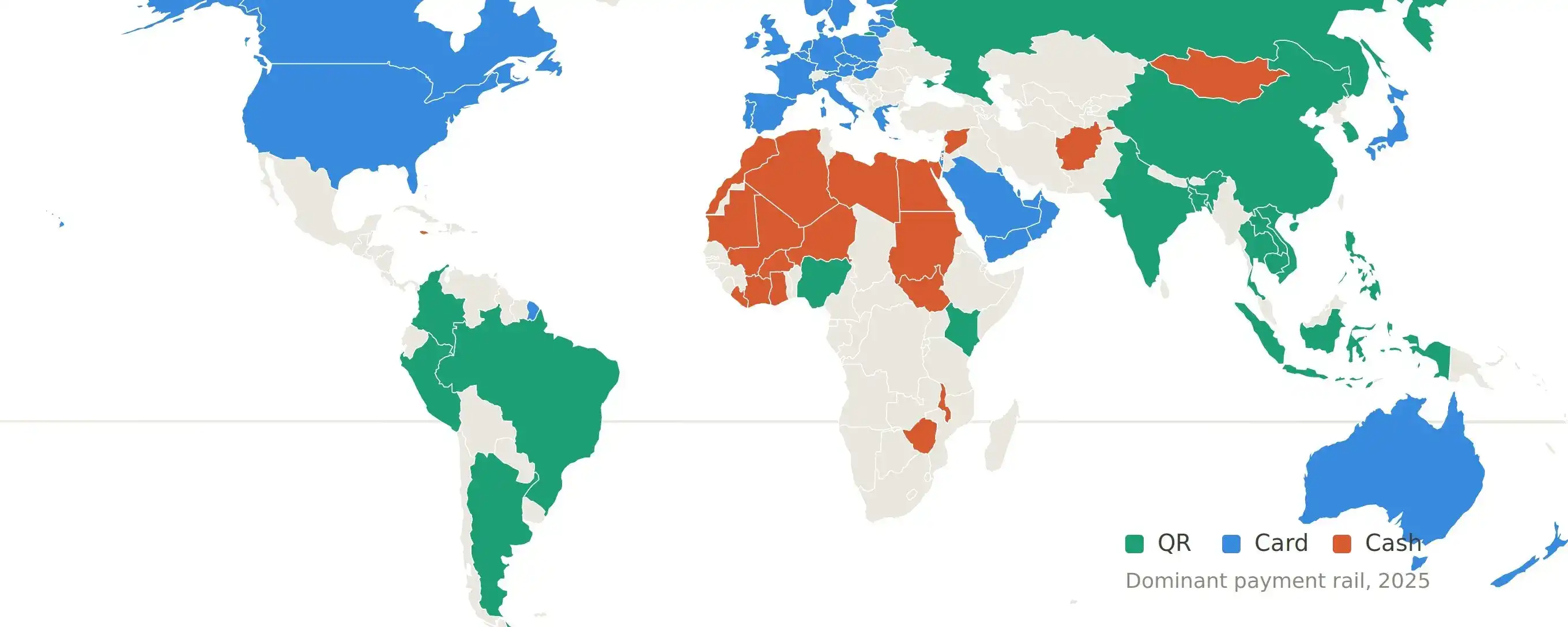
Tình hình thanh toán tại Mỹ Latinh đang thay đổi nhanh chóng, khác biệt với nhiều nhận định phổ biến. Dựa trên hành trình thực địa hơn 500 giờ, bài viết đúc kết 10 điểm chính: 1. **Thẻ crypto:** Khối lượng giao dịch thực tế đến từ các chuyên gia dùng USD/USDT nhận lương và rút tiền qua Pix, không phải từ giao dịch nhỏ lẻ. 2. **Mã QR thống trị:** Thanh toán bằng mã QR (Pix ở Brazil, UPI ở Ấn Độ...) đang chiếm lĩnh các thị trường mới nổi, trong khi thẻ vẫn phổ biến ở các nước giàu. Xu hướng này đang định hình lại cơ sở hạ tầng. 3. **Cơ hội lớn:** Thiếu sự tương tác quốc tế giữa các hệ thống thanh toán tức thời nội địa (như Pix, UPI). Đây là cơ hội chưa được khai thác để kết nối các quốc gia. 4. **Cạnh tranh bằng giải ngân:** Các công ty thanh toán hàng đầu đang tìm cách sở hữu ngân hàng để kiểm soát việc giải ngân và AML, thay vì chỉ dùng bên thứ ba. 5. **Mỹ Latinh không đồng nhất:** Mỗi quốc gia (Brazil, Argentina, Mexico...) có thị trường, quy định và nhu cầu ngoại hối riêng biệt, cần chiến lược riêng. 6. **Chuyển đổi ngoại tệ thành hàng hóa:** Tỷ giá chuyển đổi stablecoin đang giảm mạnh, hướng tới 0%. Lợi nhuận sẽ đến từ các dịch vụ giá trị gia tăng trên nền tảng này. 7. **Mở rộng xuyên biên giới:** Mô hình công ty thanh toán thành công mới cần có thương hiệu và công nghệ có thể mở rộng quốc tế ngay từ đầu. 8. **Tìm kiếm thị trường mới:** Brazil và Mexico đã bão hòa. Các hành lang nhỏ hơn như "5 quốc gia bị lãng quên" (Dominican, Guatemala...) hoặc Colombia - Châu Âu có ít cạnh tranh hơn và tiềm năng lớn. 9. **Tiếp thị đúng phân khúc:** Cần phân chia người dùng (khách du lịch, cư dân nước ngoài, công dân số...) và có chiến lược tiếp cận riêng cho từng luồng tiền và nhu cầu cụ thể của họ. 10. **Môi trường pháp lý tiến bộ:** Quy định về tiền mã hóa và fintech ở nhiều nước Mỹ Latinh (Brazil, Mexico, Colombia...) rõ ràng và thực tế hơn so với Mỹ, nhiều nơi đã có khung pháp lý đầy đủ. Bài học lớn nhất: Cơ hội không nằm ở việc cạnh tranh trên các đường ray thanh toán cũ, mà ở việc xây dựng dịch vụ giá trị gia tăng trên các xu hướng mới nổi và giải quyết khoảng trống kết nối quốc tế.

marsbit39 phút trước

Thực trạng thanh toán ở Mỹ Latinh khác xa những gì bạn nghĩ

marsbit39 phút trước

Làm Nhạc Trong Thị Trường Gấu: Một Cuộc Thử Nghiệm Sinh Tồn Của Một Ban Nhạc Bitcoin

Vào thời kỳ thị trường crypto suy thoái, ban nhạc Orange Pill Jam vẫn tiếp tục sáng tác và thu âm, thực hiện một thử nghiệm sống còn chống lại thuật toán. Ban nhạc này, chịu ảnh hưởng từ văn hóa Bitcoin, tạo ra âm nhạc đề cập đến chủ quyền tài chính, quyền riêng tư và sự tha hóa của các thể chế hiện đại. Họ chấp nhận thanh toán bằng Bitcoin và hoạt động theo mô hình Copyleft, cho phép chia sẻ và phối lại nhạc tự do. Ban nhạc hình thành sau một buổi biểu diễn ngẫu hứng của ca sĩ chính Mermaid tại hội nghị Plan B Forum ở Lugano năm 2022. Cô cùng nhà sản xuất/nhạc công Michi và người đồng sáng lập Martino phát triển âm nhạc từ những phác thảo ban đầu. Quy trình sáng tác kết hợp giữa ca từ đầy ý nghĩa của Mermaid và khả năng biến ý tưởng thành nhịp điệu cảm xúc của Michi. Các bài hát như "Cypherpunks' Manifesto" và "Free Fire" truyền tải thông điệp mạnh mẽ về quyền riêng tư, bẫy "miễn phí" và cảm giác được chấp nhận. Trước sự trỗi dậy của AI trong sáng tạo âm nhạc, họ tin rằng máy móc không thể thay thế được sự sáng tạo thực sự bắt nguồn từ ý định và bản năng của con người. Dù đối mặt với thách thức về doanh thu trong thị trường giá xuống và khó khăn trong việc tiếp cận khán giả trên các nền tảng phát nhạc hàng loạt, Orange Pill Jam vẫn kiên trì. Họ đại diện cho niềm tin vào Bitcoin vượt trên giá cả và vào giá trị không thể thay thế của sự sáng tạo cụ thể, không thể sao chép của con người trong thời đại kỹ thuật số.

marsbit49 phút trước

Làm Nhạc Trong Thị Trường Gấu: Một Cuộc Thử Nghiệm Sinh Tồn Của Một Ban Nhạc Bitcoin

marsbit49 phút trước

Sự ra đi liên tiếp của nhân tài AI tại Google: Áp lực thử nghiệm hay dự báo "tử chiến"?

Các tài năng AI hàng đầu của Google như Noam Shazeer (đồng tác giả Transformer), John Jumper (AlphaFold) và Daniel De Freitas (Character.AI) lần lượt rời đi để gia nhập OpenAI và Anthropic, gây ra những lo ngại về làn sóng chảy máu chất xám. Tuy nhiên, góc nhìn khác cho rằng đây là cuộc chiến tranh giành nhân tài điển hình trước thềm IPO của các đối thủ, và việc họ nhắm vào Google chứng tỏ đây vẫn là nguồn nhân lực AI dồi dào bậc nhất. Thay vì một "cáo phó", đây là bài kiểm tra áp lực dành cho Google. Công ty không chỉ cạnh tranh ở mặt mô hình (Gemini) mà còn có lợi thế toàn diện: cơ sở hạ tầng (TPU, Google Cloud), hệ sinh thái sản phẩm với hàng tỷ người dùng (Search, YouTube, Android), và nguồn thu ổn định. Đáng chú ý, Google còn là đối tác cung cấp hạ tầng đám mây cho chính các đối thủ như Anthropic và OpenAI, vừa cạnh tranh vừa hợp tác. Dù phải đối mặt với thách thức chuyển đổi từ kinh doanh tìm kiếm cốt lõi và sự nhanh nhẹn của các startup, Google với nguồn lực khổng lồ, khả năng tích hợp AI sâu rộng vào các sản phẩm hiện có và tham vọng dài hạn trong AI cho khoa học (như AlphaFold) vẫn được xem là một trong số ít công ty có khả năng vượt qua giai đoạn chuyển đổi này và định hình tương lai AI.

marsbit55 phút trước

Sự ra đi liên tiếp của nhân tài AI tại Google: Áp lực thử nghiệm hay dự báo "tử chiến"?

marsbit55 phút trước

Giao dịch

Giao ngay
Hợp đồng Tương lai

Bài viết Nổi bật

Làm thế nào để Mua ERA

Chào mừng bạn đến với HTX.com! Chúng tôi đã làm cho mua Caldera (ERA) trở nên đơn giản và thuận tiện. Làm theo hướng dẫn từng bước của chúng tôi để bắt đầu hành trình tiền kỹ thuật số của bạn.Bước 1: Tạo Tài khoản HTX của BạnSử dụng email hoặc số điện thoại của bạn để đăng ký tài khoản miễn phí trên HTX. Trải nghiệm hành trình đăng ký không rắc rối và mở khóa tất cả tính năng. Nhận Tài khoản của tôiBước 2: Truy cập Mua Crypto và Chọn Phương thức Thanh toán của BạnThẻ Tín dụng/Ghi nợ: Sử dụng Visa hoặc Mastercard của bạn để mua Caldera (ERA) ngay lập tức.Số dư: Sử dụng tiền từ số dư tài khoản HTX của bạn để giao dịch liền mạch.Bên thứ ba: Chúng tôi đã thêm những phương thức thanh toán phổ biến như Google Pay và Apple Pay để nâng cao sự tiện lợi.P2P: Giao dịch trực tiếp với người dùng khác trên HTX.Thị trường mua bán phi tập trung (OTC): Chúng tôi cung cấp những dịch vụ được thiết kế riêng và tỷ giá hối đoái cạnh tranh cho nhà giao dịch.Bước 3: Lưu trữ Caldera (ERA) của BạnSau khi mua Caldera (ERA), lưu trữ trong tài khoản HTX của bạn. Ngoài ra, bạn có thể gửi đi nơi khác qua chuyển khoản blockchain hoặc sử dụng để giao dịch những tiền kỹ thuật số khác.Bước 4: Giao dịch Caldera (ERA)Giao dịch Caldera (ERA) dễ dàng trên thị trường giao ngay của HTX. Chỉ cần truy cập vào tài khoản của bạn, chọn cặp giao dịch, thực hiện giao dịch và theo dõi trong thời gian thực. Chúng tôi cung cấp trải nghiệm thân thiện với người dùng cho cả người mới bắt đầu và người giao dịch dày dạn kinh nghiệm.

Tổng lượt xem 543Xuất bản vào 2025.07.17Cập nhật vào 2026.06.02

Làm thế nào để Mua ERA

Thảo luận

Chào mừng đến với Cộng đồng HTX. Tại đây, bạn có thể được thông báo về những phát triển nền tảng mới nhất và có quyền truy cập vào thông tin chuyên sâu về thị trường. Ý kiến ​​của người dùng về giá của ERA (ERA) được trình bày dưới đây.

活动图片