In a Bull Market, Trade New Coins. Will the 'Hook' Concept Become the Sector That Opens the Bull Market?

marsbitXuất bản vào 2026-05-09Cập nhật gần nhất vào 2026-05-09

Tóm tắt

In a recent surge of interest, the "Hook" concept on Uniswap v4 has captured significant attention from the retail crypto community, driven by projects like $upeg, $sato, and Slonks. Despite being introduced over a year ago, Hooks—customizable plugins for the Uniswap protocol—gained mainstream traction only recently. The article argues that earlier Uniswap efforts to promote Hooks focused too heavily on technical improvements and liquidity provider (LP) solutions, which failed to capture the imagination of everyday users. The breakthrough came with projects that introduced novel, engaging gameplay. $upeg combines trading with generative art, where each integer purchase creates a unique image, adding a layer of artistic creation and complexity to tokenomics. $sato leverages a bonding curve on Ethereum, appealing to the network's "diamond hands" culture with a decentralized, zero-intervention model that turns into a "belief game." Slonks uses an AI model to redraw CryptoPunks, creating a gamified ecosystem where users can burn or merge NFTs to earn $SLOP tokens based on how much the AI "deviated" from the original. These examples highlight Hooks' potential to transform Uniswap from a simple swap and LP platform into a vibrant ecosystem of innovative applications. While technically possible to build such projects independently, the synergy with Uniswap’s established user base and infrastructure provides mutual benefits. For "Hook" to become a true catalyst for a bull market, t...

Author: Cookie

Since late April, the Uniswap v4 hook concept has undoubtedly been the most market-watched 'new' concept.

The reason 'new' is put in quotes is not because Uniswap v4 hook is a brand new thing. In fact, Uniswap v4 launched as early as January 30th last year.

The new hook feature is not being ignored or unused. In terms of official support, there are both the Uniswap Hook Incubator and Uniswap Hook Designer Lab, providing funding, training, and incubation. In terms of adoption, there are projects like Flaunch and Bunni, and the overall TVL and trading volume data for the v4 ecosystem is not bad.

But it wasn't until the recent emergence of projects like $upeg, $sato, and Slonks that hooks sparked widespread discussion among the retail investor community. Based on this phenomenon, I will start with a 'bold statement'—

For a long time, Uniswap's promotion of hooks, at least regarding attracting retail investor attention, has been off-target.

And if this deviation is corrected, 'Hook' has the potential to become the sector that opens the bull market.

What Exactly Is 'Hook'?

Let's explain this in an easy-to-understand way, which will also answer another question—why did 'Hook' only attract retail attention now?

In the past, our general understanding of Uniswap was that we could provide LP (liquidity) and trade (Swap) on it. And indeed, before version v4 (before hooks were introduced), these were Uniswap's main profit points.

Many games support player communities in creating 'mods' or 'plugins' to change the game's mode, attracting a broader player base beyond the original modes offered by the developers. For example, in CS, without installing mods, players can only play the game mode of planting/defusing the C4. But with mods installed, players can compete in races, jumping contests, play football, basketball, or even camouflage themselves as part of the map waiting for others to discover them.

Hooks are like game mods. They allow Uniswap to move beyond just the game between LPs and traders. But for a long time, these plugins haven't been attractive to retail players. They either ported existing玩法from other chains or addressed pain points for LPs and traders.

It's like installing only quality-of-life plugins in CS, such as kill statistics. That does make it better, but it lacks the imagination to attract retail players.

What retail players want are new, original, and imaginative玩法that Uniswap doesn't offer officially but can be realized through hooks. The hook concept itself has been too abstract for retail players in the past.

So how is this 'imagination' embodied in the three trending projects, $upeg, $sato, and Slonks?

The Core of 'Imagination'

The core imagination of $upeg is 'Trading as Artistic Creation and Creating Supply Confusion'. First, its image creation concept is complete. It uses on-chain data as creative input rather than simply copying the artistic inspiration of existing NFT series, turning every integer purchase into a new creation. Second, more small, fragmented transactions make it harder to generate images. This makes it not just a simple transformation between image and token forms, nor solely 'to give images better liquidity by existing as tokens'. Instead, it shifts everyone's focus to a 'prediction of supply form'.

If $upeg exists on DEXs, CEXs, and NFT marketplaces, being both a token and an image, what impact will different liquidity sources and trading methods (spot, futures, LP, or buying pictures) have on its supply form?

This is a shift in attention perspective that previous image-token projects over the years never achieved.

Now look at $sato. Its core imagination is not 'using Uniswap v4 hook to make a bonding curve'. Instead, it precisely grasps why making a bonding curve on the Ethereum mainnet can attract people.

The points it gets right are:

Decentralization. This isn't another 'platform'; it's just a contract bound by code.

Massive internal market. Graduation requires a market cap of $100 million. Doing this on any chain other than Ethereum mainnet would seem like a fantasy. But not on Ethereum mainnet because the perception of this chain is 'old money' and 'diamond hands'. This perception deepens as the curve progresses.

Zero intervention. Upon curve completion and token graduation, the contract self-destructs. Subsequent actions like forming pools are left to the community.

Bonding curves aren't new, but $sato presents the one most fitting for Ethereum mainnet's characteristics, shifting players' attention from the bonding curve to a 'game of belief'.

As for Slonks, although much positive sentiment comes from aspects like 'combining AI concept' or 'developer being co-founder of ETHS', I believe its core appeal to retail players is 'providing a meme-worthy博弈mechanism'.

Slonks' images are generated by redrawing CryptoPunks using an on-chain neural network model. Since AI is drawing them, there will be deviations. The dev believes the chaos reflected in these deviations is art. The more it deviates from the original, the higher the 'slop (low quality) value'.

This value ranges from 0 to 576 because CryptoPunks are 24x24 pixels, with each pixel deviation representing one slop value. Since there are 10,000 Slonks NFTs, the theoretical maximum total slop value is 576 * 10,000 = 5,760,000, which is also the maximum supply of $SLOP.

Holders can either burn an NFT to receive corresponding $SLOP based on the NFT's slop value, merge two Slonks NFTs to get one even less similar Slonks NFT to redeem more $SLOP, or burn $SLOP to get back an AI-redrawn NFT with an unknown slop value.

Essentially, it's a '博弈game of comparing whose strategy and luck are better'.

Why is Hook Needed?

So the question arises. Couldn't $upeg, $sato, or Slonks be implemented without Uniswap v4 hook? Why use the hook layer?

Indeed, even without hooks, they could be implemented as standalone projects. But Uniswap needs these projects to attract the retail investor community, and these projects can develop better by leveraging Uniswap's ecosystem scale and concept.

It's not necessary, but it's a very fitting symbiotic relationship. If $upeg hadn't used hooks from the start, it might not have caught Uniswap team's attention, and this wave of hook narrative hype might not have happened.

As retail investors, although 'Uniswap v4 hook' is a concept easily understood by all, we shouldn't blindly jump on anything with 'hook'. We need to consider more whether a project with the 'hook' concept has fresh and unique玩法and a sufficiently complete narrative. This determines the probability of a 'hook' project receiving Uniswap's attention and support.

Only when players' selection criteria are high enough, Uniswap's determination to use hooks to become the app marketplace on Ethereum is strong enough, and developers' creativity is abundant enough, can we truly say that 'Hook' will become the sector that opens the bull market.


Tiền kỹ thuật số thịnh hành

Câu hỏi Liên quan

QWhat is the core reason why the 'Hook' concept only recently gained widespread attention from retail traders, according to the article?

AThe article states that the recent attention is driven by projects like $upeg, $sato, and Slonks, which introduced novel, creative, and imaginative gameplay that directly appeals to retail traders, shifting away from the previous focus on incremental improvements or technical solutions for LPs and traders.

QWhat does the article suggest was the main issue with Uniswap's earlier promotion of the hook concept to retail traders?

AThe article suggests there was a 'deviation' or misalignment. The earlier promotion focused too much on technical, utility-driven plugins that solved pain points (like better statistics), lacking the 'originality and imagination' in gameplay that truly excites and engages the broader retail trader community.

QAccording to the author, what is the 'imaginative core' of the $sato project that made it successful?

AThe author identifies the core as it being a 'belief game' perfectly tailored for Ethereum Mainnet. Its success factors include full decentralization, a massive internal market cap goal ($100M) that fits the 'old money' and 'diamond hands' perception of ETH, and zero intervention from developers upon completion, creating a pure community-driven experiment.

QHow does the article describe the relationship between creative hook projects (like $upeg) and the Uniswap ecosystem?

AThe article describes it as a highly compatible, mutually beneficial relationship. While these projects could exist independently, they benefit from Uniswap's ecosystem scale and the 'hook' narrative. In turn, Uniswap needs such innovative projects to attract retail users and fulfill its vision of becoming a central application marketplace on Ethereum.

QWhat criteria does the article advise retail traders to use when evaluating a new 'hook' concept project?

AThe article advises traders to look beyond the 'hook' label itself. They should critically evaluate whether the project's gameplay is fresh and unique, and if its overall narrative is complete and compelling. These factors determine how much attention and support it might receive from Uniswap and the community, indicating its potential for success.

Nội dung Liên quan

Chọn Lọc Trong Tuần | Thị trường chứng khoán biến động kịch tính, Changxin Technology lên sàn thay đổi cục diện lưu trữ, Saylor đặt mục tiêu đưa STRC trở lại neo vào khoảng 8/9

**Tóm tắt nội dung bài viết:** PANews tổng hợp các nội dung chất lượng trong tuần, tập trung vào các chủ đề nóng trong lĩnh vực tiền mã hóa và tài chính công nghệ. **Các xu hướng chính:** * **AI & Tài chính:** Các ví thông minh AI trở thành chiến trường mới, đáp ứng nhu cầu thanh toán lập trình. Các gã khổng lồ như Coinbase đang tận dụng cơ hội này. Tuy nhiên, thị trường chứng khoán Hàn Quốc trải qua nhiều lần "ngắt mạch", một phần do cổ phiếu công nghệ AI và sự sụt giảm của SK Hynix. * **Bối cảnh vĩ mô:** Trung tâm của sự chú ý là đợt IPO của Changxin Technology (Trường Tân Kỹ Thuật), với vốn hóa thị trường khổng lồ 3.35 nghìn tỷ, đánh dấu bước đột phá trong ngành bán dẫn. Cục Dự trữ Liên bang Mỹ (Fed) giữ nguyên lãi suất nhưng phát đi tín hiệu "diều hâu", gây áp lực lên tài sản rủi ro. * **Góc nhìn chuyên gia:** Nhiều nhân vật nổi tiếng như Tom Lee và Raoul Pal chia sẻ quan điểm. Họ cho rằng đợt điều chỉnh của AI chỉ là "giải phóng đòn bẩy cưỡng chế", logic dài hạn của ngành vẫn vững chắc. Đồng thời, các kênh đầu tư cho nhà đầu tư nhỏ lẻ Trung Quốc đang thu hẹp, mở ra cơ hội cho tài sản mã hóa. * **Cơ hội đầu tư:** Bài viết đề cập đến các hiện tượng như giao thức "bốc thăm" NFT FWA, cơ chế "phí ưu tiên" của Hyperliquid tạo ra doanh thu lớn, và thực trạng tài sản RWA (Tài sản trong thế giới thực) quy mô lớn nhưng chưa được sử dụng hiệu quả trên chuỗi. * **Tin tức Web3:** Tầm nhìn Ethereum đến năm 2030 hướng đến tốc độ nhanh hơn, bảo mật lượng tử và quyền riêng tư gốc. Lido thực hiện đợt nâng cấp lớn, di chuyển số lượng stETH khổng lồ. Cuộc chiến stablecoin tiếp tục gia tăng. **Thông tin đáng chú ý:** * Michael Saylor đặt mục tiêu tái neo giữ STRC vào khoảng ngày 8/9. * Cổ phiếu các công ty khai thác tiền mã hóa chuyển hướng sang AI (như IREN, Bitdeer) tăng mạnh. * Thị trường chứng khoán Hàn Quốc và cổ phiếu Changxin Technology (C Trường Tân) tại Trung Quốc ghi nhận mức tăng kỷ lục. * Coinbase báo cáo doanh thu quý II thấp hơn kỳ vọng.

marsbit1 phút trước

Chọn Lọc Trong Tuần | Thị trường chứng khoán biến động kịch tính, Changxin Technology lên sàn thay đổi cục diện lưu trữ, Saylor đặt mục tiêu đưa STRC trở lại neo vào khoảng 8/9

marsbit1 phút trước

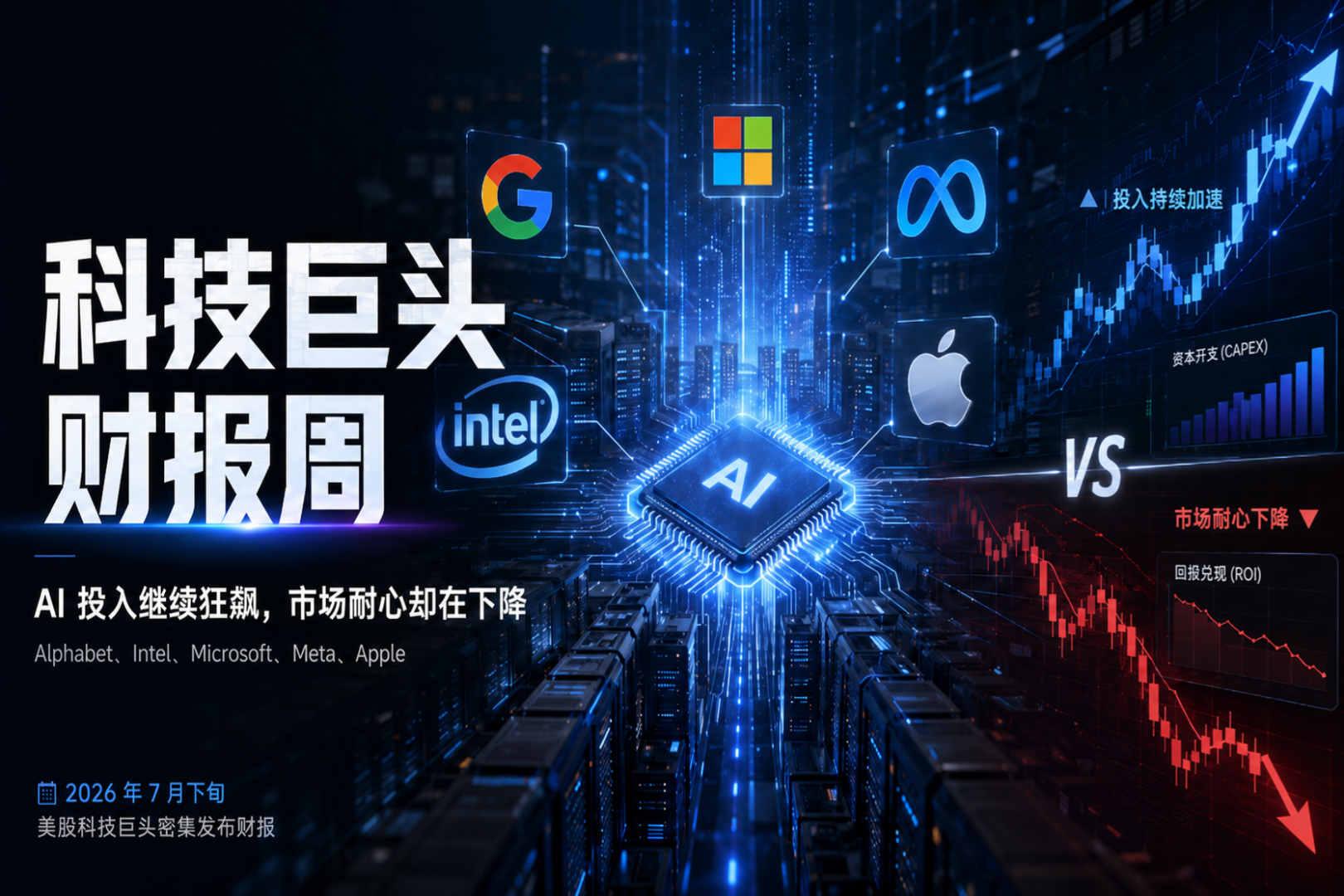
Khi thị trường bắt đầu hoài nghi về chi tiêu vốn cho AI: Phân tích toàn diện báo cáo tài chính quý 2 của năm công ty công nghệ lớn

Trong tuần công bố báo cáo tài chính quý 2/2026, báo cáo của năm gã khổng lồ công nghệ Mỹ (Alphabet, Intel, Microsoft, Meta, Apple) cho thấy một chủ đề chung: đầu tư mạnh mẽ vào cơ sở hạ tầng AI vẫn tiếp tục tăng tốc, nhưng thị trường đang mất kiên nhẫn với việc chờ đợi khoản chi tiêu khổng lồ này chuyển hóa thành lợi nhuận thực tế. Mặc dù hầu hết doanh thu và lợi nhuận đều vượt kỳ vọng, phản ứng của nhà đầu tư lại phân hóa rõ rệt dựa trên triển vọng dòng tiền tự do (FCF). Alphabet (Google) và Intel đều báo cáo tăng trưởng doanh thu ấn tượng (24% và 25%) nhưng đồng thời điều chỉnh tăng mạnh dự báo chi tiêu vốn (CapEx) cho năm 2026, khiến FCF bị áp lực, dẫn đến sự sụt giảm về giá cổ phiếu. Đặc biệt, Alphabet lần đầu tiên ghi nhận FCF âm theo quý. Meta là trường hợp tiêu cực nhất, với lợi nhuận giảm 14% do chi phí tăng 55% và FCF sụt giảm hơn 90%. Việc công ty điều chỉnh tăng hướng dẫn CapEx và CEO Mark Zuckerberg nhấn mạnh sẽ tiếp tục đầu tư mạnh vào năng lực tính toán đã khiến cổ phiếu chịu đợt bán tháo mạnh nhất. Ngược lại, Microsoft trở thành điểm sáng nhờ điều chỉnh *giảm* dự báo CapEx cho năm 2026 và cam kết duy trì FCF dương trong năm tài chính 2027, giúp cổ phiếu tăng mạnh. Apple, dù có quý tháng 6 tốt nhất lịch sử với doanh thu và lợi nhuận kỷ lục, lại đưa ra hướng dẫn tăng trưởng quý tiếp theo thấp hơn kỳ vọng, chủ yếu do thách thức về chuỗi cung ứng, khiến giá cổ phiếu lao dốc. Tóm lại, báo cáo quý này cho thấy thị trường không còn chỉ tập trung vào sức mạnh của nhu cầu AI, mà đã chuyển sang đánh giá kỹ lưỡng lộ trình và thời điểm hoàn vốn từ các khoản đầu tư khổng lồ này. Khả năng quản lý và giải thích rõ ràng về nhịp độ chi tiêu vốn và con đường tạo ra dòng tiền sẽ là yếu tố then chốt định hình phản ứng thị trường trong các mùa báo cáo tài chính sắp tới.

Odaily星球日报9 phút trước

Khi thị trường bắt đầu hoài nghi về chi tiêu vốn cho AI: Phân tích toàn diện báo cáo tài chính quý 2 của năm công ty công nghệ lớn

Odaily星球日报9 phút trước

a16z: Từ Công ty đến DAO, DUNA có thể trở thành hình thức tổ chức tiếp theo

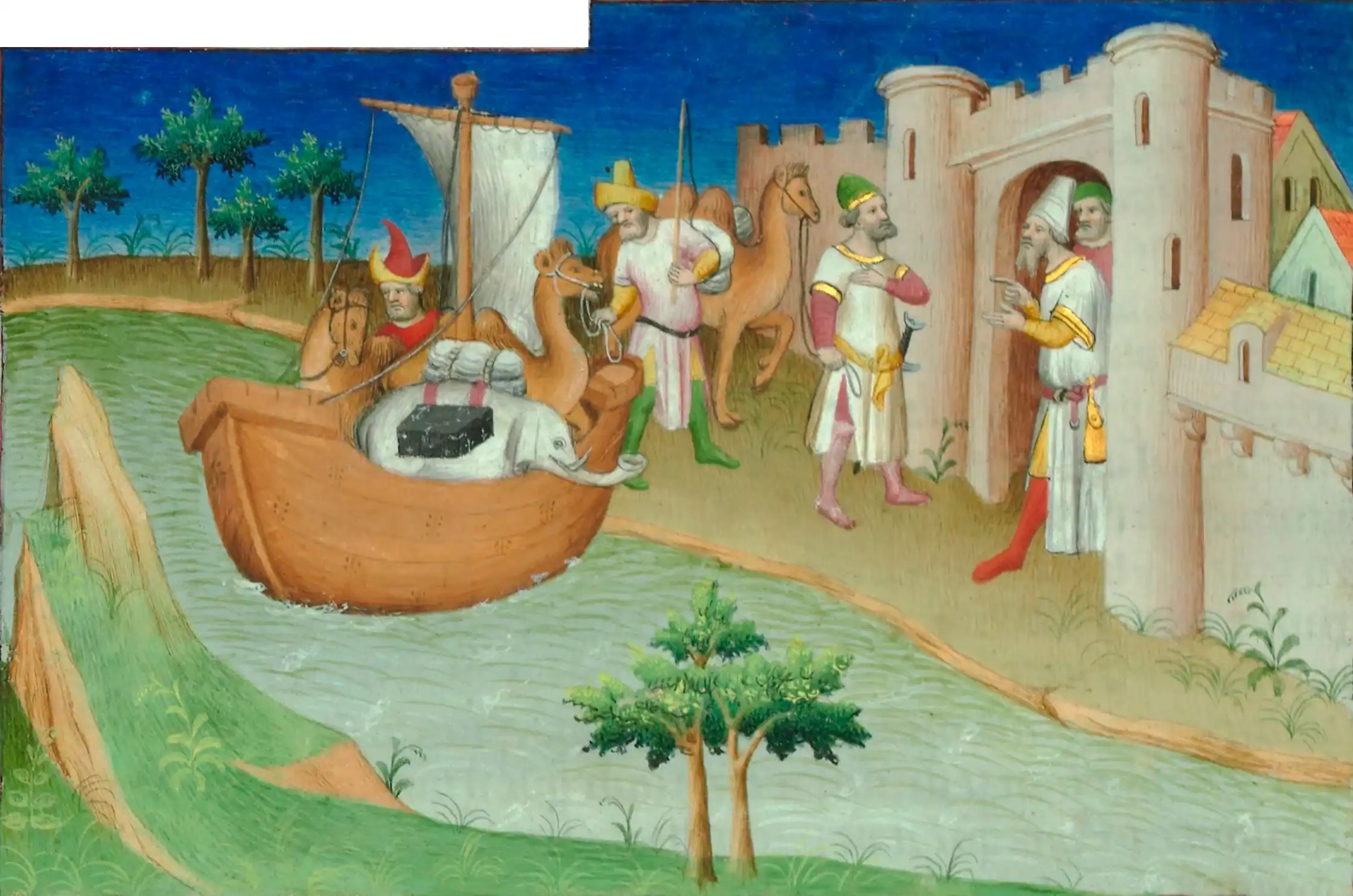
Từ các đoàn thương nhân gia đình như Marco Polo đến các công ty cổ phần như Đông Ấn Hà Lan, lịch sử kinh doanh là lịch sử của sự hợp tác. Mỗi bước nhảy vọt tổ chức đều giải quyết vấn đề phối hợp của thời đại mình. Công ty, với tư cách pháp nhân và trách nhiệm hữu hạn, là đột phá vĩ đại cho thời kỳ công nghiệp. Ngày nay, công nghệ blockchain và các giao thức internet cho phép hợp tác phi tập trung mà không cần quản lý tập trung, dẫn đến sự ra đời của các Tổ chức Tự trị Phi tập trung (DAO). Tuy nhiên, DAO đối mặt với thách thức pháp lý: thiếu sự công nhận pháp lý khiến thành viên chịu trách nhiệm vô hạn, và sự mơ hồ trong quy định chứng khoán (như bài kiểm tra Howey của SEC) đã kìm hãm sự phát triển. DUNA (Hiệp hội phi lợi nhuận phi tập trung không hợp nhất) xuất hiện như một giải pháp. Được công nhận ở một số bang Mỹ, DUNA cung cấp cho một nhóm người tư cách pháp nhân và trách nhiệm hữu hạn, cho phép họ quản trị thông qua cơ chế dựa trên blockchain mà không cần bộ máy quản lý tập trung truyền thống. Nó lấp đầy khoảng trống pháp lý cho các mạng lưới phi tập trung, cho phép họ ký hợp đồng, nắm giữ tài sản một cách hợp pháp. Giống như công ty đã cách mạng hóa hợp tác trong quá khứ, DUNA có thể đại diện cho hình thức tổ chức tiếp theo cho kỷ nguyên internet.

marsbit54 phút trước

a16z: Từ Công ty đến DAO, DUNA có thể trở thành hình thức tổ chức tiếp theo

marsbit54 phút trước

Báo cáo giữa năm 2026 về RWA trên chuỗi: Vốn hóa thị trường cổ phiếu được token hóa tăng gấp đôi trong một năm, nhưng 90% quyền lợi chỉ là vỏ bọc

Báo cáo giữa năm 2026 về RWA trên chuỗi chỉ ra rằng vốn hóa thị trường cổ phiếu được mã hóa đã tăng gấp đôi trong một năm lên 18,9 tỷ USD. Tuy nhiên, tăng trưởng này chủ yếu đến từ một vài sản phẩm và nền tảng, với sự tập trung cao: ba nền tảng hàng đầu (Ondo, xStocks, Securitize) chiếm 85,1% tổng giá trị phân phối. Thị trường tồn tại một mâu thuẫn cơ bản: các sản phẩm có tính thanh khoản cao (thường là sản phẩm đóng gói "offshore") lại thiếu quyền sở hữu pháp lý thực tế, trong khi các sản phẩm có nền tảng pháp lý vững chắc (từ cơ sở hạ tầng Mỹ được quản lý) thì khả năng phân phối và thanh khoản còn hạn chế. Chưa có sản phẩm nào kết hợp hoàn hảo cả quyền sở hữu tiêu chuẩn, phân phối ví rộng rãi, tính thanh khoản thể chế và cơ chế phát hiện giá độc lập trên chuỗi. Sự gia tăng giá trị được báo cáo chủ yếu phản ánh biến động giá thị trường và điều chỉnh phân loại, không chỉ đơn thuần là dòng tiền đầu tư mới. Cần hiểu thận trọng các số liệu tổng thể về RWA. Báo cáo kết luận thị trường này tốt nhất nên được xem như một hệ thống "Lớp 2.5" bị phân mảnh, nơi cơ sở pháp lý và tính thanh khoản thường đánh đổi lẫn nhau.

marsbit1 giờ trước

Báo cáo giữa năm 2026 về RWA trên chuỗi: Vốn hóa thị trường cổ phiếu được token hóa tăng gấp đôi trong một năm, nhưng 90% quyền lợi chỉ là vỏ bọc

marsbit1 giờ trước

Cảnh báo, người dùng Bitcoin! Vụ tấn công hôm nay có thể lớn hơn bạn nghĩ. Đây là những gì bạn cần làm

Chú ý: Người dùng Bitcoin có thể đối mặt với lỗ hổng bảo mật nghiêm trọng. Công ty Coinkite, nhà sản xuất ví phần cứng Coldcard, đã cảnh báo về một lỗi trong quá trình tạo "seed phrase" (cụm từ khôi phục) trên một số thiết bị Coldcard Mk3 (chạy firmware từ phiên bản 4.0.1 đến 5.0.3). Tất cả địa chỉ Bitcoin được tạo từ seed phrase trên các thiết bị này đều có nguy cơ bị xâm phạm. Cảnh báo được đưa ra sau khi một cuộc tấn công quy mô lớn đã làm rỗng 1.196 ví Bitcoin đơn ký, đánh cắp tổng cộng 1.082,65 BTC (tương đương khoảng 70,2 triệu USD vào thời điểm đó) chỉ trong vòng 41 phút vào ngày 30/7. Các giao dịch có đặc điểm giống nhau, cho thấy khả năng cao được thực hiện bởi một công cụ tự động quét các khóa riêng tư đã bị rò rỉ. Coinkite khuyến cáo người dùng Coldcard Mk3 đã tạo seed phrase trên thiết bị cần hành động ngay lập tức: 1. Không coi seed phrase cũ là an toàn. 2. Tạo một seed phrase mới trên một thiết bị phần cứng đáng tin cậy và hiện đại. 3. Chuyển toàn bộ số tiền sang địa chỉ mới được tạo từ seed phrase mới này. Lưu ý quan trọng: Chỉ nâng cấp thiết bị là không đủ; tuyệt đối không sử dụng lại seed phrase cũ trên bất kỳ ví mới nào.

cryptonews.ru3 giờ trước

Cảnh báo, người dùng Bitcoin! Vụ tấn công hôm nay có thể lớn hơn bạn nghĩ. Đây là những gì bạn cần làm

cryptonews.ru3 giờ trước

Giao dịch

Giao ngay

Bài viết Nổi bật

Làm thế nào để Mua COOKIE

Chào mừng bạn đến với HTX.com! Chúng tôi đã làm cho mua Cookie DAO (COOKIE) trở nên đơn giản và thuận tiện. Làm theo hướng dẫn từng bước của chúng tôi để bắt đầu hành trình tiền kỹ thuật số của bạn.Bước 1: Tạo Tài khoản HTX của BạnSử dụng email hoặc số điện thoại của bạn để đăng ký tài khoản miễn phí trên HTX. Trải nghiệm hành trình đăng ký không rắc rối và mở khóa tất cả tính năng. Nhận Tài khoản của tôiBước 2: Truy cập Mua Crypto và Chọn Phương thức Thanh toán của BạnThẻ Tín dụng/Ghi nợ: Sử dụng Visa hoặc Mastercard của bạn để mua Cookie DAO (COOKIE) ngay lập tức.Số dư: Sử dụng tiền từ số dư tài khoản HTX của bạn để giao dịch liền mạch.Bên thứ ba: Chúng tôi đã thêm những phương thức thanh toán phổ biến như Google Pay và Apple Pay để nâng cao sự tiện lợi.P2P: Giao dịch trực tiếp với người dùng khác trên HTX.Thị trường mua bán phi tập trung (OTC): Chúng tôi cung cấp những dịch vụ được thiết kế riêng và tỷ giá hối đoái cạnh tranh cho nhà giao dịch.Bước 3: Lưu trữ Cookie DAO (COOKIE) của BạnSau khi mua Cookie DAO (COOKIE), lưu trữ trong tài khoản HTX của bạn. Ngoài ra, bạn có thể gửi đi nơi khác qua chuyển khoản blockchain hoặc sử dụng để giao dịch những tiền kỹ thuật số khác.Bước 4: Giao dịch Cookie DAO (COOKIE)Giao dịch Cookie DAO (COOKIE) dễ dàng trên thị trường giao ngay của HTX. Chỉ cần truy cập vào tài khoản của bạn, chọn cặp giao dịch, thực hiện giao dịch và theo dõi trong thời gian thực. Chúng tôi cung cấp trải nghiệm thân thiện với người dùng cho cả người mới bắt đầu và người giao dịch dày dạn kinh nghiệm.

Tổng lượt xem 411Xuất bản vào 2025.07.23Cập nhật vào 2026.06.02

Làm thế nào để Mua COOKIE

Thảo luận

Chào mừng đến với Cộng đồng HTX. Tại đây, bạn có thể được thông báo về những phát triển nền tảng mới nhất và có quyền truy cập vào thông tin chuyên sâu về thị trường. Ý kiến ​​của người dùng về giá của COOKIE (COOKIE) được trình bày dưới đây.

活动图片