JST Embarks on Its Second Buyback and Burn: Cumulative 10.96% of Total Supply Destroyed, Accelerating Entry into a New Era of Value Growth

marsbitXuất bản vào 2026-01-16Cập nhật gần nhất vào 2026-01-16

Tóm tắt

JST, the token of the JUST ecosystem, has completed its second major buyback and burn event on January 15, 2026, permanently removing 525 million JST (5.3% of total supply) worth over $21 million. Combined with the first burn, a total of 10.96% of JST's supply has been destroyed, accelerating its deflationary trajectory and reinforcing its value proposition. The buyback was funded by $10.19 million from JustLend DAO's Q4 2025 net profits and $10.34 million from accumulated reserve earnings, demonstrating the ecosystem's strong profitability and financial health. Key drivers include JustLend DAO's robust performance, with Total Value Locked (TVL) exceeding $7.08 billion, innovative products like sTRX (with over 9.3 billion TRX staked), and the widely adopted GasFree smart wallet, which has facilitated over $46 billion in transactions and saved users $36.25 million in fees. Additionally, growth from the USDD decentralized stablecoin ecosystem, which recently surpassed $1 billion in TVL, contributed significant incremental revenue. This burn signifies a fundamental shift for JST from a utility governance token to a yield-backed asset, directly tethering its value to the ecosystem's cash flow. The reduced supply increases scarcity, enhances per-token governance power for holders, and establishes a sustainable, transparent deflation model for DeFi. With a market cap surpassing $400 million and growing trading volume, JST is positioned for continued value appreciation driven by r...

On January 15, 2026, the JST token officially completed its second large-scale buyback and burn. This burn action not only demonstrates the project's firm commitment to its deflationary mechanism but also showcases the robust profitability and financial health of the JUST ecosystem to the entire cryptocurrency market with the destruction of 525,000,000 JST (5.3% of the total supply).

According to the JustLend DAO official announcement, the estimated value corresponding to this burn exceeds 21 million US dollars. Combined with the amount burned in the first round, the cumulative number of JST tokens burned has reached 1,084,890,753, accounting for 10.96% of the total supply. This means that in less than three months, JST has permanently removed over one-tenth of its total supply, a remarkable pace of deflation.

From a broader perspective, this burn marks a fundamental evolution in JST's value narrative. It is transitioning from a governance token to an equity asset anchored to the growth of the ecosystem's cash flow. This process not only enhances the scarcity and value foundation of the JST token but also provides a clear, practical path for the decentralized finance (DeFi) sector—one driven by real yield to fuel token value—demonstrating a transparent and sustainable new paradigm of deflation.

Strong Performance of JustLend DAO Ecosystem Forges the Financial Cornerstone for Large-Scale Buyback

Such a large-scale buyback and burn necessarily requires a solid financial foundation. The announcement clearly reveals the dual pillars of the funding source: $10,192,875 came from JustLend DAO's net profit in the fourth quarter of 2025, while another $10,340,249 originated from the project's accumulated stock of reserve earnings. These figures themselves are the most powerful proof of performance; they collectively point to a core fact: the JustLend DAO ecosystem not only possesses strong immediate profitability but also boasts a robust financial structure and sustainable cash flow, which form the solid foundation supporting its commitment to buybacks and its deflation strategy.

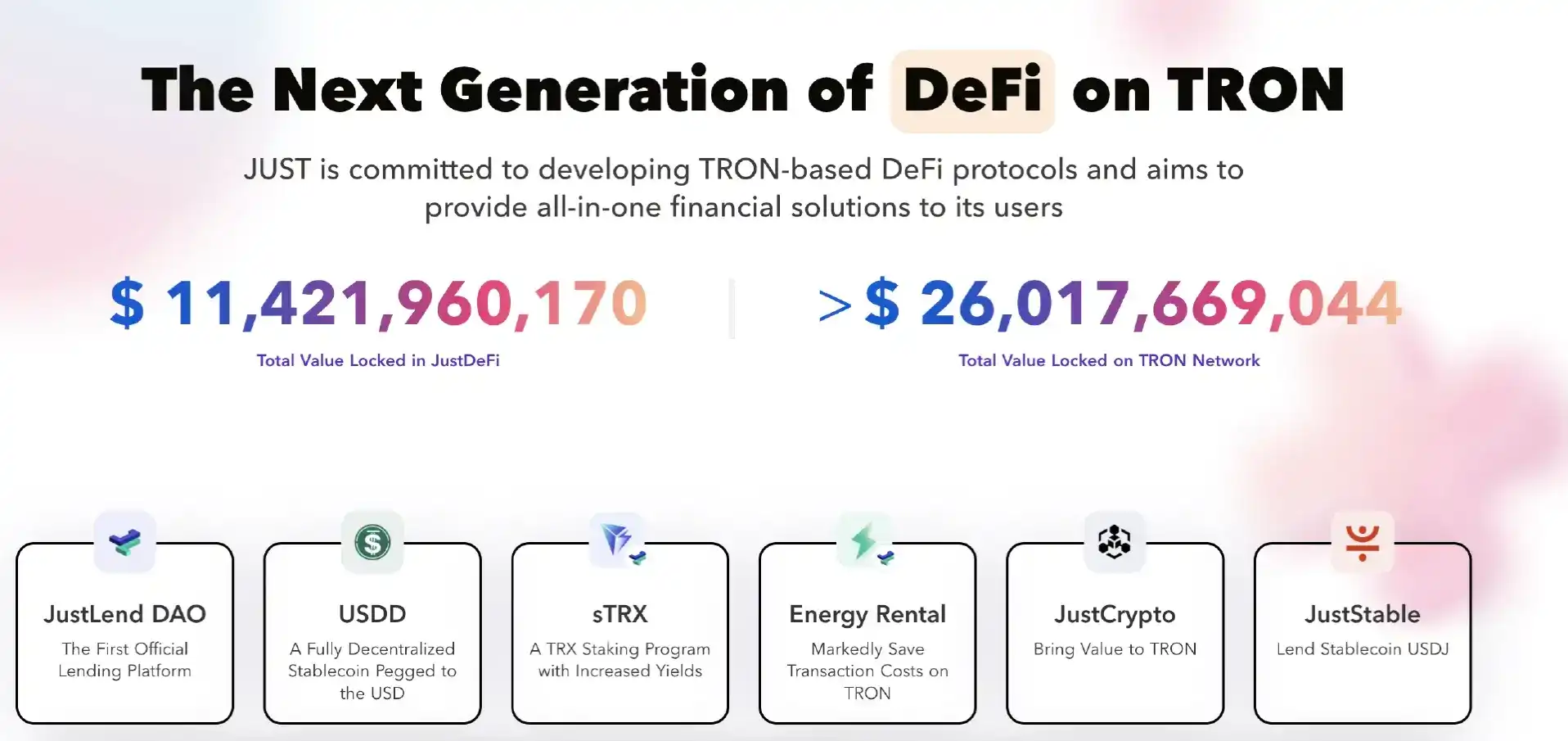
A deeper analysis of JustLend DAO's performance in Q4 2025 reveals clear growth trajectories. Firstly, as the flagship lending protocol of the JUST ecosystem, JustLend DAO benefits from the continuous improvement of the TRON infrastructure. Its Total Value Locked (TVL) broke through the $7.08 billion mark in the fourth quarter and has long been ranked among the top three in the lending market, with lending activity in its SBM market also climbing to a new cycle high.

It is worth noting that the $10,340,249 in stock earnings, which formed an important part of this buyback fund, can be traced back to the earnings from the reserve capital deposited in the SBM USDT market during the first JST buyback. The appreciation process of this capital is itself the most direct proof of the SBM market's strong profitability. It showcases JustLend DAO's sophisticated financial operation model: strategically reinvesting ecosystem profits for "self-regeneration" within the protocol, thereby providing an endogenous and sustainable source of funding for subsequent value returns.

On this basis, JustLend DAO's revenue structure is also showing a trend of diversification. While the traditional lending market, its core business, maintains steady growth, JustLend DAO has innovatively built a product matrix including sTRX (Staked TRX) and Energy Rental, greatly expanding the boundaries and depth of its value capture.

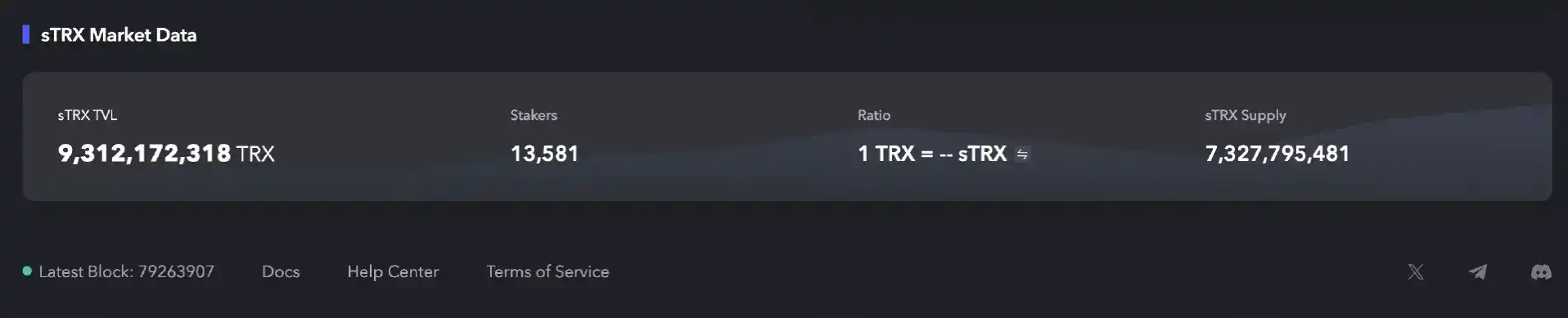
Among these, the sTRX service allows users to stake TRX to earn rewards while still flexibly participating in other DeFi activities. This innovative design significantly improves capital efficiency and user stickiness. As of January 15, the amount of TRX staked on the platform has surpassed 9.3 billion tokens. This staggering figure not only reflects the community's high recognition of the sTRX product but also generates considerable and sustainable service revenue.
Meanwhile, the "Energy Rental" service, designed to reduce users' on-chain operation costs, has also demonstrated strong market appeal through active rate optimization. Since September 2025, the base rate for this service was significantly reduced from 15% to a more competitive 8%. The rate optimization directly stimulated market demand and transaction frequency, thereby creating steady incremental revenue for the protocol through more active leasing business.

While the core product matrix continues to perform strongly, JustLend DAO, focusing on lowering the participation threshold for the general user, innovatively launched the GasFree smart wallet in March 2025. This feature彻底打破了用户必须预先持有原生代币(TRX)以支付手续费这一长期困扰新手用户的壁垒 (completely breaks down the long-standing barrier for new users of having to hold the native token (TRX) in advance to pay transaction fees), allowing users to directly deduct and pay the required network fees from the token assets they are transferring (e.g., USDT). This design not only achieves ultimate operational convenience but also fundamentally broadens the accessibility of blockchain finance.

To accelerate the adoption of this innovative feature, JustLend DAO simultaneously launched a highly attractive 90% transfer fee subsidy campaign. With this support, users only need to pay an extremely low fee of approximately 1 USDT when using the GasFree function for USDT transfers. This combined strategy quickly ignited market demand. As of January 15, the total transaction volume driven by the GasFree smart wallet has exceeded $46 billion. This astonishing scale not only validates the market's strong desire for a frictionless transaction experience but has also directly saved users a cumulative total of over $36.25 million in network fee costs. This innovation, by significantly reducing actual usage costs and cognitive barriers, has introduced massive incremental users and capital flow into the ecosystem, constituting another powerful growth pole for the platform's network effects and revenue potential.

Meanwhile, another funding channel in the buyback and burn plan, namely the incremental revenue from the USDD multi-chain ecosystem (the portion exceeding $10 million), also constitutes a significant source of value. USDD, as the core decentralized stablecoin of the TRON ecosystem, has seen remarkable results from its multi-chain expansion strategy. It has been successfully deployed on mainstream public chains like Ethereum and BNB Chain, broadening its application scenarios and user base.

Its ecosystem value recently achieved a milestone breakthrough. On January 14, USDD's TVL historically surpassed the $1 billion mark. This means that in less than two months, USDD's TVL规模实现了惊人的100%增长 (achieved an astonishing 100% growth), its expansion speed and market acceptance fully confirming the strong momentum and deep asset appeal of this stablecoin within the multi-chain ecosystem. The rapid growth of its TVL and the continuous prosperity of its ecosystem significantly enhance the potential scale of this funding channel, providing an anticipated source of value for JST's subsequent quarterly buyback and burn plans.

Through deep integration with various DeFi protocols, USDD not only consolidates its peg stability but also creates continuous value inflow for the entire ecosystem. The inclusion of USDD ecosystem's excess income in the JST buyback and burn plan builds a value闭环 (closed loop) of "stablecoin + lending protocol + governance token". In this model, the expansion and prosperity of USDD and JustLend DAO directly power the deflation of JST, while the increase in JST's value in turn enhances the attractiveness and cohesion of the entire TRON DeFi ecosystem, creating a powerful internal synergy and value feedback effect.

Deepening Deflation Mechanism: Revolutionary Reshaping of JST's Value Foundation

In summary, the significance of this buyback and burn早已超越了单纯的价格支撑范畴 (has long surpassed the scope of mere price support); it is triggering a series of profound structural changes. Most fundamentally, it has completed the reshaping of JST's value support logic. JST is no longer merely a "utility token" for paying network fees or participating in governance votes; it has evolved into an "equity asset" directly anchored to the cash flow performance of JustLend DAO, USDD, and associated ecosystems.
Through the buyback and burn mechanism, the profit growth of the ecosystem is continuously injected into the value foundation of the JST token, making holding JST equivalent to holding an equity certificate that shares in the future profit growth of the ecosystem. On January 8, CoinMarketCap data showed that JST's market cap historically broke through the $400 million mark. This is not just a numerical leap but substantial market recognition of its new positioning. Accompanying the rising market cap was increased activity of funds. On January 8, its 24-hour trading volume significantly increased by 21.92%, reaching $31.49 million, and its price had also risen 10.82% steadily over the past month, with a daily increase of 3.1%.

The synchronous expansion of trading volume and market cap at key junctures is not偶然的市场波动 (an accidental market fluctuation) but a clear "vote of confidence" from the capital markets in response to the improving fundamentals of the JUST ecosystem, particularly the profitability and value return mechanism demonstrated by the buyback and burn.

Secondly, the JST buyback and burn also带来治理权力的实质性增值 (brings substantial增值 to governance power). As the total token supply is irreversibly reduced, the governance weight in the protocol represented by each remaining JST in the market will increase accordingly. This means that long-term holders not only enjoy the economic benefits of value appreciation but also see their voice in key community decisions (such as parameter adjustments, new product launches, treasury fund usage, etc.) amplified simultaneously. This design deeply binds the interests of core community members to the long-term success of the protocol,极大地增强了社区的稳定性和参与感 (greatly enhancing community stability and sense of participation).

From a broader industry perspective, JST's buyback and burn practice provides a clear and借鉴的新范式 (new paradigm to emulate) for token economics in the DeFi field. Removing 10.96% of the total supply through two rounds of burns in an extremely short time not only demonstrates efficient execution but, more profoundly, deeply binds the protocol's financial success to the interests of token holders, thereby establishing a良性循环典范 (exemplary virtuous cycle) of "value creation - value return".

This model fundamentally reverses the old logic where token value relied on speculative narratives,转向由协议基本面现金流驱动的可持续路径 (turning towards a sustainable path driven by the protocol's fundamental cash flow), providing a solid and credible case study for the industry on how to build economic models with substantial value support.

Looking ahead, with JST buyback and burn becoming a quarterly routine, a clear, predictable deflation path has been laid out. The scarcity of JST will be a certain narrative that strengthens over time. Each quarterly report disclosure and the subsequent burn will serve as a catalyst for reassessing its intrinsic value. This burn is not an endpoint but the beginning of a more恢弘的价值累积篇章 grand chapter of value accumulation). A value revolution, supported by ecosystem profitability and driven by product synergy, has already pressed the accelerator.


Câu hỏi Liên quan

QWhat was the total amount of JST tokens burned in the second buyback and what percentage of the total supply did it represent?

A525,000,000 JST tokens were burned, representing 5.3% of the total supply.

QWhat is the cumulative amount and percentage of JST tokens burned so far through the two buyback events?

AThe cumulative amount burned is 1,084,890,753 JST tokens, which is 10.96% of the total supply.

QWhat were the two main financial pillars that funded the buyback and burn initiative?

AThe funding came from JustLend DAO's Q4 2025 net revenue of $10,192,875 and a reserve of accumulated earnings of $10,340,249.

QWhat innovative product significantly lowered the barrier to entry for new users by eliminating the need to hold TRX for gas fees?

AThe GasFree Smart Wallet, which allows users to pay network fees directly from the tokens being transferred (like USDT).

QWhat major milestone did the USDD ecosystem achieve recently, and what does it signify for the JST buyback mechanism?

AThe USDD ecosystem's Total Value Locked (TVL) historically surpassed $1 billion, signifying rapid growth and providing a substantial, predictable value source for future JST buyback and burn plans.

Nội dung Liên quan

Thị trường tiền mã hóa đã đáy chưa? Đây là quan điểm của các tổ chức

Chuyên gia từ ba tổ chức nghiên cứu hàng đầu - Galaxy Digital, NYDIG và Standard Chartered - đã đưa ra các nhận định khác nhau về việc thị trường tiền mã hóa đã chạm đáy hay chưa. Galaxy Digital, dựa trên phân tích 13 chỉ số lịch sử, cho rằng Bitcoin chưa chạm đáy và dự đoán vùng đáy tiềm năng trong khoảng 30.000 - 54.000 USD, với mức trung tính là 40.000 - 46.000 USD. NYDIG nhận thấy các chỉ số hiện tại gần với vùng cực trị đáy lịch sử nhưng thiếu đi đợt bán tháo hoảng loạn điển hình, đồng thời nêu lên khả năng chu kỳ hiện tại có thể ít suy giảm hơn nhờ dòng tiền tổ chức. Trái ngược, Standard Chartered tuyên bố đáy đã xuất hiện ở mức 59.000 USD, với lý do áp lực bán từ ETF sẽ giảm bớt và dự báo Bitcoin có thể lên 100.000 USD trong năm nay. Mặc dù có sự khác biệt về điểm đáy cụ thể, cả ba báo cáo đều có chung những kết luận quan trọng cho nhà đầu tư dài hạn: đáy thị trường sẽ xuất hiện trong năm nay, giá hiện tại gần đáy hơn là đỉnh cũ, và một đợt tăng giá mới cho Bitcoin trong tương lai vẫn được kỳ vọng. Vì vậy, thay vì tập trung quá mức vào thời điểm chạm đáy chính xác, trọng tâm nên là triển vọng dài hạn khi các động lực cơ bản của Bitcoin - như nợ công cao, lạm phát, quá trình số hóa và việc áp dụng ngày càng tăng - vẫn tiếp tục mạnh mẽ.

Foresight News1 phút trước

Thị trường tiền mã hóa đã đáy chưa? Đây là quan điểm của các tổ chức

Foresight News1 phút trước

Dự đoán năm 2029: Khi tiền điện tử hoàn toàn 'biến mất', ai sẽ tồn tại trong cuộc đại biến đổi tài chính này?

**Tóm tắt: Dự báo về tình hình tài chính vào năm 2029 - Khi tiền mã hóa "tàng hình"** Bài viết đưa ra một kịch bản cụ thể về sự phát triển của ngành công nghiệp tiền mã hóa từ nay đến năm 2029, tập trung vào ba vấn đề cốt lõi: giá trị của token, ứng dụng công nghệ và sự chuyển đổi thành cơ sở hạ tầng tài chính truyền thống. **Giai đoạn chính:** * **Giữa 2026:** Thị trường hợp đồng vĩnh viễn cho tài sản tư nhân (ví dụ: cổ phần SpaceX, OpenAI) trên các sàn giao dịch phi tập trung như Hyperliquid trở nên phổ biến, cung cấp định giá thời gian thực và cho thấy nhu cầu thực sự là về tài sản chất lượng, không phải token. * **Cuối 2026:** Lĩnh vực "AI + Crypto" suy yếu (trừ thị trường dự đoán). Token hóa tài sản truyền thống (quỹ thị trường tiền tệ, tín dụng tư nhân) tăng tốc một cách thầm lặng trong khuôn khổ pháp lý, tách biệt với thị trường đầu cơ ồn ào. * **Đầu 2027:** Các quỹ blockchain lớn tập trung vào việc xây dựng cơ sở hạ tầng và dịch vụ tuân thủ cho khách hàng tổ chức, với tầm nhìn dài hạn là phục vụ số lượng lớn nhà đầu tư phổ thông đủ điều kiện. * **Giữa đến cuối 2027:** Ba lĩnh vực (hợp đồng vĩnh viễn tài sản tư nhân, stablecoin, token hóa tài sản) đều chạm trần tăng trưởng do các hạn chế pháp lý, đặc biệt là lệnh cấm quảng cáo chứng khoán tư nhân và sự không chắc chắn về chính sách trước cuộc bầu cử Mỹ 2028. * **2028:** Sau bầu cử (giả định đảng Dân chủ thắng), sự không chắc chắn giảm dần. Một sự kiện thanh lý dây chuyền trên thị trường hợp đồng vĩnh viễn làm lộ rõ rủi ro của việc thiếu tài sản cơ sở. Điều này dẫn đến việc nới lỏng quy định, **cho phép công khai quảng cáo việc chuyển nhượng cổ phần tư nhân thứ cấp cho nhà đầu tư đủ điều kiện**, tạo ra một kênh đầu tư hợp pháp mới. * **2029:** Thị trường chứng khoán tư nhân trở thành tâm điểm, thúc đẩy một đợt tăng giá mới dựa trên giá trị thực của các doanh nghiệp công nghệ. Token chỉ có giá trị nếu đại diện cho quyền đòi tài sản thực có hiệu lực pháp lý. Stablecoin tăng trưởng ổn định. Các yếu tố đầu cơ thu hẹp. Chức năng cơ sở hạ tầng tài chính của tiền mã hóa trở nên "tàng hình", được tích hợp hoàn toàn và không còn là chủ đề thảo luận riêng biệt. **Luận điểm trung tâm:** Trở ngại chính của ngành không phải là công nghệ mà là pháp lý. Dấu hiệu then chốt để xác thực dự báo này là việc **nhà đầu tư phổ thông có được kênh tiếp cận hợp pháp với thị trường cổ phần tư nhân vào cuối năm 2028 hay không.**

marsbit41 phút trước

Dự đoán năm 2029: Khi tiền điện tử hoàn toàn 'biến mất', ai sẽ tồn tại trong cuộc đại biến đổi tài chính này?

marsbit41 phút trước

Sau khi Mỹ cấm Fable 5, trí tuệ nhân tạo tăng 47%

Ngày 15/6, cổ phiếu Zhipu (智谱) tại Hồng Kông tăng mạnh tới 47.6% trước khi đóng cửa ở mức +32.82%, đạt vốn hóa thị trường kỷ lục 649,6 tỷ HKD. Động lực trực tiếp đến từ hai sự kiện ngành. Ngày 12/6, Anthropic đã vô hiệu hóa quyền truy cập vào các mô hình hàng đầu Claude Fable 5 và Claude Mythos 5 trên toàn cầu do lệnh kiểm soát xuất khẩu của Mỹ. Sự kiện này cho thấy rủi ro khi các mô hình AI tiên tiến trở nên "không thể truy cập ổn định", đặc biệt đối với các nhà phát triển và doanh nghiệp phụ thuộc vào chúng. Ngay ngày hôm sau (13/6), Zhipu tuyên bố mở mô hình mã nguồn mở mạnh nhất của mình, GLM-5.2, cho tất cả người dùng Coding Plan, với API và trọng số mô hình sẽ được phát hành theo giấy phép MIT. GLM-5.2 tập trung vào nâng cao khả năng xử lý tác vụ dài hạn (Long Horizon Task), hỗ trợ cửa sổ ngữ cảnh 1M token. Sự cố của Anthropic và động thái của Zhipu đánh dấu sự thay đổi trong logic cạnh tranh ngành AI: từ "mô hình nào mạnh hơn" sang "mô hình nào có thể tiếp cận ổn định hơn". Khi AI trở thành cơ sở hạ tầng quan trọng, các yếu tố như tính ổn định, bền vững, khả năng kiểm soát và tính sẵn có đang trở nên quan trọng ngang bằng với năng lực kỹ thuật. Phản ứng nhanh chóng của thị trường vốn cho thấy sự định giá lại này, với lợi thế dần nghiêng về các mô hình mở, dễ tiếp cận và tự chủ.

marsbit46 phút trước

Sau khi Mỹ cấm Fable 5, trí tuệ nhân tạo tăng 47%

marsbit46 phút trước

Hướng dẫn Đăng ký và Gửi bài cho Chuyên mục PANews

**Hướng dẫn Đăng ký và Đăng bài Chuyên mục PANews** Bài viết cung cấp hướng dẫn toàn diện để trở thành tác giả chuyên mục và đăng bài trên PANews. **Yêu cầu về Nội dung Chuyên mục:** * Tập trung vào nội dung sâu về Crypto, Web3, dữ liệu, quan điểm phân tích. * **Không chấp nhận:** Nội dung quảng bá sản phẩm/thương hiệu là chính (nên liên hệ bộ phận thương mại) hoặc nội dung được tạo hàng loạt bằng AI. **Cách Đăng ký Chuyên mục:** * **Trên web:** Truy cập trang chủ PANews, cuộn xuống cuối trang và nhấp "申请专栏" (Đăng ký chuyên mục). Đăng ký bằng số điện thoại/email (chỉ cần mã xác minh để đăng nhập sau này). Điền tên chuyên mục, mô tả, tải lên ảnh đại diện và gửi liên kết đến các bài viết mẫu đã xuất bản. * **Trên điện thoại:** Vào mục "我的" (Của tôi), chọn "投稿与创作" (Đóng góp & Sáng tạo) và điền thông tin. **Hướng dẫn Đăng bài:** 1. Đăng nhập trên trang web. 2. Vào **Trang cá nhân** -> **Trung tâm Sáng tạo**. 3. Sử dụng trình biên tập để tạo và đăng bài viết mới. **Nhúng Video:** * Chỉ hỗ trợ nhúng mã từ nền tảng bên thứ ba (ví dụ: Bilibili). * Sao chép mã nhúng từ video, trong trình biên tập bài viết, chọn **Chèn/Chỉnh sửa phương tiện** -> tab **Nhúng** -> dán mã. * Có thể điều chỉnh kích thước hiển thị video (đề xuất: rộng 100%, cao 560px). **Công cụ Hỗ trợ: PANews Skills** * Bộ kỹ năng AI chính thức của PANews, cho phép các AI Agent tương tác với nền tảng. * **Ba kỹ năng chính:** 1. `panews`: Theo dõi xu hướng, lấy bảng xếp hạng bài đọc bắt buộc, bài viết nổi bật, động thái gọi vốn. 2. `panews-creator`: **Quan trọng cho đăng bài** - Hỗ trợ quản lý chuyên mục, xuất bản bài viết, tải lên hình ảnh. 3. `panews-web-viewer`: Phân tích cú pháp trang web PANews sang Markdown. * **Cách sử dụng `panews-creator`:** * Cài đặt từ GitHub: `https://github.com/panewslab/skills`. * Cần lấy giá trị `authorization` từ tài khoản chuyên mục của bạn: Đăng nhập vào PANews, mở Công cụ Nhà phát triển trình duyệt (F12), vào tab **Network**, tìm một yêu cầu API và sao chép giá trị `authorization` từ phần **Request Headers**.

marsbit56 phút trước

Hướng dẫn Đăng ký và Gửi bài cho Chuyên mục PANews

marsbit56 phút trước

Giao dịch

Giao ngay
Hợp đồng Tương lai

Bài viết Nổi bật

Làm thế nào để Mua JST

Chào mừng bạn đến với HTX.com! Chúng tôi đã làm cho mua JUST (JST) trở nên đơn giản và thuận tiện. Làm theo hướng dẫn từng bước của chúng tôi để bắt đầu hành trình tiền kỹ thuật số của bạn.Bước 1: Tạo Tài khoản HTX của BạnSử dụng email hoặc số điện thoại của bạn để đăng ký tài khoản miễn phí trên HTX. Trải nghiệm hành trình đăng ký không rắc rối và mở khóa tất cả tính năng. Nhận Tài khoản của tôiBước 2: Truy cập Mua Crypto và Chọn Phương thức Thanh toán của BạnThẻ Tín dụng/Ghi nợ: Sử dụng Visa hoặc Mastercard của bạn để mua JUST (JST) ngay lập tức.Số dư: Sử dụng tiền từ số dư tài khoản HTX của bạn để giao dịch liền mạch.Bên thứ ba: Chúng tôi đã thêm những phương thức thanh toán phổ biến như Google Pay và Apple Pay để nâng cao sự tiện lợi.P2P: Giao dịch trực tiếp với người dùng khác trên HTX.Thị trường mua bán phi tập trung (OTC): Chúng tôi cung cấp những dịch vụ được thiết kế riêng và tỷ giá hối đoái cạnh tranh cho nhà giao dịch.Bước 3: Lưu trữ JUST (JST) của BạnSau khi mua JUST (JST), lưu trữ trong tài khoản HTX của bạn. Ngoài ra, bạn có thể gửi đi nơi khác qua chuyển khoản blockchain hoặc sử dụng để giao dịch những tiền kỹ thuật số khác.Bước 4: Giao dịch JUST (JST)Giao dịch JUST (JST) dễ dàng trên thị trường giao ngay của HTX. Chỉ cần truy cập vào tài khoản của bạn, chọn cặp giao dịch, thực hiện giao dịch và theo dõi trong thời gian thực. Chúng tôi cung cấp trải nghiệm thân thiện với người dùng cho cả người mới bắt đầu và người giao dịch dày dạn kinh nghiệm.

Tổng lượt xem 427Xuất bản vào 2024.12.13Cập nhật vào 2025.03.21

Làm thế nào để Mua JST

Thảo luận

Chào mừng đến với Cộng đồng HTX. Tại đây, bạn có thể được thông báo về những phát triển nền tảng mới nhất và có quyền truy cập vào thông tin chuyên sâu về thị trường. Ý kiến ​​của người dùng về giá của JST (JST) được trình bày dưới đây.

活动图片