Mastercard and Polygon Roll Out Email-Like Wallet IDs for Easier Crypto Transfers

bitcoinistXuất bản vào 2025-11-20Cập nhật gần nhất vào 2025-11-20

Tóm tắt

Mastercard is taking a major step toward simplifying how everyday users interact with digital assets by leveraging the Ethereum and...

Trusted Editorial content, reviewed by leading industry experts and seasoned editors. Ad Disclosure

Mastercard is taking a major step toward simplifying how everyday users interact with digital assets by leveraging the Ethereum and Polygon network.

Related Reading: Hoskinson Vs. Cardano Foundation: From Berlin Parties To ‘Useful Idiots’

Through a new collaboration with Polygon Labs and payments infrastructure firm Mercuryo, the global payments giant is rolling out email-style wallet aliases designed to make crypto transfers feel as intuitive as sending a message online.

The upgrade expands Mastercard’s Crypto Credential program to self-custody wallets, replacing long, technical wallet addresses with human-readable IDs. For millions of users intimidated by complex hexadecimal strings, this shift could mark a turning point in mainstream crypto adoption.
Ethereum ETH Polygon Mastercard

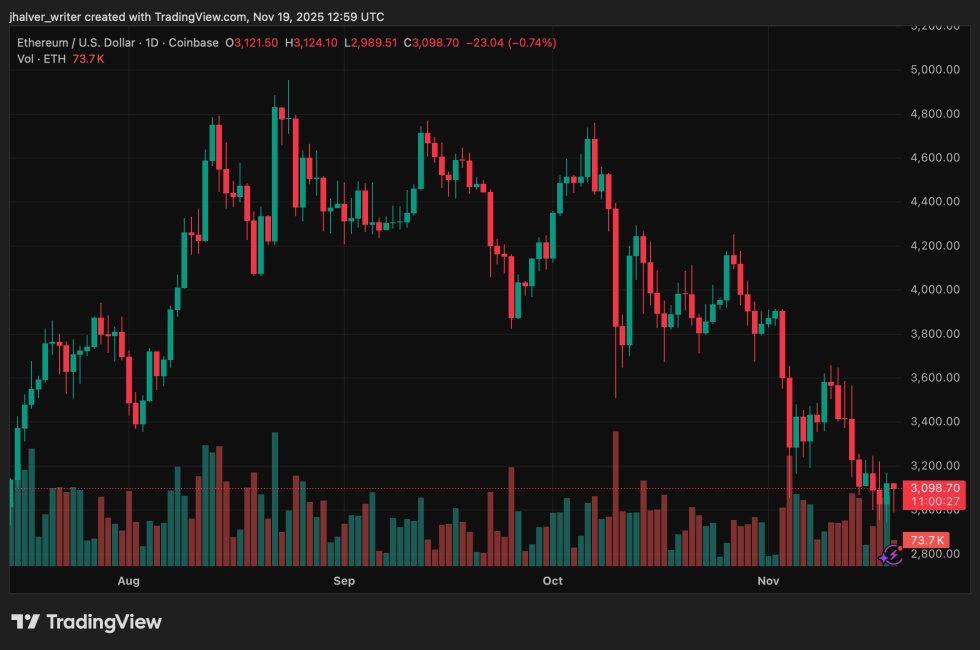
ETH's price trends to the downside on the daily chart. Source: ETHUSD on Tradingview

A New Identity Layer for Self-Custody Wallets

Under the new system, users can link wallets such as MetaMask to a verified alias issued through Mercuryo. After completing standard KYC checks, the user receives a simple username, similar to an email handle, that directs crypto to their self-custody wallet.

Polygon powers the underlying infrastructure, offering low-cost transactions and rapid settlement. Wallets can also mint a non-transferable “soulbound” credential on Polygon, publicly confirming that they belong to a verified user.

Mastercard states that this structure supports regulatory compliance, including Travel Rule requirements, without requiring users to relinquish control of their private keys.

Early access focuses on receiving funds through aliases, with outbound sending expected later. Mastercard notes that this framework is designed as a portable verification layer that can be moved across apps, wallets, and blockchains within the broader Crypto Credential network.

Why Mastercard Picked Polygon for the Rollout

Polygon’s selection as the first supported network reflects its growing reputation as a consumer-grade blockchain built for global-scale payments. Its upgrades, including the Rio and Heimdall v2 updates, have boosted throughput, improved finality, and reduced the risk of chain reorganizations.

With billions of dollars in stablecoin activity flowing through Polygon every month, analysts say the network offers the reliability and low operating costs that large institutions demand.

Polygon Labs CEO Marc Boiron called the initiative “the moment when self-custody becomes simple,” noting that alias-based transfers make blockchain interactions resemble familiar fintech experiences rather than technical workflows.

Shaping the Future of Identity-Driven Web3 Payments

For Mastercard, this rollout aligns with its broader strategy to bridge traditional finance and decentralized networks. The company has been expanding crypto services across 2024 and 2025, from debit card programs to on-chain settlement pilots.

By embedding identity, verification, and user-friendly interfaces into self-custody systems, Mastercard and Polygon are helping shape the next generation of digital payments.

Related Reading: What Happens To The Ethereum Price If It Replicates Bitcoin Supercycle?

If adopted widely, alias-based transfers could redefine how users engage with Web3, lowering barriers and accelerating mainstream participation in blockchain-based finance.

Cover image from ChatGPT, ETHUSD chart from Tradingview

Editorial Process for bitcoinist is centered on delivering thoroughly researched, accurate, and unbiased content. We uphold strict sourcing standards, and each page undergoes diligent review by our team of top technology experts and seasoned editors. This process ensures the integrity, relevance, and value of our content for our readers.

Nội dung Liên quan

Upbit lo lắng, một cuộc phản công vội vàng nhằm lấy lại thị phần stablecoin

Upbit đã tung ra một loạt hành động từ ngày 26/7 đến 9/8, bao gồm miễn phí giao dịch stablecoin và niêm yết nhanh nhiều đồng stablecoin mới như RLUSD, USDG, nhằm mục đích kích thích khối lượng giao dịch stablecoin và giành lại thị phần đang bị thu hẹp. Thị trường stablecoin Hàn Quốc đã thay đổi đáng kể trong 18 tháng qua. Từ vị trí dẫn đầu với 53,5% thị phần vào tháng 1/2025, Upbit đã tụt xuống thứ ba (30,1%) vào tháng 6/2026, sau Coinone (34,8%) và Bithumb (31,1%). Nguyên nhân chính là do Coinone áp dụng chính sách miễn phí giao dịch USDC vĩnh viễn từ tháng 10/2025, thu hút dòng tiền nhạy cảm với phí. Trong khi đó, tổng khối lượng giao dịch stablecoin trên toàn thị trường đã giảm mạnh 80,3% từ đầu năm 2026. Stablecoin đóng vai trò là kênh chuyển vốn xuyên biên giới quan trọng. Dữ liệu cho thấy liên tục trong 18 tháng có dòng tiền ròng chảy ra khỏi Hàn Quốc qua stablecoin, ngay cả trong thị trường downtrend, cho thấy nhu cầu bền vững. Chiến lược của Upbit mang lại hiệu quả ngắn hạn: khối lượng giao dịch stablecoin hàng ngày tăng 162% trong đợt khuyến mãi, chủ yếu nhờ USDT. Tuy nhiên, khối lượng đã bắt đầu giảm dần trong tuần thứ hai và các stablecoin mới niêm yết không thu hút được nhiều giao dịch. Một khi chương trình khuyến mãi kết thúc, Upbit có thể khó giữ chân khách hàng nếu không áp dụng chính sách miễn phí vĩnh viễn như đối thủ. Bối cảnh quản lý đang thay đổi có thể là lý do cho động thái này. Với kế hoạch phát hành stablecoin Won trong tương lai gần và việc Dunamu (công ty mẹ của Upbit) trở thành công ty con toàn phần của Naver, việc mở rộng nền tảng stablecoin hiện tại có ý nghĩa chiến lược. Mặc dù có thể có hạn chế pháp lý trong việc niêm yết stablecoin Won do chính Naver phát hành, việc trở thành trung tâm phân phối stablecoin USD tại Hàn Quốc vẫn là cơ hội quan trọng mà Upbit đang nắm bắt.

marsbit3 giờ trước

Upbit lo lắng, một cuộc phản công vội vàng nhằm lấy lại thị phần stablecoin

marsbit3 giờ trước

Michael Saylor So Sánh Bitcoin Với Vàng!

Người sáng lập Strategy Michael Saylor tuyên bố Bitcoin đang cách mạng hóa việc lưu trữ và chuyển giao của cải bằng cách chuyển đổi sự khan hiếm kỹ thuật số thành giá trị kinh tế. Ông mô tả Bitcoin là "mạng lưới tiền tệ kỹ thuật số đầu tiên trong lịch sử", kết hợp máy tính, mạng kỹ thuật số và mật mã để số hóa hoàn toàn tài sản tiền tệ. So sánh với vàng, Saylor cho rằng việc tăng nguồn cung Bitcoin khó khăn hơn, nhưng tích hợp với phần mềm và chuyển giao lại dễ dàng hơn. Cơ chế bằng chứng công việc (Proof-of-Work) gắn Bitcoin với thế giới vật lý, tiêu thụ năng lượng thực để đổi lấy bảo mật sổ cái, khiến "năng lượng tiền tệ kỹ thuật số" là thuật ngữ chính xác hơn "vàng kỹ thuật số". Saylor nhấn mạnh Bitcoin là một hệ thống thích ứng, với mục tiêu cốt lõi là tạo ra một sổ cái an toàn, đáng tin cậy cho tài sản kỹ thuật số khan hiếm. Kiến trúc đơn giản này tạo nền tảng để giá trị kinh tế được truyền tải và hỗ trợ đổi mới trong các dịch vụ tài chính. Tác động sâu sắc hơn của Bitcoin là tạo ra một hình thức chủ quyền kỹ thuật số mới, nơi cá nhân kiểm soát quyền lực kinh tế thông qua khóa riêng tư mà không cần sự cho phép, với quyền sở hữu được xác minh bằng toán học thay vì thể chế. Ông kết luận: "Sự khan hiếm vật lý biến vàng thành tiền tệ, và sự khan hiếm kỹ thuật số của Bitcoin cũng vậy", mô tả Bitcoin như một dạng "năng lượng tiền tệ" của thời đại kỹ thuật số.

cryptonews.ru4 giờ trước

Michael Saylor So Sánh Bitcoin Với Vàng!

cryptonews.ru4 giờ trước

Giao dịch

Giao ngay
活动图片