Feds Demand Five Years for Samourai Wallet Founders: Best Wallet Remains Private

bitcoinistXuất bản vào 2025-11-04Cập nhật gần nhất vào 2025-11-04

Tóm tắt

Quick Facts: 1️⃣ Prosecutors want the full five-year prison sentence for Samourai Wallet's founders after they pleaded guilty to an...

Trusted Editorial content, reviewed by leading industry experts and seasoned editors. Ad Disclosure

Quick Facts:

1️⃣ Prosecutors want the full five-year prison sentence for Samourai Wallet’s founders after they pleaded guilty to an illegal money-transmitting charge.

2️⃣ A key piece of evidence is an internal message where a founder called their mixing feature ‘money laundering for Bitcoin.’

3️⃣ Best Wallet remains a private and secure multi-chain wallet for all your crypto needs.

Get ready for a tense week in the world of crypto law. The co-founders of the privacy-focused Samourai Wallet, Keonne Rodrigues and William Lonergan Hill, are due in court for sentencing, and US prosecutors are demanding the maximum five years in prison for both men.

The government isn’t pulling any punches, painting Rodriguez and Hill as anything but simple software developers.

In a new filing, prosecutors argue that the pair were basically running a digital ‘money laundering for Bitcoin’ service, actively encouraging criminals to use the platform to hide their dirty money. They’re definitely not buying the defense’s claim that they were just bystanders.

Here’s a breakdown:

  • The Crime: The duo pleaded guilty back in July to conspiracy to operate an unlicensed money-transmitting business. This was strategic, as it let them avoid three more serious charges, including money laundering, which carries a 20-year sentence.
  • The Stakes: They face up to five years on the charge they admitted to. Prosecutors say that over $237M in criminal cash, from drug cartels, darknet markets like Silk Road, and even sanctioned entities, flowed through Samourai’s mixing service.
  • The Evidence: The government’s smoking gun? Internal messages in which one of the founders allegedly referred to the mixing feature as ‘money laundering for Bitcoin’ and even promoted the tool on dark web forums as a way to ‘clean dirty Bitcoin.’

While the court’s probation office suggested a shorter 42-month sentence, the prosecutors are determined to make a statement by getting the full five-year term.

This case is seen as a huge test for the crypto community, raising major alarms for developers and privacy advocates who worry that simply creating tools for financial anonymity could now be seen as a crime.

It’s a high-profile showdown that’s putting the entire concept of crypto privacy under intense scrutiny. The legal crackdown on crypto mixers like Samourai Wallet underscores a fundamental tension in the industry: the clash between financial anonymity and regulatory compliance.

As the spotlight shifts away from privacy-focused tools targeted by law enforcement, the market is increasingly looking toward all-in-one, multi-chain wallets that offer robust features alongside transparent, audited security. One player standing out is Best Wallet.

Best Wallet: The New Guard of Secure Crypto Management

Unlike the old-guard, which often focused on singular aspects like deep anonymity (as Samourai did), Best Wallet is positioning itself as the gold standard for secure, non-custodial, multi-chain asset management.

It’s an all-in-one platform that’s racked up a huge user base by offering features that go far beyond simple storage, making it a powerful and secure alternative in the wake of all these regulatory crackdowns.

What truly sets Best Wallet apart is its next-level security and commitment to making crypto accessible without sacrificing safety. It ditches the biggest point of failure for most users, the easily lost or phished seed phrase, by using Fireblocks’ secure multi-party computation technology.
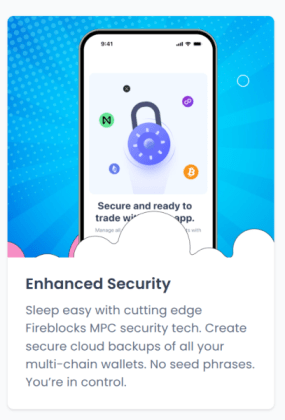
Infographic explaining the security features of Best Wallet.

This kind of military-grade security, combined with features like biometric login and advanced anti-fraud checks, gives you real peace of mind.

On the functionality side, the wallet is a hub for everything: you can manage, swap, and trade assets across six blockchains, including Bitcoin, Ethereum, and Solana. And the team has plans to expand this to over 60 blockchains.

Plus, its integrated DEX aggregator automatically scouts hundreds of exchanges to guarantee you get the best price and lowest fees on every single trade.

Best Wallet is built for the modern crypto user who needs speed, security, and smart trading all in one place. It’s no surprise it’s at the number one spot on our list of the best crypto wallets.

$BEST: The Fuel Behind Best Wallet

The entire Best Wallet ecosystem is fueled by its native asset, Best Wallet Token ($BEST), which is designed to be much more than just a typical crypto coin. This token is built on utility and access, and it’s why the ongoing presale has already raised a massive amount – close to $17M.

Holding $BEST essentially means a VIP pass to the entire ecosystem. The most direct benefit is a significant reduction in transaction fees for swaps and trades made within the wallet. It’s one of the main reasons our experts see $BEST potentially reaching $0.072 by the end of 2025.

But the real game-changer is the exclusive early access to the Upcoming Tokens launchpad. This allows you to get in on the top high-potential crypto presales through a vetted, secure channel, eliminating the risk of falling for scam links.
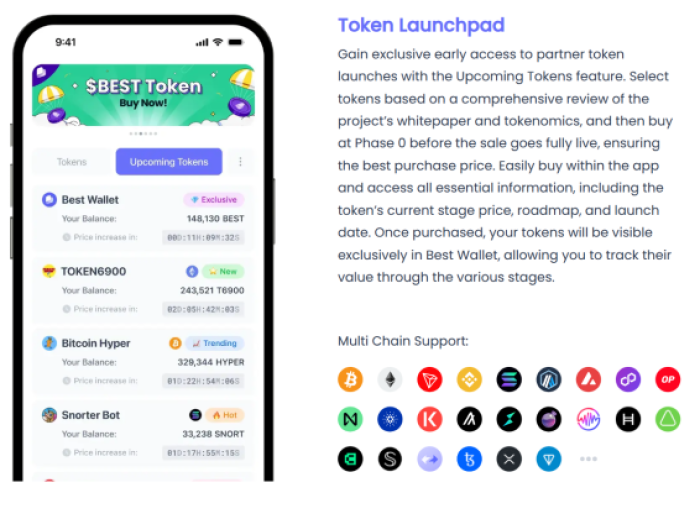
Token Launchpad explanation and the planned roll out for additional blockchains.

As the team continues to build out its roadmap, the utility will grow, with plans to integrate $BEST with a future crypto debit card for reduced spending fees, enhanced staking rewards, and full governance rights over the platform.

Time is running out, though, if you want to join the presale and secure your $BEST at its current early-bird price of $0.025895, with 78% staking rewards. The Best Wallet team has announced that the presale will end on November 28 – so the clock is ticking.

Remember, this is not intended as financial advice, and you should always do your own research before making any investments.

Authored by Ben Wallis, Bitcoinist – https://bitcoinist.com/samourai-wallet-devs-crypto-laundering-charges-best-wallet-stays-private/

Editorial Process for bitcoinist is centered on delivering thoroughly researched, accurate, and unbiased content. We uphold strict sourcing standards, and each page undergoes diligent review by our team of top technology experts and seasoned editors. This process ensures the integrity, relevance, and value of our content for our readers.

Ben is a freelance writer specializing in crypto developments (mainly altcoins) and the intricate ways global economics shape the digital asset space. His B.Ed. in Education provides a unique foundation for his writing, enabling him to distill complex crypto concepts and market shifts into clear, digestible insights. This skill is key to helping readers adapt and apply their understanding to the ever-evolving world of crypto investment. Passionate about making crypto accessible, Ben crafts content designed to educate a broad audience, from current market events to the essential foundational knowledge that underpins them. His goal is to empower readers through understanding. When he’s not immersed in crypto analysis and breaking down complex topics, Ben is an avid Pokémon fan and enjoys all things Disney.

Nội dung Liên quan

Chip xe hơi bước vào ván bài cạnh tranh mới

Ngành công nghiệp chip ô tô đang bước vào một chu kỳ phục hồi mới vào nửa cuối năm 2026, sau hai năm giảm tồn kho sâu. Tín hiệu chuyển dịch rõ ràng: hàng tồn kho trong chuỗi cung ứng trở về mức lành mạnh, đơn đặt hàng từ các nhà sản xuất linh kiện cấp 1 (Tier1) phục hồi ổn định, doanh thu của các hãng bán dẫn hàng đầu tăng trưởng dương và thời gian giao hàng chip kéo dài. Khác với đợt tăng trưởng toàn diện năm 2022, sự phục hồi lần này mang tính cơ cấu rõ rệt, phân hóa mạnh theo từng phân khúc sản phẩm. Các sản phẩm thuộc nhóm dẫn dắt (đội hình 1) như chip SiC (Silicon Carbide), IGBT cao áp và chip nguồn (PMIC) ô tô có nhu cầu cực kỳ mạnh mẽ, nhờ sự thâm nhập nhanh của nền tảng sạc 800V và xe điện. Đặc biệt, SiC đang trong tình trạng thiếu hụt nguồn cung, với đơn hàng xếp đến tận năm 2027. Nhóm thứ hai, bao gồm MCU 32-bit cao cấp, bộ nhớ NOR Flash và DRAM ô tô, đang trong quá trình phục hồi ôn hòa, chịu tác động từ việc năng lực sản xuất bán dẫn 8-inch bị ngành AI chiếm dụng. Trong khi đó, nhóm thứ ba như MOS điện áp thấp và linh kiện thân xe cơ bản vẫn duy trì ở trạng thái ổn định, nguồn cung dồi dào. Động lực tăng trưởng chính đã chuyển từ việc mở rộng quy mô sản lượng xe sang việc gia tăng giá trị bán dẫn trên mỗi xe, được thúc đẩy bởi kiến trúc điện-điện tử tập trung (domain/zone), điện toán cao cấp và nền tảng 800V. Thị trường Trung Quốc đang tạo cơ hội vàng cho quá trình bản địa hóa chuỗi cung ứng chip ô tô. Tuy nhiên, chu kỳ tăng trưởng này cũng tiềm ẩn rủi ro như nhu cầu tiêu dùng cuối cùng phục hồi chậm, rủi ro dư thừa năng lực sản xuất SiC trong tương lai, và sự gia tăng nguồn cung chip công suất mới từ các hãng quốc tế. Về trung hạn, đặc điểm tăng trưởng của ngành sẽ ngày càng nổi bật hơn so với tính chất chu kỳ.

marsbit3 phút trước

Chip xe hơi bước vào ván bài cạnh tranh mới

marsbit3 phút trước

Cuộc chiến bộ lọc trong nước, cuối cùng cũng đã bắt đầu?

Bộ lọc tần số vô tuyến (RF), đặc biệt là bộ lọc BAW, là linh kiện then chốt trong điện thoại di động, ngày càng quan trọng khi 5G yêu cầu nhiều băng tần hơn. Mặc dù thị trường toàn cầu trị giá khoảng 92 tỷ USD vào năm 2025 và thị trường Trung Quốc chiếm khoảng 36%, nhưng các công ty Trung Quốc chỉ nắm giữ khoảng 10% thị phần trong nước, phần lớn thuộc về các tập đoàn Mỹ, Nhật, Hàn. BAW có rào cản kỹ thuật và bằng sáng chế cực cao. Ví dụ, công ty Akoustis của Mỹ đã phá sản sau một vụ kiện bằng sáng chế với Qorvo. Ở Trung Quốc, ngành công nghiệp BAW bản địa đang phát triển nhanh chóng, chuyển từ giai đoạn nghiên cứu sang sản xuất hàng loạt và thương mại hóa. Các công ty như Nositech, Wuhan Minsound, Hansky, và Newsonic đã có sản phẩm, mỗi công ty theo đuổi mô hình kinh doanh khác nhau (IDM hoặc fabless). Một dấu hiệu cho thấy sự cạnh tranh trong nước đang gia tăng là vụ kiện bằng sáng chế giữa Nositech và Wuhan Minsound vào tháng 6/2026. Sự việc này phản ánh ngành công nghiệp đã đạt đến một giai đoạn mới: không còn là vấn đề "có hay không" mà là vấn đề cạnh tranh về hiệu suất, chi phí, bằng sáng chế và thị phần. Tương lai sẽ phụ thuộc vào khả năng chuyển đổi lợi thế kỹ thuật thành thành công thương mại bền vững.

marsbit28 phút trước

Cuộc chiến bộ lọc trong nước, cuối cùng cũng đã bắt đầu?

marsbit28 phút trước

Trương Lỗi, Vì Sao Trở Thành Con Đầu Cơ Có Lợi Nhuận Lớn Nhất Năm Nay

Bài viết phân tích về sự thành công ngoạn mục của doanh nghiệp khoa học công nghệ Chuẩn Tần Tần (频准激光) khi lên sàn, khiến nhà sáng lập Trương Lỗi trở thành "lô trúng thưởng lớn nhất năm". Là tiến sĩ Viện Quang học Cơ học Thượng Hải, Trương Lỗi thành lập công ty năm 2015. Sản phẩm chủ lực của công ty là laser chính xác cao phục vụ nghiên cứu lượng tử và bán dẫn, với thị phần nội địa hơn 50% trong lĩnh vực lượng tử. Công nghệ độc đáo (nguồn hạt giống + khuếch đại sợi quang + biến đổi tần số phi tuyến) giúp sản phẩm ổn định, dễ di chuyển, dần thay thế hàng nhập khẩu. Từ nhu cầu nghiên cứu lượng tử thực tế, công ty mở rộng sang thị trường bán dẫn (vd: laser UV để kiểm tra khuyết tật wafer), tạo ra nguồn tăng trưởng kép. Tài chính lành mạnh với tỷ suất lợi nhuận gộp trên 69% giúp công ty ít phải huy động vốn bên ngoài, chỉ qua hai vòng gọi vốn. Danh sách các nhà đầu tư chiến lược (BOE, SMIC, Xian-dao Intelligent...) cho thấy sự công nhận từ các công ty downstream. Bài viết cũng nhấn mạnh vai trò của "vốn kiên nhẫn" từ các quỹ đầu tư mạo hiểm của thành phố Hàng Châu (như Hàng Châu Quang Cơ) trong việc đồng hành và hỗ trợ các nhà khoa học khởi nghiệp vượt qua "thung lũng tử thần", từ phòng thí nghiệm ra thị trường. Thành công của Chuẩn Tần Tần và các công ty công nghệ cao khác như Vũ Thụ Kỹ Thuật cho thấy hiệu quả của mô hình đầu tư kiên trì và mạng lưới hỗ trợ dày đặc này, góp phần vào hệ sinh thái khởi nghiệp công nghệ sôi động của Hàng Châu.

marsbit33 phút trước

Trương Lỗi, Vì Sao Trở Thành Con Đầu Cơ Có Lợi Nhuận Lớn Nhất Năm Nay

marsbit33 phút trước

Lỗ 10 tỷ USD trong 3 tháng, công ty DAT bắt đầu trở về lý trí

Các công ty quỹ kho bạc tiền mã hóa (DAT) đã báo cáo khoản lỗ ròng kết hợp lên tới khoảng 100 tỷ USD trong quý II, chủ yếu do đánh giá giảm giá trị cổ phiếu ưu đãi STRC. Tuy nhiên, thị trường đã phản ứng tích cực, với cổ phiếu của nhiều công ty như Bitmine và Sharplink phục hồi từ 15-37% từ mức đáy tháng 6. Lý do là những tổn thất này đã được thị trường dự đoán trước và định giá. Thay vì hoảng loạn, các công ty DAT đang chuyển hướng chiến lược sang một mục tiêu hợp lý hơn: tăng "hàm lượng tài sản tiền mã hóa" trên mỗi cổ phiếu. Họ thực hiện điều này thông qua kỷ luật tài chính chặt chẽ - ngừng phát hành cổ phiếu khi định giá thấp, mua lại cổ phiếu, và tận dụng các công cụ vốn mới như cổ phiếu ưu đãi trả cổ tức cao (ví dụ: STRC của Strategy, SATA của Strive) để huy động vốn mua thêm Bitcoin mà không pha loãng cổ phiếu phổ thông. Mô hình này biến các công ty DAT thành những quỹ đầu tư chủ đề được quản lý chủ động. Sự biến mất dần của mức phí bảo hiểm so với giá trị tài sản ròng (NAV) cho thấy thị trường đang trở nên tỉnh táo hơn. Tuy nhiên, mô hình vẫn thu hút các nhà đầu tư tổ chức dài hạn, những người tin tưởng vào sự tăng trưởng kép của hàm lượng tiền mã hóa trên mỗi cổ phiếu. Ngành công nghiệp DAT, sau cú sốc, dường như đang trưởng thành và tập trung vào việc kinh doanh bền vững thay vì những câu chuyện tăng trưởng nóng.

marsbit39 phút trước

Lỗ 10 tỷ USD trong 3 tháng, công ty DAT bắt đầu trở về lý trí

marsbit39 phút trước

Giao dịch

Giao ngay
活动图片