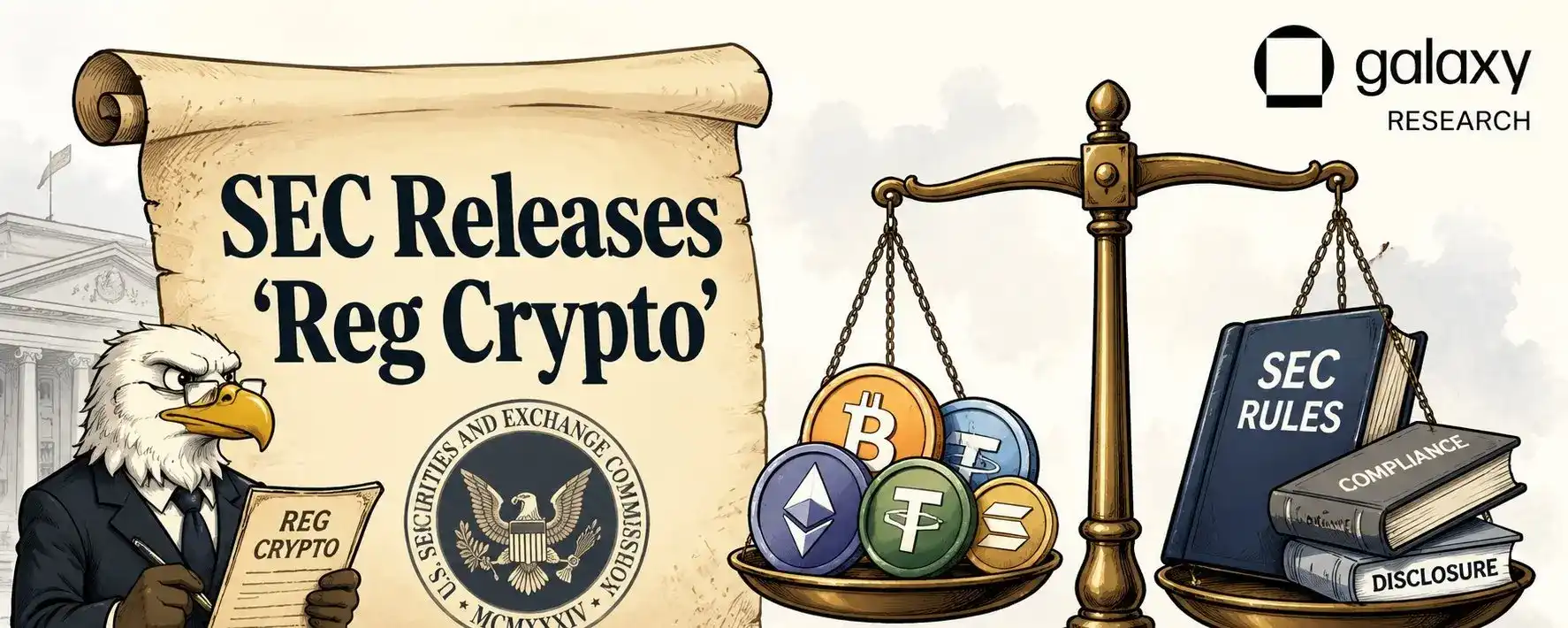
Multiple state authorities shared concerns about the upcoming crypto market structure legislation and its impact on their ability to prosecute fraudsters in crimes related to digital assets.
State Regulators Sound The Alarm Over Crypto Bill
Regulators from Alabama to Montana sounded the alarms over the highly anticipated crypto market structure bill, warning that it may “diminish their ability to pursue wrongdoers,” Bloomberg reported on Thursday.
Amanda Senn, director of the Alabama Securities Commission, told the news media outlet that the Senate’s draft of the legislation, the Responsible Financial Innovation Act, does not give state-level regulatory agencies implicit authority to supervise digital asset companies.
This oversight could mean that these authorities may not be able to prosecute offenders for fraud. Meanwhile, Federal enforcement against crypto companies has significantly decreased since the Trump administration took office in January.
Multiple federal regulatory agencies, including the Securities and Exchange Commission (SEC), Department of Justice (DOJ), and the Commodity Futures Trading Commission (CFTC), have shut down or reduced their digital asset-related enforcement units, dismissing most cases and investigations against crypto firms.
According to Cornerstone Research data cited by Bloomberg, the SEC had initiated nine crypto-related enforcement actions by the end of August, a significant drop from the 47and 33 actions taken in 2023 and 2024, respectively. At this pace, 2025 could see the lowest crypto-related enforcement actions since 2017.
“The dam is going to break,” Senn argued. “If you don’t have the states paying attention and prosecuting fraud, nobody is looking out.”
Montana State Auditor James Brown warned that the bill’s changes to the definition of an investment contract could “let criminals wiggle out of being prosecuted.” “What we are hearing from people, with all the national talk about the benefits of digital currencies and the theory that you are going to get rich quick, you’ve got two factors that lead to easy fraud,” Brown added.
State Anti-Fraud Protections In Danger?
State regulators have proposed changes to the market structure bill, which is expected to go into markup after late October. Some state officials explained that the Senate’s current draft language would not require crypto businesses to register with states or respond to their inquiries.
Additionally, the legislation would change the federal definition of an investment contract, adding new conditions and elements. In September, the North American Securities Administrators Association (NASAA) sent a letter to multiple Senators, warning them that Congress must preserve state anti-fraud enforcement authorities in the upcoming crypto bill.
The association argued that “it is critical that the resulting framework preserve state anti-fraud protections,” as they protect investors and are “essential in the ongoing fight against online scams.” To achieve this, NASAA offered two recommendations to the lawmakers.
First, they suggested that lawmakers reject provisions that redefine the investment contract test, explaining that “upending decades of securities law as contemplated in Section 105 will have devastating effects on anti-fraud efforts by adding so many elements and conditions to the investment contract analysis that form, not substance, will determine whether regulators can take action.”
Second, they recommended that Congress enact the Support Anti-Fraud Enforcement (SAFE) Act to ensure states have the anti-fraud authority necessary to respond to residents’ complaints involving digital assets.
Despite the concerns, some industry players disagree that the market structure bill will hinder state authorities’ ability to prosecute bad actors. Some suggest that regulators will be able to pursue criminals “in the name of consumer protection.”
“I do understand why a state would be worried about it, in particular if the federal system doesn’t engage in any enforcement,” Mauro Wolfe, leading partner of Duane Morris’s Digital Assets and Blockchain Group, told Bloomberg. “I do think this will be an area where defense lawyers will say the states can’t do it, and it will be litigated,” he concluded.
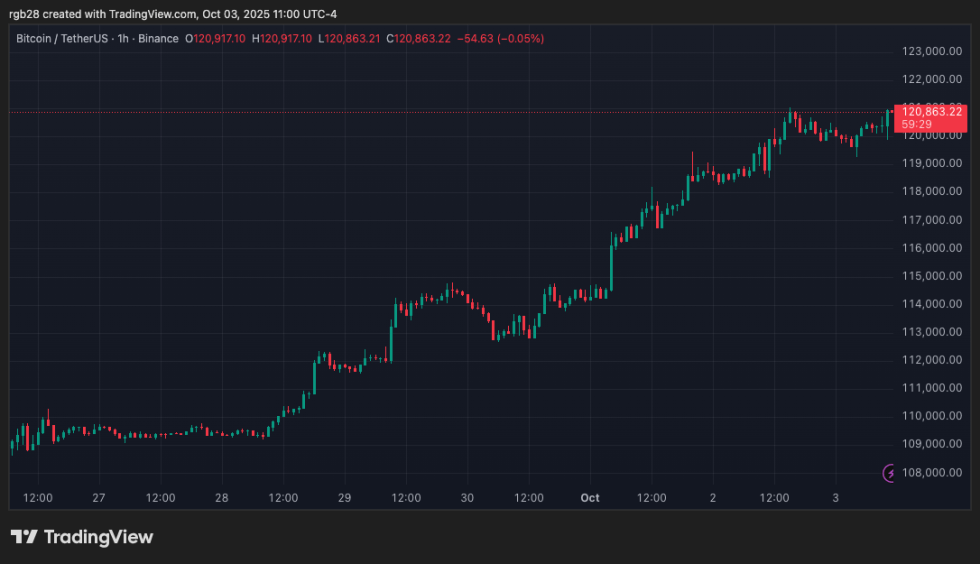
Bitcoin (BTC) trades at $120,863 in the one-week chart. Source: BTCUSDT on TradingView

Related Posts