28,000-Star Hit Creator Unexpectedly Fired by Google, Silicon Valley Big Shots Quickly Vie for the Talent

marsbitXuất bản vào 2026-06-26Cập nhật gần nhất vào 2026-06-26

Tóm tắt

A nearly 7-year Google veteran, Justin Poehnelt, was fired shortly after his open-source project 'gws' (a Google Workspace CLI built in Rust) went viral, amassing over 28,000 GitHub stars. The tool, designed for both humans and AI agents, allowed terminal access to all major Workspace services like Gmail and Drive by dynamically generating commands from Google's own APIs. The dismissal came just two days after Google announced its "official" Workspace CLI at its Cloud Next 2026 conference, leading to widespread criticism that the company appropriated his work. Poehnelt believes the real reason was internal fear that his project demonstrated how AI agents could fundamentally disrupt and simplify interaction with Google's core Workspace products, potentially threatening its established business model. Following his public disclosure of the events, which garnered millions of views, tech leaders like OpenClaw's Peter Steinberger and CEOs from OpenRouter and Vercel swiftly offered him jobs, highlighting the perceived misstep by Google in letting a top-performing innovator go.

The most surreal scene in the tech world in 2026 has just unfolded.

The protagonist is Justin Poehnelt, a veteran employee with nearly 7 years at Google, belonging to the Workspace Developer Relations (DevRel) team.
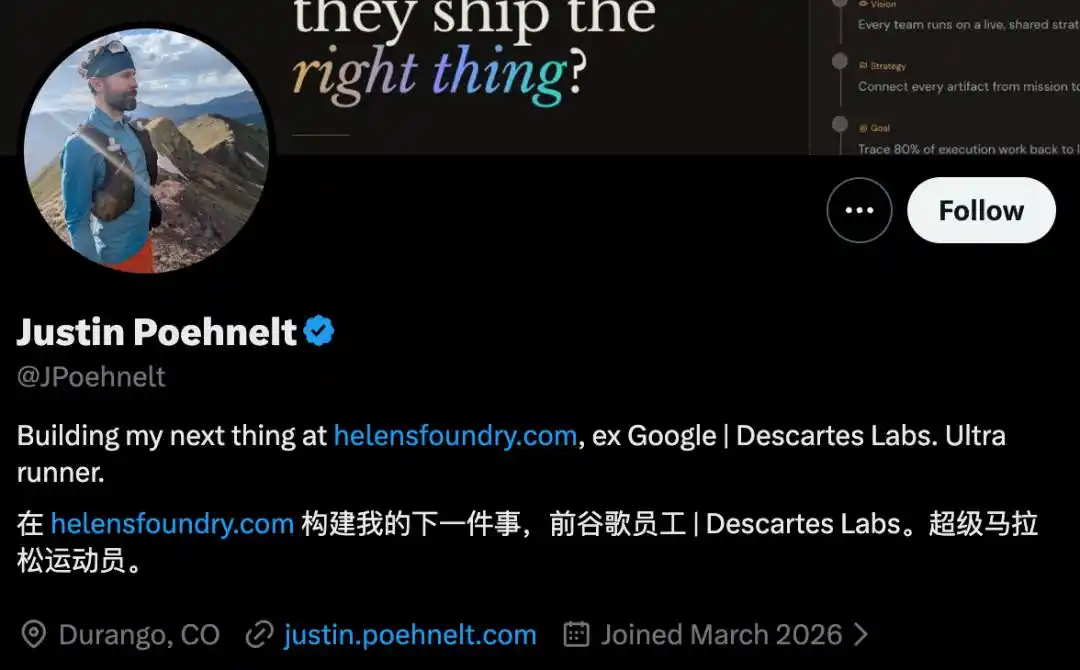
Simply put, the team's purpose is to create open-source tools and abstraction layers for Google's various APIs, making them easier for external developers to use.

Two months ago, he personally created a CLI for Google Workspace called gws—a command-line tool written in Rust that allows direct operation of the Google ecosystem from the terminal: Gmail, Drive, Calendar, Sheets, Docs, Chat......

It covers all Workspace services you can think of.
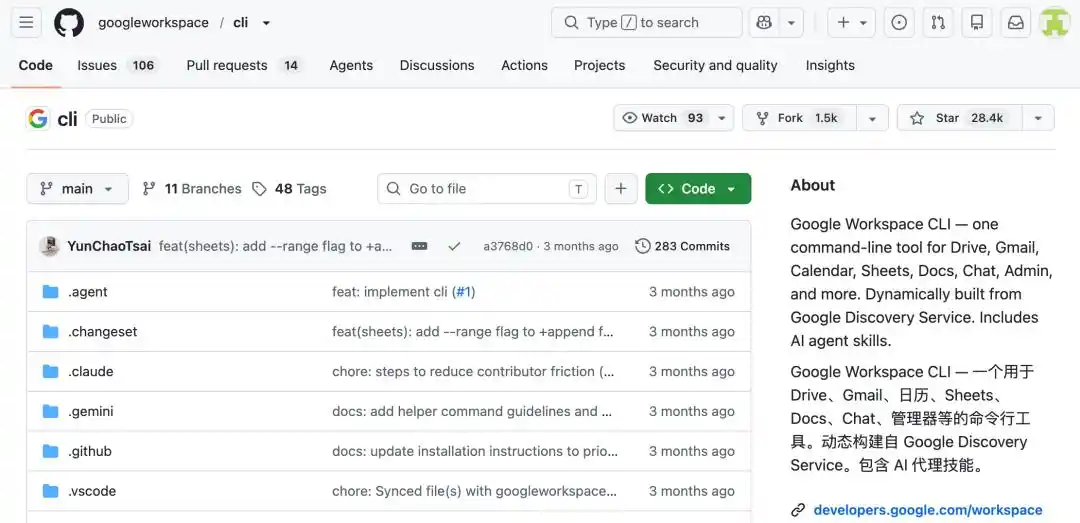
What's even more impressive is that this isn't a static list of commands. It dynamically generates all commands at runtime by reading Google's own Discovery Service—if Google adds a new API tomorrow, it supports it automatically the day after, requiring zero maintenance.

Moreover, it was designed for AI Agents from day one. Built-in with over 40 Agent skill files, its outputs are all structured JSON, ready for AI to use.

The result upon release was explosive.

Within just a few days, gws topped the Hacker News charts (953 points, 285 comments), GitHub stars soared to over 28,000, and tens of thousands of real users poured in.
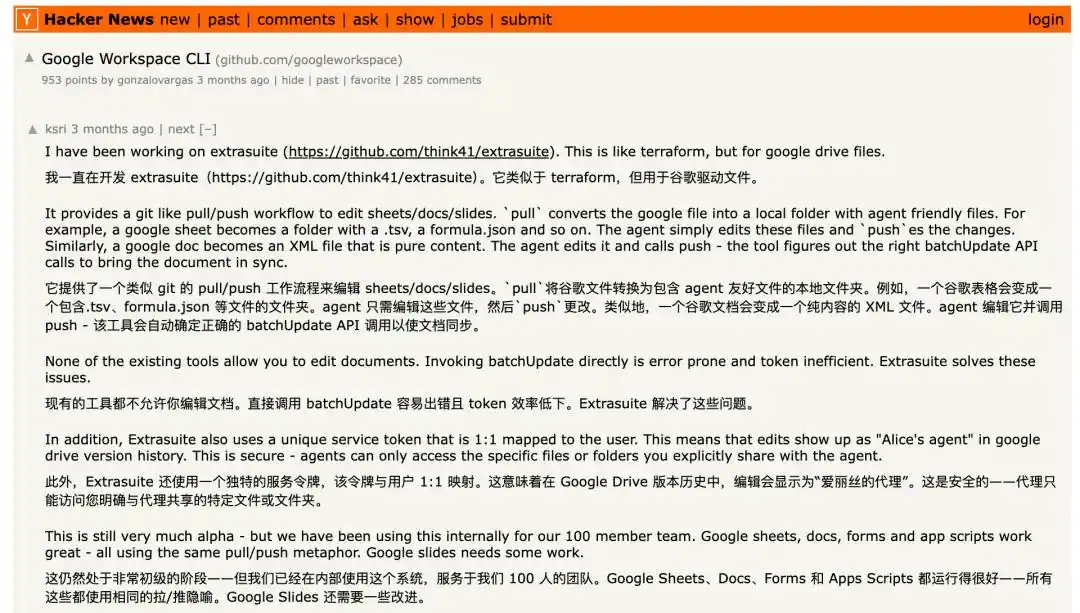
Managers and Directors flocked to learn about the design philosophy behind this tool.

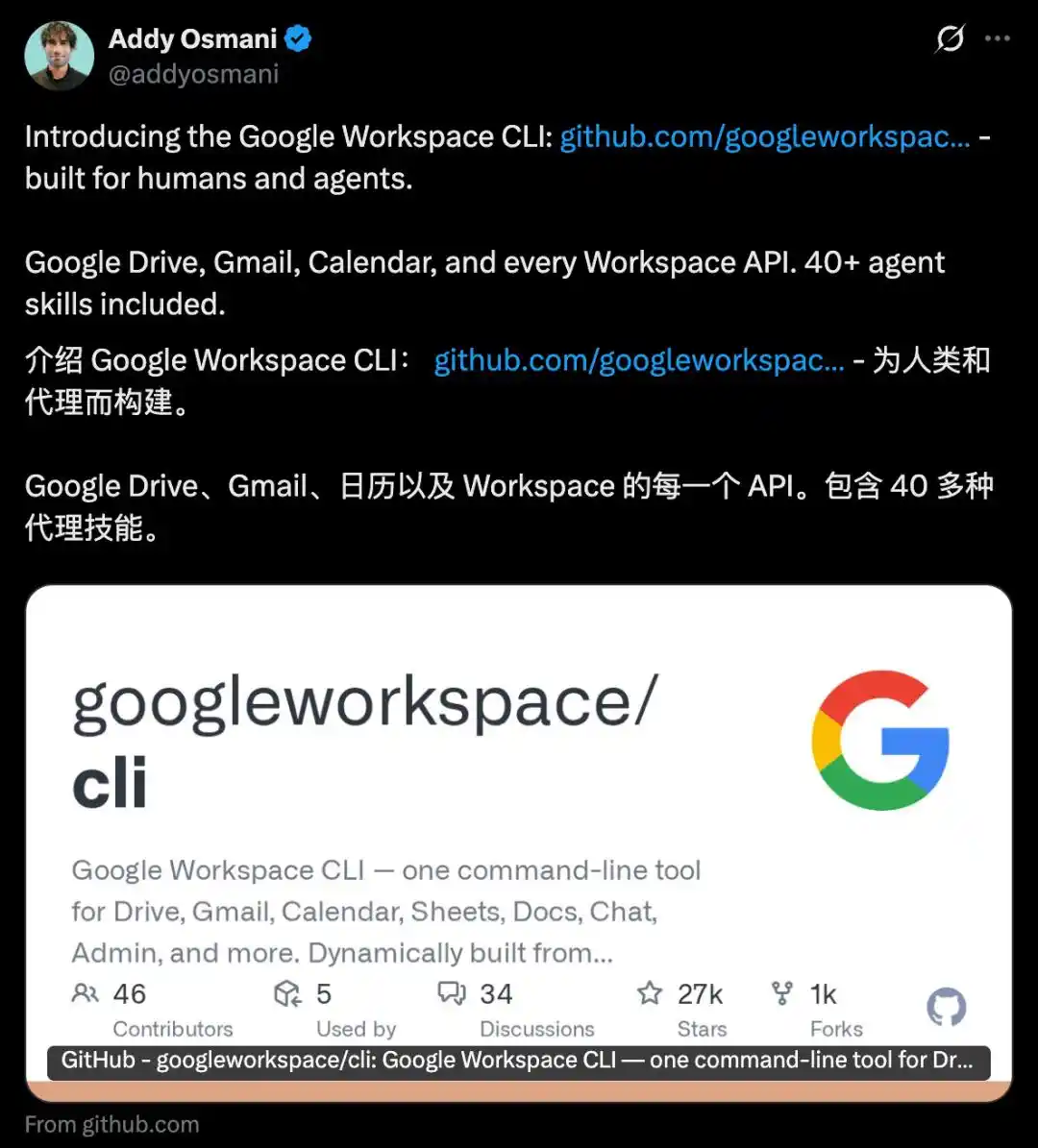
Addy Osmani, Director of Google Cloud AI, gave it a push on X with a concise and powerful caption: "Introducing the Google Workspace CLI—built for humans and agents."
At any normal company, this would be a champagne-popping highlight moment.

But what Google gave him wasn't a reward; it was a termination notice.

The viral hit became a dismissal notice.

A Textbook Case of "Kill the Goose That Lays the Golden Eggs"

What followed was even more absurd.

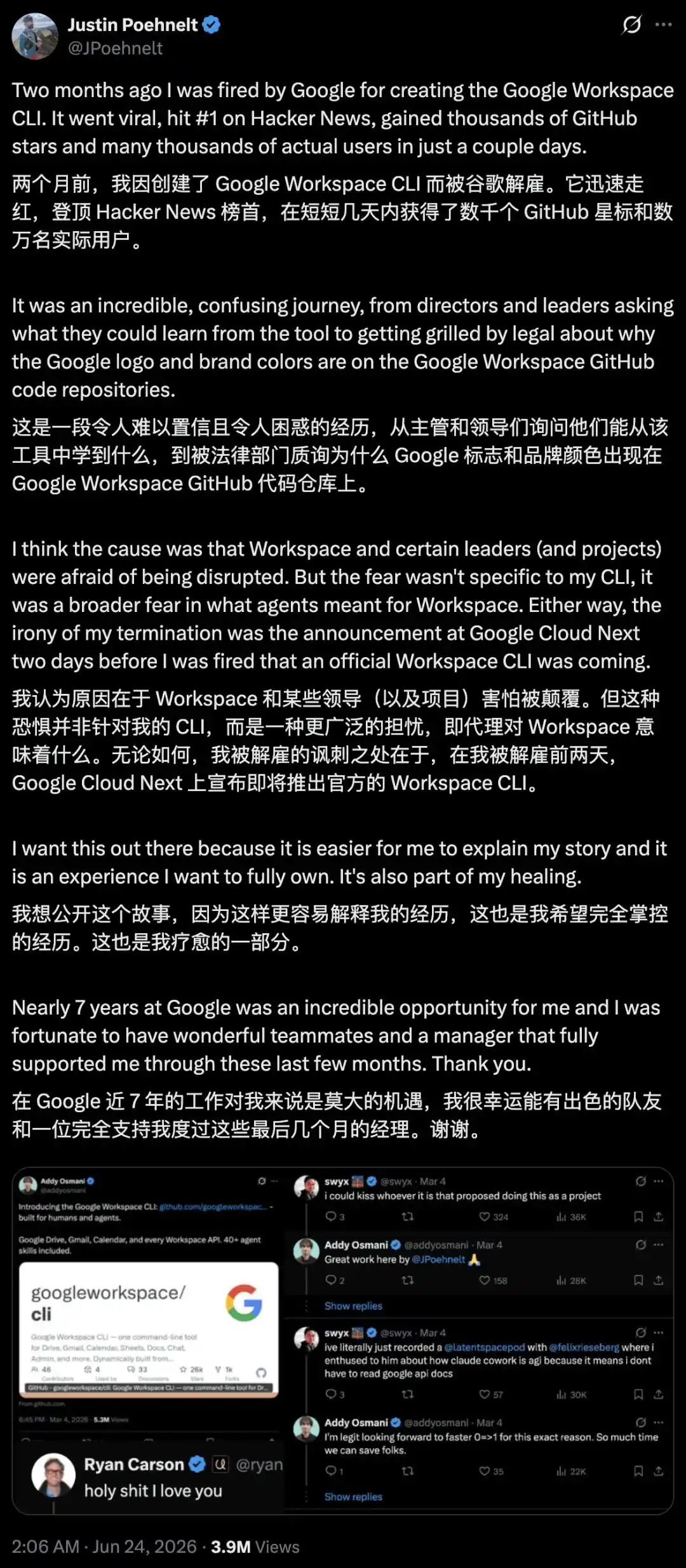
Just two days before Poehnelt was officially fired, Google publicly announced at the Cloud Next 2026 conference: "We're launching the 'official' Workspace CLI."

The scale of that conference? Over 32,000 attendees, three keynotes, more than 700 breakout sessions.

The same thing, coming from an employee's hands, was called "a violation." Coming from the company's mouth, it's called "innovation."

Just two days ago, Poehnelt disclosed everything on X, and the post's views quickly surged to 4 million.
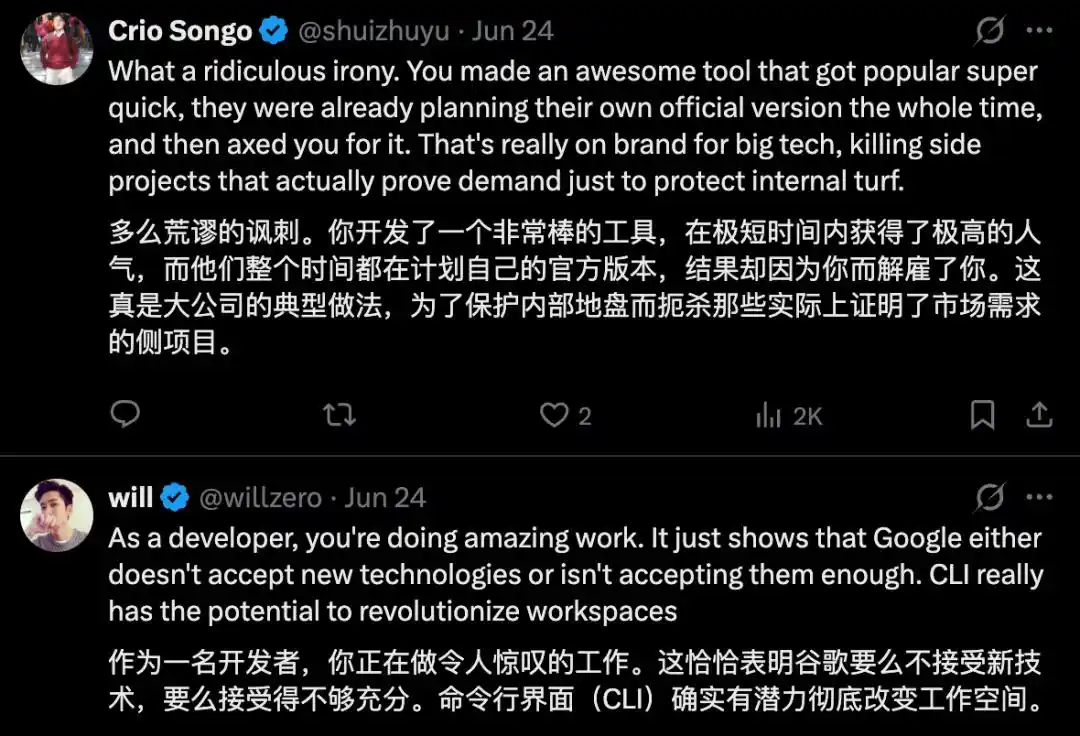
Netizens' comments were direct—isn't this essentially "appropriating the idea for free" and then killing the goose that laid the golden egg?
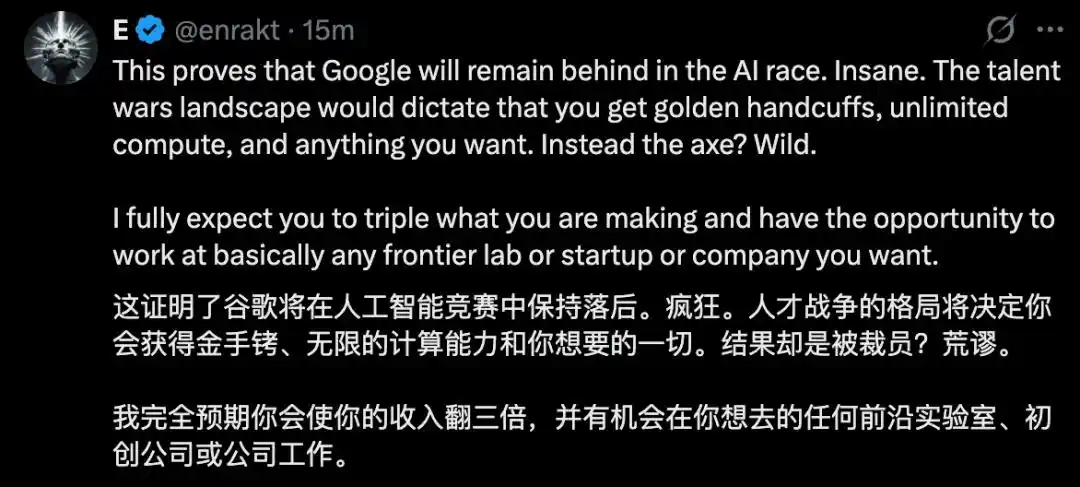
A former Google employee added a sharp comment under the post: "Having spent 7 years at Google, I applaud you. It's all because of the Cloud leadership, a bunch of folks who only know office politics and empire building."
The 'Openclaw' Founder's Direct Jab

The most ironic part is, before leaving, the individual involved left a gracious remark: his nearly 7 years at Google were an incredible experience, he was lucky to have fantastic teammates and a manager who fully supported him in the final months.

Gracious as it was, the slap in the face landed solidly.

This surreal incident within the big tech company soon drew a crowd.

OpenClaw founder Peter Steinberger was the first to step into the fray. He reposted Poehnelt's post, adding a sharp jab:

"Google fired the guy who made the Google Workspace CLI for making the Google Workspace CLI. Lucky for me, Google can't fire me."
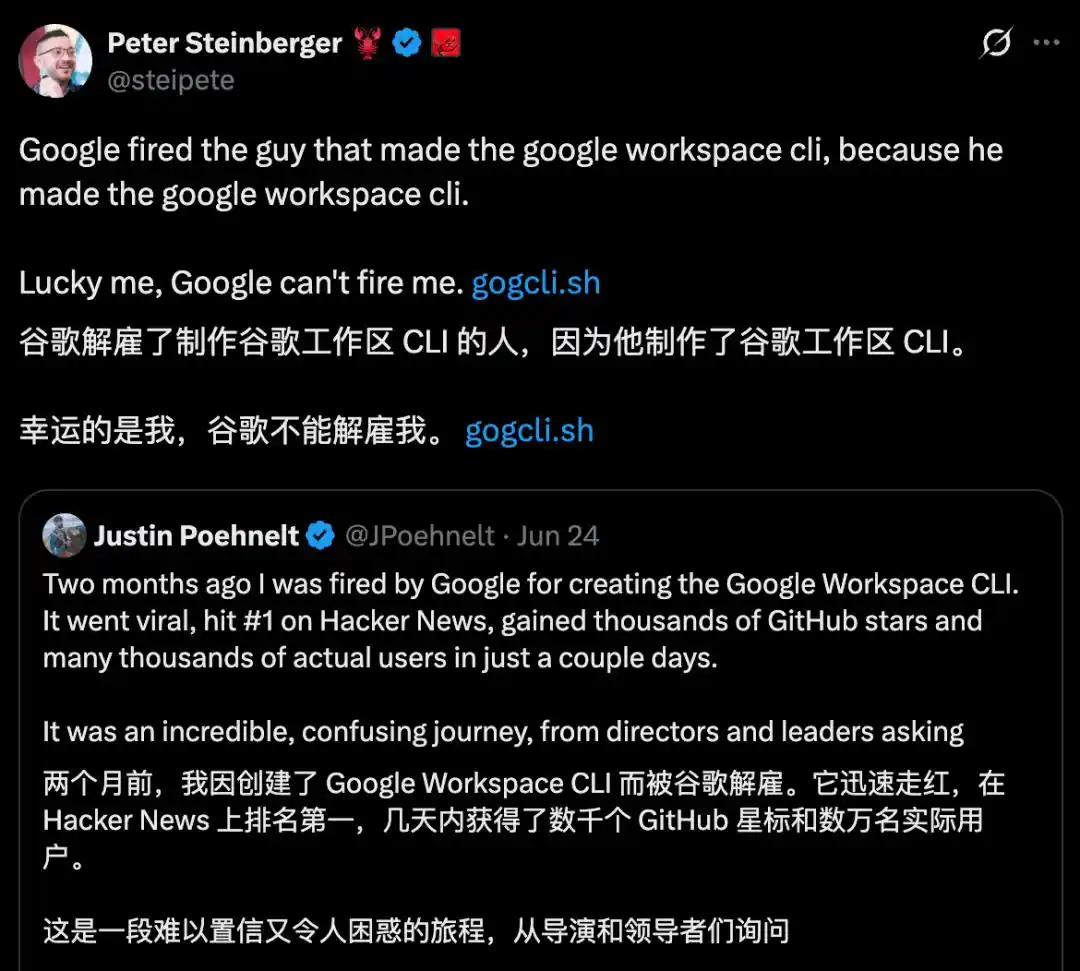
With one sentence, he tore off the fig leaf covering how big company bureaucracy suppresses grassroots tech geeks.

The mockery was complete.

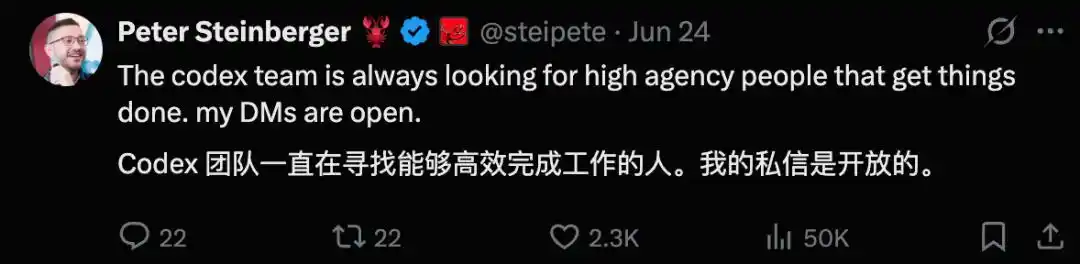
What's even more hilarious is that Peter Steinberger immediately switched to recruitment mode. He publicly invited Justin Poehnelt to join the Codex team online.

This move was truly masterful~
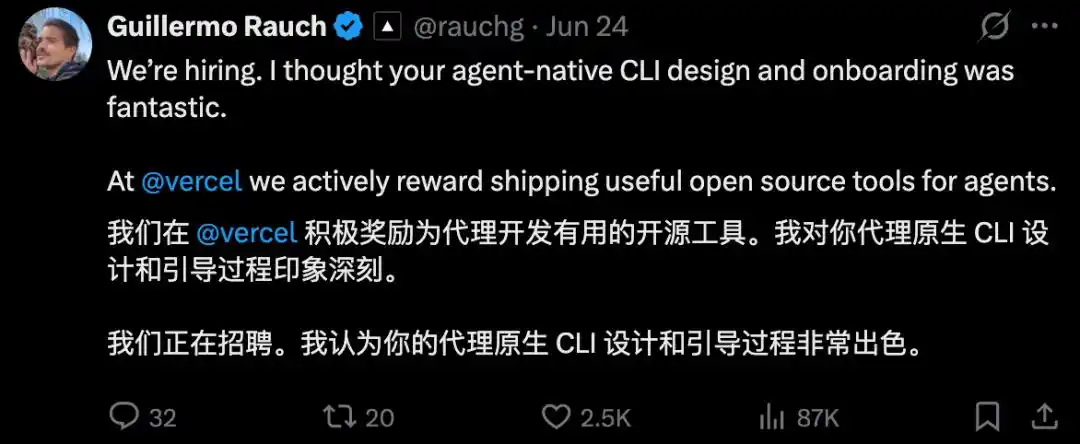
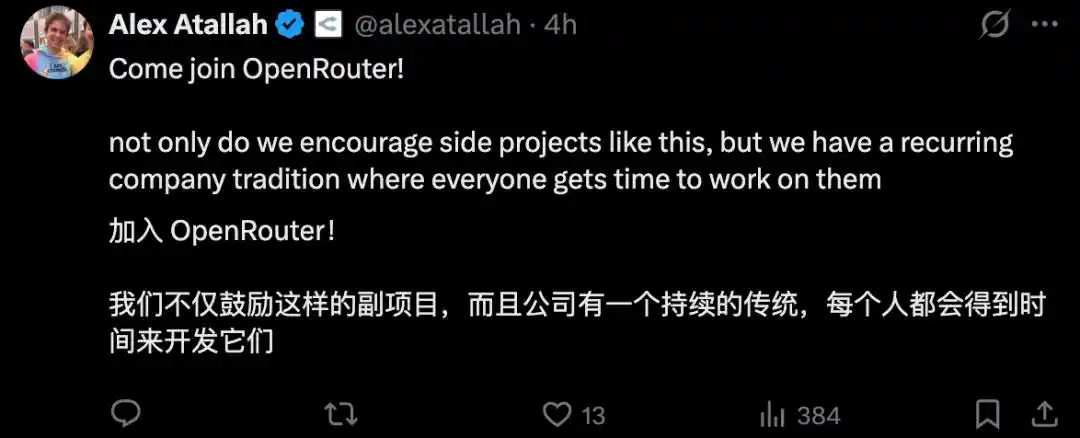
CEOs from OpenRouter, vercel, and other companies also joined the talent battle.

Finding a job is the least of this guy's worries now.
The Real Trigger

So the question arises: why was the creator of a tool that brought the company a massive influx of users, even attracting Directors for insights, fired?

According to Poehnelt's own analysis, the surface trigger was absurd, almost like a joke: the legal department confronted him, seriously questioning—why were Google's logo and brand colors appearing in the GitHub repository for Google Workspace.
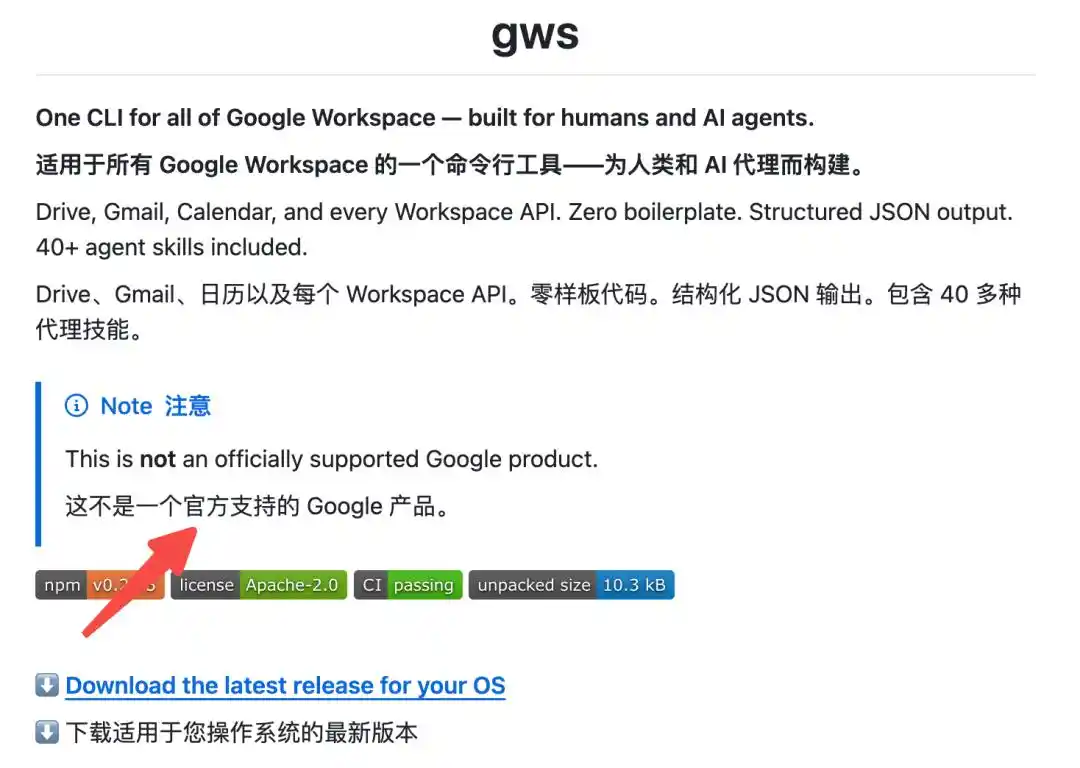
A Google employee, for a Google tool, placed under the official Google GitHub organization googleworkspace, with Google's logo, was chased down by Google's legal team asking, "What gives you the right to use our logo?"

This logic itself is surreal enough.

What's even more ironic is that a core part of the DevRel team's daily work is to release open-source tools with Google branding under Google's GitHub organization—because developers only trust and use them when they see the official logo.

The line between "unofficial open-source project" and "official product" has always been deliberately blurred, because the higher the blur, the higher the user adoption rate.

This is a strategy Google itself has been playing for years.

But the person involved saw it clearly. He said the real reason wasn't the logo or brand compliance at all—it was fear.

"I believe Workspace and certain leaders, certain projects, are afraid of being disrupted," Poehnelt wrote. "But this fear isn't specifically about my CLI; it's a broader concern about what AI Agents really mean for Workspace."

This statement is the core of the entire matter.
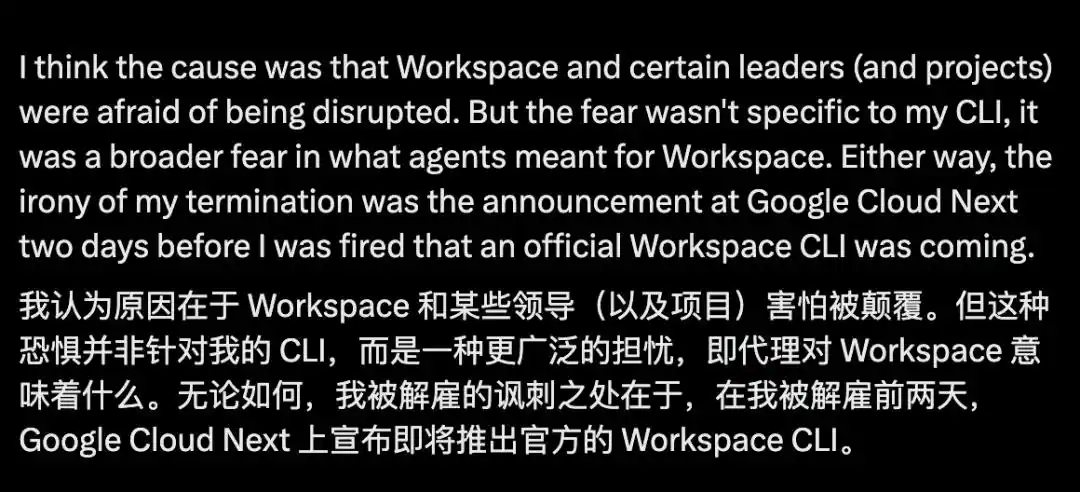
What gws does essentially transforms Google Workspace from a "you need to log into a webpage, open an interface, and click around yourself" product into a "AI Agent works for you, you just give natural language commands" infrastructure.

And it has already proven this path works.

This precisely touches Google's most sensitive nerve.

Workspace is Google's major cash cow, a productivity suite with over 3 billion users, the lifeline countless businesses pay subscriptions for.

An Agent tool casually made by an internal DevRel employee, which went viral in days, essentially handed evidence of "your moat is being filled in" directly to all executives.

When an Agent can read your emails, schedule meetings, search documents, write reports for you—who needs software that makes you log into a webpage and click around yourself?

gws posed this question for everyone.

The more useful and popular it became, the more it resembled a wake-up call.

Thus, the suppression came from within, not from competitors—the first to want to snuff out this spark was precisely the company that should have been most proud of it.

It's worth noting that Addy Osmani—a 14-year Google veteran who led Chrome and later Cloud AI developer experiences—who helped push that "explosive tweet" for Poehnelt, also left Google around the same time.
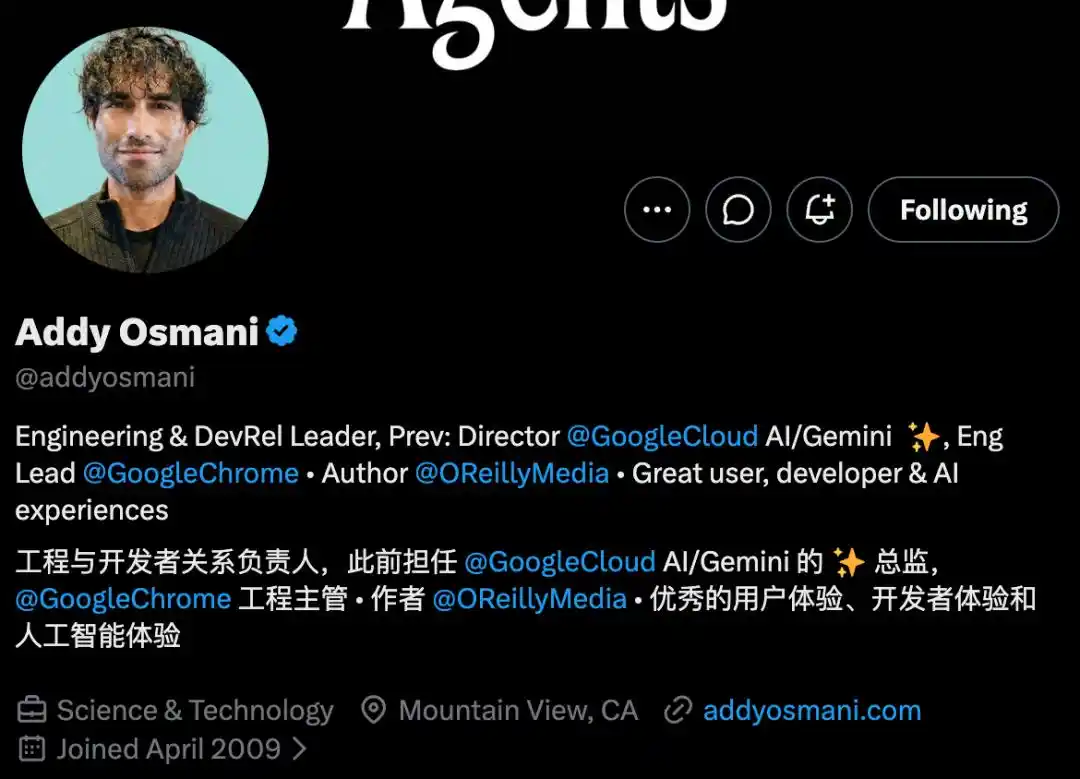
Whether there's a causal link between their departures is unknown, but the coincidence in timelines is already quite telling.

References:

https://x.com/JPoehnelt/status/2069482265953087602

https://x.com/steipete/status/2069594195522941059?s=20

https://github.com/googleworkspace/cli

This article is from WeChat public account "Xinzhiyuan" (New Zhiyuan), author: ASI Revelation, Editor: Solomon


Câu hỏi Liên quan

QWhy was Justin Poehnelt fired by Google after creating a highly successful CLI tool for Google Workspace?

AHe was fired because Google's legal department questioned his use of Google's logo and branding in the project's repository, although he believes the real reason was internal fear that his tool, which empowered AI agents to use Workspace, threatened the established product and business model.

QWhat is the key feature of the 'gws' CLI tool that made it instantly popular?

AIts key feature is that it dynamically generates commands at runtime by reading Google's own Discovery Service, automatically supporting new APIs with zero maintenance, and it is designed from the ground up for AI Agents with structured JSON output.

QHow did the tech community and other companies react to Justin Poehnelt's firing?

AThe tech community expressed outrage, calling it a case of corporate exploitation. Several tech leaders, including OpenClaw's Peter Steinberger and CEOs from OpenRouter and Vercel, immediately offered him job opportunities.

QAccording to the article, what is the ironic timing related to Google's official announcement of a Workspace CLI?

AGoogle officially announced its 'official' Workspace CLI at the Cloud Next 2026 conference just two days before formally firing Justin Poehnelt, the creator of the highly successful unofficial version.

QWhat does the article suggest is the deeper, underlying reason for Google's reaction to the 'gws' tool?

AThe article suggests the deeper reason is fear within Google that AI Agents, empowered by tools like gws, could disrupt or 'flatten the moat' of the traditional, user-interface-based Google Workspace product, which is a major revenue source.

Nội dung Liên quan

Từ Giám Sát Tín Hiệu Đến Sao Chép Chiến Lược, PPP Làm Thế Nào Để Giảm Thiểu Rào Cản Giao Dịch Trên Polymarket?

Polymarket, một nền tảng dự đoán thị trường, chứng kiến khối lượng giao dịch tăng mạnh nhờ World Cup, nhưng nhiều người mới thường thua lỗ do giao dịch theo cảm xúc, thiếu chiến lược. PPP (Prediction Position Platform) ra đời như một công cụ Telegram Bot giải quyết vấn đề này, giúp người dùng phát hiện cơ hội, theo dõi và sao chép chiến lược giao dịch tự động trên Polymarket. PPP cung cấp nhiều tính năng theo mô hình đăng ký: giám sát tín hiệu giao dịch, giao dịch nhanh cho sự kiện hot, đề xuất địa chỉ ví xuất sắc từ "Quảng trường Chiến lược" (lọc theo lợi nhuận, tỷ lệ thắng, mức rút vốn...) và "Bảng xếp hạng Giao dịch" (địa chỉ có biểu động tốt gần đây). Công cụ cũng hỗ trợ phân tích địa chỉ ví bằng AI, cho phép người dùng tùy chỉnh địa chỉ sao chép lệnh. Sau khi thiết lập sao chép lệnh, người dùng có thể quản lý và điều chỉnh vị thế, xem lịch sử lãi/lỗ. Điểm then chốt là PPP sử dụng ví phi lưu ký, không giữ tài sản hay khóa riêng tư của người dùng, đảm bảo an toàn. Tóm lại, PPP giúp giảm rào cản tham gia Polymarket bằng cách tổng hợp tín hiệu, lọc lựa các nhà giao dịch chất lượng và tự động hóa việc sao chép chiến lược, từ đó giúp người mới giảm thiểu rủi ro và học hỏi từ những người có kinh nghiệm.

Odaily星球日报28 phút trước

Từ Giám Sát Tín Hiệu Đến Sao Chép Chiến Lược, PPP Làm Thế Nào Để Giảm Thiểu Rào Cản Giao Dịch Trên Polymarket?

Odaily星球日报28 phút trước

Tiến sĩ 9X lao vào mô hình thế giới, FaceMind huy động hàng chục triệu NDT

Công ty trí tuệ nhân tạo (AI) Trung Quốc FaceMind, do tiến sĩ sinh năm 1995 Lục Hoằng Viễn sáng lập, vừa hoàn thành vòng gọi vốn Pre-A trị giá hàng chục triệu nhân dân tệ. Vòng này có sự tham gia của nhà đầu tư mới là Tinh Liên Capital và sự gia tăng đầu tư từ cổ đông hiện tại 360. FaceMind ban đầu tập trung vào mô hình đa phương thức chạy trên thiết bị, nhưng đã chuyển trọng tâm sang phát triển "mô hình thế giới" (world model) - loại mô hình có khả năng dự đoán sự thay đổi của môi trường, ứng dụng cho AI giao diện người dùng đồ họa (GUI Agent) và trí tuệ thể hiện (embodied AI). Sản phẩm thử nghiệm ban đầu của họ, Diệp Diệp Xã, sử dụng AI tạo bình luận tương tác theo nội dung web, đóng vai trò như một bài kiểm tra cho khả năng hiểu và tương tác với giao diện màn hình. Nhóm nghiên cứu của Lục Hoằng Viễn được đánh giá cao nhờ những đóng góp học thuật sâu về cơ chế nền tảng của mô hình lớn, như nghiên cứu về ảnh hưởng của từ vựng tần suất thấp. Công trình "Adam's Law" của họ thậm chí được Anthropic, công ty AI hàng đầu, tham khảo. Các nhà đầu tư đánh giá cao khả năng nghiên cứu lý thuyết vững chắc kết hợp với tốc độ triển khai kỹ thuật nhanh chóng của đội ngũ. FaceMind tập trung vào kiến trúc mô hình lặp tuần hoàn và hiệu quả tham số, nhằm nâng cao khả năng dự đoán chuỗi dài với quy mô tham số tối ưu. Mô hình 1B tham số của họ được cho là đã đạt hiệu suất ngang bằng với các mô hình mạnh quốc tế cùng loại. Năng lực mô hình thế giới của công ty đang được xác thực trong nhiều môi trường mô phỏng, giao diện và robot thực tế. Công ty kỳ vọng cơ hội sẽ mở rộng cùng với sự phát triển của GUI Agent và trí tuệ thể hiện, nơi khả năng hiểu nhiệm vụ, dự đoán thay đổi và hành động ổn định là then chốt. Khoản đầu tư mới sẽ được dùng để tiếp tục đẩy mạnh nghiên cứu mô hình thế giới và xác thực đa tình huống.

marsbit40 phút trước

Tiến sĩ 9X lao vào mô hình thế giới, FaceMind huy động hàng chục triệu NDT

marsbit40 phút trước

Từ Thần Cổ Phiếu Tóc Bạc đến Đại Gia Quỹ Tỷ Đô: Những Bộ Óc Đi Vay Chỉ Bán NVIDIA Kiếm Bộn Tiền Bằng Cùng Một Khuôn Mẫu

Từ "huyền thoại chứng khoán tóc bạc" đến ông trùm quỹ hàng tỷ USD, những nhà đầu tư thông minh đang áp dụng cùng một khuôn khổ để tìm kiếm lợi nhuận từ các điểm nghẽn trong chuỗi cung ứng phần cứng AI, thay vì đổ xô vào cổ phiếu như NVIDIA. Bài viết phân tích chiến lược đầu tư "tìm điểm nghẽn" thông qua ba nhân vật: Leopold - người dùng 84,6 tỷ USD quyền chọn bán để short toàn bộ ngành chip, trong khi tập trung vào cơ sở hạ tầng vật lý AI như điện, làm mát; một nhà đầu tư huyền thoại tập trung vào thượng nguồn chuỗi cung ứng quang học AI; và CEO Intel kiêm nhà đầu tư mạo hiểm Chen Lip Bu (Trần Lập Vũ), người nhấn mạnh tầm quan trọng của EDA và vật liệu mới. Khuôn khổ này liệt kê 9 điểm nghẽn chính dọc theo vòng đời một bo mạch tăng tốc AI, được chia thành các nhóm: 1. **Trước bo mạch**: Công cụ EDA (thiết kế/xác thực chip), vật liệu mới (GaN, SiC, InP...) thay thế silicon, và khí heli quan trọng cho sản xuất bán dẫn. 2. **Trên bo mạch**: Bộ nhớ HBM (đang thiếu hụt nghiêm trọng) và đóng gói tiên tiến (như CoWoS của TSMC - công suất đã kín đến 2026). 3. **Giữa các bo mạch**: Kết nối quang học (quang tử, CPO) đang thay thế cáp đồng truyền thống. 4. **Xung quanh bo mạch**: Chuyển đổi công suất (sử dụng GaN/SiC) và giải pháp làm mát bằng chất lỏng cho tủ rack AI công suất cực cao. 5. **Ngoài bo mạch**: Nguồn điện - điểm nghẽn cơ bản nhất, khi nhu cầu từ các trung tâm dữ liệu AI vượt xa khả năng mở rộng của lưới điện. Các chuyên gia dự báo tình trạng căng thẳng cung-cầu sẽ kéo dài ít nhất đến năm 2028. Tuy nhiên, Leopold đã chuẩn bị cho kịch bản đảo chiều khi các nhà máy mới đồng loạt đi vào hoạt động sau năm 2028, có thể biến điểm nghẽn thành dư thừa. Chiến lược của ông là song hành: đầu tư vào các lĩnh vực cơ sở hạ tầng vật lý có tính bền vững cao (như điện) trong khi phòng hộ rủi ro cho ngành bán dẫn thông qua vị thế short.

链捕手56 phút trước

Từ Thần Cổ Phiếu Tóc Bạc đến Đại Gia Quỹ Tỷ Đô: Những Bộ Óc Đi Vay Chỉ Bán NVIDIA Kiếm Bộn Tiền Bằng Cùng Một Khuôn Mẫu

链捕手56 phút trước

MSB Canada, tại sao phù hợp hơn với đội ngũ thanh toán muốn phát triển lâu dài?

**Canada MSB: Lý do phù hợp hơn cho các đội thanh toán dài hạn** Trong khi Mỹ MSB thường được coi là công cụ tuân thủ đầu tiên để khởi động dự án thanh toán crypto, thì Canada MSB lại là câu trả lời cho giai đoạn tiếp theo: khi mục tiêu không còn là "chạy thử" mà là xây dựng một doanh nghiệp thanh toán lâu dài, được ngân hàng, đối tác và cơ quan quản lý chấp nhận. Canada MSB, được giám sát bởi FINTRAC, không phải là phiên bản thay thế "dễ dàng hơn" hay "mạnh hơn" của Mỹ MSB. Bản chất của nó là một lựa chọn tuân thủ nghiêm ngặt, phù hợp với các dự án: - **Hướng đến kinh doanh lâu dài và tuân thủ thực chất**. - **Trọng tâm B2B, chuyển tiền xuyên biên giới, thanh toán bằng stablecoin**. - **Cần một khung pháp lý rõ ràng, minh bạch**, không dựa vào vùng xám. - **Muốn tránh chi phí và độ phức tạp cao của giấy phép MTL ở nhiều bang tại Mỹ**. **Điểm khác biệt then chốt:** Mỹ MSB thiên về đăng ký hình thức ban đầu, trong khi Canada MSB nhấn mạnh **giám sát liên tục**. Doanh nghiệp phải thiết lập hệ thống AML/CTF, KYC, giám sát giao dịch đầy đủ trước khi vận hành và duy trì nghĩa vụ báo cáo. Canada MSB hỗ trợ các nghiệp vụ như chuyển đổi/truyền tiền crypto-stablecoin, dịch vụ thanh toán bên thứ ba, cung cấp API thanh toán, hay là chủ thể thanh toán nền tảng cho thẻ U, PayFi. **Lợi thế chính của Canada MSB:** 1. **Danh tính tuân thủ dễ giải thích** với ngân hàng/đối tác nhờ cấu trúc rõ ràng, hệ thống AML/KYC chặt chẽ. 2. **Hệ thống quản lý tập trung** (cấp liên bang), tránh được sự phân mảnh phức tạp như MTL nhiều bang ở Mỹ, giúp dự đoán chi phí và lên kế hoạch dễ hơn. 3. **Thân thiện với mô hình kinh doanh thực tế**, yêu cầu doanh nghiệp làm rõ biên giới hoạt động và quản lý rủi ro ngay từ đầu, tạo nền tảng ổn định cho hoạt động lâu dài. **Cách lựa chọn:** - **Chọn Mỹ MSB** nếu ưu tiên **tốc độ, kiểm chứng mô hình, kiểm soát chi phí, và có một danh tính tuân thủ cơ bản để khởi động**. - **Xem xét Canada MSB** nếu mục tiêu là **kinh doanh lâu dài, phục vụ khách hàng B2B/tổ chức, cần kết nối ổn định với ngân hàng, và xây dựng một căn cứ tuân thủ vững chắc cho tương lai**. Tóm lại, Canada MSB phù hợp cho các đội ngũ nghiêm túc muốn biến thanh toán crypto thành một doanh nghiệp bền vững, nơi sự rõ ràng và ổn định lâu dài được đặt lên hàng đầu.

marsbit2 giờ trước

MSB Canada, tại sao phù hợp hơn với đội ngũ thanh toán muốn phát triển lâu dài?

marsbit2 giờ trước

Giao dịch

Giao ngay
Hợp đồng Tương lai
活动图片