Barriers to mass adoption: How can the crypto industry attract retail investors?

cryptoslateXuất bản vào 2022-03-31Cập nhật gần nhất vào 2022-03-31

Tóm tắt

Since March 2020, the global crypto market has skyrocketed by a phenomenal 900%, with no sign of slowing down anytime soon.

Since March 2020, the global crypto market has skyrocketed by a phenomenal 900%, with no sign of slowing down anytime soon. When looking at the current UK economy and trajectory for 2022, it’s easy to understand the industry’s appeal for experienced and more novice retail investors alike.

Achieving meaningful returns from savings is far from a reality in the current climate. The Bank of England recently opted to keep interest rates at 0.1%, and interest rates in Europe are actually below zero.

As a result, diversifying portfolios and taking on more risk is the only way to achieve returns –a balanced portfolio is now recognised as 5% in higher risk, higher reward assets like cryptocurrencies, even for low-risk portfolios.

With so little opportunity for reward elsewhere, investors who would have previously been horrified at the thought of watching their portfolio swing up and down by over 30% can now appreciate the unique benefits that this market can offer.

Crypto confidence

In fact, a recent survey found that around 97% of people are now confident in cryptocurrency as an investment vehicle, and 55% consider it to be a long-term wealth-building strategy.

Of course, this steep upsurge in the crypto market is by no means down to retail investors alone. A survey conducted by London-based crypto fund Nickel Digital Asset Management revealed that 82% of the 100 investors and wealth managers expect to increase their exposure to digital assets between now and 2023.

The primary reason for investing more in digital assets is the long-term capital growth prospects, according to 58% of the respondents. Many are naturally concerned about the risks this poses for retail investors. Crypto was designed to open up investment opportunities to everyone, challenging a financial system where only the rich can get richer.

Exclusionary practices are creeping in

Take launchpads, for example – these are designed to allow investors to access a project in the early stages of investment. Still, some of these require investors to hold thousands of dollars to participate. Unless we prioritise equal participation opportunities, we risk creating another financial system that faces the same issues as its predecessor.

Other experts in the trade, however, have an entirely different view. For one, while a lot of the industry expressed concerns that Bitcoin liquidity may soon become an issue due to institutional investors’ participation, this isn’t something that we have seen come to fruition. Institutional investors can “anchor” the current market whales. In contrast to individuals, financial institutions are mainly limited in their ability to manipulate the markets on any significant scale, so their active involvement may actually contribute to more secure prices.

Many institutional investors work very closely with the regulating bodies to develop clear policies and guidelines. With over 8,000 cryptocurrency scams in the US in 2020 alone, this can only be a development set to benefit retail investors.

Governments are waking up

Outside of the work being done by institutional investors entering the market, governments and regulators around the world are clamping down considerably on the industry in a bid to protect the interests of individual investors.

The Central Bank of Singapore has issued new guidelines to restrict manipulative trade practices by crypto trading service providers in the island nation. The aim, of course, is to protect the interests of retail investors who may not entirely appreciate the potential risks involved in crypto trading.

The Biden administration also released a report that includes specific proposed legislation to bring new regulation to stablecoins. The proposed bill would essentially classify stablecoin issuers as banks, subjecting them to similar oversight aimed at protecting consumers.

Regulation = bad?

For some, there is a significant lack of trust in the abilities of official bodies to regulate the crypto market properly. However, a recent survey found that nearly 30% of investors believe crypto regulations will increase its value, reduce volatility, and curb the risk of scams.

Ultimately, it is clear that the key to mass adoption of cryptocurrency is more education around potential risks, rewards, and regulations. Crypto exchanges can be a great support when it comes to retail investors. The current user base of digital assets is dominated by millennials who grew up in the internet age.

By creating more straightforward and transparent exchange platforms, the crypto industry is opened up to a whole new demographic of investors. A good exchange platform will also offer more novice crypto investors better protection against scams and added wallet security.

Whilst crypto may remain a more volatile and high-risk market, that alone should not deter retail investors from dipping a toe into the industry. The future impact of institutional investors and new regulations remains unknown, but with the right knowledge and support, crypto can be a hugely beneficial addition to an independent investor’s portfolio.
Nội dung Liên quan

Dự Báo Bài Phát Biểu Của Warsh Vào Thứ Sáu, Thị Trường Tập Trung Vào Điều Gì

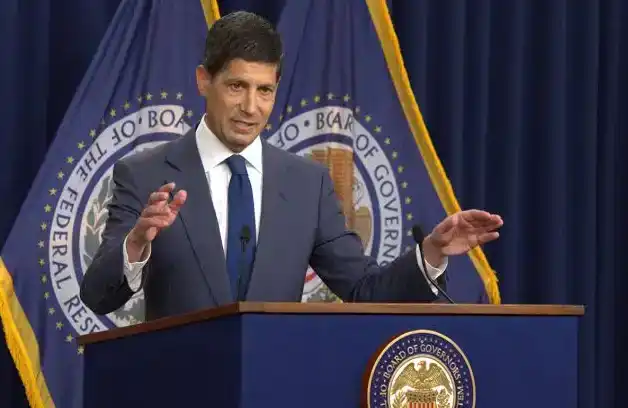
Theo lịch trình, Chủ tịch Fed Kevin Warsh sẽ có bài phát biểu đầu tiên tại Hội nghị Jackson Hole vào ngày 28/8. Thị trường đang tập trung quan sát liệu ông có tiếp tục giảm bớt "hướng dẫn tiền lệ" và để các kỳ vọng về lãi suất hình thành từ thị trường hay không. Nhà phân tích Michael J. Kramer đưa ra một cách giải thích gây tranh cãi: Warsh có thể không chủ động kìm chế lãi suất dài hạn như Fed trong quá khứ, mà thay vào đó cho phép đường cong lợi suất dốc hơn. Điều này có nghĩa là phí bù kỳ hạn và biến động trái phiếu cao hơn sẽ thắt chặt các điều kiện tài chính. Trong khuôn khổ này, ngay cả khi không tăng lãi suất chính sách, Fed vẫn có thể kiềm chế nhu cầu thông qua áp lực lên chi phí thế chấp, chi phí tài trợ doanh nghiệp và định giá cổ phiếu. Tác giả lưu ý rằng phí bù kỳ hạn cho trái phiếu kho bạc kỳ hạn 10 năm (theo mô hình ACM của NY Fed) đã tăng lên khoảng 82 điểm cơ bản, nhưng vẫn thấp hơn mức trung bình dài hạn khoảng 150 điểm cơ bản trước các đợt nới lỏng định lượng (QE). Nếu phí bù kỳ hạn trở về mức trung bình lịch sử và lãi suất trung lập duy trì trên 4%, lợi suất trái phiếu 10 năm có thể lên tới 5%. Giảm hướng dẫn tiền lệ cũng có thể đẩy cao biến động ngụ ý trên thị trường trái phiếu (chỉ số MOVE). Điều này tự nó có thể thắt chặt điều kiện tài chính. Theo kịch bản của Kramer, Fed có thể để lãi suất dài hạn thực hiện việc thắt chặt, sau đó tạo ra không gian để có thể cắt giảm lãi suất ngắn hạn sau này. Một yếu tố toàn cầu khác gây áp lực tăng lãi suất dài hạn là quá trình bình thường hóa chính sách tiền tệ của Ngân hàng Nhật Bản, có thể làm giảm nhu cầu đối với trái phiếu nước ngoài có lợi suất thấp. Bài phát biểu vào thứ Sáu sẽ là cơ hội quan trọng để đánh giá cách Warsh mô tả sự gia tăng lợi suất dài hạn: liệu ông có coi đó là một công cụ thắt chặt hữu ích hay một rủi ro tài chính không kiểm soát được, và liệu ông có làm rõ cách thị trường nên hiểu về hàm phản ứng chính sách của Fed hay không.

marsbit10 phút trước

Dự Báo Bài Phát Biểu Của Warsh Vào Thứ Sáu, Thị Trường Tập Trung Vào Điều Gì

marsbit10 phút trước

Thủ lĩnh darknet bày tỏ sẵn sàng hợp tác khi vụ án trộm 44 triệu đô la Bitcoin tiếp diễn

Lãnh đạo mạng đen bày tỏ sẵn sàng hợp tác trong vụ án rửa tiền và chiếm đoạt 44 triệu USD Bitcoin tại Cộng hòa Séc. Nghi phạm chính, lập trình viên Tomáš Jiříkovský, vốn liên quan đến các hoạt động trên darknet, đã thay đổi lập trường sau phiên tòa xét xử việc giam giữ tại Tòa án thành phố Brno. Trước đó, ông ta liên tục từ chối hợp tác với các nhà điều tra. Công tố viên Lucia Šlamová cho biết bị cáo đã có những động thái nhất định và chỉ ra khả năng hợp tác liên quan đến hoạt động của sàn giao dịch darknet và rửa tiền, mặc dù chưa cung cấp lời khai chi tiết. Tòa án quyết định tiếp tục giam giữ Jiříkovský do lo ngại nguy cơ bỏ trốn và khả năng ông ta vẫn kiểm soát một phần tài sản tiền mã hóa bất hợp pháp. Trung tâm của vụ bê bối là khoản đóng góp trị giá 44 triệu USD Bitcoin mà Jiříkovský tặng cho Bộ Tư pháp Séc. Ông đề nghị nhà nước 30% số tiền trong ví bị tịch thu để đổi lấy việc giúp mở khóa. Cựu Bộ trưởng Tư pháp Pavel Blažek ban đầu chấp nhận khoản quyên góp, nhưng sau đó bị điều tra với cáo buộc đây là âm mưu hợp pháp hóa doanh thu bất hợp pháp từ darknet. Hậu quả vụ việc dẫn đến sự từ chức của Blažek và các cáo buộc hình sự đối với một số quan chức cấp cao. Với hồ sơ điều tra lên tới hàng chục nghìn trang, phiên tòa dưới sự chủ tọa của thẩm phán Ivana Otroubová dự kiến sẽ kéo dài khi giới chức nỗ lực làm sáng tỏ toàn bộ quy mô của đường dây này.

cryptonews.ru13 phút trước

Thủ lĩnh darknet bày tỏ sẵn sàng hợp tác khi vụ án trộm 44 triệu đô la Bitcoin tiếp diễn

cryptonews.ru13 phút trước

Người Nga giấu trang trại tiền điện tử trong nhà phụ gần nhà

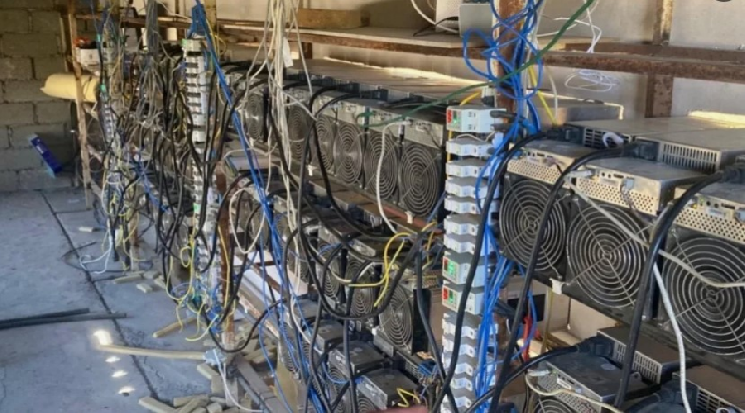
Một cư dân 53 tuổi ở vùng Predgorny, tỉnh Stavropol, Nga, đã bị khởi tố hình sự vì lắp đặt một trang trại khai thác tiền mã hóa (crypto farm) trong nhà kho ở sân sau và bí mật sử dụng điện để vận hành. Người này mua một thiết bị đặc biệt trên một trang web rao vặt để kết nối hệ thống khai thác mà không qua đồng hồ đo điện, tránh được việc thanh toán. Cơ quan điều tra cho biết, trong ba năm, công ty lưới điện ước tính thiệt hại lên tới 1 triệu rúp. Vụ việc được khởi tố theo Điều 165 Bộ luật Hình sự Nga về "gây thiệt hại tài sản thông qua lừa đảo", với mức hình phạt có thể lên đến hai năm tù và phạt tiền 80.000 rúp. Đáng chú ý, tỉnh Stavropol không nằm trong danh sách các khu vực của Nga cấm khai thác tiền mã hóa. Lệnh cấm này hiện đang có hiệu lực tại một số vùng lân cận như Dagestan, Ingushetia, Kabardino-Balkaria, cũng như tại Moscow, vùng Moscow và một số khu vực khác. Đây không phải là trường hợp duy nhất. Gần đây tại Perm, một chủ sở hữu trang trại khai thác khác cũng bị khởi tố hình sự sau khi kiểm tra theo sáng kiến của các công ty năng lượng, với thiệt hại ước tính vượt quá 6 triệu rúp.

cryptonews.ru16 phút trước

Người Nga giấu trang trại tiền điện tử trong nhà phụ gần nhà

cryptonews.ru16 phút trước

Giao dịch

Giao ngay
活动图片