# Пов'язані статті щодо USDT

Центр новин HTX надає останні статті та поглиблений аналіз на тему "USDT", що охоплює ринкові тренди, оновлення проєктів, технологічні розробки та регуляторну політику в криптоіндустрії.
Why P2P and Exchangers Are Becoming Obsolete, and What Will Replace Them

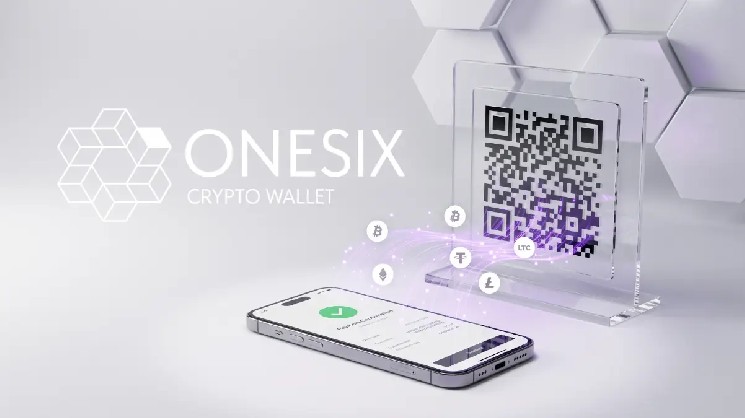
Titled "Why P2P and Exchanges Are Becoming Obsolete, and What Will Replace Them," this article discusses the evolution of stablecoins, particularly USDT, from a trading tool to a global payment method. However, converting crypto back to fiat for daily expenses remains a challenge. The process of using P2P platforms or crypto exchanges has become increasingly risky and complex due to stricter banking anti-fraud measures, new legislation in Russia, and rampant fraud schemes like "triangles," where sellers can inadvertently receive stolen funds. The article highlights that while P2P was convenient, banks now scrutinize frequent peer-to-peer transfers, often freezing accounts. Exchanges also pose risks like unfavorable rates and unclear compliance. The market is therefore shifting towards integrated services that eliminate the manual conversion step. It cites OneSix as an example—a crypto wallet accessible via Telegram and web that embeds currency conversion directly into payment and withdrawal scenarios. Users can pay bills or send money as if using a bank app, with the crypto-to-fiat exchange happening seamlessly in the background. It also offers invoicing for freelancers and conducts AML checks, returning suspicious transactions instantly instead of freezing them. In conclusion, as crypto integrates into everyday finance, the demand for manual, risky exchange methods is declining. The future lies in unified platforms that combine storage, compliance, conversion, and payments into a single, secure user experience.

cryptonews.ru12 год тому

Why P2P and Exchangers Are Becoming Obsolete, and What Will Replace Them

cryptonews.ru12 год тому

Crystal Foresight Stablecoin Industry Report: What Drove the Q2 2026 Decline in Stablecoin Supply

Stablecoin total supply declined by approximately $115 billion (-3.6%) over 90 days, falling from a May high of $3.2 trillion to $3.065 trillion in July 2026. This marks the first quarterly contraction since late 2023. The decline was highly concentrated: USDC (-$5.8B), USDe (-$2.0B), USDS (-$2.0B), USDT (-$1.4B), and PYUSD (-$1.2B) accounted for nearly all net outflows. Gold-backed tokens PAXG and XAUt also declined, primarily due to a drop in gold prices, a separate dynamic from dollar-pegged stablecoins. A core finding is that each stablecoin's decline had distinct drivers tied to its primary use case ("transfer fingerprint"): - **USDC** (dominant use: DeFi collateral) contracted due to cooling DeFi activity. - **USDe & USDS** (yield-bearing stablecoins) shrank as underlying protocols (Ethena, Sky) reduced yields, prompting redemptions. - **USDT** (payments/trading) saw a marginal, strategic reduction linked to European exchange delistings, not yield pressure. - **PYUSD** dropped amid regulatory uncertainty and a strategic refocus by PayPal. Some growth occurred (USDG, DAI, etc.), but it was far smaller than the outflows. The report concludes the decline is largely linked to reduced yields and DeFi cycles, not a loss of confidence or de-pegs. A reversal is possible if on-chain yields improve. Future signals will be found in "yield fingerprints" and "collateral fingerprints," not just headline supply figures.

链捕手Вчора 10:02

Crystal Foresight Stablecoin Industry Report: What Drove the Q2 2026 Decline in Stablecoin Supply

链捕手Вчора 10:02

Visa Joins the Stablecoin Arena: Not to Eliminate Stablecoins, but to 'Collect Rent' from Them

Visa is entering the stablecoin arena by launching a stablecoin platform, aiming not to eliminate existing stablecoins but to facilitate and profit from their broader adoption. The platform will enable banks, financial institutions, and fintech companies to more easily issue, manage, and integrate stablecoins into Visa's existing global payment network, which spans over 200 million merchants and 15,000 financial institutions. This move is expected to expand the overall stablecoin market by creating more use cases. For USDC (Circle), it presents a short-term benefit due to likely direct integration and its compliance advantages, though long-term competition may increase from bank-issued or consortium stablecoins. For USDT (Tether), the impact could be more significant in traditional payment and settlement areas, as Visa's platform may favor more transparent, compliant options, though USDT is expected to remain strong in pure crypto trading contexts. Regarding Ethereum, Visa's initiative is seen as neutral to slightly positive. It could drive more traditional capital into the Ethereum ecosystem in the form of stablecoins, increasing network activity and demand for Ethereum as a settlement layer, especially with Layer-2 scaling solutions. While the platform will support multiple blockchains, Ethereum's maturity and decentralization make it a likely primary choice for compliant stablecoins. In essence, Visa's strategy is to embrace stablecoins, collect fees from increased transaction volume on its network, and grow the overall market, rather than displace major incumbents like USDC and USDT directly.

marsbit07/21 00:54

Visa Joins the Stablecoin Arena: Not to Eliminate Stablecoins, but to 'Collect Rent' from Them

marsbit07/21 00:54

活动图片