# Market Manipulation İlgili Makaleler

HTX Haber Merkezi, kripto endüstrisindeki piyasa trendleri, proje güncellemeleri, teknoloji gelişmeleri ve düzenleyici politikaları kapsayan "Market Manipulation" hakkında en son makaleleri ve derinlemesine analizleri sunmaktadır.

With 80% of HBM Capacity but Financially Savaged: South Korea's Foundry Labor, Finally Becomes America's Fattened Slaughter Lamb

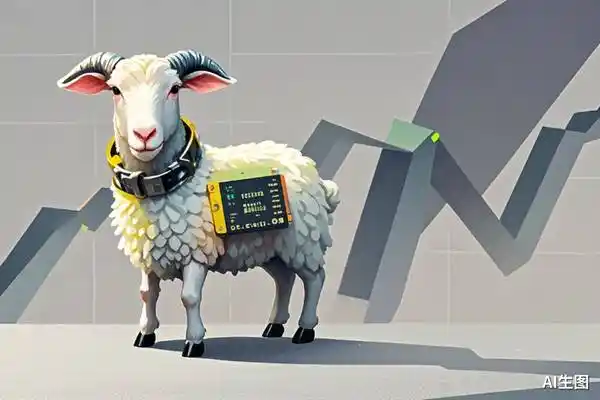
Over the past month, the South Korean stock market experienced a dramatic crash, with the KOSPI index plunging from historic highs in June to levels equating to a loss of one year's GDP. This triggered massive forced liquidations of leveraged retail investor accounts. The crisis is paradoxical given South Korea's dominant position in the high-bandwidth memory (HBM) market, with SK Hynix and Samsung collectively holding nearly 80% of global production capacity—a critical component for AI systems like NVIDIA's. The article argues that despite this manufacturing monopoly, South Korea lacks pricing power and control over demand. HBM production is entirely dependent on orders from US AI giants like NVIDIA, Google, and Meta, making Korean firms effectively high-end subcontractors. The Korean stock market's AI boom was largely a leveraged bet on these two companies, tying national retail investor fortunes directly to US capital expenditure cycles. The piece suggests this crash represents a strategic financial harvest by Wall Street. It outlines a pattern: US capital first built positions and fueled a speculative bubble through bullish narratives, attracting massive Korean retail investment, often via leveraged ETFs. Once散户 were heavily invested, a series of targeted negative events unfolded—including US antitrust lawsuits, patent investigations, and political pressure for greater profit-sharing and onshoring of production to the US. This combination precipitated the crash, allowing capital to exit at highs and potentially re-enter at lows, transferring wealth from Korean散户 to foreign investors. The article draws a parallel to the US dismantling of Japan's semiconductor dominance in the 1980s, noting the current method utilizes financial markets rather than just trade policy. The core lesson is that without controlling downstream demand, technical standards, and having a robust domestic market, even a manufacturing leader remains vulnerable. South Korea's predicament is framed as the inherent risk of a "subcontractor" model in global tech: when you work for the boss (the US tech ecosystem), you cannot be allowed to earn more than the boss. True industrial security requires mastering the entire value chain.

marsbit08/06 07:58
With 80% of HBM Capacity but Financially Savaged: South Korea's Foundry Labor, Finally Becomes America's Fattened Slaughter Lamb

marsbit08/06 07:58

George Santos Settles Dispute with Commodity Futures Trading Commission (CFTC) Over Trading on His Own Kalshi Market

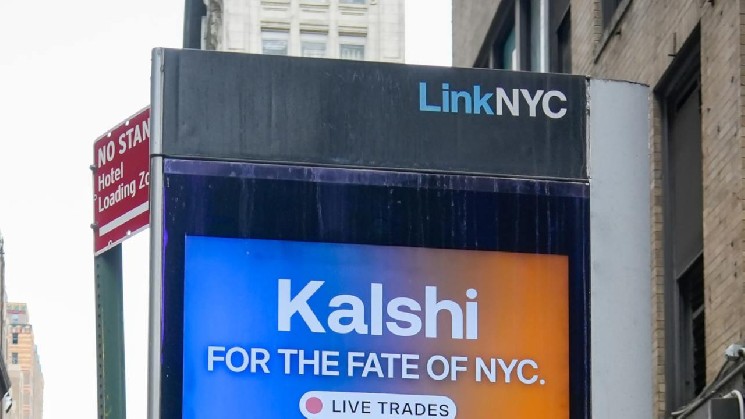
Former U.S. Representative George Santos has settled with the Commodity Futures Trading Commission (CFTC) over allegations he manipulated a futures contract on the Kalshi prediction market related to his potential attendance at a presidential State of the Union address. According to a July 31 order, Santos must repay $17,569.98, pay a $17,500 civil penalty, and is barred from trading on any CFTC-registered exchange for three years. The CFTC found that Santos made misleading public statements about his plans to attend the event while trading on the outcome. He first built a profitable position betting he would attend, then reversed course and profited by betting against his own attendance after travel disruptions. Santos earned profits totaling over $17,000 from these trades. Santos agreed to the settlement without admitting to the findings. His attorney stated Santos initially intended to attend but changed plans due to winter weather, denying any intent to mislead traders or manipulate the market. Kalshi detected the suspicious activity, froze his account, and provided evidence to the CFTC. The exchange is considering further actions and potential restitution for affected traders. While Kalshi also referred the matter to the Justice Department, a spokesperson has denied an investigation exists. The CFTC settlement remains the only confirmed federal action regarding these trades.

cryptonews.ru08/04 09:41

George Santos Settles Dispute with Commodity Futures Trading Commission (CFTC) Over Trading on His Own Kalshi Market

cryptonews.ru08/04 09:41

What's Going On with Gigadevice? Major Shareholder Cashes Out 44 Billion, Then Announces 20 Billion Buyback

Gigadevice Innovation, a leading Chinese memory chip company, has executed a controversial financial maneuver. The company's controlling shareholder and chairman, Zhu Yiming, sold approximately 44 billion RMB worth of his shares between early May and mid-June 2026, capitalizing on a soaring stock price that peaked at 846.66 RMB on June 29th. Following a subsequent stock crash—plummeting to around 350 RMB in 22 trading days and erasing over 330 billion RMB in market value—Zhu announced a combined "market rescue" plan on July 29th. This plan includes his personal commitment to buy back at least 1 billion RMB in shares and a company proposal to repurchase 1 to 2 billion RMB worth of stock. This sequence of high-selling followed by a low-buying plan has confused and unsettled many of the company's 240,000 retail investors. The stock's dramatic decline was attributed to several factors: the successful IPO of its sister company, Changxin Technologies, which ended Gigadevice's status as a primary investment proxy for the domestic memory sector; a Morgan Stanley report warning of a potential peak in the memory chip cycle; and a severe loss of market confidence triggered by the chairman's massive sell-off. While the sell-off was procedurally compliant, its timing has been criticized. The company's fundamentals appear strong, with preliminary H1 2026 results showing revenue up 177% year-on-year to 11.5 billion RMB and net profit skyrocketing 1099% to 6.9 billion RMB, driven by a boom in memory chips and MCU demand. However, a significant portion (2.05 billion RMB) of this profit came from non-recurring gains like securities investment, and the memory industry is notoriously cyclical. Analysts highlight the company's role in the domestic substitution of niche DRAM and NOR Flash memory, with some maintaining bullish price targets. Yet, the recent events underscore key risks: its fabless model creates dependency on foundries like Changxin, and the chairman's actions have raised serious questions about management's alignment with minority shareholders. The promised buybacks cannot commence until December 13th due to a mandatory six-month cooling-off period following an insider sale, leaving the stock vulnerable in the interim.

marsbit07/30 11:51

What's Going On with Gigadevice? Major Shareholder Cashes Out 44 Billion, Then Announces 20 Billion Buyback

marsbit07/30 11:51

活动图片