# Commodity İlgili Makaleler

HTX Haber Merkezi, kripto endüstrisindeki piyasa trendleri, proje güncellemeleri, teknoloji gelişmeleri ve düzenleyici politikaları kapsayan "Commodity" hakkında en son makaleleri ve derinlemesine analizleri sunmaktadır.

Buyback and Burn: Just Empty Promises? The Unbridgeable Rights Gap Between Tokens and Equity

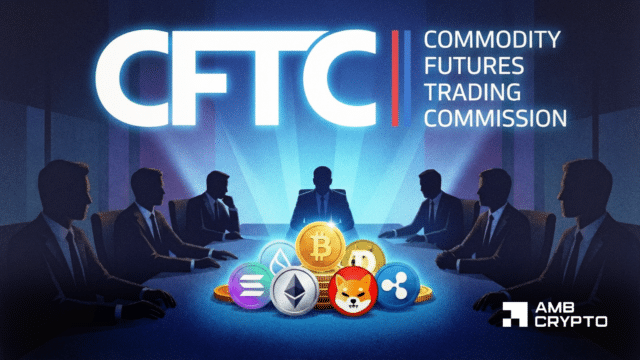
"Token Repurchase and Burn: An Empty Promise? The Unbridgeable Rights Gap Between Tokens and Equity" Holding company stock grants shareholders residual claim rights - a legally enforceable entitlement to remaining assets after all other obligations are paid. This comes with rights like voting, dividends, and a share in sale proceeds. Crypto protocols have long promised token holders similar benefits: governance participation and a share of future growth. However, this narrative is fundamentally flawed and built on voluntary promises, not enforceable legal rights. The core difference is that token holders lack any legally enforceable claim to a protocol's underlying value or revenues. Common mechanisms like using protocol revenue to buy back and burn tokens are purely discretionary; the team can alter or stop the policy at any time. Token holders have no legal recourse. This rights gap becomes critically apparent when protocols introduce traditional equity alongside tokens, as seen with Venice AI's $65M funding round. Equity investors hold legal contracts with rights to company assets and profits, while token holders' benefits depend entirely on the continued goodwill of the protocol's management. The acquisition of Houdini Swap, where equity holders were paid while token holders received nothing, starkly illustrates this disparity. Upcoming legislation like the CLARITY Act threatens to eliminate the regulatory gray area that has allowed this ambiguous "pseudo-equity" narrative. The Act would classify tokens as either digital commodities (regulated by CFTC) or investment contract assets/securities (regulated by SEC). Protocols aiming for the "digital commodity" classification would be explicitly prohibited from granting token holders any legal claim to corporate revenue, profits, or assets. Promising that tokens will appreciate from protocol profits would likely classify them as securities. Projects like Aave are attempting technical solutions, such as its automated, on-chain "Aavenomics 3.0" buyback mechanism. However, this remains code that the governance body could still vote to change, not an immutable legal contract. The industry faces a clear fork: either acknowledge tokens as digital commodities and stop promising economic rights tied to corporate profits, or formally register tokens as securities and bear the associated compliance burden. The decade-long narrative equating tokens with ownership is built on unenforceable promises. The entry of traditional equity investors with real legal rights exposes this foundational weakness, which may unravel with the next major funding deal.

Foresight News07/14 11:03

Buyback and Burn: Just Empty Promises? The Unbridgeable Rights Gap Between Tokens and Equity

Foresight News07/14 11:03

Conversation with Jason Huang, Founder of NDV: Puncturing the AI Bubble and the MicroStrategy Myth, Searching for the Ultimate Trump Card in the Crypto Market

In a podcast interview, NDV founder Jason Huang discusses the recent crypto market downturn, attributing the initial phase to typical Bitcoin cycle selling pressure, now compounded by a US stock market correction, tightening liquidity, and MicroStrategy's financial strain. He argues the market hasn't bottomed yet, noting true bear market lows often require a major, despair-inducing event like FTX's collapse. Huang details MicroStrategy's precarious position: its debt-and-equity fueled Bitcoin buying model has reversed into a negative cycle as prices fell. He interprets its sale of just 32 BTC as a signal prioritizing creditors over shareholders, sparking market "front-running" of its larger potential sell-off. A true bottom may arrive only after MicroStrategy resolves its looming debt payments, possibly via a large, private Bitcoin sale. His fund is up ~20% this year, outperforming Bitcoin by 50-60%, by shorting crypto and trading commodities like oil and gold. He avoided AI stocks despite being a heavy user, citing a lack of trading edge in the crowded semiconductor hardware trade, which he views as ripe for a significant correction. Long-term, Huang remains bullish on stablecoins as crypto's clearest, most practical innovation with high growth potential. He is very bearish on Ethereum and skeptical that Bitcoin has found its floor, suggesting $48,000 may not hold. He expects a sharp decline followed by a strong recovery within a year, but only after a major panic event leads to widespread capitulation and despair—the true hallmark of a market bottom.

链捕手06/24 01:36

Conversation with Jason Huang, Founder of NDV: Puncturing the AI Bubble and the MicroStrategy Myth, Searching for the Ultimate Trump Card in the Crypto Market

链捕手06/24 01:36

When Computing Power Becomes Commoditized, How Long Until a GPU Futures Market Emerges?

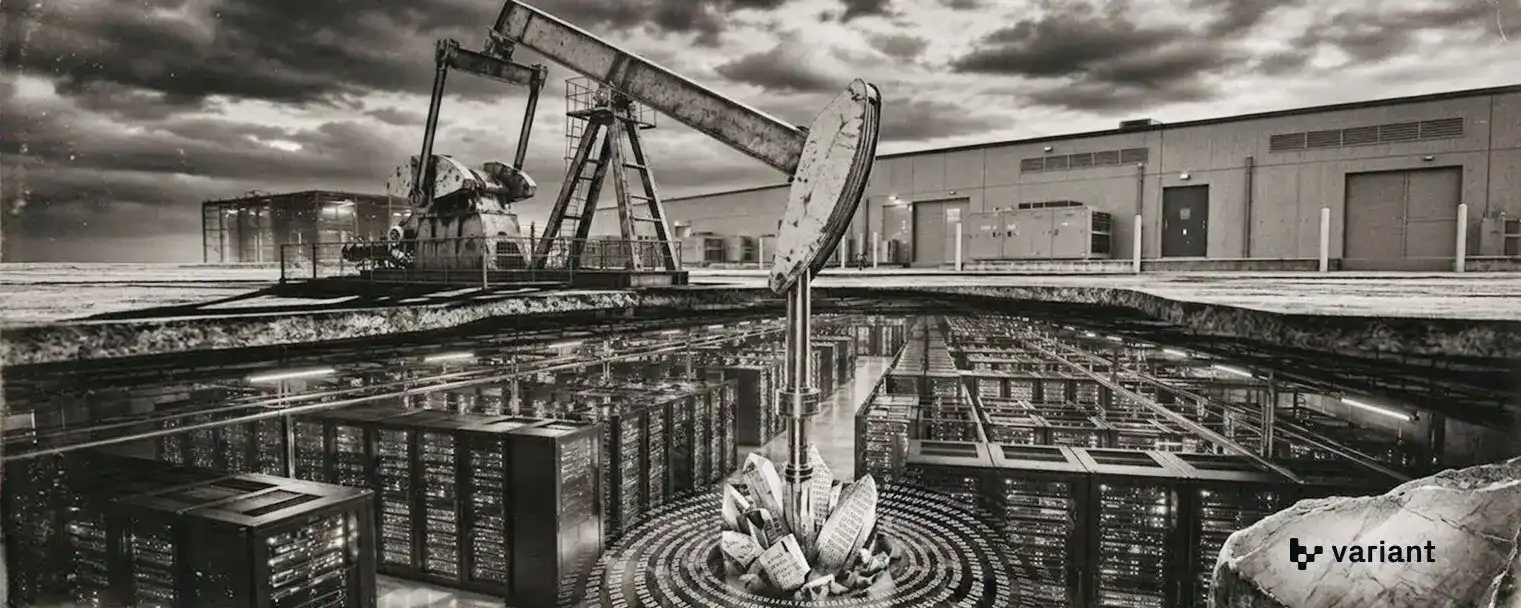
"When Will GPU Futures Arrive? A Framework for Assessing Compute as a Commodity" The article explores the potential for a robust futures market for compute power (GPUs), arguing that such a market is not yet mature but may emerge. It analyzes the landscape using a five-part framework developed for new commodity futures markets. The analysis scores the current state: * **Fragmented Supply (Red)**: Supply is highly concentrated among hyperscale cloud providers (AWS, Azure, GCP, Oracle), limiting the need for price discovery. * **Price Volatility (Green)**: GPU pricing is already highly volatile due to uncertain supply and surging demand. * **Physical Settlement Infrastructure (Green)**: Early infrastructure exists via OTC brokers and price indices (e.g., Ornn, Silicon Data) standardizing contracts. * **Standardized Unit (Red)**: A lack of standardized, tradable units hinders markets; a GPU instance hour varies by region, configuration, and contract terms. * **Lack of Alternatives (Yellow)**: Large players hedge internally via vertical integration, while smaller players bear spot market risk. Overall, the market shows promise (volatility, early infrastructure) but lacks the fragmented supply and standardization needed for large-scale futures trading. Most activity remains OTC. Key open questions and hypotheses: 1. Supply is expected to fragment moderately in 1-2 years, driven by new cloud providers, cheap power locations, and demand from non-frontier labs and AI startups using open-source models. 2. Standardization is most likely to emerge around inference workloads (forecast to be >65% of AI compute demand by 2029), which have simpler, more homogeneous hardware needs than training. Widespread adoption of open-source model weights could accelerate this by democratizing inference and creating demand for optimized, standardized infrastructure. 3. The primary traded unit will likely be the **"chip instance hour"** (akin to electricity, traded regionally), not the physical chip or the downstream AI output (tokens).

marsbit05/18 09:09

When Computing Power Becomes Commoditized, How Long Until a GPU Futures Market Emerges?

marsbit05/18 09:09

When Computing Power Becomes Commoditized, How Long Until a GPU Futures Market?

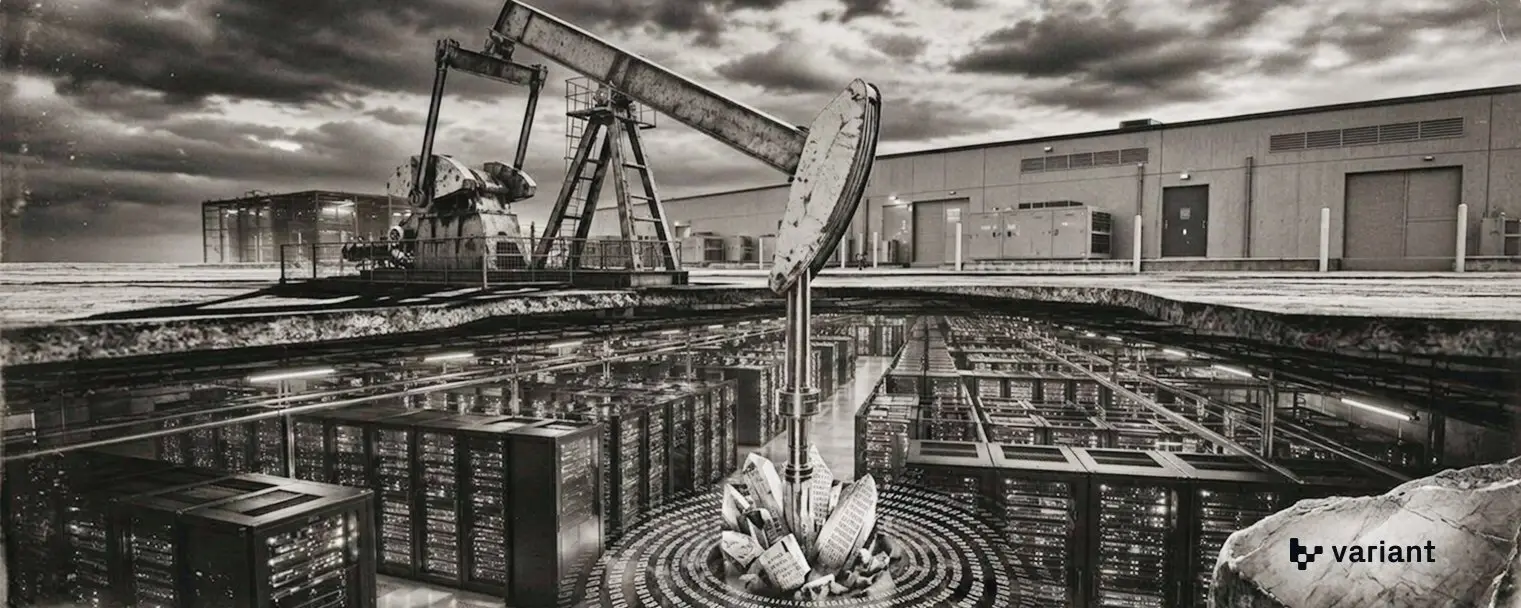
When Compute is Commoditized: How Far Away is a GPU Futures Market? The article explores the potential emergence of a futures market for computing power ("compute"), akin to markets for commodities like oil or electricity. It uses a five-dimension framework to assess the market's maturity for sustaining robust futures trading. **Current Market Assessment (Scorecard):** * **Supply Fragmentation:** 🔴 **Red.** Supply is highly concentrated, dominated by a few hyperscale cloud providers. * **Price Volatility:** 🟢 **Green.** GPU pricing is already highly volatile. * **Physical Settlement Infrastructure:** 🟢 **Green.** Early infrastructure exists at the OTC/broker level. * **Standardization:** 🔴 **Red.** Compute lacks a standardized, tradable unit (e.g., an H100 hour is not uniform). * **Lack of Substitutes:** 🟡 **Yellow.** Vertically integrated players can hedge internally, while others are forced to be long. **Conclusion:** The overall scorecard suggests a robust futures market is premature. The market has volatility and early settlement infrastructure but lacks the necessary supply fragmentation and standardization for large-scale price discovery. Most activity remains OTC. **Key Unanswered Questions & Hypotheses:** The article posits that the market could evolve in the next 1-2 years: 1. **Supply:** May become *moderately more fragmented* due to new cloud providers, cheaper power locations, and demand from long-tail users (e.g., startups running open-source model inference). 2. **Standardization:** Could emerge from the growing **inference** workload (expected to be >65% of AI compute demand by 2029), which has more homogeneous hardware requirements than custom training workloads. Widespread adoption of **open-source model weights** is seen as a key catalyst for democratizing inference and driving infrastructure standardization. 3. **Traded Unit:** The most viable layer for trading is likely the **"chip-instance-hour"** (powered, usable compute time), traded similarly to electricity in regional contracts with spot/futures overlays. Trading at the upstream "chip" layer is unlikely due to supply concentration, while the downstream "token" layer faces challenges due to lack of uniformity across AI models.

链捕手05/18 09:04

When Computing Power Becomes Commoditized, How Long Until a GPU Futures Market?

链捕手05/18 09:04

活动图片