SEC commissioner says Crypto is ‘helping to nudge reassessment’ on privacy

cointelegraphPublished on 2025-12-15Last updated on 2025-12-15

Abstract

SEC Commissioner Hester Peirce stated that cryptocurrency is prompting a reassessment of financial privacy regulations during a roundtable discussion with industry leaders. The event, part of the SEC’s efforts to shape digital asset oversight, addressed balancing investor protection with privacy as blockchain-based finance grows. Peirce and other regulators acknowledged that while public blockchains increase transparency, they also drive demand for privacy tools. The discussion included representatives from Zcash, the Blockchain Association, and the Crypto Council for Innovation. Meanwhile, U.S. Senate efforts to pass comprehensive digital asset market structure legislation before 2026 face time constraints, with a key bill unlikely to advance before the year-end recess.

Regulators at the US Securities and Exchange Commission met with cryptocurrency industry leaders on Monday to discuss financial surveillance and user privacy, as part of the agency’s ongoing efforts to shape digital asset oversight.

In opening remarks at the roundtable, SEC Commissioner Hester Peirce, who also heads the agency’s crypto task force, joined Chair Paul Atkins and Commissioner Mark Uyeda in outlining how regulators could balance investor protection with privacy considerations as blockchain-based financial activity expands.

Atkins said crypto had the potential to become “the most powerful financial surveillance architecture ever invented,” depending on how the US government handled regulation. He cited the SEC’s previous approach, “treating every wallet like a broker,” requiring more transactions to be reported.

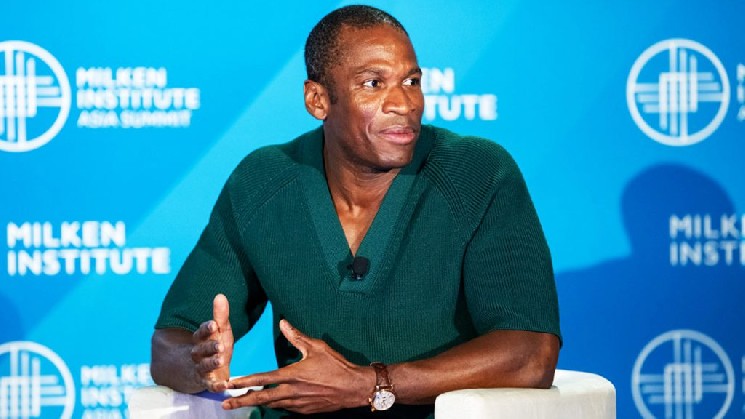
SEC Commissioner Hester Peirce addressing the roundtable on Monday. Source: SEC

Peirce echoed Atkins in her statement, suggesting that regulators need to “rethink when and how financial transactions are surveilled” as the crypto market grows.

“Our national degradation of financial privacy and the rules that embody it are overdue for a change, and crypto is helping to nudge a reassessment,” said Peirce, adding that crypto “opens new possibilities for transactions without financial intermediaries that are central to our existing financial surveillance paradigm [...].” She continued:

“On the other hand, as has been mentioned, the public blockchains on which many crypto transactions take place are viewable by everyone, which creates a demand for privacy-protecting tools.”

The surveillance and privacy roundtable, which included representatives from the privacy token Zcash (ZEC), the Blockchain Association and the Crypto Council for Innovation, was the task force’s sixth event discussing various aspects of digital asset regulation and policy since Peirce launched the group in January.

Many in the cryptocurrency industry have sounded the alarm about privacy as the market continues to grow and regulators, lawmakers and courts work to address concerns.

Related: US SEC’s Crenshaw takes aim at crypto in final weeks at agency

Market structure to revamp the SEC’s authority over digital assets

Amid the roundtable discussion and the imminent departure of SEC Commissioner Caroline Crenshaw, lawmakers in the US Senate are running out of time to address legislation to establish a comprehensive digital asset market structure before 2026.

Early drafts of the bill indicated that it could grant the Commodity Futures Trading Commission greater authority over cryptocurrency and alter the SEC’s regulatory priorities.

After a market structure bill, named the CLARITY Act, passed the House of Representatives in July, members of the US Senate have been engaged in negotiations to get the legislation onto the floor for a vote before the end of the year. As of Monday, this goal by Republican leaders appeared unlikely to be achieved.

The Senate Banking Committee and the Senate Agriculture Committee have both released discussion drafts of their respective versions of the bill. However, as of the time of publication, no markup hearing appeared on the banking committee’s schedule, with the chamber set to break for the holidays in the next few days.

Magazine: When privacy and AML laws conflict: Crypto projects’ impossible choice

Trending Cryptos

Related Reads

Goldman Sachs: July Smashes Through Crowded Trades, U.S. Stock Bull Market Not Broken but Harder to Navigate

Goldman Sachs: July Sees Crowded Trades Unwound, U.S. Bull Market Intact but Getting Tougher. The U.S. stock market in July did not see an index-level crash, but rather a significant unwinding of speculative positions. While the S&P 500 remained stable—trading within a narrow 3.5% range and staying within 2% of its high—underlying market dynamics were volatile. Heavily crowded trades, particularly in high-momentum tech, AI-linked stocks, and Asian strategies, faced severe pressure and forced deleveraging. Data indicates this was a meaningful cleanse, not a minor adjustment. Global tech exposure saw its largest sell-off in over five years, leverage in Korean equity ETFs plummeted, and Goldman's prime brokerage recorded the largest gross exposure reduction since late 2022. Leverage on momentum factors among fundamental long/short clients fell to the 28th percentile of its one-year range. The AI trade narrative shifted from pure potential to a focus on tangible returns. While Meta failed to show clear AI monetization, Microsoft and Amazon provided evidence that massive capital expenditure is translating into scalable revenue and product growth, preventing a blanket sell-off of the AI sector. The Federal Reserve's more opaque communication style and volatility in long-end Treasury yields have introduced new friction, particularly for rate-sensitive growth and tech stocks. The broader outlook for U.S. equities remains favorable, supported by a strong economy, robust earnings, and substantial AI capital expenditure. However, risk/reward is no longer cheap, and the market's upward elasticity has weakened. The Nasdaq 100's trajectory—up 12% year-to-date despite significant pullbacks—illustrates that the bull trend persists but the path is becoming more difficult. The key lesson from July is that the market no longer rewards crowded, highly leveraged trades, requiring more disciplined and liquid portfolio approaches.

marsbit4h ago

Goldman Sachs: July Smashes Through Crowded Trades, U.S. Stock Bull Market Not Broken but Harder to Navigate

marsbit4h ago

Trading

Spot

Hot Articles

How to Buy MET

Welcome to HTX.com! We've made purchasing Meteora (MET) simple and convenient. Follow our step-by-step guide to embark on your crypto journey.Step 1: Create Your HTX AccountUse your email or phone number to sign up for a free account on HTX. Experience a hassle-free registration journey and unlock all features.Get My AccountStep 2: Go to Buy Crypto and Choose Your Payment MethodCredit/Debit Card: Use your Visa or Mastercard to buy Meteora (MET) instantly.Balance: Use funds from your HTX account balance to trade seamlessly.Third Parties: We've added popular payment methods such as Google Pay and Apple Pay to enhance convenience.P2P: Trade directly with other users on HTX.Over-the-Counter (OTC): We offer tailor-made services and competitive exchange rates for traders.Step 3: Store Your Meteora (MET)After purchasing your Meteora (MET), store it in your HTX account. Alternatively, you can send it elsewhere via blockchain transfer or use it to trade other cryptocurrencies.Step 4: Trade Meteora (MET)Easily trade Meteora (MET) on HTX's spot market. Simply access your account, select your trading pair, execute your trades, and monitor in real-time. We offer a user-friendly experience for both beginners and seasoned traders.

4.0k Total ViewsPublished 2025.10.24Updated 2026.06.02

How to Buy MET

Discussions

Welcome to the HTX Community. Here, you can stay informed about the latest platform developments and gain access to professional market insights. Users' opinions on the price of MET (MET) are presented below.

活动图片