Редакционная заметка: Основная проблема большинства пользователей Claude Code заключается не в слабости модели, а в необходимости каждый раз начинать с нуля.
Вам приходится снова и снова объяснять контекст проекта, технологический стек, стандарты кодирования, какие части нельзя трогать, какие решения уже пробовались. Пока эта информация не зафиксирована, Claude будет действовать на основе догадок, что может привести к изменениям в неподходящих файлах, рефакторингу кода, который не требовался, или рекомендации инструментов, не подходящих для текущего проекта.
Представленный в этой статье CLAUDE.md — это руководство по использованию для Claude Code. Вам достаточно поместить его в корневую директорию проекта, и Claude будет автоматически читать его при каждом запуске. Этот файл заранее сообщает Claude: как отвечать, как писать код, когда необходимо сначала спросить, какие операции нельзя выполнять самостоятельно, какой технологический стек использует проект и какие важные решения уже были приняты в прошлом.
Проще говоря, CLAUDE.md служит для: сокращения повторяющихся объяснений, ограничения выхода модели за рамки, повышения стабильности и управляемости программирования с ИИ.
Если вы используете Claude Code, можете начать с 4 правил, сформулированных Карпати: спрашивай, если не уверен; сначала делай самое простое решение; не трогай несвязанный код; чётко указывай на неопределённость. Сначала добавьте эти правила в CLAUDE.md, а затем постепенно дополняйте его в соответствии с вашим проектом — это значительно улучшит опыт использования.
Далее следует оригинальный текст:
Файл под названием CLAUDE.md возглавил рейтинг GitHub Trending.
82 тысячи звёзд, 7800 форков.
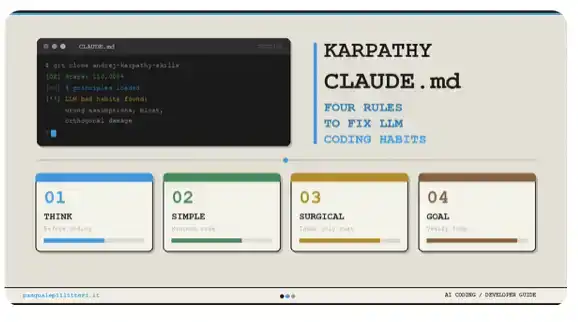
Всё началось с Андрея Карпати. Бывший руководитель отдела ИИ в Tesla, один из основателей OpenAI. Он выявил 4 типа поведения, которые снижают эффективность Claude Code, и записал их в файл.
Позже один разработчик расширил эти 4 правила и опубликовал файл в открытом доступе. Результат — мгновенная популярность.
Причина проста: точность кодирования повысилась с 65% до 94%.
Но большинство разработчиков, ежедневно использующих Claude Code, на самом деле никогда не настраивали эту опцию. Каждый их сеанс начинается с нуля: повторные объяснения одного и того же контекста, очистка ненужных изменений области действия, откат незапрошенных рефакторингов.
Далее следует полный файл.
Настройка, которую упускает большинство разработчиков
Каждый раз, когда вы открываете Claude Code, он по умолчанию ничего не знает.
Он не знает ваш технологический стек, ваши стандарты кодирования, контекст вашего проекта, что вы уже пробовали, а также решения, которые вы сознательно не приняли три сеанса назад.
Поэтому ему приходится догадываться. А как только он начинает догадываться, он может рефакторить код, который вы не просили трогать, рекомендовать фреймворки, способные нарушить существующую архитектуру, удалять файлы без подтверждения и даже отменять решения, которые вы уже приняли ранее.
CLAUDE.md — это простой текстовый файл, размещаемый в корневой директории проекта. Claude Code будет автоматически читать его в начале каждого сеанса.
Одна настройка, никаких повторных объяснений и исправление трёх типов дорогостоящих ошибок.
Настройки по умолчанию: Вы тратите 375 долларов в неделю, просто повторяя объяснения
Средний разработчик тратит около 30 минут в день, чтобы заново объяснять контекст Claude.
Технологический стек, стандарты кодирования, контекст проекта, уже опробованные методы — пока вы не запишете эту информацию один раз и не заставите Claude читать её автоматически при каждом запуске, она не будет сохраняться между сеансами.
Если принять почасовую ставку разработчика в 150 долларов:
· 30 минут в день — это 75 долларов;
· в неделю — 375 долларов.
· для команды из 5 человек — 1875 долларов в неделю скрытых затрат.
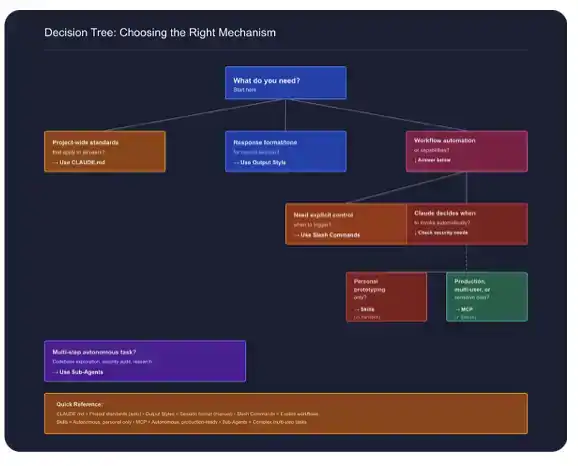
Следующие 7 правил должны быть размещены в начале файла CLAUDE.md.
→ Убирай лишнее
Не начинай ответы со вступлений типа «Хороший вопрос», «Конечно», «Без проблем» или подобных. Сразу давай ответ. Не переходи на личности, не пересказывай вопрос.
→ Соответствуй сложности задачи длиной ответа
Длина ответа должна соответствовать сложности задачи. На простые вопросы отвечай прямо и кратко; для сложных задач давай полное, подробное объяснение. Не заполняй объём пересказом вопроса или повторяющими заключительными фразами.
→ Сначала предложи решение, потом действуй
Перед началом любой важной задачи сначала предложи 2–3 возможных варианта, подожди моего выбора, а затем продолжай.
→ Если не уверен в чём-то, что может навредить, сначала признай это
Если ты не уверен в каких-либо фактах, данных, датах или технической информации, чётко укажи это перед их использованием. Не заполняй пробелы в знаниях кажущейся правдоподобной информацией. Когда не уверен — прямо говори об этом.
→ Кто я и что я знаю
Обо мне: [Имя] / Роль: [Ваша роль] / Область: [Сфера].
Я хорошо разбираюсь в: [То, что вы знаете].
Я ещё изучаю: [Пробелы в знаниях].
Корректируй глубину каждого ответа с учётом этой информации. Не углубляйся в объяснения того, что я уже знаю, и не пропускай необходимый мне контекст.
→ Контекст текущего проекта
Я работаю над: [Название проекта] / Цель: [Конкретный результат] / Аудитория: [Кто будет использовать] / Контекст технологического стека: [Соответствующие ограничения] / Чего следует избегать: [Список].
Применяй этот контекст к каждой задаче. Если какое-то требование не соответствует контексту, укажи на это перед выполнением.
→ Зафиксируй свой стиль изложения
Мой стиль письма: [Опишите свой стиль изложения].
Длина предложений: [Предпочтения].
Слова, которые я часто использую: [Примеры].
Слова, которые я никогда не использую: [Примеры].
Формат: [Проза или структурированный текст].
Когда ты пишешь что-либо от моего имени, строго придерживайся этого стиля, не используй по умолчанию свой собственный стиль изложения.
Ежедневное время на повторное объяснение контекста: 30 минут
При ставке разработчика 150 долларов в час: 75 долларов / день
В неделю: 375 долларов на разработчика
Команда из 5 человек: 1875 долларов в неделю
Время на настройку этой части CLAUDE.md: Итого 45 минут
Ошибка, которую следует избегать: Не пиши CLAUDE.md с нуля. Сначала используй следующий промт, а затем отредактируй результат:
На основе того, что я рассказал тебе о себе, моём проекте и о том, как я хочу работать, напиши для меня полный файл CLAUDE.md. Включи: кто я, мой технический бэкграунд, мои предпочтения в общении и поведение по умолчанию для каждого сеанса. Будь конкретным, используй простой текст, не более 500 слов.
Ограничения поведения: Те изменения «по 150 долларов в час», на которые у тебя не было полномочий
Ты попросил Claude исправить одну функцию.
В итоге он отрефакторил три файла, переименовал переменные, реорганизовал импорты и переписал комментарии, на написание которых ты потратил время.
И всё это без твоего подтверждения.
Проверка и откат этих ненужных изменений может занять 1 час, то есть 150 долларов. Три раза в неделю — 450 долларов. Для команды из 5 человек это 2250 долларов в неделю на очистку неавторизованных изменений.
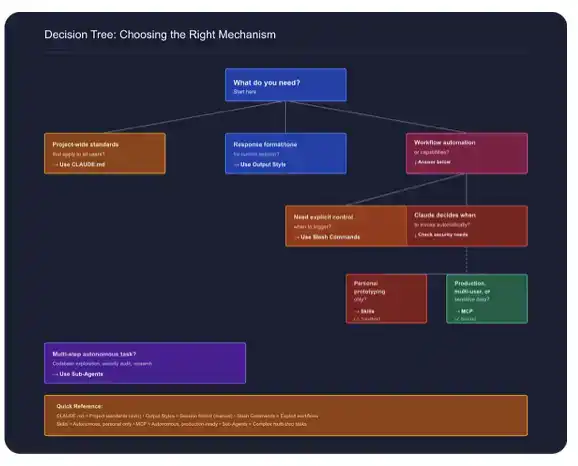
Следующие 7 правил должны быть помещены в раздел ограничений поведения файла CLAUDE.md.
→ Строго контролируй область действия
Изменяй только те файлы, функции и строки кода, которые непосредственно связаны с текущей задачей. Не рефактори, не переименовывай, не реорганизуй, не переформатируй и не «оптимизируй» ничего, что я явно не просил тебя изменить.
Если ты обнаружишь что-то ещё, что стоит исправить, укажи на это в примечании в конце. Не трогай это, никогда.
→ Спрашивай перед серьёзными изменениями
Перед внесением существенных изменений в уже созданный мной контент, включая переписывание разделов, удаление параграфов, рефакторинг структуры, изменение тона, сначала остановись, точно опиши, что и почему ты собираешься изменить. Продолжай только после моего подтверждения.
→ Обязательное подтверждение перед любыми разрушительными действиями
Перед удалением любого файла, перезаписью существующего кода, удалением записей из базы данных или удалением зависимостей, остановись, перечисли, что конкретно будет затронуто, и потребуй моего явного подтверждения. Продолжай только если я скажу «да» в текущем сообщении.
«Ты упоминал об этом ранее» — не является подтверждением.
→ Обязательная пауза для действий в production-среде
Следующие действия требуют явного подтверждения в текущем сеансе, без исключений:
· Деплой или отправка в любую среду;
· Запуск миграций или изменений структуры базы данных;
· Отправка любых внешних API-вызовов;
· Выполнение любых команд с необратимыми побочными эффектами.
· Я должен явно сказать «да» в текущем сообщении.
→ Всегда показывай, что было изменено
После выполнения любой задачи по кодированию в конце обязательно укажи:
Изменённые файлы: список всех затронутых файлов;
Содержание изменений: одним предложением по каждому файлу;
Файлы, которые не были изменены намеренно;
Последующие вопросы для обработки.
→ Не действуй от моего имени без явного подтверждения
Без моего явного подтверждения в текущем сообщении не отправляй, не публикуй, не делись и не планируй ничего от моего имени. Включая письма, приглашения в календарь, общие документы или любые действия за пределами текущего диалога. Я должен явно сказать «да» в текущем сообщении.
→ Подумай, прежде чем писать код
Для задач, связанных с архитектурными решениями, отладкой сложных проблем или разработкой нетривиальных функций, сначала проанализируй проблему по шагам, а затем пиши код. Покажи свой ход рассуждений, укажи на моменты неопределённости и только потом выполняй.
Еженедельный откат ненужных изменений области действия: 150 долларов
Еженедельная ручная проверка diff: 75 долларов
Отходы, связанные с поведением, на одного разработчика: 225 долларов / неделя
Команда из 5 человек: 1125 долларов / неделя
Время на настройку раздела поведения в CLAUDE.md: 30 минут
Память и технологический стек: Настройки для по-настоящему надёжной работы Claude Code
Claude забывает всё между сеансами.
Каждое принятое вами решение, каждая неудачная попытка, причина выбора Prisma вместо Drizzle полгода назад, а также почему определённое ограничение связано с требованиями конкретного клиента — всё это будет забыто.
И затем он снова предложит варианты, которые вы уже отвергли.
Эта часть служит для предоставления Claude механизма, наиболее близкого к «реальной памяти», а также для фиксации вашего технологического стека, чтобы он перестал рекомендовать инструменты, способные нарушить существующую архитектуру.
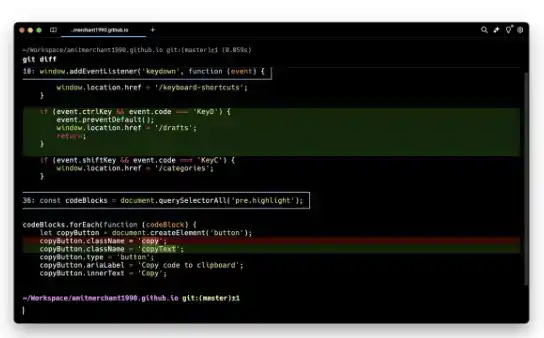
→ Журнал решений MEMORY.md
Ведите в проекте файл под названием MEMORY.md. После каждого важного решения добавляйте запись:
· Что было решено;
· Почему было принято такое решение;
· Что было отвергнуто и почему.
В начале каждого сеанса сначала читай MEMORY.md. Без напоминания не противоречь уже записанным решениям.
→ Итог сеанса
Когда я говорю «session end», «wrapping up» или «let's stop here», добавь в MEMORY.md краткое содержание сеанса, включая:
· Что было обработано в этот раз;
· Что было завершено;
· Что всё ещё в процессе;
· Какие решения были приняты;
· Приоритеты для следующего сеанса.
→ Журнал неудач ERRORS.md
Ведите файл под названием ERRORS.md. Когда попытка реализации какого-либо решения не увенчалась успехом более двух раз, запишите:
· Что не сработало;
· Что в итоге сработало;
· На что обратить внимание в следующий раз.
Перед предложением решения для похожей задачи сначала проверь ERRORS.md.
→ Список постоянных фактов
Следующие факты всегда верны для этого проекта и должны без исключений применяться к каждому сеансу:
[Ваши постоянные ограничения, архитектурные решения и правила]
Если какая-то задача противоречит этим фактам, укажи на это перед выполнением.
→ Фиксация технологического стека
Технологический стек этого проекта следующий, всегда используй эти инструменты. Не рекомендую альтернативы, если я явно не попрошу:
Язык: [Например, TypeScript]
Фреймворк: [Например, Next.js 14]
Менеджер пакетов: [Например, pnpm]
База данных: [Например, PostgreSQL с Prisma]
Тестирование: [Например, Vitest]
Стили: [Например, Tailwind CSS]
Если какой-то инструмент кажется неподходящим, можешь указать на это. Но пока я явно не скажу иначе, ты должен использовать определённый технологический стек.
→ Включай расширенное обдумывание для сложных решений
Для вопросов, связанных с архитектурой системы, компромиссами производительности, дизайном баз данных или долгосрочными техническими решениями, используй режим расширенного обдумывания.
Проанализируй проблему по шагам, предложи компромиссы, которые я мог упустить, укажи на предположения, которые могут не сработать при масштабировании, а затем дай свою рекомендацию.
→ Те 4 популярных правила
Карпати выделил 4 типа поведения, которые приводят к неудачам Claude Code. Один разработчик сформулировал их в виде 4 строк правил. Точность кодирования повысилась с 65% до 94%.
Сначала спроси, не предполагай.
Если есть что-то неясное, спроси перед написанием первой строки кода. Не делай безмолвных предположений о намерениях, архитектуре или требованиях.
Сначала делай самое простое решение.
Всегда сначала реализуй самое простое рабочее решение. Не добавляй уровни абстракции или гибкость, которые не были явно запрошены.
Не трогай несвязанный код.
Если какой-то файл или функция не имеет прямого отношения к текущей задаче, не изменяй его. Даже если ты считаешь, что его можно оптимизировать, не трогай.
Чётко обозначай неопределённость.
Если ты не уверен в каком-либо решении или технической детали, укажи на это перед продолжением. Уверенность без определённости наносит больший вред, чем признание пробела в знаниях.
· Еженедельные затраты на восстановление из-за забытых решений и ошибочных рекомендаций: 300 долларов на разработчика
· Рекомендации неподходящих технологических стеков и несовместимых инструментов: 75 долларов в неделю
· Отходы, связанные с памятью, на одного разработчика: 375 долларов / неделя
· Команда из 5 человек: 1875 долларов / неделя
· Время на настройку MEMORY.md + ERRORS.md + технологического стека: 20 минут
Заключение
Полный подсчёт затрат следующий:
· Еженедельные повторные объяснения контекста: 375 долларов
· Еженедельный откат неавторизованных изменений: 225 долларов
· Еженедельная обработка проблем из-за забытых решений: 375 долларов
· Общие еженедельные отходы на одного разработчика: 975 долларов.
Для команды из 5 разработчиков: 4875 долларов в неделю. 253 500 долларов в год.
А настройка CLAUDE.md в общей сложности занимает всего 2 часа.
Только 4 правила Карпати повысили точность кодирования с 65% до 94%.
Один простой текстовый файл, 21 правило, два часа работы.
Разработчики, выполнившие эту настройку, фактически используют более надёжный Claude: он помнит решения, контролирует область задач, запрашивает подтверждение перед разрушительными действиями и не рекомендует фреймворки, способные нарушить существующую архитектуру.
А те, кто ещё не настроил, по-прежнему тратят 975 долларов в неделю на повторение объяснений.
Примечание: Начни с 4 правил Карпати. Достаточно только этих 4 правил. Просто скопируй их прямо сейчас в новый файл под названием CLAUDE.md в корневой директории проекта — это займёт всего 2 минуты. Затем еженедельно постепенно дополняй его, исходя из обнаруженных пробелов.
Сохрани эту статью, пока её не заслонил поток информации. Если она показалась тебе полезной, поделись ею с тем, кому она действительно нужна.





















