"Взрыв! China Telecom и China Mobile выпустили пакеты токенов", "9.9 юаней всего за 10 миллионов токенов? Раньше трафик был по 1 юаню за 1 МБ, вот он, круговорот", "Новый век пакетов SMS"...
15 мая Shanghai Telecom первой предложила клиентам услугу вычислительных мощностей на основе токенов (слово-единиц), где 1 юань соответствует 250 тысячам очков лимита. Пользователи сети буквально взорвались: кто-то жаловался на высокую стоимость и оболочку модели; другие иронизировали: "Чувствую себя отставшим от жизни, не знаю, что такое токен".
Вслед за этим China Telecom запустила общенациональный пакет токенов, а China Mobile и China Unicom синхронно последовали их примеру. После новостей акции трех операторов взлетели.
По данным Государственного управления данных, по состоянию на март суточный объем вызовов токенов в Китае превысил 140 триллионов, что более чем в 1000 раз больше 100 миллиардов в начале 2024 года. В то же время часто упоминается «ускорение создания единой национальной вычислительной сети». От децентрализованного корпоративного строительства к единому национальному планированию — инфраструктура вычислительной «скоростной магистрали» уже на низком старте.
Однако способности операторов к моделированию и продукты ИИ слабо ощущаются обычными пользователями (C-end). Повседневное общение с большими моделями, написание текстов — бесплатные большие модели вполне удовлетворяют потребности. Стоит ли платить большие деньги за токены? Какой же план задумали телеком-операторы этим ходом?
Операторы спешат продавать токены
15 мая на Фестивале науки и технологий China Telecom 2026 года Shanghai Telecom первой представила пакет вычислительных мощностей на основе токенов. Пакет двухуровневый: первый — заказ по объему, 1 юань за 250 тысяч токенов; второй — ежемесячная подписка, 9.9 юаней за 10 миллионов токенов. Для стимулирования спроса пользователи Shanghai Telecom также могут бесплатно получить пробный ежемесячный пакет на 25 миллионов токенов.
Спустя два дня China Telecom на национальном уровне запустила серию пробных коммерческих пакетов токенов, ориентированных на разработчиков и клиентов из числа малых и микропредприятий, предлагая комплексные услуги «токены + связь + безопасность». В то же время China Mobile и China Unicom поочередно представили продукты с токенами для пользователей C-end.
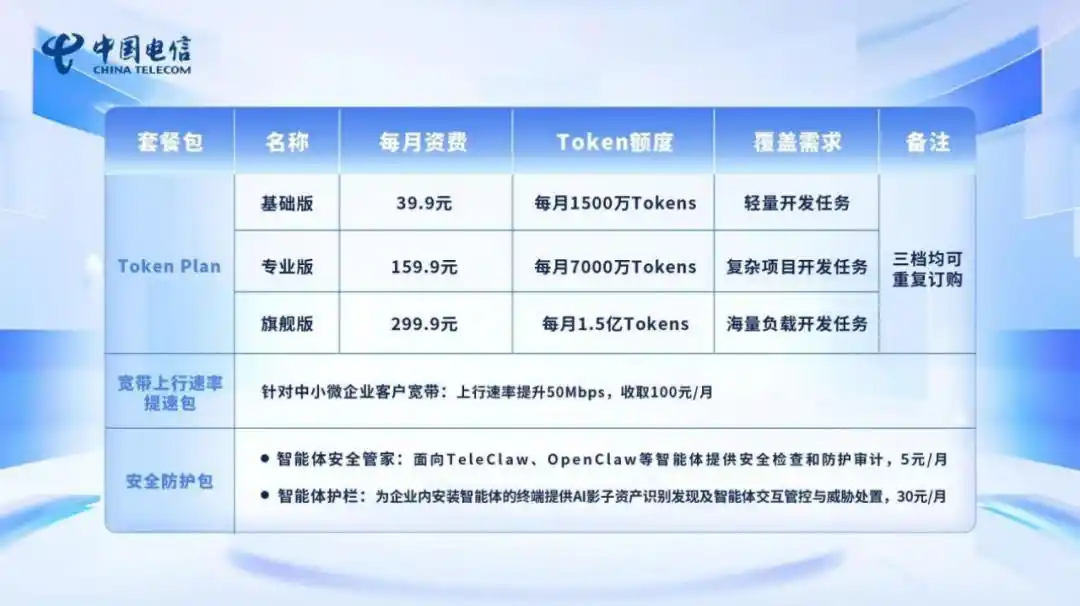
В социальных сетях некоторые пользователи заявили: «Сначала бесплатный пробный период, потом, когда подсядешь, поднимут цены — эту схему я знаю». Но больше людей жаловались на высокую цену. Для сравнения, 26 апреля DeepSeek официально объявила об изменениях цен на API, снизив цены на ввод для всей линейки API с учетом кэширования. Модель V4Pro предлагает ввод миллиона токенов с кэшированием всего за 0.025 юаня, что примерно в 40 раз дешевле, чем у операторов.
Хотя общая стратегия есть, в конкретном продвижении услуг три оператора действуют не согласованно. 20 мая «Бяобянь» позвонил в службу поддержки Shanghai Telecom. По разговору было видно, что оператор не очень знаком с пакетами токенов, ему пришлось искать в базе данных слово «token», чтобы, глядя в материалы, рассказать о ценах на пакет, но как использовать токены, он не знал. И в процессе даже несколько раз ошибался в английском написании.
Оператор службы поддержки Zhejiang Mobile после поиска слова «token» начал рассказывать об услуге «облачный компьютер»: для корпоративных клиентов (B-end) сотрудники через виртуальный рабочий стол в облаке могут получить доступ к внутренней сети компании и работать со специализированным ПО. Но оператор не был знаком с пакетами токенов для C-end. А в офлайн-офисе Wenzhou Unicom сотрудники также не знали о пакетах токенов, и в магазине не было соответствующих материалов.
Хотя рынок еще не открылся, по сравнению с основными большими моделями на рынке, пакеты токенов операторов можно купить напрямую за счет мобильного телефона, и они поддерживают кроссмодельное использование. Пользователи, купив лимит токенов, через API-интерфейсы могут по необходимости вызывать более 30 популярных больших моделей, интегрируя возможности ИИ в свое ПО или автоматизированные процессы. А при пополнении счета напрямую у компании-разработчика модели баланс можно использовать только в этой модели. У разных моделей разные сильные стороны, и если пользователю нужно использовать другую модель, придется снова пополнять счет, что может привести к потере средств.
Это похоже на покупку у оператора универсального пакета мобильного трафика, который можно использовать в WeChat, Douyin, Taobao и других приложениях; а если купить направленный пакет трафика Tencent, то нельзя будет открыть Taobao или Douyin.
Для обычного пользователя, если нужно просто пообщаться с большой моделью, написать текст и т.д., с этим справятся текущие основные большие модели. Пакеты токенов больше подходят разработчикам или активным пользователям ИИ, которые любят экспериментировать, имеют базовые навыки программирования и умеют вызывать API.
Тревога операторов
От продажи пакетов звонков и SMS, до интернет-трафика, и теперь пакетов токенов — бизнес телеком-операторов постоянно эволюционирует.
В последние годы, по мере замедления роста традиционных услуг мобильной связи и широкополосного доступа, операторы столкнулись с тревогой по поводу роста. Согласно финансовым отчетам за 2025 год, опубликованным China Unicom, China Telecom и China Mobile, их выручка выросла всего на 0.7%, 0.1% и 0.9% соответственно, достигнув шестилетнего минимума. Рост бизнеса мобильной связи и широкополосного доступа значительно замедлился, некоторые ключевые показатели доходов снизились, при этом чистая прибыль China Mobile, принадлежащая материнской компании, даже упала на 0.9% в годовом исчислении.
С одной стороны, рынок традиционных услуг персональной связи достиг потолка. Например, у China Mobile в 2025 году общее число пользователей составило 1.005 миллиарда, за год чистый прирост — всего 1 миллион, рост практически остановился. С другой стороны, в условиях конкуренции за существующих клиентов операторы погрязли в однородной внутренней конкуренции, соревнуясь в низких ценах, что еще больше снизило тарифные стандарты. В 2025 году ARPU (средний доход на пользователя) China Mobile составил 46.8 юаня, снизившись на 3.5%.
Когда традиционный телеком-бизнес перестал расти, новые виды бизнеса стали прорывными точками для новых кривых роста.
На Шестом фестивале науки и технологий China Telecom в 2026 году генеральный директор Shanghai Telecom Гун Бо заявил в своей речи, что в начале 15-й пятилетки необходимо полностью принять искусственный интеллект, откликнуться на стратегию группы «Облачная трансформация, цифровизация, интеллектуализация, благополучие» и продвигать глубокую интеграцию ИИ с экономикой, обществом и жизнью народа.
А продажа токенов C-end по сути является предоставлением пользователям услуг ИИ. Когда незнакомые пользователям токены упаковываются в ощутимые услуги ИИ, спрос может быть активирован.
«Бяобянь» видит в приложении China Mobile, что, войдя в раздел пробных версий ИИ на главной странице, можно испытать такие функции, как интеллектуальное вырезание объекта, интеллектуальное удаление и т.д. Чтобы вырезать человека из фотографии, требуется 31 тысяча токенов, а начальный баланс токенов составляет 500 тысяч. То есть, после обработки десятка фотографий, чтобы продолжить пользоваться, придется «добавить денег».
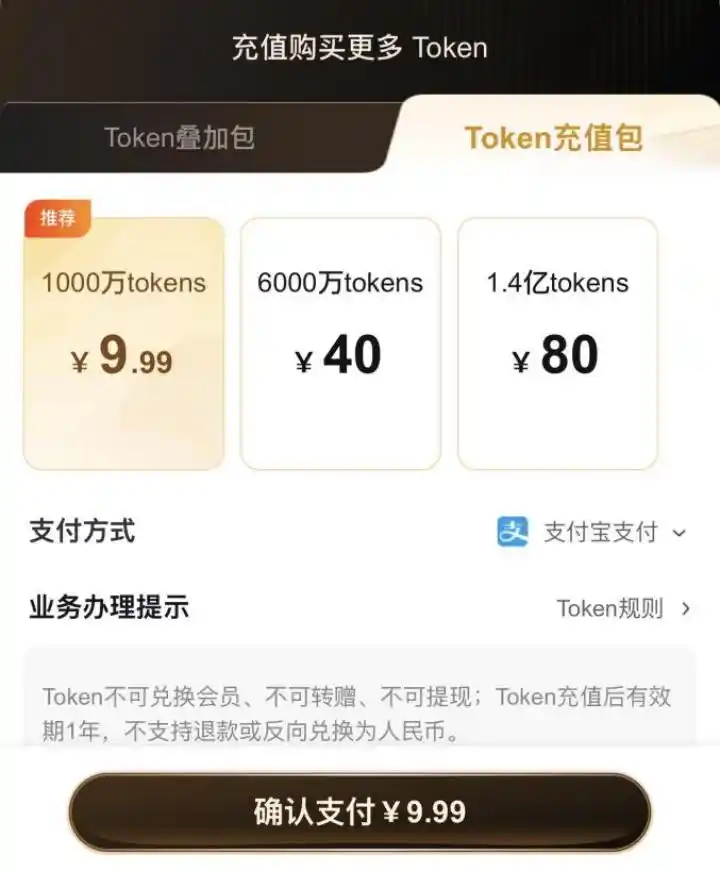
Страница покупки токенов в приложении China Mobile
В процессе вырезания система подсказывает, что конкретную услугу предоставляет Meitu XiuXiu, а Mobile играет роль «канала». В приложении Meitu XiuXiu пользователи могут бесплатно пользоваться базовой услугой вырезания, но если хочется расширенных функций, стоимость ежемесячной подписки составляет 30 юаней в месяц. Таким образом, если у пользователя большая потребность в удалении объектов, явно выгоднее купить подписку Meitu XiuXiu напрямую.
А в приложении Unicom есть только раздел «Любимый ИИ», где пользователи могут с помощью ИИ создавать образы домашних кошек и собак, настраивая своего электронного питомца.
«Бяобянь» случайным образом опросил нескольких пользователей C-end, и все ответили, что эти функции не являются насущной необходимостью, и они не станут специально покупать токены у операторов для этого: «У меня уже есть подписка Meitu XiuXiu, покупал на Xianyu, очень дешево», «Кто сейчас заводит электронных питомцев?»...
Таким образом, даже если операторы пытаются трансформироваться в сфере ИИ, их «трубопроводная» сущность по-прежнему сильна, им не удалось создать достаточно сильных продуктов для C-end. Сможет ли ИИ активировать потребление пользователей и изменить тенденцию к спаду, еще предстоит проверить рынку.
Новая инфраструктура для вычислений
Когда операторы врываются на поле ИИ, они сталкиваются не только с конкуренцией между собой, но и вынуждены «отбирать миски с рисом» у многочисленных облачных провайдеров.
На этой трассе основные игроки, такие как Alibaba Cloud, Volcano Engine, Huawei Cloud, Tencent Cloud, Baidu Intelligent Cloud, благодаря преимуществу первопроходцев, уже захватили самые лакомые куски рынка.
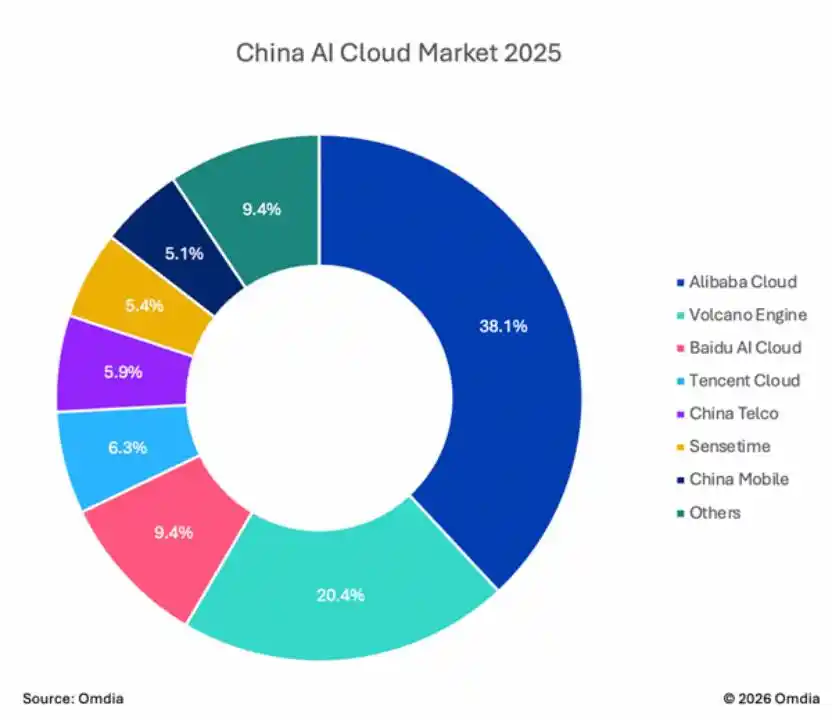
Доля рынка китайского облака ИИ в 2025 году
В то же время ценовые уровни этих облачных провайдеров стали зрелыми, и в условиях рыночной ситуации, когда спрос превышает предложение, они недавно активно повысили цены на вычислительные мощности, демонстрируя сильные позиции на рынке.
Помимо преимуществ в вычислительной мощности, большие модели Qianwen, Doubao, Yuanbao, принадлежащие Alibaba, ByteDance и Tencent, имеют явное преимущество в пользователях C-end. В сравнении с ними большие модели операторов не имеют преимуществ в производительности продуктов, экосистеме разработчиков и т.д. Хотя у China Telecom есть собственная разработка — большая модель «Xingchen», оператор при представлении пакетов токенов также делал акцент на поддержке таких моделей, как DeepSeek, Zhipu GLM.
По сути, телеком-операторы занимаются бизнесом «супермаркета моделей», играя роль «трубопровода» и «интегратора», но их преимущества в офлайн-базовых станциях, сетях и т.д. являются важным фундаментом для единой национальной вычислительной сети.
Соответствующая политика показывает, что ИИ должен глубоко интегрироваться с передовым производством, а акцент должен сместиться с технологических прорывов на масштабируемое, воспроизводимое и монетизируемое проникновение в сценарии. Хотя производительность больших моделей облачных провайдеров может быть сильной, ИИ — это далеко не только облачные дела. Уникальные преимущества операторов как раз укоренены в тех наземных возможностях, которые интернет-компании не могут скопировать.
Например, беспилотное вождение считается важной сферой применения «ИИ + физический мир». Высокоскоростное движение автомобилей требует вычислительных мощностей с низкой задержкой и высокой надежностью, а базовые станции операторов, разбросанные по всей стране, могут стать передовыми точками соприкосновения физического ИИ. В настоящее время China Telecom сосредоточена на строительстве вычислительной сети «4+4+31+X», создавая четырехуровневую вычислительную систему «центр — провинция — периферия — конечное устройство». Будь то большие модели или физический ИИ, участие телеком-операторов в едином планировании вычислительных ресурсов может охватить вычислительными ресурсами даже уровень поселков.
Особенно, когда для вывода ИИ требуется межрегиональное планирование вычислительных мощностей, стабильность сети, низкая задержка и высокая пропускная способность становятся критически важными. Если представить большие модели облачных провайдеров как «электростанции», то операторы — это «электросеть», охватывающая всю страну. Электростанции могут производить много электроэнергии, но чтобы доставить ее в каждый дом, нужна электросеть.
Один из вице-президентов Vipshop сказал «Бяобянь», что вычислительная сеть похожа на электросеть 100 лет назад. По его мнению, когда электричество только появилось, многие не знали, как его использовать, пока электросеть не доставила его в каждый дом, что породило всевозможные бытовые приборы и новые рынки и сценарии применения. Аналогично, хотя сейчас большинство людей не знакомы с токенами, с созданием единой вычислительной сети и снижением стоимости вычислений появятся совершенно новые сценарии потребления вычислительных мощностей.
С этой точки зрения, выход операторов на рынок продажи вычислительных мощностей — это не просто противостояние больших моделей, а реконструкция инфраструктуры вычислений. Конкуренция операторов в эпоху ИИ заключается не в том, чтобы доказать, что они могут обучить более сильную модель, чем у Alibaba или ByteDance. А в том, чтобы доказать, что когда вычислительные мощности ИИ станут инфраструктурой, как вода и электричество, именно операторы, владеющие «электросетью», окажутся ближе всего к пользователю как поставщики услуг.
Эта статья из WeChat Official Account «Бяобянь» (ID: baobiannews), автор: Чэнь Фашань







