Автор: Vaidik Mandloi
Компиляция: Block unicorn
В прошлом году объем торгов вечными контрактами (Perp) превысил 90 триллионов долларов. Для сравнения, это больше, чем суммарный ВВП десяти крупнейших стран мира. Сегодня вечные фьючерсы составляют около трех четвертей всех торгов деривативами в криптовалюте, и их рост почти опережает любой другой финансовый продукт в истории.
Несмотря на это, до прошлой пятницы ни одна американская организация не могла законно торговать этими контрактами. 29 мая Комиссия по торговле товарными фьючерсами США (CFTC) одобрила листинг Kalshi на первый в истории США регулируемый бессрочный фьючерсный контракт на биткоин. В тот же день CFTC также одобрила Coinbase направлять своих клиентов на глобальную торговлю бессрочными контрактами и опционами через платформу Deribit.
После объявления новости токен HYPE от Hyperliquid подскочил на 30%. Для справки, Hyperliquid в настоящее время является крупнейшей ончейн-биржей бессрочных контрактов, но она не обслуживает пользователей из США. Председатель CFTC Майкл Селиг опубликовал комментарий в Coindesk, назвав бессрочные контракты «основным инструментом управления рисками и ценового обнаружения на глобальном рынке криптоактивов». Если вы уже некоторое время находитесь в криптосфере, то наблюдать за всем этим действительно кажется невероятным. Позвольте мне объяснить, почему это так важно.
Как вечные контракты накопили 90 триллионов долларов?
Все началось в 1993 году, когда лауреат Нобелевской премии по экономике Роберт Шиллер опубликовал статью, предложив фьючерсный контракт, который никогда не истекает. Его идея заключалась в том, что домовладельцы могли бы использовать такой контракт для хеджирования риска падения цен на жилье, не продавая дом.

Концепция была интересной, но в то время не имела практического применения, поскольку весь рынок деривативов работал по модели истечения срока действия, а клиринговые палаты и маржинальные модели были построены на фиксированных датах расчетов. Например, сельскохозяйственные контракты рассчитывались ежемесячно, а фьючерсы на облигации имели даты выплаты купонов. Инфраструктуры для поддержки такой концепции просто не существовало, поэтому она оставалась в академических журналах на протяжении десятилетий.
Затем, в мае 2016 года, три основателя из Гонконга решили попробовать. Артур Хейс, Бен Дэло и Сэм Рид запустили BitMEX, взяв за основу оригинальную идею Шиллера с некоторыми модификациями. Они создали фьючерсный контракт на биткойн без даты истечения и добавили механизм привязки его цены к базовому рынку, что позволило пользователям торговать с кредитным плечом до 100x. Всего за 18 месяцев BitMEX стал крупнейшей криптовалютной биржей деривативов.
Так что же такое вечный контракт и как он работает?
В обычном фьючерсном контракте вы делаете ставку на цену базового актива на определенную дату. Например, фьючерсный контракт на биткоин с истечением в июне 2026 года будет рассчитываться по цене на момент наступления июня. Если вы хотите сохранить позицию, вы должны купить следующий контракт. Проблема в том, что каждый ролловер контракта влечет за собой комиссию и создает разрыв в вашей позиции.
С другой стороны, перп-контракты полностью исключают дату истечения. Вы можете открыть позицию, и она останется открытой до тех пор, пока вы ее не закроете. Срок удержания позиции может составлять от пяти минут до пяти месяцев. Ключевой момент заключается в том, что обычные фьючерсные контракты естественным образом возвращаются к спотовой цене при истечении срока. Перп-контракты — нет, поэтому для обеспечения точности цены необходим другой фактор. Для этого используется финансирование.
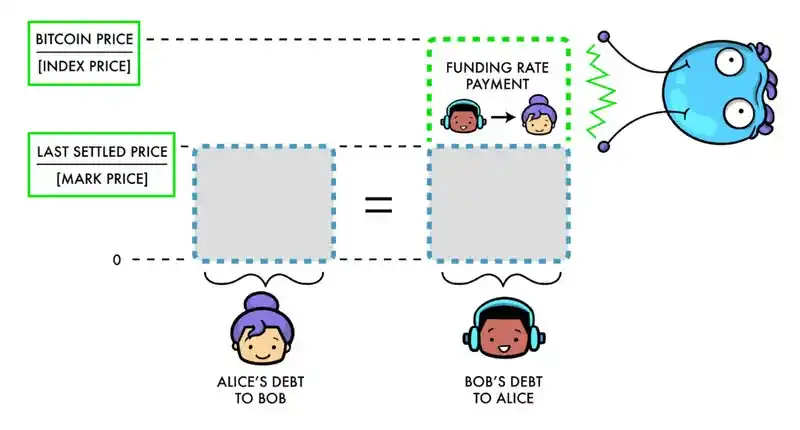
Одна из причин такой популярности бирж перп-контрактов заключается в том, что в отличие от традиционных бирж, где ликвидность разбросана по квартальным контрактам (март, июнь, сентябрь, декабрь), биржи перп-контрактов концентрируют всю торговлю на одной платформе с единым стаканом заявок. Это делает биржи перп-контрактов одними из самых эффективных мест для торговли, а в финансовых рынках эффективность имеет тенденцию накапливаться. Чем больше трейдеров, тем уже спреды, что привлекает еще больше трейдеров.
Объем торгов офшорными деривативами вырос с 28 трлн долларов в 2023 году до более чем 90 трлн долларов в 2025 году. Объем торгов ончейн-деривативами на децентрализованных биржах рос еще быстрее, увеличившись в 2025 году на 346% до 6,7 трлн долларов. Более того, в любой день объем торгов деривативами примерно в 10-15 раз превышает объем спотовой торговли. Это означает, что механизм ценового обнаружения для активов сместился со спотового рынка на рынок деривативов. Когда биткоин колеблется на 5% во вторник днем, это движение почти всегда начинается с торговли деривативами. Эффект домино от левередж-позиций вызывает ликвидации, что приводит к покупкам и продажам, а спотовый рынок затем следует за ними.
Происходит явление «хвост виляет собакой»; и часть рынка, которая действительно определяет цены — ядро криптовалютного рынка — до сих пор полностью исключала американские институты.
Что это значит для США?
США наконец-то получили вечные контракты, но не имеют доступа к тому же продукту, которым торгует остальной мир. Даже собственный бизнес Coinbase требует перевода средств через свою дочернюю компанию на Бермудах на Deribit в Дубае, потому что ликвидность накапливалась за рубежом за годы враждебной регуляторной политики, и ее невозможно восстановить в одночасье.
Американские трейдеры имеют ограничение на использование кредитного плеча примерно до 10x и пользуются полной защитой сегрегации CFTC; в то время как офшорные трейдеры используют кредитное плечо от 50x до 100x. Плечо 100x означает, что 1 доллар контролирует 100 долларов риска. 10%-ное движение цены может принести 10-кратную прибыль. В то же время, доходность от опционного контракта при аналогичном движении цены будет намного ниже, потому что предоплаченная премия уже включает часть ожидаемой волатильности, а позиция постоянно теряет стоимость со временем. Типичный месячный колл-опцион на биткоин при том же 10%-ном движении цены принесет примерно 3-кратную прибыль. Кредитное плечо — вот ключ, и в США оно остается относительно умеренным.
Вот почему акции Hyperliquid взлетели в день, когда CFTC легализовала ранее незаконную торговлю. Первой реакцией многих было то, что объемы перетекут с Hyperliquid на Kalshi и Coinbase, а регулируемые площадки с институциональным капиталом будут откусывать долю рынка, накопленную Hyperliquid.
В прошлом году Hyperliquid получила выручку в 907 миллионов долларов без единого американского пользователя. Подумайте, кто на самом деле торгует на этих платформах? Человек, который шортит какую-нибудь мем-монету с плечом 50x в три часа ночи, не пойдет открывать счет на Kalshi, чтобы шортить биткоин с плечом 10x. Институциональные инвесторы, которым нужна регулируемость и сегрегация средств, изначально не стали бы использовать Hyperliquid. Это продукты для совершенно разных аудиторий. Действие CFTC, по сути, просто подтверждает, что категория продуктов, в которой доминирует Hyperliquid, является законной. Для Hyperliquid это безусловное подтверждение собственной ценности.
Несмотря на регуляторные ограничения, которые в настоящее время ограничивают американские биржи только биткоином, Hyperliquid уже полностью вышла за пределы криптовалют. Благодаря протоколу HIP-3, любой может инициировать торговлю любым активом, и многие уже запущены. В пиковый период торгов в феврале дневной объем торгов серебром достигал 4 миллиардов долларов, а объем торгов нефтью в апреле на короткое время также превысил объем торгов биткоином.
style="text-align: start;">Генеральный директор Intercontinental Exchange (ICE, материнской компании Нью-Йоркской фондовой биржи) Джеффри Спречер за два дня до одобрения CFTC биржи Hyperliquid на конференции в Bernstein сказал: «Мы сейчас говорим о Hyperliquid, если вы еще не слышали, она больше, чем NASDAQ, понимаете?» Теперь ICE ведет переговоры с Hyperliquid, изучая их бизнес-модель, и спрашивает регуляторов, почему традиционные биржи не могут предложить такой же продукт. Направление обучения изменилось: Уолл-стрит изучает децентрализованную биржу, существующую всего два года и без венчурного финансирования, потому что она построила торговую инфраструктуру, которую теперь хотят скопировать крупнейшие мировые биржи.Вечные контракты поглотят все
Я считаю, что это важнее всего остального, потому что вечные контракты больше не ограничиваются только криптовалютой.
Они начинались как инструмент торговли биткоином, затем расширились на все альткойны. Теперь они охватили сырьевые товары, такие как золото, серебро, нефть и газ. Затем они распространились на акции, такие как Nvidia, Tesla, затем на компании до IPO, такие как SpaceX, OpenAI, а теперь через платформу HIP-4 включили и рынки прогнозов.
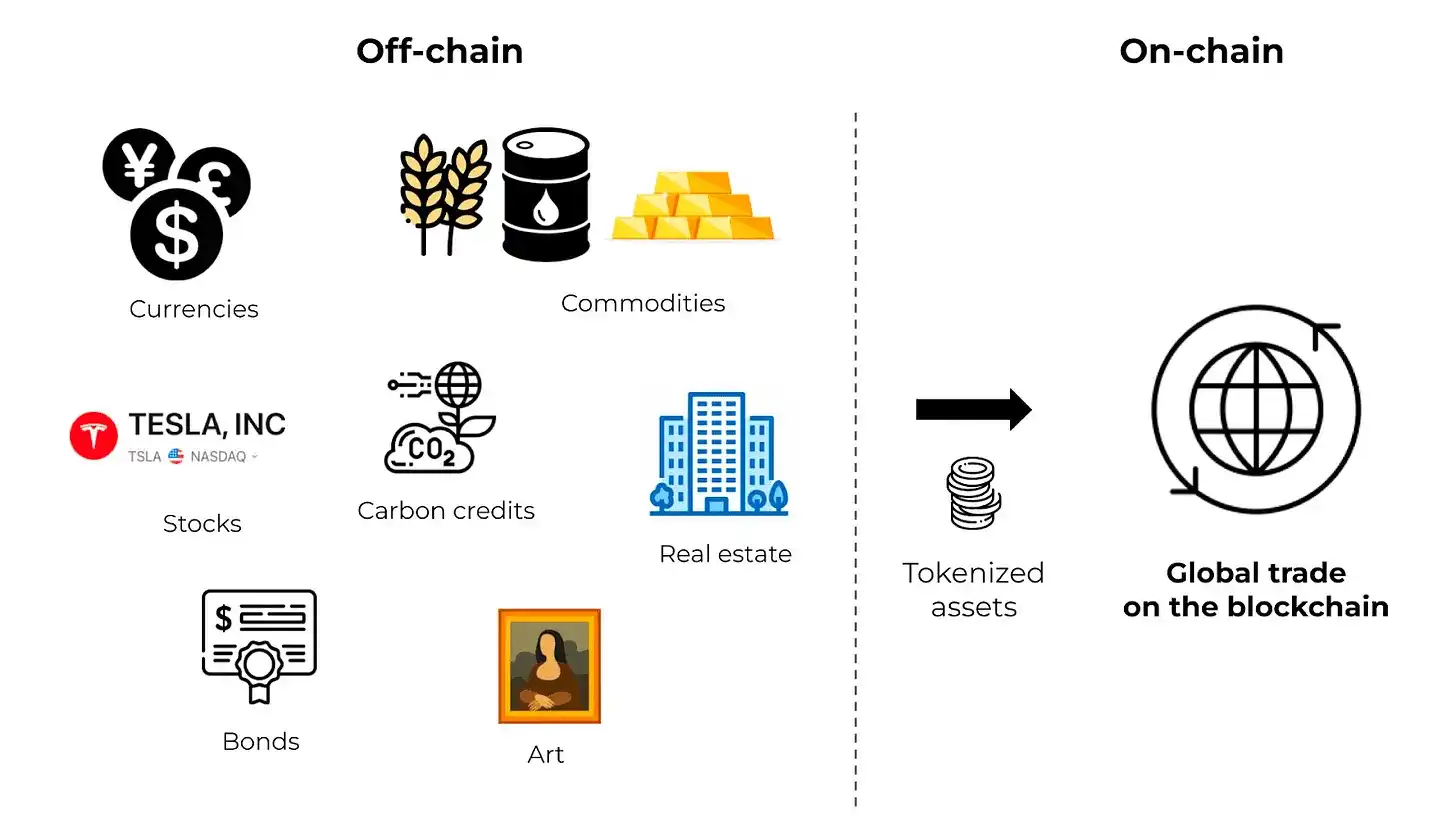
Всего за два года перп-контракты превратились из взлома для криптовалют в финансовый инструмент, который теперь может ссылаться на любой актив в мире, торговаться круглосуточно и не иметь даты истечения или клирингового посредника. Традиционные деривативы были разработаны для рынков, которые закрываются на ночь, имели смысл в эпоху, когда торговля и расчеты происходили на физических биржах с бумажными документами.
Но в современной глобальной цифровой инфраструктуре, где активы торгуются круглосуточно, рынки, основанные на сессиях, могут создавать разрывы. Например, трейдер нефти, желающий позиционироваться перед геополитическим событием в выходные дни, не может ничего сделать на любой регулируемой бирже. На платформе Hyperliquid такая торговля уже возможна. CFTC также признает это. Консультативное мнение персонала агентства относительно круглосуточной торговли прямо гласит: «Из-за цифровой инфраструктуры и глобального охвата деривативы на криптоактивы могут быть особенно подходящими для круглосуточной торговли».
Теперь реальная конкуренция заключается в том, смогут ли регулируемые в США торговые площадки достаточно быстро измениться, чтобы оказать влияние. Например, средняя комиссия за фьючерсы на централизованных биржах составляет около 4 базисных пунктов, в то время как комиссия Hyperliquid — всего 2 базисных пункта. Разрыв в спотовой торговле еще больше: 15 б.п. против 5 б.п. Поскольку для переключения платформы требуется всего несколько минут, трейдеры просто перейдут на платформу с более низкими комиссиями.
Аналитики Compass Point на той же неделе, когда CFTC одобрила листинг деривативов Coinbase, дали Coinbase рейтинг «продавать», сославшись на то, что волна конкуренции на рынке деривативов подорвет ее ценовую власть и сожмет маржу. Доход Coinbase от перп-контрактов в первом квартале 2026 года составил 50 миллионов долларов, в то время как доход от розничной торговли упал до самого низкого уровня с третьего квартала 2024 года. Бизнес перп-контрактов растет, но также съедает более прибыльный рынок спотовой торговли.
Фактически, этот эффект сжатия проявляется во многих областях. Если вы можете получить левередж-экспозицию на любой актив в любое время и в любом месте без даты истечения, то традиционные деривативы кажутся незначительными. Например, зачем роллировать квартальные фьючерсные контракты, если перп-контракты могут обеспечить постоянную экспозицию? Конечно, в условиях перегруженности торгов финансирование может быть дороже, чем стоимость ролловера, иногда даже добавляя 2% каждые восемь часов. У бирж также есть все стимулы поддерживать существование квартальных контрактов, потому что ролловер означает две дополнительные сделки и два дополнительных раунда комиссий. Но большинство розничных трейдеров удерживают позиции всего несколько часов или дней. Для них контракт без даты истечения, очевидно, проще.
Зачем покупать краткосрочные опционы, если перп-контракты также могут обеспечить аналогичное направленное кредитное плечо? Верно, нисходящий риск опциона ограничен премией. Но посмотрите на реальные объемы. В 2025 году средний дневной объем торгов опционами на S&P 500 с истечением 0 дней составлял 2,3 миллиона контрактов, большинство из которых были чисто направленными ставками. Для такого использования перп-контракты проще.
Я не утверждаю, что перп-контракты полностью заменят опционы или традиционные фьючерсы, потому что опционы обеспечивают четко определенный риск и выпуклую доходность, которые перп-контракты не могут воспроизвести. Однако для подавляющего большинства торговой активности, основанной исключительно на направленном кредитном плече, перп-контракты являются лучшим и более экономичным вариантом. В конечном итоге, продукт доказал свою успешность, о чем свидетельствует объем торгов не менее 90 триллионов долларов в год.







