Когда индустрия блокчейна вступила в период быстрого роста в 2020-2026 годах, её основное противоречие не изменилось: передовые технологии имеют сильную цикличность и ранние спекуляции; подлинное долгосрочное создание ценности по-прежнему稀缺но и трудно поддается количественной оценке, или же понимание концепции ценности различается. Это очень похоже на ранние этапы технологических акций прошлого века и напрямую контрастирует с инвестиционной框架, которой Мангер и Баффет придерживались на протяжении десятилетий. Хотя Баффет и Мангер всегда публично выступали против BTC, или, возможно, это был негласный секрет, с одной стороны, это связано с долгосрочной приверженностью модели Old Money, а с другой — они выступали против «высоких премий за ожидания в условиях крайней неопределенности», против «логики оценки без поддержки денежных потоков». Это имеет большое значение для долгосрочного здорового развития индустрии блокчейна в будущем, особенно для экосистемы проектов.
Мангер и Баффет неоднократно подчеркивали:
Стоимость компании проистекает из дисконтированной стоимости её будущих свободных денежных потоков, а не из рыночных настроений, нарративов или временных ценовых аномалий, вызванных консенсусом. Хотя логика оценки в технологическом секторе и стиль риска полностью отличаются от традиционных сфер продаж, конечная суть остается той же, и применить эту долгосрочную框架 к Web3 позволяет выделить три ключевых критерия оценки:
1. Обладает ли данный публичный блокчейн/приложение долгосрочной реальной потребностью?
Около 2026 года многие новые проекты попали в заблуждение: ради краткосрочной стимуляции и airdrop-задач они направляли много бюджета на маркетинг. В сочетании с тем, что биржи используют популярность в таких платформах, как Twitter, в качестве одного из критериев листинга, и порочным кругом, создаваемым мемными монетами, даже проекты публичных блокчейнов ради краткосрочного TVL принимали маркетинговые стратегии, не соответствующие долгосрочному развитию платформы. Многие проекты кажутся процветающими перед запуском, но через 3 месяца после запуска о них ничего не слышно, и практически нет реальных транзакций, кроме ботов. Что касается долгосрочной ценности, то следует искать не краткосрочный TVL, стимулированный incentivisation, не искусственное процветание, вызванное вознаграждениями майнеров, а ключевые функции, которые «будут использоваться даже без субсидий».
Например:
- Расходы на газ в Ethereum и основных публичных блокчейнах при обычном использовании являются прямым результатом экономической активности
- Доходы некоторых Rollup постепенно переходят к реальным пользовательским транзакциям, а не к airdrop-фермерам
- Некоторые проекты AI × Web3 обладают измеримым доходом или четким потенциалом при быстром росте спроса на вычислительные мощности
- Потенциальное прямое воспроизведение реальных экономических моделей метавселенной в будущем
- Доходы от платных способов в социальных приложениях и т.д.
Эти показатели ближе к «базовому выпуску» стоимостного инвестирования. Они также могут больше способствовать движущей силе разработки и долгосрочной логике роста базовых блокчейн-проектов.
2. Имеет ли проект реинвестируемую бизнес-модель или долгосрочный сетевой эффект роста?
Многие проекты Web3 показывают яркие показатели на бычьем рынке, но сильно衰减 на медвежьем; проекты, способные пережить циклы бычьих и медвежьих рынков, часто обладают «эффектом сложного процента» и долгосрочным потенциалом разработки.
Типичные характеристики включают:
- Чем больше масштаб экосистемы, тем ниже удельная стоимость (эффект масштаба)
- Чем более концентрированы данные, активы, ликвидность, тем труднее конкурентам поколебать позиции (сетевой эффект)
- Стоимость миграции пользователей становится все выше (ров)
Это по сути совпадает с акцентом Мангера «искать выдающиеся компании, а не дешевые»: вам нужен сильный сложный процент, а не простая низкая оценка. Хорошая компания может какое-то время быть недооцененной из-за рыночной политики и стратегий бирж, но前提 заключается в том, что это хороший проект.
3. Может ли токенная система нести ценность, а не разбавлять её?
Это касается сущности Tokenomics:
- Обладает ли токен замкнутым циклом стоимости, таким как «распределение доходов», «выкуп комиссий», «голосование по управлению»?
- Является ли кривая предложения токена разумной, может ли она избежать долгосрочного разбавления?
- Является ли токен表面分散但实际非常集中?
- Есть ли измеримые будущие денежные потоки?
Баффет once сказал: «Биткоин не создает ценность», так же как он чувствовал, что золото тоже не имеет ценности, но определение ценности у каждого свое, и同样的 актив в разные временные周期 и внешние условия имеет разную ценность. Хранение ценности золотом также является一种 ценностью, возможно, оно не соответствует критерию роста денежных потоков в концепции стоимостного инвестирования. С развитием блокчейна BTC и других цифровых валют, если某些链或协议 в будущем смогут обеспечить стабильное распределение доходов и прав через токены, их система оценки значительно приблизится к традиционным предприятиям или даже породит новые модели оценки.
Таким образом, логика стоимостного инвестирования не排斥 Web3, она排斥 пустую Tokenomics.
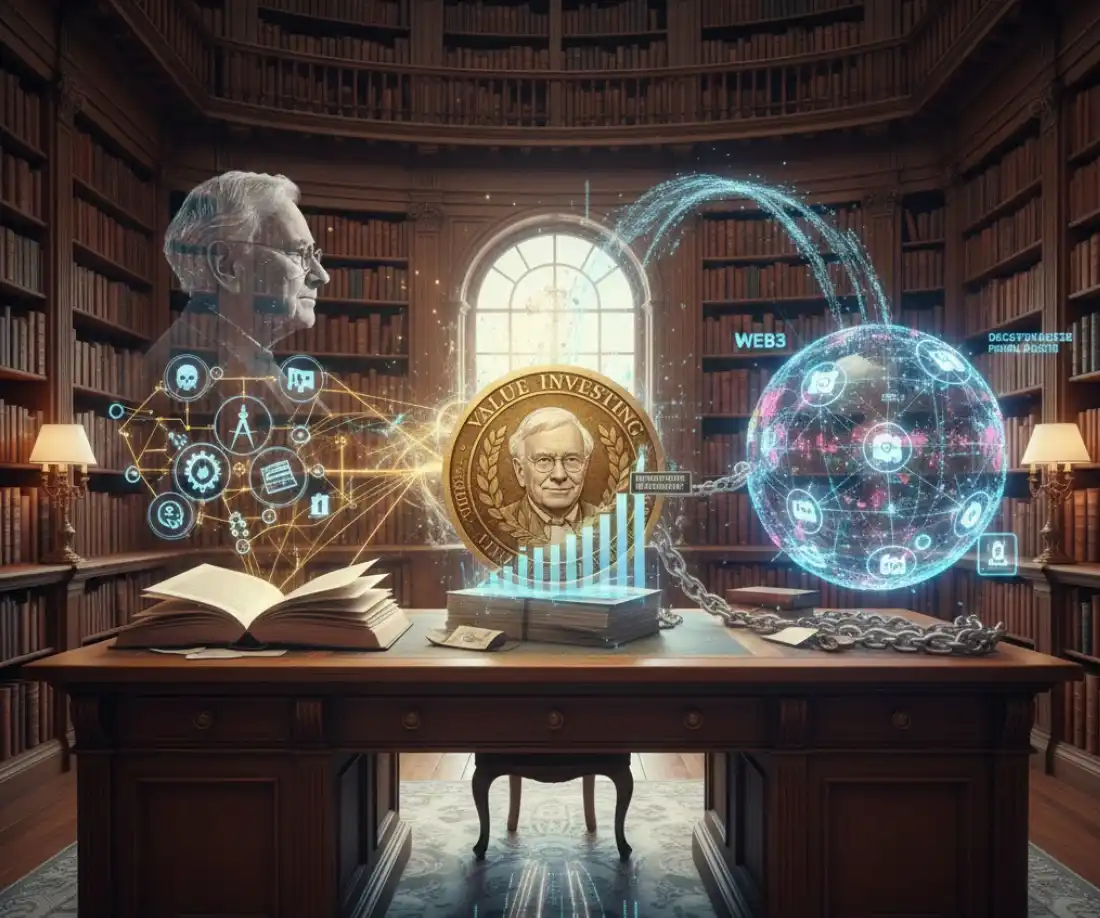
II. Огромная参考тельная ценность «обратного мышления» Мангера для Web3
Участники индустрии Web3 часто погружены в нагромождение технических терминов — доказательство с нулевым разглашением, абстракция аккаунтов, шардинг — но часто упускают из виду лежащие в основе экономические законы и природу человека. Модель мышления Мангера强调 междисциплинарный синтез,主张 смотреть на систему с точек зрения психологии, физиологии, математики, инженерии, биологии, физики и других дисциплин (Эффект Лоллапалузы). Отсутствие такого многомерного视角正是导致 смертинной спирали Terra (LUNA), краха империи FTX и взлома无数 DeFi-протоколов хакерами的根本原因. Одна из самых важных и ценных ментальных моделей Мангера: избегать areas, которые вы не понимаете, не делать ставки вне круга своей компетенции. А绝大多数 убытков в Web3,除了 рыночный медвежий тренд как непреодолимая сила, на самом деле многие происходят из:
1. Информационной асимметрии, намеренного накручивания настроения теми, кто имеет информационное преимущество 2. Чрезмерной уверенности, несколько раз заработав удачно, начинают считать себя гениями 3. Движимые эмоциями FOMO 4. Непонимания механизмов,只看 краткосрочные графики и новости 5. Отсутствия понимания рисков протокола, рисков управления, рисков инфляции токенов
Рамки круга компетенций Мангера можно разбить на три долгосрочных показателя оценки для Web3:
1. Понимаете ли вы真正, как протокол создает ценность?
- Логика архитектуры
- Технологический путь
- Потребности пользователей
- Структура затрат
- Модель конкурентов
- Модель стимулирования токенами и комиссий
Если вы не понимаете хотя бы один пункт, значит, вы делаете ставку вне круга своей компетенции.
2. Оценивали ли вы最致命ные системные риски?
Например, по следующим измерениям:
- Изменение механизма разблокировки Layer1, значительные изменения в ключевой управленческой команде
- Непрозрачность активов CEX, риск перемещения активов пользователей (как в случае с FTX)
- Существует ли механизм смертинной спирали (как алгоритмический стейблкоин UST и привязка LUNA в крахе LUNA)
- Захват управления DAO небольшим количеством крупных держателей
- Период принудительной разблокировки стейкинговых активов (если протокол рухнет, смогут ли доходы от разблокированных активов сохранить стоимость)
- Крах экосистемы из-за снижения стимулирования токенами (является ли ценность токена仅仅 игрой стимулирования)
- Долгосрочная неосуществимость технологического пути (имеет ли техническая подготовка и видение команды устойчивость)
Мангер强调 «избегать глупостей важнее, чем делать умные вещи», по-нашему:凡是预则立不预则废,知己知彼百战不殆. Когда вы можете принять наихудший scenario и приложить максимальные усилия, чтобы избежать этих situations, вероятность相对成功 также будет выше. Такая модель мышления в领域 Web3, где Alpha больше, пузыри легче形成, колебания множителя более экстремальны, на самом деле имеет еще большую ценность.
3. Может ли пережить циклы бычьих и медвежьих рынков?
Инвестиционная логика Мангера четко указывает:优秀 активы в долгосрочной перспективе будут становиться все лучше,劣质 активы — все хуже.
Индустрия блокчейна с каждым циклом ускоряет проверку этого:
- Цепи с increasingly сильным технологическим фундаментом имеют больший долгосрочный потенциал роста, и实际效果也是如此
- Цепи с пустыми нарративами без мощных ресурсов и背景在 медвежьем рынке имеют极高ую вероятность归零
- Приложения с подлинным пользовательским спросом будут постепенно двигаться к стабильным доходам и частоте использования и гладкости体验
- Стратегия мемов, словно утоление жажды ядом,只会 ухудшать主流ный рынок, ликвидность further откачивается
- Искусственное процветание, движимое стимулированием, после окончания周期 листинга или Fomo будет отмыто и постепенно забыто
Долгосрочный подход, на самом деле, также предоставляет相对最 справедливый «механизм筛选» после прохождения нескольких剧烈ных пузырей и циклов бычьих и медвежьих рынков. Он反而 позволяет инвесторам более轻松地 получать отобранные рынком优质标的 и управленческие команды.