The ink is barely dry on the GENIUS Act of 2025, but a massive crack has already appeared, with the nation’s largest lenders claiming that the act could drain $6.6 trillion from the U.S. banking system.
In a letter to Congress on the 6th of January, the Bank Policy Institute (BPI) and a coalition of powerful banking groups issued a warning.
The letter highlighted a major loophole in the new stablecoin rules, one that lets crypto exchanges operate like high-yield shadow banks.
The chaos around the GENIUS Act
The GENIUS Act bans stablecoin issuers from paying interest, but banks say their affiliate companies are dodging the rule by offering yields that regular savings accounts could never match.
This has sparked fears of a major shift in how Americans store their money.
If stablecoins turn from a payment tool into a high-interest investment, the BPI warns it could trigger a deposit migration.
Such a shift wouldn’t just hurt bank balance sheets.
It could cut off credit to Main Street, making mortgages, business loans, and farm financing harder to get.
The tension isn’t new
During the floor debates leading up to the act’s passage in July 2025, Rep. Marjorie Taylor Greene emerged as a vocal critic, though for vastly different reasons.
She said,
“Back in July, I voted NO on the GENIUS Act because it contained a back door to a central bank digital currency (CBDC).”
Greene added,
“I support crypto but I will never support giving the government the ability to turn off your ability to have full control of your money and to buy and sell.”
And, to date, the loopholes seem not to have been addressed.
Recently, providing clarity on the GENIUS Act, Douglas Holtz-Eakin, president of the American Action Forum, noted,
“The problem with a GENIUS Act-like approach is that it is focused only on stablecoins, providing no way to balance competition between stablecoins and other payment mechanisms.”
However, as a solution, he further added,
“A better approach would have a comprehensive approach to regulation, i.e., a Clarity Act, and seek to put all traditional and digital payments and assets on a level playing field and let the chips fall where they may.”
Stablecoin market dynamics
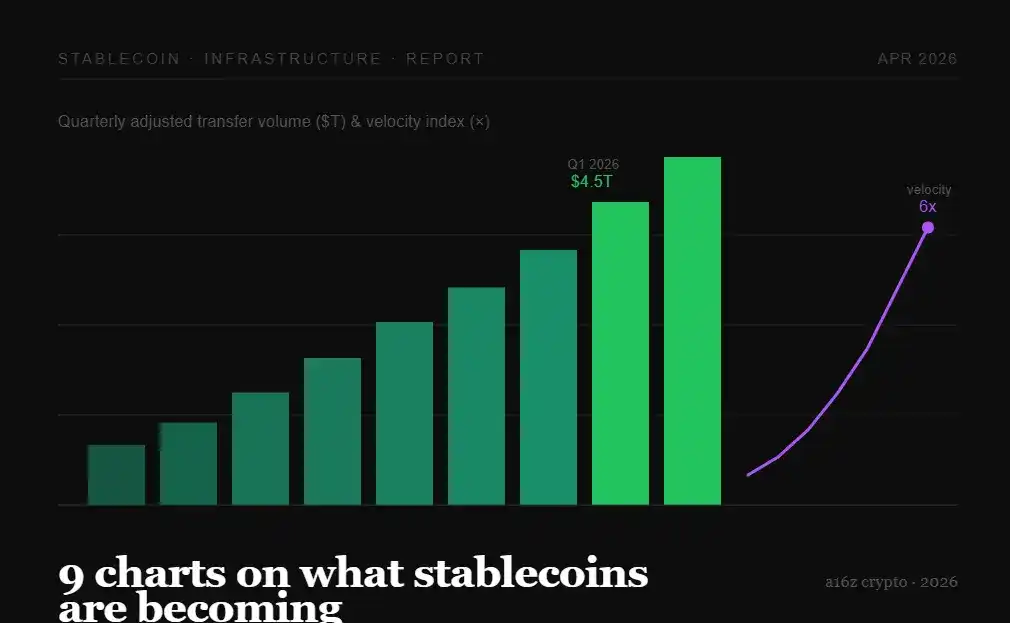
Meanwhile, the total stablecoin market cap surged to $317.8 billion, dominated by Tether (USDT) and Circle’s USDC.
For perspective, USDT alone commanded a market cap of roughly $187 billion, while USDC has seen an aggressive 73% growth over the last year, reaching $75 billion.
As stablecoins continue to grow, the yield loophole has become their main driver of adoption, but closing it could trigger a major shift.
If Congress blocks exchanges from offering interest or rewards, stablecoins may lose their appeal as high-return savings alternatives and be forced back into their original role as simple payment tools.
Thus, this warning signals that crypto’s shadow-banking era is nearing its end, leaving one pressing question: if the rewards vanish, does the $317 billion stay?
Final Thoughts
- The stablecoin loophole has officially escalated from a regulatory oversight to a systemic risk that banks can no longer ignore.
- With $317 billion already parked in stablecoins, Congress must decide whether to shut the loophole or risk letting the crypto shadow banking system remain.