Автор: Byron Gilliam
Оригинальное название: Jobpocalypse now?
Компиляция и редактирование: BitpushNews
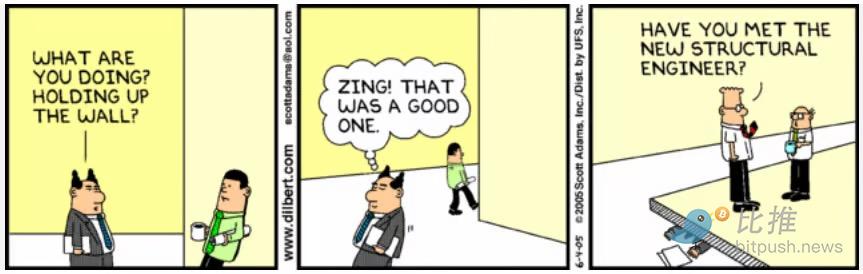
Даже в те времена, когда инвестиционный банк, в котором я работал, процветал, всегда ощущалось, что очередное сокращение не за горами — отчасти, я думаю, потому, что руководство просто не знало, сколько именно людей им нужно.
Я работал в зале продаж и трейдинга, где в конце каждого дня подводился итог дохода: комиссионные клиентов за вычетом убытков от сделок (изредка — прибыли). Поэтому можно было бы подумать, что量化, кто что принес и кто вызвал убытки, должно быть делом простым.
Но это было не так.
Комиссия, уплаченная за сделку, могла быть частично или полностью засчитана в пользу аналитика, общавшегося с клиентом, продавца или трейдера — или же в пользу трейдера, принявшего другую сторону сделки (то есть меня в тот момент!).
Никто толком не знал, почему клиент выбирал торговать именно с нами. Следовательно, невозможно было однозначно приписать каждую комиссию конкретному человеку, а значит, и выяснить, кто абсолютно необходим для бизнеса.
Перефразируя (магната универмагов) Уонамейкера, половина расходов на зарплаты могла тратиться впустую; просто они не знали, какая именно половина.
Единственный способ выяснить это — уволить некоторых людей и посмотреть, что произойдет.</p
Кажется, нечто подобное вот-вот произойдет в компаниях повсеместно, ведь не только инвестиционные банки сталкиваются с этой дилеммой.
Когда работа в основном сводилась к сельскому хозяйству и производству, измерить производительность труда работников было легко: достаточно было посчитать, сколько яблок они собрали или деталей произвели.
Однако, когда большинство людей начало работать в офисах, все стало гораздо сложнее.
«Работа со знаниями определяется не количеством, — писал Питер Друкер. — Работа со знаниями определяется не ее стоимостью. Работа со знаниями определяется ее результатами.»
Работодатели не знали, как измерить эти результаты — день встреч, звонков и внутренних меморандумов, какова единица измерения его продукта?
Поэтому они стали измерять время: от сотрудников требовалось проводить в офисе по восемь часов в день в обмен на оплату, а работодатели надеялись, что за эти восемь часов они выполнят восьмичасовой объем работы.
Время стало прокси-показателем продуктивности.
Но что происходит, когда все работают из дома?
Если работодатель не может измерить сотрудников по времени, проведенному в офисе, ему приходится переходить к измерению их продуктивности.
Это хорошо. «Акцент на результатах, а не на активности, является ключом к повышению производительности», — писал Питер Друкер в 1967 году.
Но работодатели так и не поняли, как это сделать.
Сейчас искусственный интеллект (ИИ) снова заставляет работодателей попытаться. Большие языковые модели могут справляться со многими трудоемкими задачами, поэтому работодатели начинают переосмысливать, за что они платят своим сотрудникам.
Не уверен, что у них получится лучше, чем в банке, где я работал. Но нарратив об ИИ создает огромное давление на компании, заставляя их искать способы повышения производительности, так что многие компании будут просто увольнять людей, чтобы посмотреть, что из этого выйдет.
Данные от 6 марта свидетельствуют, что это, возможно, уже началось: Бюро трудовой статистики США сообщило, что в прошлом месяце количество рабочих мест в технологическом секторе сократилось на 12 000 по сравнению с предыдущим месяцем, а за последний год — на 57 000.
На этой неделе также были опубликованы хорошие данные по производительности, и некоторые экономисты считают это первым признаком того, что компании начинают продуктивно использовать искусственный интеллект.
Так что, возможно, компании скоро смогут делать больше с меньшим количеством людей.
Но они также могут просто делать больше.
Новая статья в Harvard Business Review обнаружила, что «ИИ не сокращает работу, он лишь делает ее более интенсивной».
В ходе восьмимесячного исследования рабочих практик в одной технологической компании авторы обнаружили, что ИИ привел к ускорению темпа работы сотрудников, расширению круга выполняемых задач и увеличению рабочего времени в течение дня.
«Многие отправляют промты ИИ во время обеда, на встречах или в ожидании загрузки файлов. Некоторые описывают, как отправляют «последний быстрый промт» перед тем, как отойти от стола, чтобы ИИ мог продолжать работу в их отсутствие.»
Для работодателей, желающих выжать из сотрудников больше, это звучит неплохо. А это звучит еще лучше: «Сотрудники все чаще поглощают ту работу, которая раньше могла потребовать дополнительных рук или штатных единиц.»
Но исследователи предупреждают работодателей:
Краткосрочный рост производительности может маскировать незаметное расползание рабочей нагрузки и растущее когнитивное давление, поскольку сотрудникам приходится одновременно управлять несколькими рабочими процессами, управляемыми ИИ. Поскольку дополнительные усилия являются добровольными и часто описываются как «занимательные эксперименты», руководителям легко упустить из виду, какую дополнительную нагрузку фактически несут сотрудники. Со временем переработка может ухудшить judgment, увеличить вероятность ошибок и затруднить для организации различение реального роста производительности и неустойчивой интенсивности работы.
Если это так, компании могут вскоре обнаружить, что им нужно больше людей, а не меньше.
По крайней мере, этого ожидает директор по персоналу IBM. Ник ЛаМорокс рассказал Bloomberg, что сокращение найма на начальном этапе карьеры может сэкономить деньги в краткосрочной перспективе, но рискует привести к нехватке менеджеров среднего звена в будущем.
Поэтому IBM планирует утроить количество найма на начальном уровне. «Верно, — сказал ЛаМорокс, — именно для тех работ, которые, как все говорят, ИИ может выполнять.»
Инвестиционный банк, в котором я работал, всегда нанимал людей между волнами увольнений — постоянно обновляя состав сотрудников в попытках понять, кто же что на самом деле делает.
Вся экономика США вскоре может последовать этому примеру.
Давайте взглянем на графики.
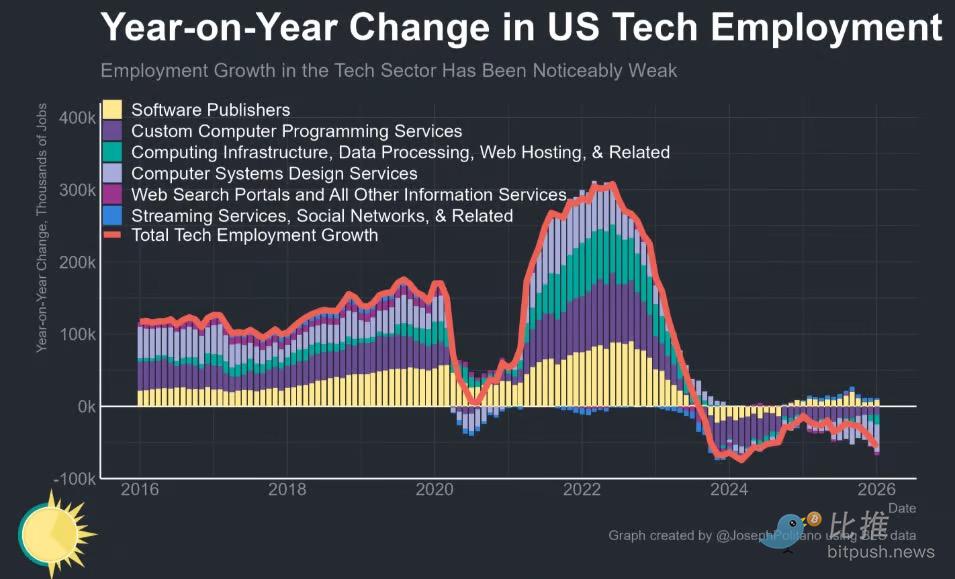
Сегодняшний утренний отчет о занятости для технологического сектора оказался «жестоким». Потеря 57 000 рабочих мест за последний год «почти так же плохо, как в самый тяжелый период спада в технологическом секторе в 2024 году, и явно хуже, чем во время рецессий 2008 или 2020 годов».
Технологический сектор — лишь верхушка айсберга. Если смотреть на экономику США в целом, то, согласно отчету компании по трудоустройству и коучингу руководителей Challenger, Gray & Christmas, в феврале работодатели объявили об увольнении 48 307 человек. Это на 55% меньше, чем 108 435 увольнений, объявленных в январе, и значительно меньше (на 72%) по сравнению с 172 017 увольнениями, объявленными в том же месяце прошлого года.
В январе и феврале этого года общее количество объявлений об увольнениях составило 156 742 человека, что является самым низким показателем начала года с 2022 года (тогда за первые два месяца было уволено всего 34 309 человек). Однако, если поместить эту цифру в исторический контекст с 2009 года по настоящее время, она все равно окажется пятой по величине.
Другими словами: волна увольнений действительно несколько ослабла по сравнению с началом года и аналогичным периодом прошлого года, но по историческим меркам все еще остается довольно высокой. Работникам станет легче не скоро.
Слишком много руководителей?
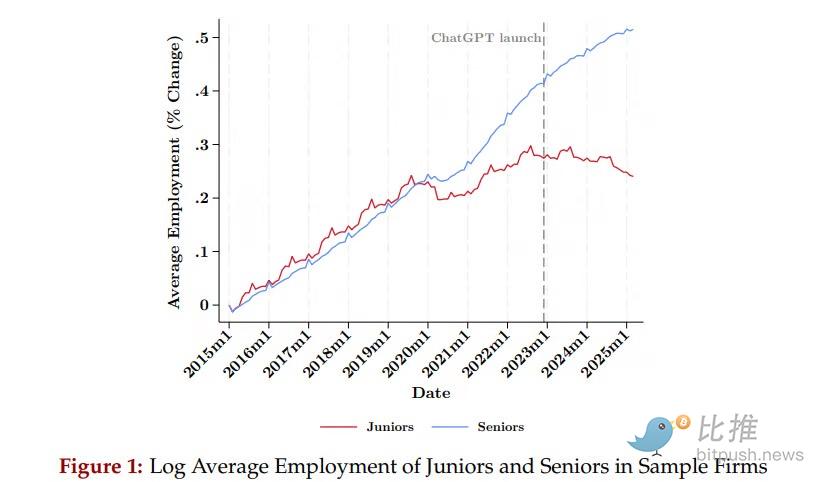
Одна академическая статья обнаружила, что генеративный ИИ создает на рынке труда «технологическое изменение, смещенное в пользу опытных сотрудников», которое особенно сильно затрагивает младший персонал. Это происходит не только в технологическом секторе: исследование проанализировало данные резюме от 285 000 работодателей.
Спад найма:
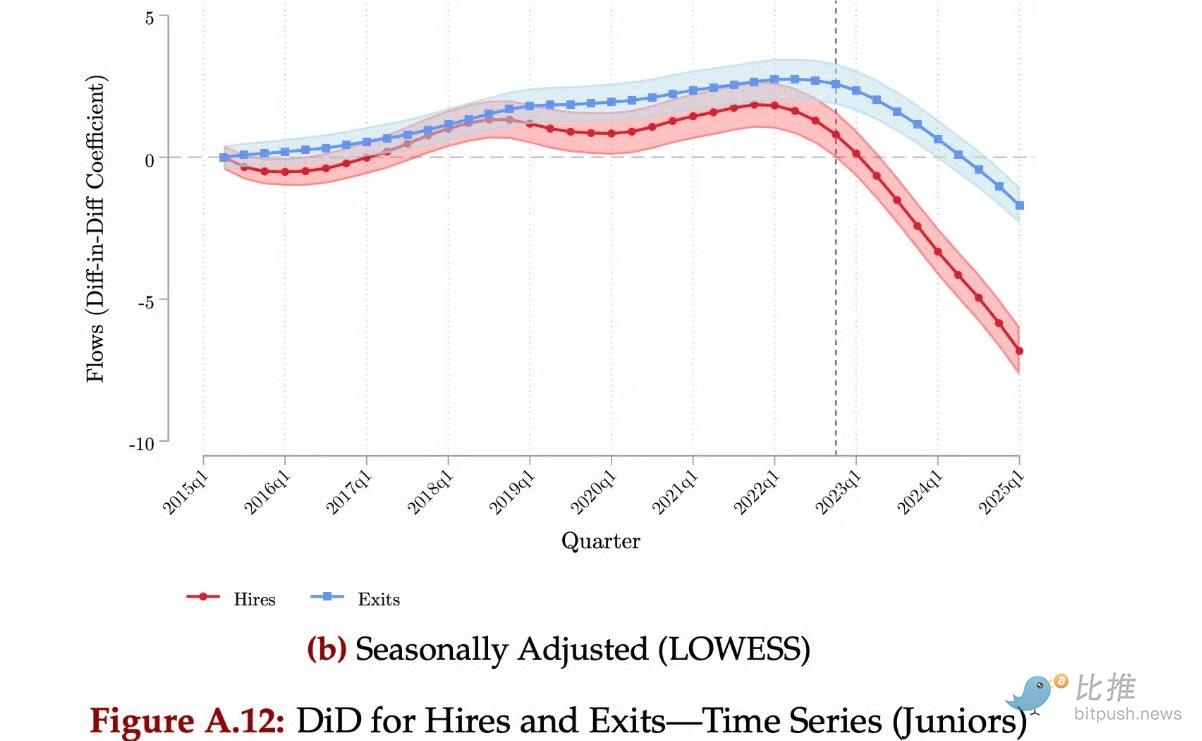
То же исследование поясняет, что сокращение занятости на начальных позициях «полностью осуществляется за счет снижения найма».
Эффект ИИ:
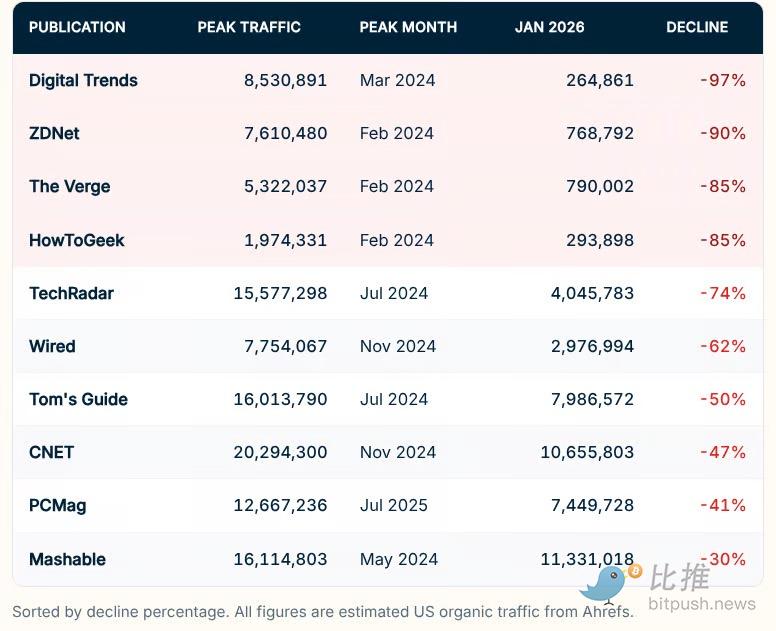
Сайты, куда люди долгое время обращались за советами по покупкам, такие как Wired и Tom's Guide, столкнулись с резким падением трафика. Теперь мы спрашиваем напрямую у чат-ботов —
а боты получают информацию именно с тех сайтов, которые они вытесняют с рынка.
Все еще ИИ?
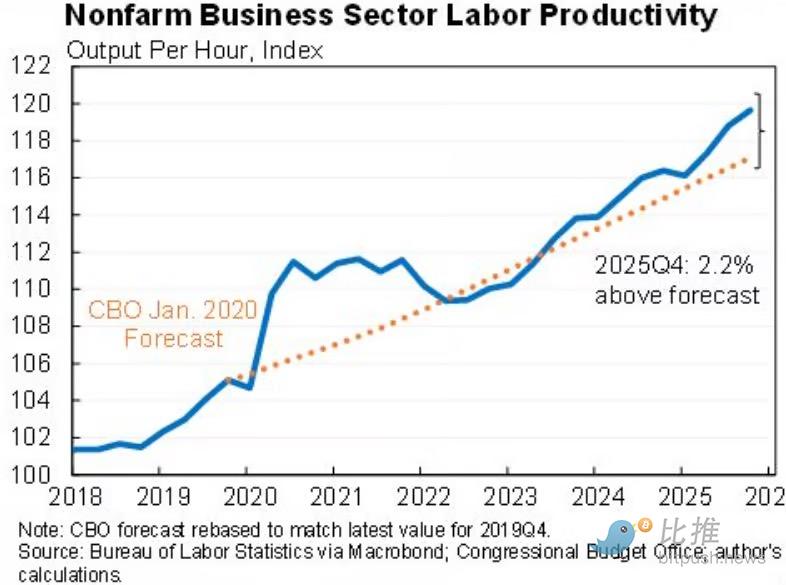
Профессор прикладного ИИ Алекс Имас отмечает, что данные о производительности на этой неделе «показывают признаки» того, что компании уже получают выгоду от ИИ.
Все только говорят?
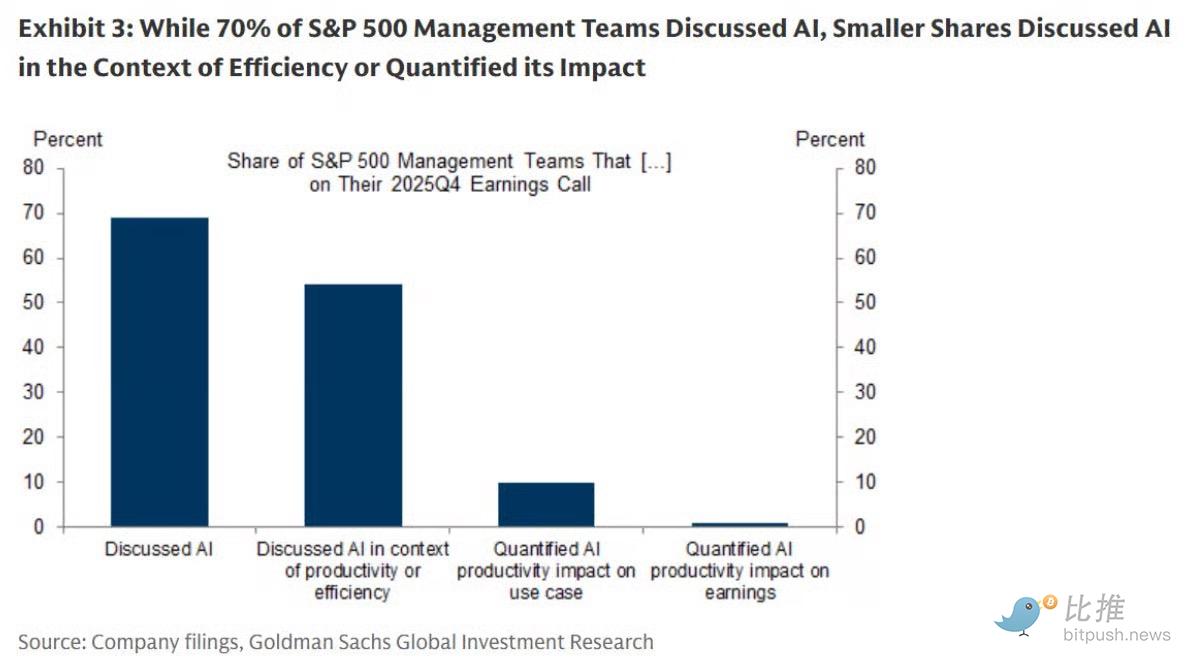
Данные Goldman Sachs (через Каллума Уильямса) показывают, что, хотя 70% компаний говорят об ИИ, лишь 10% могут объяснить, как он помогает их бизнесу, и только 1% могут количественно оценить его влияние на прибыль.
Работа всегда меняется:
Технологический журналист Роланд Манторп составил карту наиболее распространенных профессий 1980-х годов и обнаружил, что «секретарь» был самой распространенной работой в 19 штатах США.
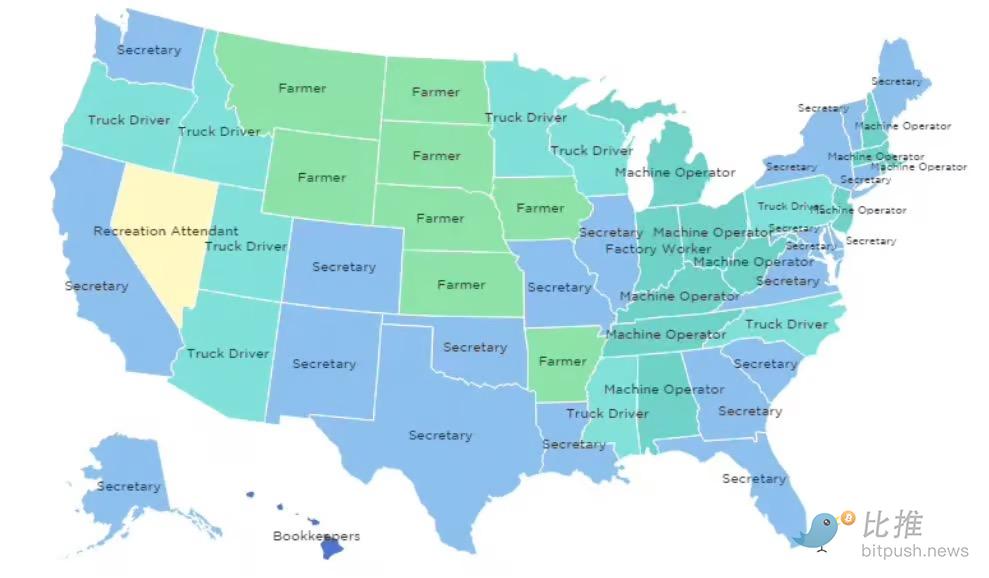
Работа, которую ИИ может и не может делать:
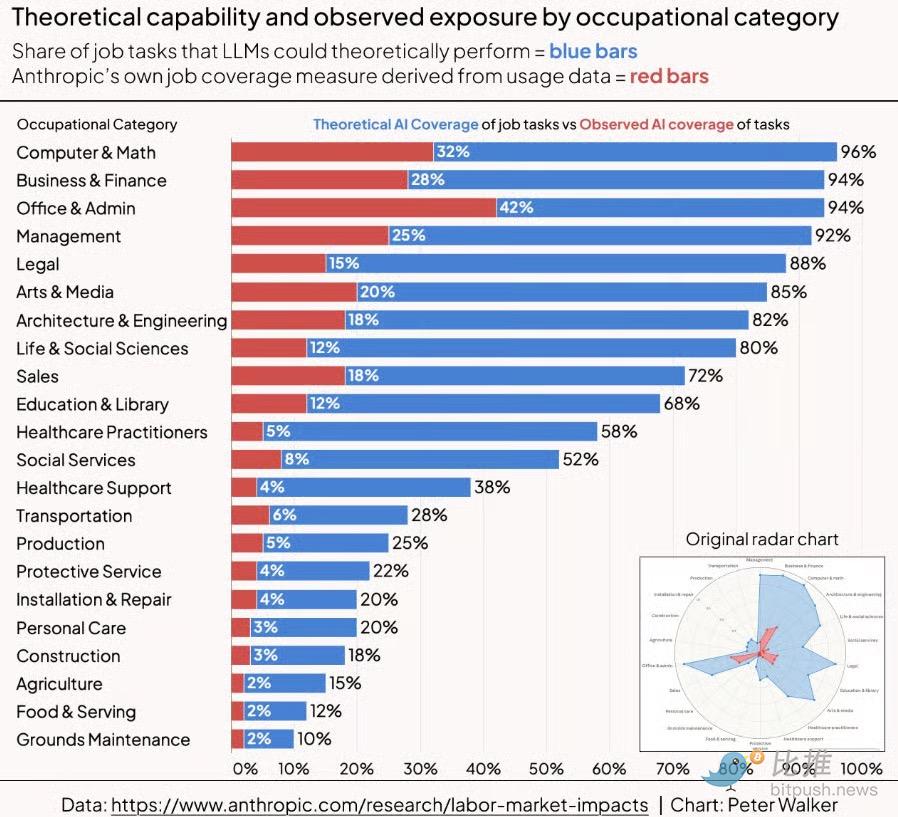
Питер Уокер переработал данные от Anthropic, показав, какую часть каждой профессии ИИ теоретически может выполнять (синий), и сколько на самом деле выполняется сейчас (красный).
Хороший вопрос!

В ответе на платформе X Борис Черный, отвечающий за Claude Code, объяснил, что весь код, который пишет Claude, создает новую работу, которую могут выполнять только люди.
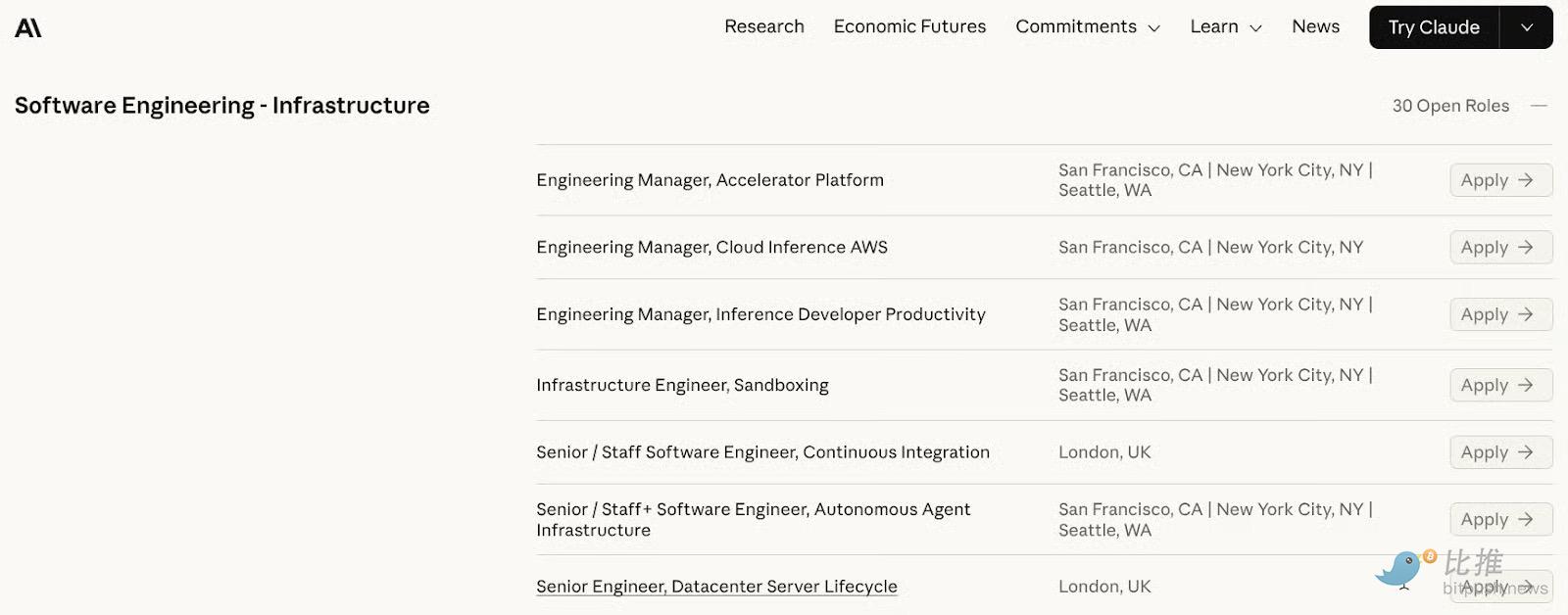
Годовой оклад: 405 000 − 485 000 долларов.
Это несколько вакансий от Anthropic и их зарплаты. Код пишет код, но кто-то же должен говорить коду, какой код писать, и это высокооплачиваемая работа.
Claude побеждает:
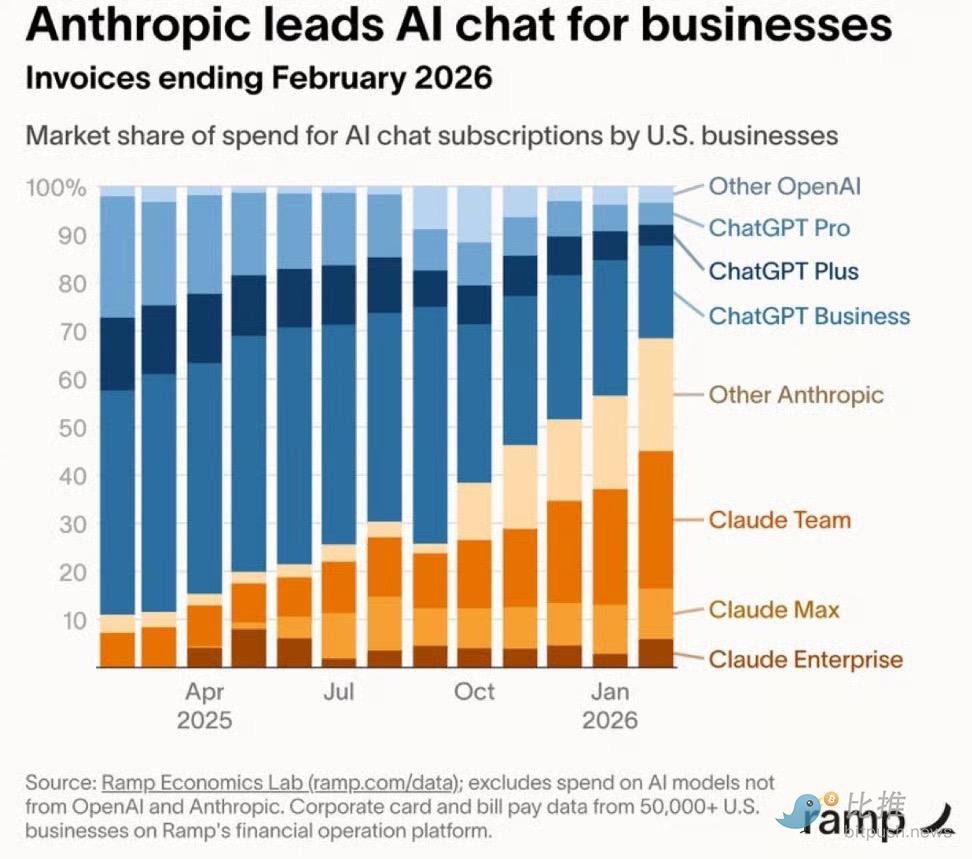
Невероятная диаграмма от Ramp показывает сокращающуюся долю OpenAI на бизнес-рынке (синий) в сравнении с растущей долей Claude (оранжевый).
Временное несоответствие:
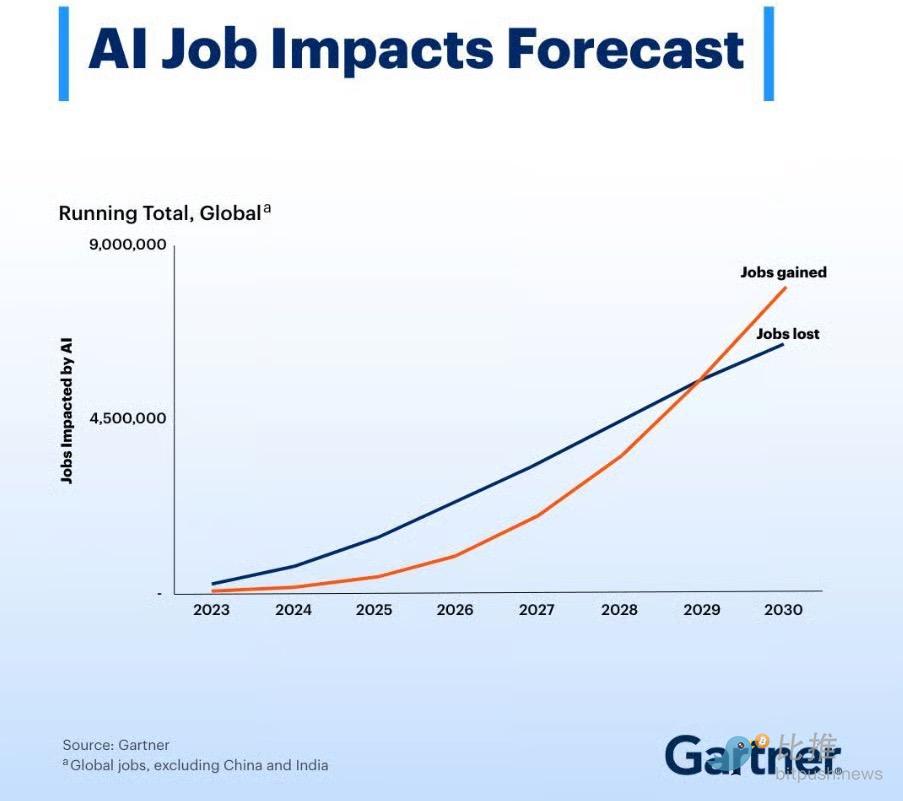
Исследование Gartner предсказывает, что «ИИ не принесет 'конца света для рабочих мест' — но принесет беспорядок на рынке труда». Они ожидают, что начиная с 2028 года ИИ будет создавать больше рабочих мест, чем устранять.
Назовите меня «оптимистом апокалипсиса», я думаю, все это произойдет быстрее, чем предполагается.
Приятных выходных всем трудолюбивым читателям.
Twitter:https://twitter.com/BitpushNewsCN
Группа общения в TG比推:https://t.me/BitPushCommunity
Подписка в TG比推: https://t.me/bitpush







