Авторы: Аманда Л. Гордон, Биз Карсон, Билл Эллисон, Bloomberg
Перевод: Saoirse, Foresight News
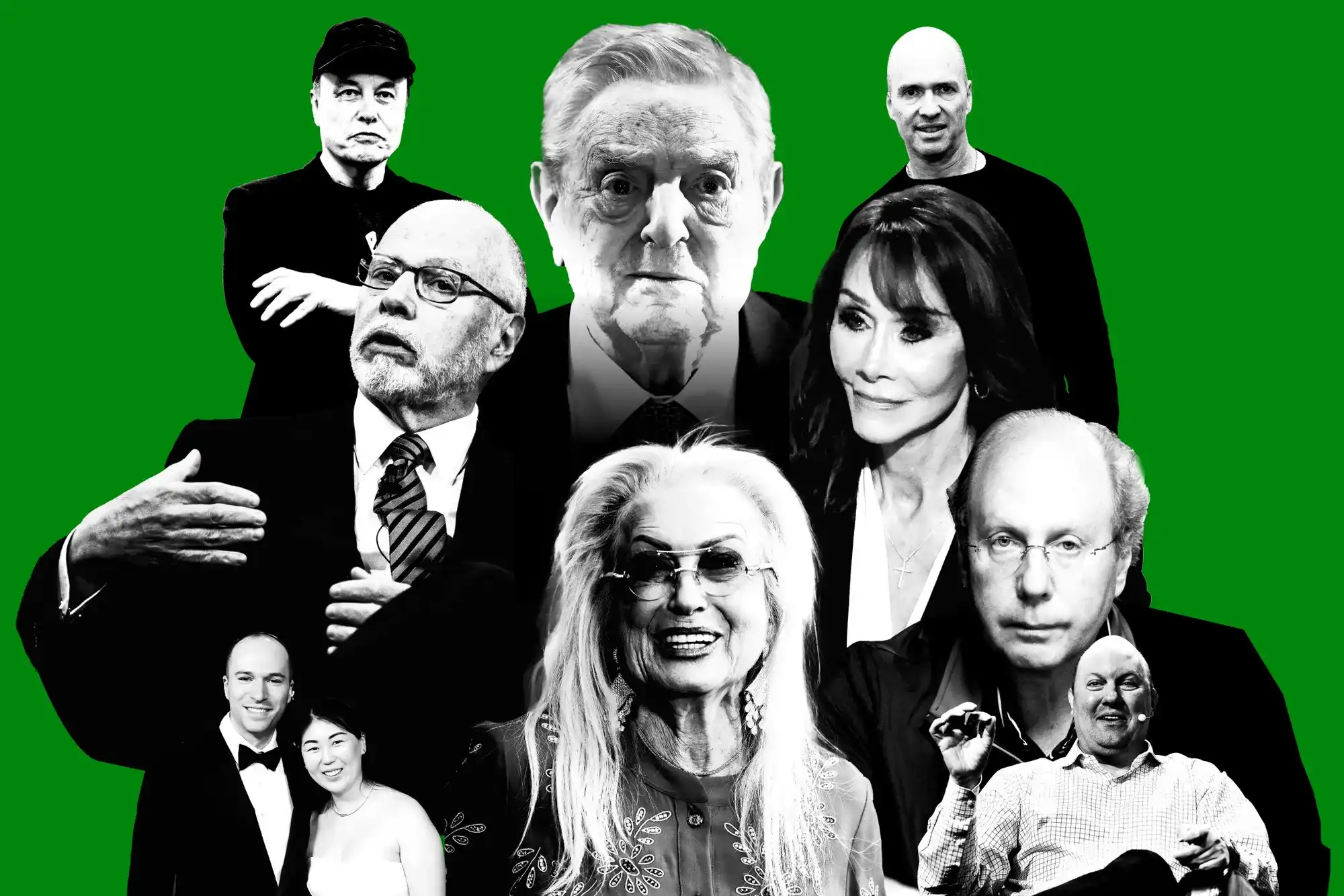
Джефф Ясс, миллиардер-основатель маркет-мейкера Susquehanna International Group, активно участвует в этом избирательном сезоне, пожертвовав к настоящему времени кандидатам и политическим делам на промежуточных выборах более 80 миллионов долларов.
Согласно данным, собранным Bloomberg News, эта сумма является третьей по величине среди индивидуальных доноров в текущем избирательном цикле, уступая лишь Джорджу Соросу и Илону Маску. В то время как пожертвования Сороса и Маска в основном направляются в их собственные суперпакеты (super PACs), Джефф Ясс является одним из крупнейших доноров MAGA Inc., связанной с Трампом, а также напрямую финансирует множество других получателей.
Его пожертвования охватывают сферы, которые он активно поддерживает, — включая 15 миллионов долларов в School Freedom Fund, выступающий за выбор школы, — а также многочисленных кандидатов, среди которых 20 миллионов долларов федеральному политическому комитету действий (PAC), поддерживающему кандидата в губернаторы Огайо Вивека Рамасвами.
Он также вкладывает средства в более узкие политические дела, включая 675 000 долларов в Aurora Action Network, организацию, стремящуюся отменить систему ранжированного голосования на выборах на Аляске, которая находится далеко от его родной Пенсильвании. Сам Джефф Ясс не ответил на запросы о комментариях.
Согласно индексу миллиардеров Bloomberg, состояние Джеффа Ясса составляет 83,8 миллиарда долларов. Обзор крупнейших доноров на данный момент показывает, что он лишь один из участников самых дорогих промежуточных выборов в истории.
По данным анализа Bloomberg, за этот избирательный цикл федеральные политические комитеты собрали более 4,7 миллиарда долларов от частных лиц, предприятий, анонимных организаций и других структур, и это без учёта пожертвований на уровне штатов и на местном уровне. Исследовательская компания по политической рекламе AdImpact прогнозирует, что только расходы на политическую рекламу достигнут 10,8 миллиарда долларов, что более чем на 20% больше, чем в 2022 году.
Крупные игроки бизнеса, вступающие на политическую арену США
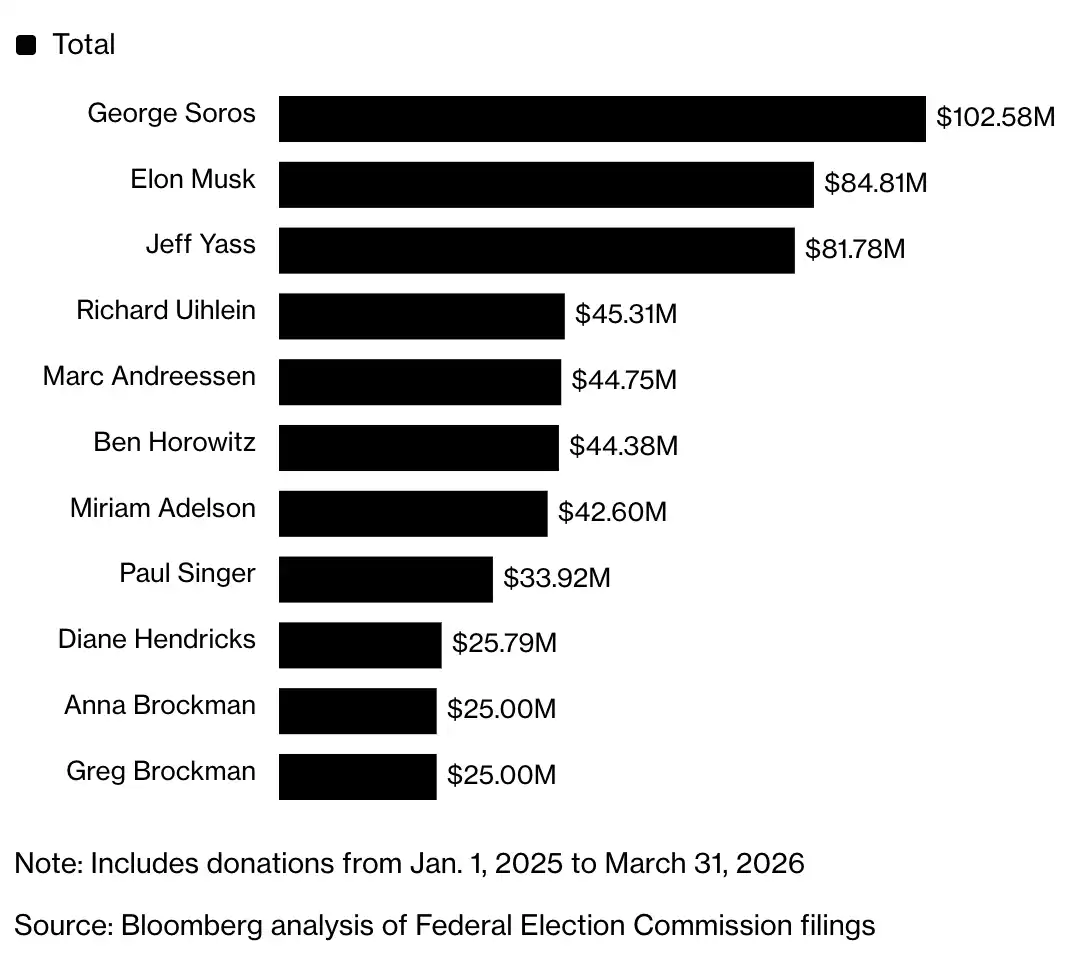
Крупнейшие индивидуальные доноры в федеральные комитеты в избирательном цикле 2026 года (общая сумма)
В настоящее время большая часть крупных денег поступает в казну республиканцев: Республиканская партия, связанные с ней суперпакеты в Сенате и Палате представителей, а также политические комитеты Трампа и MAGA Inc. вместе собрали 917 миллионов долларов в первом квартале этого года.
Это в 3,5 раза больше, чем 262 миллиона долларов, собранных Демократическим национальным комитетом и его комитетами в Сенате и Палате представителей вместе с суперпакетами за тот же период. Однако с точки зрения общего сбора средств на кампании демократические кандидаты всё ещё опережают своих республиканских оппонентов.
И это только те политические взносы, которые можно отследить публично. Так называемые «тёмные деньги» — когда доноры направляют пожертвования через некоммерческие организации, которым не нужно раскрывать источники финансирования, — составляют всё большую долю политических взносов в последних избирательных циклах, и эта тенденция сохранится и в 2026 году.
В центре этой гонки капиталов — борьба за контроль над Конгрессом и определение политического курса на последние два года президентства Трампа. Но для сверхбогатых, делающих щедрые пожертвования, на кону стоят и не менее важные личные вопросы: будет ли введен налог на миллиардеров в Калифорнии, какие правила регулирования ожидают индустрию искусственного интеллекта и криптовалют, каковы будут итоги местных выборов в штатах.
Соучредитель Google Сергей Брин за последние четыре месяца вложил в Калифорнию более 60 миллионов долларов, в основном на борьбу с предлагаемым законом о налоге на состояние. Соучредитель Ripple Крис Ларсен также потратил миллионы на борьбу с предложением о налоге на миллиардеров, а также сделал пожертвования организациям, пытающимся повлиять на политический ландшафт Калифорнии; его компания также пожертвовала 48,5 миллиона долларов прокриптовалютному политическому комитету действий Fairshake.
Губернатор Иллинойса, потенциальный кандидат в президенты на выборах 2028 года, Джей Би Прицкер, пожертвовал 10 миллионов долларов политическому комитету действий, чтобы помочь вице-губернатору штата Джулиане Страттон в её кампании, и она уже получила номинацию от Демократической партии на место в Сенате штата.
Важные праймериз в мае и июне, включая борьбу за место в Сенате Митча Макконнелла в Кентукки и напряжённые выборы губернатора Калифорнии, ещё впереди, а пик сбора средств на кампании ещё не наступил.
Некоторые из главных спонсоров прошлых выборов пока держатся в тени, и ожидается, что по мере приближения дня выборов 3 ноября новые миллиардеры присоединятся к списку крупнейших доноров.
Например, Кен Гриффин, основатель хедж-фонда Citadel, который был ключевым донором на выборах 2018 и 2022 годов, на этих промежуточных выборах пока сохраняет низкий профиль. Его текущие пожертвования в основном направляются в связанные с республиканцами политические комитеты на уровне штата во Флориде, куда он перенёс семейный дом и бизнес четыре года назад.
Ниже приведён список миллиардеров, которые на сегодняшний день в текущем цикле промежуточных выборов пожертвовали больше всего федеральным политическим комитетам. Все перечисленные лица либо не ответили на запросы о комментариях, либо отказались от них.
Подробности о крупнейших донорах
Джордж Сорос
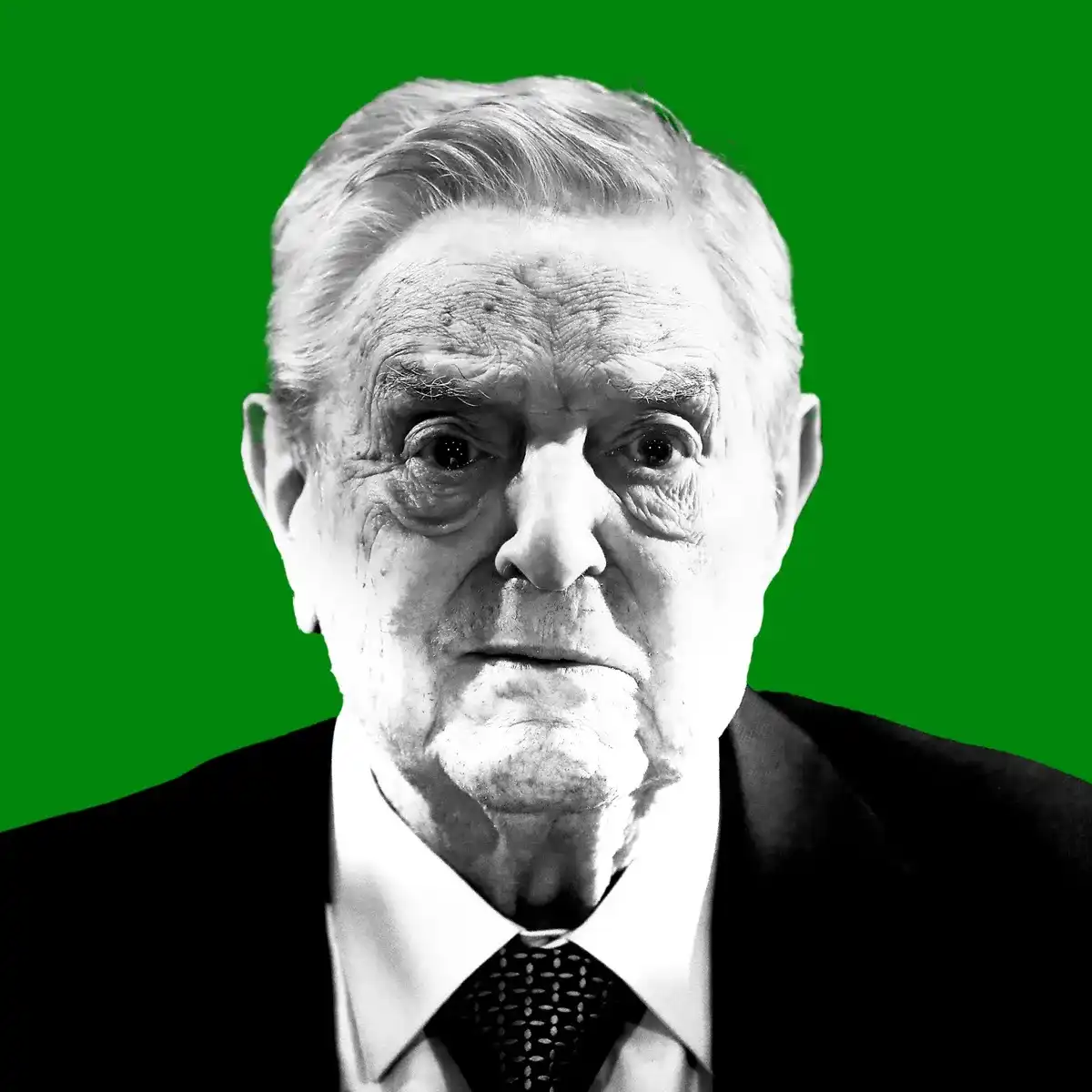
Иллюстрация: 731; Источник изображения: Getty Images
Общая сумма пожертвований: 102,6 миллиона долларов
Основные направления пожертвований: 102 миллиона долларов в Democracy PAC; 265 500 долларов в Демократический сенатский избирательный комитет (DSCC); 250 000 долларов в Демократический комитет по выборам в Палату представителей (DCCC).
Анализ влияния: 95-летний Сорос, давно участвующий в политической деятельности и финансирующий прогрессивные дела, действует через фонды, политические комитеты действий (PAC) и связанные с ними некоммерческие организации, работающие с Демократической партией и либеральным крылом. Основанный им Democracy PAC, которым руководит его сын Алекс, финансирует Рабочую семейную партию и прогрессивных кандидатов на выборах окружных прокуроров; полностью финансируемая им организация 501(c)(4) Fund for Policy Reform также вложила 10 миллионов долларов в борьбу за перераспределение округов в Калифорнии.
Илон Маск
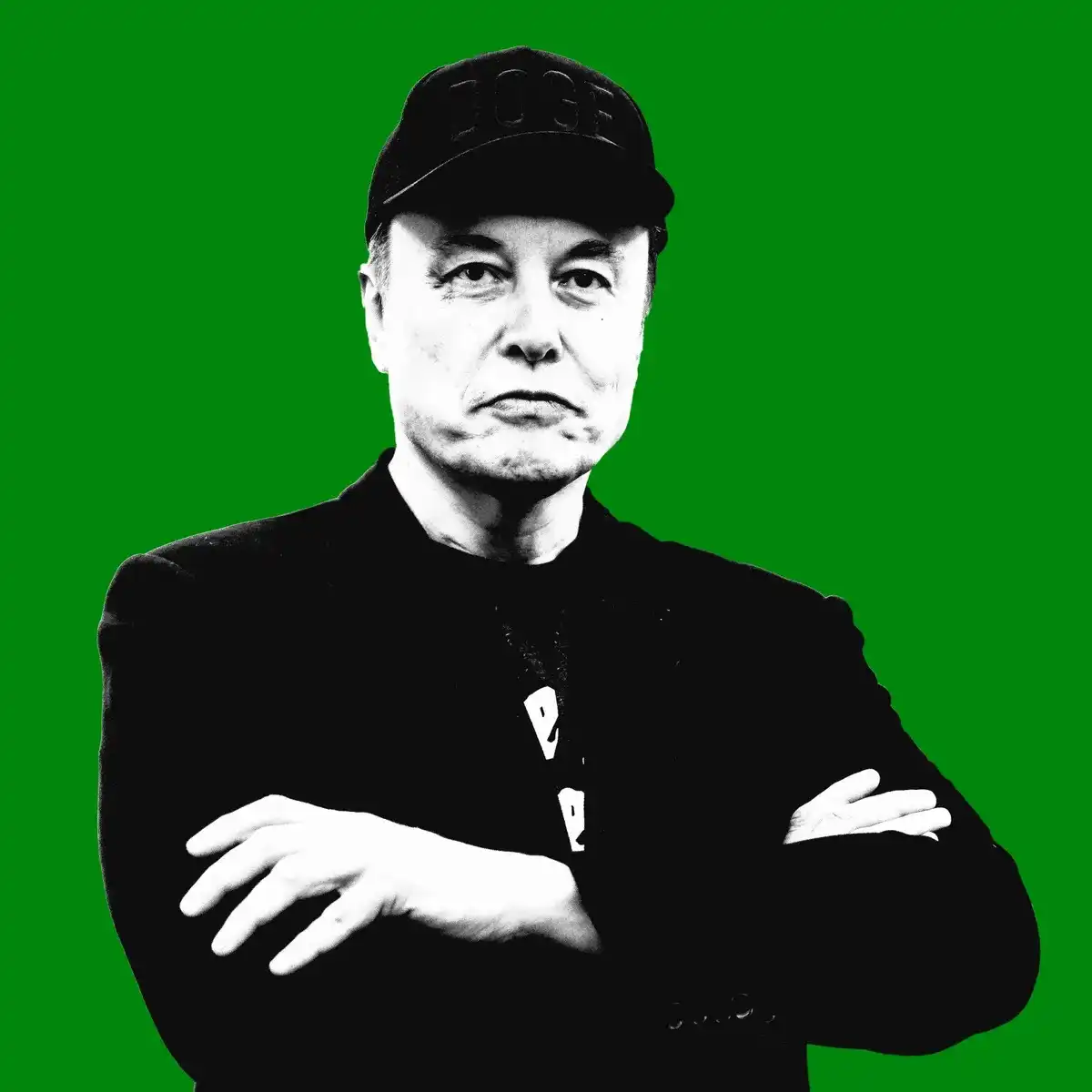
Иллюстрация: 731; Источник: Bloomberg
Общая сумма пожертвований: 84,8 миллиона долларов
Основные направления пожертвований: 50 миллионов долларов в America PAC; 10 миллионов долларов в Fight for Kentucky PAC; по 10 миллионов долларов в Senate Leadership Fund и Congressional Leadership Fund.
Анализ влияния: Соучредитель Tesla и SpaceX полностью поддерживает кампанию за второй срок Трампа, и, несмотря на периодические трения с президентом, планирует продолжать глубокое вовлечение в политику. Он действует независимо, вкладывая большую часть средств в основанный им America PAC, а также делая крупные пожертвования основным политическим комитетам действий, помогающим республиканцам бороться за места в Сенате и Палате представителей. Одной из причин, по которой 54-летний Маск продолжает участвовать в политике, является поддержка союзника Джея Ди Вэнса в борьбе за президентский пост в 2028 году. В качестве первого шага он поддержал кампанию Нейта Морриса, чья позиция близка к позиции вице-президента, на праймериз Республиканской партии за место в Сенате от Кентукки, которое занимает Митч Макконнелл, хотя Моррис снялся с гонки на прошлой неделе.
Джефф Ясс
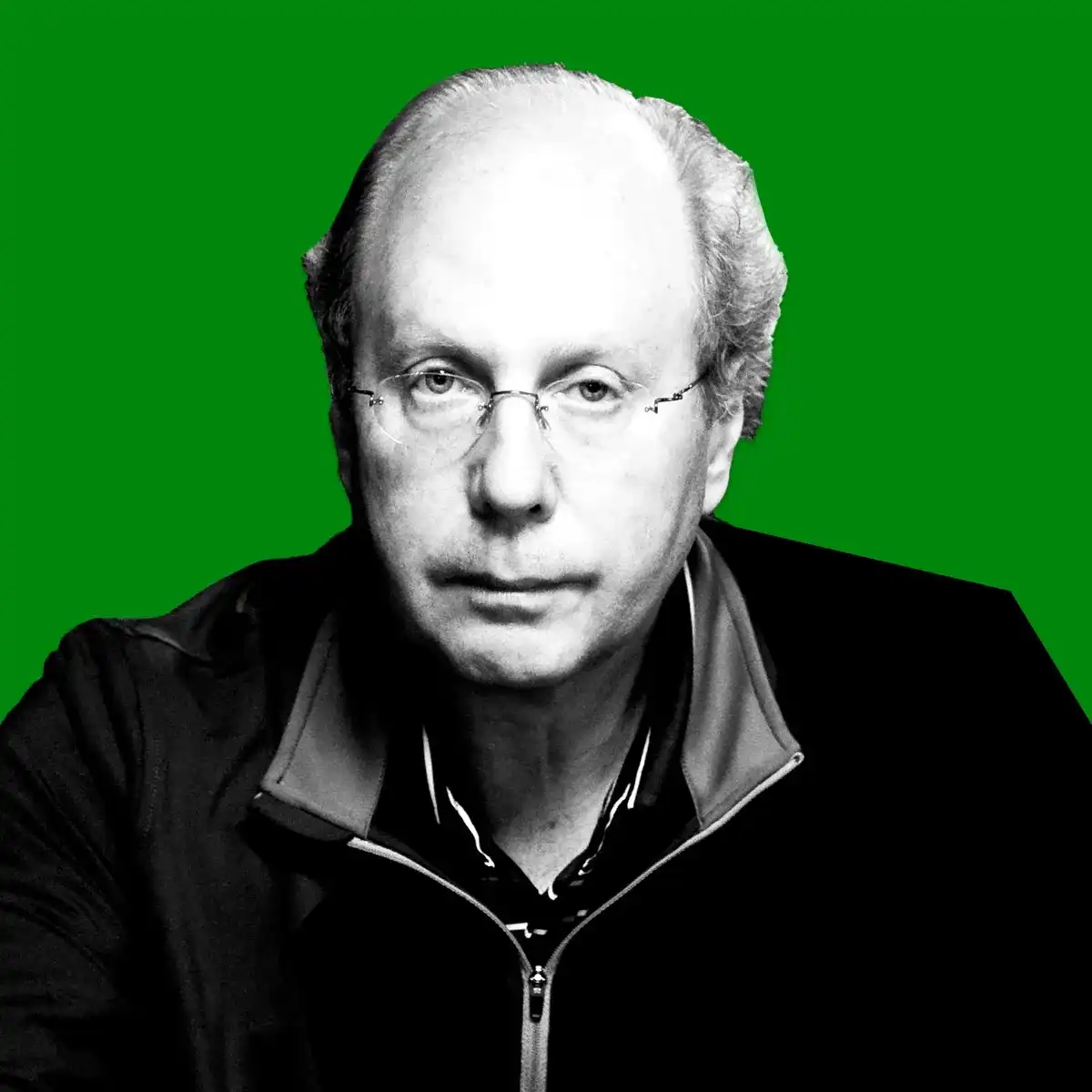
Иллюстрация: 731; Фотограф: Эдди Малук
Общая сумма пожертвований: 81,8 миллиона долларов
Основные направления пожертвований: 20 миллионов долларов в V-PAC, поддерживающий кандидата в губернаторы Огайо Вивека Рамасвами; 16 миллионов долларов в MAGA Inc.; 15 миллионов долларов в School Freedom Fund.
Анализ влияния: Основатель торговой фирмы Susquehanna International Group является одним из крупнейших индивидуальных доноров ключевого сборщика средств для Трампа — MAGA Inc. Деловые интересы Ясса тесно переплетены с политической программой президента: Трамп в прошлом году остановил попытки запретить TikTok в США, а Ясс и его фирма владеют долей в ByteDance, материнской компании TikTok. 67-летний Ясс предпочитает публично подчёркивать своё финансирование политических комитетов действий и кандидатов, выступающих за выбор школы. В интервью The Washington Post он сказал: «Я нашёл эффективный способ помочь десяткам миллионов детей, застрявших в плохой ситуации».
Грег Брокман и Анна Брокман
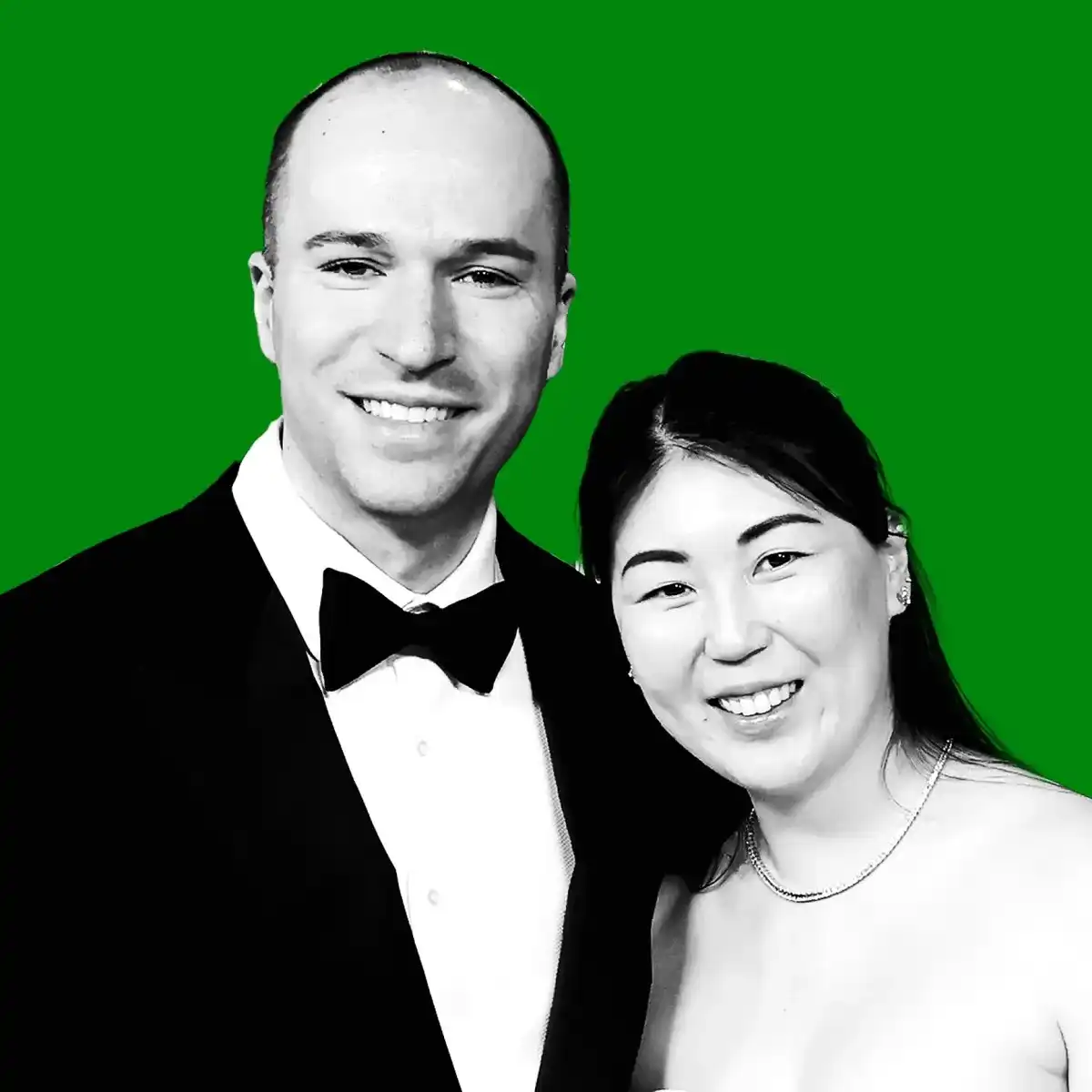
Фотоиллюстрация: 731; Источник: Getty Images
Общая сумма пожертвований: в совокупности 50 миллионов долларов (по 25 миллионов каждый)
Основные направления пожертвований: 25 миллионов долларов в Leading the Future; 25 миллионов долларов в MAGA Inc.
Анализ влияния: Соучредитель OpenAI Грег Брокман и его жена Анна являются ключевыми донорами суперпакета Трампа, а также делают пожертвования политическому комитету действий Leading the Future, который фокусируется на вопросах искусственного интеллекта. В ноябре прошлого года Трамп также пригласил супругов Брокман на ужин с наследным принцем Саудовской Аравии Мохаммедом бин Салманом. 38-летний Грег Брокман планирует увеличить поддержку Leading the Future в этом году, заявив, что по мере изменения общественных настроений поддержка кандидатов, благоприятствующих развитию ИИ, стала ключевым шагом для будущего человечества.
Ричард Юлайн
Общая сумма пожертвований: 45,3 миллиона долларов
Основные направления пожертвований: 39,6 миллиона долларов в Restoration of America PAC; 4 миллиона долларов в Fair Courts America; 1 миллион долларов в Northwoods Future PAC, который поддерживает зятя министра транспорта Шона Даффи, Майкла Альфонсо, в его кампании за место в Палате представителей от Висконсина.
Анализ влияния: 80-летний Ричард Юлайн, наследник состояния пивоваренной семьи Шлиц, убеждённый консерватор и соучредитель компании по продаже канцелярских товаров Uline. Он является основным спонсором Restoration of America PAC, который занимается вопросами честности выборов, укрепления обороны, антиабортной политики и продвижения консервативных кандидатов. Он также выступает за ослабление регулирования дальнобойных перевозок, утверждая, что действующие правила создают слишком тяжёлое бремя для грузовой отрасли.
Марк Андриссен
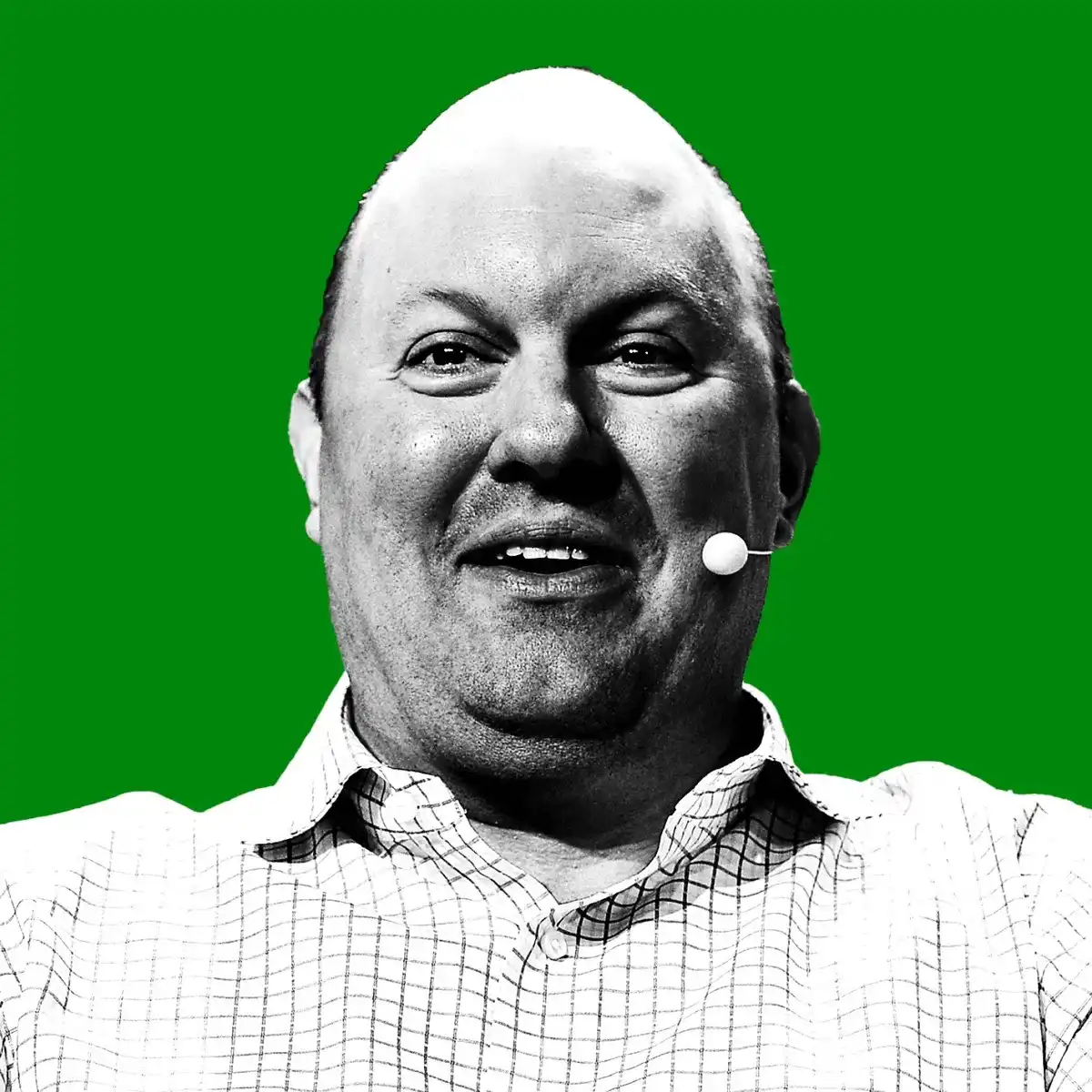
Фотоиллюстрация: 731; Источник: Getty Images
Общая сумма пожертвований: 44,7 миллиона долларов
Основные направления пожертвований: 25 миллионов долларов в Leading the Future; 11,9 миллиона долларов в Fairshake; 6 миллионов долларов в MAGA Inc.
Анализ влияния: 54-летний Марк Андриссен, ранее являвшийся донором для обеих партий и поддерживавший Барака Обаму в 2008 году, в июле 2024 года из-за разногласий с Джо Байденом по вопросам регулирования криптовалют и искусственного интеллекта публично поддержал Трампа. Этот венчурный капиталист из Кремниевой долины часто общается с Трампом по телефону и участвует в разработке технологической политики на федеральном уровне. Помимо личного пожертвования кампании Трампа в 2024 году, его фирма также финансирует два суперпакета: Fairshake, ориентированный на криптовалюты, и Leading the Future, занимающийся искусственным интеллектом.
Бен Хоровитц
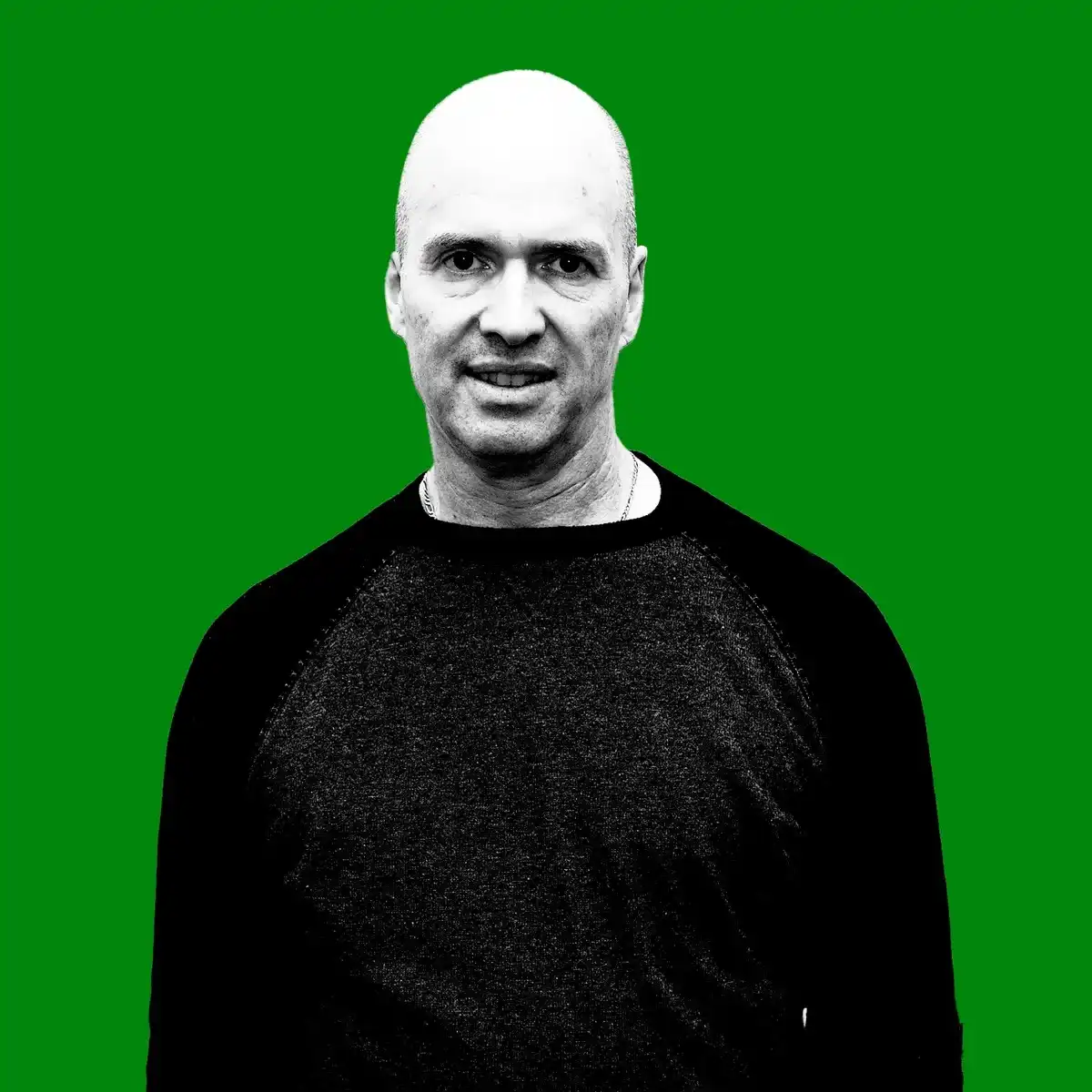
Фотоиллюстрация: 731; Источник: Getty Images
Общая сумма пожертвований: 44,4 миллиона долларов
Основные направления пожертвований: 25 миллионов долларов в Leading the Future; 11,9 миллиона долларов в Fairshake; 6 миллионов долларов в MAGA Inc.
Анализ влияния: Во время президентских выборов 2024 года Бен Хоровитц и его партнёр Марк Андриссен, поддержав Трампа из-за позиции по технологической политике, использовали стратегию пожертвований по обе стороны. Он традиционно склонялся к Демократической партии, а также из личной дружбы поддерживал кампанию Камалы Харрис. С тех пор 59-летний Хоровитц сосредоточил свои пожертвования на конкретных вопросах, направив большую часть средств в текущем избирательном цикле в политические комитеты действий, связанные с ИИ и криптовалютами, пожертвовав миллионы долларов MAGA Inc., а также сделав шестизначное пожертвование в Senate Leadership Fund PAC.
Мириам Адельсон
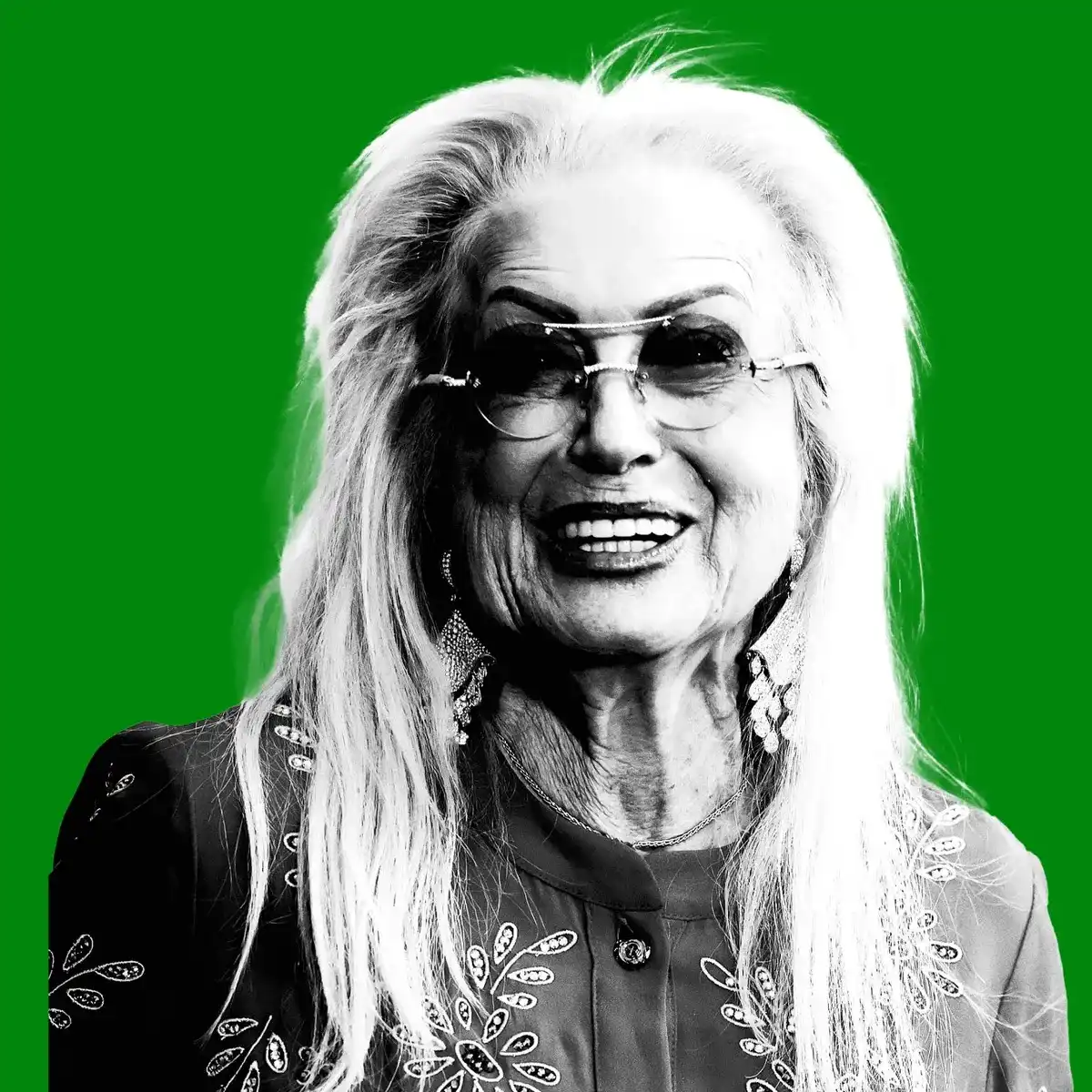
Фотоиллюстрация: 731; Источник: Getty Images
Общая сумма пожертвований: 42,6 миллиона долларов
Основные направления пожертвований: 30 миллионов долларов в Senate Leadership Fund; 10 миллионов долларов в Congressional Leadership Fund; 1 миллион долларов в Security is Strength PAC, поддерживающий сенатора от Южной Каролины Линдси Грэма.
Анализ влияния: 80-летняя израильско-американский врач Мириам Адельсон и её покойный муж, магнат казино Шелдон Адельсон, всегда были стойкими сторонниками Трампа, и в 2024 году Мириам Адельсон лично пожертвовала 95 миллионов долларов. Супруги также глубоко повлияли на политику администрации Трампа в отношении Израиля, например, способствуя переносу посольства США в Иерусалим.
Пол Сингер
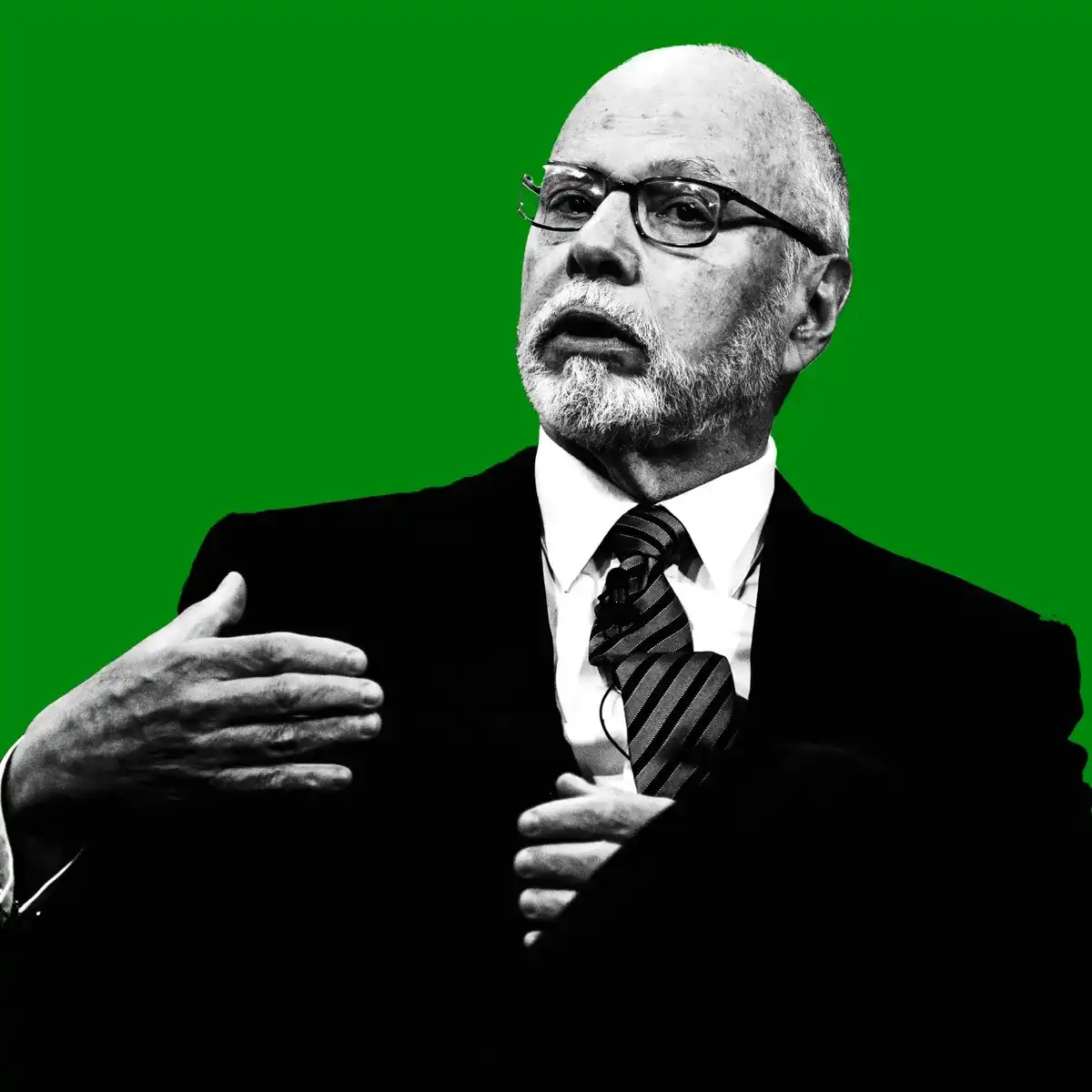
Фотоиллюстрация: 731; Источник: Getty Images
Общая сумма пожертвований: 33,92 миллиона долларов
Основные направления пожертвований: 14,5 миллиона долларов в Senate Leadership Fund; 8 миллионов долларов в Congressional Leadership Fund; 2,5 миллиона долларов в United Democracy Project, связанный с произраильским лобби AIPAC.
Анализ влияния: Этот активистский управляющий активами изначально не поддерживал Трампа, во время праймериз Республиканской партии в 2024 году он поддержал Никки Хейли, но впоследствии стал ближе к позиции кампании Трампа на второй срок, особенно в вопросах поддержки Израиля, жёсткой позиции в отношении Ирана и борьбы с антисемитизмом в университетских городках. 81-летний Пол Сингер также вкладывал средства в политические комитеты действий в ключевых избирательных округах Палаты представителей, включая два комитета, совместно пытающиеся сместить республиканского конгрессмена от Кентукки Томаса Масси, который вызвал недовольство Трампа за поддержку рассекречивания файлов Джеффри Эпштейна и голосование против помощи Израилю в 2023 году.
Диана Хендрикс
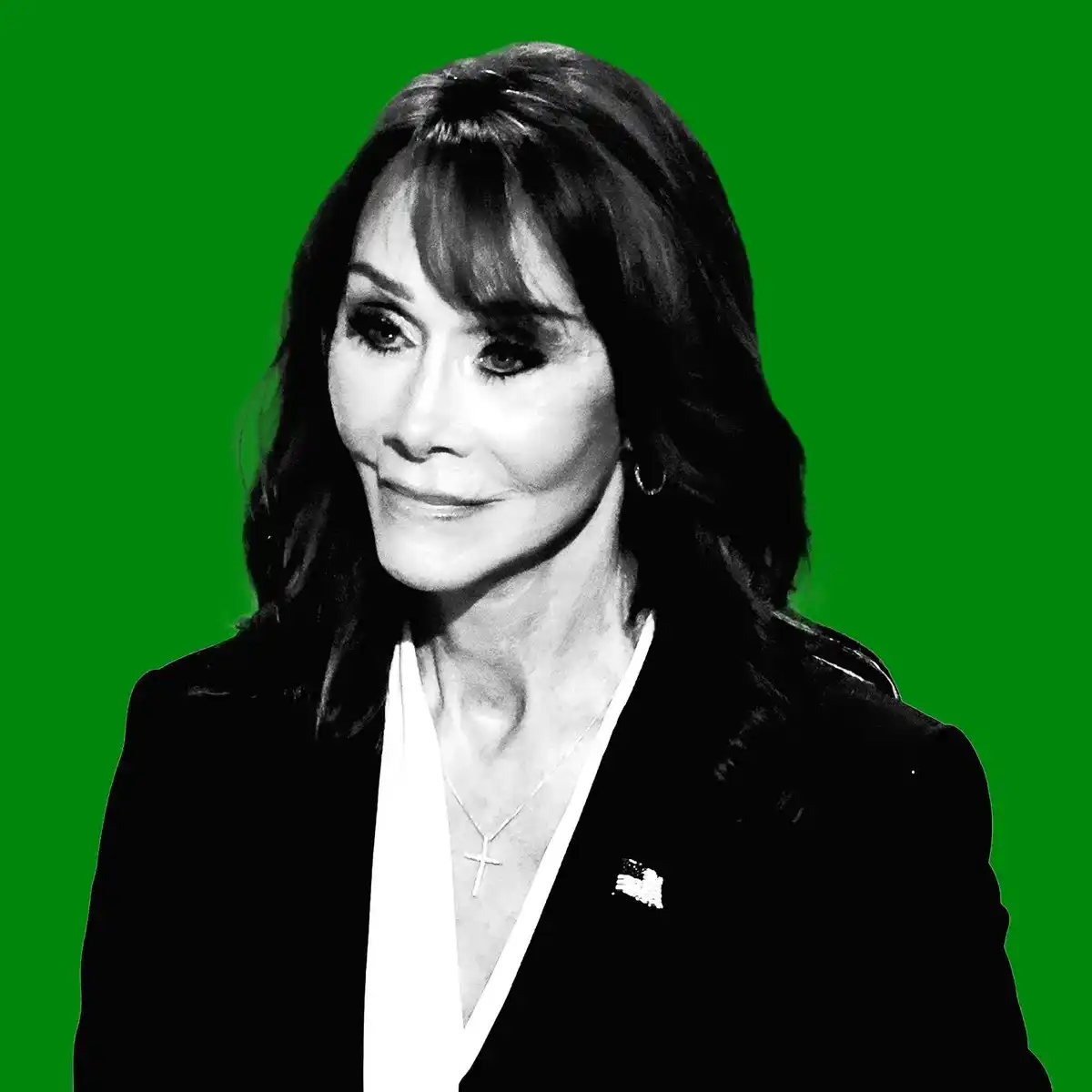
Фотоиллюстрация: 731; Источник: Getty Images
Общая сумма пожертвований: 25,79 миллиона долларов
Основные направления пожертвований: 25 миллионов долларов в MAGA Inc.; 413 000 долларов в Республиканский национальный комитет (RNC); 182 000 долларов в Defend Our Majority, поддерживающий кандидатов-республиканцев в Палату представителей.
Анализ влияния: 79-летняя Диана Хендрикс, самый богатый человек в Висконсине, соучредитель компании по дистрибуции строительных материалов ABC Supply и давний консервативный донор республиканских кандидатов. В 2016 году она поддерживала тогдашнего губернатора Висконсина Скотта Уокера в его президентской кампании, а затем перешла на сторону Трампа. Во время первого срока Трампа он назначил её членом Совета по национальной экономической политике. В этом году она также входила в состав президентской делегации на церемонии закрытия зимних Олимпийских игр.
Методология исследования
Bloomberg News проанализировал записи Федеральной избирательной комиссии США, чтобы определить пожертвования на сумму 10 000 долларов и более от частных лиц и организаций политическим партиям и комитетам политических действий в период с 1 января 2025 года по 31 марта 2026 года.
Имена доноров были стандартизированы, и в анализ включены частные лица, предприятия, анонимные организации, торговые ассоциации, профсоюзы, политические комитеты штатов и племенные организации американских индейцев. Если совместный комитет по сбору средств распределял пожертвования среди своих членов, они учитывались в соответствии с официальными данными.
Также проверялись крупные корпоративные пожертвования для выявления физических лиц, стоящих за ними. Чтобы избежать двойного счёта, внутренние переводы средств от совместных комитетов по сбору средств бенефициарным комитетам были исключены.





















