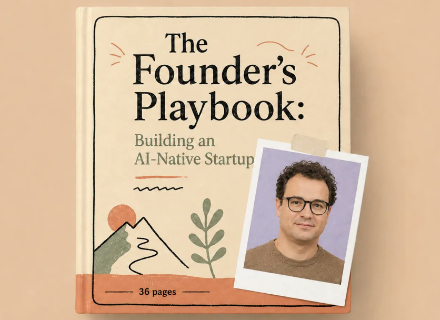
Пособие для основателей от Anthropic: Как создать AI Native компанию!
Вчера Anthropic выпустила «Руководство для основателей: как построить компанию, изначально созданную на основе ИИ». В документе пересмотрены четыре этапа жизненного циска стартапа — идея, MVP, запуск и масштабирование — с учетом возможностей ИИ, достижимых к 2026 году. Основные выводы:
1. **Основатель становится координатором ИИ**: Роль смещается от личного вклада к организации работы ИИ-агентов. Технические навыки перестают быть абсолютным барьером, и основателями могут стать эксперты в своей области — врачи, юристы, учителя и т.д., — которые лучше понимают реальные проблемы.
2. **ИИ снижает порог исполнения, но не оценки**: Создание прототипов упрощается, но это увеличивает риск быстрой разработки продукта, который никому не нужен. Ключевой этап — валидация идеи, а не построение.
3. **Маленькие команды получают возможности крупных**: ИИ позволяет небольшим группам выполнять задачи, ранее требовавшие нескольких отделов: разработку, исследования, продажи, поддержку. Конкуренция смещается от количества сотрудников к умению эффективно использовать ИИ.
4. **Новые источники конкурентного преимущества**: «Ров» компании создается не моделью ИИ, а:
- Глубокими отраслевыми знаниями.
- Данными пользователей, накопленными со временем.
- Интеграцией в рабочие процессы, что повышает стоимость перехода.
Итог: ИИ меняет не только продукты, но и саму структуру компании. «ИИ-нативная» компания — это не просто использование инструментов ИИ, а организация, с самого начала выстроенная вокруг ИИ в разработке, операциях и принятии решений.
marsbit05/19 03:56