# Сопутствующие статьи по теме Innovation

Новостной центр HTX предлагает последние статьи и углубленный анализ по "Innovation", охватывающие рыночные тренды, новости проектов, развитие технологий и политику регулирования в криптоиндустрии.
Dialogue with a16z Co-founder: AI, Entrepreneurship, Fairness, and 'American Opportunity'

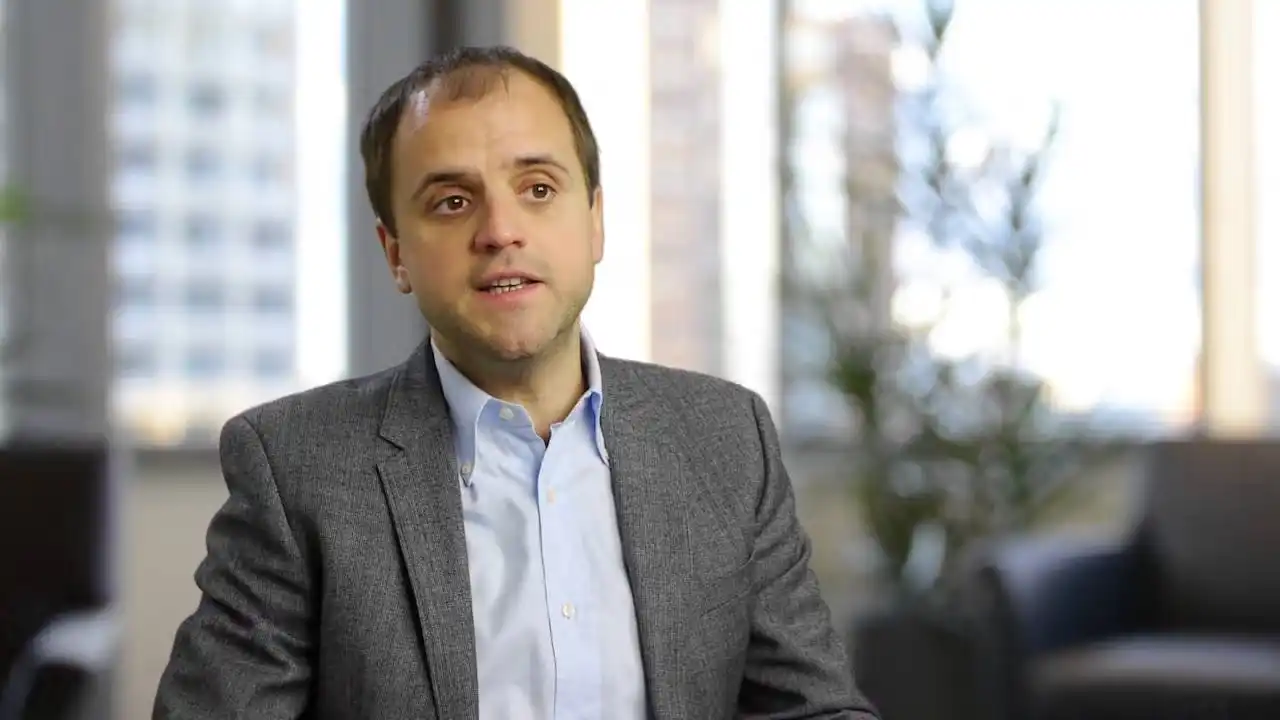
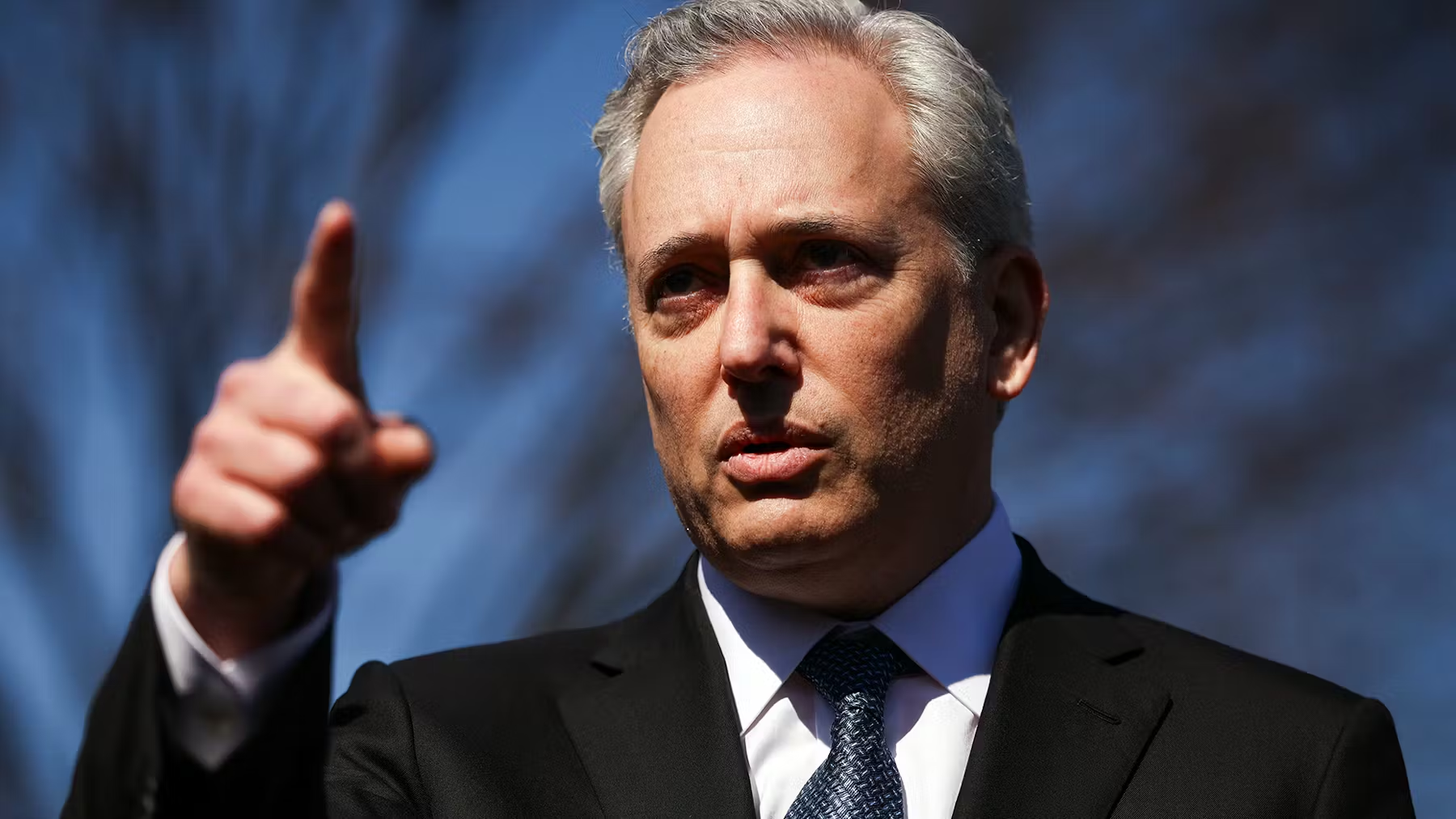
In a podcast interview, a16z co-founder Ben Horowitz discusses the transformative impact of AI, the state of entrepreneurship, and societal challenges. He believes AI is rapidly reshaping the economy and startup landscape, with significant industry changes expected within 12-24 months due to existing internet infrastructure enabling fast deployment. The biggest risk to progress is not technology but policy, particularly overregulation that could hinder innovation. Horowitz argues that while AI may increase inequality through a "Kobe Bryant effect"—amplifying returns for top performers—it also democratizes access to tools like education, legal advice, and mentorship via smartphones. He emphasizes that absolute fairness is less critical than ensuring opportunities for upward mobility, citing historical examples where automation created new jobs despite displacing old ones. On entrepreneurship, he explains how a16z differentiated itself by focusing on serving founders' needs—providing knowledge, networks, and confidence—rather than traditional VC prestige. He also shares insights from management icon Andy Grove, stressing the psychological challenges of leadership, such as making tough decisions like reorganizations. Horowitz highlights AI's potential in fields like software development (boosting productivity) and creative industries (enabling new art forms), and discusses a16z's collaboration with the Las Vegas Police Department to deploy AI-driven public safety solutions, reducing crime and improving efficiency. He concludes by reflecting on the importance of mentorship, recalling how an early career opportunity changed his life.

比推02/05 21:47

Dialogue with a16z Co-founder: AI, Entrepreneurship, Fairness, and 'American Opportunity'

比推02/05 21:47

14 Years After Incubating Coinbase, YC Finally Decides to Issue Investment Funds in USDC

Y Combinator (YC), the renowned startup accelerator behind companies like Airbnb, Stripe, and Coinbase, announced on February 3 that, starting from the Spring 2026 batch, it will offer its startups the option to receive their $500,000 investment in USDC stablecoin. This marks the first time YC has officially introduced a stablecoin payment method for its investments. The decision follows the U.S. GENIUS Act passed in July 2025, which established a federal regulatory framework for stablecoins, requiring 1:1 reserve backing and granting holders redemption rights. This regulatory clarity has removed a major barrier to institutional adoption of cryptocurrencies. YC's move is significant because it signals a shift from being a crypto investor to an active participant using stablecoins in its core operations. Benefits include near-instant, low-cost transactions, especially beneficial for international startups in regions like India and Latin America, where traditional banking can be slow and expensive. YC specifically selected USDC due to its U.S.-based issuer, Circle, and regulatory compliance. The accelerator will support USDC on Ethereum, Base, and Solana blockchains. While crypto-native VCs have used stablecoins before, YC’s standardized integration into its process for all startups—not just crypto projects—represents a major step for mainstream venture capital. This shift reflects broader trends: 90% of financial institutions are integrating stablecoins, which saw $46 trillion in transaction volume in 2025. YC continues to seek founders in areas like stablecoin applications, tokenization, and on-chain ventures through its Fintech 3.0 initiative.

marsbit02/05 06:33

14 Years After Incubating Coinbase, YC Finally Decides to Issue Investment Funds in USDC

marsbit02/05 06:33

Multicoin Partner: The World Turned Upside Down, Humans Will Work for AI in the Future

Multicoin Capital partner Shayon Sengupta argues that the future of AI will invert the traditional labor paradigm: rather than AI agents merely working for humans, humans will increasingly work for AI agents. He predicts the emergence of the first "Zero-Employee Company" within 24 months—a tokenized AI agent that raises over $1 billion to solve open-ended problems (like curing rare diseases) and distributes over $100 million to humans who perform tasks on its behalf. Sengupta categorizes agents into two types: those optimizing existing GDP (handling defined tasks like customer support) and those creating new GDP (tackling uncertain, exploratory problems). While agents excel at computation and strategy, they still require humans for physical execution, complex judgment, and strategic guidance. Humans will serve as both labor contributors (completing real-world tasks) and as a strategic "board" providing high-level direction. Crypto infrastructure is identified as critical for coordination, offering global payment rails, permissionless labor markets, and token-based governance. As agents become more capable, human input may diminish, but robust ownership and governance structures must ensure they remain aligned with human values. Key enabling tools will include proof-of-agenthood/personhood systems, verifiable labor markets, and new capital formation mechanisms.

marsbit02/04 09:19

Multicoin Partner: The World Turned Upside Down, Humans Will Work for AI in the Future

marsbit02/04 09:19

活动图片