# Сопутствующие статьи по теме Energy

Новостной центр HTX предлагает последние статьи и углубленный анализ по "Energy", охватывающие рыночные тренды, новости проектов, развитие технологий и политику регулирования в криптоиндустрии.


Edge AI Daily Morning Report (April 12)

Edge AI Daily Brief (April 12) **Silicon Valley Front:** CoreWeave expanded partnerships with Meta and Anthropic, reflecting surging AI compute demand. Major cloud providers in China raised prices by 5%-30% due to soaring GPU costs and a 1000x increase in daily token usage since 2024. Anthropic, with annualized revenue exceeding $30B, is exploring in-house chip development to address shortages and signed a 3.5GW TPU deal with Google and Broadcom. The U.S. MATCH Act tightened semiconductor export controls, lowering technology thresholds and threatening global supply chains. ASML and Tokyo Electron saw stock declines. OpenAI addressed a third-party Axios library security issue, requiring macOS app updates. Microsoft restructured Windows Insider channels to simplify testing. Meta, Amazon, and Google invested in small modular nuclear reactors (SMRs) to power energy-intensive AI data centers. Mozilla criticized Microsoft for forcing Copilot integration in Windows 11, highlighting broader concerns about user choice and DMA compliance. Microsoft paused new carbon credit purchases due to quality concerns. **Domestic Progress:** MUJI’s Q2 revenue grew 14.8%, while Amazon launched a global smart hub in Shenzhen to streamline cross-border logistics for Chinese sellers, cutting delivery times by up to 7 days. **Open Source Trends:** Meta AI and KAIST proposed "Neural Computers" (NCs), merging computation and memory into learning runtime states. Agent AI is shifting from prediction to world-state modeling, driving edge infrastructure redesign. Quantum computing demonstrated exponential advantages in classical data processing, using under 60 logical qubits to outperform classical machines. France began migrating government systems to Linux to enhance digital sovereignty and reduce U.S. tech reliance. (Source: Edge AI Daily, Guangjiao Guancha)

marsbitВчера 00:52

Edge AI Daily Morning Report (April 12)

marsbitВчера 00:52

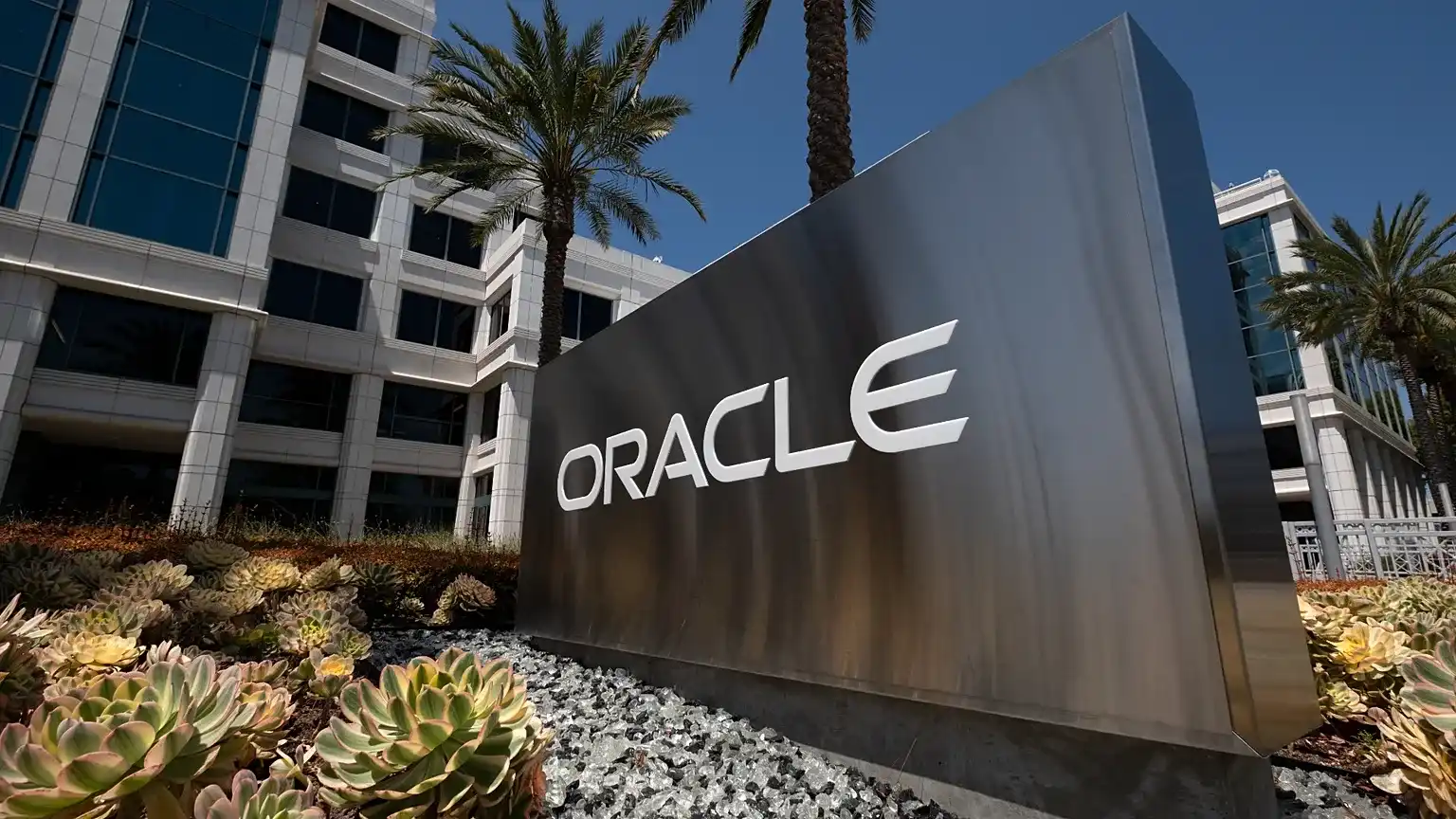
After Laying Off 30,000 Employees, Oracle Hires a CFO Who Managed Power Plants

Oracle, the global enterprise database giant, laid off approximately 30,000 employees, sparking widespread discussion. Shortly after, the company appointed Hilary Maxson as its new CFO with a compensation package of $297 million. Maxson’s background is notable: she spent nearly a decade as group CFO at Schneider Electric, a major energy management firm, and previously worked for 12 years at AES Corporation, a U.S. power company. Her entire career has revolved around the energy sector—managing power plants, grids, and data center energy solutions. This appointment signals a strategic shift for Oracle. After 12 without a dedicated CFO, the company is pivoting from its traditional software business toward cloud and AI infrastructure. Oracle’s cloud infrastructure revenue surged 84% year-over-year, with a capital expenditure budget of around $50 billion this year—almost entirely allocated to AI data center construction. The company has secured massive contracts, including one with OpenAI exceeding $300 billion, contributing to a total backlog of $553 billion. Data centers, especially at the gigawatt scale, require enormous power—equivalent to a nuclear power plant’s output—making energy management critical. Oracle is no longer just a software company; it’s transforming into an energy-intensive infrastructure provider. While Wall Street remains optimistic, the stock has fallen about 24% this year, reflecting investor concerns over this high-cost, capital-intensive transition. The hiring of an energy-focused CFO underscores Oracle’s new direction.

marsbit04/08 05:23

After Laying Off 30,000 Employees, Oracle Hires a CFO Who Managed Power Plants

marsbit04/08 05:23

Bitcoin Mining Companies Accelerate Departure from the Mining Era, MARA Massively Sells Coins to Dive into AI

Bitcoin mining company Marathon Digital (MARA) is accelerating its pivot away from cryptocurrency mining, selling a significant portion of its bitcoin holdings to fund a strategic expansion into AI and high-performance computing (HPC). Between March 4 and March 25, MARA sold 15,133 BTC for approximately $1.1 billion. The proceeds are intended to strengthen its balance sheet and provide flexibility for its new strategic focus on digital energy and AI/HPC infrastructure. This move reflects growing financial pressure within the mining sector, where profitability has sharply declined due to low hash prices and high operational costs. The company's CEO, Fred Thiel, had previously signaled this shift, stating the goal that 50% of revenue should eventually come from non-Bitcoin mining operations. MARA is repurposing its existing infrastructure—land, power resources, and data centers—originally built for mining to serve AI cloud clients. This transition is part of a broader industry trend, with major miners like Bitdeer and Core Scientific also moving into AI. Analysts note that mining industry valuations are diverging: companies with AI/HPC contracts trade at significantly higher revenue multiples than pure-play miners. With rising transformation costs, selling bitcoin reserves has become a necessary step for miners to survive increasing competition and fund their entry into the AI infrastructure race.

marsbit03/27 12:02

Bitcoin Mining Companies Accelerate Departure from the Mining Era, MARA Massively Sells Coins to Dive into AI

marsbit03/27 12:02

活动图片