Почему «крупная китайская кампания по борьбе с майнингом биткоинов» не оправдала первоначальных заявлений
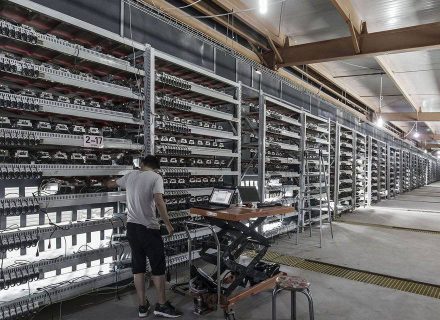
Недавние заявления о масштабных мерах против майнинга биткоинов в Синьцзян-Уйгурском автономном районе Китая вызвали беспокойство в индустрии цифровых активов, однако данные TheMinerMag свидетельствуют, что реальное воздействие оказалось значительно слабее, чем первоначально утверждалось. Согласно отчету, сеть Биткоина испытала кратковременное снижение хешрейта, которое также совпало с ограничениями электроснабжения в США. Крупнейшие майнинговые пулы восстановились до прежних уровней в течение нескольких дней, а чистое снижение составило около 20 EH/s, что значительно меньше, чем первоначально сообщалось. Данные показывают, что наибольшее падение хешрейта произошло в Северной Америке. Сообщения о прекращении работы майнинговых операций в Синьцзяне появились после заявлений бывшего исполнительного директора Canaan, но последующий анализ показал, что сбои, вероятно, были связаны с операционными или compliance-проблемами, а не с широкомасштабной кампанией властей. Несмотря на запрет 2021 года, на Китай, по оценкам, приходится 15–20% глобальной майнинговой активности Биткоина, а Синьцзян привлекает майнеров дешевой энергией и развитой инфраструктурой центров обработки данных.
cointelegraph12/18 19:27