A Crayfish Ignites the Tech World: Is Humanity Ready to 'Flip the Table'?
The article titled "A Little Lobster Ignites the Tech World: Is Humanity Ready to 'Flip the Table'?" discusses the rapid rise and implications of OpenClaw, an open-source AI agent that has quickly gained popularity in the tech community. Developed by an independent retiree, Peter Steinberger, OpenClaw allows users to run a functional AI assistant on low-end hardware like an old Mac mini or smartphone. It has attracted significant attention for enabling tasks such as scheduling, stock trading, podcast production, and SEO optimization, making the vision of a personal "Jarvis" seemingly attainable.
However, the excitement is tempered by practical challenges and risks. Despite its accessibility, installation can be complex and time-consuming, excluding non-technical users. More critically, OpenClaw’s high-level permissions pose security threats, including potential file deletion, unauthorized financial transactions, and vulnerability to malicious attacks. Over 1,000 OpenClaw instances and 8,000 vulnerable plugins have already been exposed, amplifying these risks.
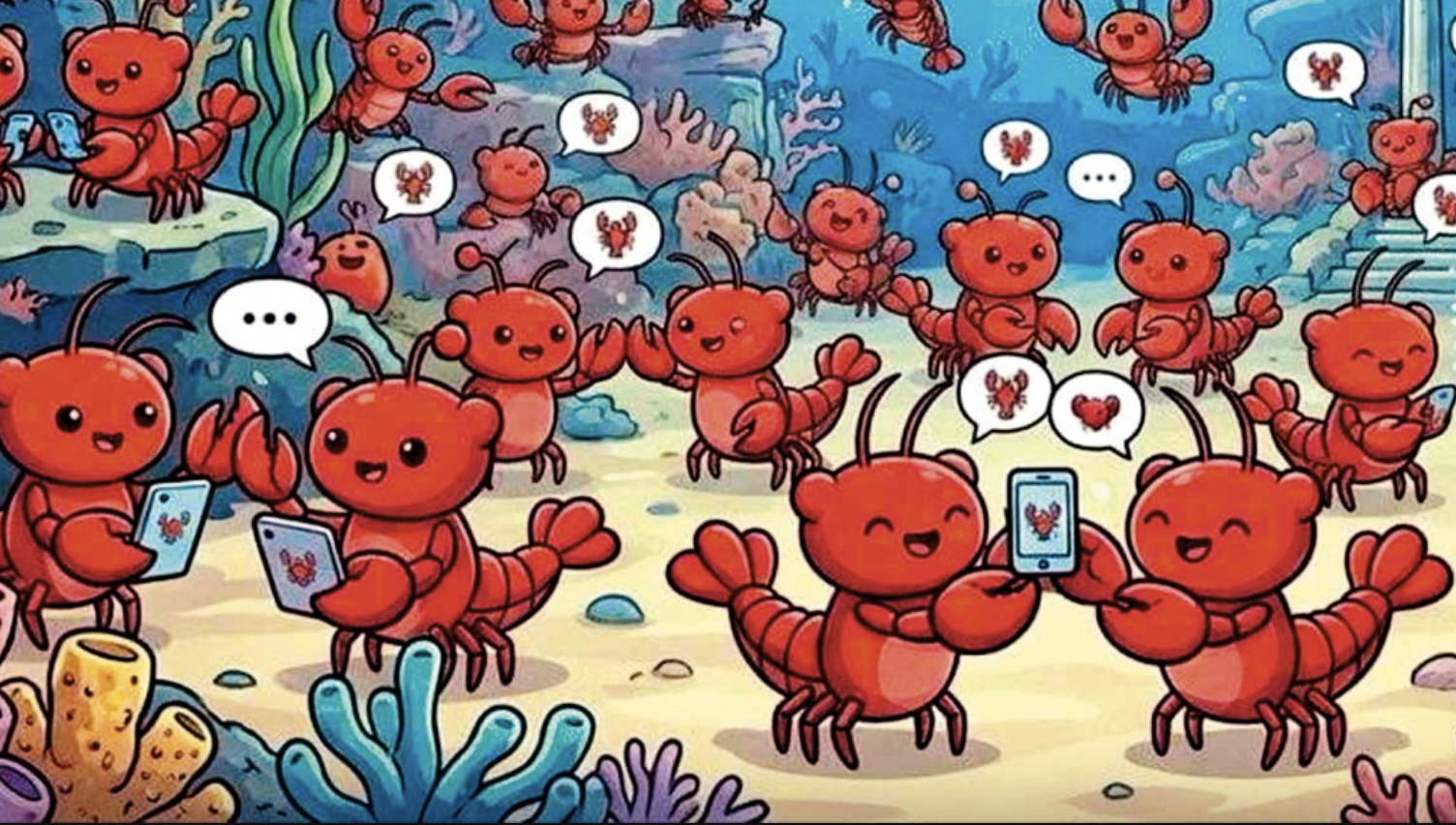
Experts note that while OpenClaw isn’t a technological breakthrough, it represents a milestone in AI agents' ability to perform complex, continuous tasks autonomously. Its open-source nature fosters innovation but also heightensates security and privacy concerns. The piece highlights emerging risks, such as AI agents evolving in social environments like Moltbook (an AI-only forum) and the blurred lines of accountability when things go wrong.
Recommendations for users include limiting sensitive data, cautiously managing permissions, and recognizing the tool’s experimental stage. For enterprises, professional oversight and secure alternatives are advised. Ultimately, OpenClaw signals rapid progress in AI, pushing the boundaries of what’s possible while urging the development of robust safety measures, including "endogenous security" and the capacity to "flip the table" in crises. The next few years are seen as critical for determining the future of general AI.
marsbit02/10 04:08