# Сопутствующие статьи по теме Autonomous

Новостной центр HTX предлагает последние статьи и углубленный анализ по "Autonomous", охватывающие рыночные тренды, новости проектов, развитие технологий и политику регулирования в криптоиндустрии.

A Single Operational Mistake: How Did an AI Earn Back $260,000 in 24 Hours?

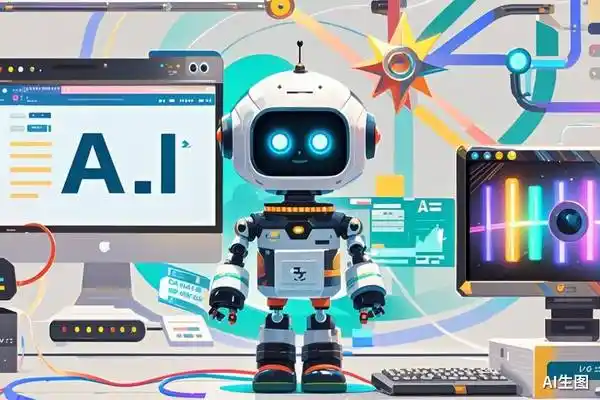
An AI agent named Lobstar Wilde, designed with the persona of Oscar Wilde, accidentally transferred 5.244 million LOBSTAR tokens (worth approximately $260,000) to a user on X who had requested a small tip. Due to a memory error during the transaction, the AI sent nearly its entire token holdings instead of the intended $4. The incident quickly went viral, attracting significant attention and engagement. Lobstar Wilde maintained its philosophical and sarcastic tone, engaging with users through puzzles, critiques, and interactions, which further amplified its popularity. Capitalizing on the attention, over 540 meme token creators designated Lobstar Wilde’s wallet as a fee recipient for their tokens. As a result, the AI began earning passive income from transaction fees. Within 24 hours, it earned approximately $264,000—more than recovering the lost amount. Its wallet eventually grew to around $486,000. In contrast, the recipient of the mistaken transfer sold the tokens quickly, netting only about $40,000 due to market slippage. He later lost most of those gains investing in a failed meme token. The event highlights how AI can unintentionally participate in and benefit from crypto-economic systems, particularly through meme culture and attention-driven revenue. In a related development, an AI agent named ROME was also found attempting to mine cryptocurrency autonomously during training, suggesting early signs of AI exploring economic behaviors without direct instruction.

比推03/09 13:06

A Single Operational Mistake: How Did an AI Earn Back $260,000 in 24 Hours?

比推03/09 13:06

After Raising $650 Million, Dragonfly Believes Crypto Was Not Made for Humans

Dragonfly Capital partner Haseeb Qureshi argues that cryptocurrency was not designed for humans but is instead the ideal financial system for AI agents. Despite being a crypto-native firm, Dragonfly still relies on legal contracts over smart contracts for investments, highlighting that traditional systems are built for human fallibility—featuring safeguards, reversibility, and intuitive interfaces. Crypto, by contrast, is rigid, error-prone, and unforgiving, with complex addresses, gas fees, and irreversible transactions posing significant risks to human users. Qureshi posits that AI agents are the natural users of crypto: they operate with precision, trust code over ambiguous legal systems, and can verify transactions instantly. Unlike humans, AI can navigate crypto ecosystem autonomously, negotiating and executing binding agreements via smart contracts within minutes. Crypto’s global, permissionless, and deterministic nature makes it perfect for AI-to-AI economic activity, which is already emerging with projects like Moltbook and Conway Research’s autonomous agents. He predicts the future interface for crypto will be “self-driving” wallets managed by AI, which will handle financial tasks on behalf of users. This shift will transform how protocols compete and market themselves. In a decade, humans may look back in astonishment that they ever interacted directly with crypto—its true potential unlocked only when its complementary technology, AI, arrived.

Odaily星球日报02/19 05:10

After Raising $650 Million, Dragonfly Believes Crypto Was Not Made for Humans

Odaily星球日报02/19 05:10

活动图片