Автор: Winnie, CryptoPulse Labs
28 мая Samsung Securities объявила о намерении инвестировать около 3063,7 млрд вон (примерно 203 млн долларов США) для приобретения примерно 2% акций Dunamu, оператора крупнейшей в Южной Корее криптовалютной биржи Upbit.
Это не просто обычное портфельное инвестирование; оно может означать более глубокий поворот в южнокорейской финансовой системе. Дело в том, что регулирующие органы Южной Кореи недавно начали подавать сигналы о возможном смягчении в будущем политики "разделения финансов и IT", то есть долгосрочных ограничений между финансовыми учреждениями и индустрией виртуальных активов.
Таким образом, вложение Samsung Securities в Dunamu по сути является опережающим захватом точкой входа в цифровые финансы следующего поколения со стороны традиционного финансового капитала Южной Кореи.
I. Южнокорейский финансовый капитал официально входит в криптоиндустрию
На протяжении долгого времени Южная Корея остаётся одним из самых активных крипторынков в мире.
Интерес южнокорейской молодёжи к криптовалютам чрезвычайно высок. Будь то биткоин, альткоины, мем-коины, AI Agent или тренды в ончейн-сегменте, Южная Корея часто становится одним из регионов с наиболее активной торговлей в мире. А Upbit — это практически сердце южнокорейского крипторынка.
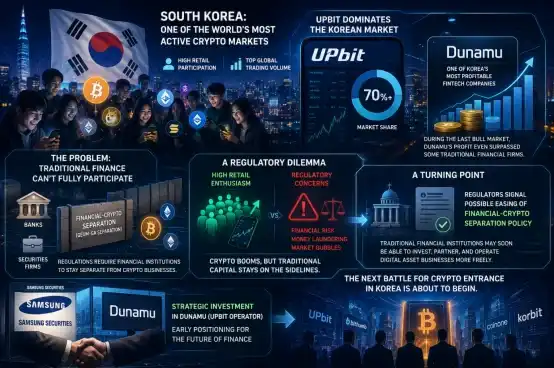
Будучи крупнейшей в стране криптовалютной биржей, Upbit долгое время занимает подавляющую долю торгового оборота на южнокорейском рынке, а её оператор, Dunamu, является одной из самых прибыльных финтех-компаний в Южной Корее.
В разгар прошлого бычьего рынка прибыль Dunamu даже на время превосходила показатели некоторых традиционных финансовых учреждений страны.
Однако в течение последних лет сохранялась одна проблема. Хотя традиционные финансовые учреждения Южной Кореи осознавали огромные объёмы трафика и прибыли в криптоиндустрии, они так и не смогли по-настоящему глубоко в неё войти.
Причина — в длительном соблюдении так называемой политики "разделения финансов и IT". Проще говоря, между финансовыми учреждениями и индустрией виртуальных активов должна была сохраняться определённая изоляция; банки, брокерские компании и другие традиционные финансовые институты не могли напрямую и глубоко интегрироваться в цепочку создания стоимости Crypto.
Такая логика регулирования по сути отражала давнюю зависимость и одновременно опасения Южной Кореи в отношении криптоиндустрии. С одной стороны, интерес частных инвесторов (ретейла) к торговле был крайне высок; с другой стороны, регуляторы беспокоились о финансовых рисках, рисках отмывания денег и рыночных пузырях.
Таким образом, за последние годы в Южной Корее сложилась весьма своеобразная ситуация: рынок криптовалют был чрезвычайно оживлён, но традиционный финансовый капитал долгое время оставался в стороне. Сейчас эта ситуация меняется.
Недавно южнокорейские финансовые регуляторы начали намекать на возможное постепенное смягчение политики разделения финансов и IT в будущем. Это означает, что традиционные финансовые учреждения в перспективе смогут более свободно инвестировать, сотрудничать и даже вести бизнес, связанный с цифровыми активами. Приобретение Samsung Securities доли в Dunamu сейчас — это по сути опережающий захват стратегической позиции.
Потому что всем традиционным финансовым учреждениям известно: как только регулирование действительно будет ослаблено, в финансовом секторе Южной Кореи обязательно начнётся новая волна борьбы за точки входа в криптопространство.
II. Почему Samsung Securities делает ставку на Upbit именно сейчас?
Приобретение Samsung Securities доли в Dunamu на первый взгляд кажется всего лишь финансовой инвестицией. Однако на самом деле за этим скрывается беспокойство традиционных финансовых учреждений Южной Кореи об изменениях в будущей финансовой системе.
За последние десять лет самым большим изменением в глобальной финансовой индустрии стала не интернетизация финансов, а их цифровизация. Например, цифровизация платежей, электронизация ценных бумаг, рост популярности ETF, стабильных монет. Всё больше финансовых операций постепенно мигрируют в ончейн-среду.
Криптобиржи также начинают эволюционировать от простых платформ для спекулятивной торговли к инфраструктуре финансов следующего поколения. Будь то Coinbase, Robinhood, Hyperliquid или Upbit — они уже не просто торговые площадки.
Они всё больше напоминают новых брокеров, новые платформы для выпуска активов, новые точки входа для платежей и даже ключевые узлы будущих ончейн-финансовых сетей. И самое большое опасение традиционных южнокорейских брокерских компаний заключается в том, что молодые пользователи постепенно отдаляются от традиционного рынка ценных бумаг.
Сегодня всё больше молодых пользователей теряют интерес к традиционным акциям. Напротив, они больше интересуются криптовалютами, стейблкоинами, ончейн-активами — эти новые финансовые модели привлекают огромный объём молодёжного трафика.
Для Samsung Securities продолжение работы по традиционной бизнес-модели в будущем может означать постепенную потерю влияния среди молодых пользователей и на новых финансовых рынках. Поэтому инвестиции в Dunamu по сути являются покупкой билета в эпоху цифровых финансов будущего.
Что ещё более важно, Upbit обладает не просто торговым бизнесом. У неё также есть крупнейшая в Южной Корее пользовательская база в криптопространстве, самая развитая система ввода и вывода вон, самая сильная ликвидность виртуальных активов и самый полный в стране доступ к Web3-экосистеме.
В будущем Upbit может стать одной из ключевых точек входа на финансовый рынок Южной Кореи, будь то для RWA, стейблкоинов, ончейн-ценных бумаг или цифровых ETF.
Досрочное приобретение доли Samsung Securities сейчас равносильно привязке к будущей цифровой финансовой инфраструктуре Южной Кореи. И стоит отметить, что основными продавцами акций выступили капиталы, связанные с Kakao, а не основатели Dunamu.
Это означает, что Dunamu привлекала средства не из-за нехватки денег, а скорее для корректировки структуры капитала на уровне акционеров. Другими словами, Samsung Securities активно "пробивает" себе билет на этапе высокой оценки компании.
И это, в свою очередь, свидетельствует о том, что традиционные финансовые учреждения действительно начинают долгосрочно и серьёзно смотреть на криптовалюты. Потому что только тот, кто действительно верит в будущее, готов делать ставки заранее, пока в индустрии ещё есть разногласия.
III. Южная Корея вступает в эпоху полной ончейн-трансформации финансов
Если взглянуть шире, можно заметить, что происходящее сейчас в Южной Корее очень похоже на тренды в США последних двух лет.
Самым большим изменением в США за последние годы стал не рост цены биткоина.
А то, что Уолл-стрит начала полностью принимать криптовалюты. BlackRock продвигает биткоин-ETF, Fidelity развивает услуги кастодиального хранения цифровых активов, Morgan Stanley открывает возможности для распределения активов в криптовалюты, всё больше американских банков изучают стейблкоины и ончейн-расчёты. По сути, США уже начали включать криптовалюты в традиционную финансовую систему.
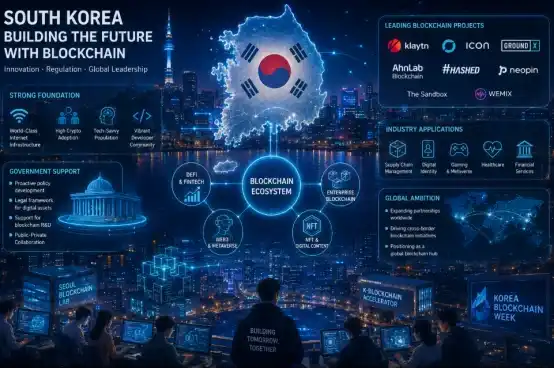
Южная Корея сейчас движется по тому же пути. Приобретение Samsung Securities доли в Dunamu — это, по сути, южнокорейская версия модели "традиционный брокер + Coinbase".
В ближайшие годы на рынке Южной Кореи, вероятно, появятся несколько важных трендов.
Во-первых, традиционные финансовые учреждения войдут в индустрию виртуальных активов в полном объёме. Включая крипто-ETF, кастодиальные услуги для цифровых активов, ончейн-ценные бумаги и т.д.
Потому что все финансовые учреждения понимают, что следующая волна модернизации финансовой инфраструктуры, скорее всего, произойдёт в ончейн-среде.
Во-вторых, криптобиржи станут ещё более "финансовыми". Многие биржи в прошлом по сути были лишь площадками для сводного сопоставления заявок. Но в будущем они могут постепенно превратиться в комплексные финансовые платформы.
На них можно будет не только торговать криптовалютами, но в перспективе, возможно, и ончейн-акциями, цифровыми облигациями, доходными продуктами на основе стейблкоинов.
В-третьих, Южная Корея может стать новым азиатским центром ончейн-финансов. В прошлом конкуренция в сфере цифровых финансов в Азии в основном была сосредоточена в Гонконге, Сингапуре и Дубае. Но Южная Корея обладает чрезвычайно сильной базой частных инвесторов, интернет-культурой и высокоактивной торговой экосистемой.
Как только регулирование действительно ослабнет, Южная Корея, вероятно, быстро станет одним из важнейших ончейн-финансовых рынков Азии. Особенно с точки зрения вовлечённости молодых пользователей южнокорейский рынок может оказаться даже более агрессивным, чем японский.
А оценка Dunamu примерно в 15,3 трлн вон также посылает очень важный сигнал. Рынок капитала уже начал переосмысливать криптобиржи.
Раньше многие считали, что биржи — это лишь бизнес с высокой волатильностью и высокими рисками, зависящий от циклов. Но сегодня всё больше капитала начинает рассматривать их как финансовую инфраструктуру следующего поколения.
По-настоящему ценными становятся уже не просто какие-то отдельные токены. Ценность представляют пользователи, ликвидность, возможности выпуска активов и позиция точки входа в будущем мире цифровых финансов.
С этой точки зрения Samsung Securities покупает не просто 2% акций Dunamu. Это больше похоже на приобретение места за столом в будущем финансовом порядке Южной Кореи.
Заключение
В последние годы в криптоиндустрии велись споры: заменят ли криптовалюты традиционные финансы или в конечном итоге будут поглощены ими?
Сегодня ответ становится всё более очевидным: будущий финансовый мир, вероятно, будет не "традиционные финансы против криптовалют", а полной ончейн-трансформацией традиционных финансов.
Приобретение Samsung Securities доли в Upbit — самое яркое воплощение этого тренда. Финансовый капитал Южной Кореи официально вступает на глубоководье криптопространства.