
Краткие факты:
- ➡️ Polymarket подает в суд на Массачусетс, чтобы установить, что рынки предсказаний являются федерально регулируемыми деривативами, а не азартными играми, регулируемыми на уровне штата.
- ➡️ Иск представляет собой критический тест для способности криптоиндустрии работать под федеральным надзором, а не под разрозненными законами штатов.
- ➡️ Токен SUBBD использует аналогичные децентрализованные принципы для разрушения экономики создателей контента объемом $85 млрд, предлагая инструменты ИИ и более низкие комиссии, чем конкуренты из Web2.
- ➡️ Конфликт подчеркивает более широкий рыночный тренд в сторону платформ, которые предлагают суверенитет пользователей и устойчивость к цензуре со стороны централизованных органов.
Битва за децентрализованные информационные рынки только что достигла переломного момента.
Polymarket, крупнейшая в мире платформа предсказаний, официально подала в суд на Содружество Массачусетс. Этот юридический маневр служит резким ответом на приказ о прекращении и воздержании, выданный генеральным прокурором штата, который обвинил платформу в ведении нелицензированной азартной деятельности.
Аргумент Polymarket держится на одном крючке: федеральное превосходство (federal preemption). Компания утверждает, что ее рынки являются финансовыми дериватами, подпадающими под юрисдикцию Комиссии по торговле товарными фьючерсами (CFTC), а не азартными играми, подчиняющимися законам штатов об азартных играх.
Это различие — не просто юридический термин, это вопрос выживания. Если рынки предсказаний будут классифицированы просто как азартные игры, их ждет кошмарная реальность с 50 различными регуляторами штатов. Если же они являются деривативами? Они сталкиваются с единой федеральной системой регулирования.
Этот иск следует прецеденту, установленному Kalshi, регулируемым конкурентом, который недавно одержал крупную победу против CFTC, что ободрило платформы бросать вызов чрезмерному регулированию.
Но дело не только в ставках на выборы или исходы спортивных событий. Конфликт подчеркивает трение между децентрализованными протоколами и устаревшими системами, которые с трудом классифицируют инновации Web3. Реакция рынка? Красноречива.
Вместо бегства, ликвидность в децентрализованных секторах углубилась. Инвесторы ищут суверенитет и полезность вне досягаемости произвольных ограничений.
Пока рынки предсказаний борются за право торговать правдой, токен SUBBD ($SUBBD) использует эти настроения для разрушения экономики создателей контента объемом $85 миллиардов. Поскольку пользователи ищут платформы, которые гарантируют право собственности и свободу от цензуры, SUBBD извлекает выгоду из сдвига в сторону децентрализованной монетизации.
Изучите экосистему токена SUBBD.
Разрушение экономики контента объемом $85 млрд с помощью ИИ и Web3
В то время как дело Polymarket подчеркивает борьбу за беспермиссионную торговлю, индустрия создания контента сталкивается с параллельным кризисом: централизацией.
Прямо сейчас гиганты Web2 душат ландшафт, изымая до 70% заработка создателей через комиссии и сохраняя абсолютную власть над тем, кто может монетизировать. Звучит знакомо?
Этот централизованный контроль создает хрупкую экосистему, где инфлюенсеры сталкиваются с произвольными банами, демонетизацией и ограничениями со стороны платежных процессоров. Токен SUBBD появился, чтобы устранить эти неэффективности, объединив финансовый суверенитет Web3 с продвинутыми инструментами ИИ.
Архитектура проекта построена так, чтобы возвращать ценность пользователю (концепция, чуждая большинству legacy-платформ). Используя блокчейн Ethereum, SUBBD устраняет посредников, которые обычно выкачивают доход, предлагая прозрачную платежную инфраструктуру, которая поддерживает создателей, фанатов и даже AI-инфлюенсеров.
Платформа интегрирует проприетарные модели ИИ непосредственно в экосистему, предлагая такие функции, как AI Персональные Ассистенты для автоматизированного взаимодействия и AI Клонирование Голоса. Почему это важно? Это позволяет создателям масштабировать свой выпуск контента без выгорания, связанного с традиционным стримингом.
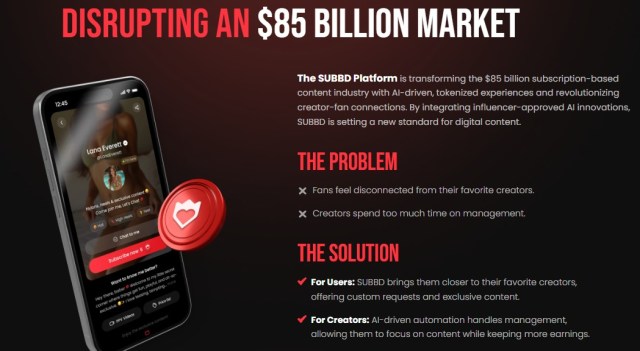
С рыночной точки зрения, полезность здесь выходит за рамки простой токенизации. Платформа вводит механизмы управления, которые позволяют держателям токенов голосовать за внедрение функций и курирование создателей, способствуя созданию сообщества, которым владеют пользователи, а не корпоративной диктатуры.
Для инвесторов, наблюдающих за регуляторным давлением на такие платформы, как Polymarket, SUBBD представляет собой осязаемое применение децентрализованных технологий, решающее четкую операционную проблему, а не полагающееся на чисто спекулятивную торговлю. Интеграция уровней членства ‘HoneyHive’ и эксклюзивного контента, доступного по токену, дополнительно связывает скорость обращения токена с ростом платформы.
Подробнее о $SUBBD здесь.
Импульс предпродажи SUBBD сигнализирует о спросе на децентрализованную монетизацию
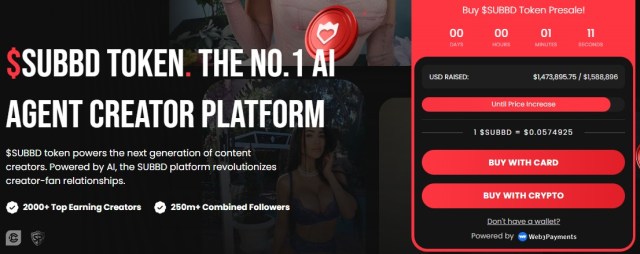
Голод к криптоактивам, движимым полезностью, виден в ранних цифрах проекта. Согласно официальным данным предпродажи, токен SUBBD уже привлек $1,47 млн, что указывает на сильные притоки капитала, несмотря на регуляторную неопределенность на broader рынке.
Текущая цена токена в $0,057495 предлагает важную точку входа для инвесторов, желающих извлечь выгоду из пересечения ИИ и экономики создателей до полного запуска платформы.
Финансовые стимулы играют важную роль в этой фазе раннего накопления. Протокол предлагает надежный механизм стейкинга, обеспечивающий фиксированную 20% годовую процентную доходность (APY) в течение первого года для пользователей, которые блокируют свои токены. Эта стратегия предназначена для снижения волатильности циркулирующего предложения во время начальной фазы расширения проекта.
Кроме того, стейкеры разблокируют специфические преимущества платформы, включая эксклюзивные трансляции, ежедневные закулисные материалы и множители XP, которые повышают их статус в экосистеме.
Похоже, что умные деньги делают ставку на сближение двух нарративов высокого роста: взрывного роста инструментов ИИ и необходимости устойчивых к цензуре платежей. В то время как иск Polymarket доминирует в заголовках относительно регуляторной юрисдикции, такие проекты, как токен SUBBD, строят инфраструктуру, которая делает традиционных привратников устаревшими.
Предлагая решение, которое сочетает более низкие комиссии, полезность ИИ и доходность от стейкинга, проект позиционирует себя как хедж против рисков централизации, которые в настоящее время поражают как рынки предсказаний, так и контентные рынки.
Купите свои токены $SUBBD здесь.
Эта статья предназначена только для информационных целей и не constitutes финансовой консультацией. Криптовалюты являются волатильными активами; всегда проводите собственное исследование, прежде чем инвестировать. Регуляторный ландшафт развивается и может повлиять на жизнеспособность проекта.

Похожие Посты

Binance доминирует в поставках Trump USD1, в то время как Bitcoin Hyper бьет рекорды

Ark Invest Кэти Вуд покупает больше бычьих активов всего через несколько дней после последней покупки, в то время как LiquidChain привлекает внимание

Bitcoin Hyper может покорить 2026 год, если Bitcoin вернет потерянные позиции

Tether стремится к $1, несмотря на обвал рынка, в то время как Maxi Doge достигает новых высот

Ethereum уверенно держится выше $2K, в то время как $LIQUID начинает привлекать внимание: Анализ цен и прогноз

Осужденный CEO FTX SBF кричит о «Байденовском Lawfare» в попытке получить помилование от Трампа
Связанные с этим вопросы
QПочему Polymarket подал в суд на штат Массачусетс?
APolymarket подал в суд на штат, чтобы оспорить приказ о прекращении деятельности, выданный генеральным прокурором. Компания утверждает, что ее рынки прогнозов являются финансовыми деривативами, подпадающими под юрисдикцию федеральной Комиссии по торговле товарными фьючерсами (CFTC), а не азартными играми, регулируемыми на уровне штата.
QКакое ключевое различие между регулированием азартных игр и деривативов в США?
AКлючевое различие заключается в уровне регулирования. Азартные игры регулируются законами отдельных штатов, что создает фрагментированную систему из 50 различных регуляторов. Деривативы же регулируются на федеральном уровне единым органом — CFTC, что обеспечивает более последовательные и предсказуемые правила для бизнеса.
QКакой проект использует текущую ситуацию для продвижения своей платформы и что он предлагает?
AПроект SUBBD Token ($SUBBD) использует эту ситуацию, чтобы продвигать свою децентрализованную платформу для создателей контента. Он предлагает сочетание инструментов искусственного интеллекта и Web3-монетизации с низкими комиссиями, стремясь disrupt-нуть централизованную экономику создателей стоимостью $85 миллиардов.
QКаковы основные преимущества и функции платформы SUBBD Token?
AОсновные преимущества SUBBD включают: значительно более низкие комиссии по сравнению с Web2-платформами, инструменты ИИ (личные ассистенты, клонирование голоса), децентрализованное управление, где держатели токенов голосуют за функции, и механизм стейкинга с фиксированной APY 20% в первый год.
QКакой прецедент в недавнем прошлом повлиял на решение Polymarket подать в суд?
AНа решение Polymarket повлиял недавний прецедент, созданный его конкурентом Kalshi. Kalshi удалось выиграть дело против CFTC, что укрепило позиции подобных платформ в борьбе с чрезмерным регулированием и воодушевило другие компании оспаривать действия регуляторов.






