Автор: Марк Вартабедян, New York Post
Перевод: Лаффи, Foresight News
Платформа предсказательных рынков Polymarket расследует предполагаемый случай промышленного шпионажа со стороны конкурента. Платформа позволяет пользователям делать ставки на спортивные события, погоду и геополитические конфликты. Компания обвиняет своего главного конкурента, Kalshi, в использовании недобросовестных методов для кражи коммерческой информации и копирования продуктов.
Этой нью-йоркской платформой предсказаний, возглавляемой 27-летним генеральным директором Шейном Копланом, был составлен так называемый «файл плагиата» — проверочный материал, содержащий более десятка подозрительных случаев: время запуска новых продуктов Kalshi, их дизайн и узлы релизов до подозрительного совпадают с Polymarket.
Руководитель отдела рынков Polymarket Мэтью Модаббер в телефонном интервью заявил, что совпадений слишком много, чтобы быть случайными, и что конкуренты целенаправленно копируют, шаг за шагом наступая на их бизнес.
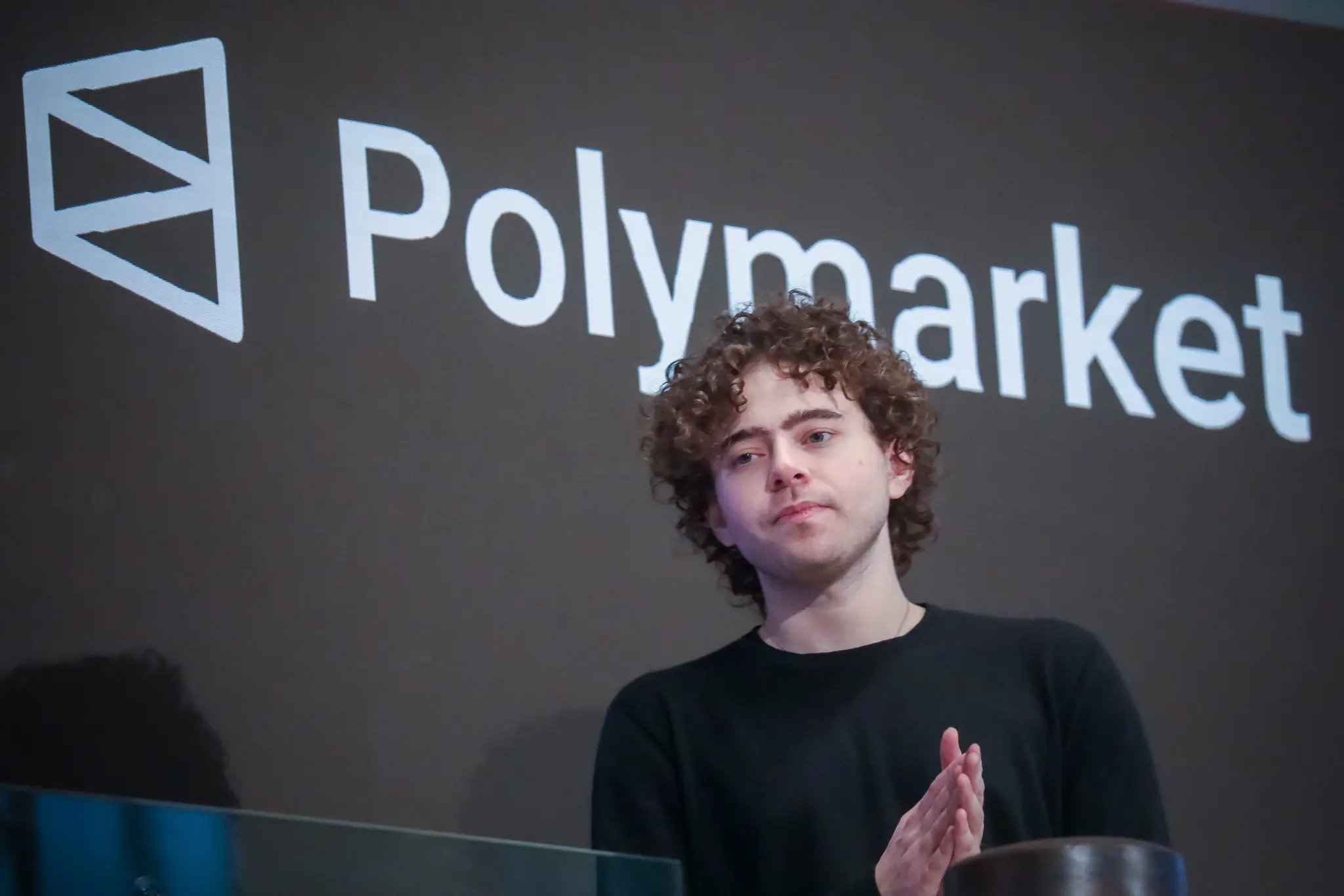
Генеральный директор Polymarket Шейн Коплан выступает на Нью-Йоркской фондовой бирже 13 ноября прошлого года
Высокопоставленный руководитель не раскрыл подробностей, но, по словам осведомленных источников, внутри компании рассматриваются две возможности: либо в Polymarket внедрен информатор, либо имеет место более странное подозрение в слежке.
В последние месяцы несколько сотрудников высказали предположение, что инвестор Kalshi, Paradigm, возможно, ведет наблюдение за офисом Polymarket в Нижнем Манхэттене через улицу. Офис Paradigm в районе Сохо в Нью-Йорке находится прямо напротив офиса Polymarket, и из окон с видом на улицу можно разглядеть рабочие зоны Polymarket, а возможно, и экраны компьютеров сотрудников. Внизу на первом этаже расположены популярный магазин одежды и ресторан высокой кухни Balthazar.
Из-за опасений по поводу наблюдения Polymarket этой весной специально наклеил на окна офиса темную тонировочную пленку. Один из сотрудников заявил: внутри компании обсуждалась возможность подглядывания, и был сделан вывод, что учитывая прошлое поведение Kalshi, такой шпионаж вполне возможен.
На вопрос об обвинениях в шпионаже представитель Paradigm ответил: это утверждение смехотворно. Представитель Kalshi Джек Сач ответил: данные обвинения не имеют под собой оснований и граничат с бредом, пусть Polymarket тратит силы на саморасследование, а Kalshi продолжит усердно работать над улучшением продукта.

Соучредитель Kalshi Тарек Мансур выступил с речью на Всемирном экономическом форуме Semafor в Вашингтоне, округ Колумбия, 15 апреля
Расследование Polymarket сосредоточено на двух вопросах: как Kalshi так точно узнавал о сроках запуска их новых продуктов и маркетинговых акций, и какие детали они получали, чтобы так эффективно их копировать.
Подозрения внутри платформы накапливались в течение последнего года, а инцидент на офлайн-мероприятии в феврале этого года стал спусковым крючком для конфликта. Polymarket готовил акцию с поп-ап магазином с ноября прошлого года, планируя открыть его в Манхэттене 12 февраля: первые 300 посетителей получали бесплатные продукты. Для этого был подписан контракт на общую сумму 643 380 долларов на аренду площадки, брендинг и реализацию.
За 9 дней до открытия Polymarket, Kalshi неожиданно запустил аналогичную маркетинговую акцию с бесплатными продуктами в супермаркете Westside в Нью-Йорке, раздавая подарочные карты на 50 долларов на продукты, со слоганом «Свободный рынок», одновременно запустив предсказательные рынки на такие бытовые темы, как изменение цены на яйца в течение месяца.
По словам сотрудника Polymarket, конкурент явно намеревался отвлечь трафик от их акции. Основатель Шейн вырос в Нью-Йорке, и это мероприятие имело особое значение для компании, поэтому злонамеренный перехват очень разочаровал команду.
Директор по связям с общественностью Kalshi Элизабет Диана отрицала плагиат, заявив, что их собственная маркетинговая кампания с продуктами давно готовилась и они не получали информацию о времени проведения акции конкурента через внутренние источники; представитель Kalshi Сач добавил, что вдохновением для обеих акций послужила предвыборная инициатива мэра Нью-Йорка по продвижению субсидий на продукты.
Кроме того, Polymarket с января втайне разрабатывал инструмент для торговли бессрочными (перпетуальными) фьючерсами на спотовом рынке, позволяющий пользователям делать ставки на рост или падение акций и других активов в реальном времени без необходимости владения ими, с планом анонсировать запуск 21 апреля. Однако всего за час до анонса Polymarket, технологическое издание The Information со ссылкой на анонимные источники опубликовало эксклюзивную статью, раскрывающую, что Kalshi скоро запустит аналогичный продукт с перпетуальными контрактами.

Офис Polymarket расположен в модном районе Нью-Йорка, прямо напротив офиса Paradigm
По словам осведомленных источников, руководство Polymarket было в ярости.
«Казалось, они знали, что мы объявим об этом в тот день, это очень подозрительно», — сказал один из осведомленных источников.
Сач пояснил, что разработка перпетуального продукта Kalshi началась еще в 2024 году, и он считает, что The Information узнала об этих планах из поста Kalshi в социальной сети X от 13 апреля. В этом посте был показан видеоролик с, казалось бы, бесконечной игрушкой-пружинкой и подписью «Вечность» (Timeless), что в финансовой сфере относится к бессрочным фьючерсным контрактам, то есть контрактам, которые никогда не истекают.
«Файл плагиата», составленный Polymarket, содержит более десятка скриншотов официальных анонсов, постов в соцсетях и интерфейсов продуктов обеих сторон. По словам руководителя, эти задокументированные случаи составляют лишь одну десятую часть всех совпадений.
На одной из страниц файла записано: 10 июня 2025 года, в 9:01 утра, Polymarket объявил в X о запуске продукта для почасовых предсказаний по криптовалютам, охват составил почти 24 миллиона; в тот же день в 9 утра брокер Webull совместно с Kalshi объявил о запуске абсолютно идентичного продукта. В файле Polymarket написано: «Неужели в один день?»
Однако Сач возразил, что Kalshi запустил аналогичный продукт еще до 10 июня 2025 года, а в тот день лишь разместил его на платформе Webull в рамках сотрудничества, тогда как Polymarket запустил свой продукт позже, и вопрос о том, кто у кого скопировал, очевиден.
Были и случаи совпадения рекламных материалов. В пятницу, 22 августа прошлого года, Polymarket запустил в Meta рекламу для Калифорнии с ставками на футбол, с крупным заголовком «Эй, Калифорния»; всего через выходные Kalshi запустил практически идентичную таргетированную рекламу с таким же заголовком.
Сач заявил, что фраза «Эй, Калифорния» является общей маркетинговой формулировкой, не защищенной товарным знаком или авторским правом, и утверждать о промышленном шпионаже только на основании рекламного слогана нелогично.
Вражда между двумя платформами предсказаний обострилась в 2026 году. Американские законодатели и регуляторы ужесточают контроль над рынками предсказаний, отрасль страдает от обвинений в инсайдерской торговле и азартных играх на войну; при этом капитал продолжает активно вливаться в две ведущие платформы.
Согласно данным аналитической компании PitchBook, Polymarket, основанная в 2020 году, привлекла в общей сложности около 20 миллиардов долларов финансирования, а в ходе новых переговоров о финансировании целевая оценка составляет 150 миллиардов долларов; Kalshi, основанная в 2018 году, привлекла в общей сложности 26 миллиардов долларов, а ее последняя оценка в 220 миллиардов долларов напрямую вдвое превышает оценку декабря прошлого года.







