Pantera Capital: What Changes Have We Made as Crypto Becomes a Service?

marsbitОпубликовано 2026-03-08Обновлено 2026-03-08

Введение

Pantera Capital outlines the industry's evolution from "crypto as an industry" to "crypto as a service," predicting 2026 as the pivotal year. The focus shifts from blockchain-centric hype to seamless integration, where technology becomes invisible to users while solving real-world problems efficiently. Key trends include crypto's structural advantages, like 24/7 markets outperforming traditional finance during geopolitical events, and Asia's growing dominance in areas like stablecoin-based cross-border payments, tokenization, and DeFi perpetual trading. The fund’s investment strategy reflects this shift: Novig disrupts sports betting with a P2P model that drastically improves user payouts; Based offers a seamless consumer super-app abstracting complex blockchain interactions; and Doppler provides institutional-grade infrastructure for asset issuance. Other focus areas include real-world asset tokenization, AI agents leveraging blockchain for verifiable data, and agent-based payments. The advice to founders is clear: prioritize solving tangible problems over showcasing technology, as true adoption happens when the tech becomes invisible yet indispensable.

2026 will be a pivotal year. We will witness the complete transformation of 'crypto as an industry' into 'crypto as a service'.

Over the past decade, the crypto world has been filled with various gimmicks. The approval of the Bitcoin ETF in 2024 gained it recognition from mainstream finance. In 2025, everyone focused on building the underlying infrastructure. By 2026, the real value will belong to those companies that use blockchain to solve traditional industry problems while making users unaware of blockchain's existence.

Future crypto unicorns will not be built on hype. They will be the kind of companies that use blockchain technology to improve product efficiency by an order of magnitude, thereby leveraging trillion-dollar markets, and completely hiding the complex technology.

Crypto Technology Won the 'Weekend'

When the Iran conflict broke out, the U.S. stock market was closed for the weekend and couldn't react to the sudden global risk. But the crypto market didn't stop; Bitcoin once rose to $74,000. Commodities completed price discovery first on the decentralized prediction market Hyperliquid, even before the traditional market opened. This is not an isolated incident—the same happened last month when China introduced new policies.

Traditional hedge funds are increasingly flooding into this space. The crypto market's '7x24 non-stop operation' is no longer just a slogan, but a structural advantage that traditional finance cannot match.

Nevertheless, the current valuation of the crypto market is still far below the level it should be based on its fundamentals. There is no doubt that we are in another bear market (this is my fourth one), but this time it's completely different: regulations are gradually becoming clear, institutional funds have entered, and the infrastructure is increasingly mature.

This feeling was particularly strong at the recent Hong Kong Consensus conference. The vitality of the Asian market contrasts sharply with the West. There, support from bipartisan governments, newly entered institutional funds, and a focus on consumer applications are driving strong bullish sentiment.

Highlights for Asia in 2026:

· Cross-border payments via stablecoins, especially in the B2B field. For Asia's relatively fragmented economic systems, crypto payments are a natural choice.

· Tokenization of gold, stocks, and real estate. Asian banks and fintech companies are catching up with the pace of the U.S.

· Perpetual contract trading on DeFi. Driven by retail investors, development speed could exceed that of the West.

· Prediction markets are expected to become an important track, although the form may differ from that in the West.

Core Trend: 'Crypto as a Service'

The core theme of 2026 is the shift from 'crypto as an industry' to 'crypto as a service'. The goal is no longer to make users see the blockchain, but to make them completely forget its existence.

Over the past decade, we have been keen to build 'crypto spectacles'—Gas fee wars, TPS competitions, modular stacks, ZK proofs. The 2024 ETF was a vote of recognition from mainstream institutions. In 2025, we laid all the underlying infrastructure. In 2026, it's time to turn around.

Farewell to the 'Casino' Era

The new generation of unicorns will not be something like 'an L3 network built for AI-NFTs'. They will be companies that use blockchain to improve product efficiency tenfold, completely hide the technology, and thereby leverage trillion-dollar markets.

This exactly explains our recent investment logic:
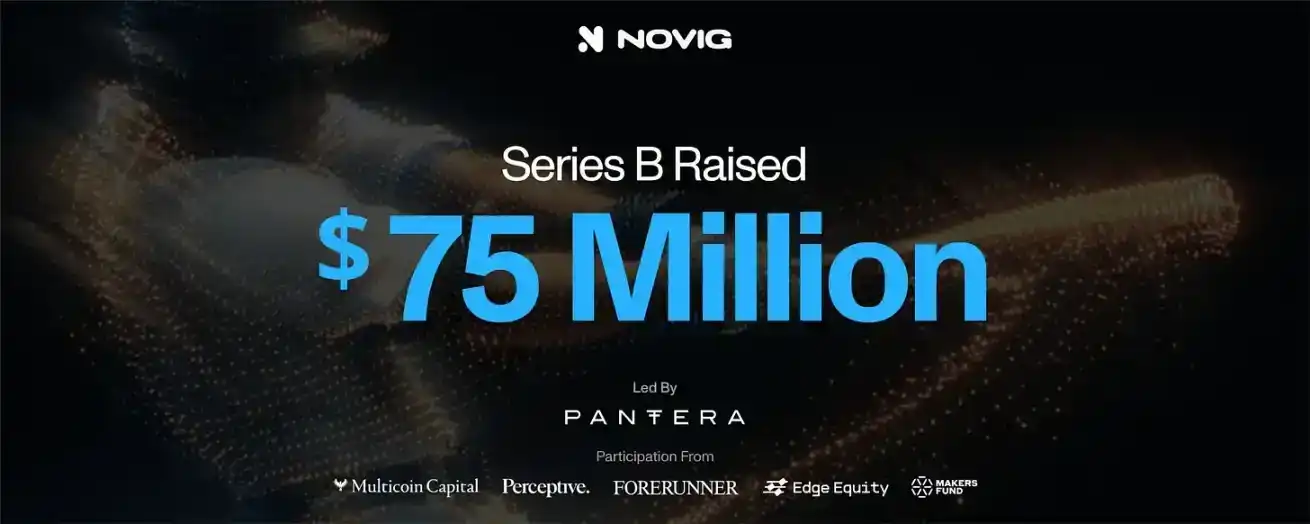
Novig: Farewell to the 'Vig' Era ($75 Million Series B)

Traditional sports betting is a monopolistic and畸形 market. Bookmakers take high commissions from each bet, resulting in a miserable user win rate of only 2%. We led Novig's $75 million round because they treat sports betting as a high-frequency financial product. Through a peer-to-peer trading model, Novig users achieve an average win rate of 23%. Most users don't care whether a decentralized order book is used in the backend; they only know they get the best odds in the U.S. here. This is a vivid case of 'crypto as a service'.
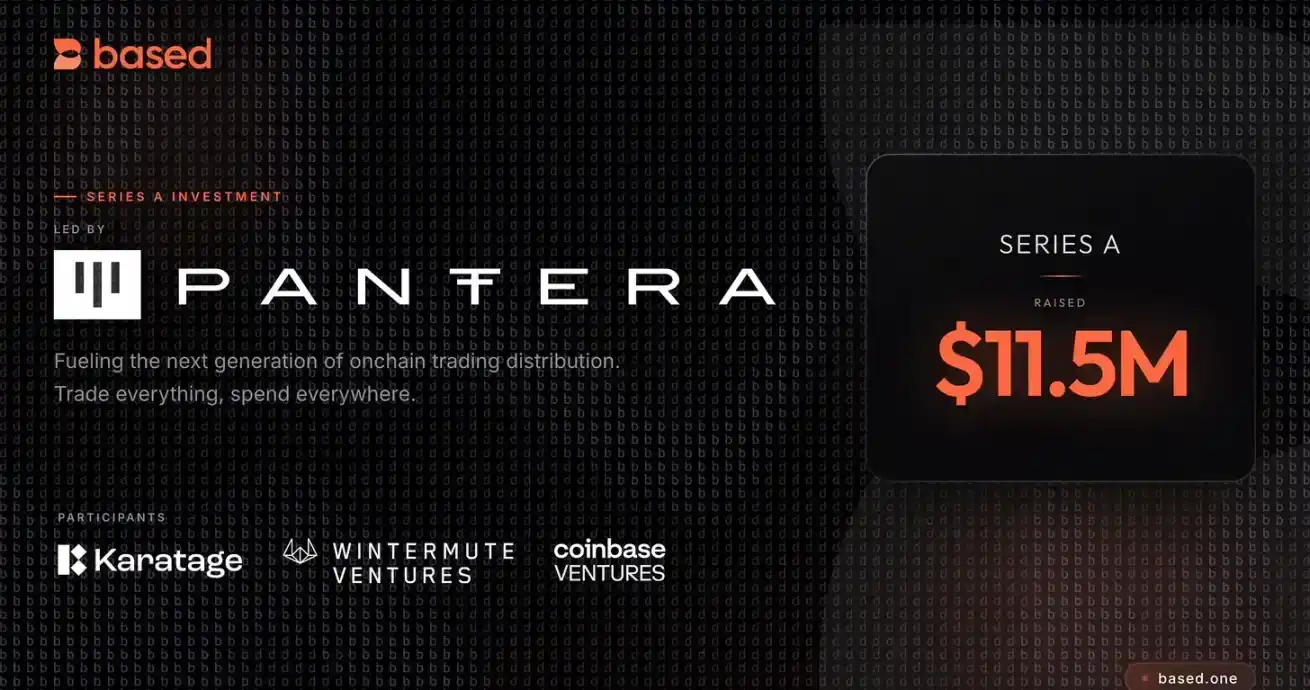
Based: Consumer-Grade Super App ($11.5 Million Series A)

We recently led Based's Series A funding. This is a composable Web3 consumer-grade super app built on the Hyperliquid ecosystem. 'Consumer crypto' was often equated with 'clumsy experience' in the past. Based is changing that; it makes the on-chain interaction experience as smooth and seamless as a top-tier fintech app. Complex operations like cross-chain bridging and Gas fees are abstracted away; users are completely unaware. They only need to focus on the social and financial value brought by the assets.
Doppler: The Default Asset Issuance Infrastructure ($9 Million Seed Round)

If Based and Novig are cool new cars, then Doppler is the high-performance fuel system. We led Doppler's $9 million seed round with the goal of becoming the default infrastructure for on-chain asset issuance. It allows developers to issue assets with institutional-grade security and compliance standards without having to build all the underlying technology from scratch. Doppler is like the Stripe for on-chain assets—pure utility, all encapsulated behind a simple API.

Why 'Invisibility' is More Important Than 'Virality'

This trend of 'invisibilization' also runs through our entire investment portfolio:

· Real World Assets: Tokenized treasury bonds are no longer an experiment in the crypto world; they are becoming the backend liquidity cornerstone for global trade.

· AI Agents: Blockchain provides a trusted 'truth layer' for AI agents through prediction markets and verifiable data, enabling them to autonomously and trustworthily interact with digital assets.

· Agent payments will accelerate all this. Payment standards like x402 allow AI agents to directly complete transactions using crypto assets. And the gradual clarity of stablecoin regulations is making this payment轨道 smoother.

Advice for Entrepreneurs

If you are planning to start a business in 2026, my advice is simple: Stop talking so much about the technology, and talk more about what practical problems you can solve. If the page in your fundraising deck explaining the consensus mechanism comes before the one about customer return rates, it means your thinking is still stuck in 2022.

We are looking for teams that are building the next Novig, Based, or Doppler—those who truly understand what 'mass adoption' means: When a technology becomes so seamless that people completely ignore its existence, it has truly entered millions of households.


Связанные с этим вопросы

QAccording to Pantera Capital, what is the key shift expected in the crypto space by 2026?

AThe key shift expected by 2026 is the transition from 'crypto as an industry' to 'crypto as a service', where the value will belong to companies that use blockchain to solve traditional industry problems while making the technology completely invisible to users.

QWhat structural advantage does the crypto market have over traditional finance, as highlighted in the article?

AThe crypto market operates 24/7, which is a structural advantage over traditional finance, as it allows for continuous trading and price discovery even during weekends or when traditional markets are closed, as demonstrated during the Iran conflict.

QName one of Pantera Capital's recent investments that exemplifies the 'crypto as a service' model and explain how it works.

AOne example is Novig, a sports betting platform that uses a peer-to-peer trading model to significantly increase user profitability to 23% compared to the traditional 2% by eliminating high commissions. Users are unaware of the decentralized order book technology in the background, focusing only on getting the best odds.

QWhat are some of the key areas of focus for the Asian market in 2026, as mentioned in the article?

AKey areas for the Asian market in 2026 include cross-border payments via stablecoins (especially in B2B), tokenization of assets like gold, stocks, and real estate, perpetual contract trading on DeFi driven by retail investors, and the potential growth of prediction markets.

QWhat advice does Pantera Capital give to entrepreneurs looking to start a business in the crypto space in 2026?

AThe advice is to focus on solving real-world problems rather than emphasizing the underlying technology. Entrepreneurs should prioritize discussing customer returns and practical solutions in their pitches, rather than leading with technical details like consensus mechanisms, to achieve mass adoption.

Похожее

Продажа блочного пространства умерла: публичные блокчейны должны найти новый способ существования

Статья "Продажа блок-пространства мертва: публичным блокчейнам нужно найти новый путь" утверждает, что традиционная бизнес-модель публичных блокчейнов, основанная на продаже пространства в блоках, больше не работает. Из 14 криптокомпаний, заработавших более $200 млн за два года, только Hyperliquid является блокчейном, чей месячный доход ($58 млн) в 100 раз превышает доход Arbitrum ($430 тыс.). Чтобы выжить, блокчейны должны превращаться в продуктовые студии, агрегаторы приложений или вертикальные SaaS-решения, отходя от роли нейтральной инфраструктуры. В статье также разбираются три ключевых события: 1. **Взлом Ostium**: Атака на LP-пулы протокола привела к потере более 40% TVL ($23,7 млн) из-за уязвимости в офф-чейн инфраструктуре, поставляющей цены. Это подчеркивает критическую важность контроля для протоколов, работающих с офф-чейн активами. 2. **Будущее опционов**: Чтобы достичь массового принятия, мощные возможности опционов должны быть абстрагированы от сложной терминологии и представлены через понятные продукты: структурированные продукты, vaultы для получения дохода, бинарные опционы и прогнозные рынки. 3. **На радаре**: Отмечаются тренды, такие как фиксированные займы (Yearn's Flex), смена стратегии Base после неудач с социальными токенами, запуск перпетуальных контрактов на индекс доллара (Plether) и фокус Starknet на приватности и защите от квантовых угроз.

marsbit18 мин. назад

Продажа блочного пространства умерла: публичные блокчейны должны найти новый способ существования

marsbit18 мин. назад

Заметки подкаста|Диалог с управляющим активами GSR: Чтобы определить, настоящий ли этот крипто-ралли, просто взгляните на процентные ставки по кредитам на Aave

Заметки из подкаста: интервью с управляющим директором по управлению активами GSR Энди Бэром. В центре обсуждения — текущий крипторынок и его перспективы. Бэр описывает рынок как находящийся в состоянии «нерешительности» (ambivalence), где краткосрочные отскоки быстро теряют импульс. Для оценки истинной силы восстановления он предлагает три ключевых сигнала: 1. **Процентные ставки в DeFi (особенно на Aave):** Текущие ставки по USDC (~3,75%) близки к безрисковой ставке (SOFR), что указывает на отсутствие ажиотажного спроса на кредитное плечо. Устойчивый рост начнется, когда ставки резко вырастут, отражая всплеск спроса на заемные средства. 2. **Формирование консенсуса о «пике жесткости» ФРС:** Рынкам необходим четкий сигнал о том, где закончится цикл повышения ставок при новом председателе Кевине Уорше. Пока этой ясности нет, трудно ожидать устойчивого бычьего тренда. 3. **Закон CLARITY:** Его принятие до 7 августа, которое сейчас оценивается Polymarket менее чем в 40%, стало бы для рынка позитивным сюрпризом и могло бы дать импульс для роста. Бэр также отмечает, что фонды ETF не являются долгосрочным капиталом, а корпоративные казначейства (DAT) пока неактивны в покупках. Вместе с сокращением предложения стейблкоинов это лишает рынок структурных покупателей. В итоге, для подтверждения подлинности роста следует следить не только за макростатистикой (например, CPI), но и за цепной активностью, прежде всего за ставками кредитования в DeFi.

marsbit29 мин. назад

Заметки подкаста|Диалог с управляющим активами GSR: Чтобы определить, настоящий ли этот крипто-ралли, просто взгляните на процентные ставки по кредитам на Aave

marsbit29 мин. назад

Отправляй сообщения и переводи монеты? Telegram этим летом «встроит» криптокошелек для 1 млрд пользователей

Создатель Telegram Павел Дуров объявил о запуске летом этого года собственного встроенного некастодиального криптокошелька Gram для более чем 1 млрд пользователей приложения. Кошелек позволит совершать мгновенные переводы без комиссий. В отличие от текущего сервиса @wallet, которым управляет сторонняя компания, новый кошелек будет родной функцией Telegram, где пользователи будут самостоятельно контролировать свои приватные ключи. После анонса цена токена GRAM (ранее Toncoin) выросла примерно на 8%, хотя все еще значительно ниже исторических максимумов. Это событие знаменует возвращение Дурова к проекту TON после урегулирования с SEC в 2020 году и является частью его дорожной карты «Make TON Great Again». Запуск происходит в период усиления конкуренции между суперприложениями в сфере платежей: X Money Илона Маска развивает фиатные переводы, а Meta изучает интеграцию стейблкоинов. Telegram делает ставку на криптонативное решение, используя свою огромную аудиторию и близость к криптосообществу. Однако остаются неясными ключевые детали, такие как техническая реализация «нулевых комиссий», поддержка активов помимо GRAM, а также конкретные сроки запуска, помимо обещания «летом».

marsbit1 ч. назад

Отправляй сообщения и переводи монеты? Telegram этим летом «встроит» криптокошелек для 1 млрд пользователей

marsbit1 ч. назад

Предложение Hyperliquid HIP-4 подпитывает стейкинг HYPE по мере роста долгосрочных перспектив

Протокол Hyperliquid (HYPE) представил предложение HIP-4, направленное на создание разрешенных рынков прогнозов и расширение функционала за пределы вечных фьючерсов до базового инфраструктурного уровня для ончейн-приложений. Для запуска новых рынков разработчикам необходимо застейкать 500 000 токенов HYPE. Меры по обеспечению качества рынков призваны трансформировать Hyperliquid из создателя продуктов в инфраструктуру для сторонних разработчиков. Уверенность в долгосрочных перспективах проекта растет, что подтверждается увеличением позитивного настроя вокруг HYPE и активным стейкингом. Крупный трейдер предпочел застейкать токены на сумму около $15,5 млн вместо фиксации прибыли. Общий объем застейканных токенов достиг почти 439 млн, что составляет около 43.9% от общего предложения, укрепляя безопасность сети и сокращая ликвидное предложение. Рыночная структура также демонстрирует силу: открытый интерес превысил $11 млрд при сбалансированных ставках финансирования и ограниченных ликвидациях, что указывает на взвешенный подход трейдеров. Укрепление фундаментальных показателей, таких как рост доходов и TVL, поддерживает оптимистичный прогноз. Успешная реализация обновлений и дальнейшее внедрение пользователями будут ключевыми факторами для поддержания текущего импульса роста.

ambcrypto1 ч. назад

Предложение Hyperliquid HIP-4 подпитывает стейкинг HYPE по мере роста долгосрочных перспектив

ambcrypto1 ч. назад

Через 7 месяцев после краха Huiwang: крупная перетасовка среди платформ-гарантов в Юго-Восточной Азии

За семь месяцев после краха платформы гарантийных платежей Huiwang в Юго-Восточной Азии началась крупная перетасовка на рынке. Такие платформы, как XinBi (Newpay), Linghang (Tiger), Jinbei (Jinbo), Dali (Tiancheng) и Fuli Lai, активно заполняют образовавшийся вакуум, обслуживая теневой бизнес, включая отмывание денег, онлайн-азартные игры, мошенничество в «промышленных парках» и даже торговлю людьми. По данным аналитиков, общий объем средств, проходящих через эти платформы, исчисляется миллиардами долларов США. Крах Huiwang, связанного с камбоджийской группой Prince и конфискацией США 150 000 BTC, не остановил индустрию, а привел к ее реструктуризации и росту новых игроков, которые действуют еще более скрытно. Эксперты подчеркивают, что эти платформы, иногда называемые «азиатским Alipay», являются не законными финансовыми сервисами, а ключевым элементом инфраструктуры для преступной деятельности в регионе.

Odaily星球日报1 ч. назад

Через 7 месяцев после краха Huiwang: крупная перетасовка среди платформ-гарантов в Юго-Восточной Азии

Odaily星球日报1 ч. назад

Торговля

Спот
活动图片




