Nibbling Away at a Hundred-Billion-Dollar Gambling Cake, Prediction Markets Face Bans from Multiple States

比推Опубликовано 2026-01-12Обновлено 2026-01-12

Введение

Prediction markets are facing regulatory crackdowns in multiple U.S. states, with Tennessee’s Sports Wagering Council (SWC) recently issuing cease-and-desist orders to platforms including Kalshi, Polymarket, and Crypto.com. These platforms, though registered with the CFTC as designated contract markets, are accused of offering illegal sports betting products without state licensing. They must halt operations in Tennessee by January 31 or face penalties. The conflict stems from the rapid growth of both the legal U.S. sports betting market—which reached $148.7 billion in handle in 2024—and prediction markets, which saw trading volume surge to $40 billion in 2025, up 400% year-over-year. Sports-related event contracts now dominate prediction market activity. While sports betting is regulated at the state level, prediction markets subject to federal oversight argue they offer “event contracts” rather than gambling, creating a regulatory loophole. This has led to legal battles in several states, including Nevada, New Jersey, and Maryland, with mixed court rulings so far. The outcome of ongoing appeals could set a national precedent, determining whether prediction markets must comply with state gambling regulations or can operate under federal rules alone.

Author: Azuma

Original Title: Eating Into the Hundred-Billion-Dollar Gambling Industry, Prediction Markets Are Being Chased Down by the Old Order


The booming prediction markets are now facing a real challenge.

On January 9, US local time, the Tennessee Sports Wagering Council (SWC) issued cease-and-desist orders to prediction market platforms such as Kalshi, Polymarket, and Crypto.com, demanding that these platforms stop offering sports event prediction contracts to residents of the state. The reason given was that these companies were engaged in illegal gambling operations without obtaining a license from the state government.

In the notice, the SWC accused these three companies of illegally offering sports betting products under the guise of "event contracts." Although these platforms are registered with the U.S. Commodity Futures Trading Commission (CFTC) as designated contract markets, according to Tennessee state law, any entity offering sports event betting services in the state must hold a license issued by the SWC.

The SWC demanded that Kalshi, Polymarket, and Crypto.com must cease all activities in the state by January 31, cancel open contracts, and refund resident deposits. Failure to comply by the deadline could result in civil penalties of up to $25,000 per violation and even criminal charges.

The Rapidly Growing Sports Betting Market

To understand why Tennessee is taking such a hard line against prediction market platforms, one must look at the current state of the U.S. sports betting market.

Since the U.S. Supreme Court overturned the federal law, the Professional and Amateur Sports Protection Act (PASPA), which had prohibited commercial sports betting, on May 14, 2018, individual states have gained the authority to decide whether to legalize sports betting within their jurisdictions. Currently, sports betting in the U.S. is regulated by state-level agencies responsible for licensing, compliance, and enforcement, with each state setting its own tax rates, market entry thresholds, and responsible gambling requirements.

According to a report by the sports betting media Legal Sports Report, as of now, 38 states (including Washington D.C. and Puerto Rico) have allowed the legal operation of sports betting services (both online and offline), with 30 states permitting online sports betting services — Tennessee is one of them and is the first state to allow only online sports betting while prohibiting physical betting venues.

Home to multiple popular leagues such as the NFL, MLB, NBA, and NHL, the United States is undoubtedly a sports powerhouse, and sports betting is a gambling service clearly defined and heavily taxed and regulated by state governments.

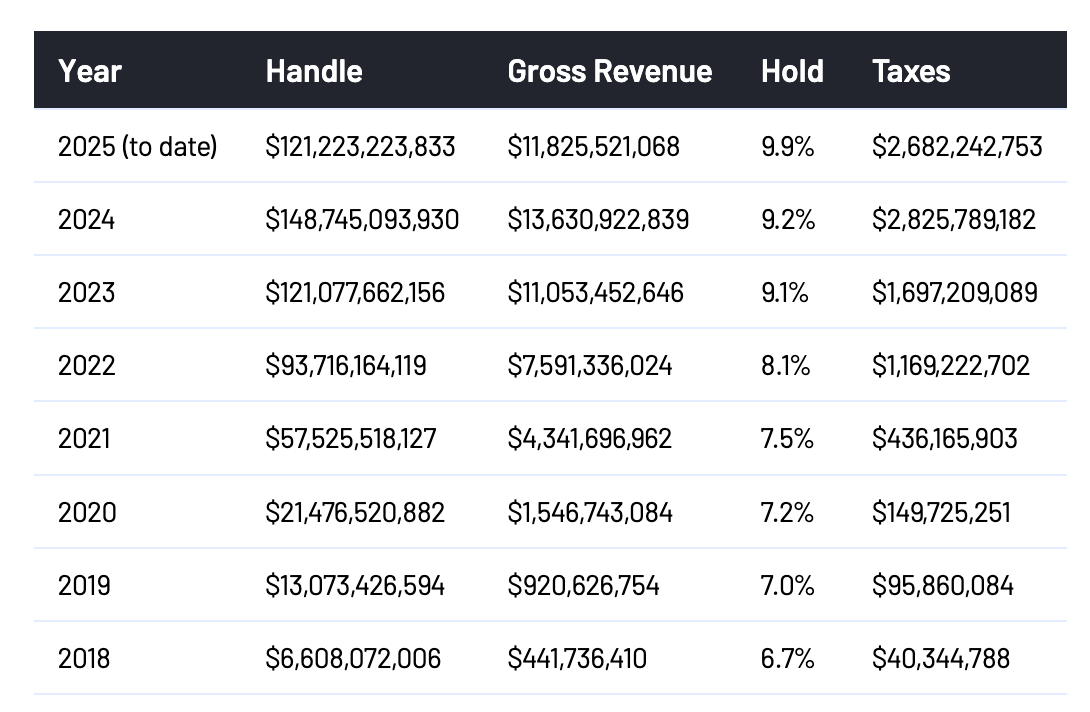
Statistics from another major sports betting media, Sports Book Review (chart below, data as of August 2025), show that since the regulatory relaxation in 2018, the total betting volume (Handle) and tax revenue (Taxes) of the U.S. sports betting market have shown a remarkably exaggerated growth trend over the past few years — the total market betting volume reached $148.74 billion in 2024, with tax contributions reaching $2.82 billion; in the first 8 months of 2025 alone, the total betting volume ($121.22 billion) and tax revenue ($2.68 billion) have nearly reached the full-year 2024 levels.
Focus on Tennessee: What Does Sports Betting Mean?

Now let's focus on Tennessee, the protagonist of this incident.

In 2019, Tennessee passed the Tennessee Sports Gaming Act, formally legalizing sports betting. Although the then-Governor Bill Lee had reservations about gambling, he still allowed the bill to pass without exercising his veto power. Between 2021 and 2022, the Tennessee state legislature passed laws establishing a dedicated regulatory council to be fully responsible for licensing and supervision. This council was initially called the Sports Wagering Advisory Council and was later renamed the Tennessee Sports Wagering Council, the SWC that issued the ban to Kalshi, Polymarket, and Crypto.com at the beginning of this article.
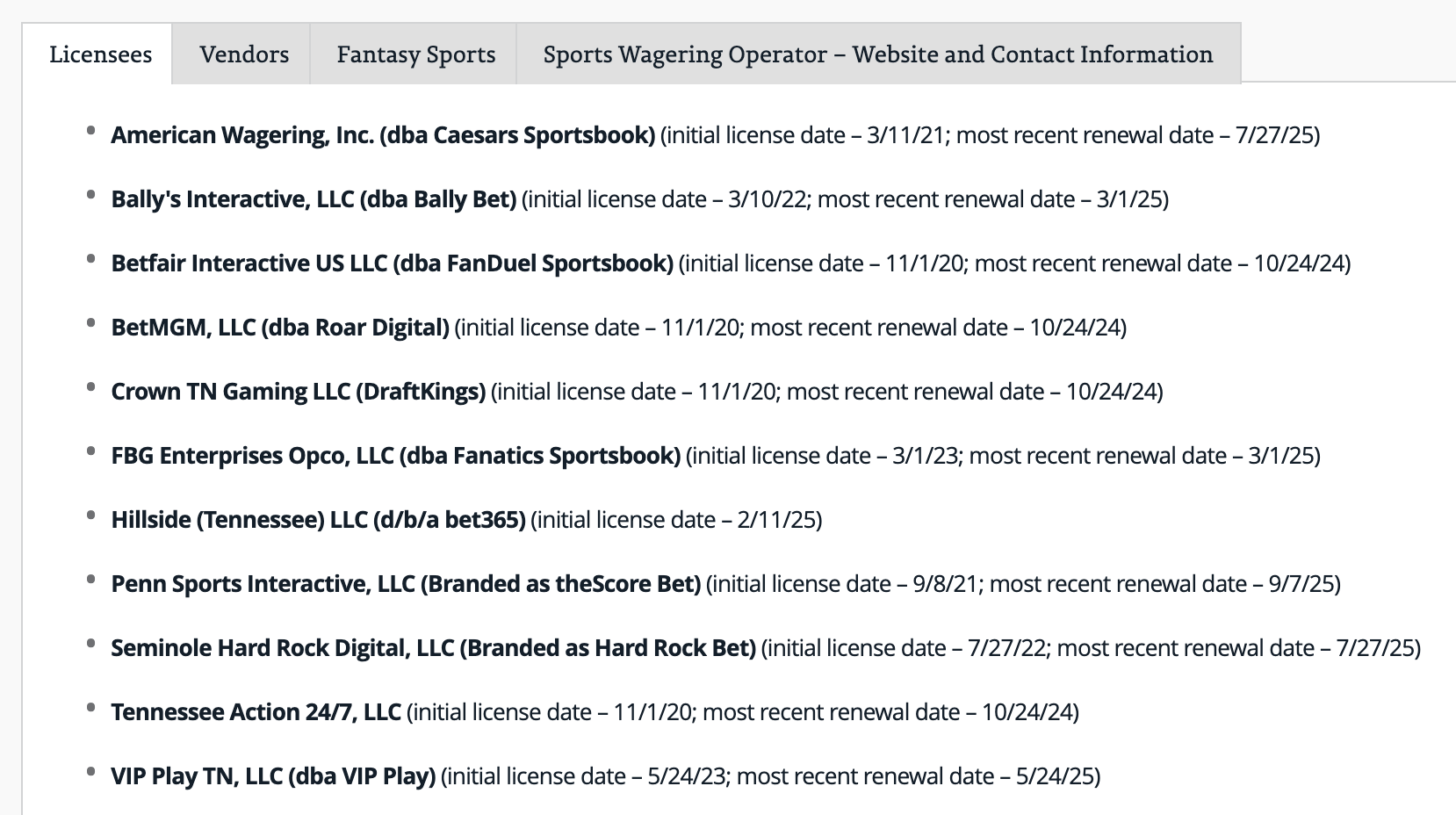
Currently, the SWC is Tennessee's sole sports betting regulatory body, responsible for operational licensing, compliance supervision, rule-making, and enforcement. The SWC stipulates that all sports betting providers must obtain a license from the SWC to offer services in the state. A total of 11 licenses have been issued so far (see chart above); only residents aged 21 and over can access related services, and they must pass geolocation verification to ensure bets are placed within the state. Regarding taxation, the state levies a 1.85% tax rate on the total betting handle — an income-based taxation scheme was used initially, but it was changed to taxation based on the total betting handle after 2023.

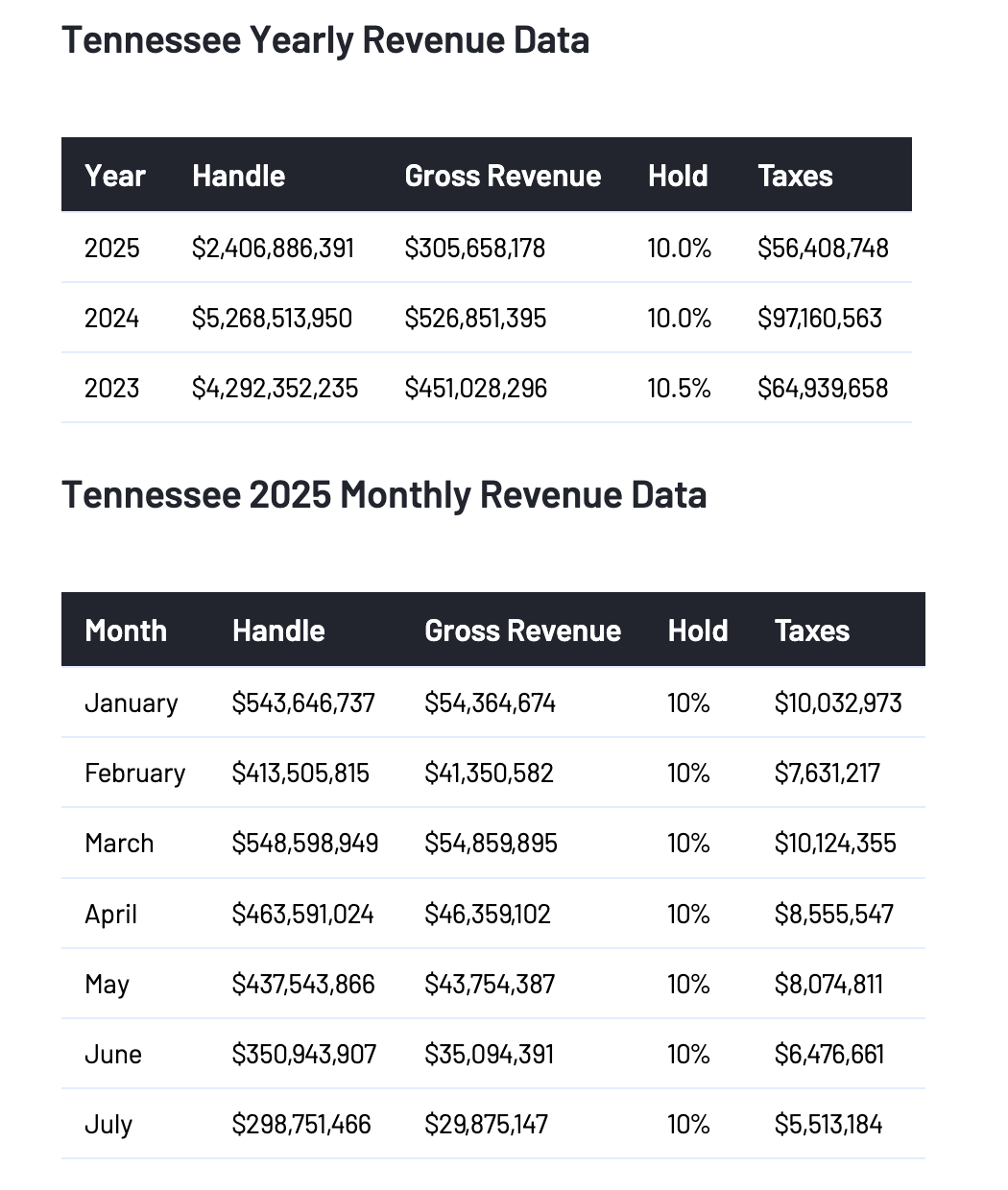
The sports betting market has contributed substantial tax revenue to Tennessee. Statistics from Sports Book Review (chart below, data as of July 2025) show that in 2024, the total sports betting handle in Tennessee reached $5.268 billion, with tax contributions reaching $97.16 million; the total betting handle for the first 7 months of 2025 has already reached $2.4 billion, with tax contributions reaching $56.4 million.
But this huge and still growing cake is now being gradually nibbled away by the likes of Polymarket.

How Are Prediction Markets Eating Into the Old World?

On December 3, 2025, Polymarket announced that it had obtained CFTC approval to return to the U.S. market after nearly four years; even earlier, Kalshi and Crypto.com's prediction market platform Truth Predict had already opened their doors to U.S. users under CFTC licensing.

The current regulatory situation is that sports betting is clearly classified as a gambling service, with regulatory authority belonging to the states. However, prediction market platforms like Polymarket are generally regarded as new entities providing "event contract" trading services, and "event contracts" are considered financial derivatives in terms of asset nature, falling under the regulatory purview of the CFTC. This allows prediction markets to bypass the stringent regulations of gambling services — no need for state-level licenses, no need to follow user protection regulations like addiction control, no need to pay high gambling taxes to the states; but at the same time, they can offer sports event outcome betting services similar to gambling,客观上 forming a certain "regulatory arbitrage."

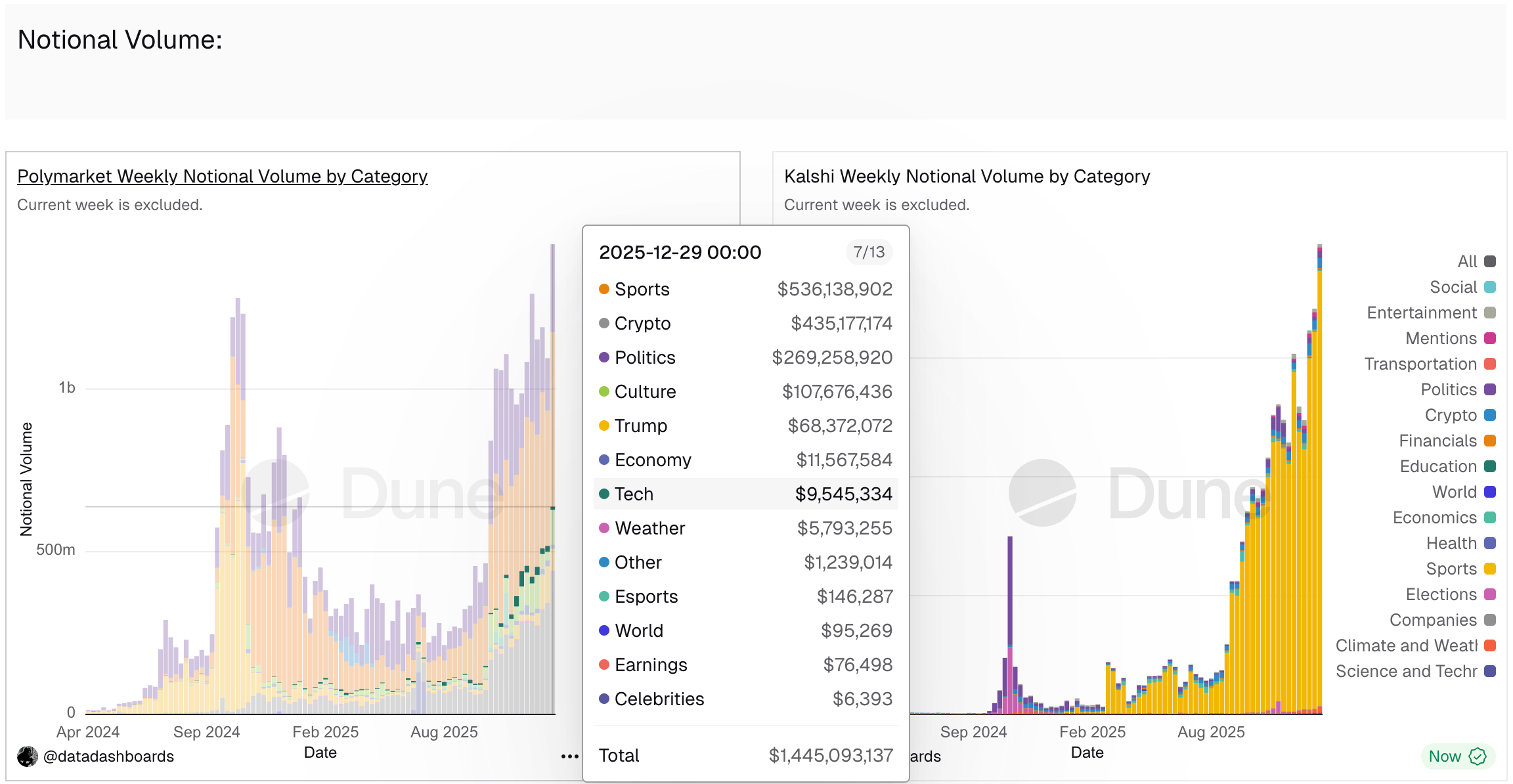
If prediction markets were still just small experimental fields, it might be one thing, but the fact is that the growth rate of prediction markets is even more outrageous than the already exaggerated sports betting market — in 2025, the total trading volume of prediction markets was approximately $40 billion, an increase of about 400% from $9 billion in 2024. A data dashboard compiled by Data Dashboards on Dune (chart below) shows that sports-related event contracts have long become the category with the highest trading volume share in the prediction market.
The capital market has long sensed the growing threat posed by Polymarket to traditional sports betting services. The two giants of the sports betting market, DraftKings and Flutter Entertainment, recorded declines of 11.7% and 16.1% respectively over the past year — during the same period, the US stock market was in a bull run, with the Dow Jones rising 12.97% for the year, the Nasdaq up 20.36%, and the S&P 500 up 16.39%; and the size of the sports betting market continued its eight-year upward trend.
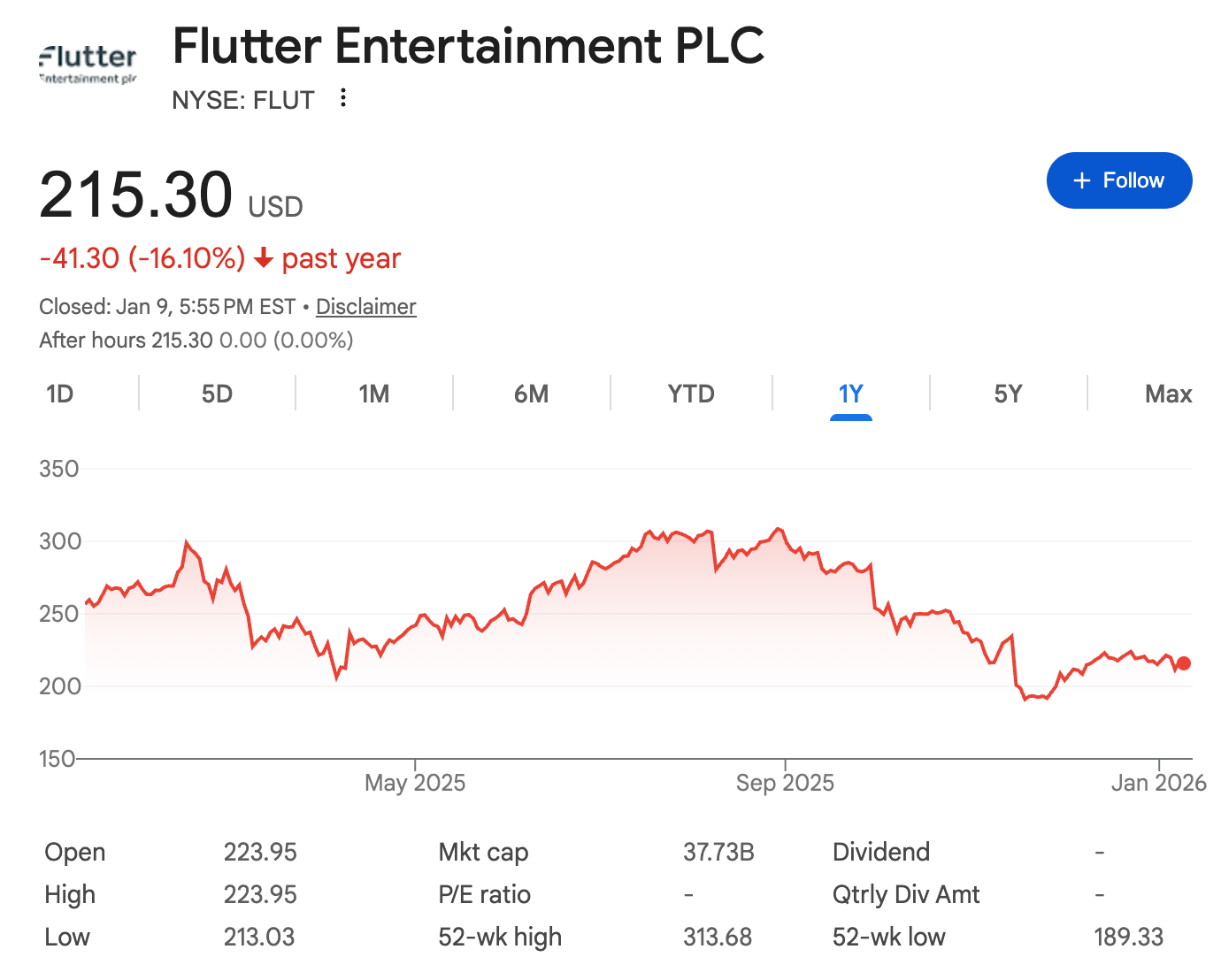
Whether it's Tennessee, which needs sports betting as a source of tax revenue, or the capital forces that actually control the sports betting market, it is difficult to agree to let prediction markets, this new player, come and share the pie.

Friction Is Not an Isolated Case, How Do Prediction Markets Fight Back?

In fact, Tennessee's ban on prediction markets is not an isolated incident. Maryland, Ohio, Illinois, New Jersey, Nevada, Montana, Michigan, and Connecticut have all cracked down on prediction markets for similar reasons. And since Polymarket only returned to the U.S. market last December, Kalshi has borne the brunt of more regulatory impacts.

In response, Kalshi has filed lawsuits against three states — Nevada, New Jersey, and Maryland — on the grounds that it "already complies with higher-priority federal regulations and does not need to comply with state-level regulations." But the results have not been ideal.

  • The lawsuit in Nevada was the first to proceed. The district court initially supported Kalshi, but then turned around and ruled against Kalshi last November. Judge Andrew Gordon determined that sports event contracts on Kalshi were very similar to sports betting wagers and therefore fell under the regulatory scope of Nevada's gambling laws. Kalshi has appealed to the U.S. Court of Appeals for the Ninth Circuit;

  • In New Jersey, the district court chose to support Kalshi, but the state's gambling regulatory agency has appealed to the U.S. Court of Appeals for the Third Circuit;

  • In Maryland, the district court sided with the gambling regulatory agency's demands. Judge Adam B. reasoned that Kalshi failed to prove that "Congress has clearly and manifestly intended to deprive states of their power to regulate gambling." Kalshi has appealed this to the U.S. Court of Appeals for the Fourth Circuit.

The law firm Benesch commented on this, stating that as the national debate continues, similar divisions are expected at the appellate court level, which will lay the groundwork for the Supreme Court to resolve this issue in the coming years...... If the appellate courts happen to consistently support Kalshi's position, other prediction markets might emulate its model and proceed with similar businesses before the Supreme Court hears the matter; but if the appellate courts reach different conclusions, companies in similar situations might wait for clearer legal signals before taking action. In any case, Kalshi's lawsuit will create a precedent with direct and profound implications for the national sports betting and gambling industry.

In summary, whether prediction markets need to follow state gambling regulations remains an unresolved question for now, and the fundamental contradiction of this issue lies in the similarity of products and services between prediction markets and sports betting and the differences in regulatory requirements.

This is a tug-of-war over institutional adaptation. Before the appellate courts or even the Supreme Court give a final verdict, the gray area between prediction markets and sports betting will persist for a long time, and regulatory conflicts will be hard to avoid. In the short term, states will likely continue to defend their regulatory authority and tax base through enforcement and litigation; while prediction market platforms will try to use federal compliance and innovation narratives as a shield to fight for more living space.


Twitter:https://twitter.com/BitpushNewsCN

Bitpush TG Discussion Group:https://t.me/BitPushCommunity

Bitpush TG Subscription: https://t.me/bitpush

Original article link:https://www.bitpush.news/articles/7601952

Связанные с этим вопросы

QWhat is the main reason why the Sports Wagering Council (SWC) of Tennessee issued cease-and-desist orders to prediction market platforms like Kalshi, Polymarket, and Crypto.com?

AThe SWC issued the orders because these platforms were offering sports event prediction contracts to Tennessee residents without obtaining the required state license, which the state classifies as illegal gambling operations.

QHow has the legalization of sports betting in the United States since 2018 impacted the market's growth?

ASince the Supreme Court overturned the federal ban on commercial sports betting in 2018, the market has grown significantly, with the total handle reaching $148.74 billion in 2024 and tax contributions amounting to $2.82 billion that year.

QWhat regulatory advantage do prediction market platforms like Polymarket have over traditional sports betting services in the United States?

APrediction market platforms are regulated by the CFTC as 'event contracts,' which are classified as financial derivatives, allowing them to operate without needing state-level gambling licenses, adhering to strict user protection rules, or paying high state gambling taxes.

QWhich states, besides Tennessee, have taken regulatory action against prediction market platforms for similar reasons?

AOther states that have taken action include Maryland, Ohio, Illinois, New Jersey, Nevada, Montana, Michigan, and Connecticut, all citing similar concerns about unlicensed gambling operations.

QWhat was the outcome of Kalshi's legal challenges against state gambling regulators in Nevada, New Jersey, and Maryland?

AIn Nevada, Kalshi initially had some support but ultimately lost in district court and has appealed; in New Jersey, the district court supported Kalshi, but the state has appealed; in Maryland, the district court sided with the regulator, and Kalshi has appealed the decision.

Похожее

South Korean Exchanges 'Battle' Regulators, Challenging the Boundaries of Enforcement and Legislation

South Korea's cryptocurrency industry is engaged in a rare, direct confrontation with regulators. The Financial Intelligence Unit (FIU), the primary anti-money laundering (AML) watchdog, has recently imposed heavy penalties on major exchanges like Upbit and Bithumb for alleged violations involving unregistered overseas VASPs and AML procedures. However, exchanges are now actively challenging these actions in court and through industry associations. In a significant shift, the Seoul Administrative Court ruled in favor of Upbit's operator, Dunamu, overturning part of an FIU-ordered business suspension. The court found the FIU's penalty criteria and justification insufficiently clear. Similarly, the court suspended the enforcement of a six-month business suspension against Bithumb pending a final ruling, citing potential irreversible harm to the exchange. Beyond legal battles, the industry is contesting proposed legislative amendments. The Digital Asset eXchange Alliance (DAXA) strongly opposes a draft rule that would mandate Suspicious Transaction Reports (STRs) for all crypto transfers over 10 million KRW (~$6,800). DAXA argues this "poison pill" clause violates legal principles and would overwhelm the STR system, increasing reports from 63,000 to an estimated 5.45 million annually for major exchanges, thereby crippling effective AML monitoring. This conflict highlights a structural tension in South Korea's crypto governance: comprehensive digital asset laws are still developing, while regulators rely heavily on AML enforcement. The industry's move from passive compliance to active legal and legislative challenges signifies a new phase, pressing for clearer rules and more proportionate enforcement. While short-term disputes may intensify, this clash could ultimately lead to a more mature and sustainable regulatory framework for South Korea's vibrant crypto market.

marsbit25 мин. назад

South Korean Exchanges 'Battle' Regulators, Challenging the Boundaries of Enforcement and Legislation

marsbit25 мин. назад

After 50x Storage Surge, Justin Sun Always Looks to the Next Decade

Sun Yuchen, known for his controversial stunts like a $30 million lunch with Warren Buffett (canceled due to a kidney stone) and eating a $6.2 million duct-taped banana, is often overshadowed by a significant fact: his decade-long track record of spotting major investment trends. In 2016, he famously advised young people to invest in Bitcoin, Nvidia, Tesla, and Tencent instead of buying property. A hypothetical $20,000 investment in Nvidia and Tesla from that list would now be worth over 50 million RMB. His latest major call was on November 6, 2025, predicting a "50x storage opportunity" tied to the AI boom, which materialized with Sandisk's stock surging nearly 50-fold by 2026. Looking ahead, Sun now focuses on the next frontier: Physical AI. He identifies four key areas: 1. **Embodied AI/Robotics**: He sees this reaching its "iPhone moment," with companies like UBTech and Galaxy General leading in commercialization. 2. **Drones**: Viewed as the first commercially viable form of Physical AI, revolutionizing sectors from warfare (e.g., AeroVironment's Switchblade) to logistics. 3. **Spatial Computing**: Beyond VR, it's about AI understanding physical space, a foundational technology for robotics and autonomous systems, exemplified by Apple's Vision Pro. 4. **Space Exploration**: After a 2025 suborbital flight with Blue Origin, Sun advocates for space as the ultimate frontier, discussing blockchain's potential role in space asset management and data transactions. His investment philosophy involves betting on entire, inevitable trends rather than single companies. For robotics, he sees Tesla (the body/manufacturer) and Nvidia (the brain/AI platform) as complementary plays. In defense drones, he highlights companies making tanks obsolete (AeroVironment) and those augmenting fighter jets (Kratos). For space, he participated in Blue Origin's flight and anticipates SpaceX's potential IPO to redefine the sector's valuation. Sun Yuchen's vision frames the next two decades not as a revolution in information flow (like the internet), but in the fundamental operation of the physical world through AI-powered robots, autonomous systems, and spatial intelligence, ultimately extending human and AI activity into space. While many still focus on conventional assets, he continues to look toward the next technological horizon.

marsbit1 ч. назад

After 50x Storage Surge, Justin Sun Always Looks to the Next Decade

marsbit1 ч. назад

The Billionaires Behind the Most Expensive Midterm Election in History

"The Most Expensive Midterm Elections and Their Billionaire Backers" This analysis details the unprecedented scale of spending in the 2026 midterm elections, highlighting the key billionaire donors shaping the political landscape. Jeff Yass, founder of Susquehanna International Group, has contributed over $81 million, ranking third among individual donors behind George Soros ($102.6M) and Elon Musk ($84.8M). Yass is a major donor to Trump's MAGA Inc. and supports school choice and various candidates. Overall, federal committees have raised over $4.7 billion this cycle, with political ad spending projected to reach $10.8 billion. Republican-aligned groups are significantly out-raising their Democratic counterparts. "Dark money" from undisclosed sources continues to grow. The core stakes involve control of Congress and policy direction for Trump's final term. Donors are also motivated by specific issues: Sergey Brin and Chris Larsen are funding opposition to a proposed California wealth tax and supporting crypto-friendly policies. Other top donors include OpenAI's Greg Brockman and his wife Anna ($50M total to MAGA Inc. and an AI-focused PAC), Richard Uihlein ($45.3M to conservative causes), venture capitalists Marc Andreessen and Ben Horowitz (each over $44M to crypto/AI PACs and MAGA Inc.), Miriam Adelson ($42.6M to GOP leadership PACs), Paul Singer ($33.9M), and Diane Hendricks ($25.8M to MAGA Inc.). The article notes that the peak fundraising period is still ahead, with major primaries approaching.

marsbit1 ч. назад

The Billionaires Behind the Most Expensive Midterm Election in History

marsbit1 ч. назад

The Largest IPO in History Is Approaching, Surpassing SpaceX, 28 Years of AI Self-Iteration, Countdown to Intelligence Explosion

"Anthropic Nears Trillion-Dollar IPO, Fueled by Explosive Growth and 2028 'Intelligence Explosion' Warning Anthropic is considering a deal valuing the AI company near $1 trillion, potentially leading to one of the largest IPOs ever and surpassing SpaceX. Its revenue has skyrocketed, with Annual Recurring Revenue (ARR) reaching $45 billion in May 2026—a 500% increase in just five months. This vertical growth curve is attributed to its key products, Claude Code and Cowork, dominating AI coding and enterprise collaboration. Beyond commercial success, co-founder Jack Clark issued a pivotal warning in an interview: there is a greater than 50% chance that by the end of 2028, AI systems will achieve recursive self-improvement—the ability to autonomously build a 'better version' of themselves, initiating an 'intelligence explosion.' This prophecy underpins the company's astronomical valuation, as the market prices in the potential for transformative and disruptive AI. Further signaling its ambition, Anthropic formed a $1.5 billion joint venture with Goldman Sachs and Blackstone, aiming to disrupt traditional consulting firms like McKinsey by deploying Claude AI for complex strategic work. This move tests AI's capacity to replace high-level cognitive labor, a precursor to its predicted autonomous evolution. The narrative presents a dual future: unprecedented economic opportunity alongside significant risks like economic restructuring and security threats. Anthropic's meteoric rise and Clark's 2028 prediction frame the coming years as a countdown to a potential technological singularity."

marsbit1 ч. назад

The Largest IPO in History Is Approaching, Surpassing SpaceX, 28 Years of AI Self-Iteration, Countdown to Intelligence Explosion

marsbit1 ч. назад

Торговля

Спот
Фьючерсы

Популярные статьи

Как купить CAKE

Добро пожаловать на HTX.com! Мы сделали приобретение PancakeSwap (CAKE) простым и удобным. Следуйте нашему пошаговому руководству и отправляйтесь в свое крипто-путешествие.Шаг 1: Создайте аккаунт на HTXИспользуйте свой адрес электронной почты или номер телефона, чтобы зарегистрироваться и бесплатно создать аккаунт на HTX. Пройдите удобную регистрацию и откройте для себя весь функционал.Создать аккаунтШаг 2: Перейдите в Купить криптовалюту и выберите свой способ оплатыКредитная/Дебетовая Карта: Используйте свою карту Visa или Mastercard для мгновенной покупки PancakeSwap (CAKE).Баланс: Используйте средства с баланса вашего аккаунта HTX для простой торговли.Третьи Лица: Мы добавили популярные способы оплаты, такие как Google Pay и Apple Pay, для повышения удобства.P2P: Торгуйте напрямую с другими пользователями на HTX.Внебиржевая Торговля (OTC): Мы предлагаем индивидуальные услуги и конкурентоспособные обменные курсы для трейдеров.Шаг 3: Хранение PancakeSwap (CAKE)После приобретения вами PancakeSwap (CAKE) храните их в своем аккаунте на HTX. В качестве альтернативы вы можете отправить их куда-либо с помощью перевода в блокчейне или использовать для торговли с другими криптовалютами.Шаг 4: Торговля PancakeSwap (CAKE)С легкостью торгуйте PancakeSwap (CAKE) на спотовом рынке HTX. Просто зайдите в свой аккаунт, выберите торговую пару, совершайте сделки и следите за ними в режиме реального времени. Мы предлагаем удобный интерфейс как для начинающих, так и для опытных трейдеров.

539 просмотров всегоОпубликовано 2024.04.12Обновлено 2025.03.21

Как купить CAKE

Обсуждения

Добро пожаловать в Сообщество HTX. Здесь вы сможете быть в курсе последних новостей о развитии платформы и получить доступ к профессиональной аналитической информации о рынке. Мнения пользователей о цене на CAKE (CAKE) представлены ниже.

活动图片