Автор: Pink Brains
Компиляция: Deep Tide TechFlow
Введение Deep Tide: 2025 год стал переломным моментом для децентрализованного управления (DAO). После нескольких лет идеалистических экспериментов основные протоколы начали решать ключевые проблемы, такие как распределение власти, механизмы подотчетности и устойчивость. Эта статья написана опытным представителем DAO Pink Brains на основе практического опыта 725 голосов, отданных в ведущих протоколах, таких как Aave, Lido, Gnosis, и подробно анализирует переход DAO от «общественного самоуправления» к «гибридной операционной» модели.
Автор указывает, что простые governance-токены уже нежизнеспособны, и в будущем DAO эволюционируют в сторону экономического выравнивания, юридического оформления и принятия решений с помощью ИИ. Это не только анализ управления, но и пророческая книга об эволюции архитектуры организаций Web3 в 2026 году.
Полный текст:
2025 год ознаменовал собой поворотный момент в децентрализованном управлении.
После многолетних экспериментов основные протоколы начали直面 фундаментальные проблемы распределения власти, подотчетности и устойчивости.
Ответы не всегда были приятными, но необходимыми.
Что мы достигли в 2025
2025 год также стал первым годом нашей работы в качестве активного представителя DAO (Delegate).
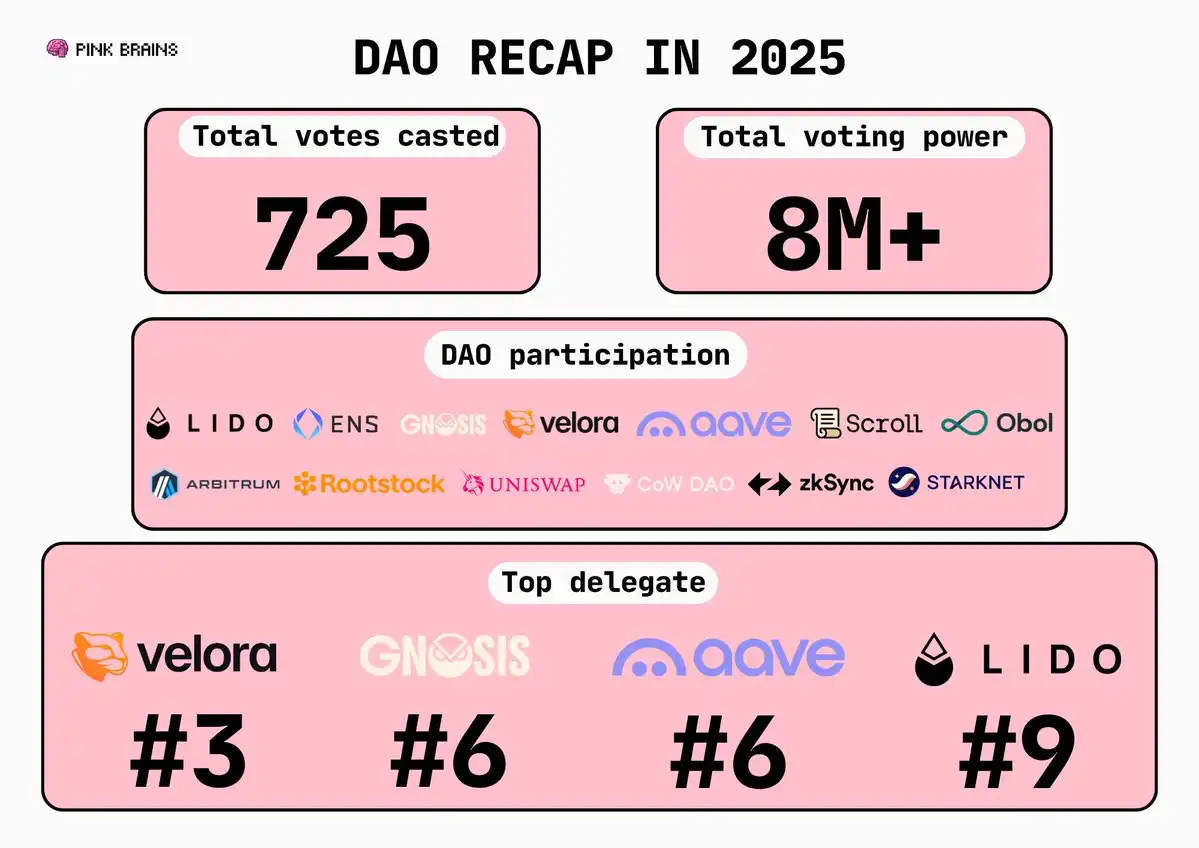
- Отдали 725 голосов в 18 протоколах
- Имеем право голоса более чем на 8 миллионов
- Входят в топ-10 представителей Aave и Lido
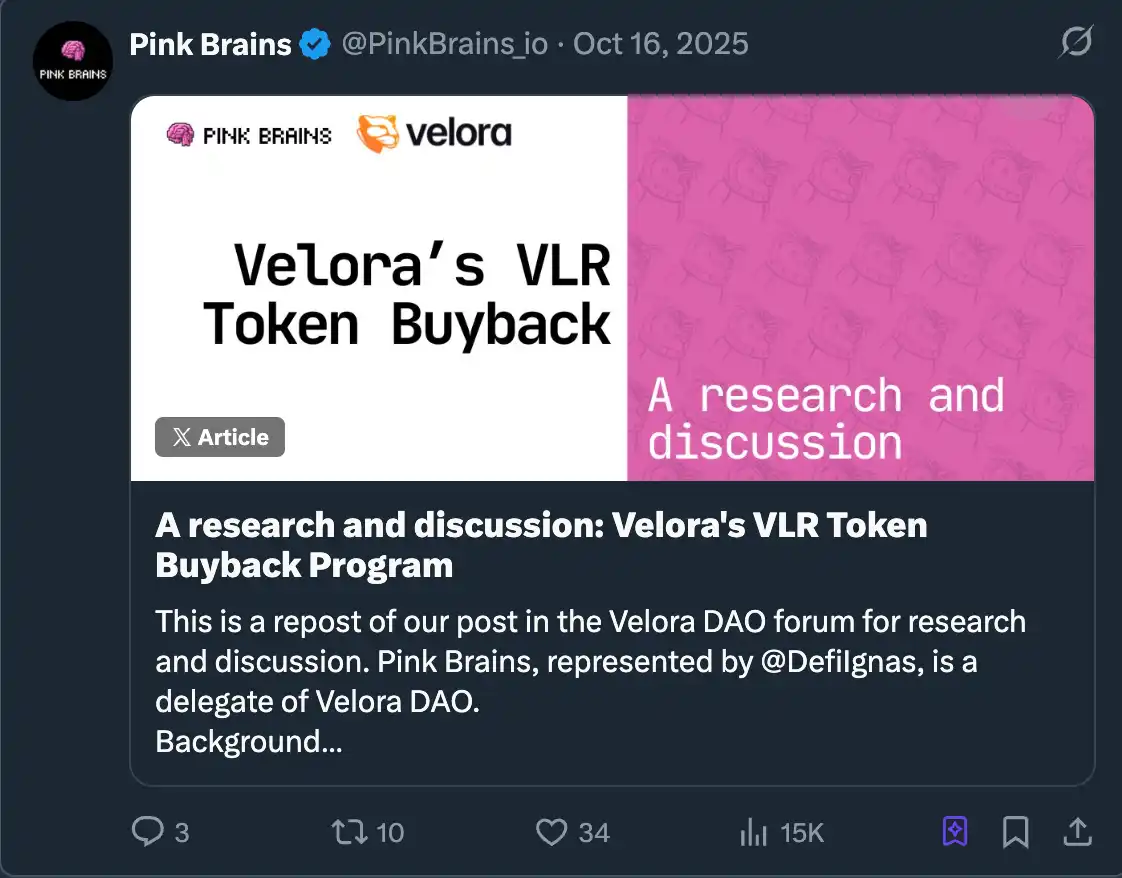
- Входят в топ-3 представителей Velora
- Входят в топ-6 представителей Gnosis
Такой взгляд, основанный на практической работе по управлению, позволил нам четко увидеть модели, которые изменили DAO в 2025 году, и определить их траекторию вхождения в 2026 год.
Изменения в DAO в 2025 году
Смена операционной модели: от чистого общественного управления к гибридному контролю
Наиболее заметным изменением в 2025 году стал переход от простого общественного управления к гибридной модели с более четким операционным контролем.
- @arbitrum ввела операционную компанию (OpCo), которая проводит все операции DAO через единую структуру.
- @JupiterExchange полностью приостановила управление почти на шесть месяцев для переоценки своего подхода.
- @Uniswap запустила框架 DUNI, централизовав операционные полномочия.
- DAO @Gnosis выполнила хардфорк при снижении общественного участия. Scroll же перешла на архитектуру под руководством CEO.
- @Scroll_ZKP приостановила свой DAO, переключившись на централизованное управление.
- Недавно фонд Celo объединился с @cLabs в единую организацию основных участников.
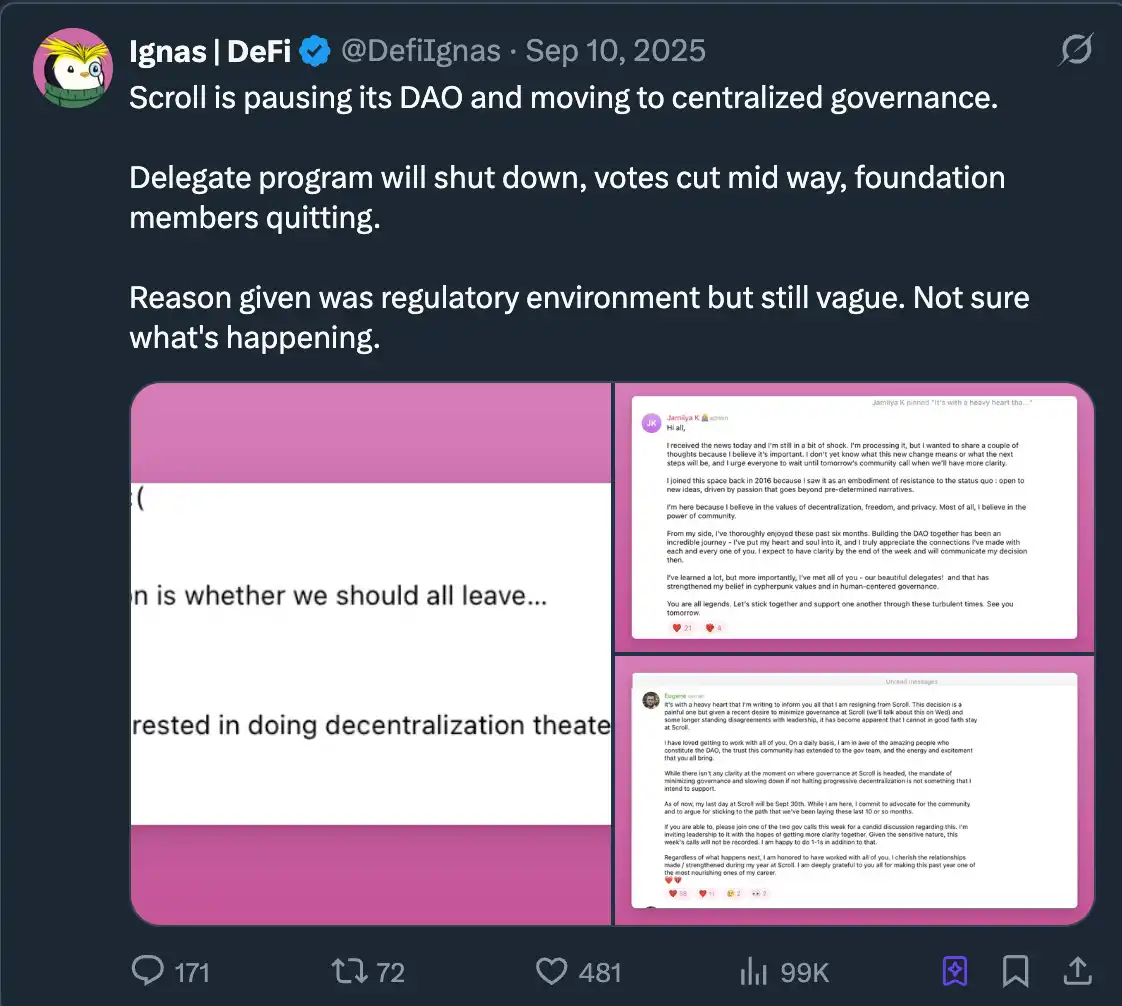
Мотивацией этого перехода стало то, что DAO достигли предела расширения. Исполнение стало узким местом. Голосование в масштабах всего сообщества часто слишком медленное для операционной деятельности, слишком шумное для технических нюансов и слишком уязвимое для действий, чувствительных к безопасности.
Следовательно, власть управления концентрируется в руках более мелких, высококонтекстных групп, в то время как более широкое сообщество переходит к надзорных функциям, что отражено в следующих разделах.
Голосующих меньше, но власть более сконцентрирована
В 2025 году количество предложений и число участников голосования в крупнейших DAO значительно сократилось. Однако право голоса, стоящее за каждым предложением, оставалось сильным.
- В Lido участие возросло после принятия框架 двойного управления.
- Общее участие в Arbitrum и Uniswap по-прежнему самое высокое, но количество голосующих в обоих случаях сократилось.
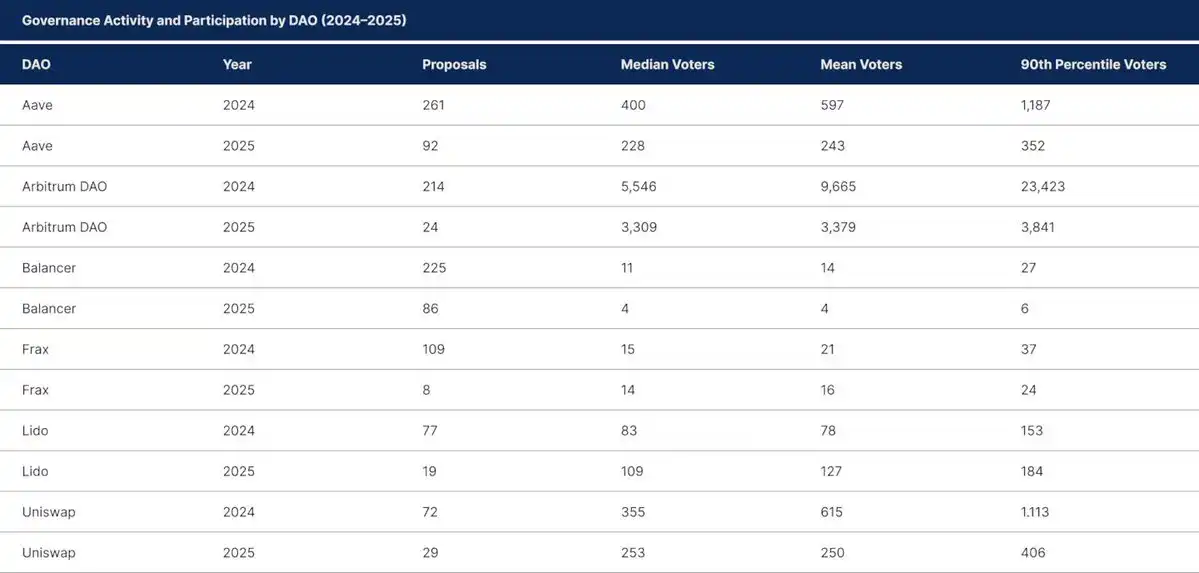
Подпись к рисунку: из отчета DeFiLlama о состоянии DeFi в 2025 году
Это не предвещает провала управления. Напротив, управление стало более связанным, более операционно абстрактным и менее частым.
Влияние на управление перешло к небольшому числу высокоактивных представителей (Delegates) и участников с крупным капиталом.
Накопление стоимости держателями токенов
«Выкуп токенов (Token buyback)», «выкуп и сжигание» и «переключатель комиссий (Fee switch)» стали центральными темами 2025 года.
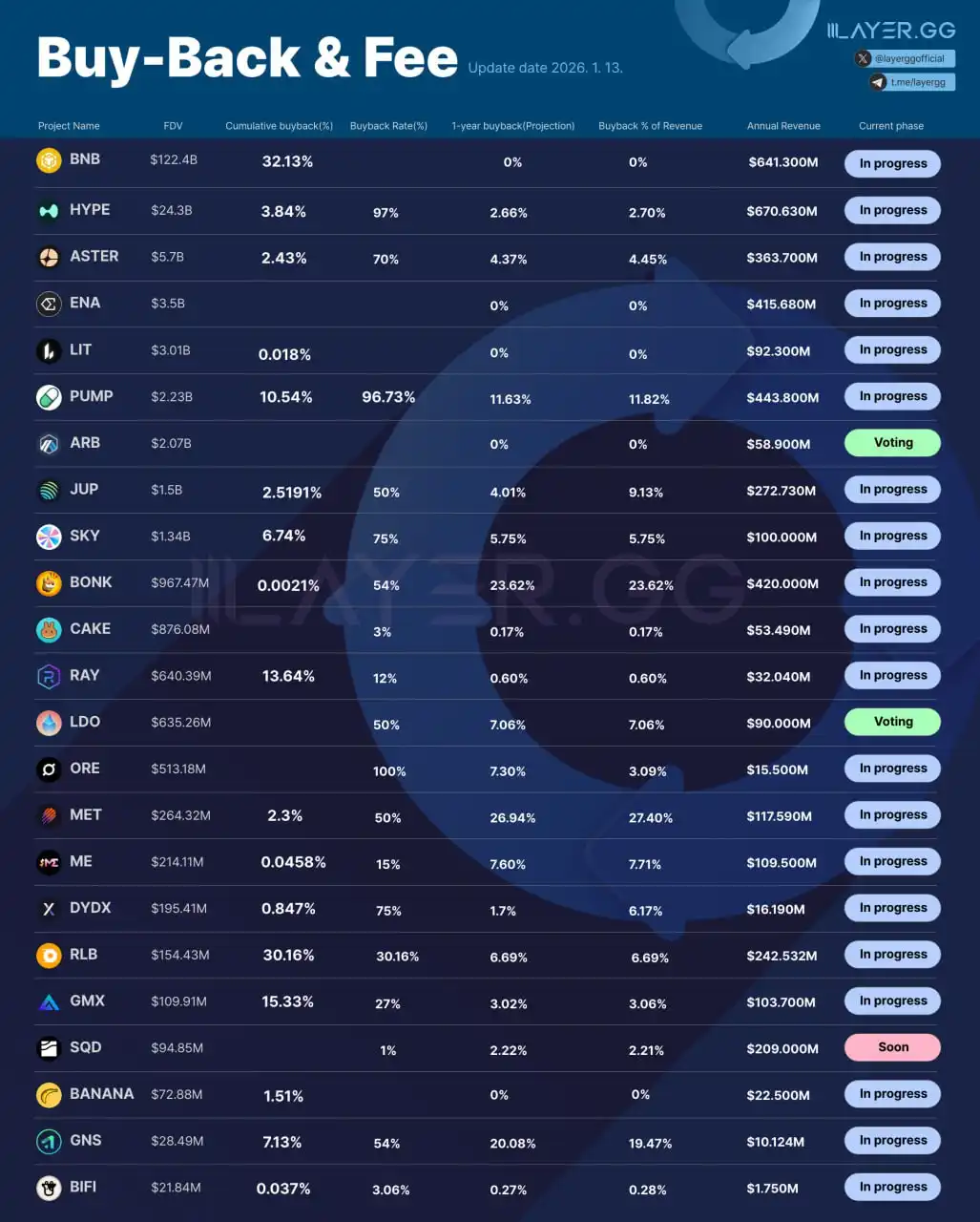
Много лет полезность токенов вращалась вокруг права голоса и выдачи стимулов, но экономическая ценность для держателей токенов была минимальной. 2025 год изменил это уравнение.
- Lido приняла框架 выкупа.
- Uniswap DAO активировала долгожданный переключатель комиссий, пообещав сжечь почти 600 миллионов долларов в токенах UNI.
- Aave внедрила механизм выкупа токенов. Optimism запустила программу выкупа.
- CoW Protocol повысила рентабельность решателей (Solver) таким образом, чтобы это приносило пользу держателям токенов.
Эта тенденция решает ключевую проблему токеномики. Выкуп и сжигание сокращают обращающееся предложение, делая токены более дефицитными. Если спрос остается стабильным, цена укрепляется. Когда держатели токенов действительно могут извлечь выгоду из успеха протокола, у них появляется больше мотивации покупать, хранить и участвовать в принятии управленческих решений в долгосрочной перспективе.
Кому на самом деле принадлежит DAO?
Два крупных спора заставили DAO直面 структурные недостатки.
- Gnosis проголосовала за прекращение казначейского мандата Karpatkey из-за споров о тарифах, неудовлетворительной работы и связанных с проблемами ликвидности потерь в размере около 700 тысяч долларов.
- Противоречия между Aave DAO и Aave Labs обострились, когда обнаружилось, что ежегодные комиссии за обмен в размере около 10 миллионов долларов от интеграции с CoW Swap поступают в Aave Labs, а не в DAO. Голосование за право собственности на бренд провалилось, и этот спор оставил более сложный вопрос: что на самом деле означает «в собственности DAO», когда основная команда контролирует разработку и распространение?
Эти конфликты заставили протоколы填补 пробелы в подотчетности и структурах управления.
Юридическая инфраструктура адаптируется к DAO
Несмотря на рост DeFi, большинство DAO по-прежнему не имеют четкой юридической структуры, что с ростом масштабов протоколов создает риски ответственности и регулирования.
Хотя такие юрисдикции, как Вайоминг (Wyoming), ввели框架 DAO LLC, а Швейцария предоставляет зрелые юридические пути, большинство DAO по-прежнему находятся в правовом серой зоне.
Прогноз трендов на 2026 год
Централизованный DAO как новая практика
Протоколы разработают четкие框架 для разграничения «общественных решений» и «операционных решений», выходя за рамки ложной дихотомии «полностью децентрализовано» или «полностью централизовано».
- Операционное исполнение: Будет осуществляться командами Labs, а не фондами.
- Общественный надзор: Представители DAO и сообщество будут отвечать за казначейскую стратегию, долгосрочное направление и основные структурные решения.
Управление переходит в инфраструктуру управления рисками
Будущие DAO больше не будут похожи на форумы с болтовней. Больше команд будут разделять решения на вогнутые (Concave decisions) и выпуклые решения (Convex decisions).
Вогнутые проблемы (Concave problems) требуют:
- Предварительно одобренных ограничений и автоматизированного исполнения.
- Надзора профессионалов (провайдеры рисков, аудиторы, команды безопасности).
- Быстрых框架 реагирования на чрезвычайные ситуации и рыночные потрясения.
- Меньше предложений, но каждое решение должно иметь более высокое экономическое влияние.
Выпуклые проблемы (Convex problems) (например, направление продукта) требуют решительного лидерства, где DAO выступает в роли «тормоза» или «контрольной точки», а не «рулевого колеса».
К 2026 году это станет стандартной конфигурацией для кредитования, стейблкоинов, перпетуальных контрактов (Perps) и любых протоколов, где финансовые риски могут быстро нарастать.
Конец governance-токенов? Необходимо создать захват стоимости
Продолжая тенденцию до 2026 года, токены, обладающие только функцией управления, будут с трудом поддерживать долгосрочное участие.
Если не видно пространства для доходов, представители, киты и стратегические держатели не будут постоянно защищать систему. Протоколы будут все чаще принимать по крайней мере один путь роста стоимости:
- 框架 выкупа токенов.
- Ответвление комиссий или распределение доходов.
- Стейкинг (Staking), привязанный к денежным потокам протокола.
- Казначейские стратегии, направленные на поддержку стоимости токена.
Когда держатели могут получить экономическую выгоду от успеха протокола, у них появляется мотивация оставаться в курсе, участвовать и защищать систему.
Юридическая структура от опциональной становится необходимой
Регуляторное давление и реальные юридические challenges будут подталкивать DAO к формальной институционализации, находя баланс между децентрализованным управлением и юридической ясностью.
Профессиональное делегирование
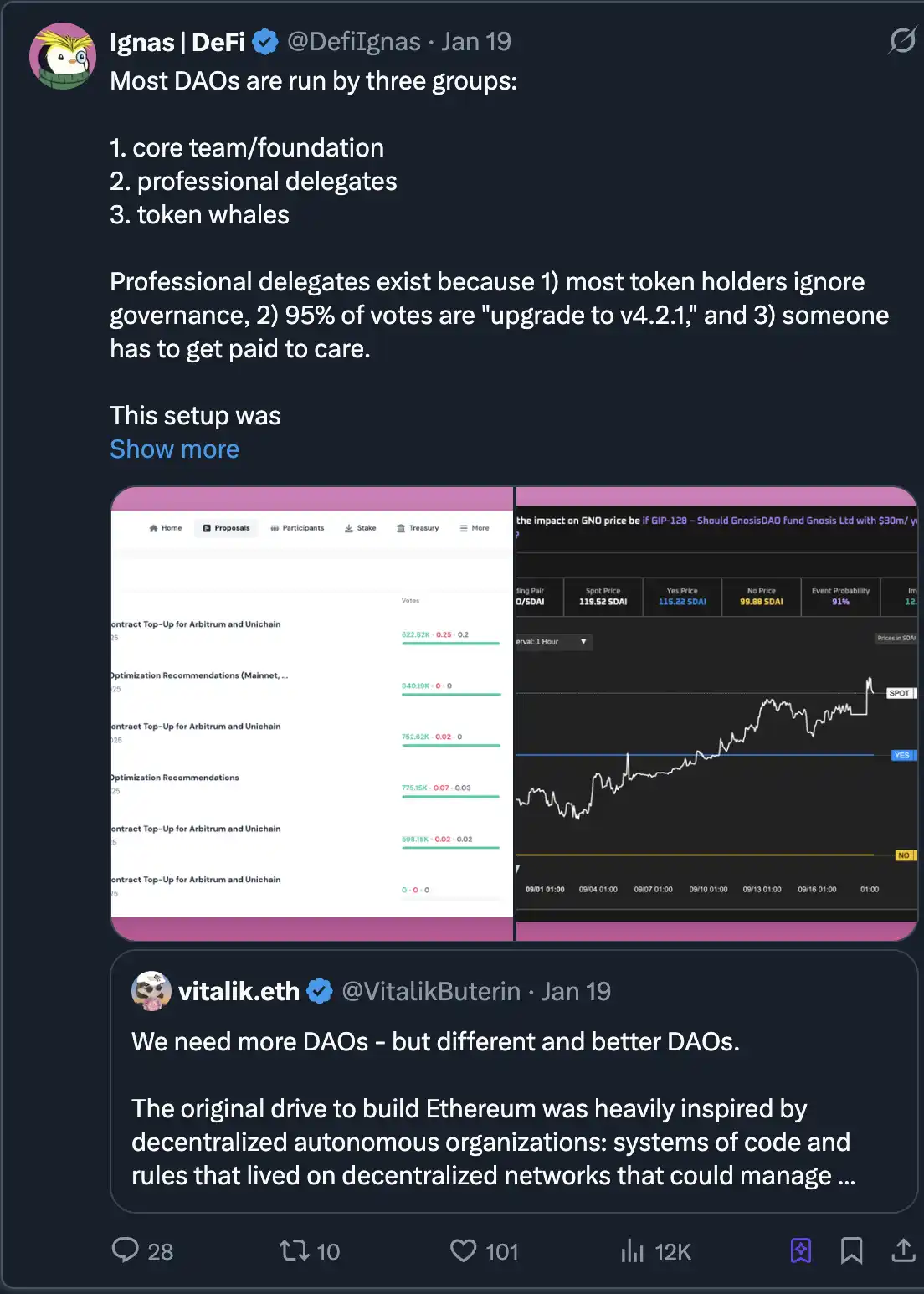
С ростом сложности управления держатели токенов будут все чаще делегировать полномочия全职 профессиональным представителям. Хотя это приведет к концентрации права голоса, это может повысить качество решений. В то же время слабые представительские учреждения, не способные к экономической самоокупаемости, столкнутся с крахом, поскольку управленческая работа становится все более профессиональной, политизированной и дорогостоящей.
Конфиденциальность, ИИ и Futarchy (управление будущим)
Публичное управление — это социальная игра. Когда каждый голос виден публично, решения определяются репутацией, давлением и союзами, а не纯粹 в интересах протокола. Поэтому конфиденциальность управления в будущем станет более важной.
ИИ решит проблему усталости от принятия решений. Он может помочь анализировать предложения и автоматически голосовать за повседневные обновления на основе пользовательских предпочтений, требуя вмешательства человека только в случае возникновения споров или涉及重大影响.
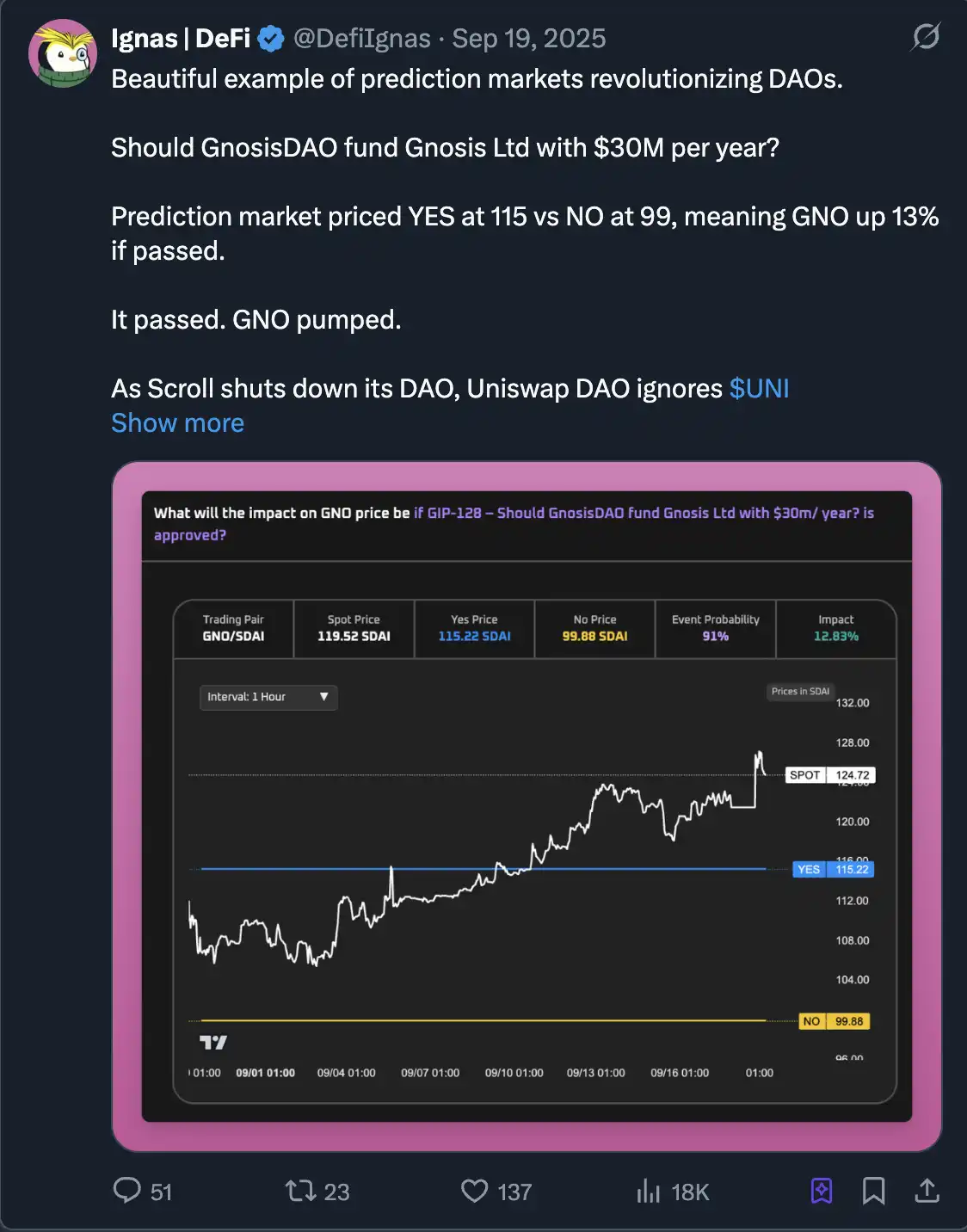
Рынки Futarchy (управления будущим) также будут играть большую роль в DAO. Они позволяют рыночным сигналам предсказывать, какой вариант может создать стоимость. Gnosis тестирует эту модель, используя预测市场 для отражения настроений по提案.
Крипто становится зрелым, и DAO тоже
Изменения, которые мы видим в операциях DAO, экономическом выравнивании, конфликтах подотчетности и профессионализации, представляют собой зрелость, а не конец DAO.
DAO эволюционируют от идеологических экспериментов к организационным структурам, балансирующим «децентрализованный надзор» и «проверенную эффективность». Мы верим, что если команды смогут согласовать интересы с сообществом, управление DAO станет более осмысленным: быстро двигаться, когда需要行动, позволять росту приносить пользу держателям токенов и требовать подотчетности от всех участников, включая основные команды и представителей.
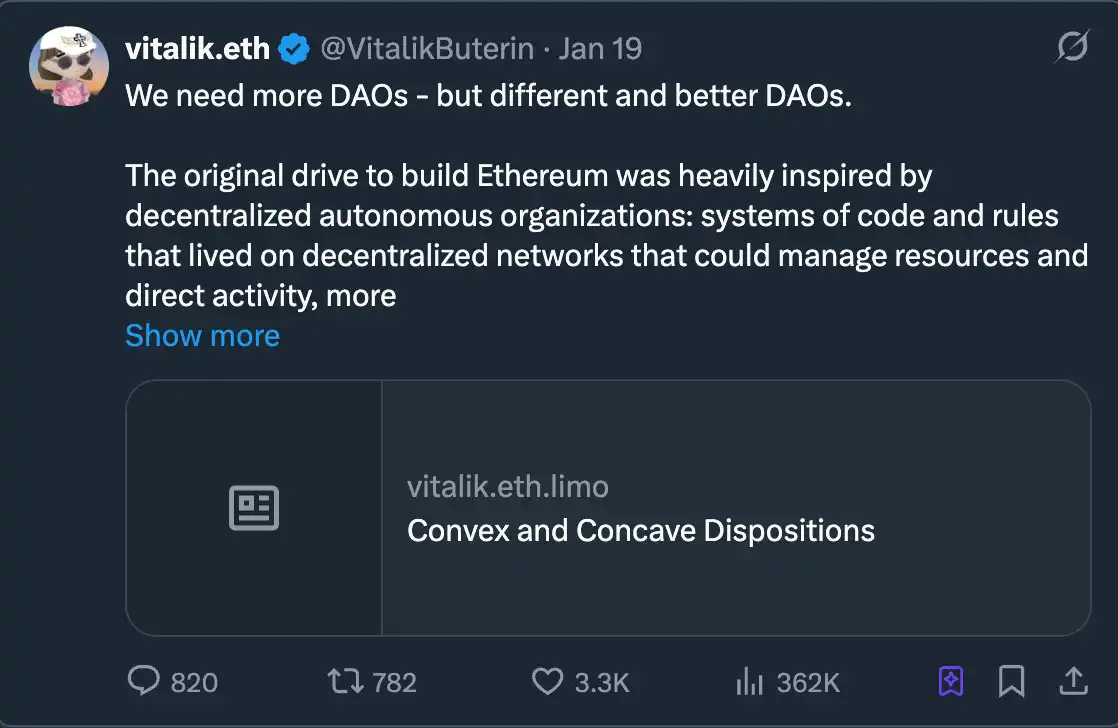
Как сказал Виталик: Нам нужно больше DAO, но других и лучших DAO.
Если вы разделяете ценность DAO, мы можем стать вашим голосом.
Эффективное делегирование — это не просто отдать голос, оно означает реальную работу: читать предложения, быть активным на форуме, понимать риски и голосовать против ошибочных решений, даже если это непопулярно.
Так мы работаем как представители: через четкую коммуникацию и образовательный контент, помогая протоколам расти, сохраняя согласованность со стимулами сообщества.