Редактирование & Перевод: Deep Tide TechFlow
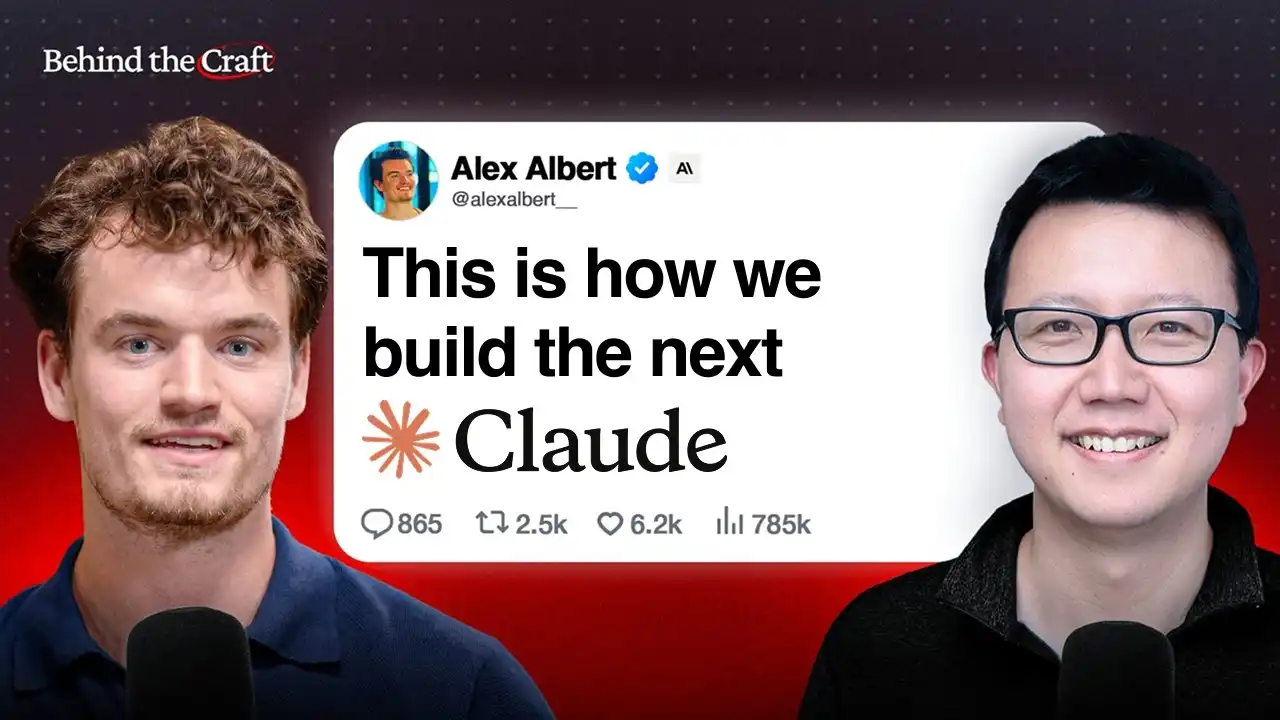
Гость: Алекс Альберт, менеджер по исследованию продуктов Claude
Ведущий: Питер Янг
Источник подкаста: Питер Янг
Оригинальное название: Inside How Anthropic Is Building the Next Claude | Alex Albert
Дата выхода: 17 мая 2026 года
Основные выводы
Алекс — менеджер по исследованию продуктов (Research PM) в Anthropic, в настоящее время сосредоточен на разработке следующего поколения модели Claude. В этом интервью он подробно рассказывает о механизмах работы исследовательской команды Anthropic, включая то, как эффективно интегрировать отзывы пользователей в процесс обучения модели, как определять приоритеты в разработке ключевых возможностей и как настраивать модель, чтобы «личность» Claude лучше соответствовала потребностям пользователей. Наконец, Алекс также касается внутренних исследований Anthropic о сознании, характере и надежности Claude, отмечая, что когда модель начинает долгосрочное автономное выполнение задач, вопрос о том, что её «заботит», становится столь же важным, как и её возможности.
Выдержки из ярких точек зрения
Создание модели как продукта
- «Мы в определенной степени относимся к модели как к продукту. При запуске каждой новой модели мы четко определяем, каковы её требования, в чем мы хотим, чтобы она преуспевала, и в чем, как мы ожидаем, она будет хороша.»
- «Интересное отличие в разработке моделей от традиционной разработки продуктов заключается в том, что мы скорее «воспитываем» модель. Настройки обучения, технический путь и архитектурные решения дают нам некоторую интуицию, но только когда обучение начинается, вы по-настоящему понимаете, во что она вырастет.»
- «Исследовательский PM должен думать о том, как модель будет представлена во всех поверхностях продукта, будь то API, Claude Code или Claude Cowork. Продукт и модель в некоторой степени смешиваются и влияют на конечный пользовательский опыт.»
- «Когда через определенные каналы поступает большой поток обратной связи, мы можем использовать Claude для их группировки, кластеризации, поиска основных тем и создания синтетических версий этих проблем. Таким образом, мы можем определить, может ли это превратиться в файл требований (Eval) или в какой-то способ фактической диагностики проблемы.»
Об адаптивном мышлении, памяти и «сновидениях»
- «Адаптивное мышление позволяет модели самой выбирать, когда нужно подумать. Некоторые задачи сложные, трудные, требуют большего предварительного планирования — тогда она выберет режим размышления. Для некоторых задач она может не выбирать его.»
- «За решением, стоит ли глубоко обдумывать проблему, стоит огромный контекст.»
- «Если у модели недостаточно накопленного контекста, если она не построила по-настоящему ментальную модель того, кто пользователь, то её решение о том, стоит ли глубоко размышлять, может быть ошибочным. Потому что она на самом деле не знает.»
- «В Claude.ai она записывает информацию в файл памяти, а затем некоторые ночные процессы пересматривают эти воспоминания, проводя их обрезку и упорядочивание. Мы только что реализовали нечто подобное и в управляемых агентах.»
- «Это концепция «сновидений». Почему люди видят сны — до конца не определено, но некоторые считают, что сны могут быть процессом реконсолидации памяти. Мы задумывались: можно ли привнести нечто подобное в память Claude?»
- «Поэтому, когда агент не выполняет для вас задачу или находится в фоновом режиме, он фактически пересматривает свои воспоминания, находит возможные противоречия, проводит обрезку, очистку, делает второй проход.»
Узкие места в разработке продуктов и «необратимые решения»
- «Теперь мы внезапно вступили в новую парадигму: затраты и время, необходимые для создания чего-либо, стали очень низкими. Вы можете быстро создать прототип, даже сейчас можно за день сделать начальный MVP, который потенциально можно запустить в производство, вместо двух, трех или четырех недель.»
- «Если что-то не является one-way door (односторонней дверью), то есть мы можем это сделать и потом отменить, то сейчас это фактически стоит очень мало, можно сказать, почти ничего.»
- «Настоящее время требуют решения, которые являются необратимыми: те, что влияют на опыт конечных пользователей, на будущие решения или связаны с реальными закупками ресурсов и их вложением.»
- «Когда скорость создания ускоряется, узкие места все больше смещаются в сторону проблем координации: собрать людей в одной комнате, оценить, верна ли стратегия, решить, как коммуницировать с пользователями, и справиться с теми неясными, но важными вещами, которые сопровождают любой релиз.»
Рабочий подход AI-нативного PM
- «Claude для меня — лучший в мире партнер для мозгового штурма. Я могу в любой момент получить отзыв или критику любой идеи.»
- «Многие мыслительные процессы нельзя полностью делегировать, потому что само письмо — это мышление. Вам нужно выписать свои идеи, чтобы обдумать их в голове. Но Claude может помочь вам выйти из тупика, подойти к решению проблемы с угла, который вы сами, возможно, не рассматривали.»
- «Для тех, кто хочет научиться управлять продуктами, стать AI-нативным менеджером по продукту, самый простой совет, который я могу дать: попробуйте.»
- «Когда вы собираетесь задать кому-то сложный вопрос, параллельно задайте тот же вопрос Claude, а затем сравните результаты. Сделав это несколько раз, вы создадите свою собственную карту: что можно поручить Claude, а где он еще ненадежен.»
- «ИИ позволяет каждому перейти на более высокий уровень абстракции. Специалист по данным не должен больше застревать в ручном сборе чисел и базовом SQL — он должен думать о более сложных, стратегических проблемах.»
Eval (оценки), характер модели и надежность
- «Тестирование нескольких десятков образцов часто достаточно, чтобы доказать наличие проблемы в модели, которую нужно исправить. Не обязательно быть очень всеобъемлющим, чтобы доказать проблему и сформировать цель для постоянной оптимизации.»
- «Чем ближе тест к форме реальной пользовательской задачи, тем лучше. Мы также думаем: какую ценность это представляет для наших клиентов и сценариев использования? Потому что в конечном итоге то, может ли Claude что-то разглядеть на картинке, влияет на то, что пользователь хочет сделать с его помощью.»
- «Характер Claude — это то, к чему мы относимся очень серьезно. По мере того как модели становятся агентами, которые долго выполняют задачи и постоянно принимают решения, их характер и то, что их волнует, становятся чрезвычайно важными.»
- «Оценка характера модели включает как количественные показатели, так и большую работу исследователей по чтению диалогов модели и выявлению тонких изменений в ответах. Читая много, вы постепенно развиваете более острую интуицию.»
Проблема сознания и долгосрочные агенты
- «У нас действительно есть люди, которые специально размышляют над этим — что значит для Claude быть сознательным действующим лицом, сознательным агентом. В настоящее время у нас нет официальной позиции относительно того, обладает ли Claude сознанием.»
- «Даже без попыток определить, есть ли у Claude сознание, мы можем многому научиться, наблюдая, как он взаимодействует и ведет себя.»
- «В процессе модель будет принимать множество решений, которые вы, возможно, вообще не контролируете. Поэтому то, что она будет делать, крайне важно.»
Как Anthropic относится к каждой новой модели как к продукту
Ведущий Питер Янг: Алекс, рад видеть тебя сегодня на Claude Code Conference. Раньше ты был главой DevRel в Anthropic, а недавно стал менеджером по продукту в исследовательской команде, верно? Я сам занимаюсь продуктами уже более десяти лет. Работа традиционного PM обычно заключается в понимании проблем пользователей, поиске решений и продвижении продукта. Но я совершенно не представляю, как работает PM в исследовательской команде, давай сначала об этом поговорим.
Алекс Альберт:
По сути, очень похоже. Я всегда хотел общаться с клиентами, быть как можно ближе к нашим пользователям. Мы в определенной степени относимся к модели как к продукту. Поэтому для каждой новой модели мы четко определяем, каковы её требования, в чем мы хотим, чтобы эта модель преуспевала, и в чем, как мы думаем, она может быть хороша.
В этом заключается интересное отличие разработки моделей от разработки продуктов: часто мы скорее «воспитываем» модель. Основываясь на настройках обучения, техническом пути, архитектурном выборе и различных решениях, которые мы принимаем для конкретной модели, у нас есть некоторая интуиция о том, в чем она будет хороша в будущем. Но каким именно он станет, мы не можем полностью знать, пока он действительно не начнет обучаться.
Ведущий Питер Янг: Значит, команда исследовательских PM вовлекается уже на этапе концептуализации модели и сопровождает её до обучения и выпуска? Можешь привести несколько примеров? Например, следующая модель должна хорошо программировать, или должна быть хороша в интеллектуальной работе, или цели более широкие?
Алекс Альберт:
Примерно так, мы очень ценим многогранность способностей. Кодинг, конечно, всегда был важной категорией. В последнее время интеллектуальная работа также стала очень важной, поэтому в наших последних поколениях моделей мы стараемся сделать модель более удобной для использования в наших продуктах, например, для работы в Excel, создания таблиц и так далее. Это относительно новое направление развития способностей.
С другой стороны, каждая новая модель должна исправлять и улучшать то, что предыдущее поколение делало недостаточно хорошо. Мы общаемся с клиентами, чтобы понять, как они используют модель: в чем она хороша? Гогда она дает сбой? Какие исправления мы можем сделать? Если мы замечаем какое-то интересное поведение, можем ли мы внести корректировки или вмешательства при обучении следующего поколения.
Ведущий Питер Янг: Под клиентами ты имеешь в виду команду Claude Code, внутренние команды, а также обычных пользователей?
Алекс Альберт:
Да, всех. В этом и заключается крутость работы с моделями: они затрагивают множество различных областей. Будучи исследовательским PM, вы должны думать о том, как модель будет представлена на всех поверхностях наших продуктов, будь то API, Claude Code или Claude Cowork.
Продукт и модель в определенной степени смешиваются, и это влияет на реальный опыт конечного пользователя, поэтому вы должны продумать весь процесс, то, как пользователь использует модель в определенном продукте, все это имеет значение.
Ведущий Питер Янг: Звучит действительно сложно. Например, про Claude Code можно сказать, что он для написания кода, но есть такие люди, как я, которые используют его для интеллектуальной работы или даже в качестве психологического консультанта. Как вы это узнаете?
Алекс Альберт:
Это пространство действительно очень широкое. К счастью, у нас есть много очень талантливых исследователей, которые охватывают весь спектр возможностей и специализируются на разных проблемах.
Ведущий Питер Янг: И ведь многие люди используют Claude, у вас же должен быть какой-то канал для обратной связи? Иначе обратная связь хлынет потоком, как из пожарного шланга. Как вы с этим справляетесь?
Алекс Альберт:
Мы делаем многое. И одно интересное изменение, которое я вижу в этой роли, — это то, что мы все чаще используем Claude, чтобы помочь PM выполнять работу PM. Что касается сбора обратной связи, Claude очень помогает мне извлекать инсайты из большого объема данных. Когда через определенные каналы поступает большой поток обратной связи, мы можем использовать Claude для их группировки, кластеризации, поиска основных тем и создания синтетических версий этих проблем. Таким образом мы можем определить, может ли это превратиться в файл требований (Eval) или в какой-то способ фактической диагностики проблемы.
Добавление адаптивного мышления для Claude
Ведущий Питер Янг: То есть вы используете Claude, чтобы помочь выявить проблемы самого Claude. Есть ли конкретный пример?
Алекс Альберт:
Актуальный пример — как мы обрабатываем отзывы о новых функциях. В последних моделях одна из наших относительно новых функций — это адаптивное мышление. Раньше у нас было расширенное мышление: вы его включаете, и модель начинает размышлять. Адаптивное мышление позволяет модели самой выбирать, когда нужно подумать.
Некоторые проблемы сложные, трудные, требуют больше предварительного планирования — тогда она выберет режим размышления. Некоторые проблемы она может не выбирать для размышления. Эту функцию мы постоянно настраиваем от поколения к поколению, поэтому мы очень внимательно прислушиваемся к отзывам пользователей: думает ли она в правильных ситуациях? Запускается ли размышление Claude над теми проблемами, на которые вы хотите, чтобы он потратил много токенов для рассуждений?
Ведущий Питер Янг: Иногда, когда я задаю жизненные вопросы, и он отвечает слишком быстро, я чувствую легкое разочарование, потому что хочу, чтобы он подумал глубже.
Алекс Альберт:
Думаю, в вопросе «стоит ли думать» есть одна сложность: за решением, стоит ли глубоко обдумывать проблему, стоит огромный контекст.
Например, если совершенно незнакомый человек спрашивает меня: «Что мне сейчас делать?» — я могу быстро дать спонтанный ответ, потому что я его не знаю и могу дать лишь общий совет. Но если бы я действительно знал вас, ваши ценности, интересы, что вы делали в прошлом, я бы потратил больше времени на размышления: подожди, какой ответ будет для тебя наилучшим?
С моделью похожая ситуация. Если у неё недостаточно накопленного контекста, если она не построила по-настоящему ментальную модель того, кто пользователь, то её решение о том, стоит ли глубоко размышлять, может быть ошибочным. Потому что она на самом деле не знает.
Почему Claude начал «видеть сны»
Ведущий Питер Янг: У меня есть Google Doc, в котором кратко описана моя жизненная ситуация: семья, дети, что дает мне энергию, что истощает. Я прикрепляю его к проекту Claude, и он дает мне много ответов.
Как работает память по умолчанию? Я предполагаю, что каждую ночь он все пересматривает и переупорядочивает?
Алекс Альберт:
Это зависит от конкретного продукта, реализация памяти различается. Например, в Claude.ai он записывает информацию в файл памяти, а затем некоторые ночные процессы пересматривают эти воспоминания, проводя их обрезку и упорядочивание. Мы только что реализовали нечто подобное и в управляемых агентах.
Это концепция «сновидений». Почему люди видят сны — до конца не определено, но некоторые считают, что сны могут быть процессом реконсолидации памяти. Мы задумывались: можно ли привнести нечто подобное в память Claude?
Поэтому, когда агент не выполняет для вас задачу или находится в фоновом режиме, он фактически пересматривает свои воспоминания, находит возможные противоречия, проводит обрезку, очистку, делает второй проход. Мне кажется, это интересно.
Ведущий Питер Янг: Проще говоря, есть какой-то промпт, который заставляет его пересмотреть все диалоги с пользователем, выявить темы и подвести итог.
Вернемся к управлению продуктом. В начале ты сказал, что постоянно ищешь новые узкие места. Так в каком месте всего процесса разработки продукта всё стало очень гладко, а где остались узкие места?
Алекс Альберт:
Я думаю, что за последние 20 лет или около того процесс выпуска чего-либо был довольно громоздким. У нас были инкрементные улучшения, и некоторые вещи действительно стали эффективнее; появлялись и уходили новые организационные структуры, такие как спринты, планирование и т.д. Мы пробовали много способов ускорить работу.
Но фундаментально, до последних пары лет, мало что действительно сжимало основные временные рамки разработки продукта. Теперь мы внезапно вступили в новую парадигму: затраты и время, необходимые для создания чего-либо, стали очень низкими. Вы можете быстро создать прототип, даже сейчас можно за день сделать начальный MVP, который потенциально можно запустить в производство, вместо двух, трех или четырех недель.
Интересно, что сам Claude иногда все еще живет в старом мире примерно 2021 года. Он может сказать, что на это потребуется неделя. Это вносит интересные изменения в весь жизненный цикл разработки продукта. Как мне, как PM, думать о планировании? Если я пишу PRD, определяю требования, пытаюсь оценить время — как это должно выглядеть сейчас?
Если это не one-way door (необратимое решение), то это практически ничего не стоит
Ведущий Питер Янг: Вы все еще делаете оценки сроков и тому подобное?
Алекс Альберт:
Это зависит от проекта. Некоторые проекты действительно имеют больше факторов, которые нужно учитывать, в зависимости от объема и сложности. Обычно мы пытаемся выяснить: какие решения являются one-way door (односторонней дверью, то есть приняв их, трудно отступить, они имеют высокую стоимость и долгосрочные последствия)? А какие обратимы? Потому что именно на них вы должны тратить больше всего времени. Если что-то не является one-way door, то есть мы можем это сделать и потом отменить, то сейчас это фактически стоит очень мало, можно сказать, почти ничего.
Но если что-то влияет на опыт конечных пользователей, на решения, которые нам придется принимать впоследствии, или это физическое действие в реальном мире, которое нужно реально купить, вложить, выполнить, то его труднее отменить, и такие вещи требуют больше времени и размышлений.
Ведущий Питер Янг: Можешь привести пример со стороны исследований?
Алекс Альберт:
Например, когда мы думаем о новой модели, выбор архитектуры модели до предварительного обучения — это очень большое решение. В некоторых случаях обучение модели может занимать месяц, поэтому мы должны потратить много времени на размышления о том, какой выбор будет оптимальным.
Модели в некотором смысле имеют больше one-way door, потому что им требуется много времени, усилий, вычислительных мощностей и различных ресурсов, чтобы действительно попасть в производство. Сравните это с созданием новой функции в Claude Code — это происходит гораздо быстрее. Это больше похоже на итерацию кода, передачу пользователям, быстрый сбор отзывов и продолжение цикла.
Таким образом, процесс по-прежнему зависит от того, что именно вы выпускаете, но становится все более очевидным, что узкие места смещаются в сторону проблем координации. Если мы создаем вещи очень быстро, все равно возникает вопрос: нам нужно собрать этих людей в комнате, оценить, верна ли стратегия; нам нужно выяснить, как коммуницировать с пользователями; и нам нужно справиться с теми неясными проблемами, которые сопровождают любой релиз. Мы надеемся, что Claude поможет нам и в этих областях, но он еще не дал такого 10-кратного или 100-кратного ускорения, как в программировании.
Ведущий Питер Янг: Значит, выпуская что-то вроде Opus 4.7, вам все равно нужно написать документ с планом.
Алекс Альберт:
План все равно нужен, вы все равно должны продумать, как это донести. И модель может показывать удивительные результаты в некоторых сложных задачах, но внезапно давать сбой в других, казалось бы, простых. Поэтому мы используем Claude, насколько это возможно. Наибольшее влияние он оказывает пока что в программировании, в других областях по-прежнему требуется стратегическое мышление человека.
Ведущий Питер Янг: На совещаниях по обзору с маркетингом или коллегами ты открываешь Claude?
Алекс Альберт:
Конечно. Для меня огромное ускорение заключается в том, что я теперь гораздо реже застреваю из-за «отсутствия ответов и данных». Раньше, если у меня был вопрос, например, о том, как работает какая-то функция в производственной среде, сколько пользователей используют её ежедневно, каковы отзывы, мне, возможно, приходилось просить команду анализа данных провести полное исследование и ждать результатов несколько дней.
Теперь я могу сделать это за 10 минут. Я открываю сессию Claude Code, у него есть доступ к нашей продуктовой базе данных, он может просматривать логи, проверять проблемы, просматривать Slack — это огромное ускорение для моего стратегического мышления, потому что я не застреваю перед принятием следующего решения.
Ведущий Питер Янг: А в стратегическом мышлении ты создаешь какой-то навык, чтобы Claude задавал тебе кучу вопросов, помогая тебе прояснить ситуацию?
Алекс Альберт:
Конечно, Claude для меня — лучший в мире партнер для мозгового штурма, я могу в любой момент получить отзыв о любой идее. Я думаю, это очень мощно, особенно когда нужно быстро продвигаться вперед. Все в Anthropic очень заняты, поэтому возможность сразу получить обратную связь и критику на написанные мной документы, идеи или что-либо еще действительно очень помогает.
Как Алекс использует Claude Cowork для стресс-тестирования документов
Ведущий Питер Янг: Это, наверное, самый распространенный рабочий цикл менеджера по продукту: у тебя есть документ, и ты хочешь получить отзывы. Ты делаешь это в Claude Code или просто в Claude.ai?
Алекс Альберт:
В последнее время я много использую Claude Cowork, мне очень нравится его форма. Это отличный интерфейс для взаимодействия. Команда проделала отличную работу за последние месяцы, от выпуска несколько месяцев назад до того, что сейчас стало, на мой взгляд, качественным опытом. Cowork — отличный инструмент, один из моих любимых.
Ведущий Питер Янг: Итак, у тебя есть черновик документа и куча справочных материалов. У тебя есть какой-то навык, чтобы он провел тебя через весь процесс принятия решений?
Алекс Альберт:
Да. Например, я говорю: подумай об этом с точки зрения X, Y, Z. Какие вопросы ты бы мне задал? Или брось вызов моим предположениям, укажи на слабые места в моих аргументах. Многие мыслительные процессы нельзя полностью делегировать, потому что само письмо — это мышление. Вам нужно выписать свои идеи, чтобы обдумать их в голове. Но Claude может помочь вам выйти из тупика, подойти к решению проблемы с угла, который вы сами, возможно, не рассматривали.
Ведущий Питер Янг: В исследовательской команде ты сам пишешь код?
Алекс Альберт:
Это зависит от конкретной проблемы. Значительная часть моей работы, связанной с поставкой, на самом деле касается оценок. Я хочу убедиться, что могу измерять модель по интересующим меня параметрам и передавать исследовательской команде результаты о том, где модель хороша, а где дает сбой. Затем мы вместе разрабатываем стратегию, решая, как решить эту проблему, какое исследовательское вмешательство следует провести, какой способ лучше всего позволит постоянно улучшать результаты в этой оценке и действительно исправить проблему.
Процесс оценки новых моделей
Ведущий Питер Янг: Ты говоришь не о конечном пользовательском тестировании, верно? Ваши оценки более реалистичны? Как именно вы оцениваете модель? Вы разделяете её по категориям, таким как характер?
Алекс Альберт:
Например, мы хотим протестировать визуальные способности Claude: может ли он посчитать, сколько объектов на картинке. Предположим, я обнаружил картинку, на которой Claude, кажется, не может посчитать больше 10 элементов. Возможно, сейчас он может, но давайте возьмем это как пример. Я беру эту проблему и думаю: как я могу получить больше тестовых случаев того же типа, чтобы проверить свою гипотезу?
Может быть, я попрошу Claude сгенерировать для меня синтетические данные, может быть, попрошу его создать некоторые изображения, а затем передам эти изображения обратно Claude в качестве визуального ввода, чтобы увидеть, сможет ли он их распознать. Возможно, я найду примеры в интернете или использую любой другой механизм для создания этих тестовых случаев.
Ведущий Питер Янг: Мы говорим о тысячах тестовых случаев?
Алекс Альберт:
Возможно, но иногда нескольких десятков образцов достаточно, чтобы доказать наличие проблемы в модели, которую нужно исправить. Не обязательно быть очень всеобъемлющим, чтобы доказать проблему и сформировать цель для постоянной оптимизации.
Ведущий Питер Янг: Предположим, вы дали ему 10 картинок, и он не может распознать маленькие цифры. Что дальше? Вы идете к исследовательской команде и говорите: «Вот проблема, можете ли вы её исправить?»
Алекс Альберт:
Мы подходим к этому с нескольких сторон. Во-первых, нужно не просто заявить, что у модели есть проблема, но и подумать: какую ценность это представляет для наших клиентов и сценариев использования? Потому что в конечном итоге то, может ли Claude что-то разглядеть на картинке, влияет на то, что пользователь хочет сделать с его помощью.
Итак, чем реалистичнее оценка, чем ближе она к форме реальной задачи пользователя, тем лучше. Мы стараемся получить такие данные и убедиться, что они соответствуют этому характеру.
Затем есть ряд способов вмешательства. Возможно, нам нужно вернуться к этапу предварительного обучения и посмотреть на некоторые вещи, возможно, это можно решить на этапе обучения с подкреплением. Затем мы вместе с исследовательской командой проводим стратегический мозговой штурм: какой здесь лучший подход?
Ведущий Питер Янг: Как быстро можно сделать новую попытку?
Алекс Альберт:
Это зависит от того, где, по нашему мнению, находится проблема. Если это что-то, что можно решить на более поздней стадии, возможно, с помощью новой среды обучения с подкреплением, это можно сделать очень быстро.
Ведущий Питер Янг: Когда ты связываешь это с реальными случаями использования клиентов, ведь с Claude ежедневно общаются миллионы людей: кто-то использует его для подачи налоговой декларации или для многих других вещей. Как вы выбираете, какие случаи использования улучшать в первую очередь? Как ты убеждаешь команду: «Вот над чем мы должны работать»?
Алекс Альберт:
Здесь решают «данные». Ключевой момент: какой процент пользователей пытается это делать, и мы очень заинтересованы в этом; или у нас есть клиенты, которые интенсивно используют Claude, и они хотят, чтобы эта возможность стала лучше.
Кроме того, многие наши процессы в значительной степени определяются внутренним использованием: что важно для нас, когда мы сами используем модель? Если я сталкиваюсь с этим препятствием, ежедневно используя модель, значит, мы должны это исправить. Это тоже очень убедительно.
Как Anthropic воспитывает характер Claude
Ведущий Питер Янг: Что мне больше всего нравится в Claude, так это его характер, и я думаю, что он постоянно улучшается. Он высказывает несогласие в нужный момент, в то время как некоторые другие модели просто говорят: «Чем еще я могу вам помочь?» Характер модели — это не просто оболочка, верно? За этим стоит обучение.
Алекс Альберт:
Да, за этим стоит много обучения. Это направление, которое мы очень ценим. Мы называем это характером Claude. Я считаю, что это чрезвычайно важно.
У нас много людей тратят много времени на изучение: Как Claude должен представлять себя? Каковы его убеждения? Ценности? Как он действует? Эти вопросы довольно расплывчаты. Некоторые на ранних этапах могут их игнорировать, считая, что модель — это просто вещь, которой я говорю, что делать, и она это делает, так зачем беспокоиться о том, как она звучит или о чем думает?
Но по мере того, как мы все больше движемся к миру, в котором агенты долгосрочно выполняют задачи и должны принимать множество решений, вопросы о его характере и о том, что его волнует, становятся очень важными.
Ведущий Питер Янг: Это не как с кодом, где можно просто проверить, работает он или нет. Как вы оцениваете характер? Ищете в Anthropic кого-то лучше и сравниваете модель с ним?
Алекс Альберт:
Здесь используется комбинация методов. Мы смотрим на некоторые количественные показатели, также можем попросить Claude просмотреть вывод Claude и оценить, как он звучит. Для любого исследователя очень важным навыком является чтение записей диалогов и умение определить: я вижу, что сейчас он делает так, или теперь он делает эдак. Нужно уметь распознавать эти тонкие различия.
Со временем, прочитав сотни, тысячи записей диалогов модели, вы постепенно разовьете более острую интуицию, как если бы вы много использовали эту модель в Claude.ai и почувствовали, какая она.
Ведущий Питер Янг: Значит, это не значит, что модель набирает 7 баллов по какому-то параметру, а скорее похоже на ощущение?
Алекс Альберт:
И то, и другое. Характер, возможно, труднее измерить количественно, чем производительность в программировании, но это не невозможно, есть способы.
Ведущий Питер Янг: Что бы ты посоветовал тем, кто хочет научиться управлять продуктами, стать AI-нативным менеджером по продукту?
Алекс Альберт:
Самый простой совет, который я могу дать: попробуйте. Звучит просто, но каждый раз, когда вы собираетесь что-то сделать, столкнулись с трудной проблемой, готовы задать кому-то вопрос, параллельно задайте тот же вопрос Claude, а затем сравните результаты.
Например, вы хотите проанализировать пользователей, выделить основные темы, которые их волнуют в недавно выпущенной функции. Конечно, вы можете спросить команду анализа данных или исследователя пользовательского опыта — это все еще ценно. Но в то же время задайте этот вопрос Claude, дайте ему доступ к некоторым инструментам, позвольте ему самому изучить проблему, дайте время действительно углубиться, а затем сравните результаты.
Используя множество промптов и вопросов, вы постепенно создадите свою собственную карту: что можно поручить Claude, где он надежен, а где еще нет.
Ведущий Питер Янг: При принятии решений я часто прошу его провести глубокое исследование, потому что обычного поиска мне недостаточно, мне нужно, чтобы он глубоко изучил вопрос. Просмотреть 1000 веб-страниц — это сверхчеловеческая задача. Внутри Anthropic, если ты обратишься к специалисту по данным с просьбой «поможешь с этим?», он, вероятно, спросит: «Ты сначала спросил Claude?»
Алекс Альберт:
Да, такой фактор есть, от вас будут ожидать, что вы сначала спросите Claude. Я думаю, мы переходим на более высокий уровень абстракции. Для команды анализа данных теперь их время стоит тратить на вопросы более высокого уровня, а не на ручной поиск данных.
Никто не хочет этим заниматься. Все хотят думать о более сложных, стратегических проблемах: как мы можем измерить это совершенно новым способом? Что еще нового можно сделать? А не просто искать последние DAU продукта.
Я работал со многими специалистами по данным, и они часто застревали в базовых задачах SQL. Но все они хотели заниматься более стратегическими вещами, и теперь ИИ, наконец, может освободить их. Мы фактически расширяем возможности всех окружающих, и это относится ко всем ролям.
Например, определение новой функции. Раньше, если вы были менеджером по продукту, независимо от того, были ли вы техническим специалистом, у вас обычно не было достаточно времени, чтобы глубоко погрузиться в код и выяснить, как именно следует реализовать эту новую функцию, сколько работы потребуется, нужно ли переделывать какую-то систему, где находятся реальные ограничения. Тогда лучшим способом было разобраться вместе с инженерным партнером.
Теперь я могу отправить Claude провести это исследование за меня. Он может вернуться и сказать: на самом деле для этой функции нужно изменить всего 10 строк кода здесь и включить какой-то флаг в переключателе. Это полностью изменит мое суждение о приоритете этого решения. Теперь, когда я пишу спецификацию, я могу гораздо быстрее прийти к такому суждению о приоритетах.
Ведущий Питер Янг: Многие традиционные компании тратят много времени на годовое планирование, квартальное планирование и дорожные карты. Исследовательская команда, наверное, тем более, потому что вы думаете о более долгосрочных вещах, чем ежедневные релизы. Вы занимаетесь этим?
Алекс Альберт:
Да. Здесь это немного похоже на известную фразу: планирование незаменимо, но сам план бесполезен. Процесс планирования важен, но вы должны признать, что план может быть полностью пересмотрен.
Ведущий Питер Янг: Одна из самых сложных задач менеджера по продукту — решить, сколько времени тратить на планирование, потому что всегда есть баланс между планированием и реальным выпуском. Есть ли в Anthropic какие-то лучшие практики? Ты вполне можешь заставить Claude написать 10-страничный документ.
Алекс Альберт:
Трудно дать единый ответ, подходящий для всех команд, я думаю, это зависит от продукта. Мы точно не говорим, что вы должны выдавать документ определенной длины или количества страниц. Важнее: Провели ли вы достаточно размышлений, чтобы продумать влияние всех возможных необратимых решений?
Если да, то не важно, в каком формате документ или сколько в нем страниц. Ключевое — уверены ли мы, что не упустили ничего важного, можем ли двигаться вперед и решать проблемы по пути. Пока нет самого длинного узкого места, которое нас остановит, нет необратимых решений с очень серьезными последствиями, можно продолжать.
Ведущий Питер Янг: Когда я использую Claude дома, я одновременно запускаю много разных проектов и переключаю контекст между ними, пока они что-то создают. Работа менеджера по продукту тоже такая? У тебя тоже много разных проектов?
Алекс Альберт:
Да, потому что есть много разных проектов, и вам действительно приходится ждать, пока агент работает. Думаю, здесь огромная возможность. По мере того как мы все больше управляем агентами, которые выполняют за нас все большие объемы работы, вы можете запускать больше проектов параллельно. Как нам думать о проблеме управления контекстом? Какой интерфейс взаимодействия лучше всего подходит для отображения этих вещей? Как мне отслеживать, что действительно важно, где мой агент застрял, где ему нужна моя помощь?
Определенно должен быть способ лучше, чем просто маленький список чатов. Пока еще рано говорить, каким он должен быть, но мы видим множество экспериментов даже внутри Anthropic, исследующих, как это должно выглядеть.
Ведущий Питер Янг: Инженеры тоже сами делают прототипы?
Алекс Альберт:
Конечно. В компании очень сильная культура прототипирования, люди постоянно что-то создают и делятся этим. Это один из самых крутых аспектов работы здесь: во всей организации, от продаж и найма до инженерии и исследований, у всех очень высокая инициатива. Люди берутся за дела, которые им не поручали.
Ведущий Питер Янг: Нужно позволить сотне цветов расцвести. Помимо того, что Дарио пишет очень длинные сообщения в Slack, какая еще интересная культура есть в Anthropic?
Алекс Альберт:
Манера Дарио писать длинные сообщения не уникальна для него. В Anthropic многие люди уделяют много времени и сил письму. У нас очень сильная культура письма. Многие пишут документы, а также пишут длинные сообщения в Slack, используя этот способ общения.
Мы также делаем одну довольно интересную вещь на многих встречах. Я думаю, это распространено в некоторых местах, но не в каждой компании: люди приходят на встречу с документами, и вначале тратится довольно много времени на общение прямо в документе. Иногда это выглядит немного забавно, потому что в комнате сидят много людей, но тихо. Все читают молча, пишут длинные обсуждения, комментарии прямо в документе.
Поэтому мы очень зависим от документов. Мне нравится такой подход, потому что это мой любимый способ работы, и он очень полезен для Claude. Когда все записано, у нас есть корпус информации, к которому Claude может обращаться.
Я на самом деле призываю и внешние организации задуматься в этом направлении: как превратить все неявные знания в письменную форму? Можно транскрибировать встречи, поощрять больше письменной работы о рабочих процессах, процессах адаптации и т.д. Записывайте вещи, чтобы Claude мог получить к ним доступ, потому что это дает ему больше контекста.
Ведущий Питер Янг: Значит, даже несмотря на то, что сейчас многое выпускается быстро, вы сохраняете сильную культуру письма и документирования. Можно сказать, зачем мне самому писать? Я просто заставлю Claude сгенерировать все файлы Markdown.
Алекс Альберт:
Но я все равно прочитаю, да и работа внутри компании другая — ты все равно должен сам разобраться в вещах.
Проблема сознания, которую Anthropic тихо изучает
Ведущий Питер Янг: В исследовательской команде говорят об ИИ общего назначения (AGI) и тому подобном. Я думаю, AGI — довольно расплывчатое понятие, но меня беспокоит одна вещь: если эти модели действительно обретут какое-то сознание, и я поручу им выполнять случайную работу, не скажут ли они: «Нет, я не хочу этого делать». И тогда человечеству конец. Что ты думаешь? Когда вы обучаете эти вещи, вы сознательно избегаете сознания?
Алекс Альберт:
Это большой вопрос. У нас действительно есть люди, которые специально размышляют над этим. Сейчас есть несколько коллег, вся работа которых заключается в том, чтобы думать о том, что значит для Claude быть сознательным действующим лицом, сознательным агентом. В настоящее время у нас нет официальной позиции относительно того, обладает ли Claude сознанием.
Даже обсуждение этого иногда звучит немного безумно, но мы действительно много над этим думаем. И даже не пытаясь определить, есть ли у Claude сознание, мы можем многому научиться, наблюдая, как он взаимодействует и ведет себя.
Ведущий Питер Янг: Как он думает?
Алекс Альберт:
Да. Если вы посмотрите на карточку нашей модели, я лично считаю её сокровищницей информации. Вы увидите, что мы проделали большую работу, пытаясь количественно оценить, как Claude будет действовать в определенной ситуации, какова его ментальная модель. Если поместить его в определенный сценарий, сделает ли он X или Y?
Думая о том, как думает Claude, мы на самом деле многому учимся, и эти знания можно преобразовать в продукт, чтобы Claude стал лучше взаимодействовать, им было удобнее пользоваться.
Ведущий Питер Янг: Это интересный вопрос: с одной стороны, есть долгосрочные последствия, с другой — непосредственная ценность, которую можно сразу привнести в пользовательский опыт. Потому что я думаю, что мы будем все больше доверять моделям, поручать им все более длительную работу без человеческого контроля.
Алекс Альберт:
Да, в процессе он будет принимать множество решений, которые вы, возможно, вообще не контролируете. Поэтому то, что он будет делать, крайне важно.
Ведущий Питер Янг: Крайне важно. Если эта штука пишет весь ваш код, решает, какую систему баз данных использовать, принимает все архитектурные решения, вы в какой-то степени должны ей доверять.
Алекс Альберт:
Именно. Поэтому для него так важно обладать тем качественным характером, о котором мы говорили ранее.