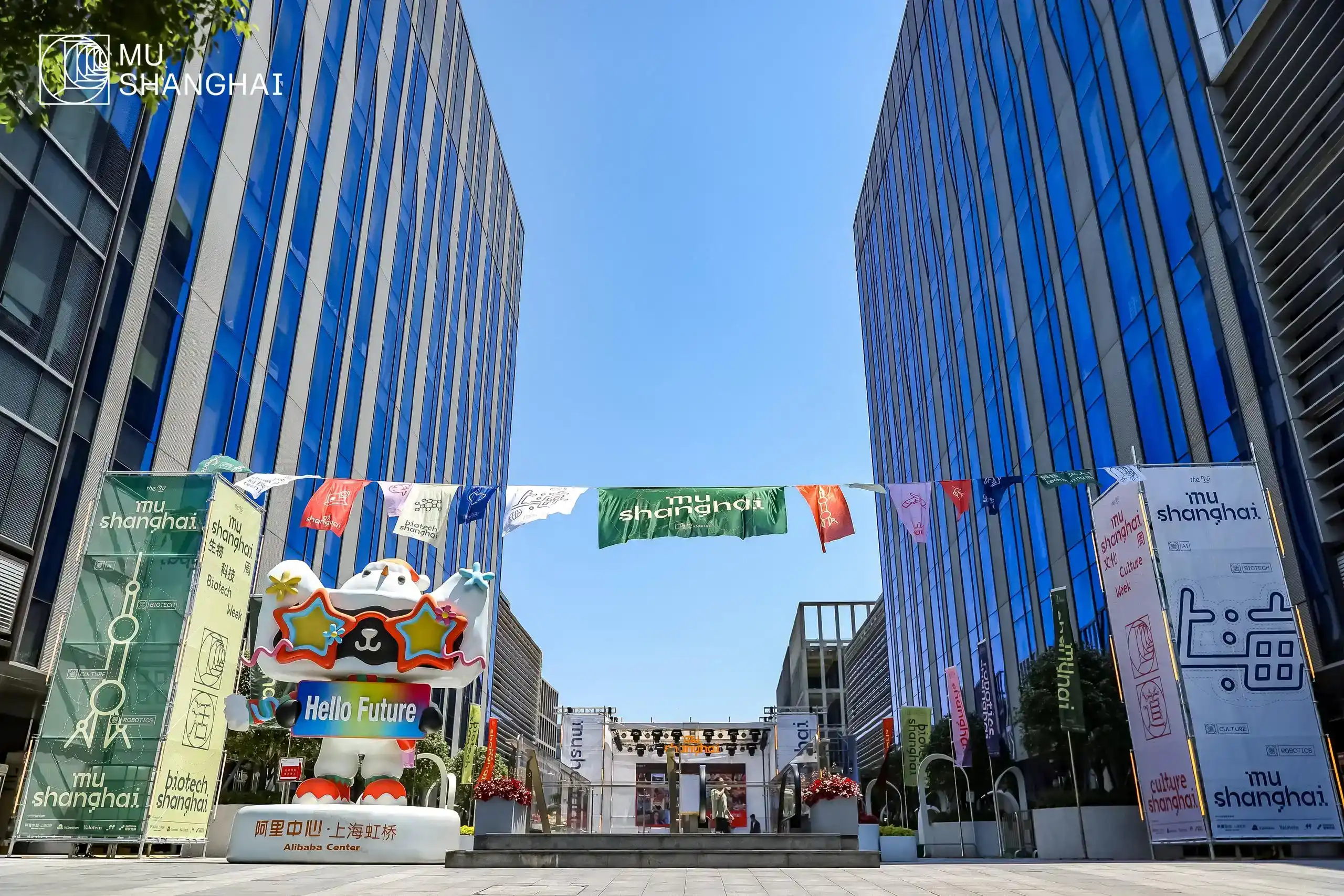
11 мая 2026 года, в холле шестого этажа шанхайского центра Alibaba в Хунцяо, традиционные столы и стулья были полностью убраны, их место заняли разбросанные повсюду бескаркасные кресла и напольные подушки. Свет приглушили, на полу сидели более сотни человек.
Здесь проходило мероприятие muShanghai, 28-дневное мероприятие в формате техно-поп-ап города. За два дня более 2000 человек посетили это здание. А всего месяц назад этот этаж был пустым.
Центр Alibaba в Хунцяо когда-то был шанхайской штаб-квартирой Alibaba. Позже штаб-квартира переехала на западный берег, оставив целые пустые этажи офисов, светлые, чистые и безлюдные.
В конце января 2026 года, один молодой человек, занимающийся сообществом за рубежом, по рекомендации друга оказался здесь. Этот молодой человек сказал, что хочет провести в Китае 28-дневное мероприятие, собрать технологических предпринимателей со всего мира в Шанхае, чтобы они жили здесь месяц, вместе писали код, работали над проектами, заводили друзей. Он сказал, что уже делал подобное в Чиангмае, в Буэнос-Айресе, в Сан-Франциско. Он сказал, что более двух тысяч человек подали заявки. Он сказал, что ему нужно здание.
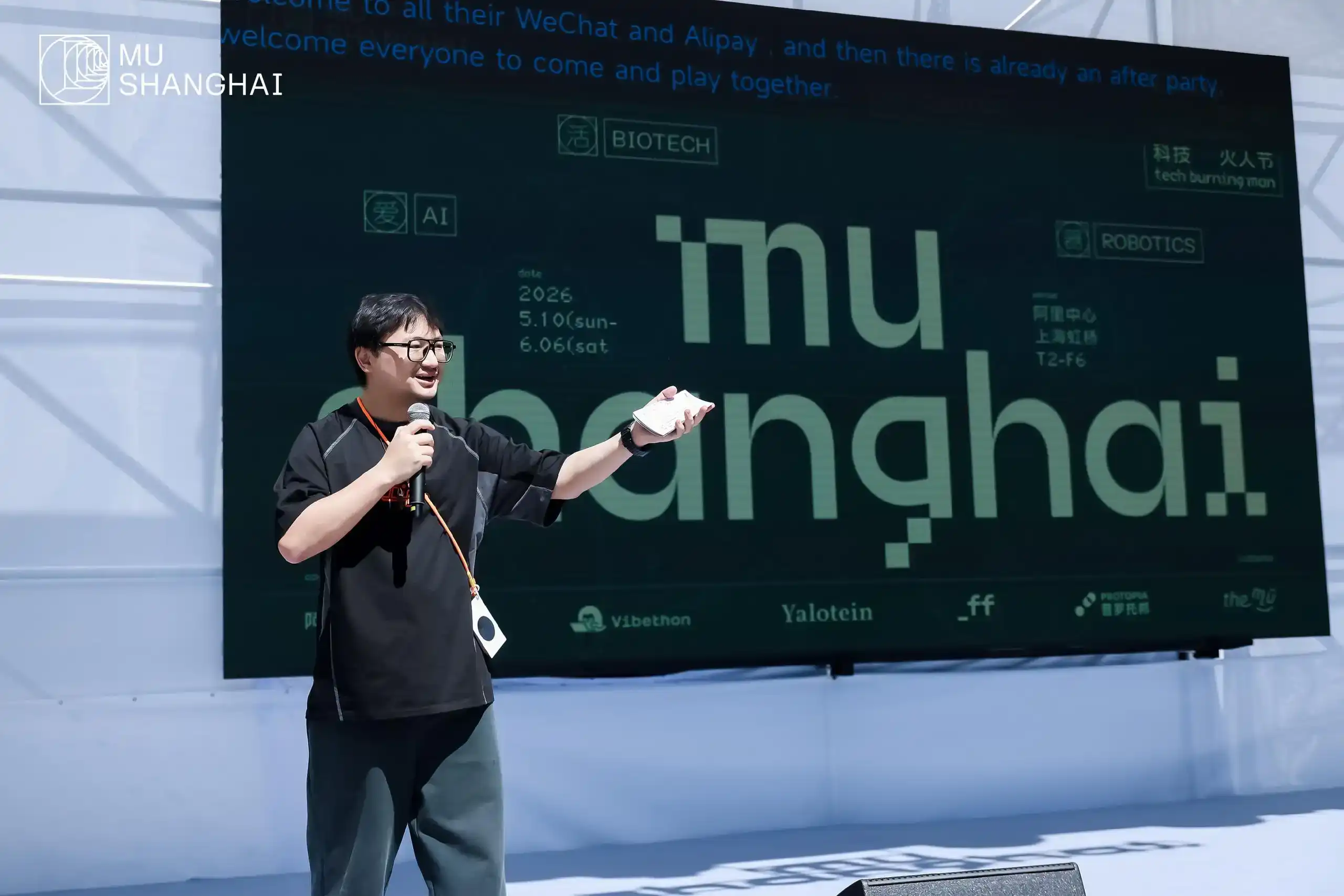
Этого молодого человека зовут San, основатель сообщества The Mu. Название The Mu взято от легендарного затонувшего континента «Му» (Mu) в Тихом океане — романтическая метафора о свободном движении знаний и цивилизации.
Ответственный за центр Alibaba в Хунцяо, Сингуан, услышав об этой идее, помог связаться с местными властями. В итоге управляющий комитет Хунцяо дал ответ, который в глазах Сана был почти чудом: можно. Не только можно, но и готовы помочь в решении многих трудностей.
Чудом это было потому, что в предшествующие семь-восемь месяцев San бесчисленное количество раз получал отказы.
И вот, когда мероприятие стало реальностью, началась эта история.
Это история об открытости Китая внешнему миру. План пятнадцатой пятилетки поставил «расширение открытости высокого уровня» в качестве ключевой задачи, предложив создать новую модель открытого научно-технического сотрудничества высокого уровня и сформировать открытую инновационную экосистему с глобальной конкурентоспособностью. Роль Шанхая определена более конкретно: Международный научно-технологический инновационный центр расширяется с Шанхая на весь регион дельты реки Янцзы, с целью формирования способности к концентрации технологических ресурсов и талантов, стать важным узлом в глобальной инновационной сети.
На бумаге эти формулировки грандиозны, но на практике они должны реализовываться через конкретные сообщества, руководителей объектов и уличные комитеты.
Ставка
10 мая 2026 года, muShanghai официально стартовало. По данным организаторов, из более чем двух тысяч заявок со всего мира было отобрано около восьмисот человек. Из них 46% работают в области ИИ или машинного обучения, 16% сосредоточены на аппаратном обеспечении и робототехнике, участники прибыли с шести континентов, подавляющее большинство — гости из-за рубежа.
Восемьсот человек, прилетевших в Шанхай на мероприятие, чтобы прожить здесь месяц, — почти беспрецедентный случай для индустрии мероприятий в Китае. San говорит, что позже узнал: в большинстве внутренних мероприятий, если есть десять-двадцать иностранных участников — это уже норма, более пятидесяти — считается очень интернациональным. А количество иностранных участников muShanghai значительно превышает эти цифры, причем все они сами оплачивают перелет и проживание, а также вносят входной взнос в тысячу юаней.
В сфере научно-технических инноваций Китая давно сложилась практика: чтобы пригласить зарубежного гостя на мероприятие, обычно нужно оплачивать ему билеты и проживание, а иногда и гонорар. San крайне негативно к этому относится. Он считает, что такой подход превращает иностранцев в дефицитный ресурс, которого нужно лелеять, а не в равноправных партнеров.
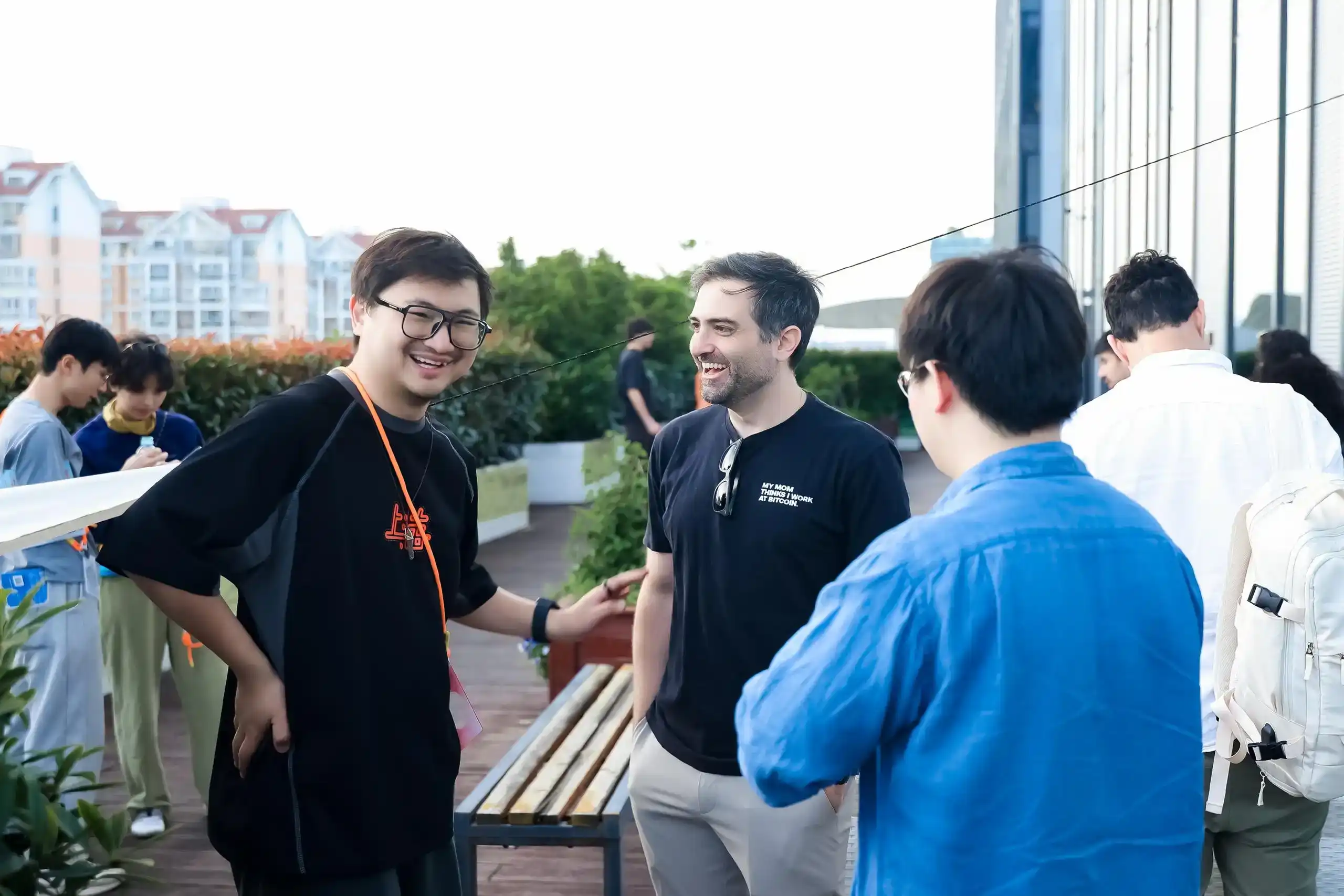
В его логике The Mu предоставляет достаточно плотную сеть талантов и достаточно интересную среду. Если сама по себе эта среда не представляет привлекательности, то платить за приглашение людей бессмысленно.
San сначала пригласил людей, которых он знал: глобальных организаторов технологических сообществ, специалистов по ИИ, аппаратному обеспечению, биотехнологиям, а также друзей, работающих в других крупных технологических компаниях. Эти люди, в свою очередь, порекомендовали мероприятие в своих кругах, а те пригласили людей, которых считали надежными. Весь процесс набора по сути был поэтапным расширением сети доверия.
Это был первый запуск The Mu в Китае, и San нужно было обеспечить высокое качество участников и высокую узнаваемость.
Как первый организатор такого долгосрочного офлайн-мероприятия с иностранным участием, The Mu взял на себя огромное давление и ответственность.
«Возможно, во всем Китае только я один осмелился взяться за это дело», — говорит San спокойным тоном, но тут же приводит причины: у местных сообществ нет зарубежных ресурсов и влияния; зарубежным сообществам из-за языковых и культурных барьеров трудно выйти на китайский рынок.
Только он, китаец, проживший за границей семнадцать-восемнадцать лет, обладает и доверием зарубежных сообществ, и китайским гражданством с языковыми навыками, и готов брать на себя риски, которых другие боятся.
Проблемы адаптации
Но главный вызов, с которым столкнулась эта ставка, заключался в том, сможет ли модель управления сообществом прижиться на китайской почве.
Взимание платы в тысячу юаней за месячный билет на muShanghai вызвало ожидаемые споры.
Критики считали: если есть спонсоры, зачем еще брать деньги с участников? В экосистеме мероприятий Китая подобные события обычно бесплатны или недороги, а мероприятия со спонсорами и подавно.
Однако, с точки зрения Сана, на эти голоса не стоит обращать внимания. «Наше пространство и ресурсы ограничены. Мы хотим предоставить их выдающимся, активным людям. Поэтому мы не соревнуемся в том, кто дешевле, чтобы затем привлечь кучу важных персон, которых нужно обслуживать. Мы хотим видеть людей, которые видят это сообщество, видят возможности и хотят использовать эти ресурсы, чтобы делать что-то иное».
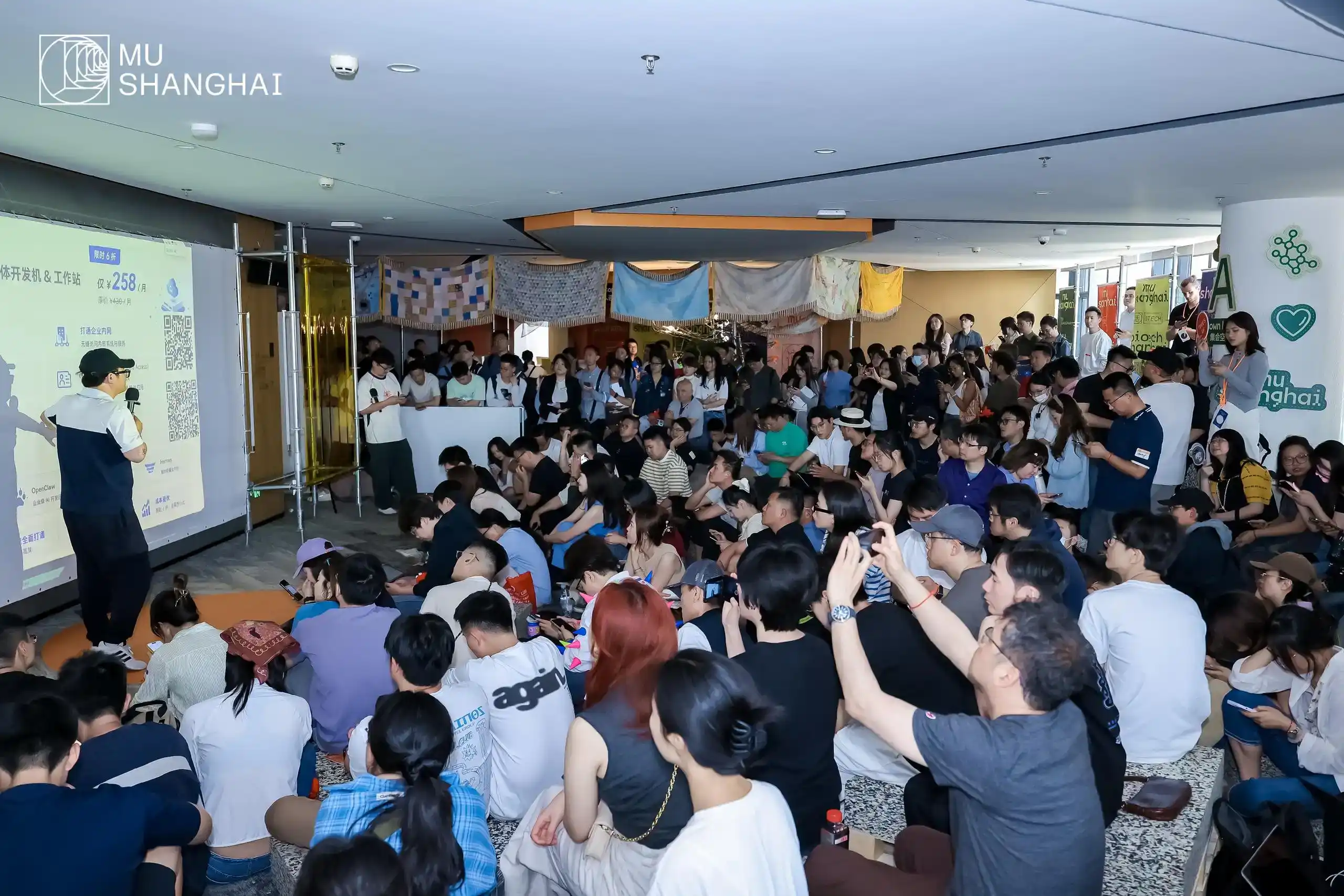
Этот конфликт возник не только вокруг цены билетов. Отношения muShanghai со спонсорами также были полны трений. San рассказал нам, что из-за того, что со многими местными спонсорами они сотрудничали впервые и не были знакомы с местными процедурами, возникло много трений и недопониманий. Хотя и наступили на множество граблей, в конечном итоге все стороны хотели продолжить долгосрочное сотрудничество и привлечь в Китай больше международных талантов.
За исключением первых двух дней мероприятий, открытых для всех («открытые двери»), последующие события muShanghai были доступны только обладателям месячных билетов и небольшому количеству дневных билетов. Но команда быстро обнаружила, что между посетителями с дневными и месячными билетами существует заметная разница в отношении и настрое. Люди с дневными билетами просто бегло осматривались, ставили галочки, были настроены на сервис. Редко устанавливали глубокие связи с окружающими.
Команда The Mu в итоге отменила дневные билеты, ценой дальнейшего сужения круга участников. Но выиграли они в установлении подлинных связей между существующими членами сообщества.
Это обнажило проблему более фундаментальную, чем ценообразование: модель The Mu строится на предпосылке, что участники готовы платить за нематериальную ценность «глубоких связей между людьми» и понимают, что они являются со-творцами, а не потребителями.
Для местной аудитории потребуется некоторое время, чтобы адаптироваться и осмыслить формат мероприятий поп-ап города.
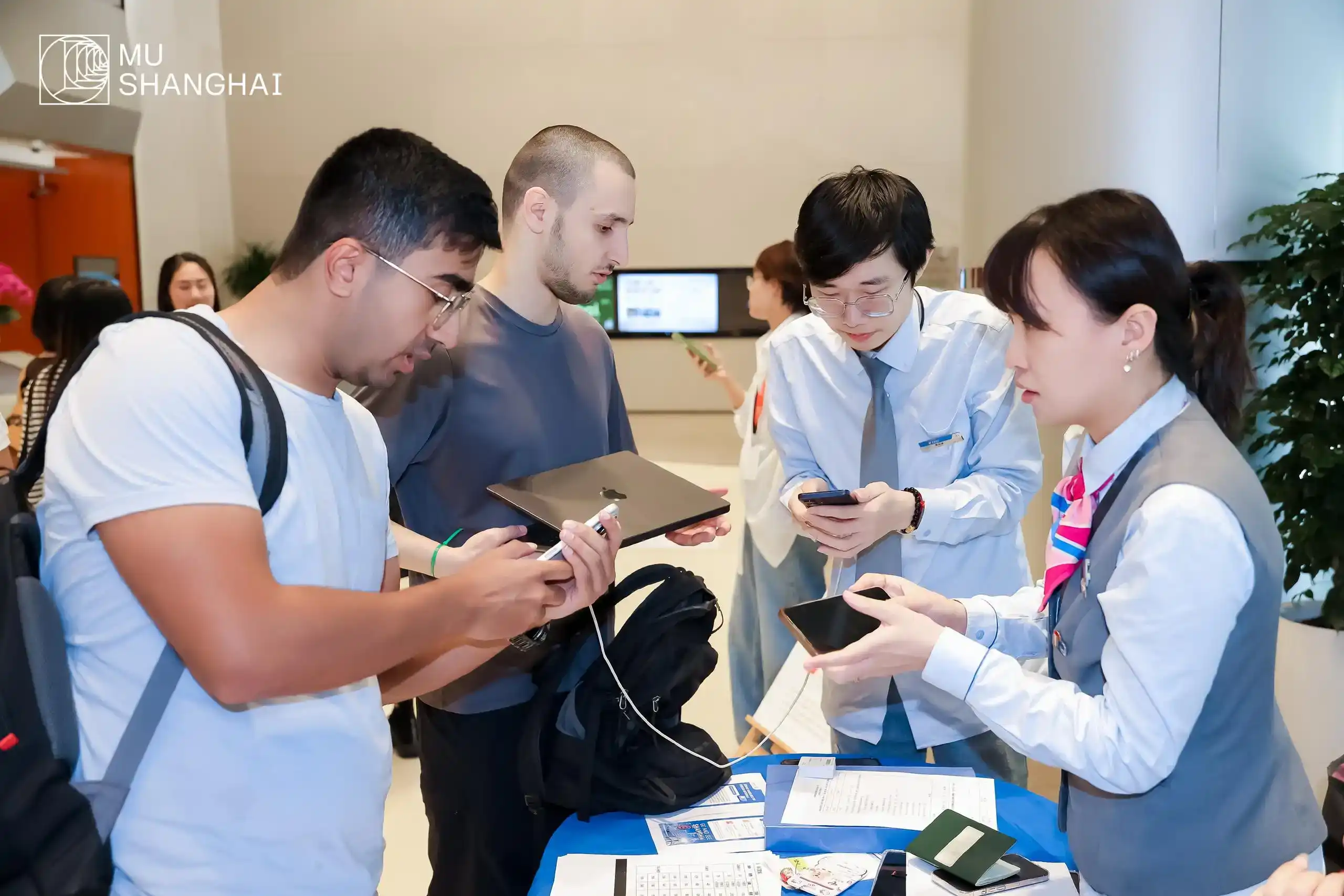
План пятнадцатой пятилетки предлагает «создать открытую инновационную экосистему с глобальной конкурентоспособностью». Район Пудун в Шанхае выпустил 34 меры по облегчению условий для иностранных талантов, охватывающих передвижение, работу, предпринимательство и жизнь. Но политика решает проблемы каналов на институциональном уровне. Когда зарубежный предприниматель в сфере ИИ оказывается на улицах Шанхая, он сталкивается с капиллярными препятствиями: как пользоваться WeChat Pay, как понять китайский контракт, как определить надежность поставщика.
То, что пытается сделать muShanghai, — это построить мост между институциональными каналами и индивидуальными потребностями. Сейчас этот мост очень узок, построен полностью вручную San и его командой. Они помогают участникам наладить контакты с производителями моделей, организуют посещения заводов, приглашают партнеров из правительства рассказать о плане пятнадцатой пятилетки и политике трансграничных инвестиций, даже координируют процесс подачи заявок на визы для талантов.
Ценность этих услуг реальна, но смогут ли они превратиться из ручного труда, зависящего от личности Сана, в воспроизводимую инфраструктуру — пока открытый вопрос.
Плотность
muShanghai длился 28 дней и был разделен на четыре тематические недели: ИИ, биотехнологии и долголетие, аппаратное обеспечение и робототехника, культура. Внутри каждой тематической недели каждый день имел свою подтему. Такой дизайн был продиктован не академическим перфекционизмом, а очень практичной проблемой: большинство людей не знают, как участвовать в мероприятии, длящемся месяц.
Выбор четырех тематических недель имел и более глубокий смысл. San считает, что с глобальной точки зрения китайские научно-технические инновации наиболее известны в мире именно в областях ИИ, биотехнологий и аппаратного обеспечения. Это также хорошо согласуется с отраслевым планированием плана пятнадцатой пятилетки, где четко указана необходимость укрепления стратегического научно-технического развертывания в таких передовых областях, как искусственный интеллект, квантовые технологии, биотехнологии. Но San добавил четвертую неделю — культуру, включающую дизайн, игры, традиционную культуру и культуру будущего.
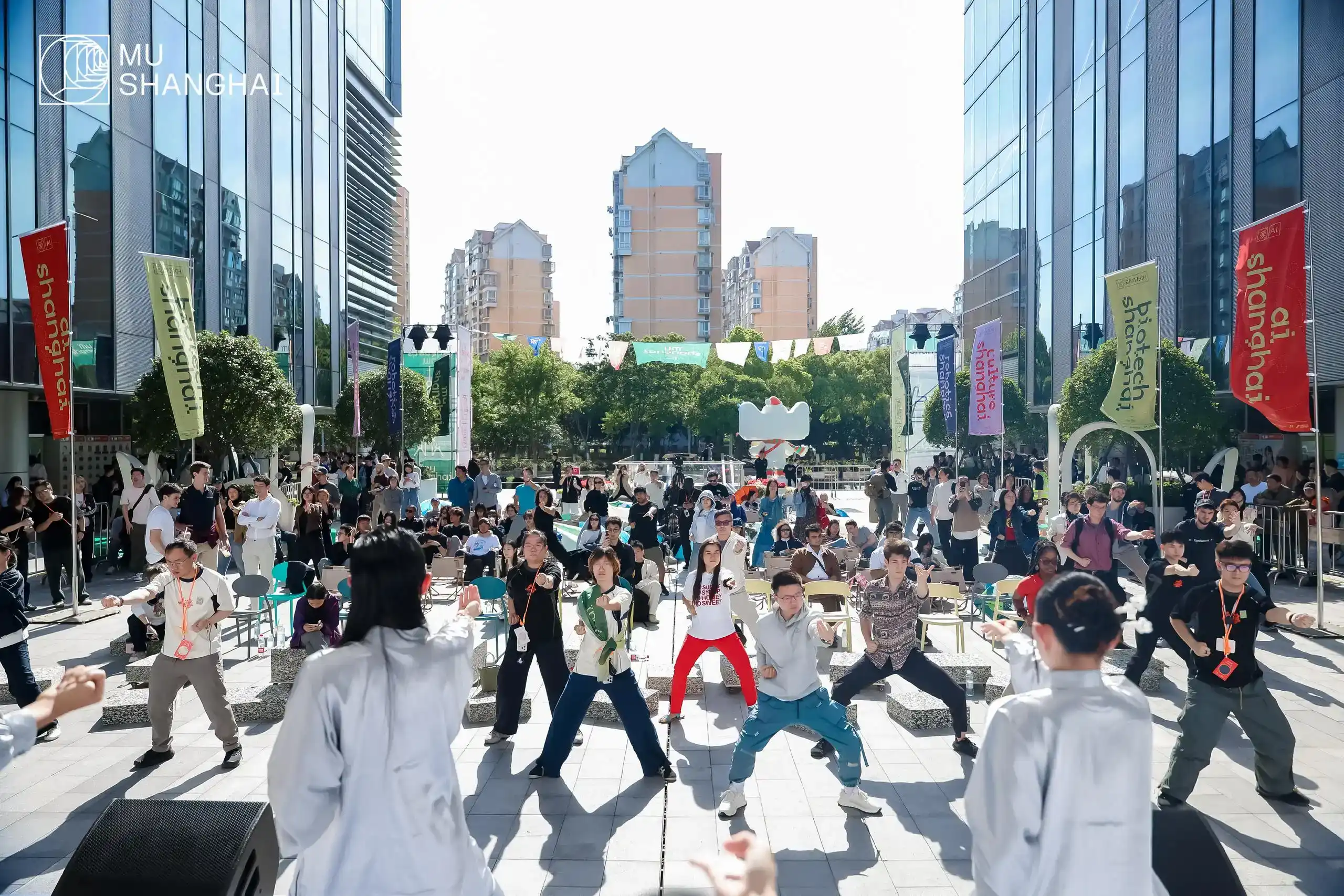
«У меня образование в области гуманитарных и социальных наук, — объясняет San. — Технологии, будь то «железо» или ИИ, сами по себе лишь большой гаечный ключ. Если ключ не создан для человека, он не имеет никакого смысла».
Такое осознание инструментальной природы технологий, на мероприятии, позиционируемом как «техно-Бёрнинг-Мэн», выглядит неожиданно. Но оно объясняет ключевую логику, отличающую muShanghai от обычных технологических саммитов. Это не место для демонстрации продуктов и привлечения инвестиций, а место для создания плотности. Плотности талантов, плотности доверия, плотности времени.
Плотность времени — ключевая переменная. San испытывает усталость от модели двух-трехдневных саммитов: «Люди быстро обмениваются WeChat, спешат поговорить со следующим. После нескольких суматошных дней внутри пустота, куча контактов в WeChat, но никто никого не помнит».
Он считает, что глубокие отношения не могут возникнуть в этой модели общения, ориентированной на эффективность. Месяц времени означает, что вы можете встречаться с одними и теми же людьми снова и снова, вместе есть, вместе играть в мяч, вместе ходить в сауну.
«Вы можете построить доверие, обсудить множество тем. Во взрослой жизни, особенно после вхождения в профессиональный мир, у людей почти не остается такой возможности».
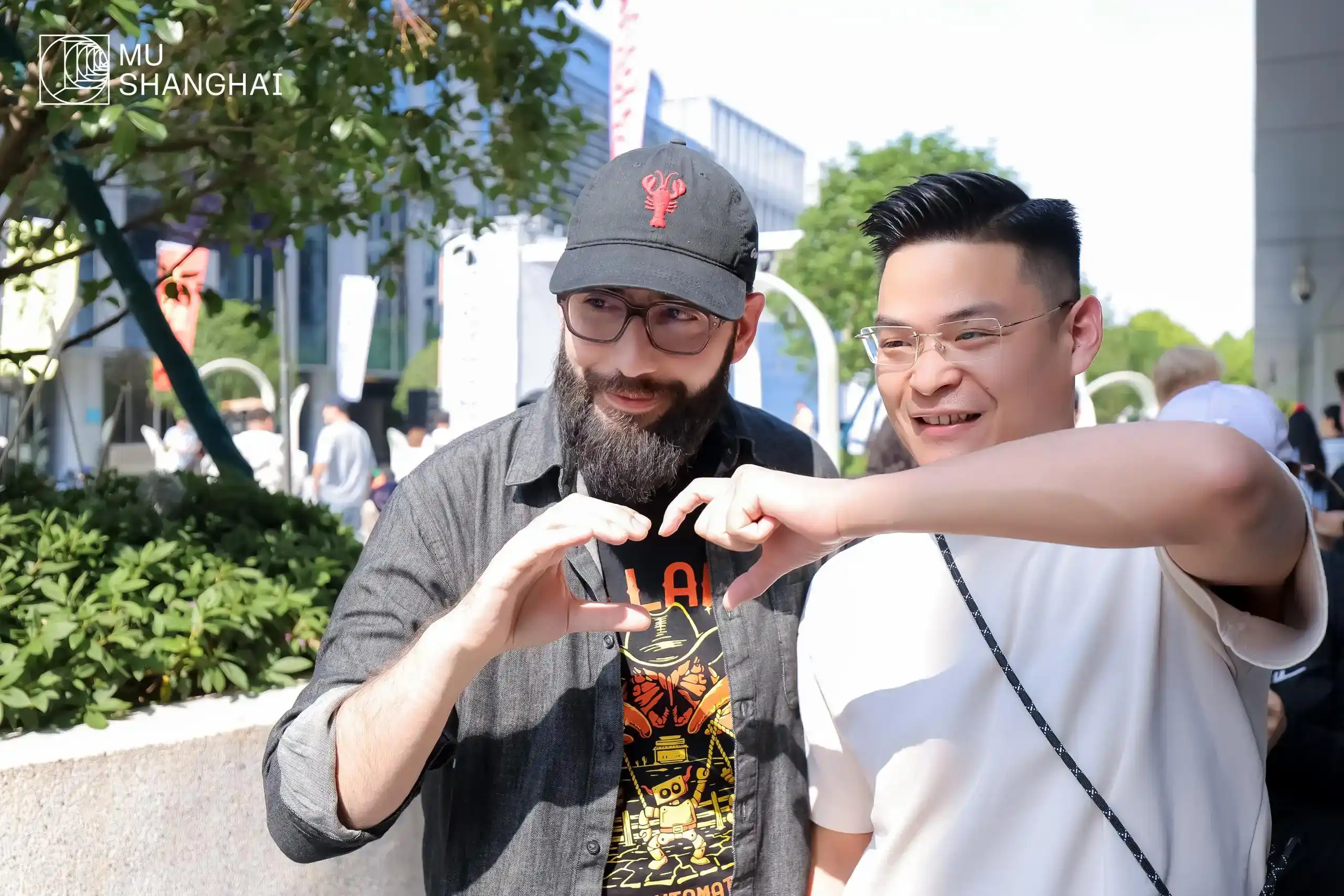
Эта плотность принесла конкретные результаты. San рассказал нам, что китайский студент, желавший учиться за границей, встретил на muShanghai людей из зарубежных крупных компаний и получил возможность стажировки за рубежом, что дало ему весомый опыт еще до подачи заявления в университет.
Несколько ключевых участников OpenClaw впервые приехали в Китай. До этого из-за языковых, культурных и прочих барьеров они не знали, как организовать здесь мероприятие. После muShanghai они искренне надеются часто бывать в Китае и оптимистично смотрят на долгосрочное развитие OpenClaw в стране.
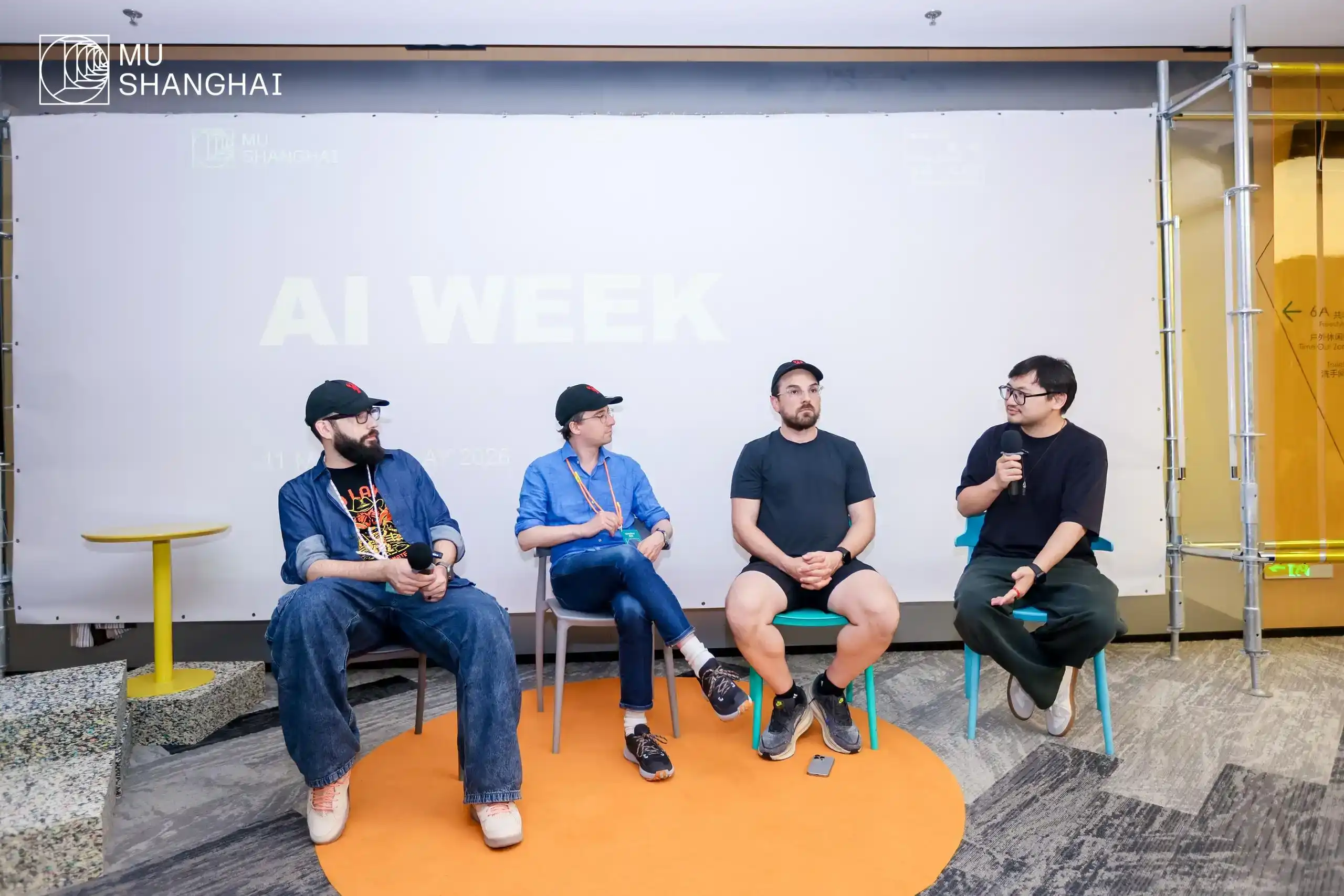
Группа участников сообщества из Латинской Америки специально прилетела, потому что The Mu в аргентинском Буэнос-Айресе стал успешным примером того, как сообщество может изменить общество.
После мероприятия muBuenos в формате поп-ап города в 2024 году количество технологических проектов в Аргентине выросло с шестидесяти-семидесяти до более чем тысячи двухсот. The Mu и созданное впоследствии местное сообщество Crecimiento привлекли в местное сообщество инвестиции на сумму более двадцати миллионов долларов из-за рубежа.
Международным талантам, приезжающим в Китай, помимо институциональных каналов, нужно найти нечто более базовое — место, где они узнают, к кому обратиться, куда пойти, с чего начать. Вход в китайскую научно-техническую экосистему, не требующий предварительного понимания структуры китайского правительства или знакомства с бизнес-разработчиком из крупной компании.
В интервью San описал свое видение долгосрочного пространства: целое здание, где каждый этаж посвящен разной научно-технической теме — ИИ, робототехника, биотехнологии, игры, культура. На каждом этаже свой ответственный — компания, сообщество, частное лицо. В этом здании будут создаваться инвестиционные фонды, медиа, различные новые проекты. Оно станет первой остановкой для зарубежных талантов в Китае и окном для китайцев, желающих установить связи с зарубежными ресурсами.
«Китайцам больше не нужно лететь в Сан-Франциско, чтобы насильно вливаться в те круги, — говорит он. — Вы сможете увидеть мир, находясь в Китае».
Ничто не проходит бесследно
San вырос за границей, семнадцать-восемнадцать лет, в основном в англоязычных странах. Он говорит, что с детства из-за своего китайского происхождения его обижали, травили, высмеивали. Эти переживания не сделали его злым или агрессивным, но превратились в устойчивую движущую силу, заставившую его захотеть изменить значение ярлыка «китаец» за рубежом.
«Поддерживая эту тенденцию экспорта научно-технических инноваций и культурной мягкой силы Китая... если это удастся, в будущем дети, растущие за границей, больше не будут подвергаться насмешкам из-за того, что они китайцы. Люди будут говорить: ты китаец, технологии в твоей стране крутые, культура твоей страны крутая».
Это глубинная эмоция, движущая им в организации muShanghai — показать миру Китай. Не через официальные нарративы, не через пропаганду в СМИ, а через то, чтобы дать людям приехать сюда, пожить, почувствовать самим.
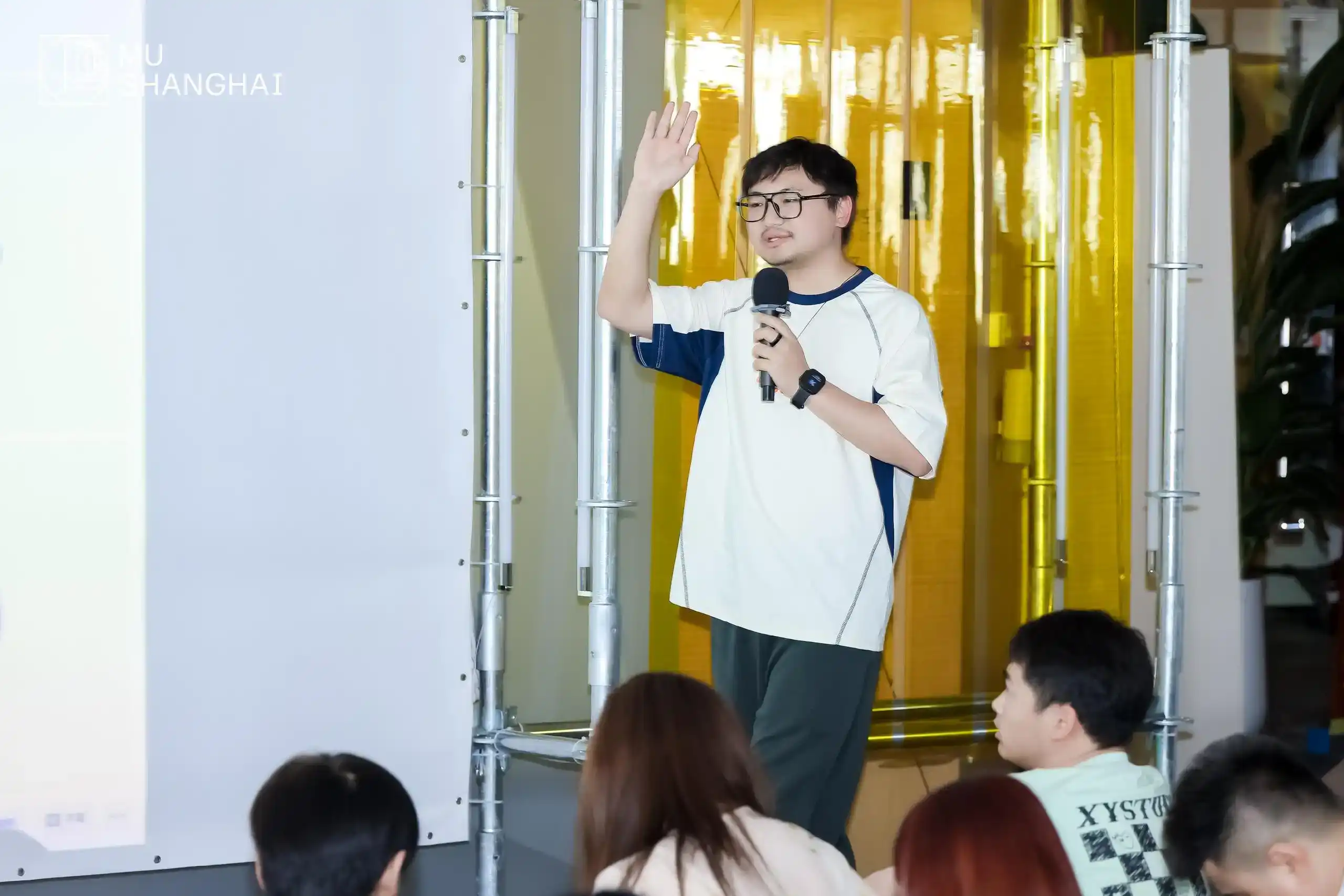
«Не нужно читать им нотации. Достаточно организовать встречи с производителями моделей — и они сами поймут, насколько Китай продвинут. Организовать посещения роботизированных заводов — и они увидят, каков Китай. Дать им пожить в Китае три-пять дней — и они все поймут».
Иностранные участники сами поражаются удобству WeChat и Alipay, удивляются, что доставка еды приходит за десяток минут и еще горячая, интересуются, как Китай смог так быстро развиться до сегодняшнего уровня, и затем сами сравнивают со своими странами. В этом смысл самого путешествия — не нужно ни за кого делать выводы.
Но показать миру Китай — только одна сторона истории. Другая сторона: когда мир действительно приезжает, готов ли Китай его принять?
После старта muShanghai San обнаружил, что самая сложная проблема, с которой он столкнулся, — не как привезти людей, а как после их прибытия справиться с теми отношениями, которые возникают вокруг этого сообщества: с правительством, с капиталом, с городом. Как, поддерживая существующие партнерские отношения, добиться оптимальных условий для развития сообщества, как провести границу между энтузиазмом властей и независимостью сообщества.
Кроме того, это мероприятие связало множество зарубежных компаний, сообществ и частных лиц, желающих развиваться в Китае в долгосрочной перспективе. Но все они столкнулись с тем, что местные продукты плохо интернационализированы, что создает много трений.
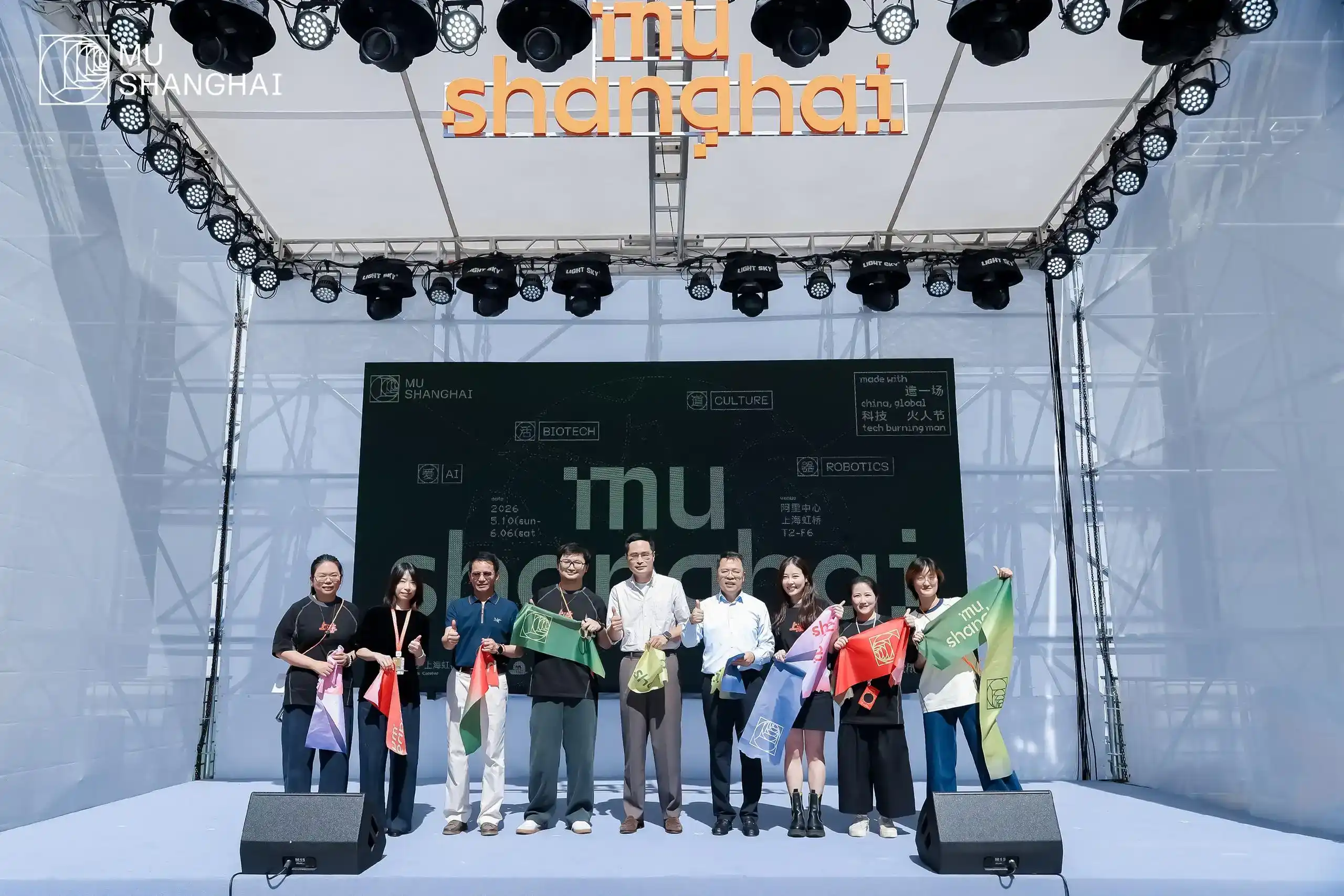
Изменения, которые может принести одно сообщество, ограничены. Переговорный капитал сообщества в конечном счете сводится к одному: какую постоянную, незаменимую ценность оно способно создавать.
Картина открытости китайских научно-технических инноваций, нарисованная планом пятнадцатой пятилетки, носит системный характер: расширение строительства трех международных научно-технологических инновационных центров, постепенное расширение институциональной открытости, глубокая интеграция цепочек талантов и инноваций — это чертеж гигантской машины. muShanghai же — нестандартная деталь этой машины. Ее нет ни на одном чертеже, ее форма полностью определена личной волей создателя, и она может встроиться в эту машину лишь потому, что случайно оказалась щель, позволяющая ей существовать.
«Даже если muShanghai в конечном итоге не сможет продолжиться, он как минимум доказал одну возможную вещь: что grassroots-сообщество может, не имея прецедентов, привезти в Китай технологических предпринимателей со всего мира и дать им возможность самим увидеть, самим оценить. Если другие в будущем смогут сделать это лучше, мы будем только рады».
San слегка уставшим голосом рассказывает о своем самом искреннем желании.
«После окончания muShanghai я надеюсь, что главным впечатлением для всех станет сожаление о расставании. Сожаление о сообществе muShanghai, о новых друзьях, которых они обрели за этот месяц, об этой высокой плотности обмена информацией, об этом пространстве, где засиживались до двух-трех ночи каждый день, о Шанхае и о Китае. Когда появляется сожаление о расставании, это значит, что что-то дало тебе реальную ценность».
За окном — май в Хунцяо. В здании, которое когда-то пустовало, люди со всего мира заняты каждый своим делом.
То, что произойдет с этим зданием дальше, во многом зависит от того, сможет ли созданная им плотность превратиться из воли одного человека в воспроизводимую структуру. Или, проще говоря, что останется, когда срок годности удачи и смелости истечет.